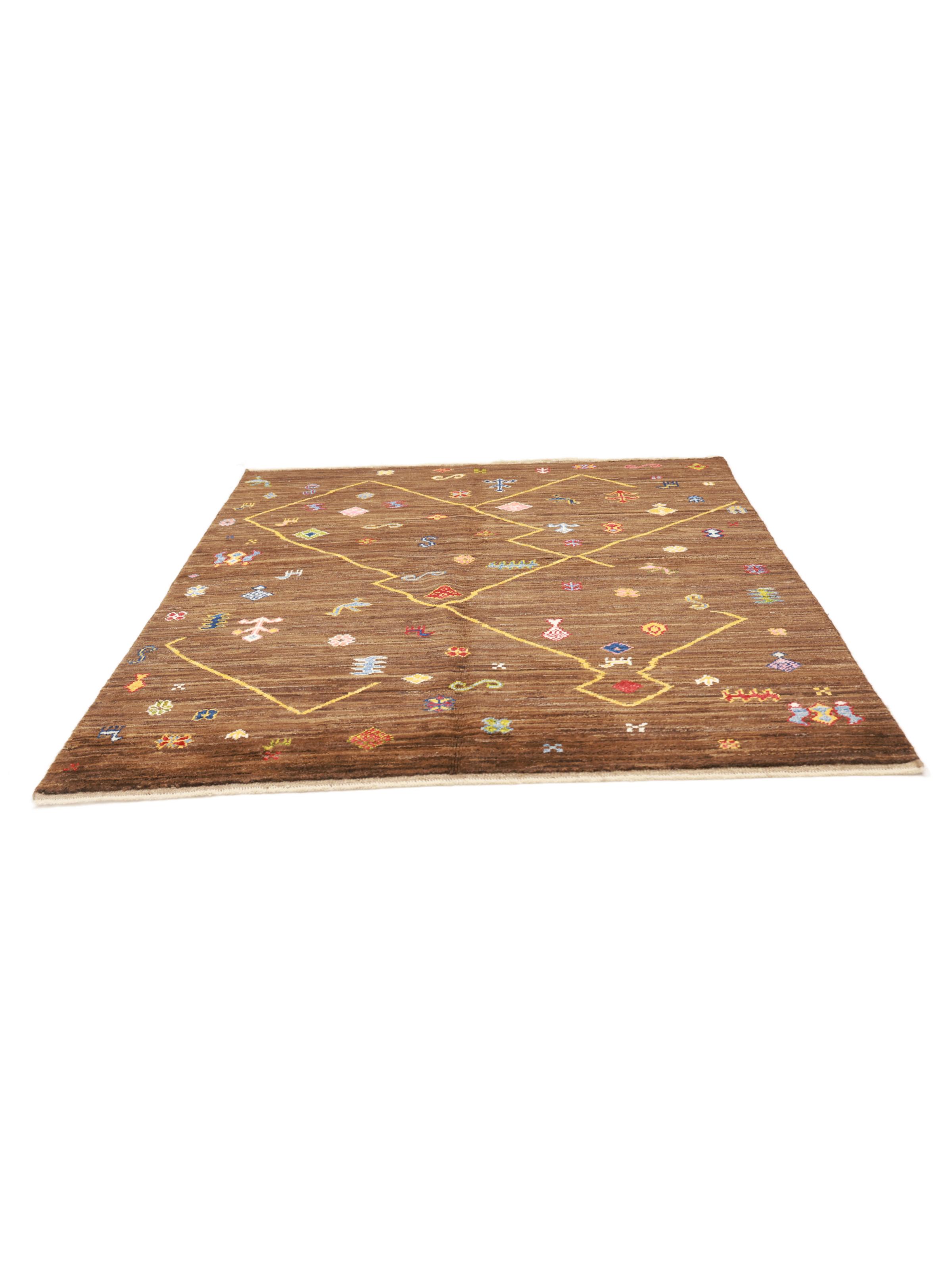
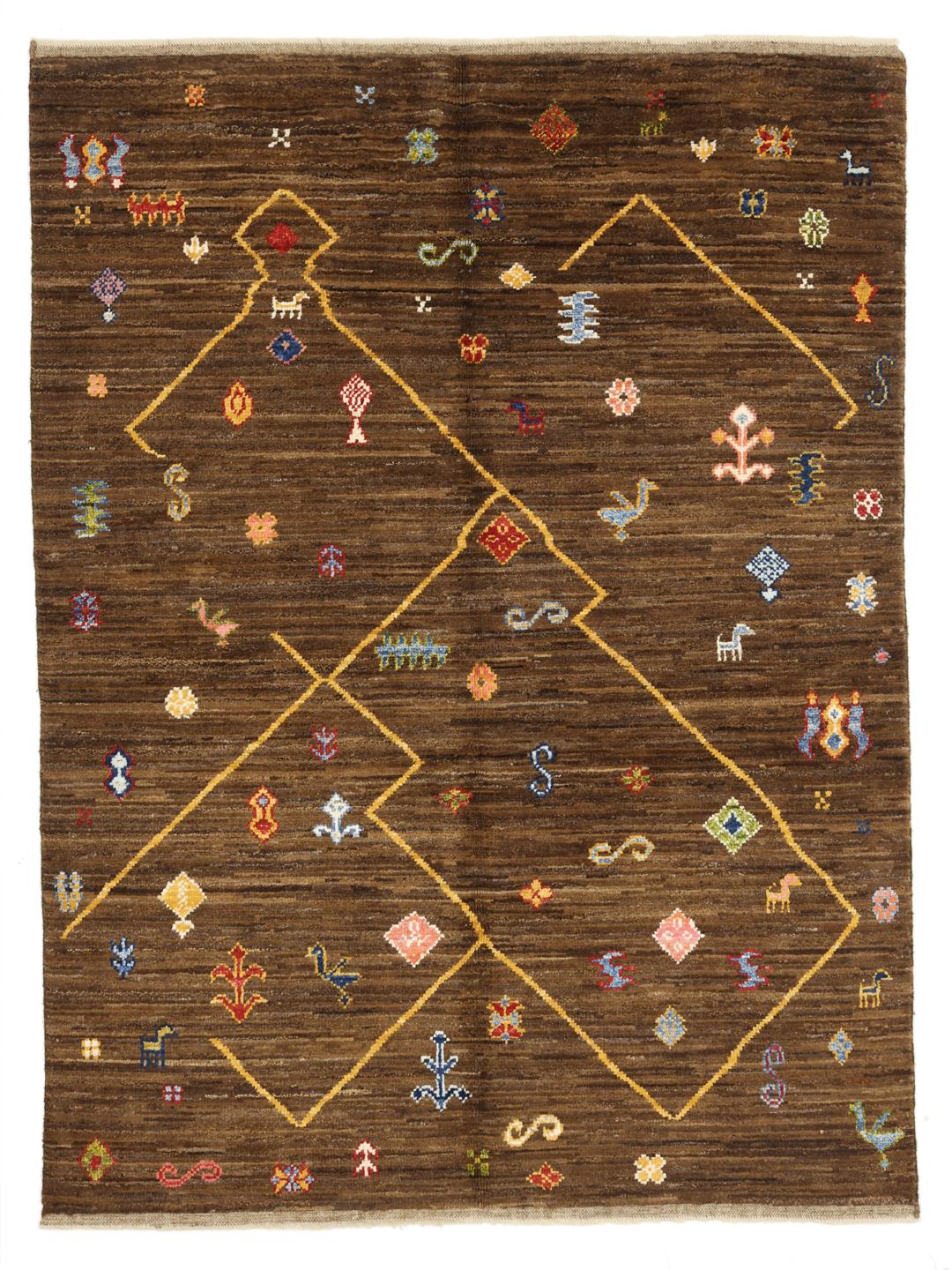
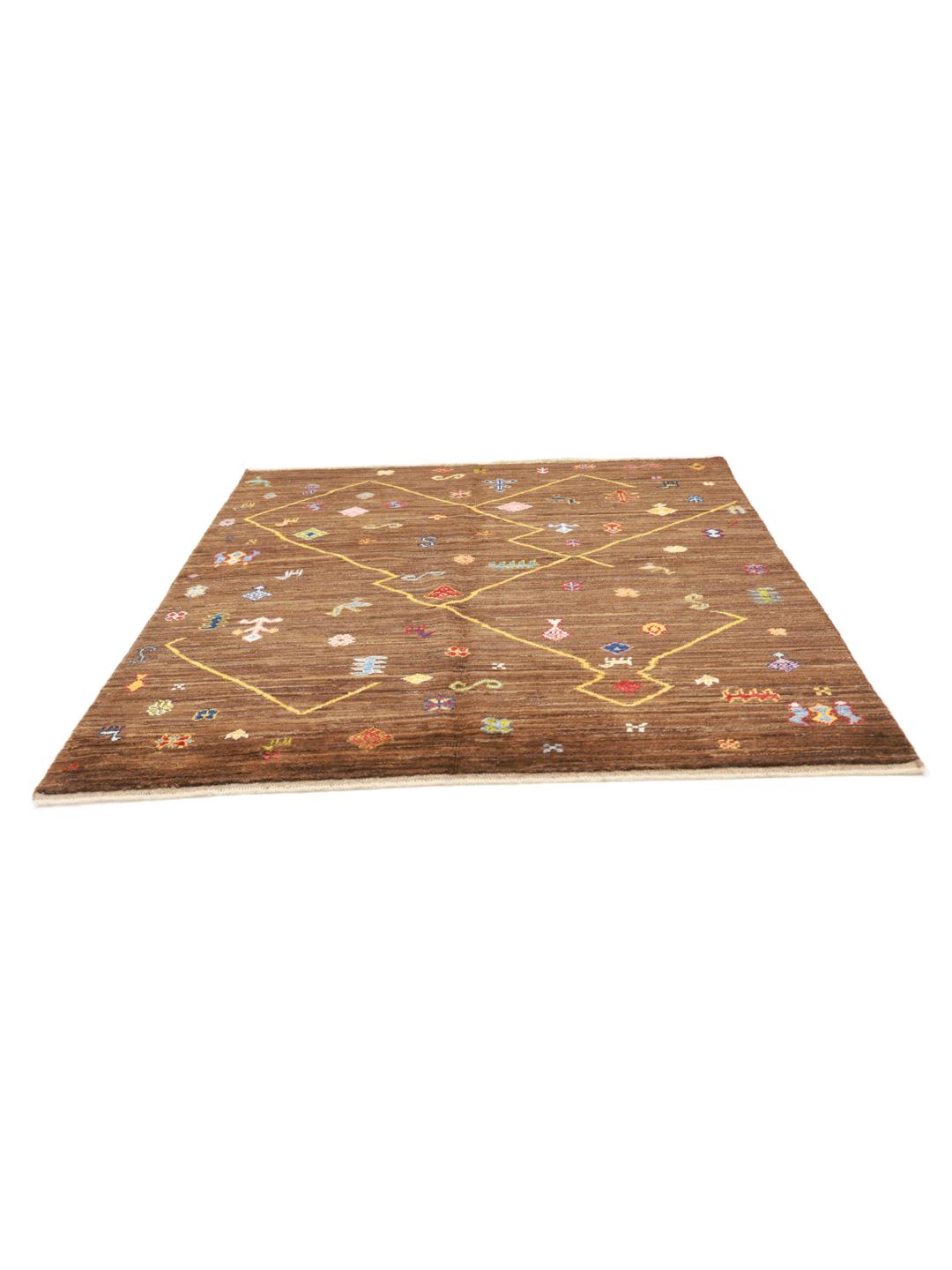
The Berber tradition, while historically rooted in the mountainous regions of North Africa, has seen a fascinating evolution as its distinct aesthetic has been embraced by artisans in Afghanistan. This cross-pollination of styles has allowed Afghan weavers to apply their own refined techniques to the playful, symbolic design language typically associated with Berber rugs. The result is a unique fusion that honours the ancient roots of the craft while introducing new regional sensibilities.
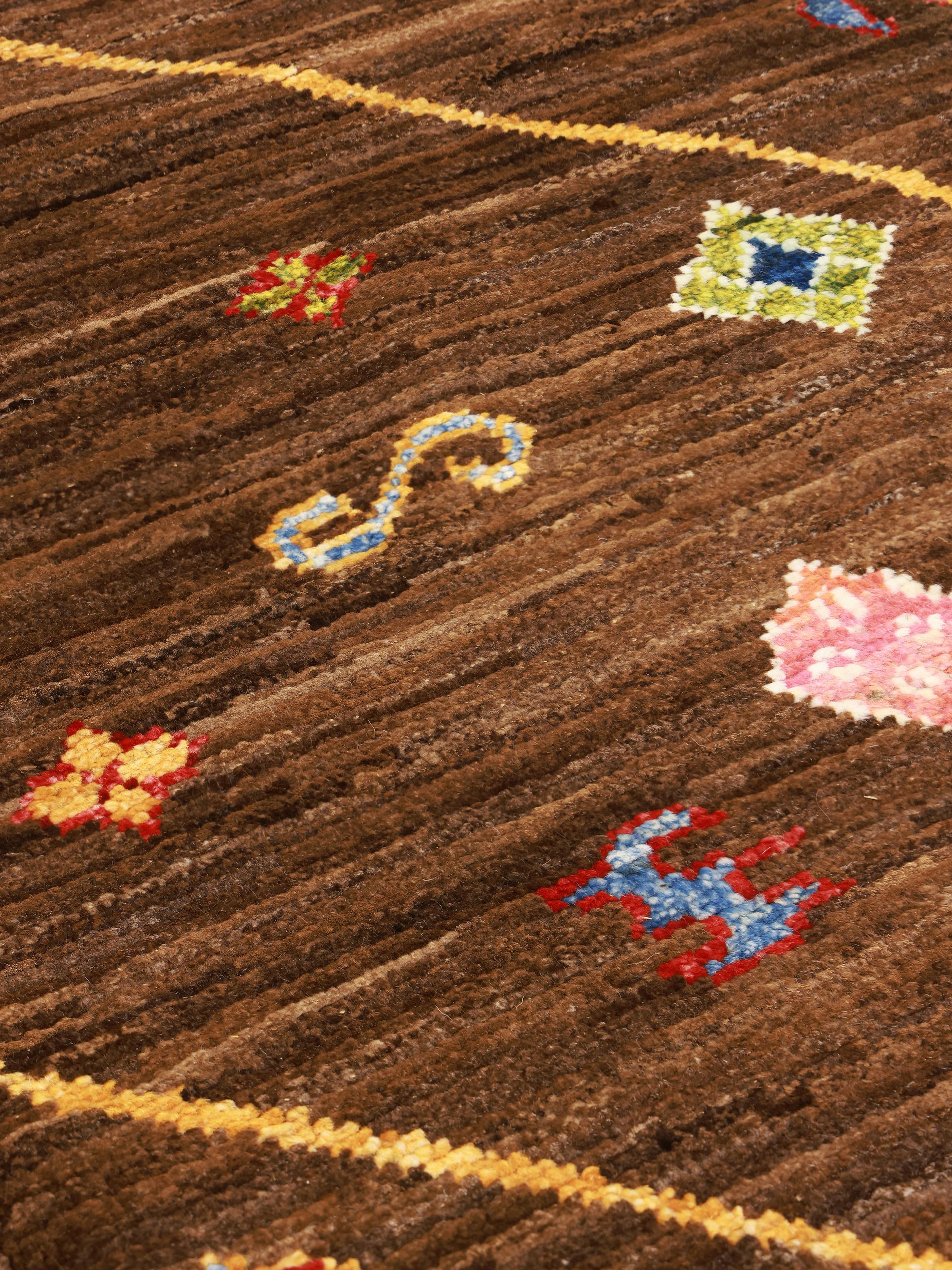
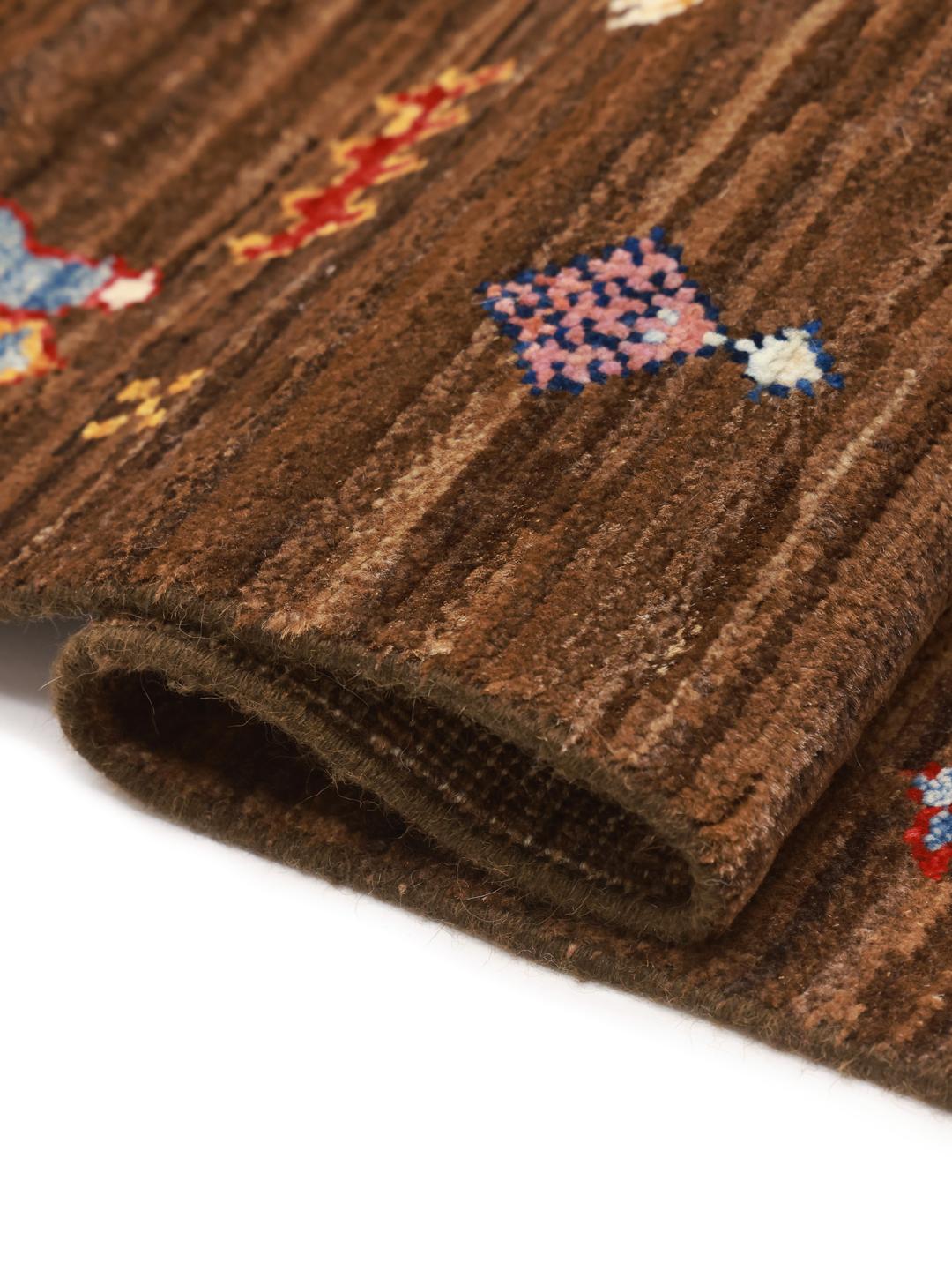
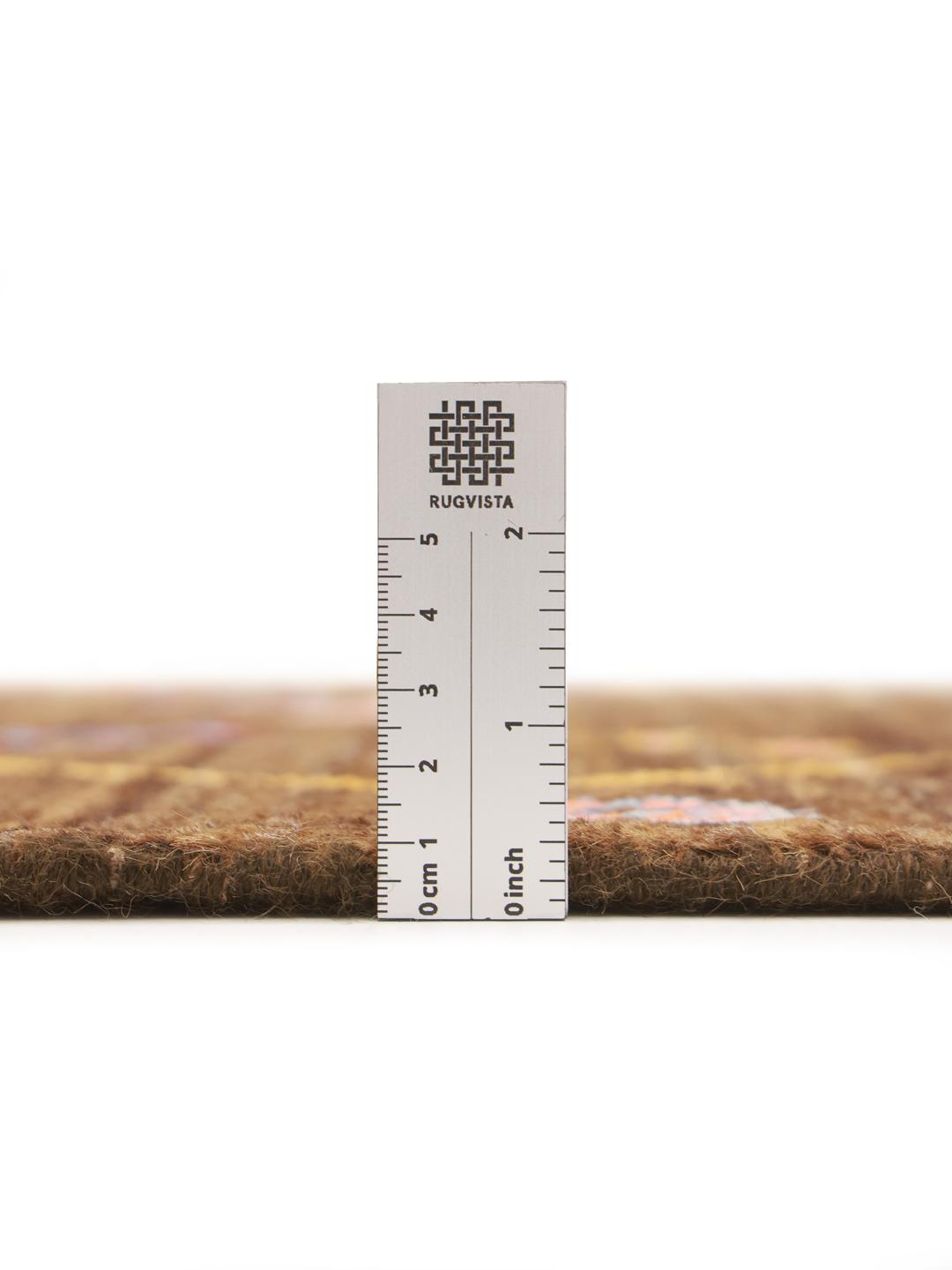
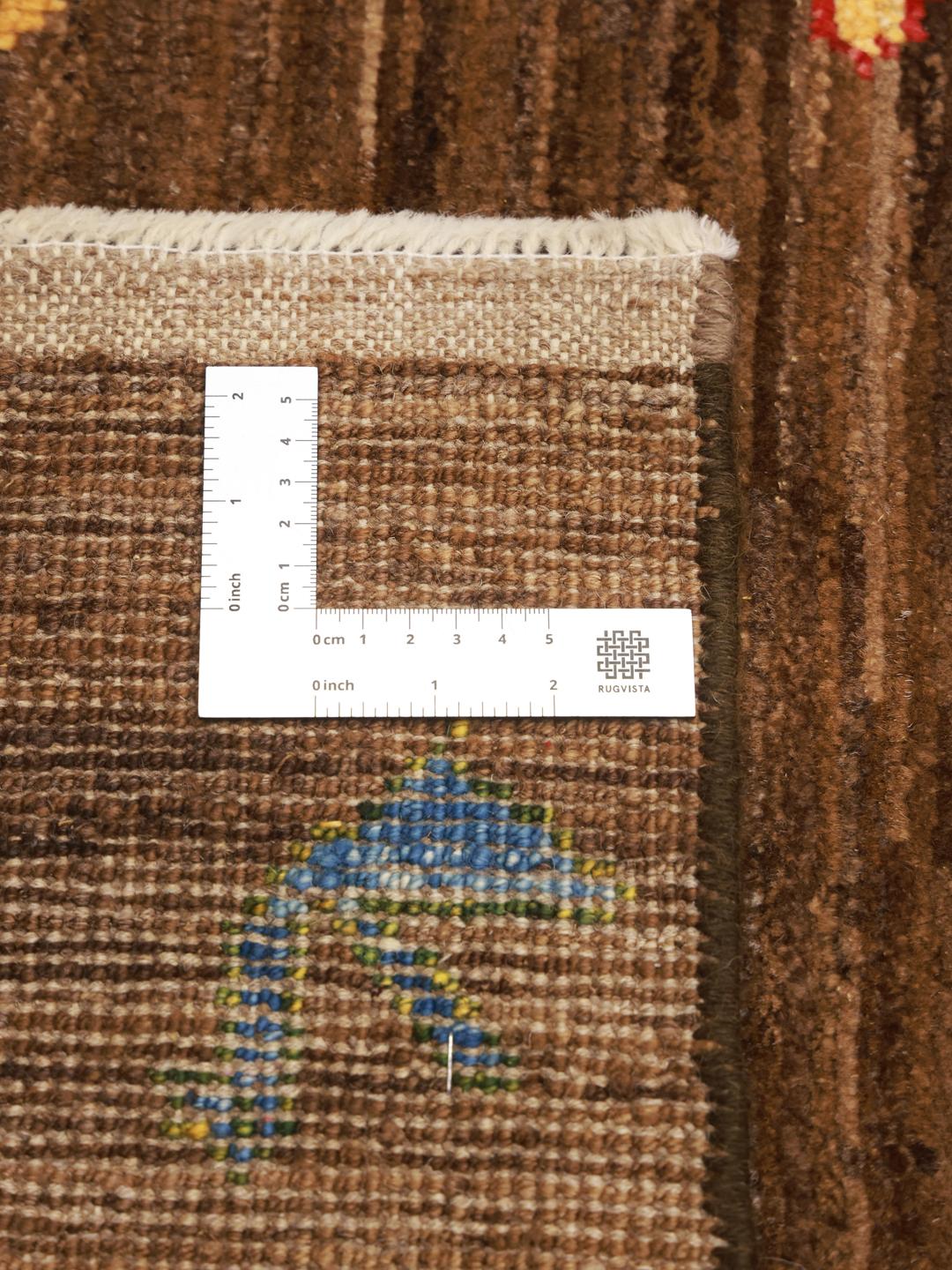
The construction of these rugs is defined by a deep commitment to quality and longevity. Using wool for both the pile and the foundation, these rugs are built to withstand the test of time. The wool is carefully sourced and processed to ensure a soft, lustrous finish that also provides natural resilience. This material choice is fundamental to the rug's character, providing warmth and comfort that synthetic alternatives simply cannot replicate.
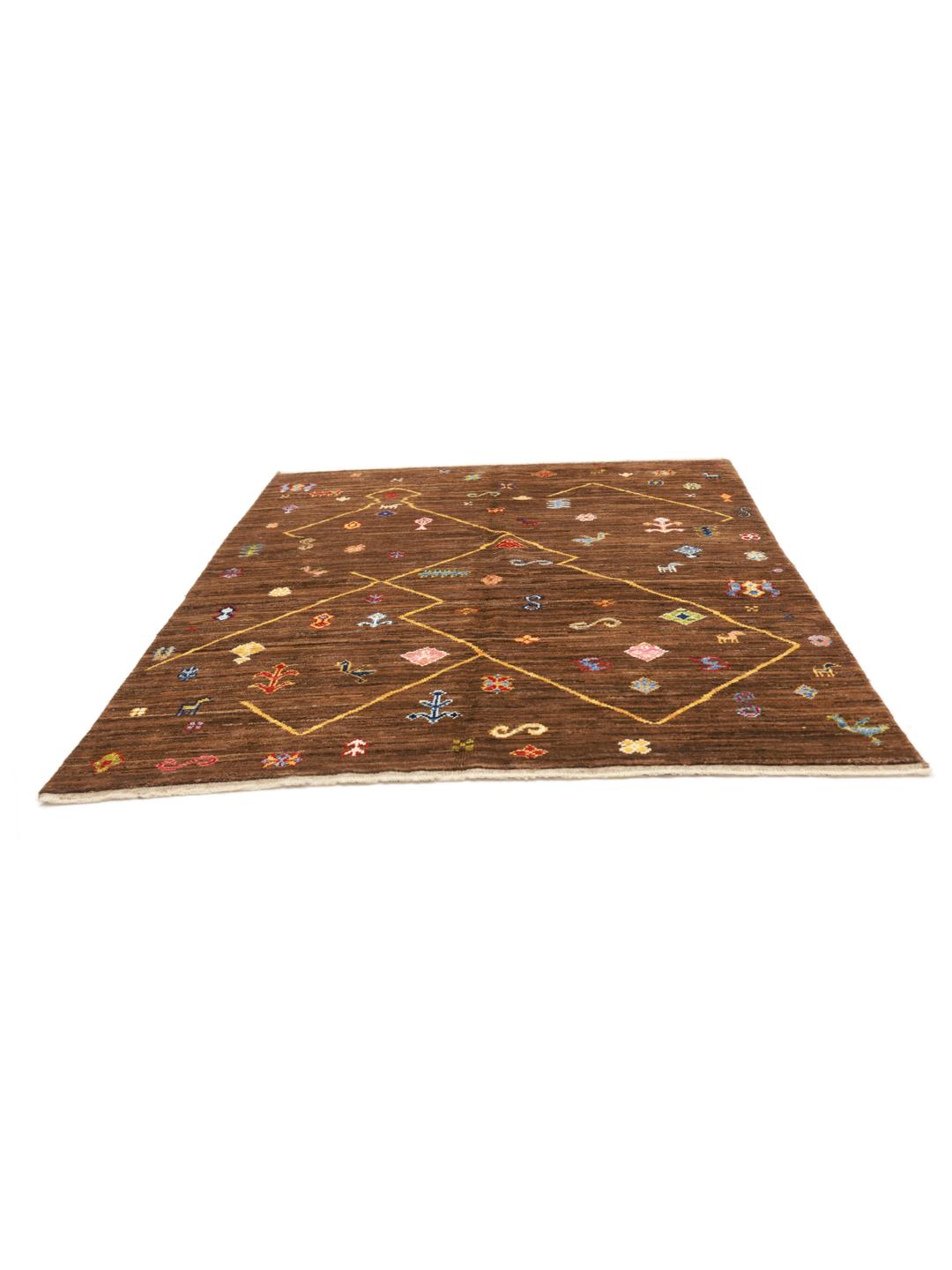
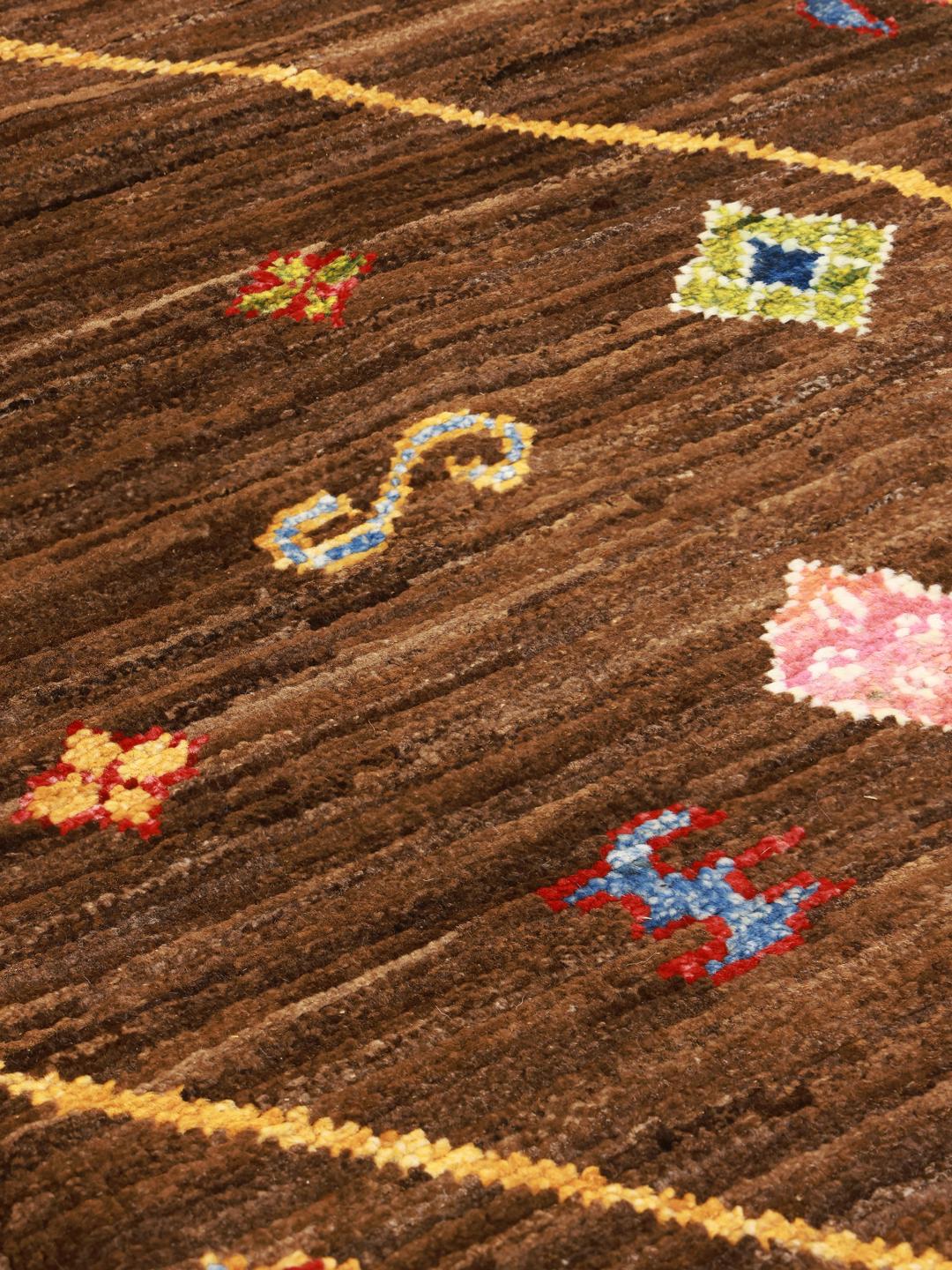
Visually, these rugs are defined by their symbolic vocabulary. Rather than relying on rigid, repetitive patterns, they often feature a more spontaneous distribution of motifs. These symbols, which can represent everything from nature and animals to protection and daily life, are scattered across the field like a visual narrative. The contrast between the dark, earthy base and the vibrant, multi-coloured motifs makes these pieces stand out as expressive, artistic statements.
Collecting a rug from this tradition is an investment in human skill and cultural history. Each piece serves as a bridge between the weaver and the owner, carrying with it the mark of the artisan's hand and the legacy of their craft. Because no two rugs are identical, owning one is a way to curate a space that is truly personal and grounded in a tradition that prizes individual expression over mass-produced uniformity.