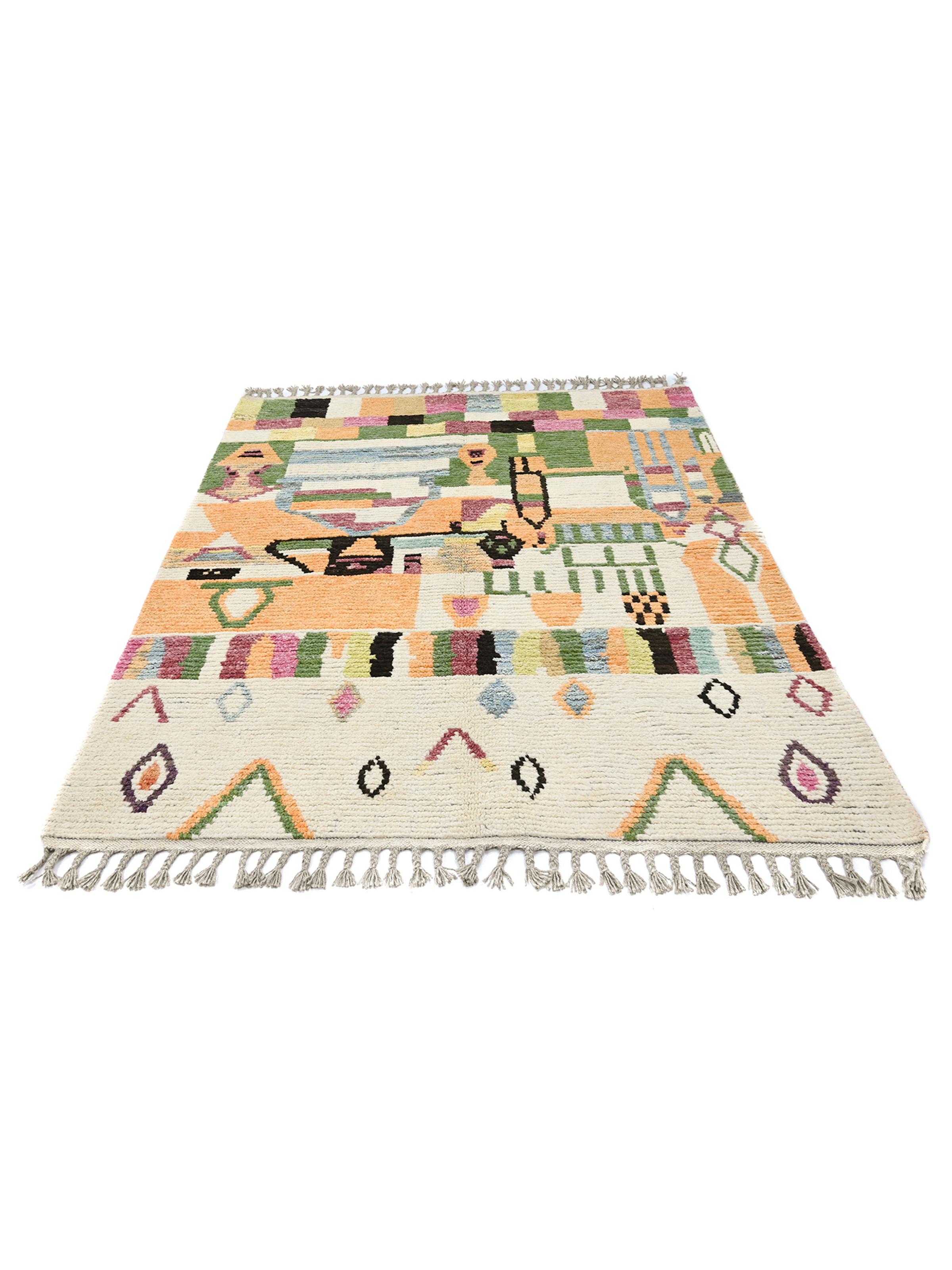
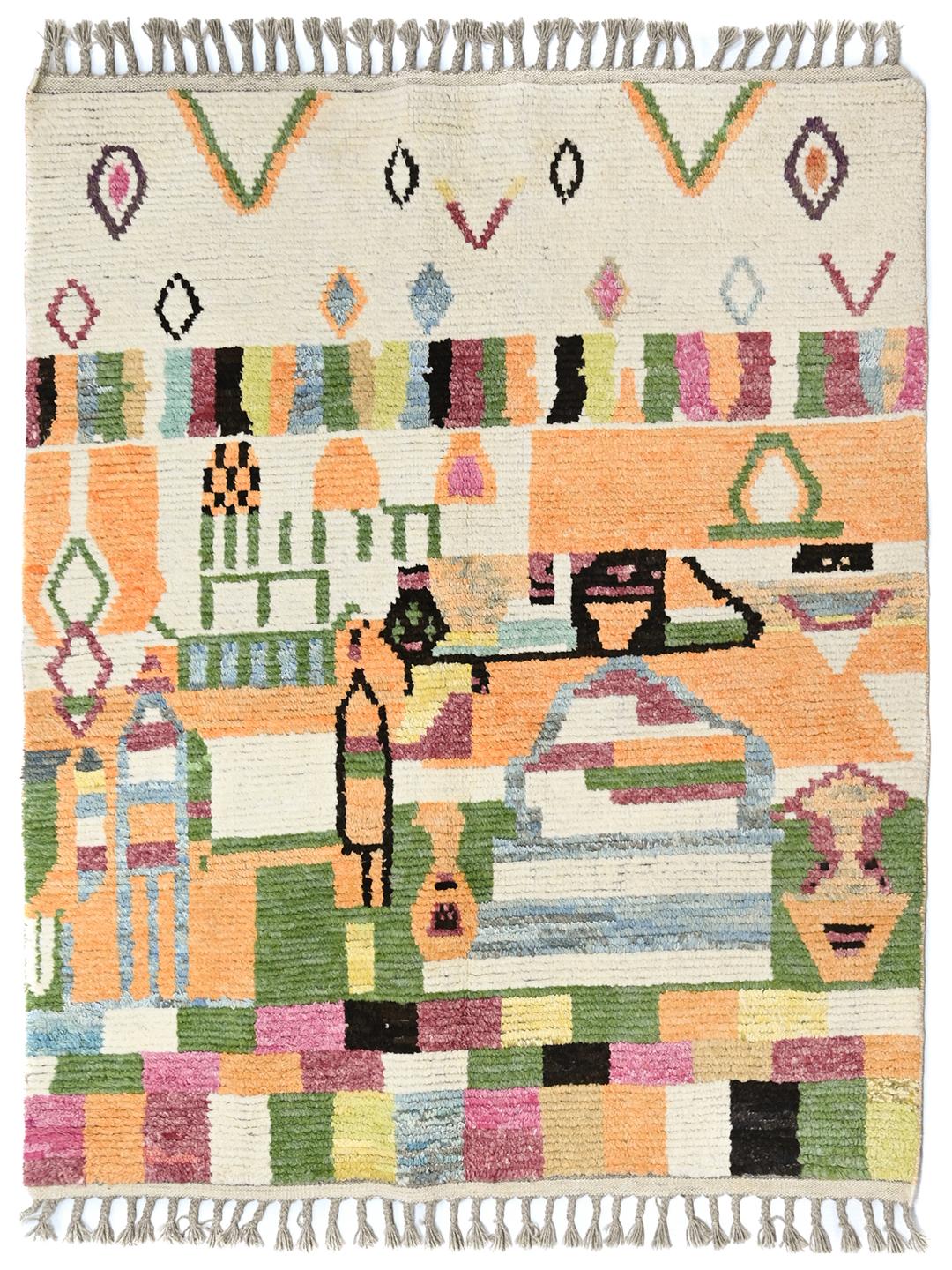
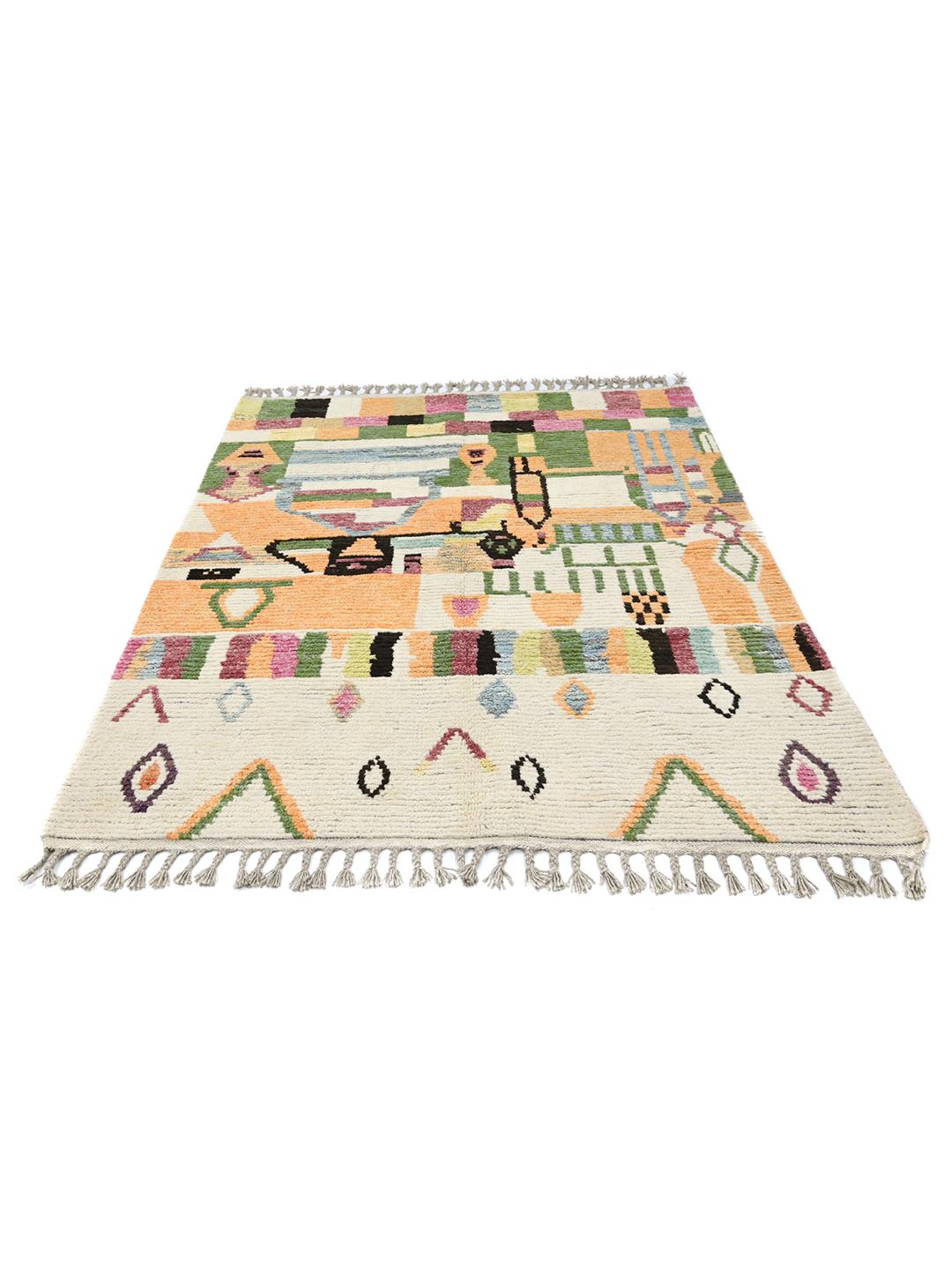
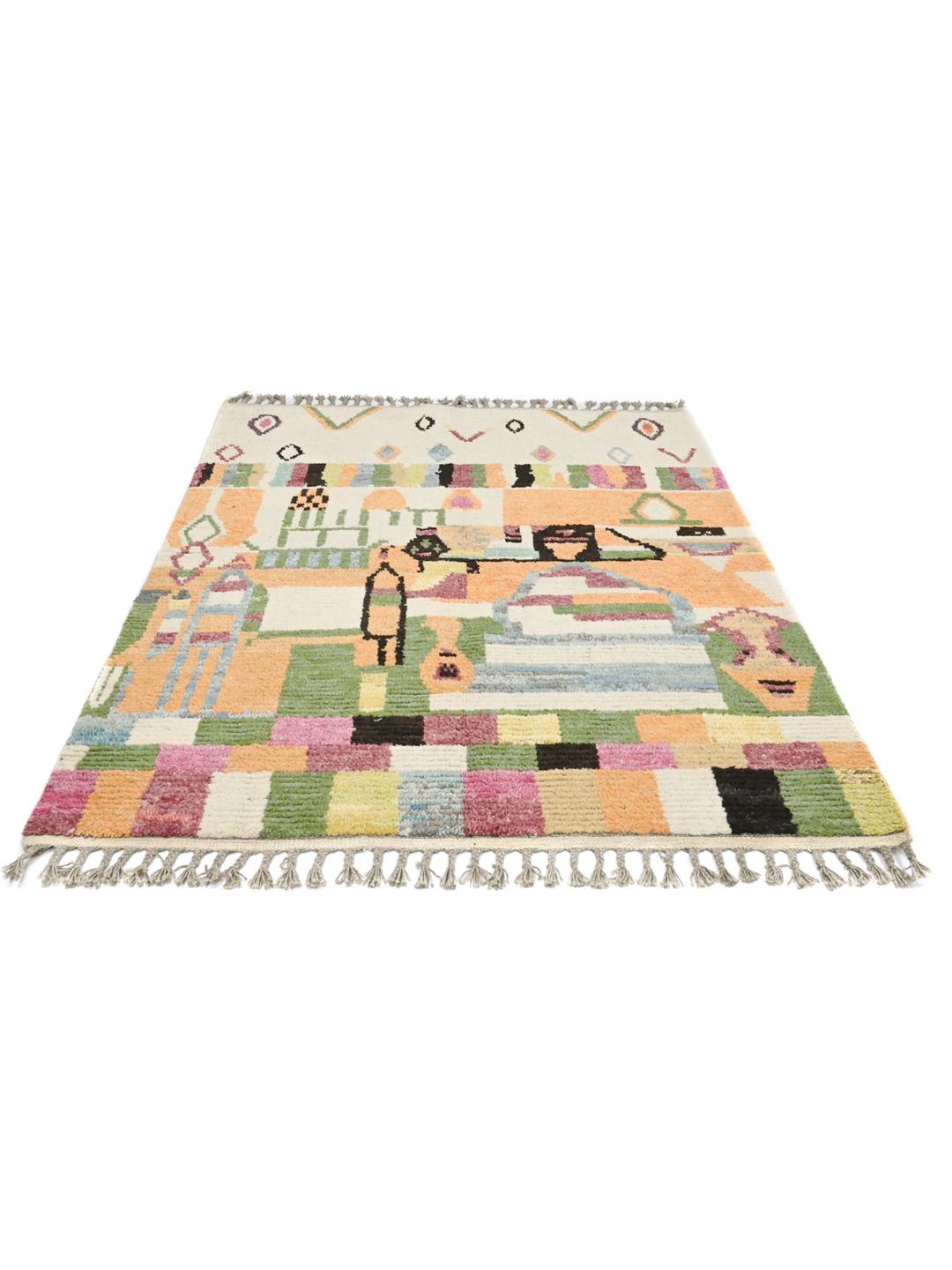
Berber weaving traditions originated among the indigenous tribes of North Africa, renowned for translating personal narratives, natural surroundings, and tribal symbols into expressive textile art. Over time, these weaving techniques spread across regional craft hubs, inspiring weavers throughout Afghanistan to reinterpret the style using local materials.
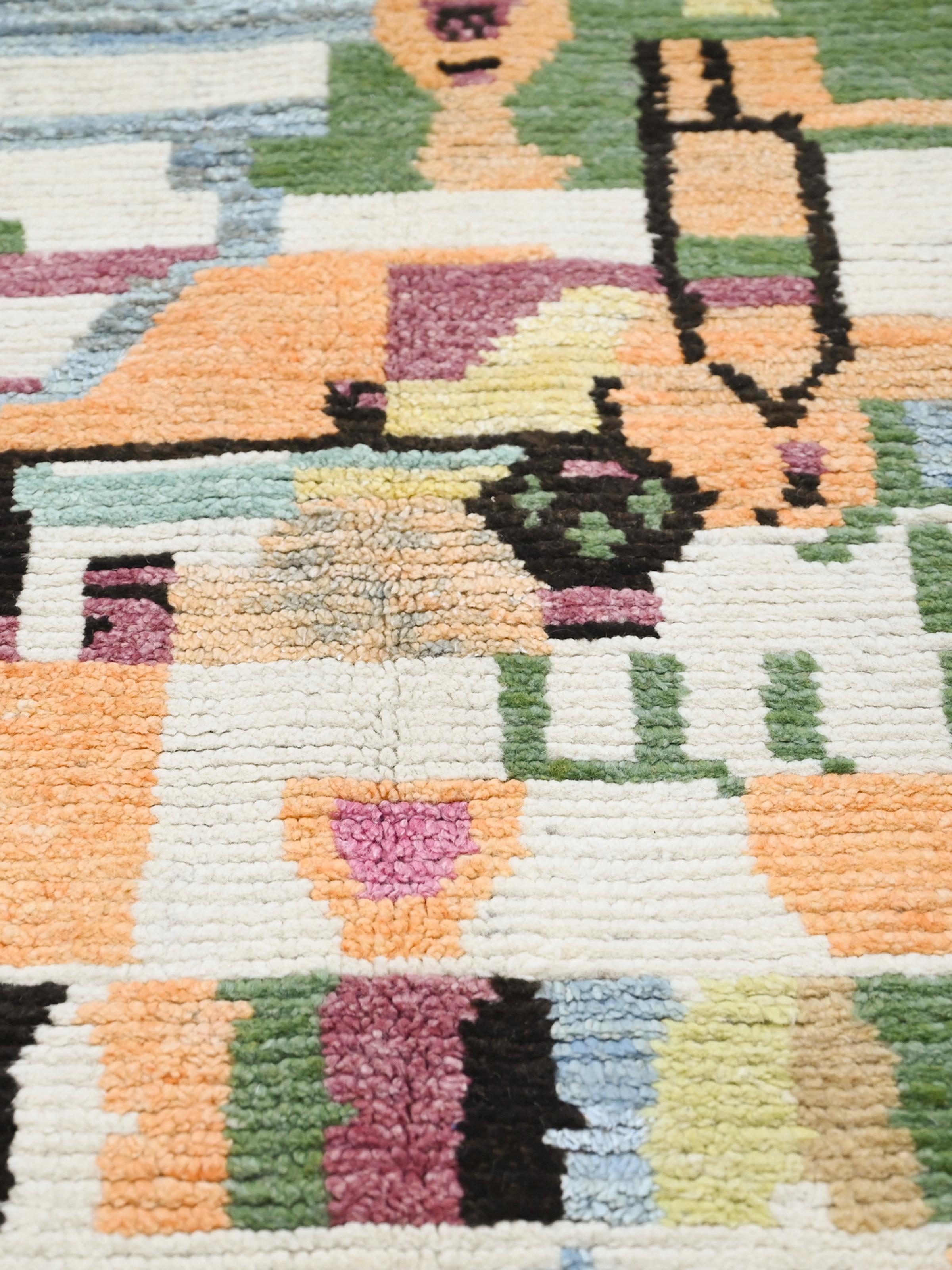
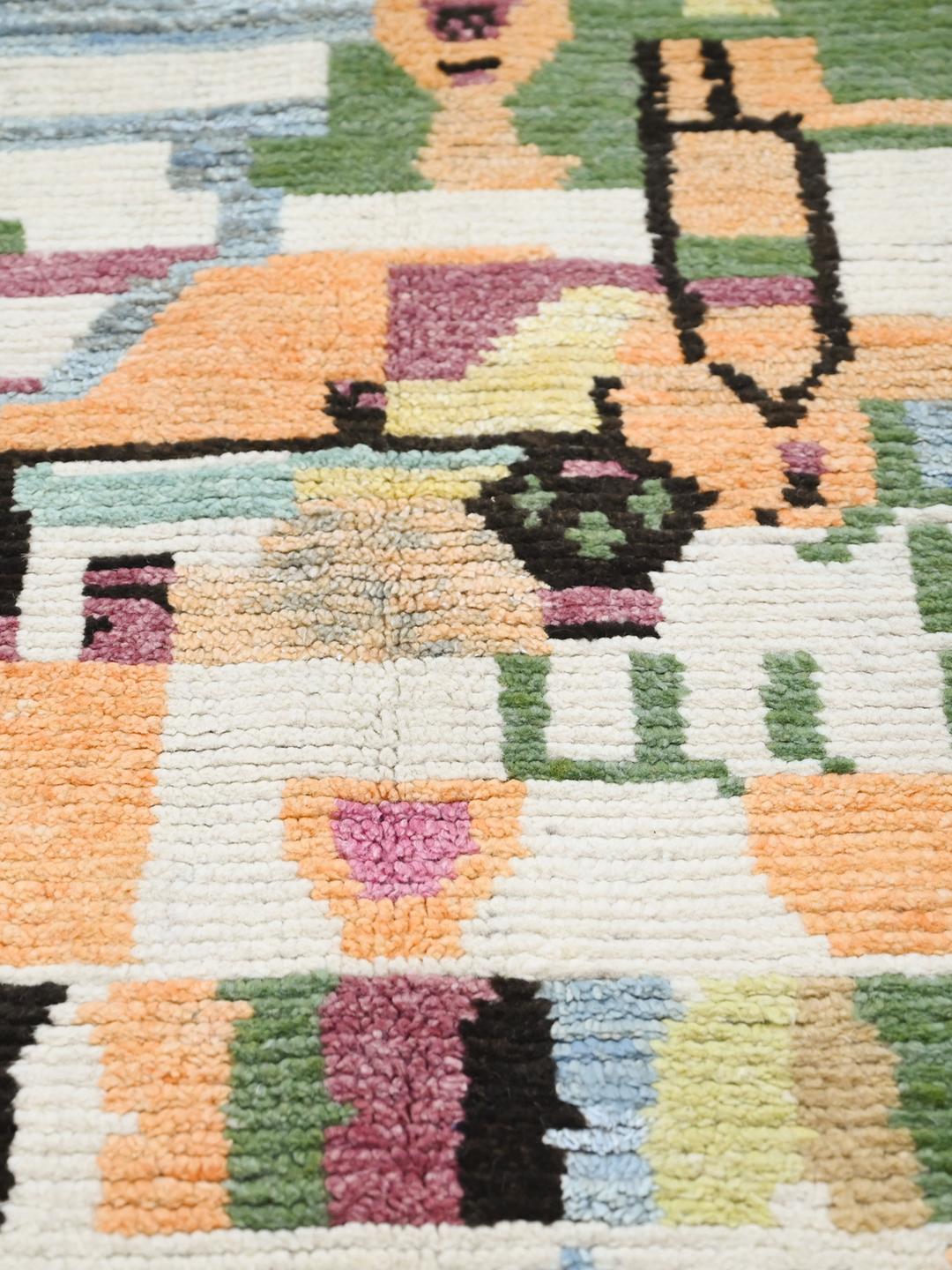
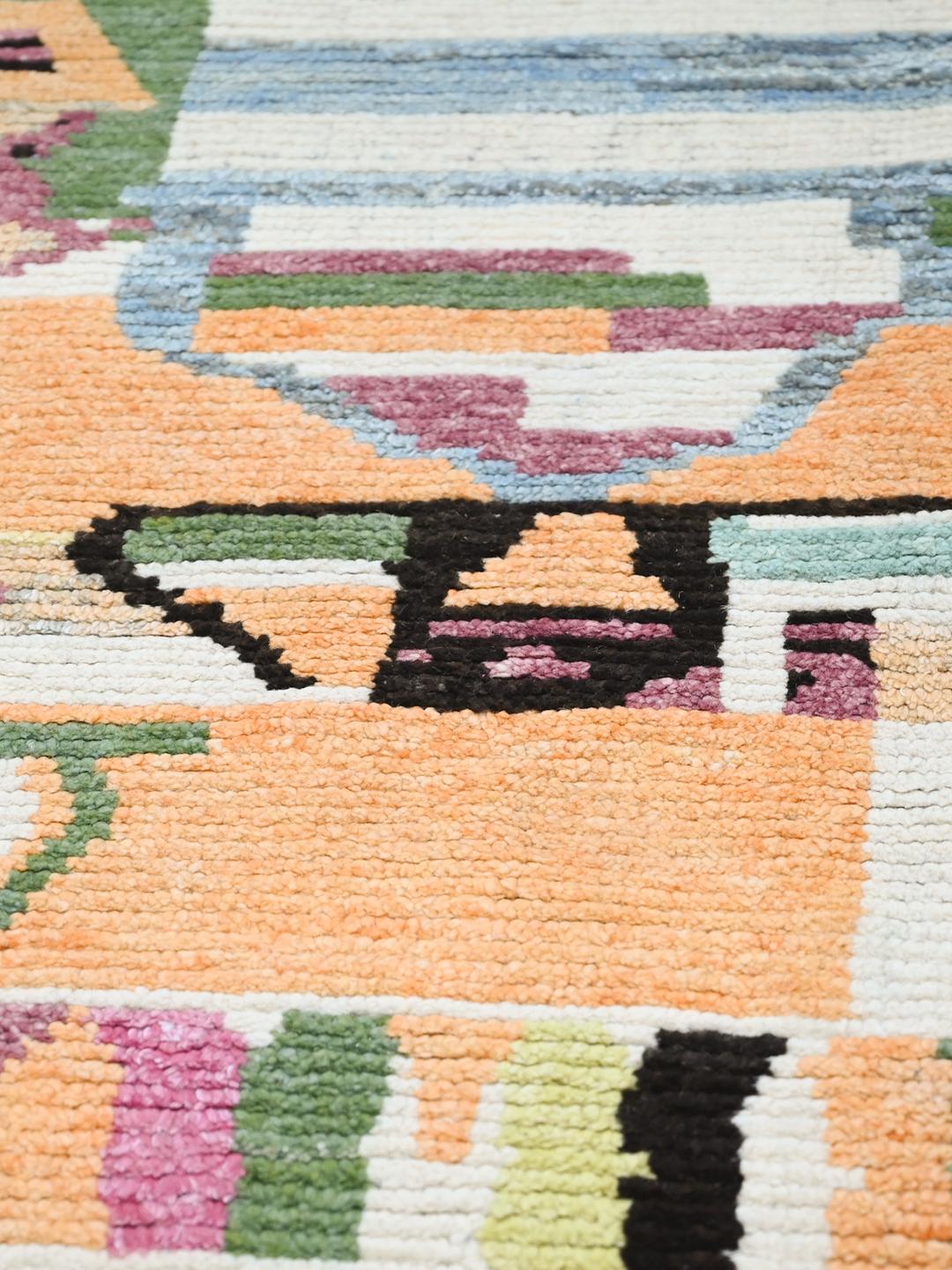
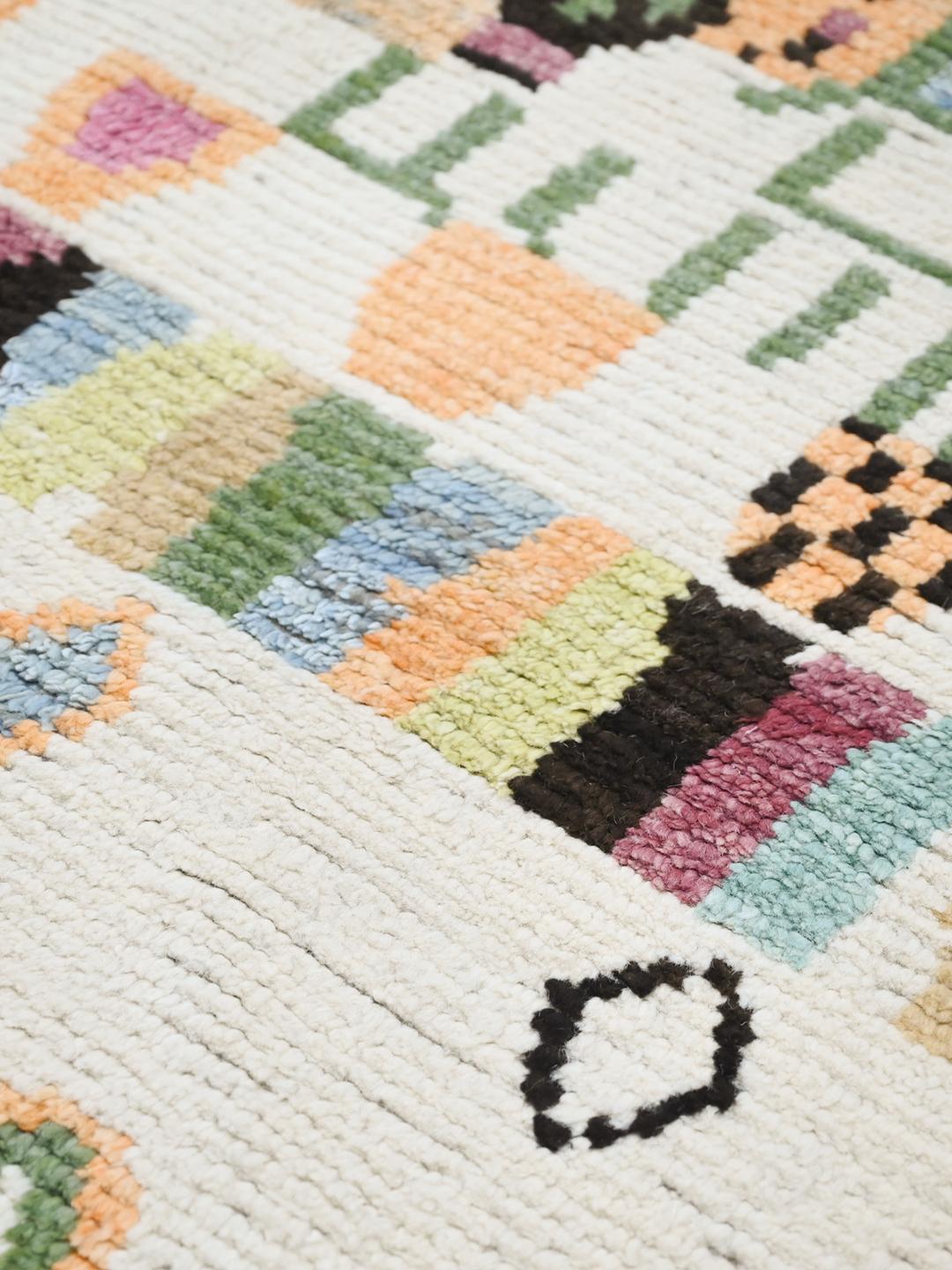
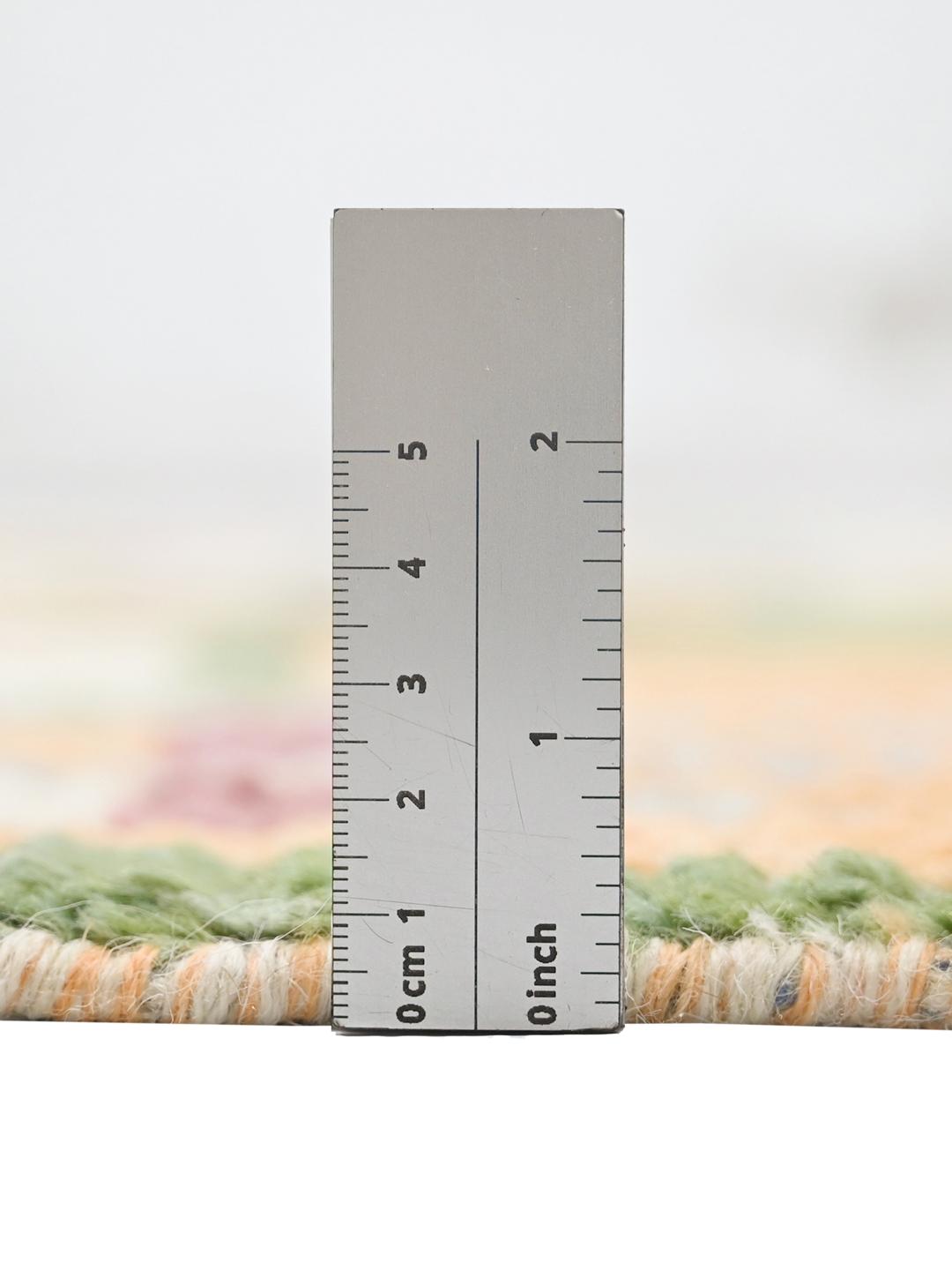
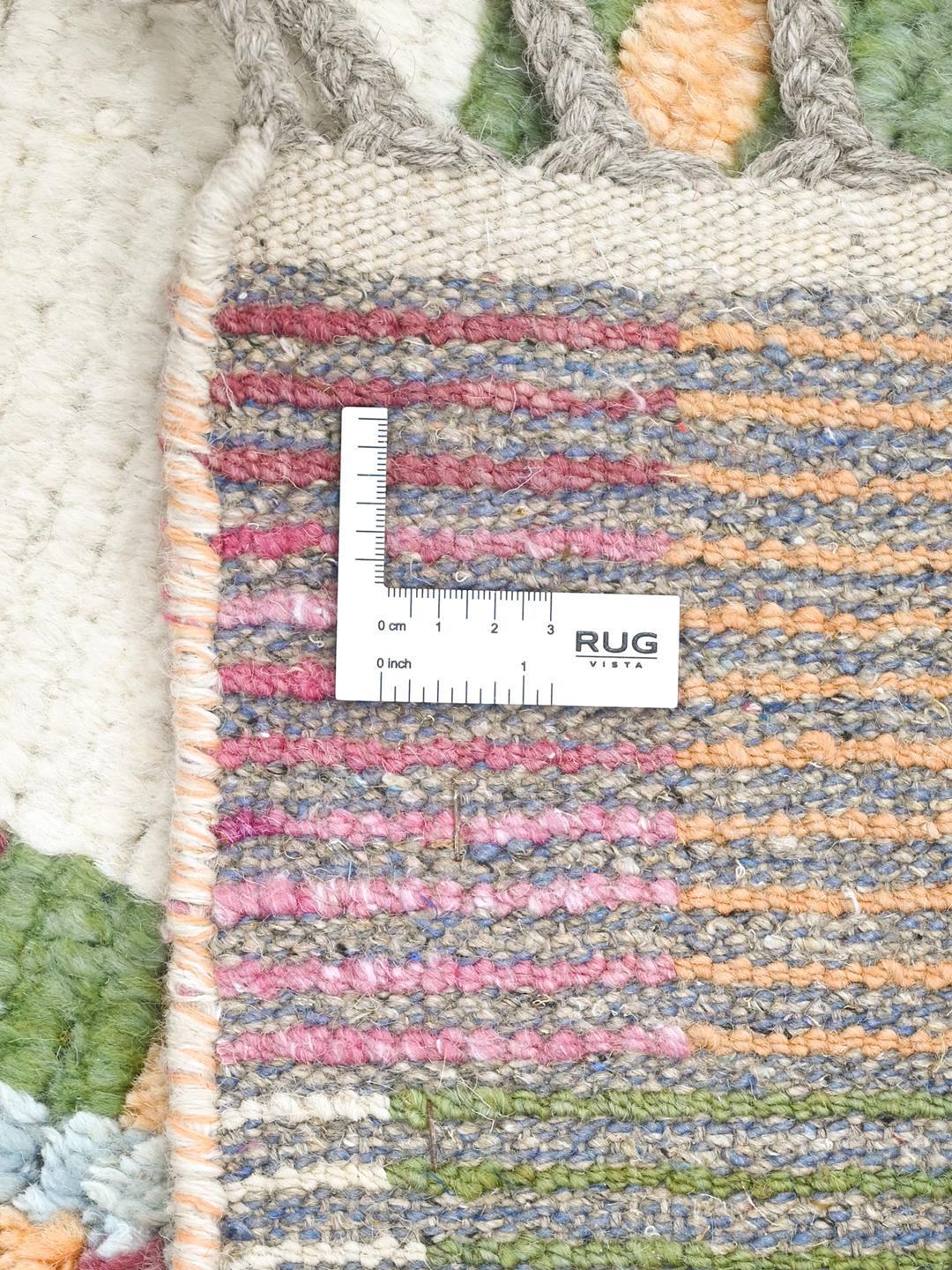
The hand-knotting process used for Berber-style rugs relies on securing wool yarn directly around warp threads, creating a pile that balances insulation with resilient wear. Using pure wool ensures natural springiness, helping the fibers bounce back under daily footfall while absorbing dye in rich, varied tones.
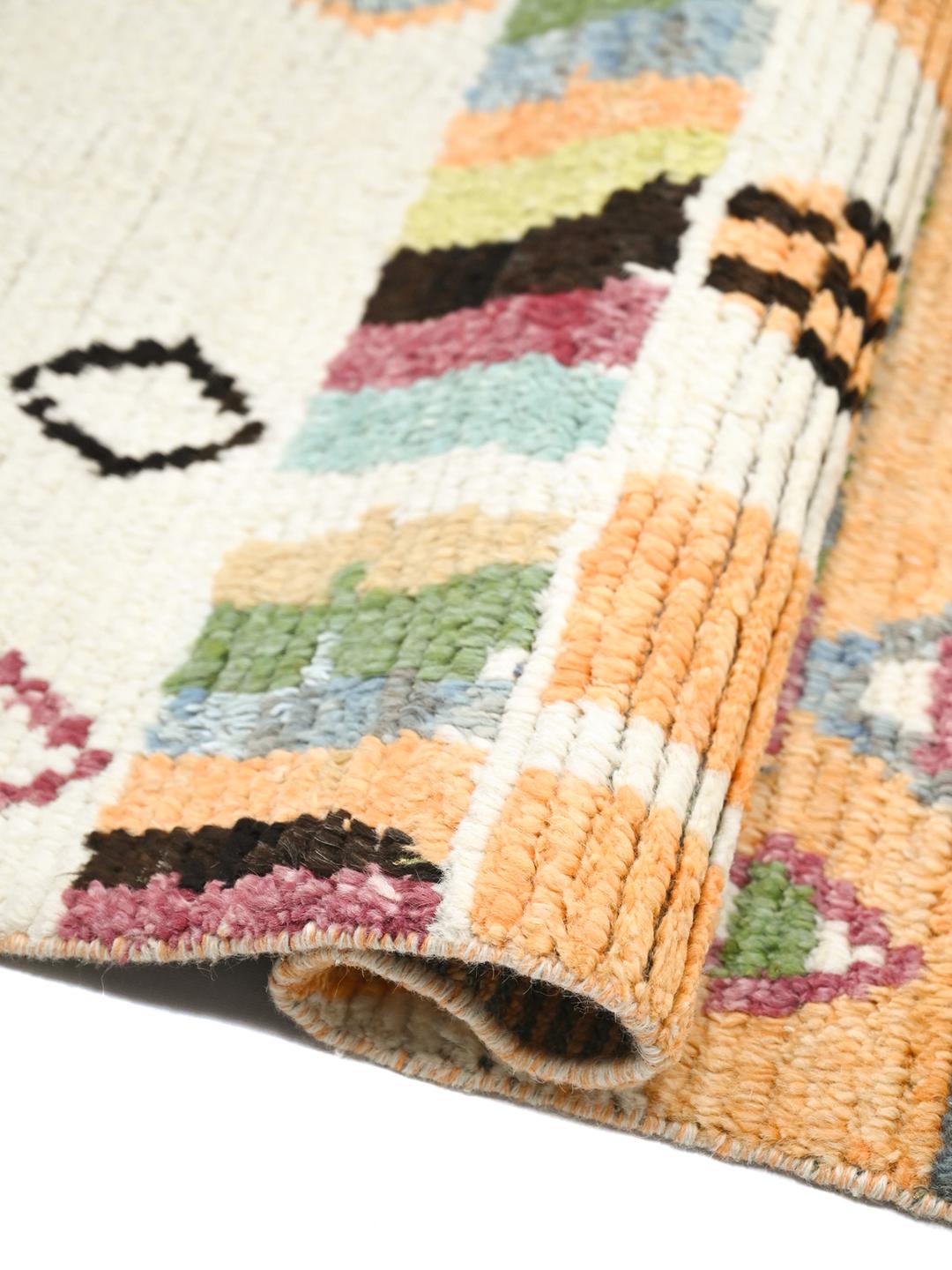
Visual storytelling defines the Berber aesthetic. Abstract shapes, architectural symbols, and playful bands of block color often represent life events, protection motifs, or simple moments from daily life. Against a quiet neutral background, these bright color fields create a dynamic contrast that remains balanced and grounded.
Acquiring an authentic Berber-style rug connects your home to a living artistic heritage. Because each weaver interprets traditional motifs freely rather than following a rigid factory template, every finished piece carries genuine cultural weight and artistic value.