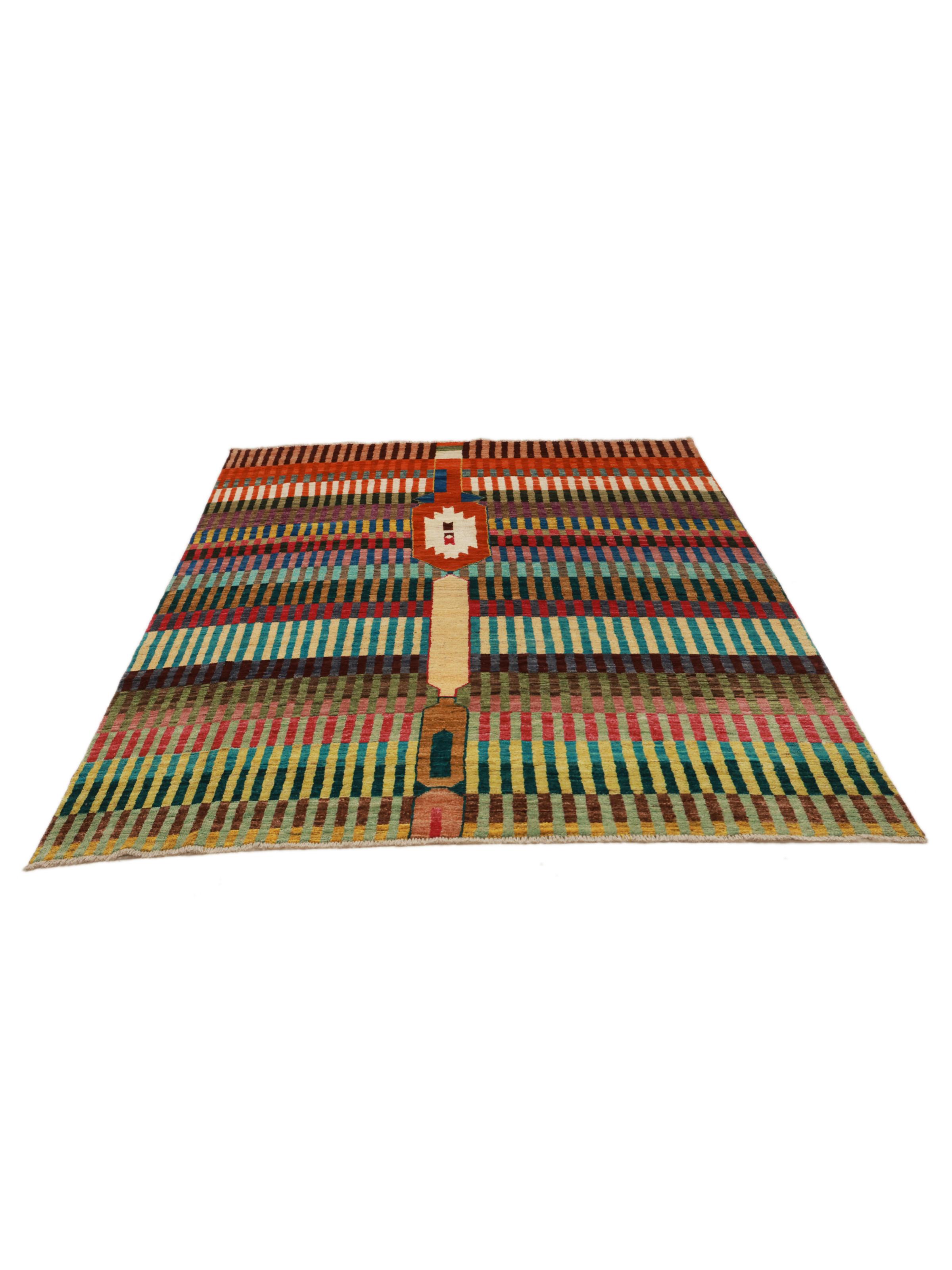
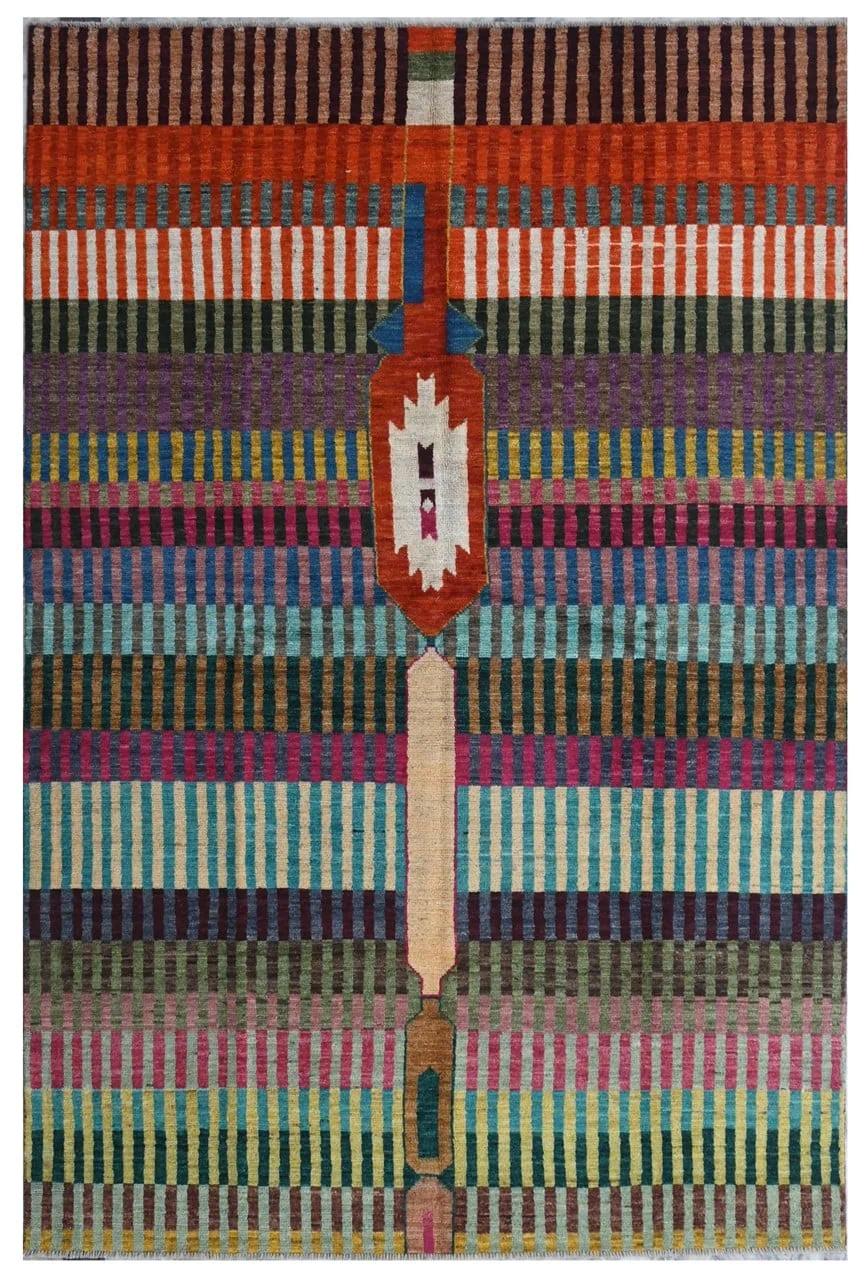
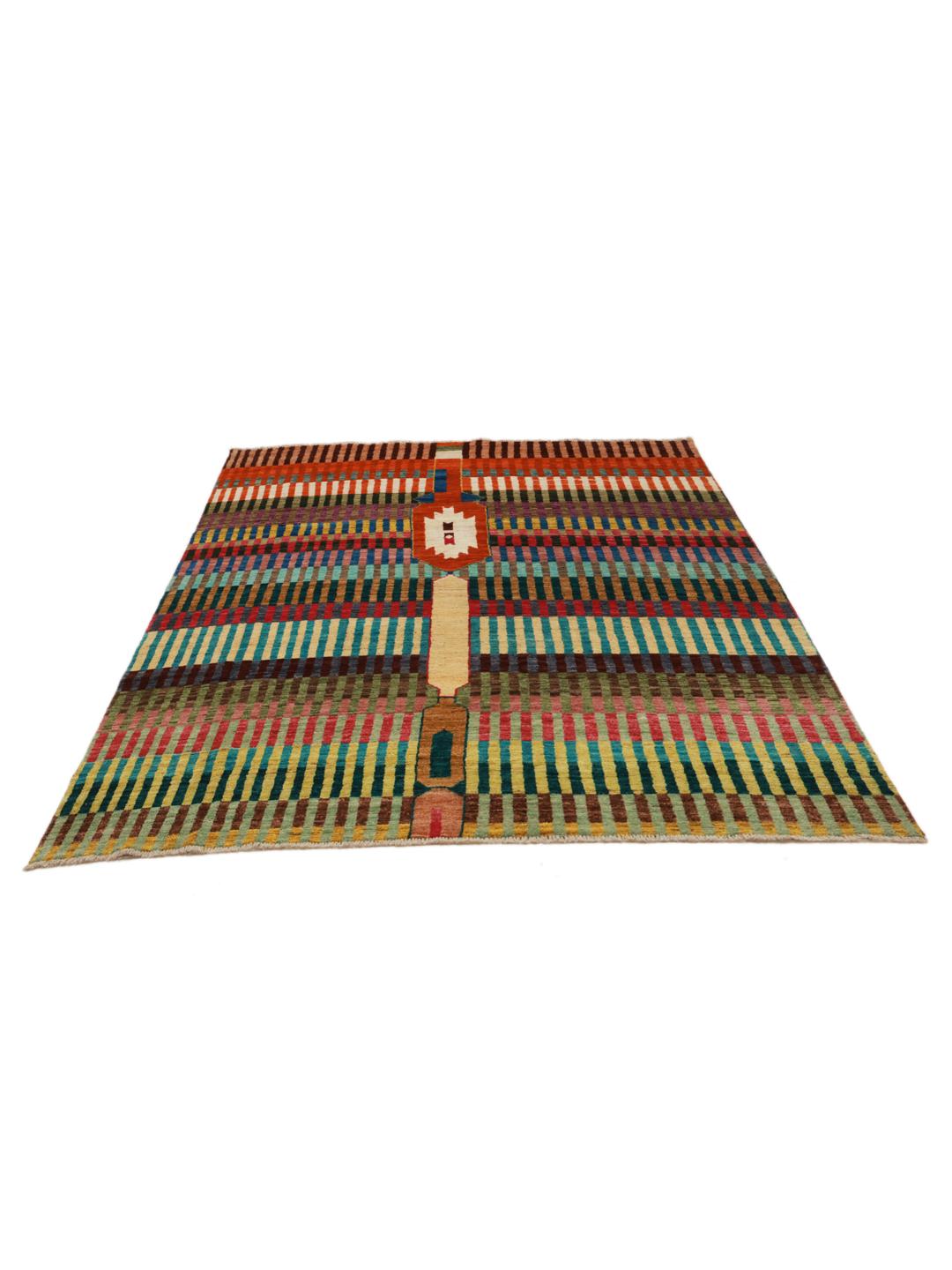
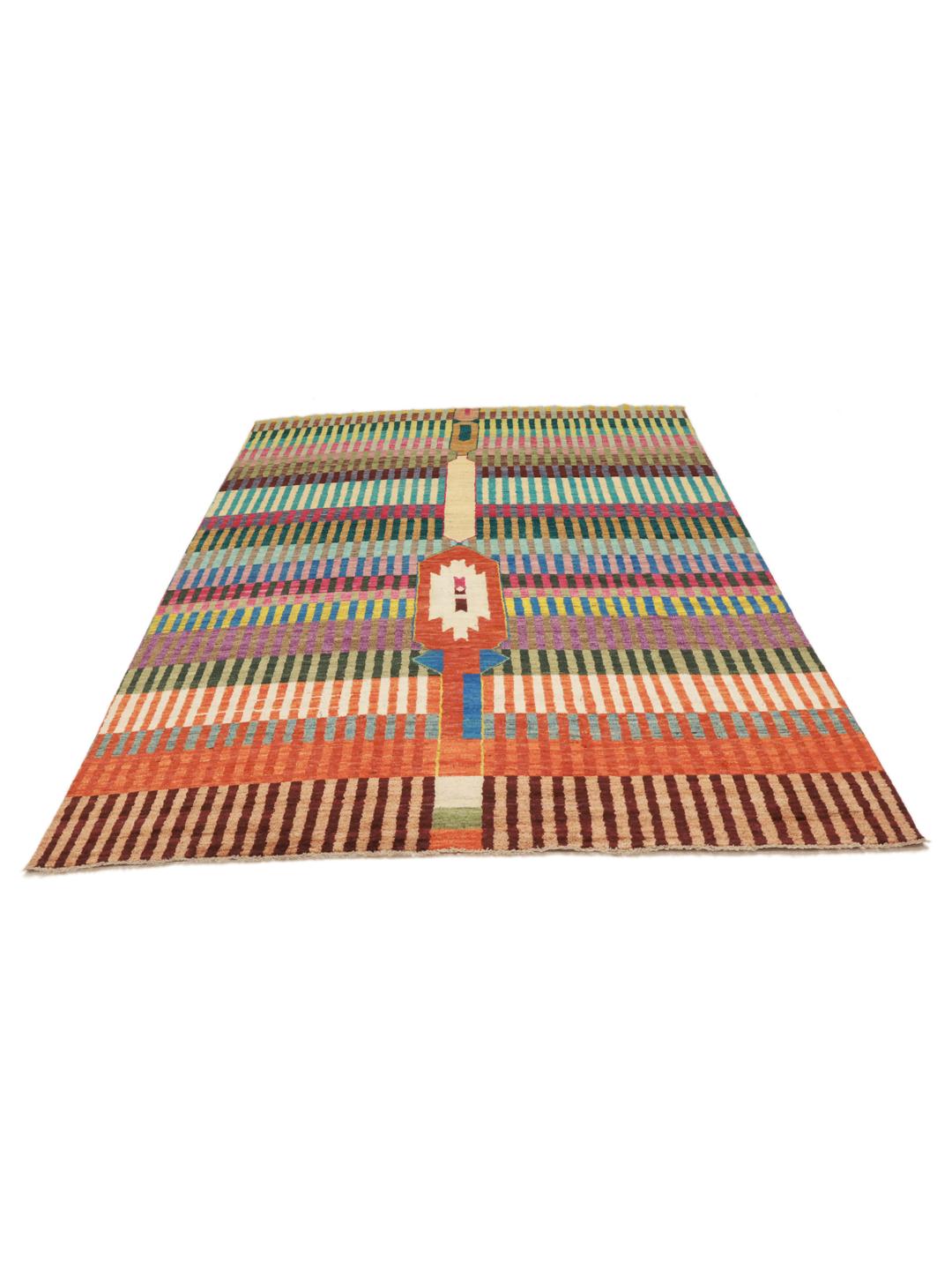
The Berber tradition finds its roots in the mountainous regions of North Africa, but its influence has travelled across the globe, inspiring weavers in various cultures to adopt its bold, expressive language. In Afghanistan, this tradition has been interpreted through a unique lens, blending ancient techniques with a vibrant, modern sensibility. The resulting rugs are celebrated for their ability to bridge the gap between historic craft and contemporary aesthetics.
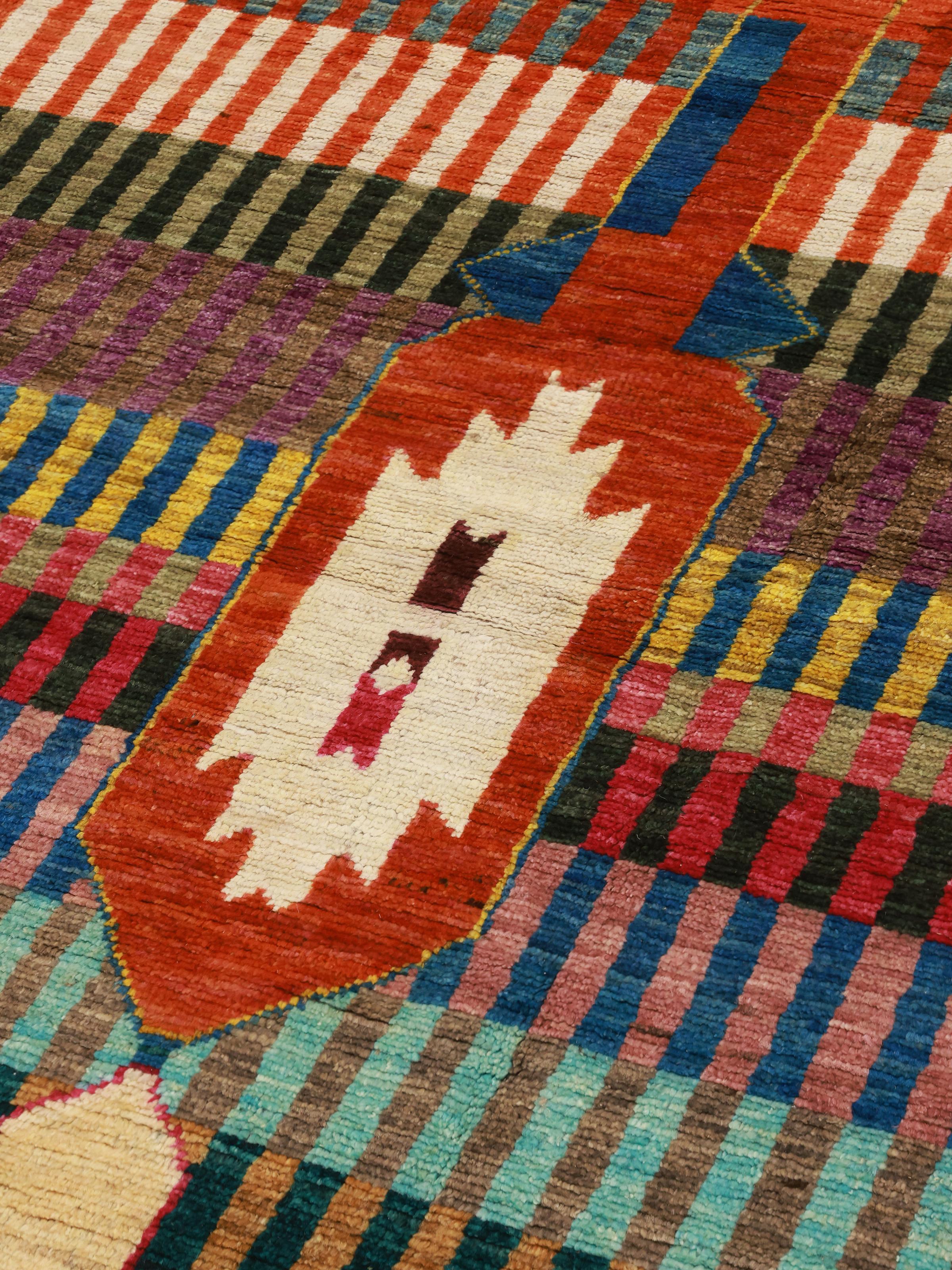
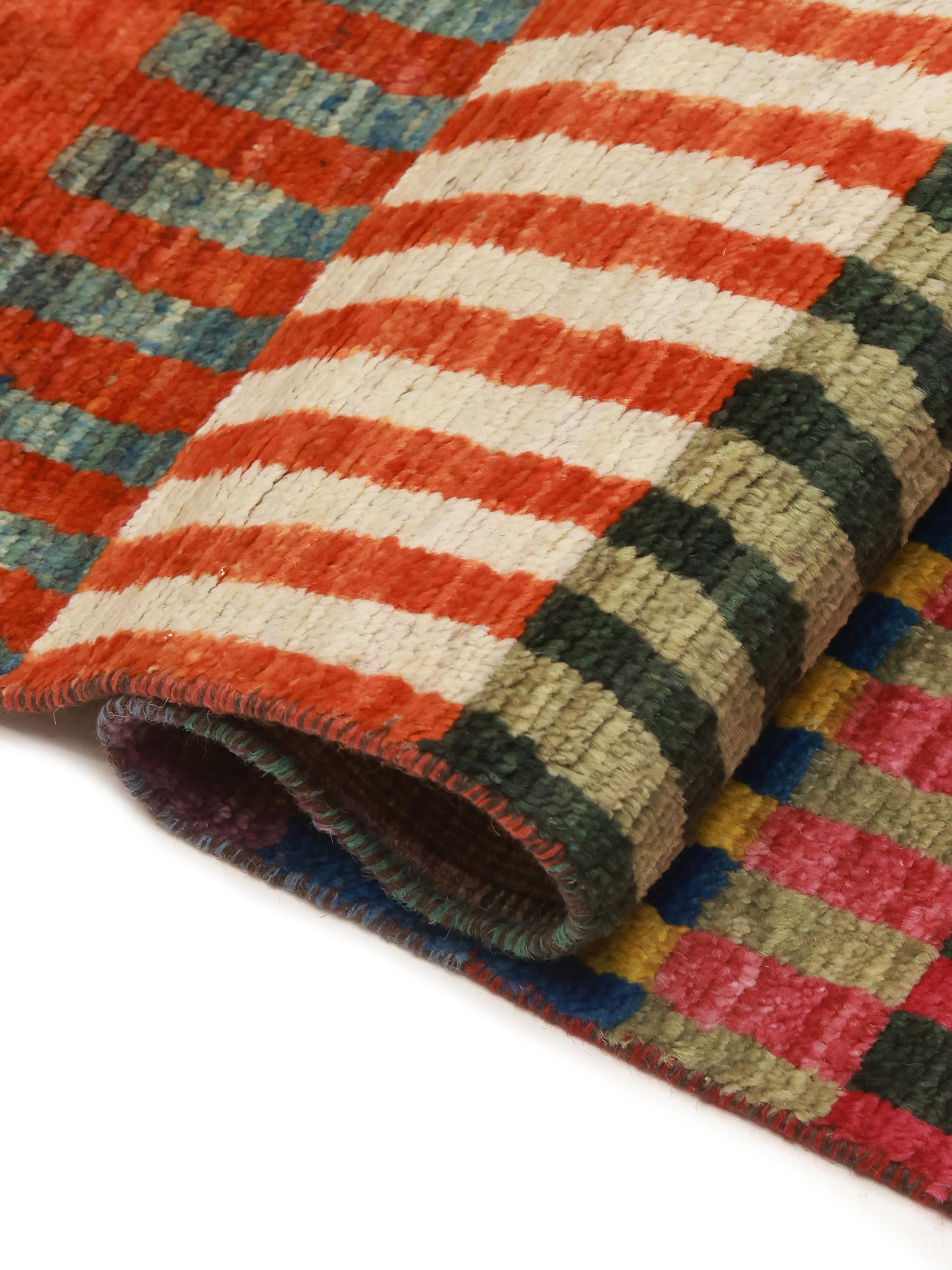
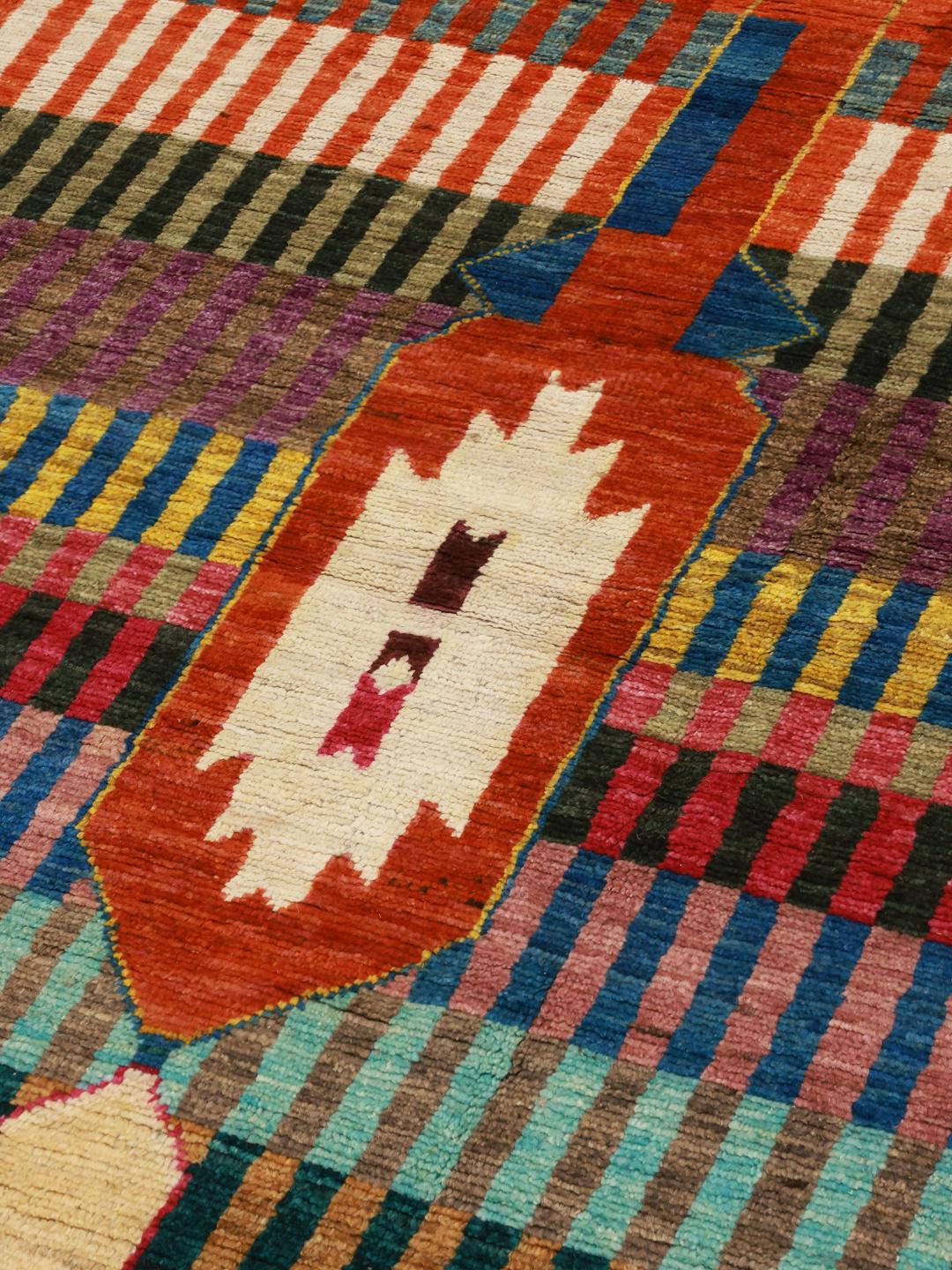
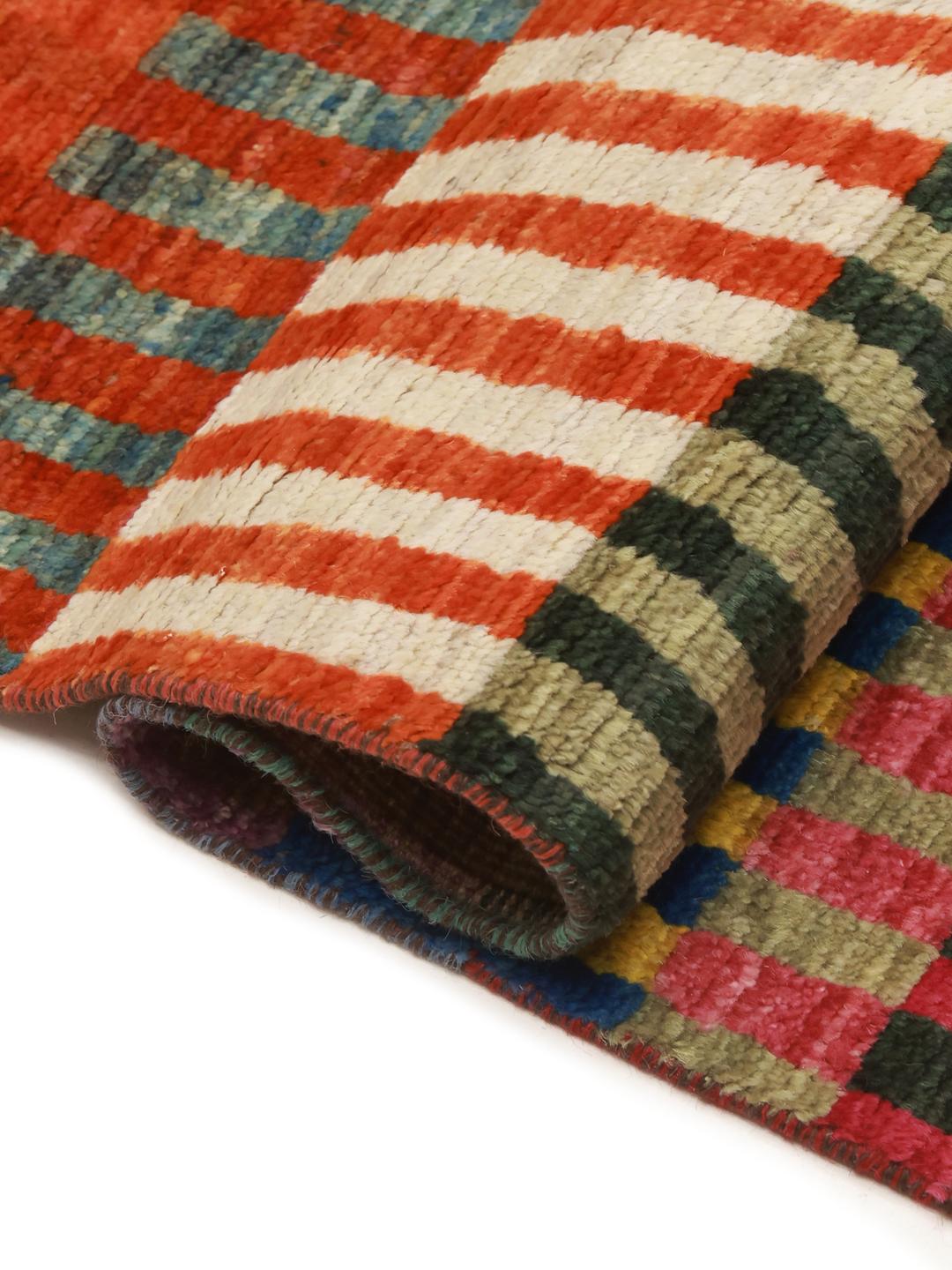
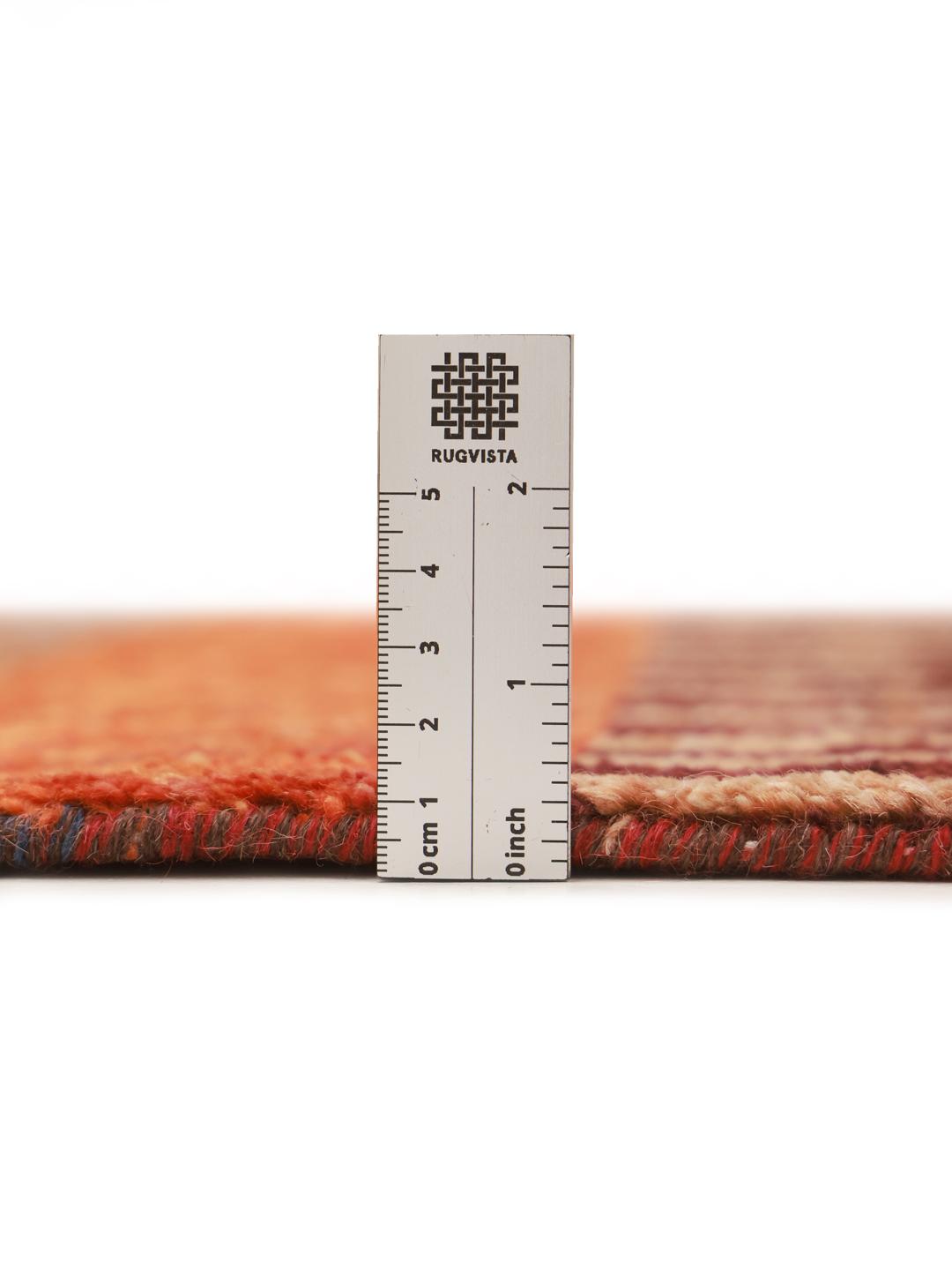
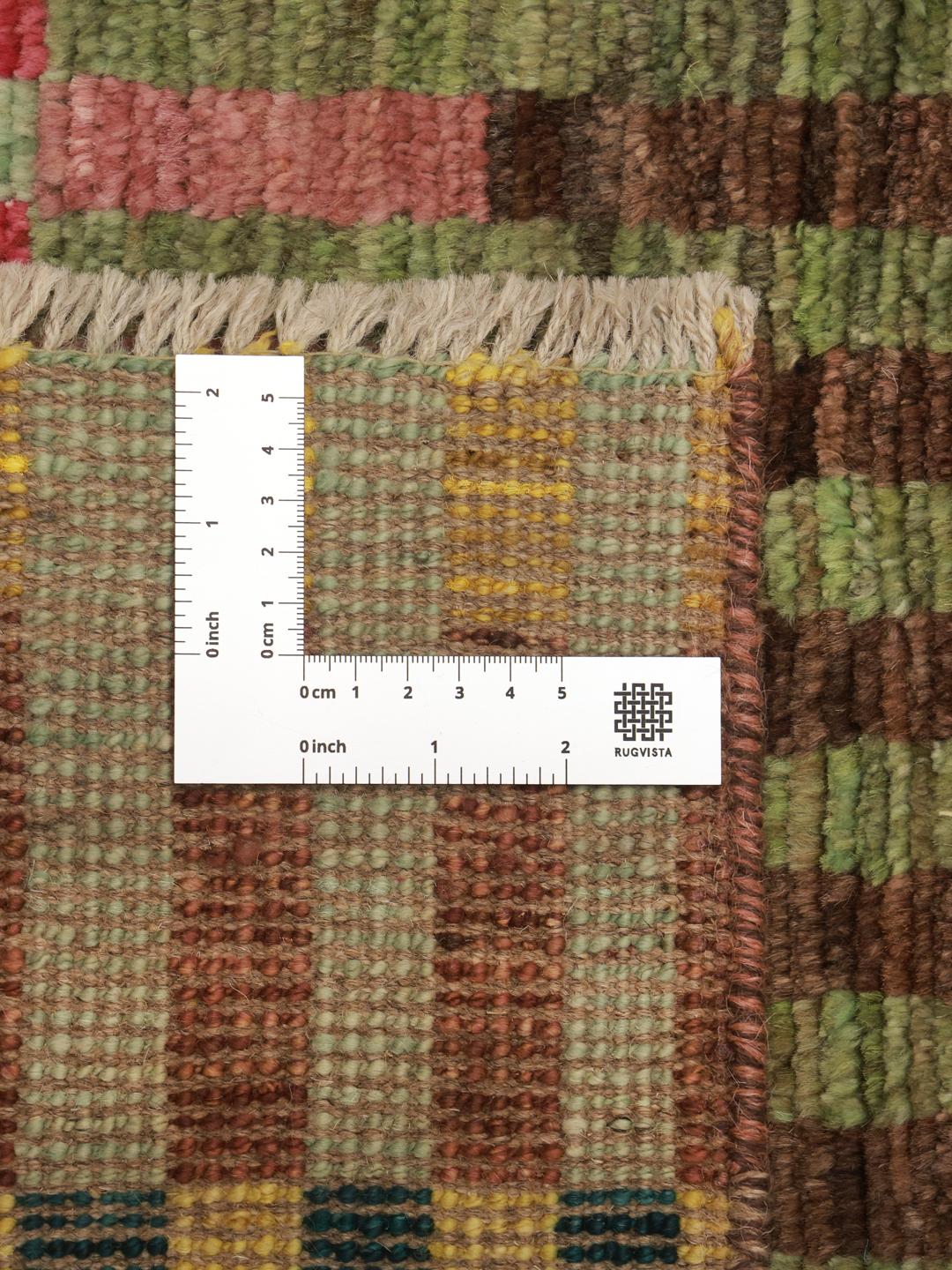
Technically, the hand-knotted construction is what defines the quality of these pieces. By looping yarn around the foundation, artisans create a dense, pile-rich fabric that is inherently stronger and more lustrous than simpler weaving styles. This method is the hallmark of premium rug-making, as it allows for the creation of intricate patterns that remain crisp and clear even after years of use in high-traffic areas of the home.
Visually, these rugs are defined by their use of geometric motifs and an uninhibited approach to colour. While traditional Berber designs often focused on natural tones, the colourful variations like this one celebrate a more playful, artistic spirit. The patterns often tell stories of the weaver's environment, using borders and central medallions to create a balanced, harmonious composition that feels both structured and organic.
Collecting a rug from this tradition is an act of appreciation for human skill and cultural heritage. Because each rug is made by hand without the aid of automated tools, it carries the slight variations and character of its maker. This makes it a prized possession for those who value authenticity and the lasting beauty of items crafted with time, patience, and a deep connection to history.