The Berber rug tradition originates among the indigenous communities of North Africa, renowned for their expressive, freeform geometric designs and rich use of natural tones. Over decades, this celebrated approach to weaving spread across major rug-making centers in Central Asia and the Middle East, including Afghanistan, where local artisans adapted these iconic visual rhythms into their own distinct craft heritage.
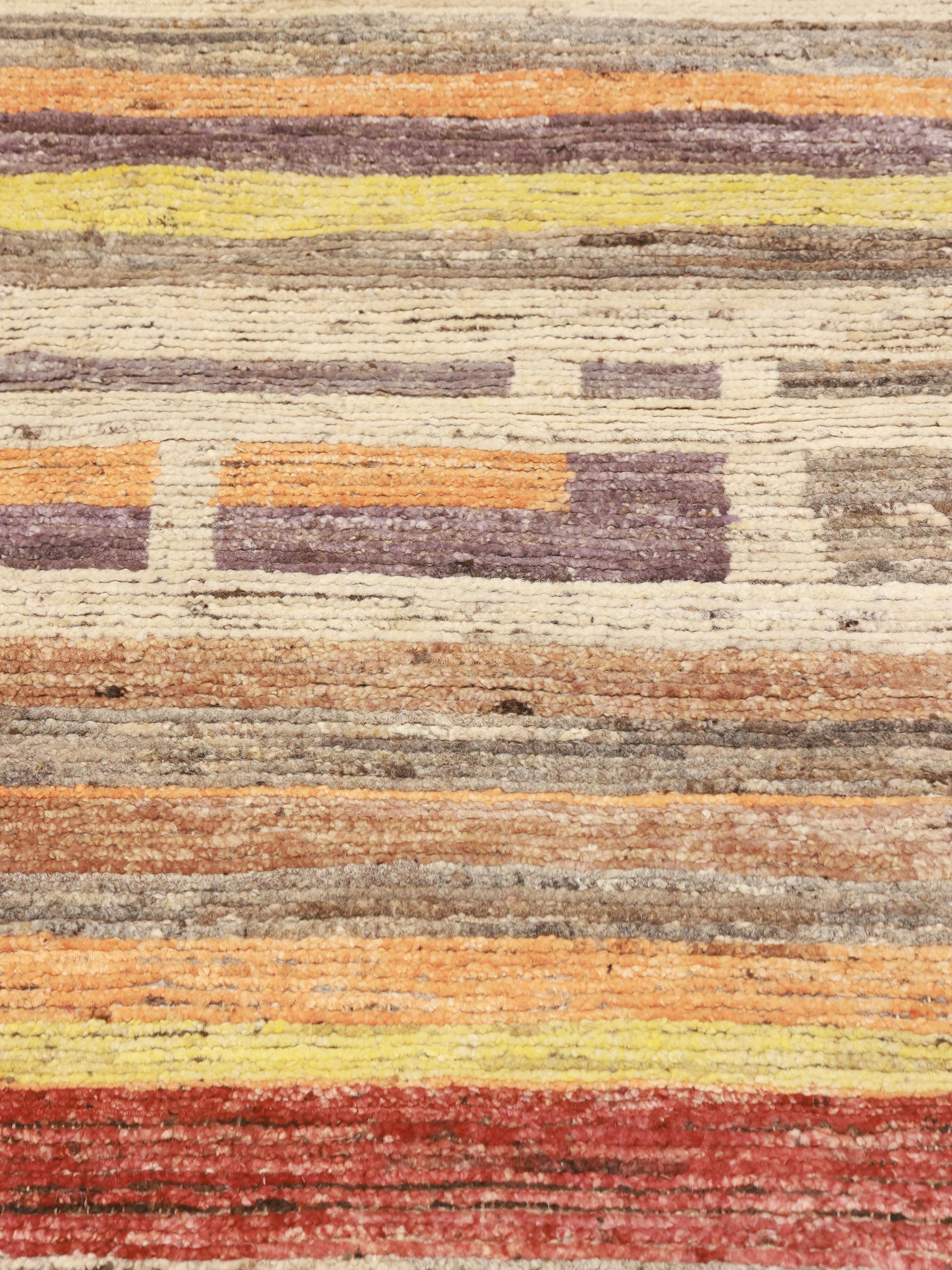
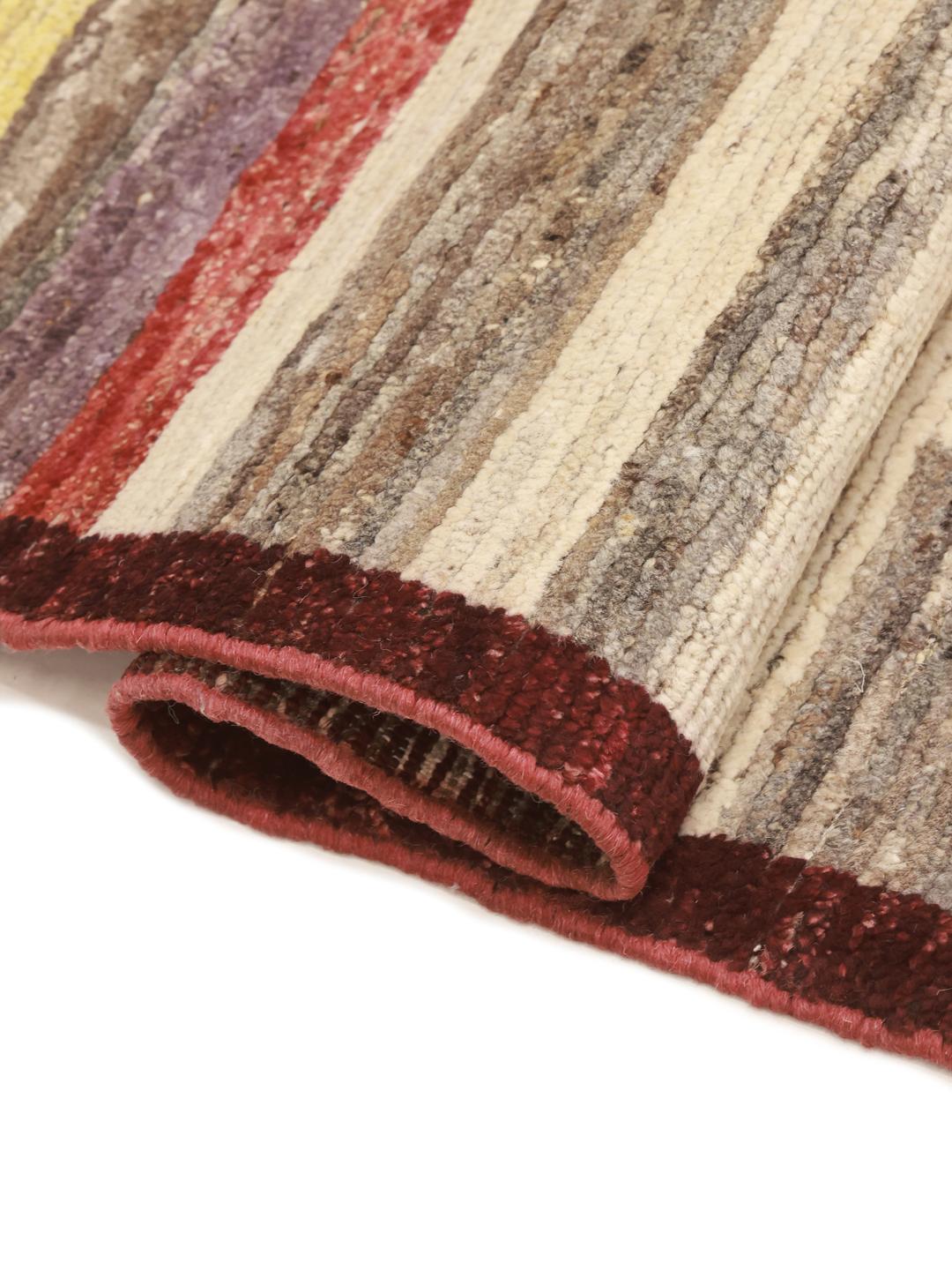
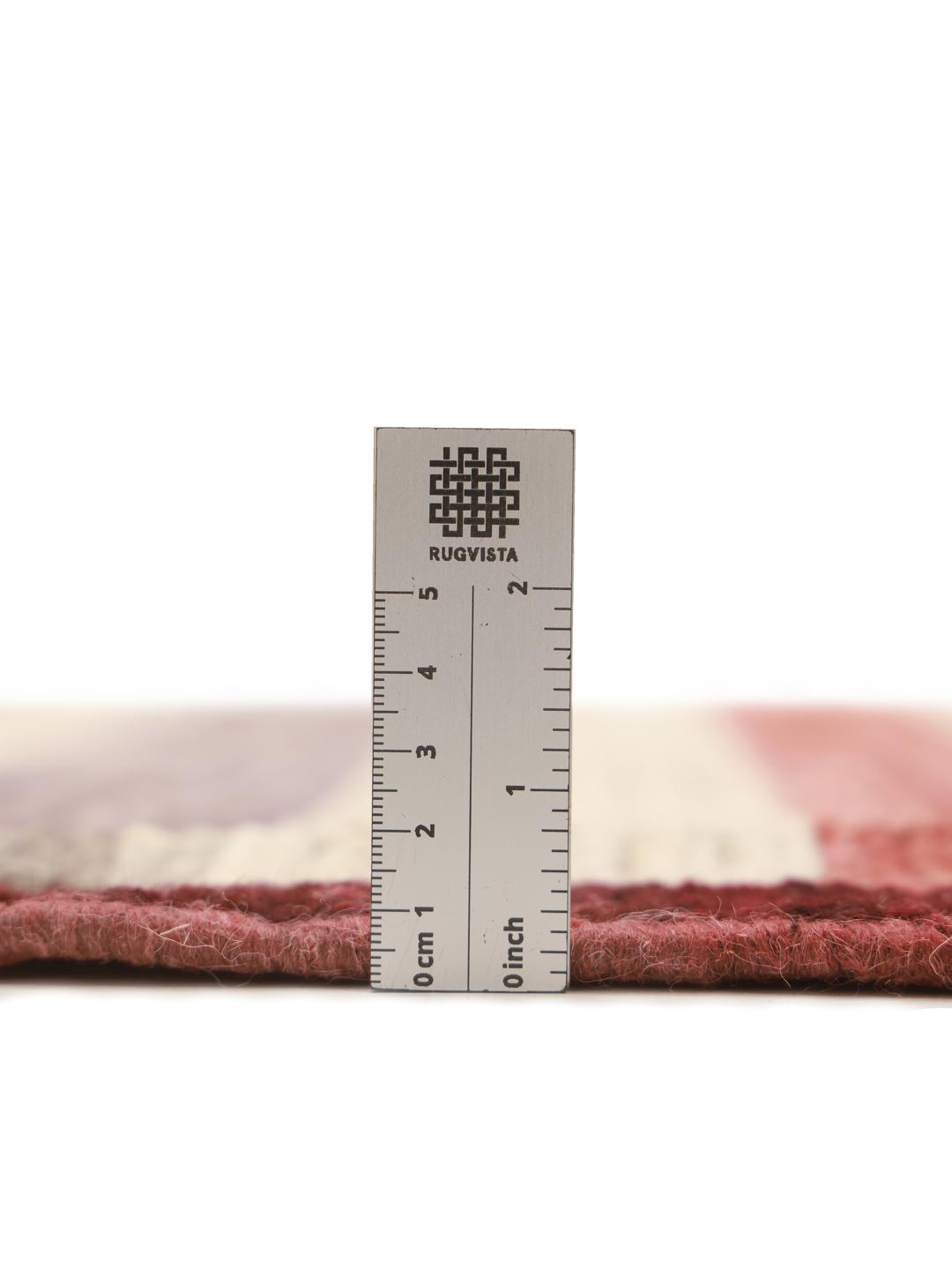
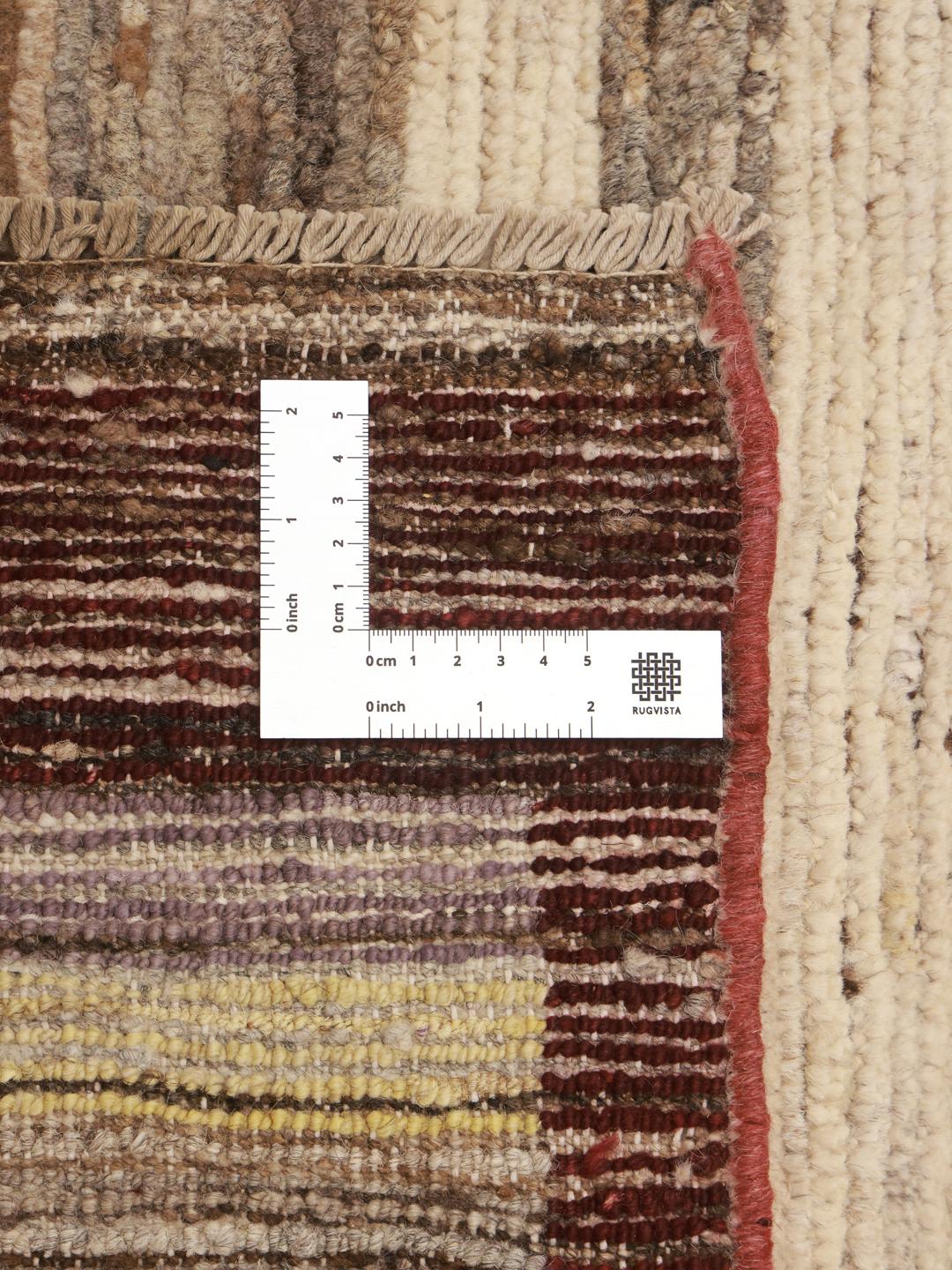
Hand-knotted construction is one of the oldest methods of rug production, praised for creating a dense, resilient pile that lasts across generations. Tying individual knots directly around the structural foundation gives the rug exceptional stability, ensuring the intricate horizontal striping retains its alignment and crispness over time.
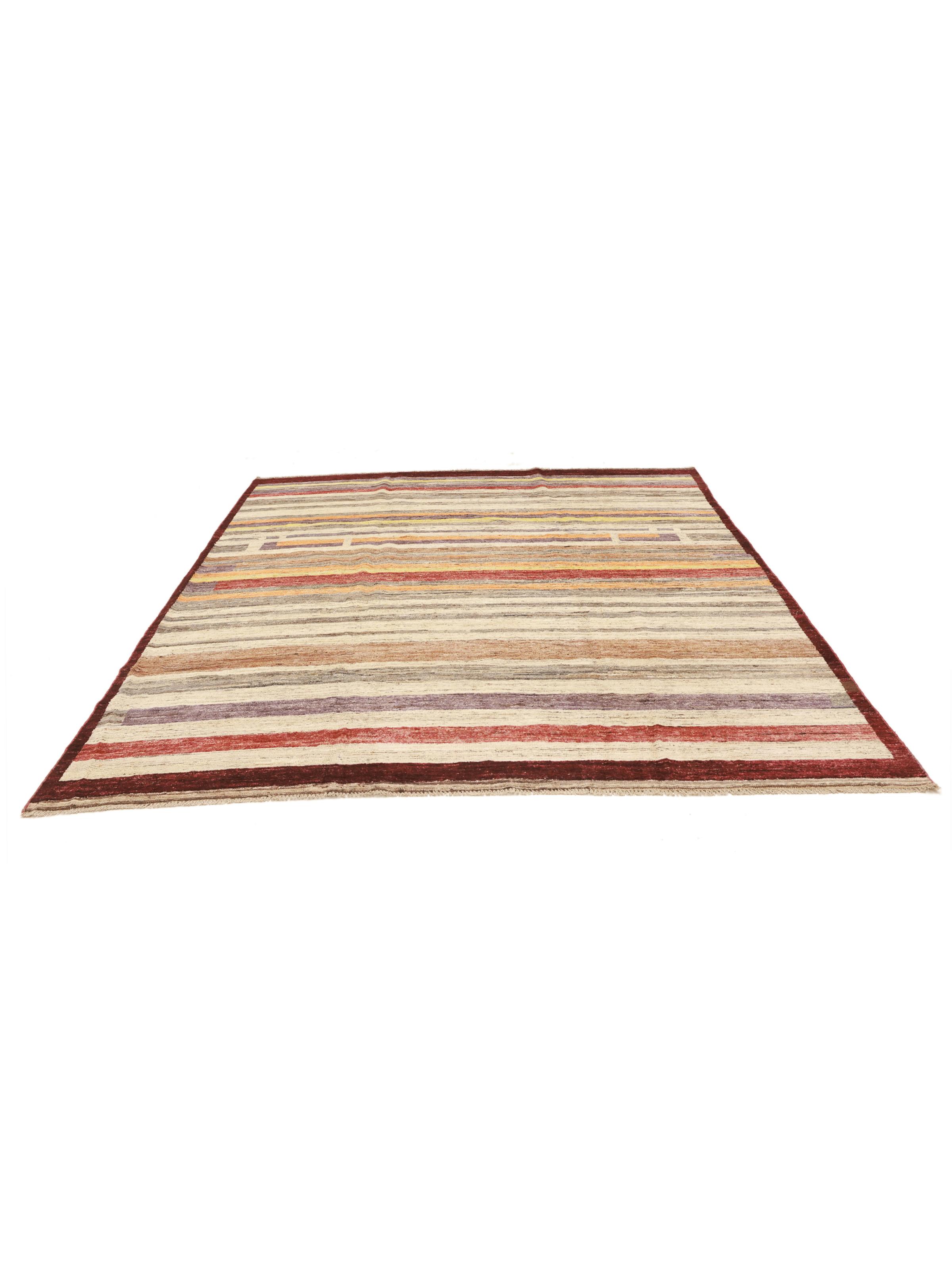
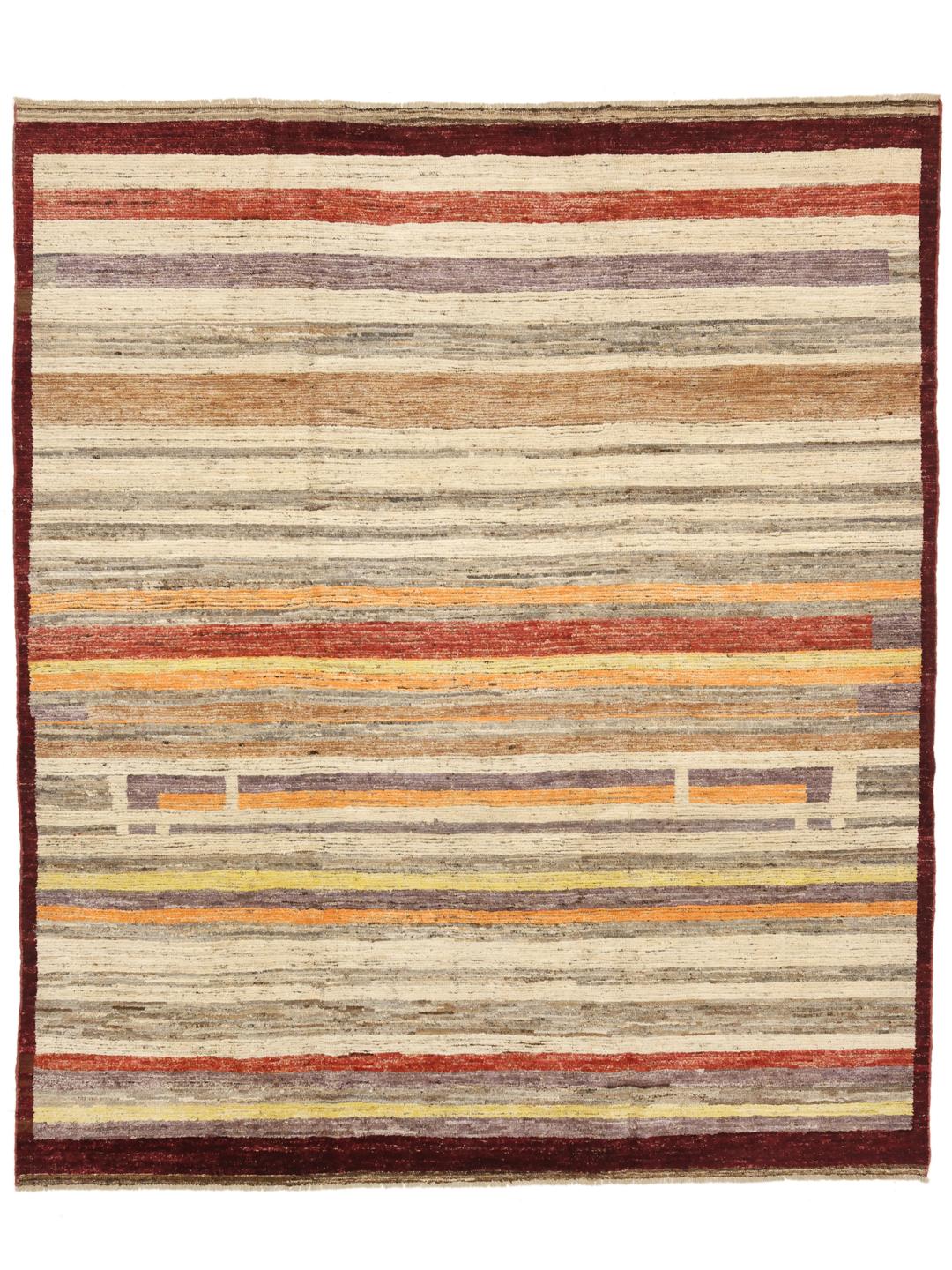
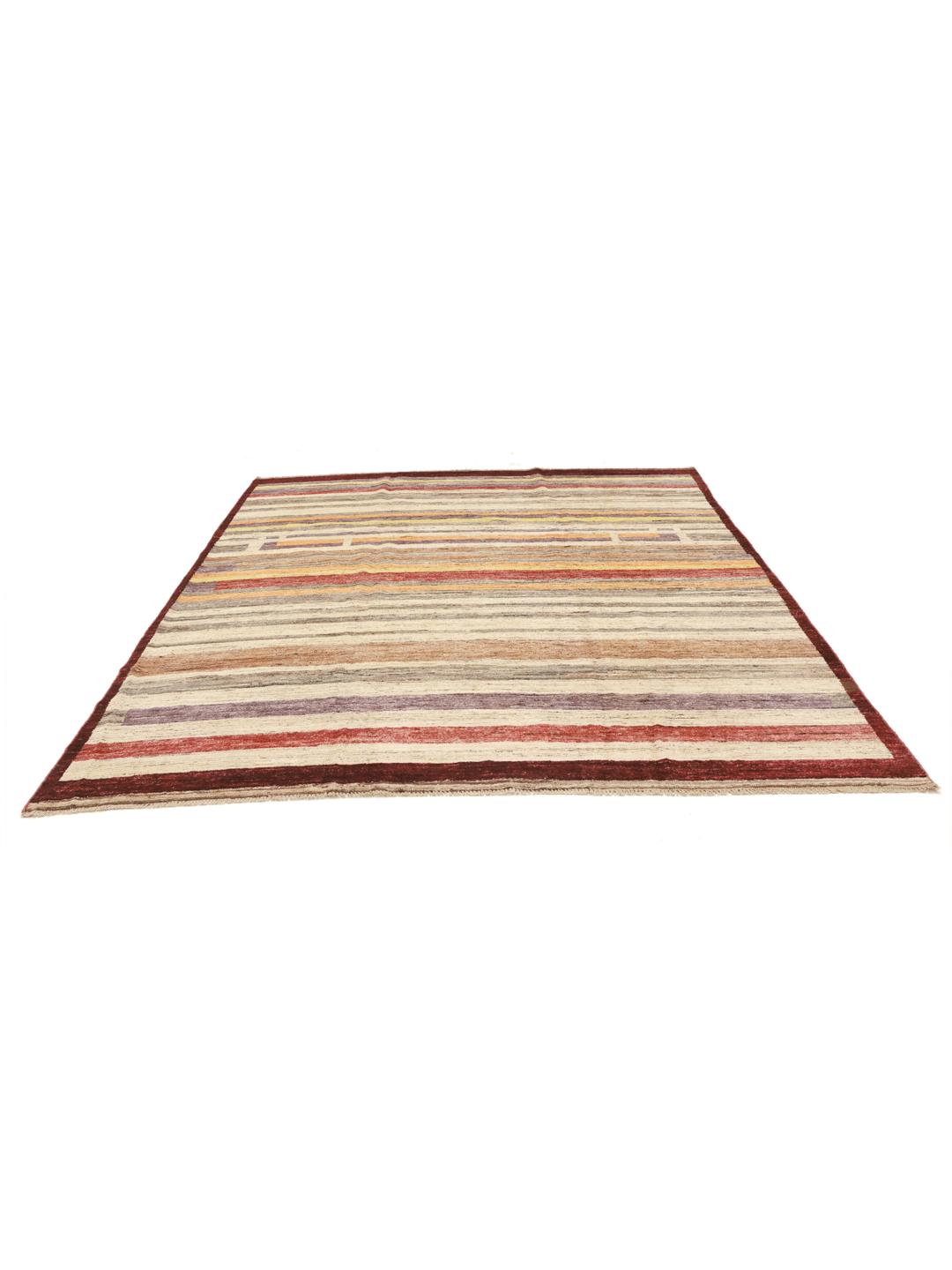
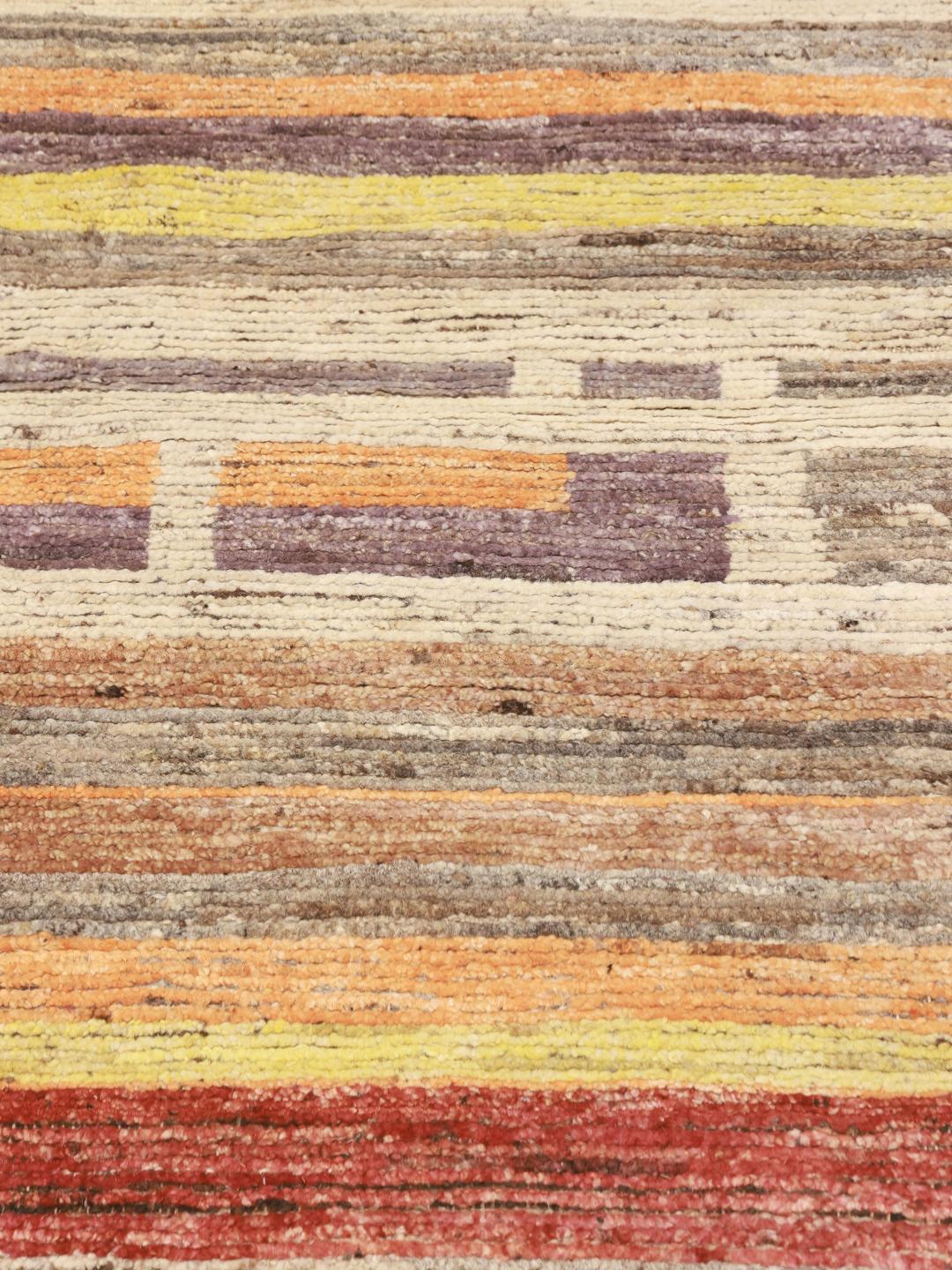
This particular design draws on the timeless appeal of layered horizontal bands, where earthy beige tones sit beside expressive hues of red, brown, orange, and purple. The subtle variations within each color block reflect the natural characteristics of dyed wool, creating a rich visual rhythm that feels organic and deeply human.
Rugs from this tradition are widely appreciated for their individuality and genuine craft connection. Owning a piece woven in this style connects your home to a living tradition of handwork, bringing home a piece that carries real cultural substance and enduring appeal.