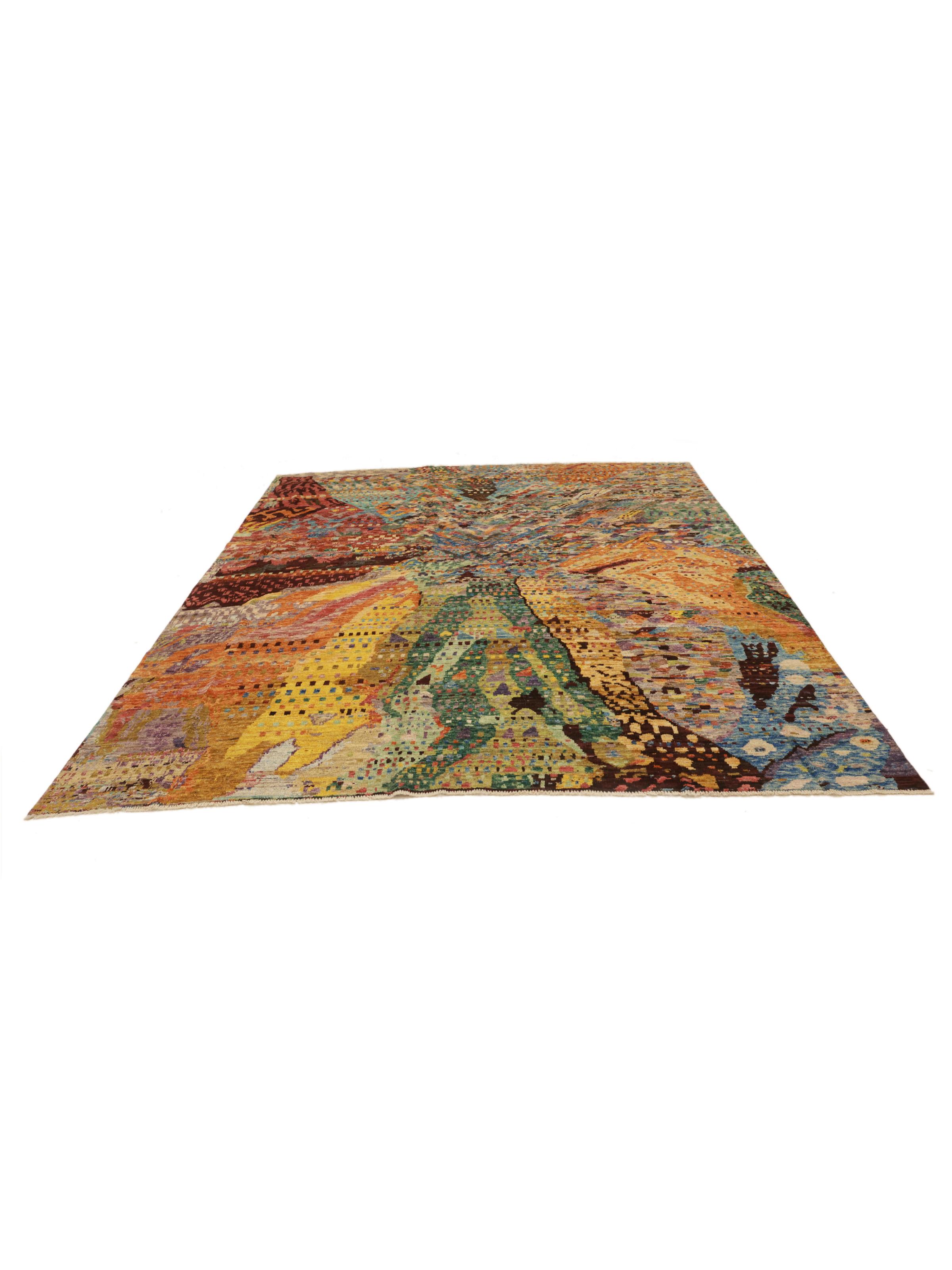
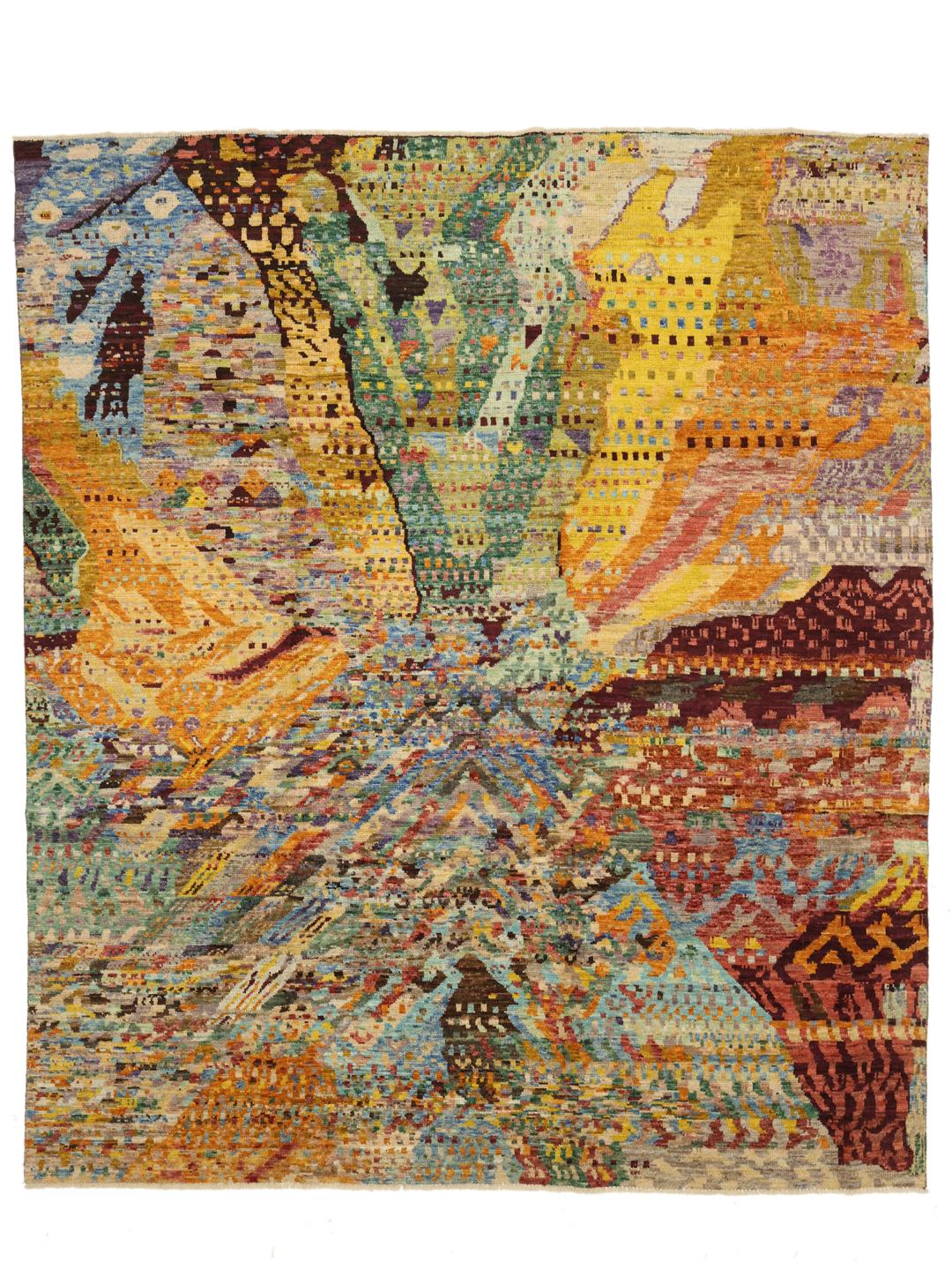
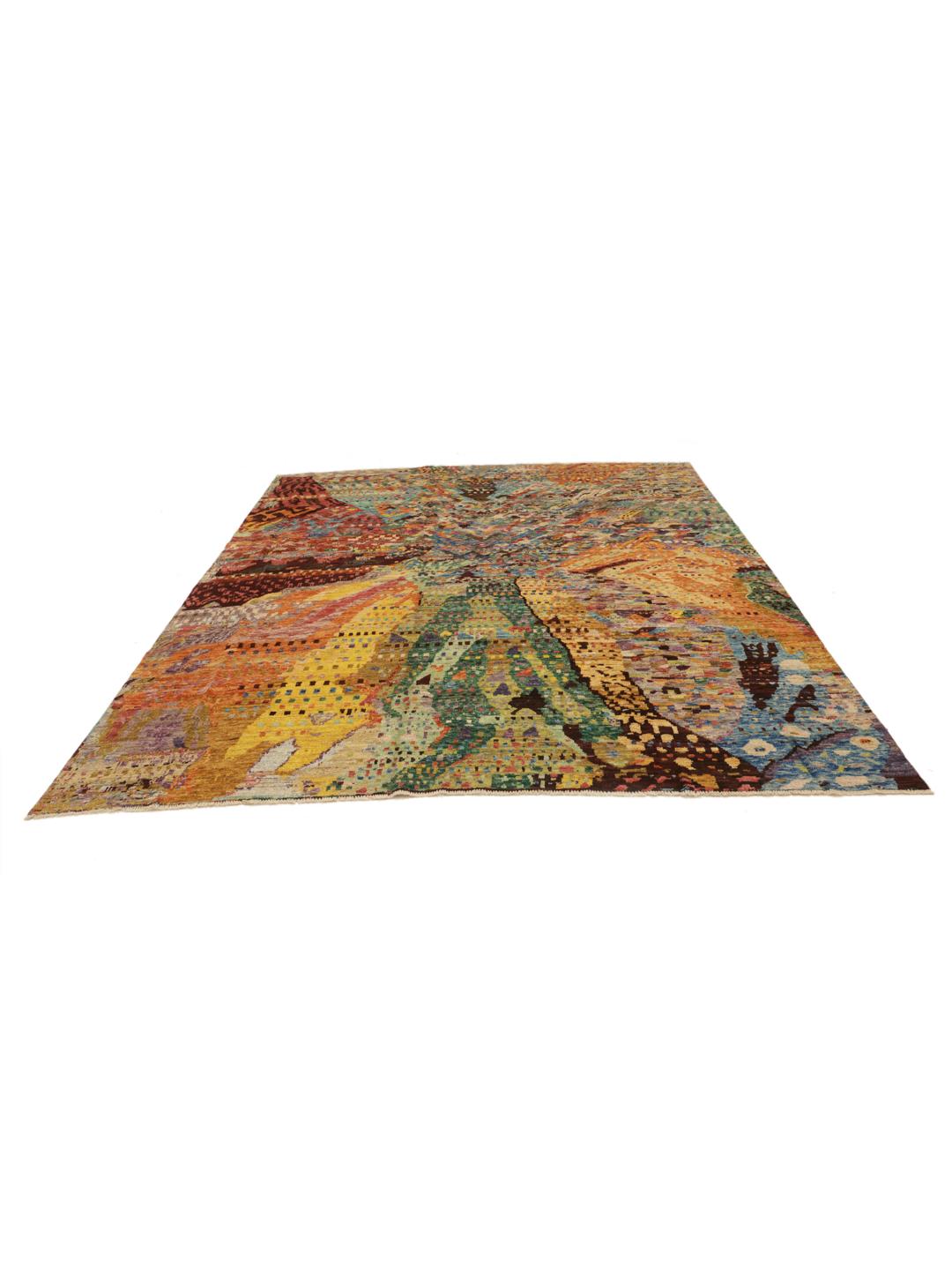
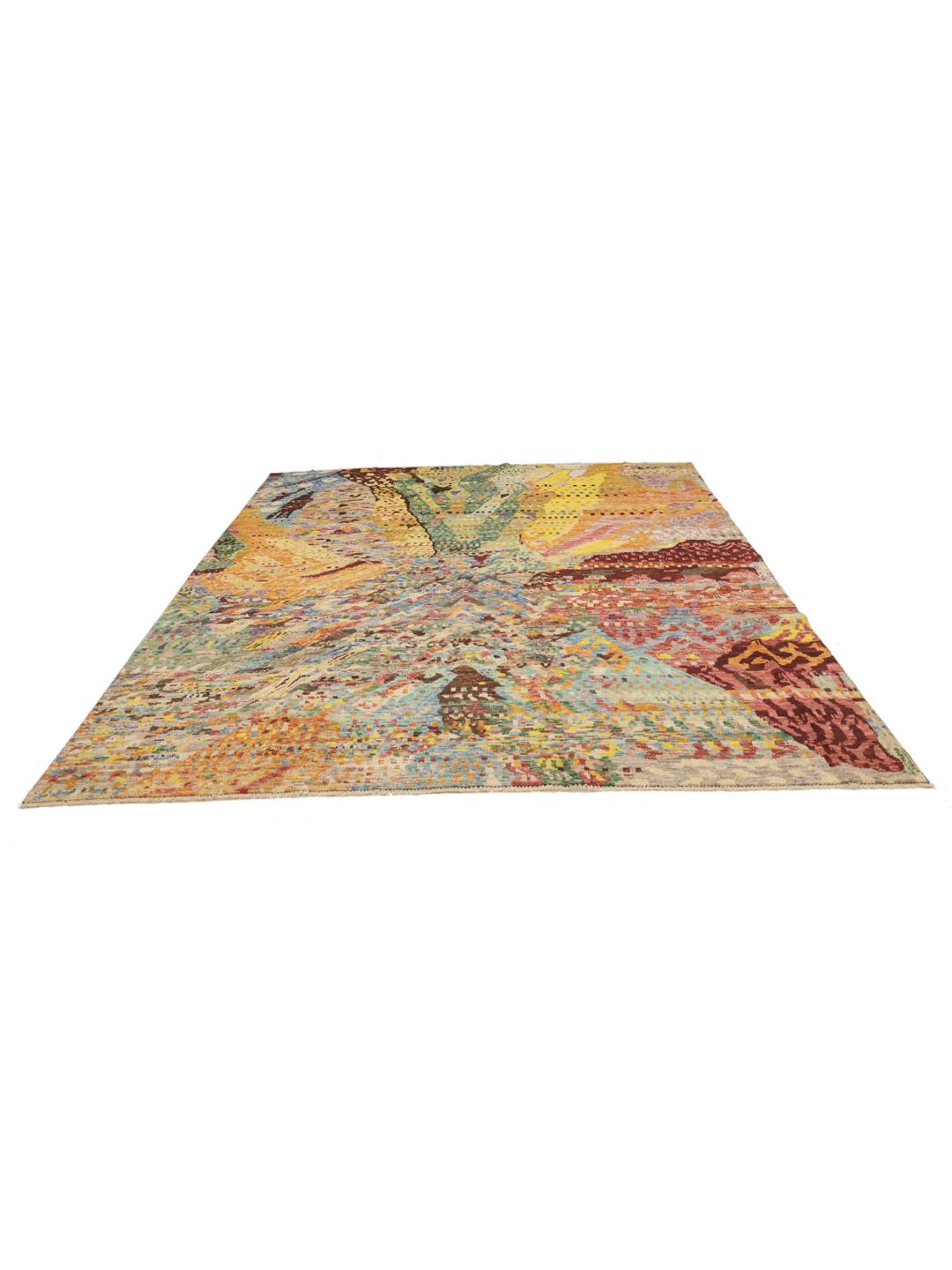
Berber-inspired rugs from Afghanistan represent a fascinating evolution of design, blending traditional nomadic techniques with a more modern, expressive aesthetic. While the term Berber is historically associated with the indigenous peoples of North Africa, the style has been adopted and reinterpreted by weavers in the Middle East, who have infused these rugs with their own regional artistry and rich, saturated colour palettes.
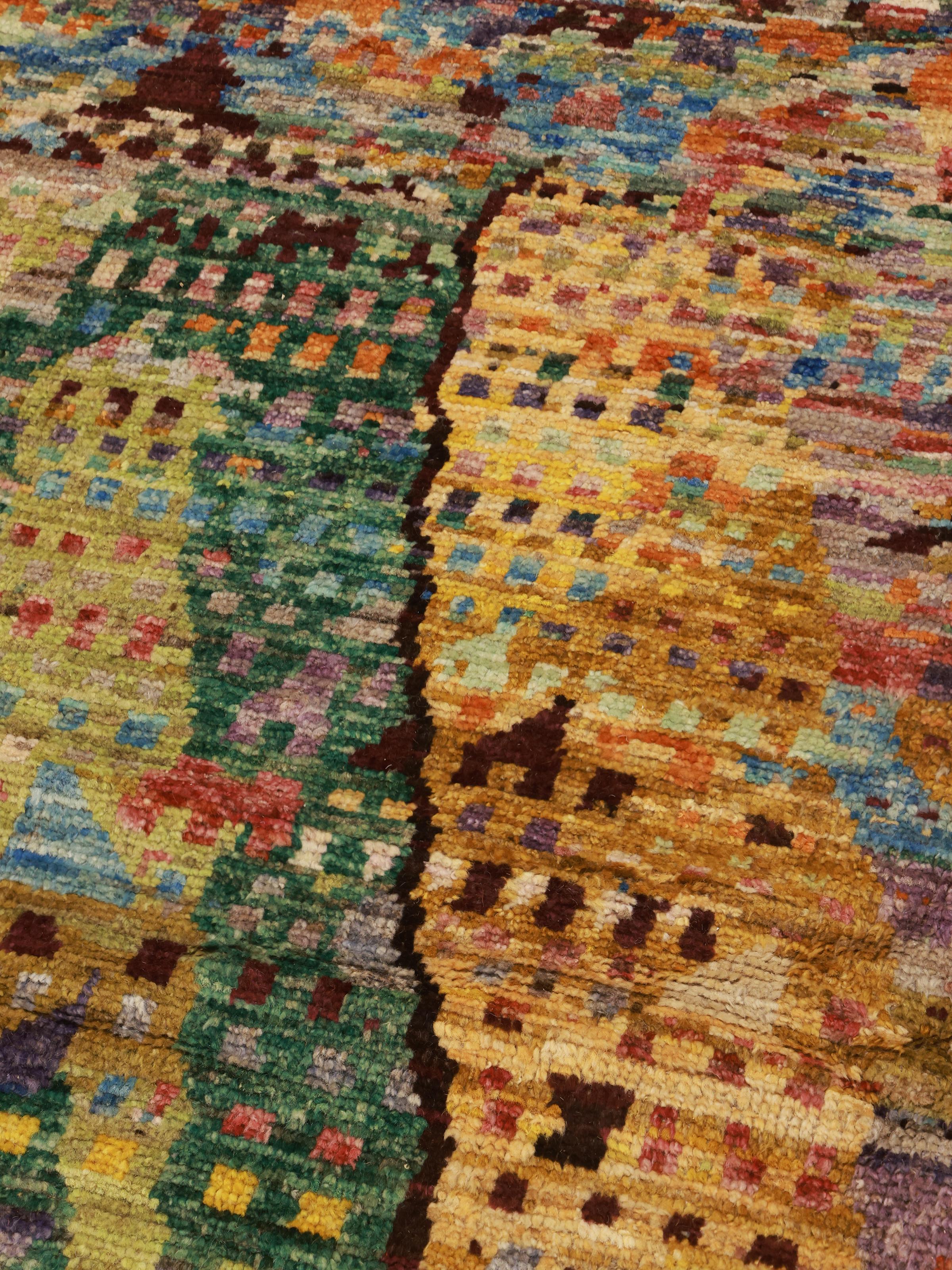
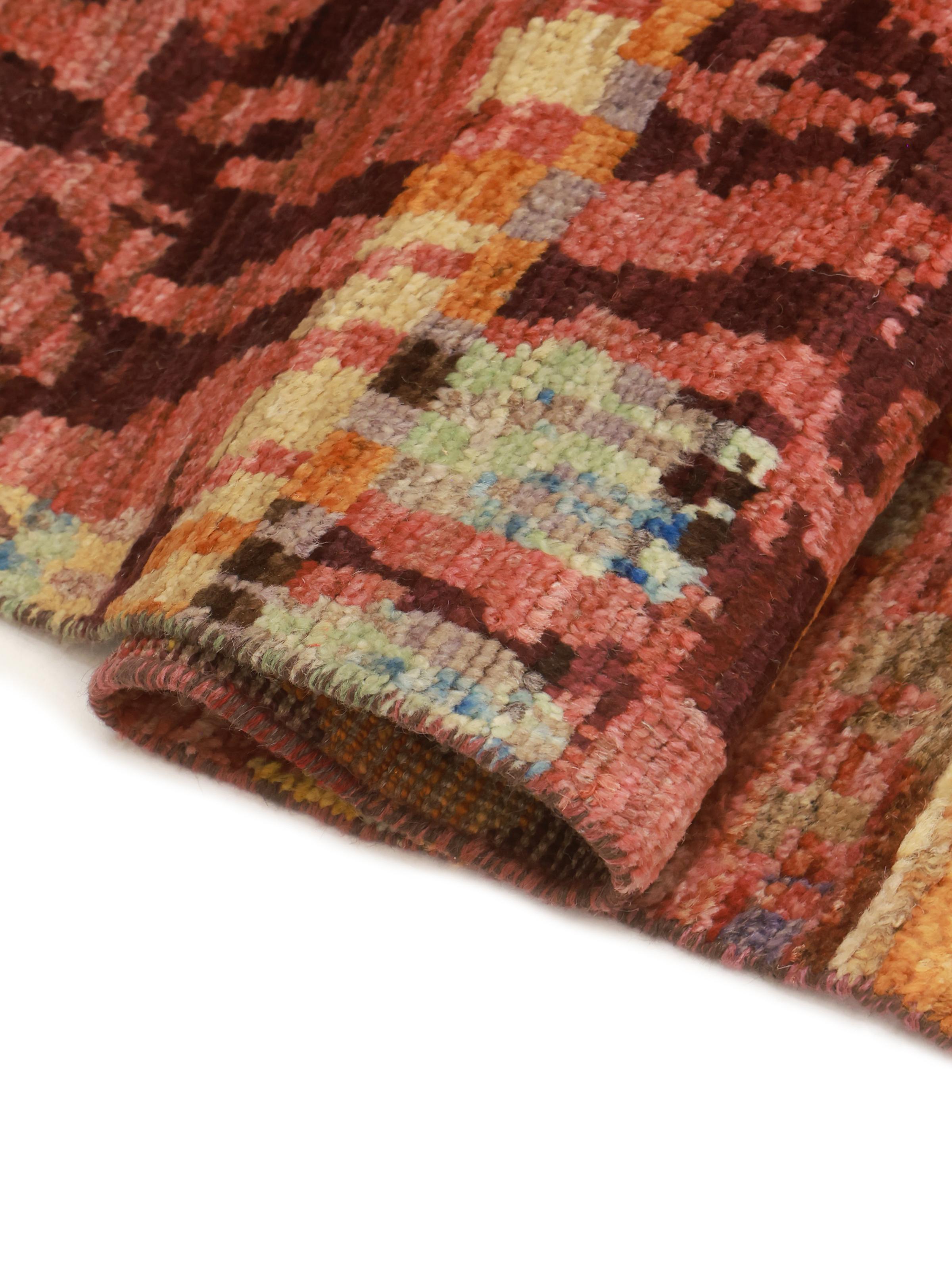
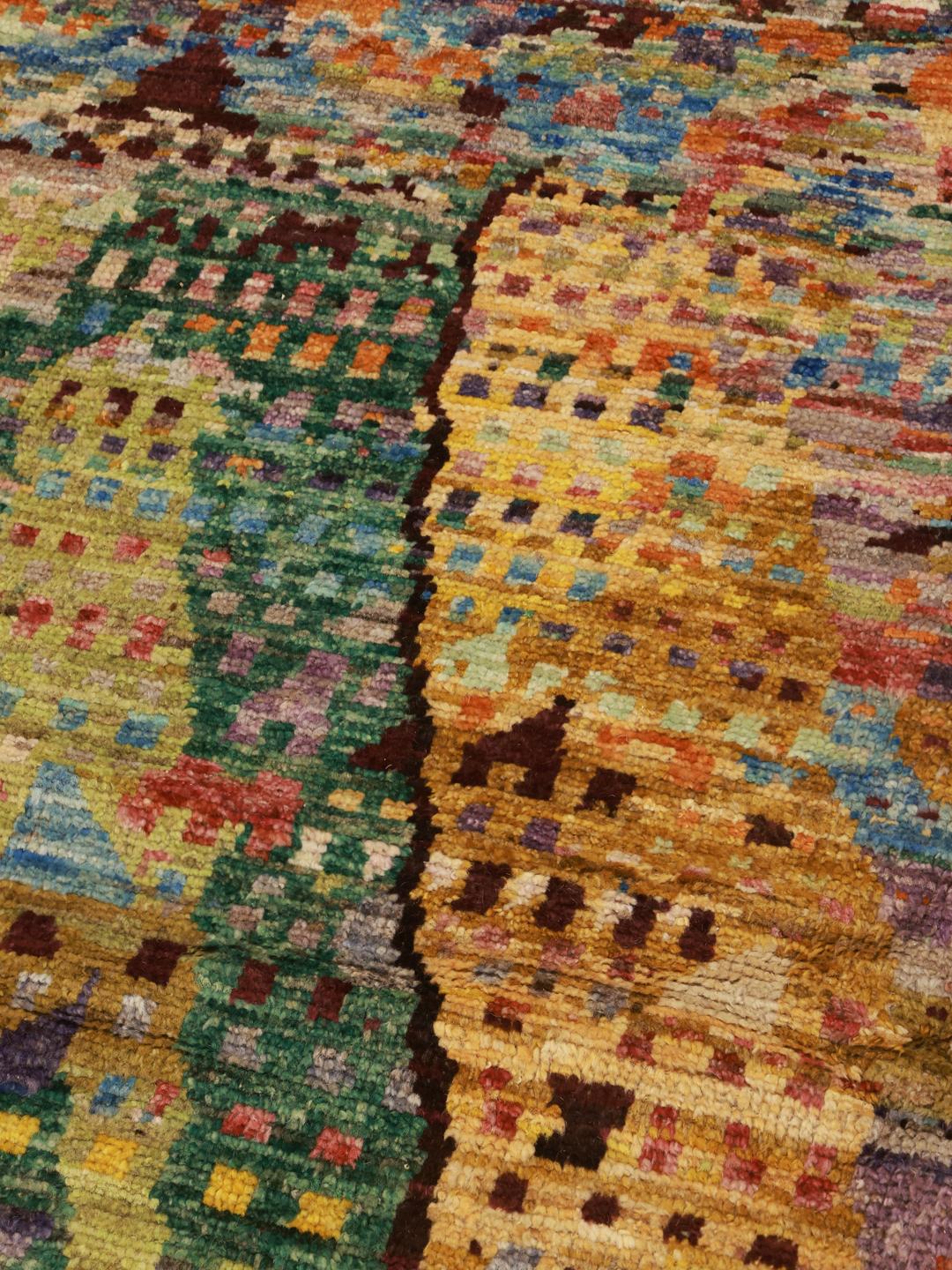
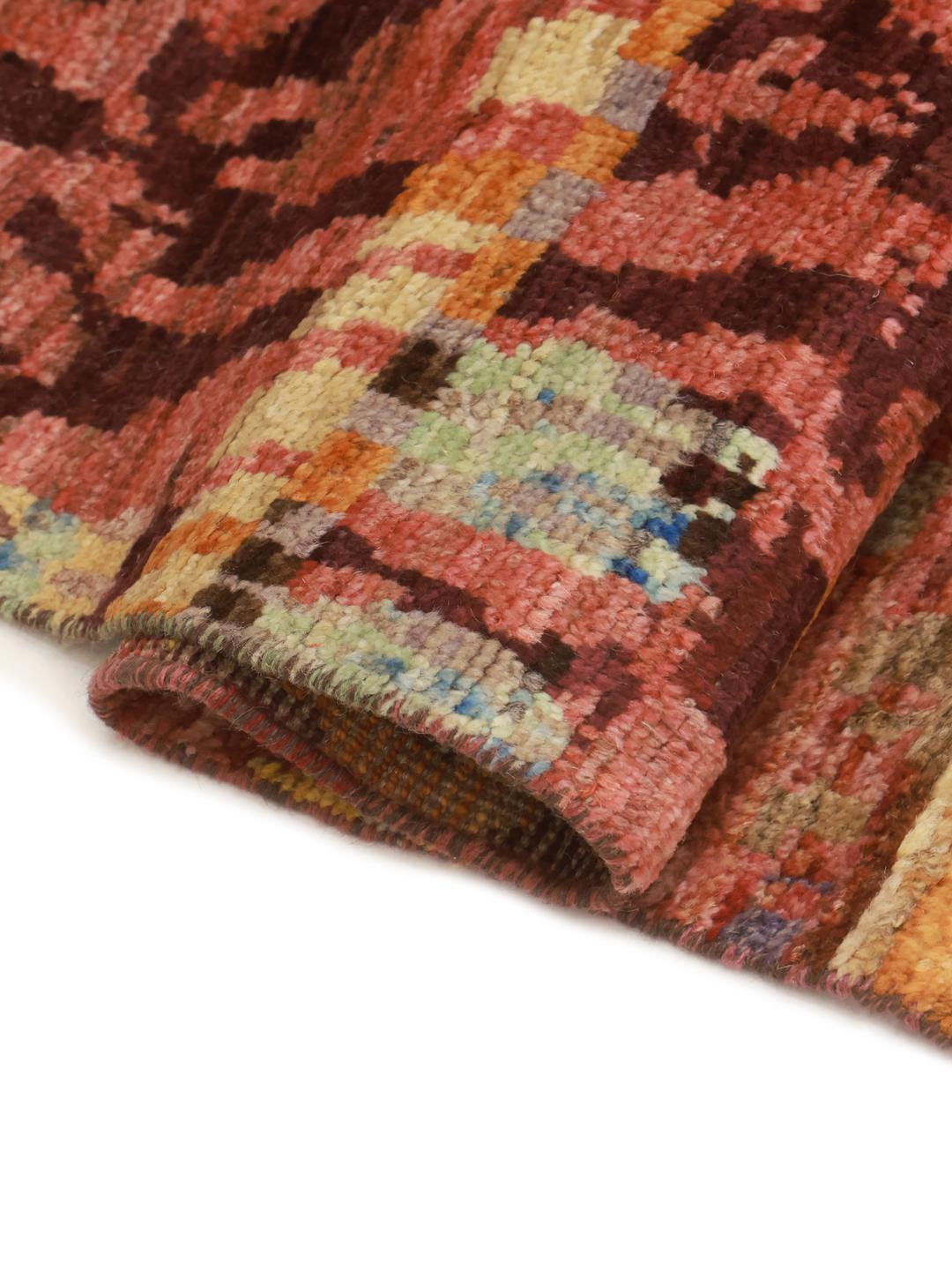
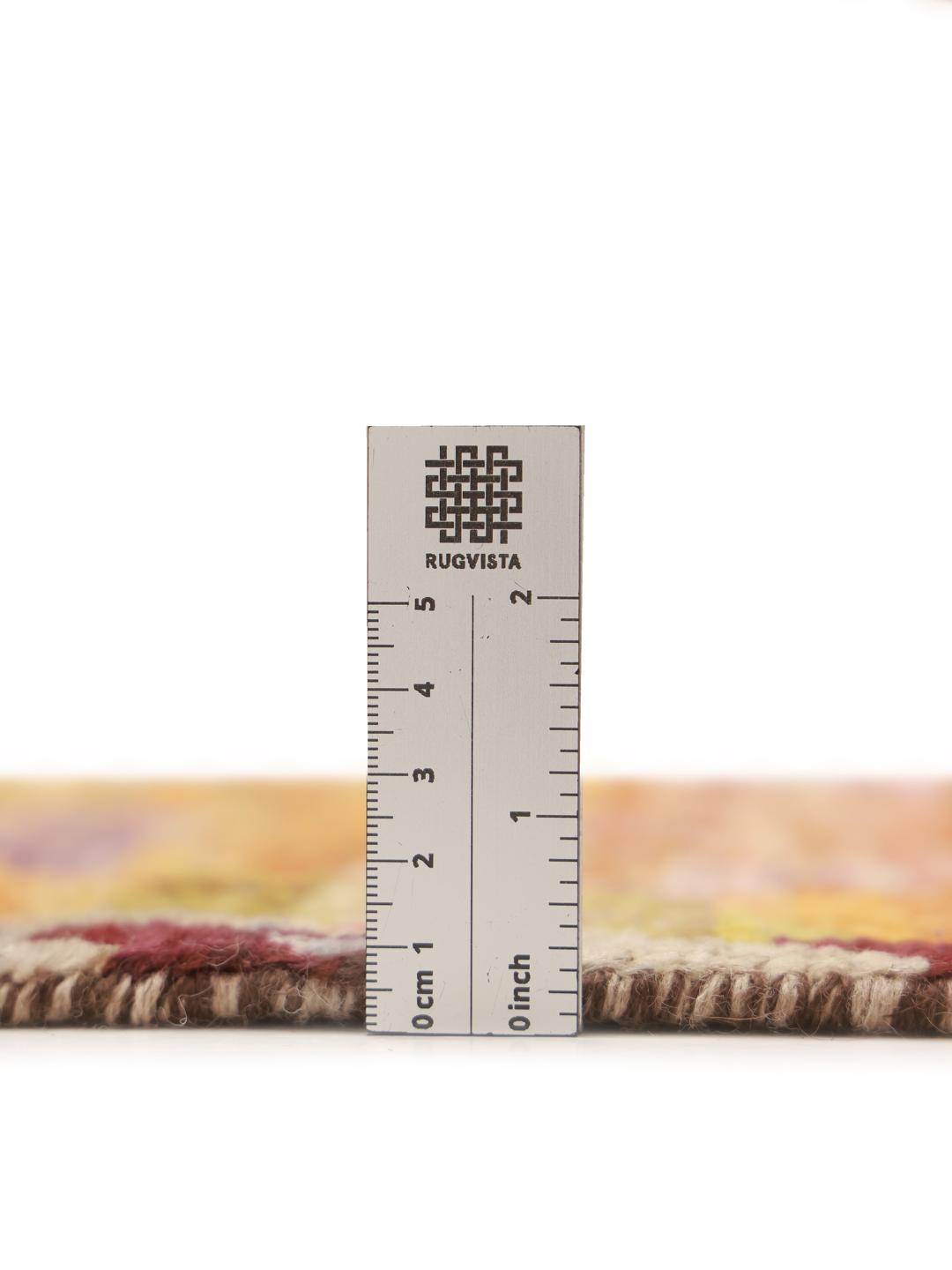
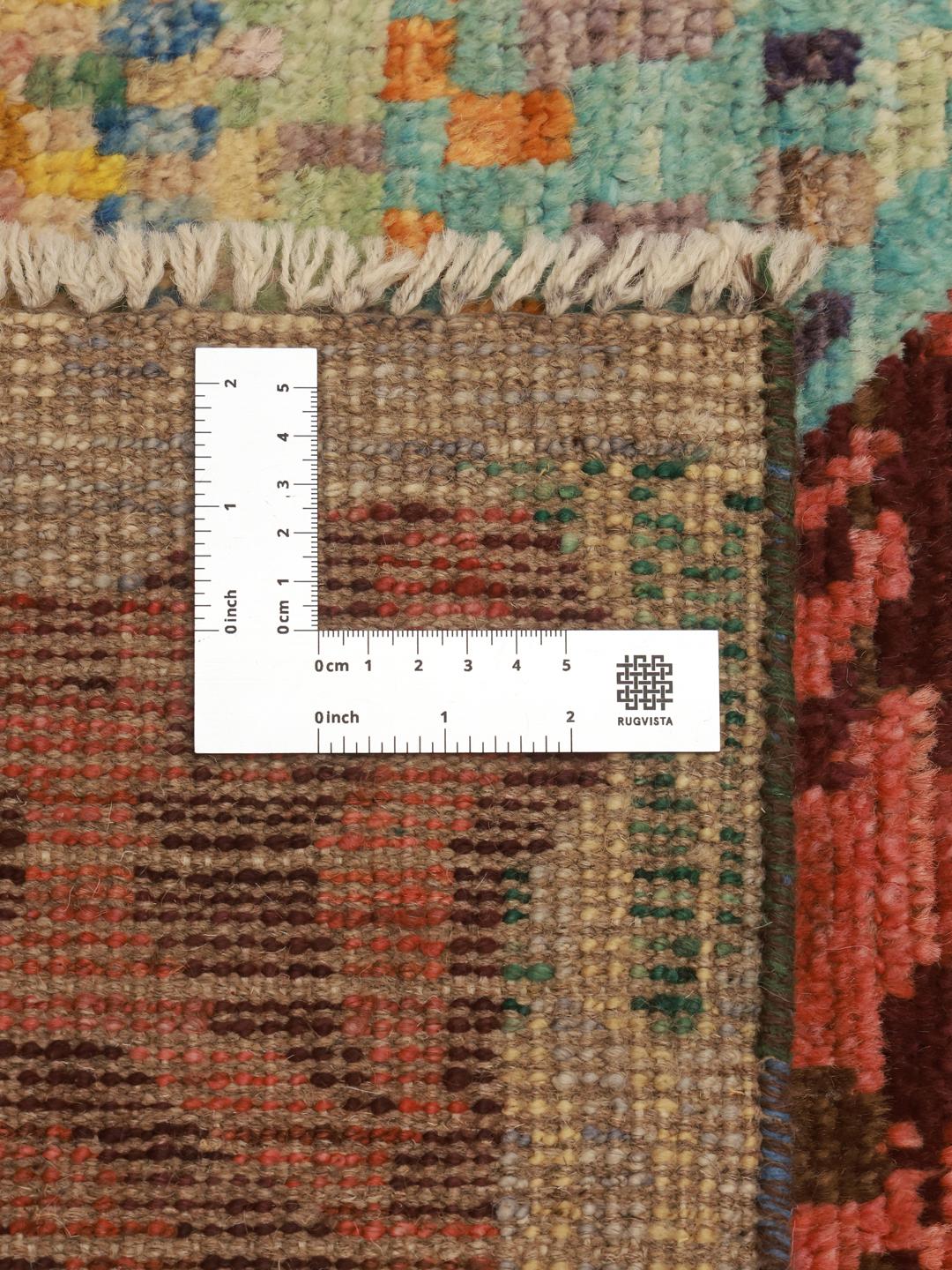
The construction of these rugs relies on the classic hand-knotting technique, a method that has been passed down through generations. This process is essential for creating the dense, long-lasting pile that distinguishes these rugs from simpler woven types. The use of high-quality, durable wool is a hallmark of this tradition, selected specifically for its ability to hold vibrant dyes and provide a soft, resilient texture underfoot.
Visually, these rugs often move away from rigid, formal medallions, favouring instead more abstract, artistic, or geometric layouts. The use of colour is typically bold and varied, often reflecting the natural landscape or the creative vision of the individual weaver. This design freedom makes every rug a distinct expression of the creator's intent, resulting in pieces that feel fresh and modern while remaining deeply connected to their historical roots.
Valued by collectors and interior enthusiasts alike, these rugs are celebrated for their ability to anchor a room with both colour and cultural weight. Owning one is an opportunity to appreciate the skill involved in traditional hand-knotting while enjoying a piece that is distinctly individual. They are more than just floor coverings, they are enduring examples of how ancient methods can continue to result in relevant, beautiful objects for the modern home.