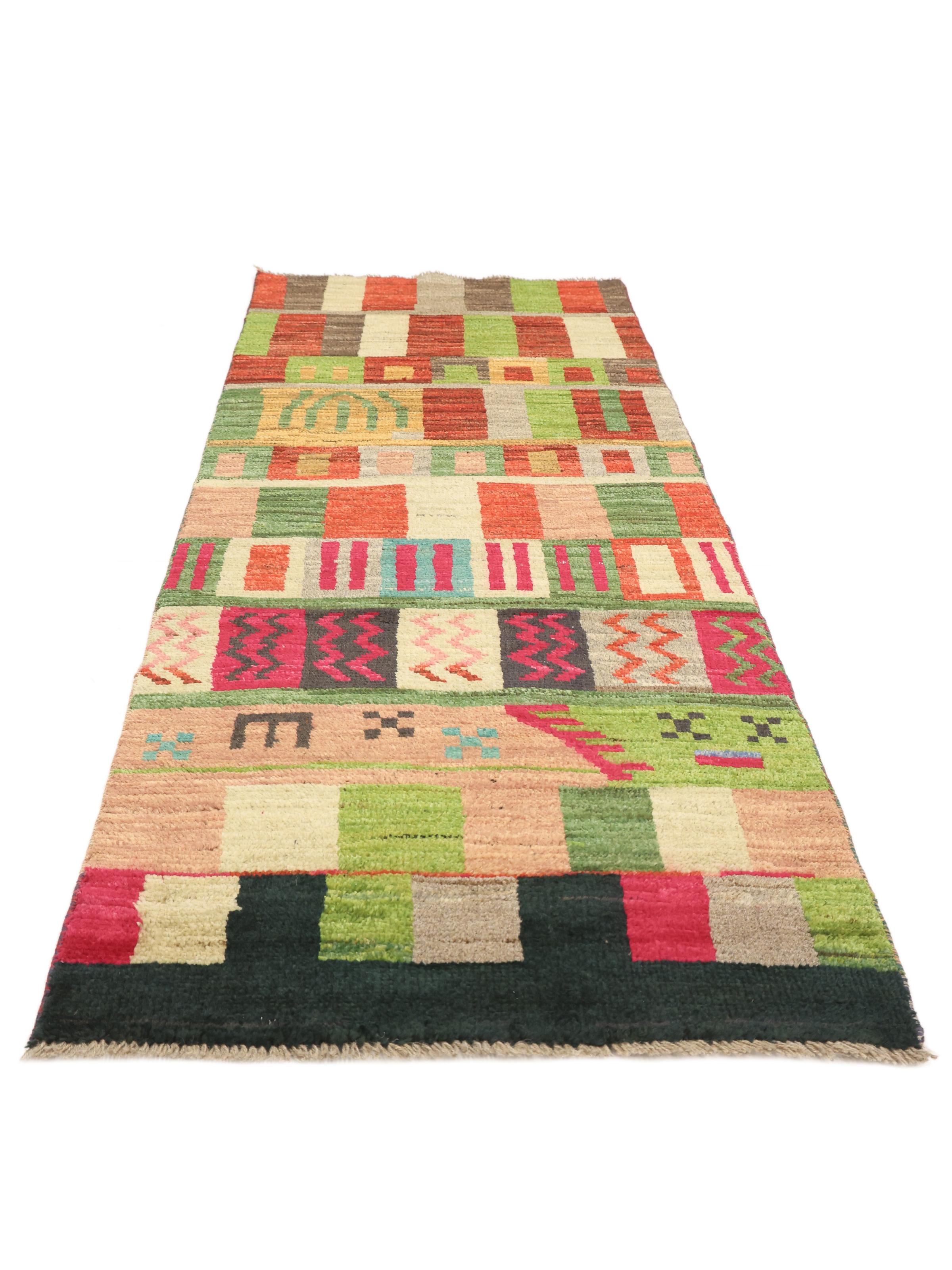
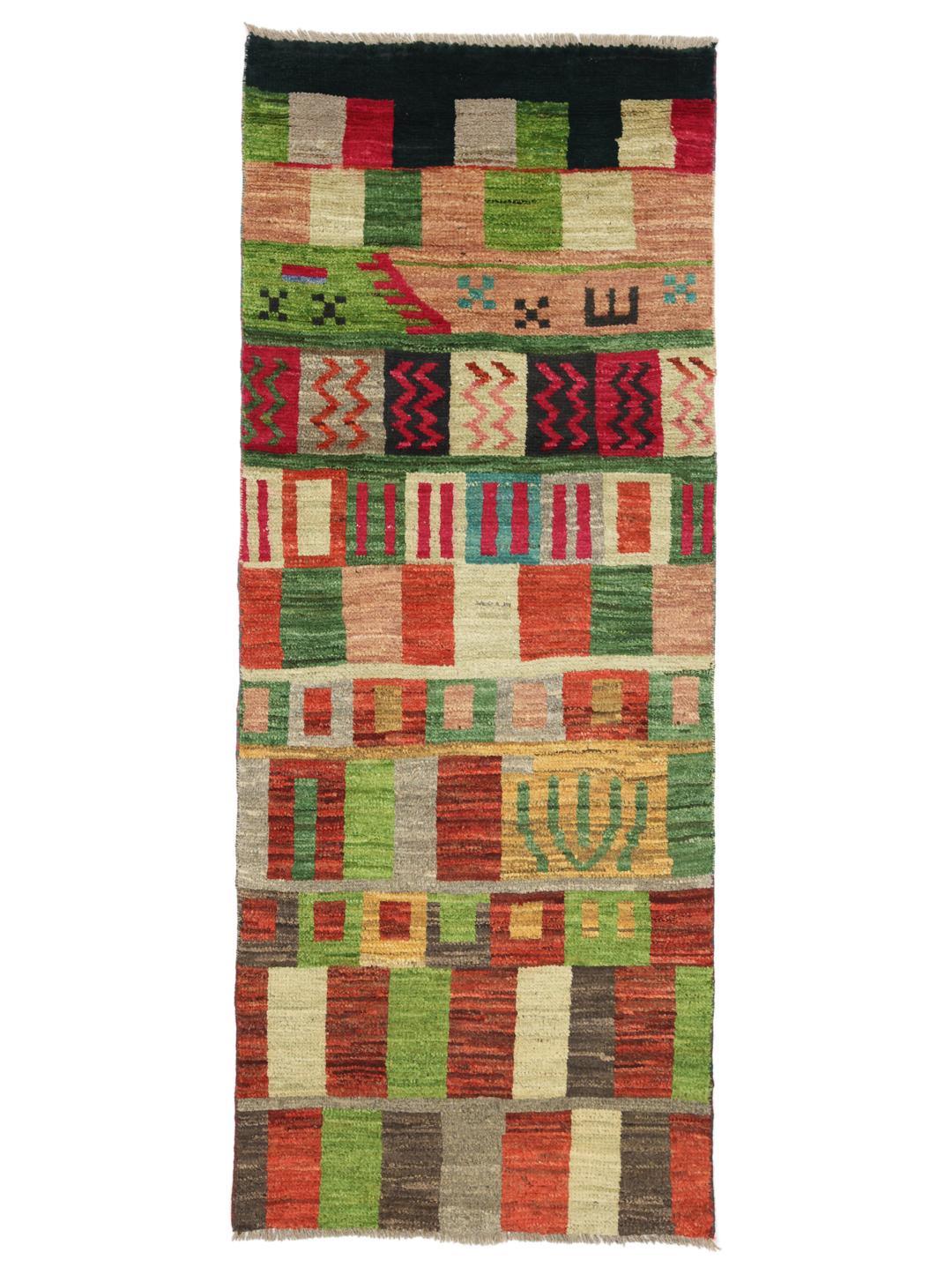
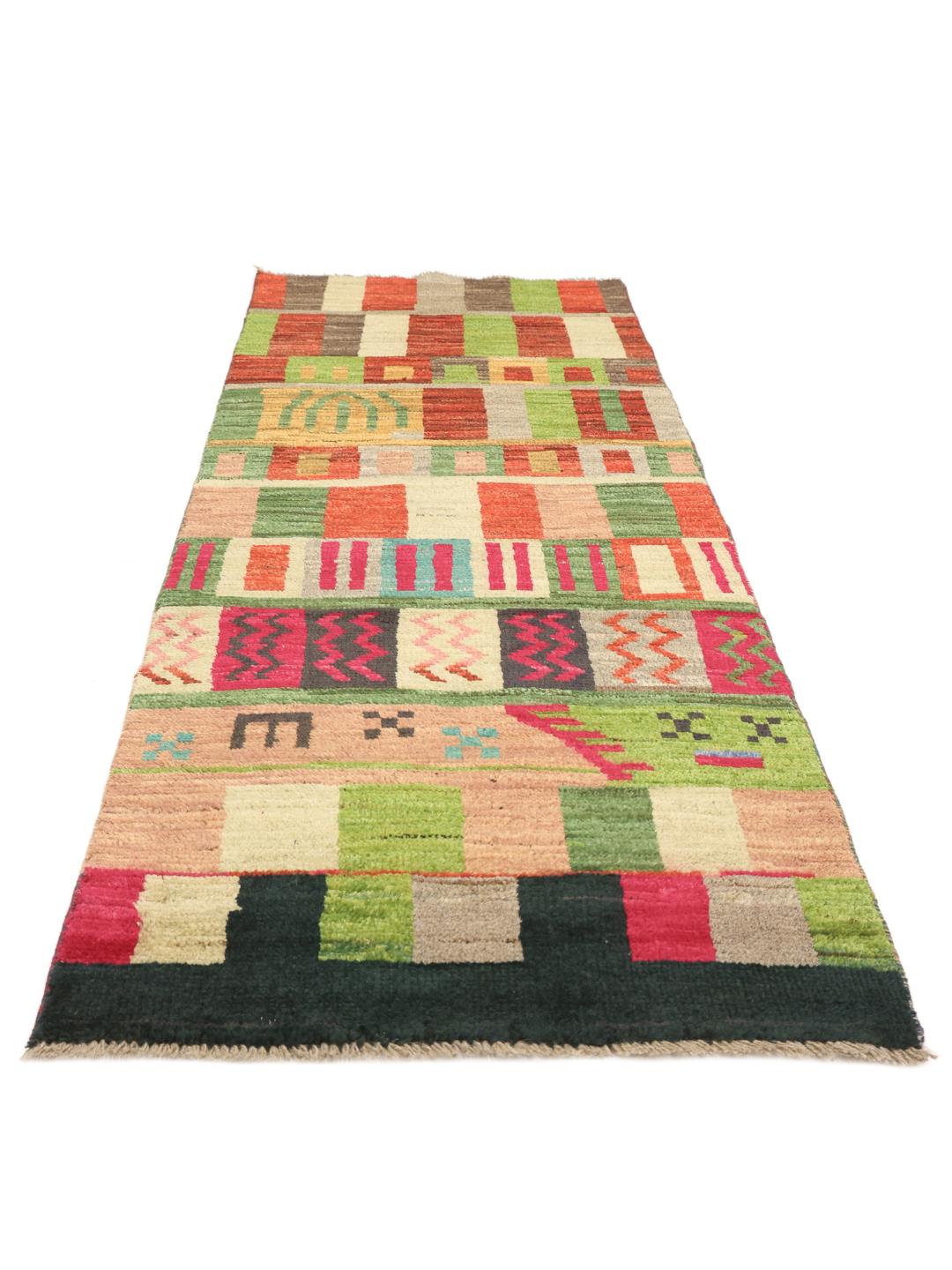
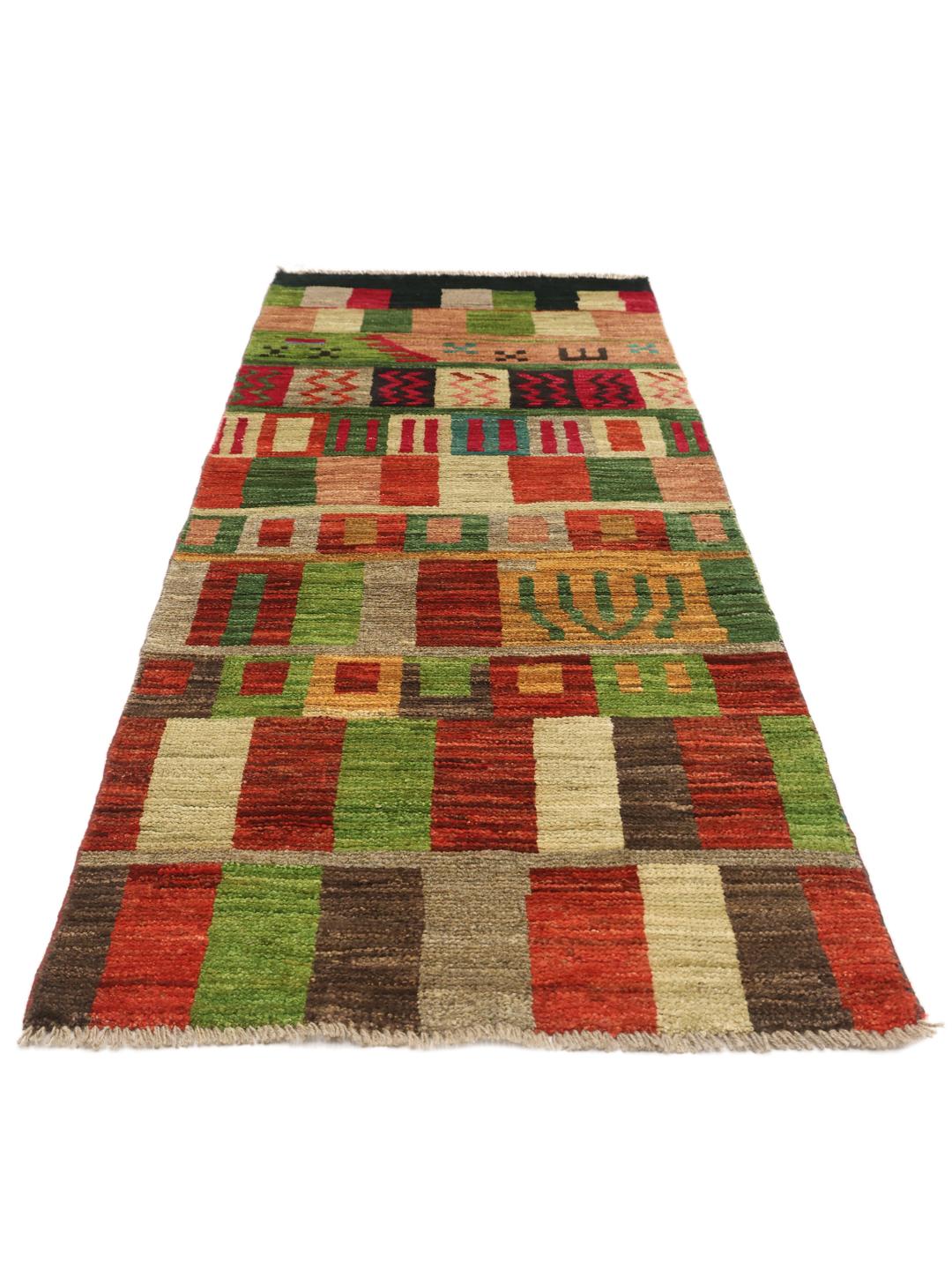
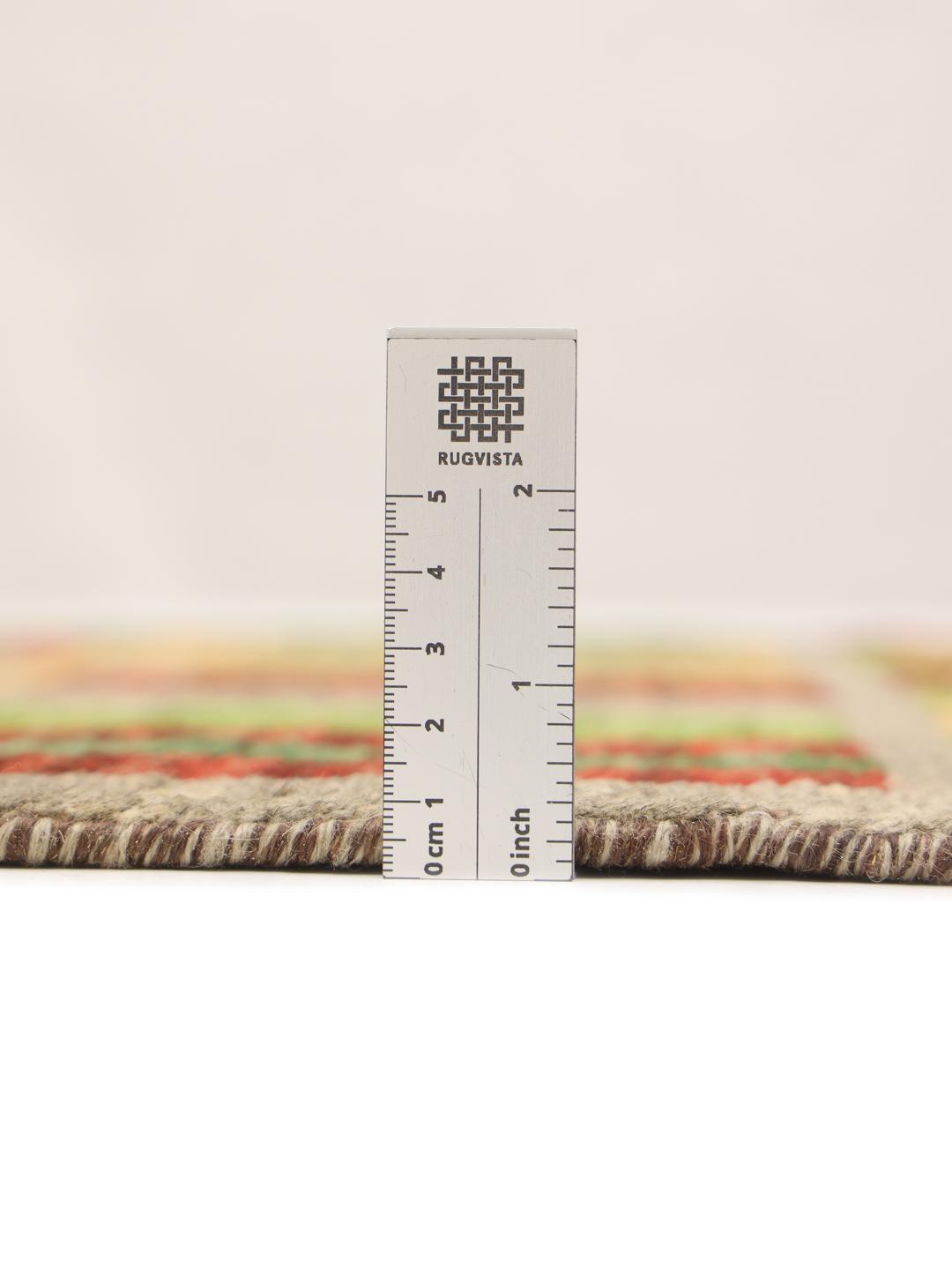
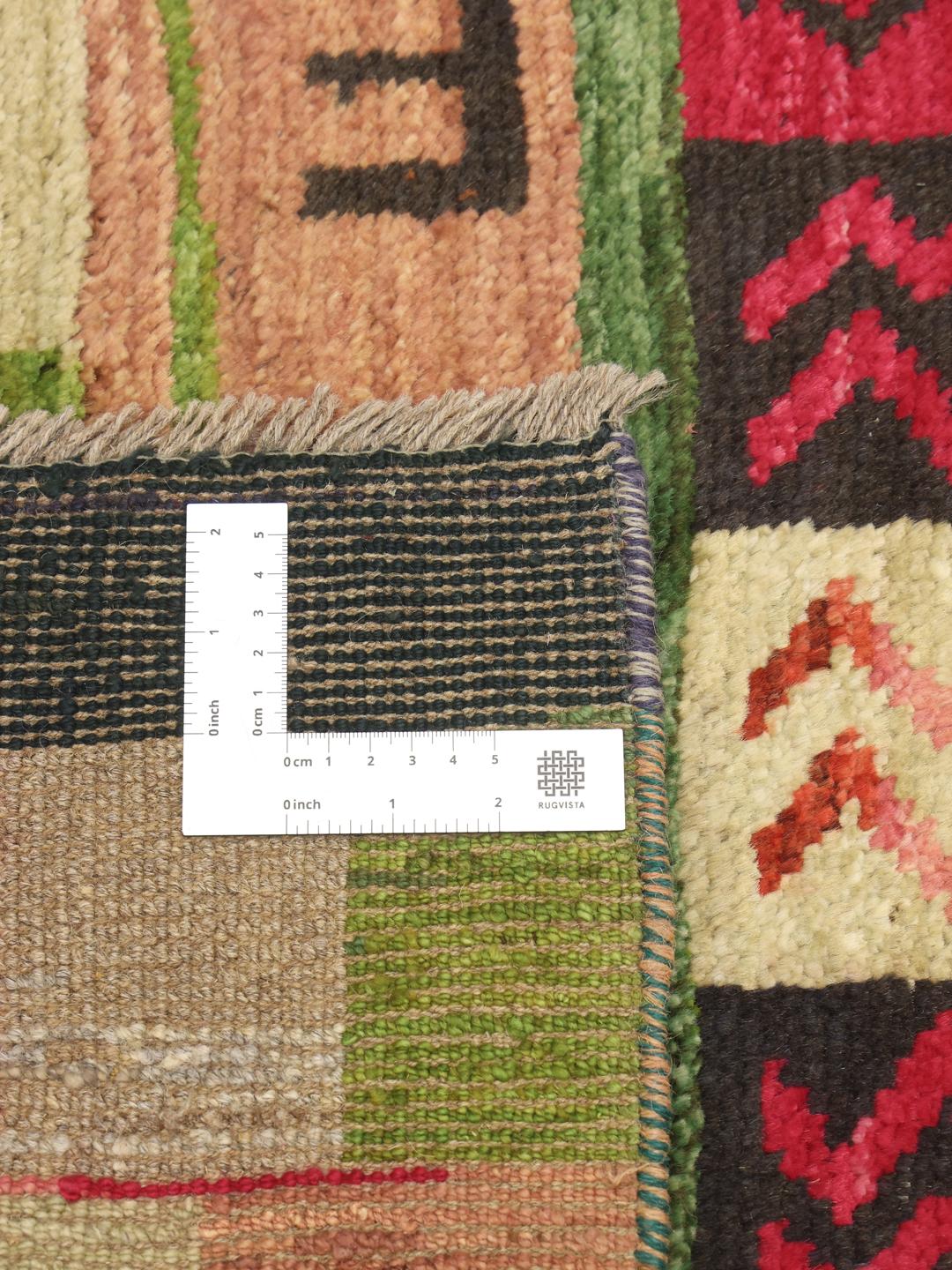
The Berber tradition is deeply rooted in the cultural heritage of indigenous populations across North Africa, though the style has been masterfully adopted and interpreted by weavers in Afghanistan. These rugs are historically significant, serving as functional items that also record the stories, symbols, and artistic sensibilities of the communities that create them. The migration of these designs reflects the cross-cultural exchange that has long characterised the global rug trade.
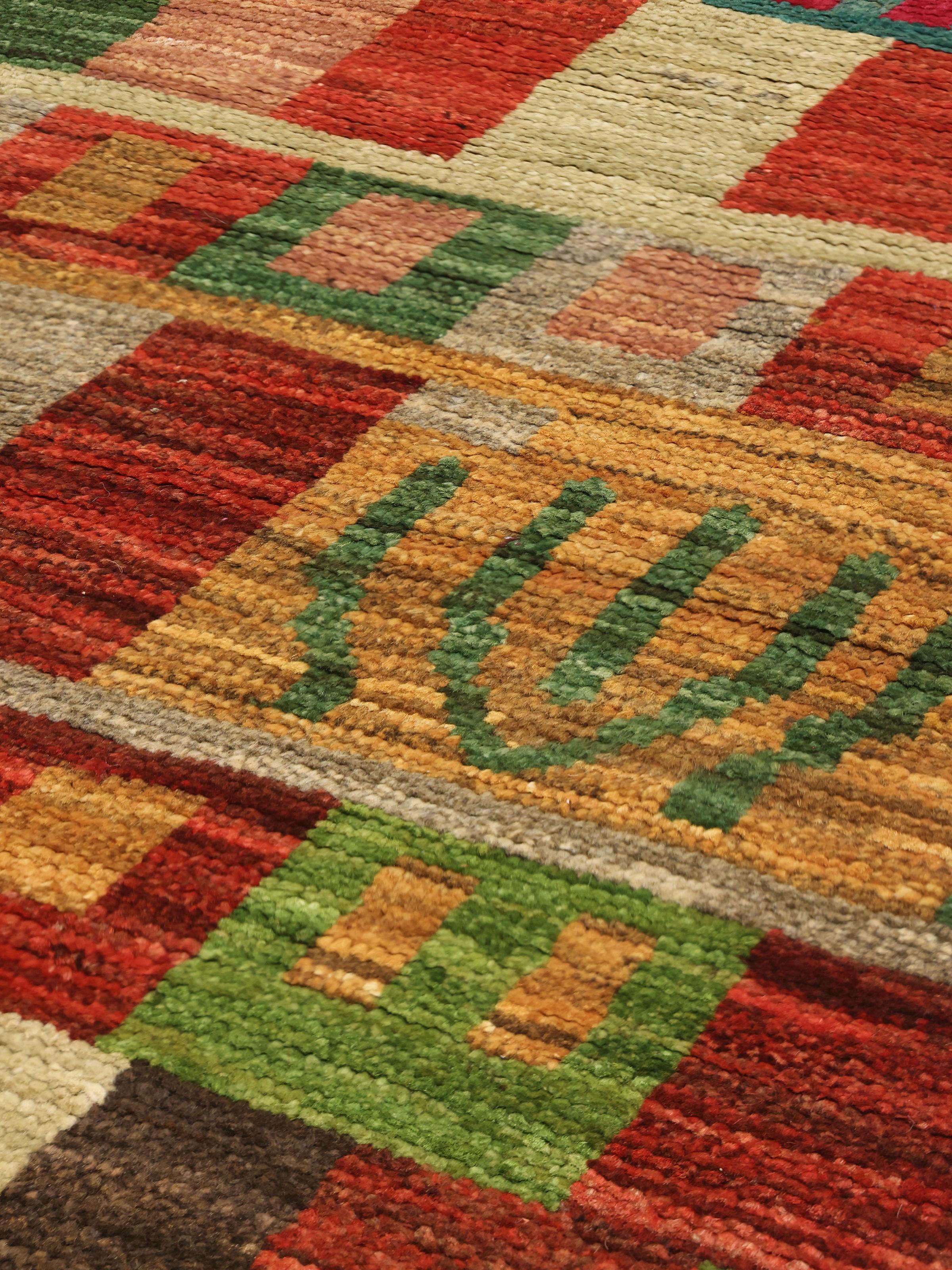
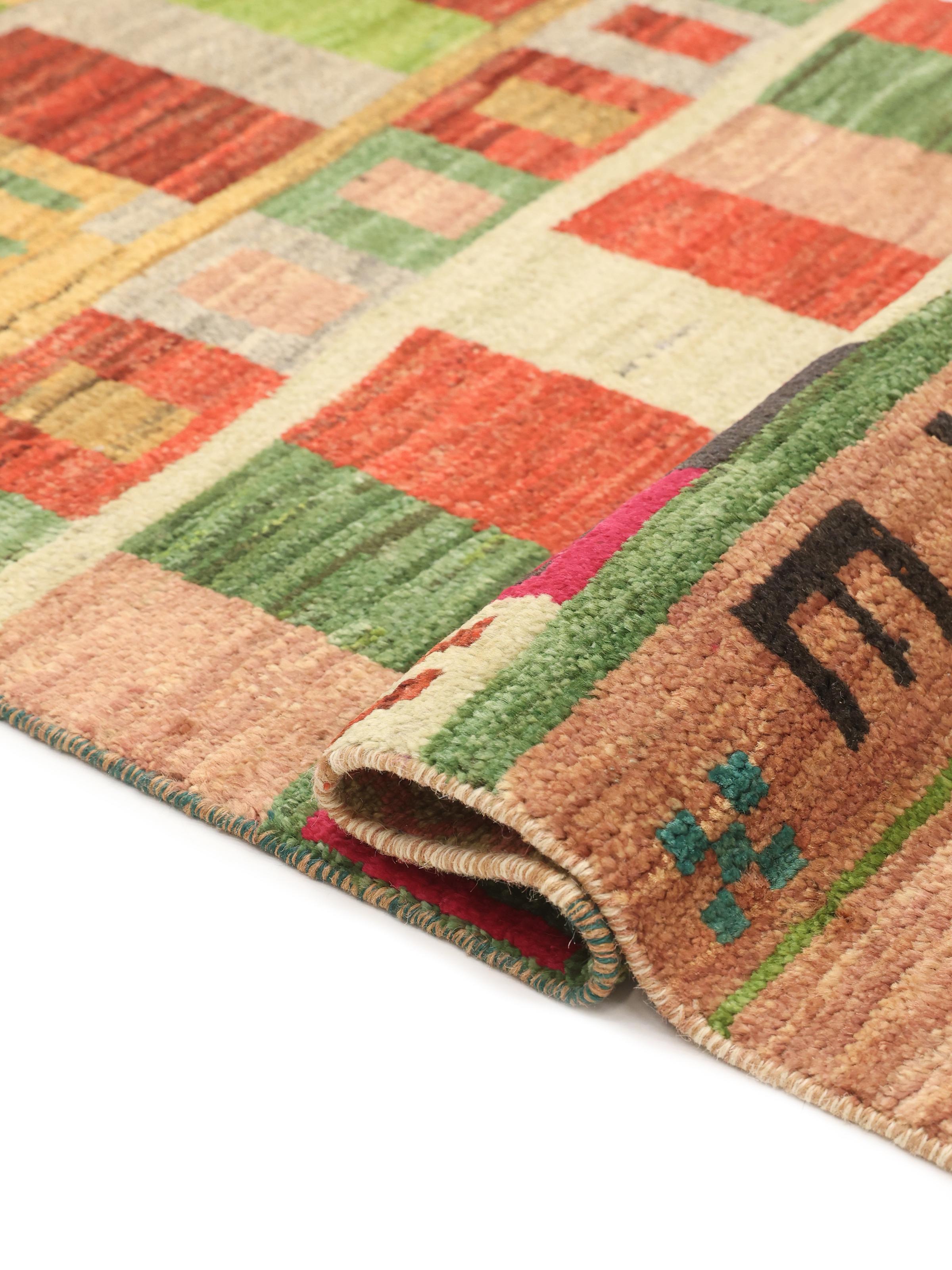
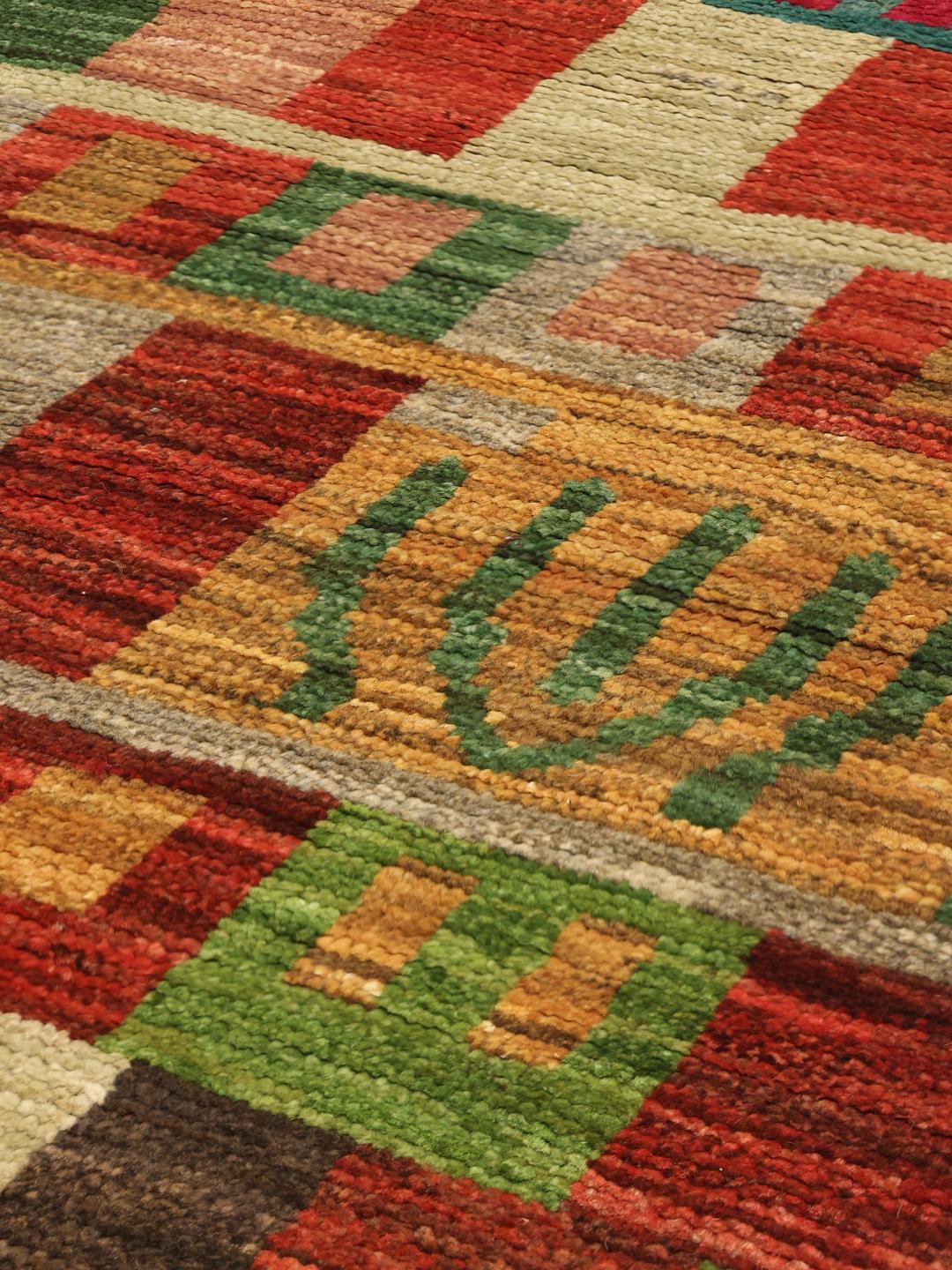
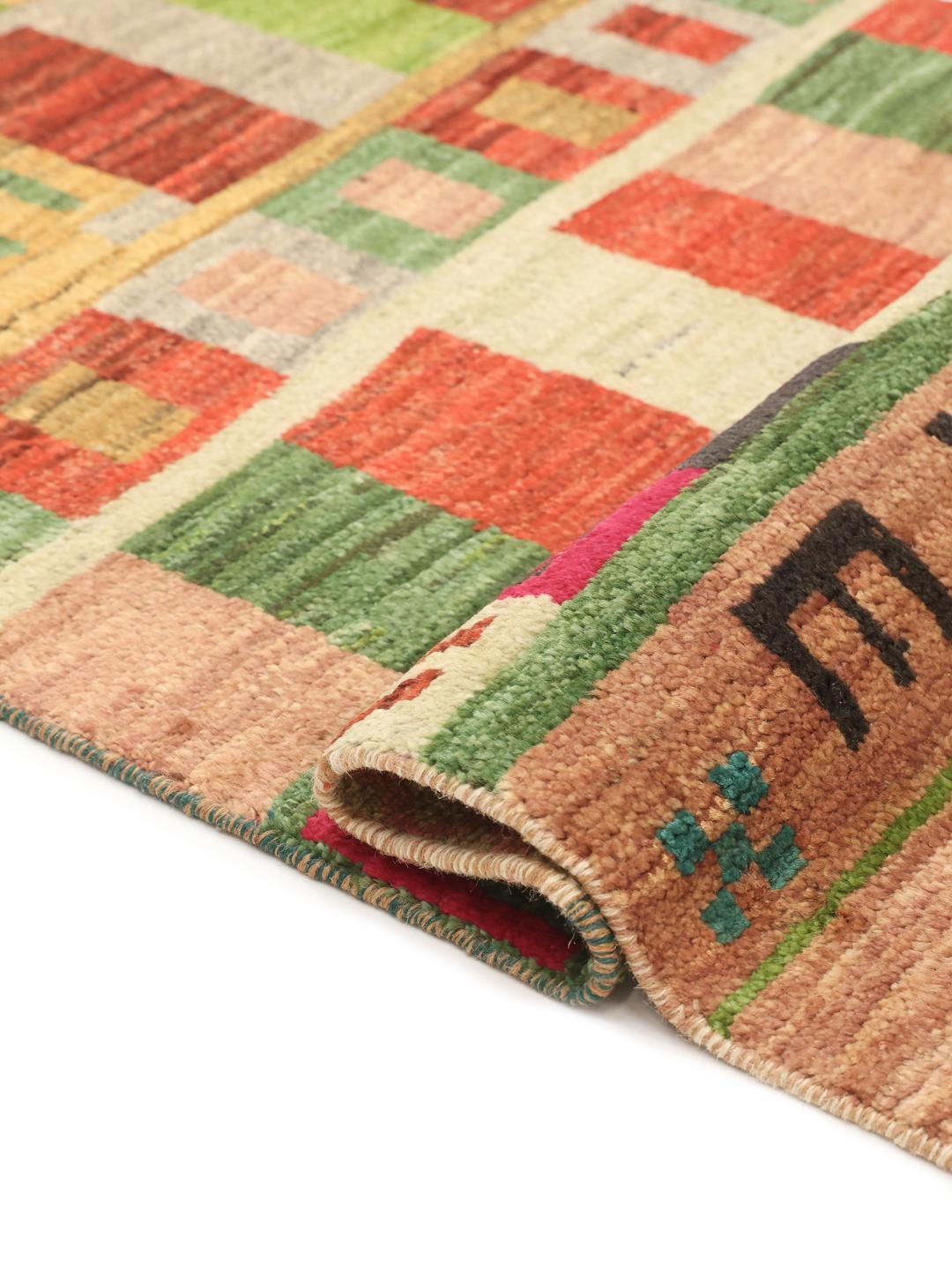
Understanding the quality of these rugs begins with the wool itself. Using locally sourced, high-quality wool, these pieces are crafted to be both durable and soft. The resilience of the fibres ensures that the rug maintains its structure over time, while the natural lanolin content in the wool provides a subtle, inherent lustre that deepens as the rug ages and is used.
Visually, these runners are defined by their bold, geometric language. You will often find a playful mix of squares, stripes, and abstract motifs that deviate from the more formal, symmetrical patterns of urban workshops. The use of vibrant, contrasting colours is a signature of this tradition, turning the rug into a canvas for creative expression where spontaneity is welcomed and celebrated.
These rugs are highly valued by collectors for their authentic, human-made character. Owning a piece from this tradition is an investment in human skill and cultural history. It is a reminder of a slow, deliberate way of making that prioritises the integrity of the object, ensuring that the rug serves not just as a floor covering, but as a meaningful, lasting part of your home's narrative.