Berber-style rugs have a rich history that stretches across diverse cultures, traditionally known for their thick, hand-spun wool and deeply personal storytelling through colour and form. While the style originated with nomadic tribes in North Africa, the tradition has evolved and been embraced by weavers in Afghanistan, who have infused these designs with their own regional aesthetic and skill.
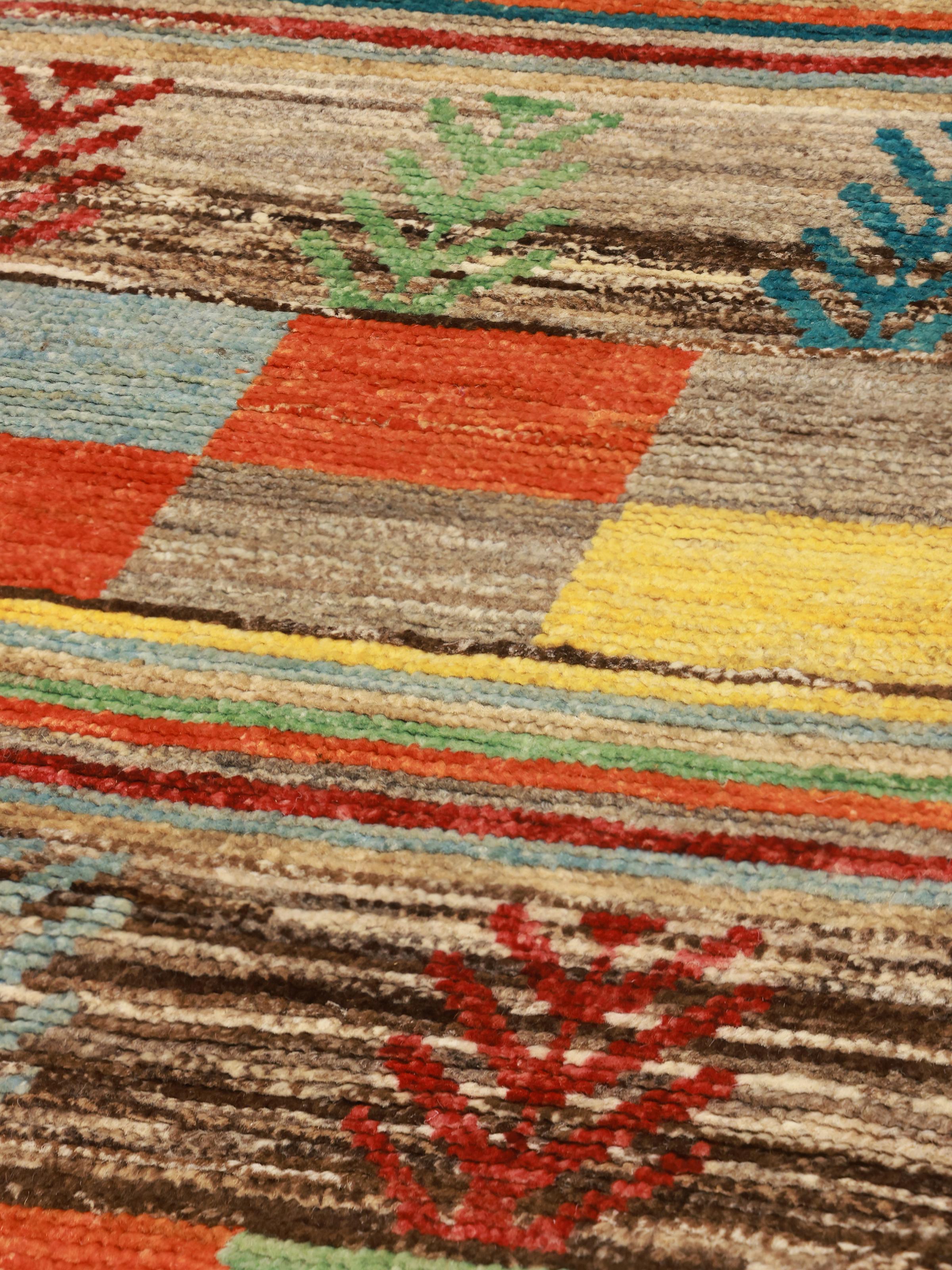
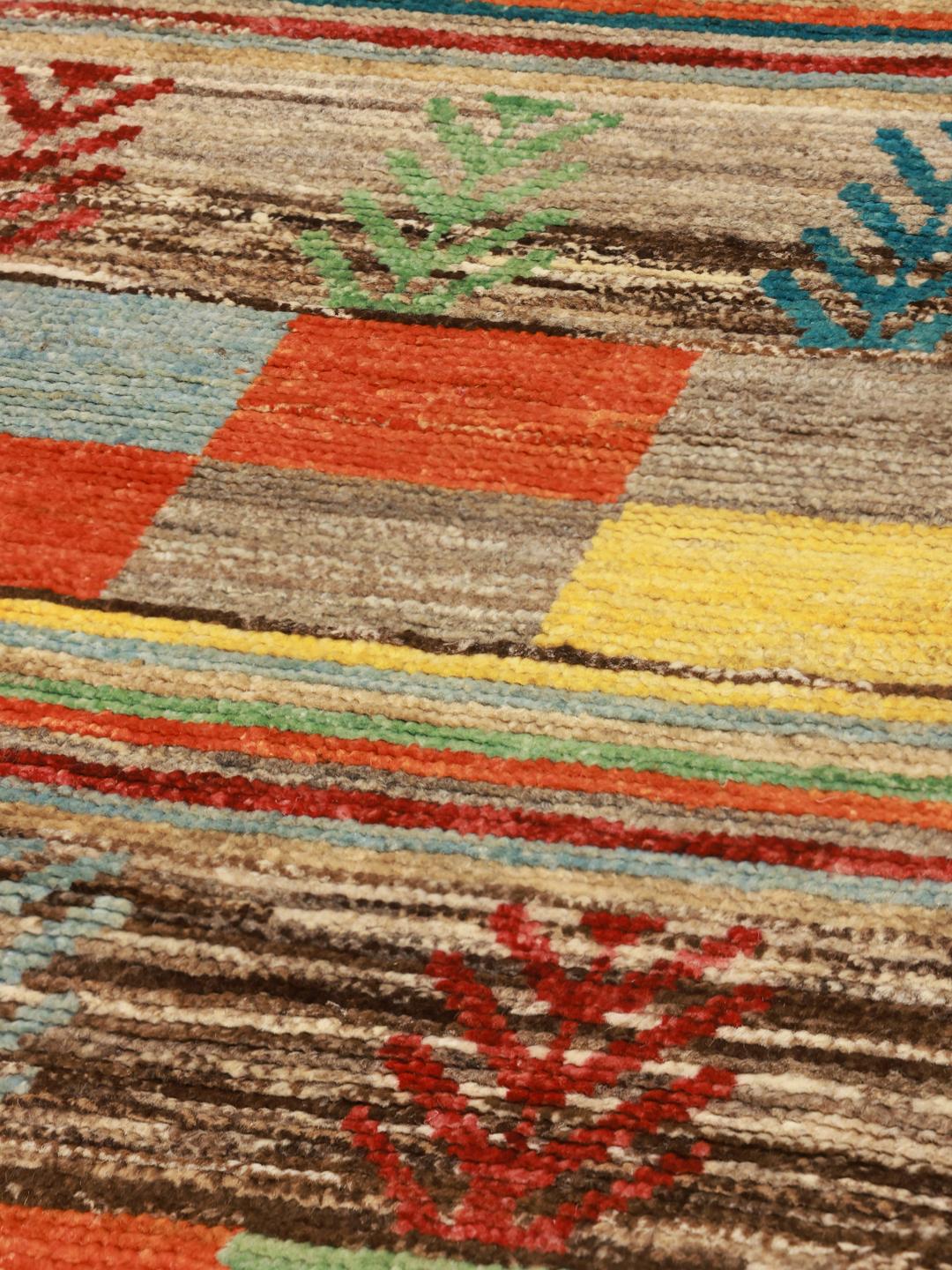
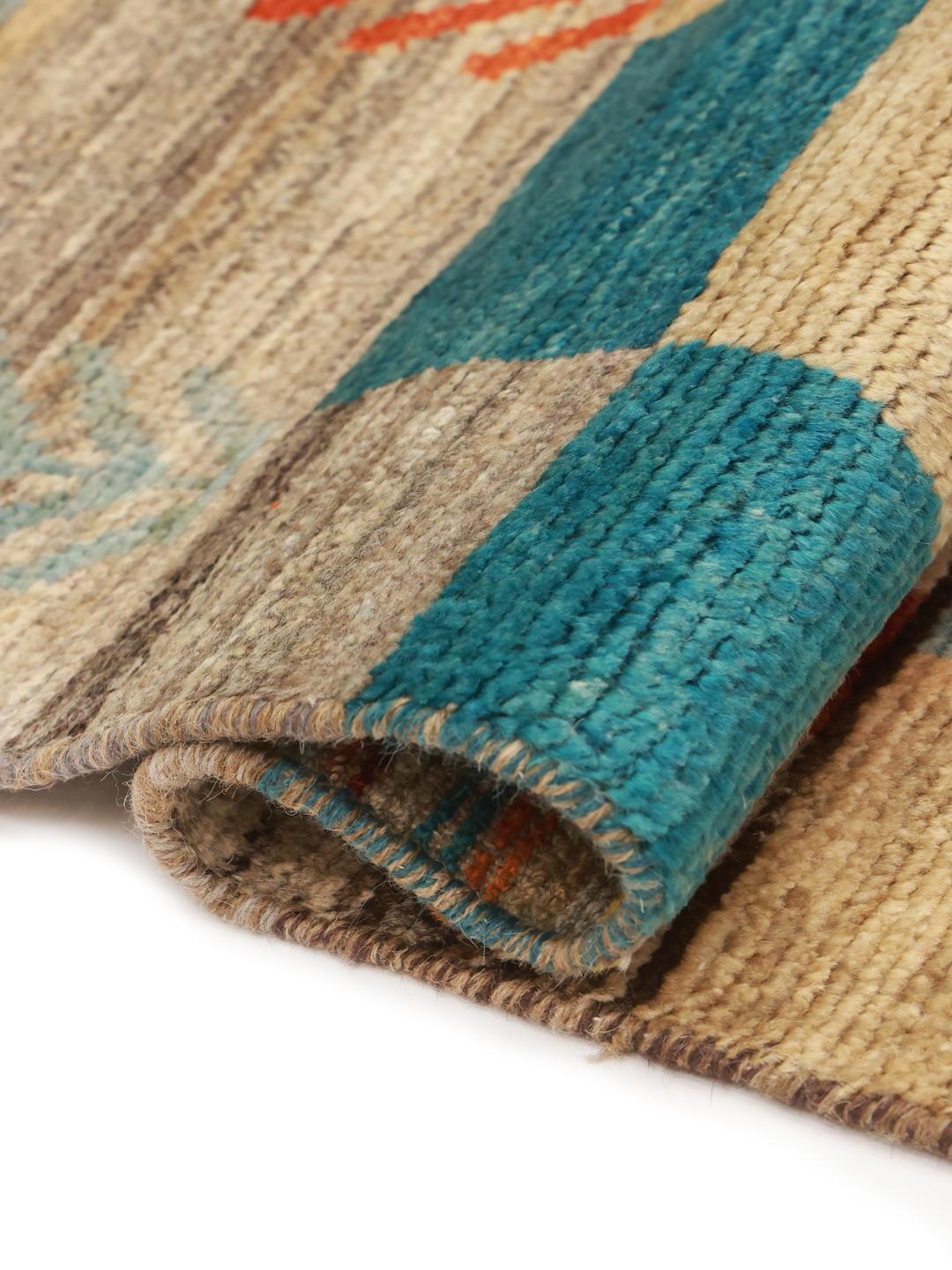
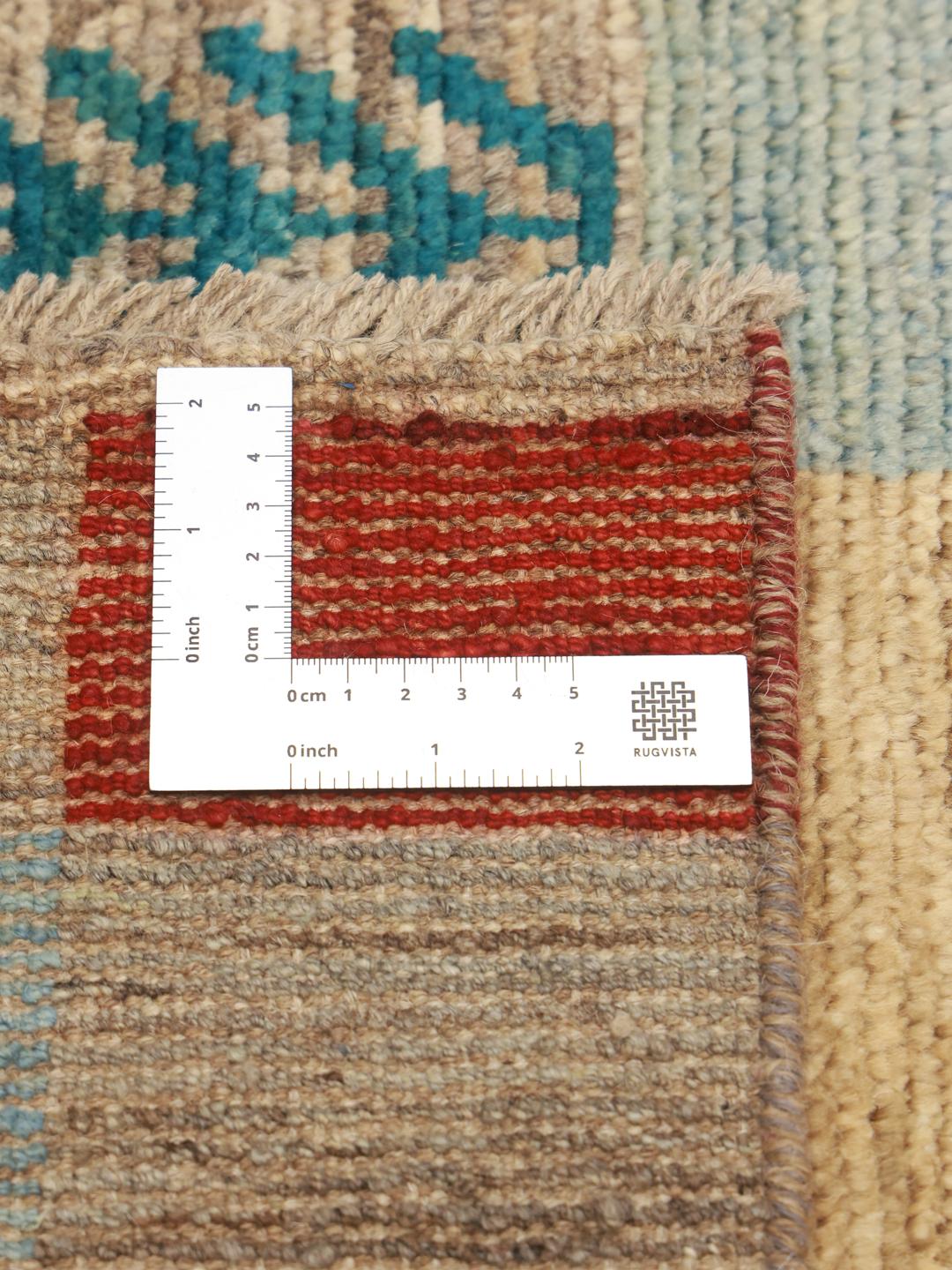
The term hand-knotted describes the most traditional and labour-intensive way to create a rug. By tying individual knots of wool onto a warp foundation, the artisan is able to create intricate designs that are far more durable and visually complex than machine-made alternatives. This method is the hallmark of quality, ensuring a long-lasting piece that can withstand decades of use.
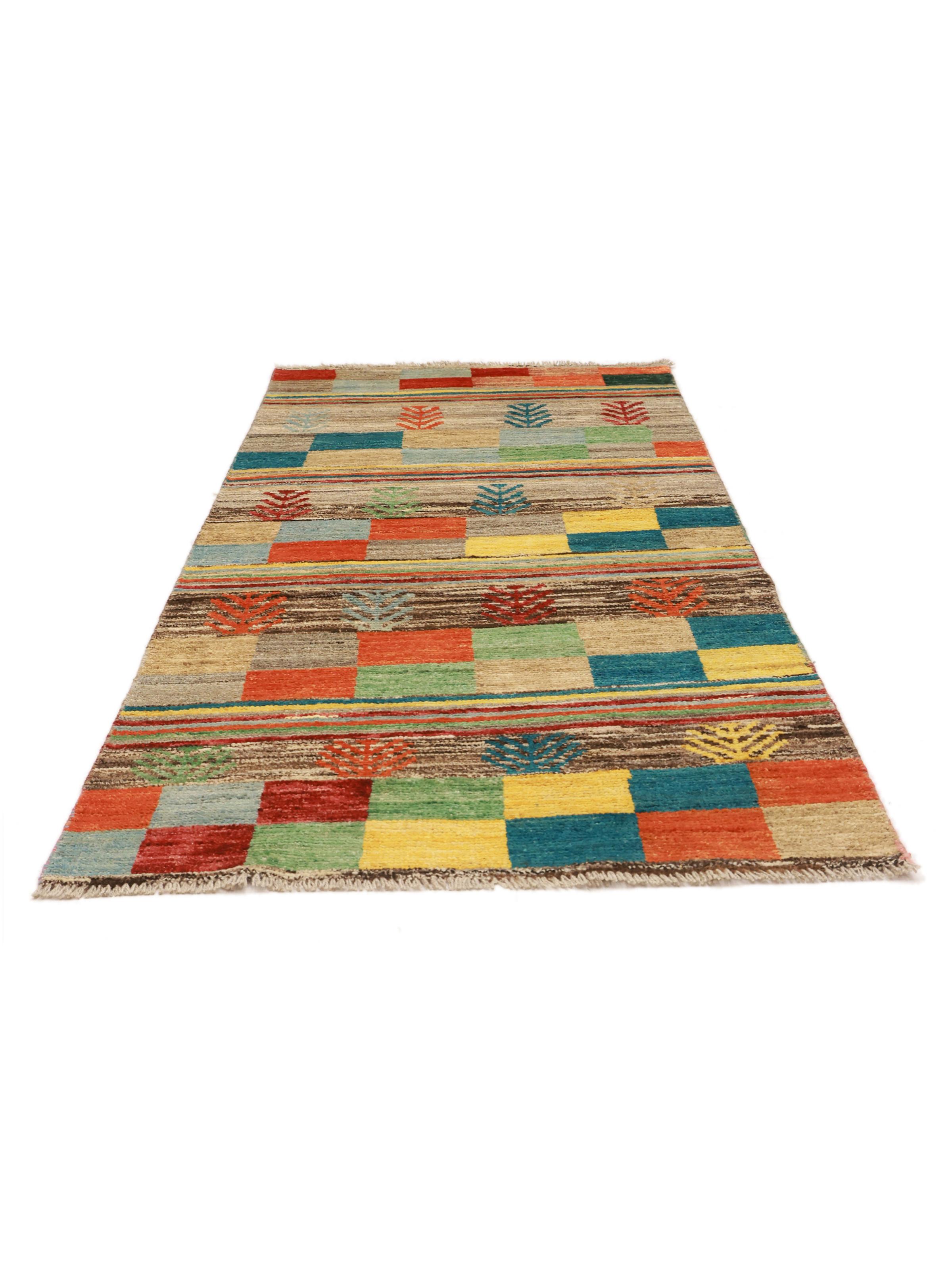
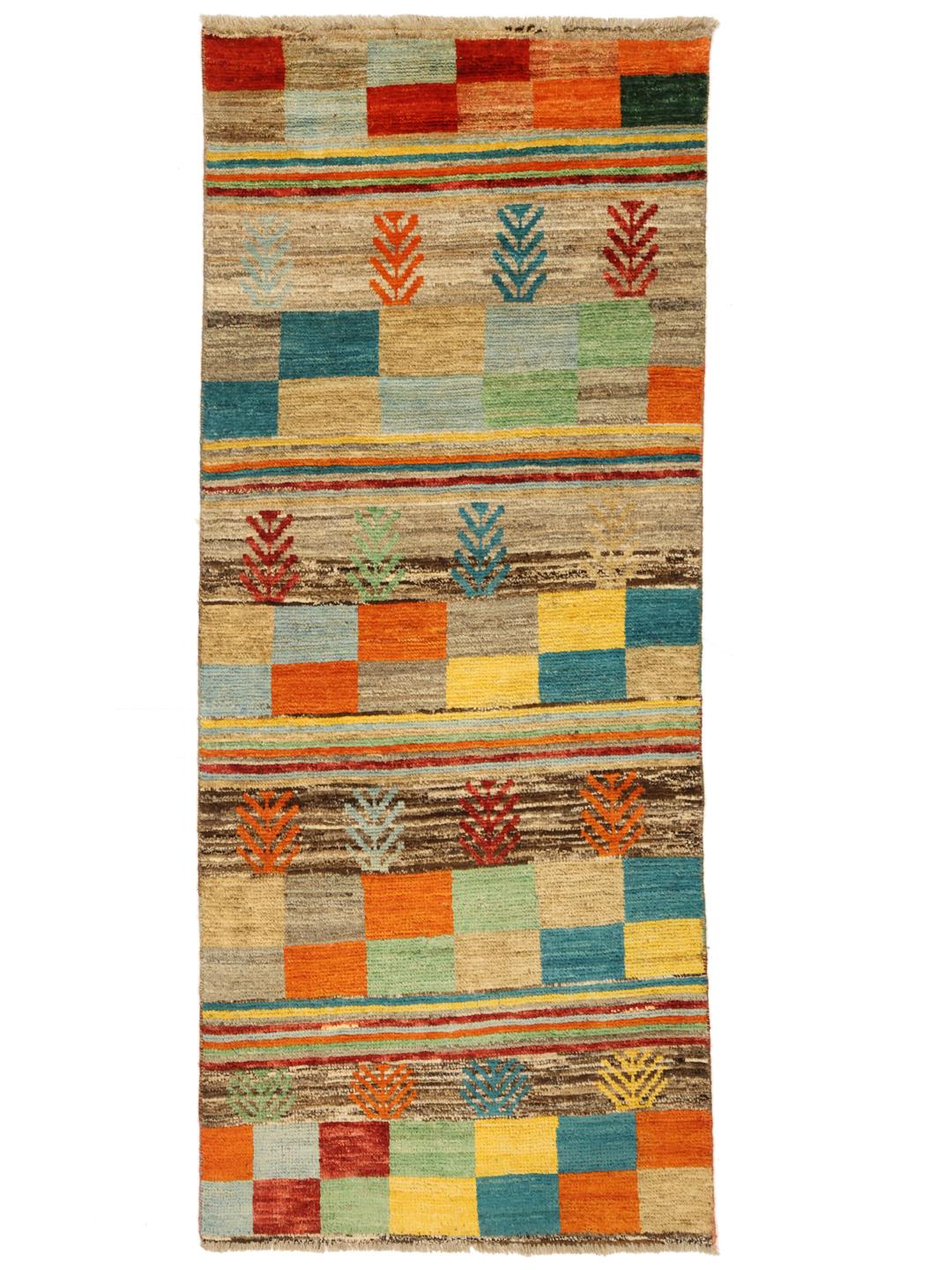
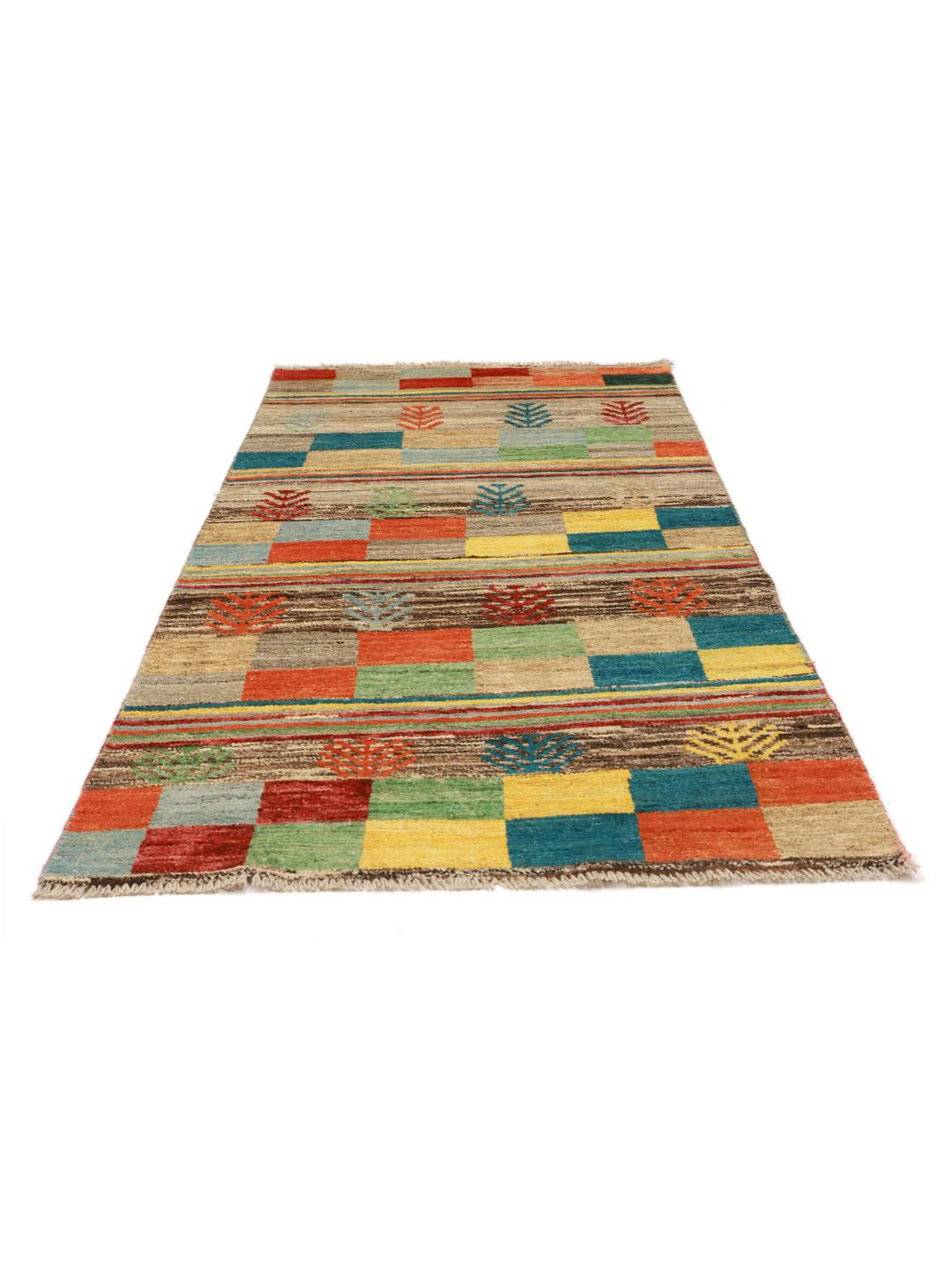
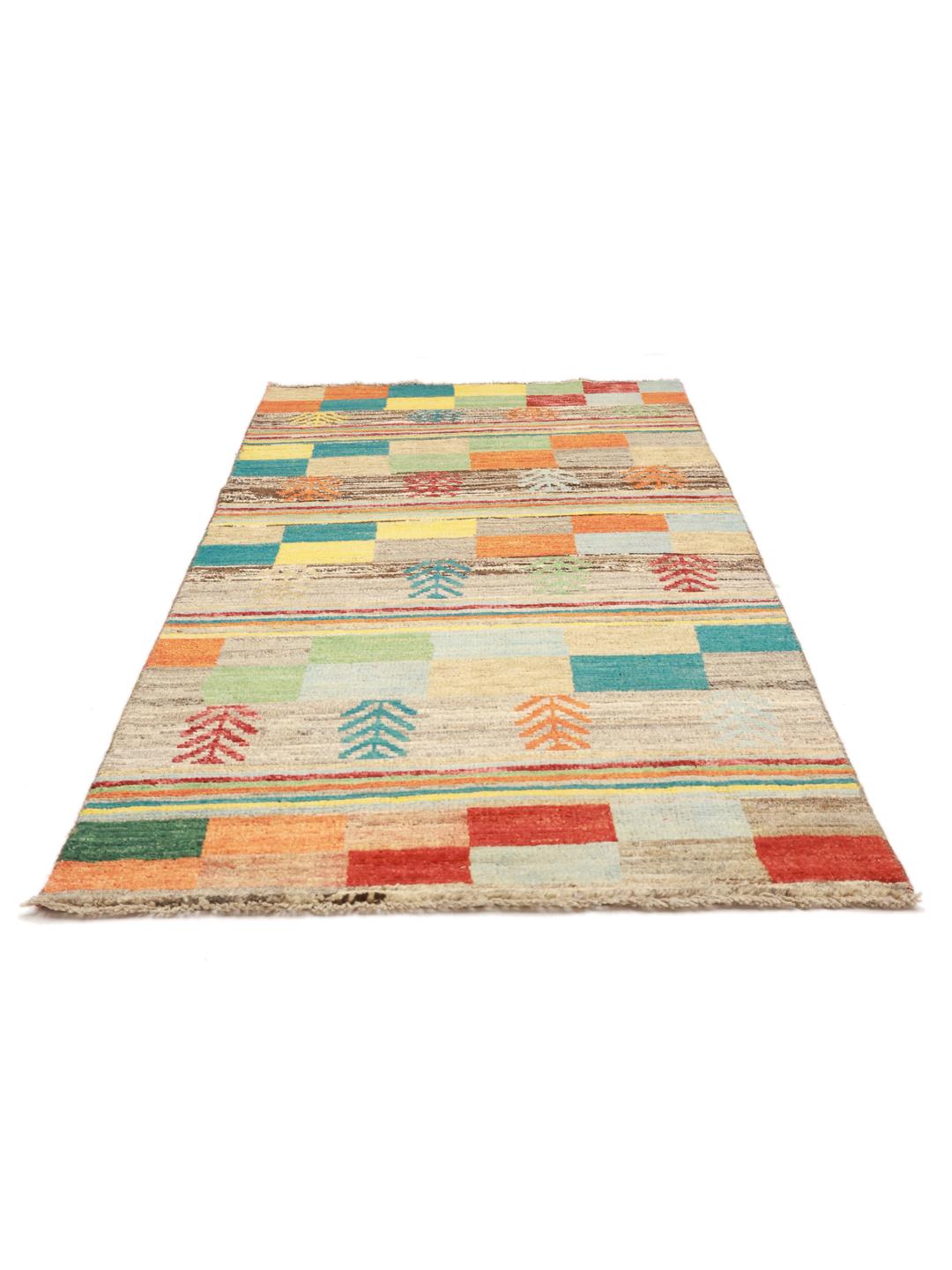
This specific runner features a playful combination of checkered blocks and artistic motifs. The use of repeating, tree-like symbols interspersed with bold geometric squares is a nod to traditional tribal designs that often incorporated natural elements to represent life, growth, and prosperity. The vibrant colour palette is a modern interpretation, making it a versatile choice for contemporary homes.
Collecting a hand-knotted rug from this tradition is an act of supporting a dying art form. It signifies a move away from mass production toward items that hold cultural weight and human effort. Each rug serves as a testament to the weaver's craft, offering a sense of connection to the artisans who spent weeks or months bringing this beautiful, functional piece of art to life.