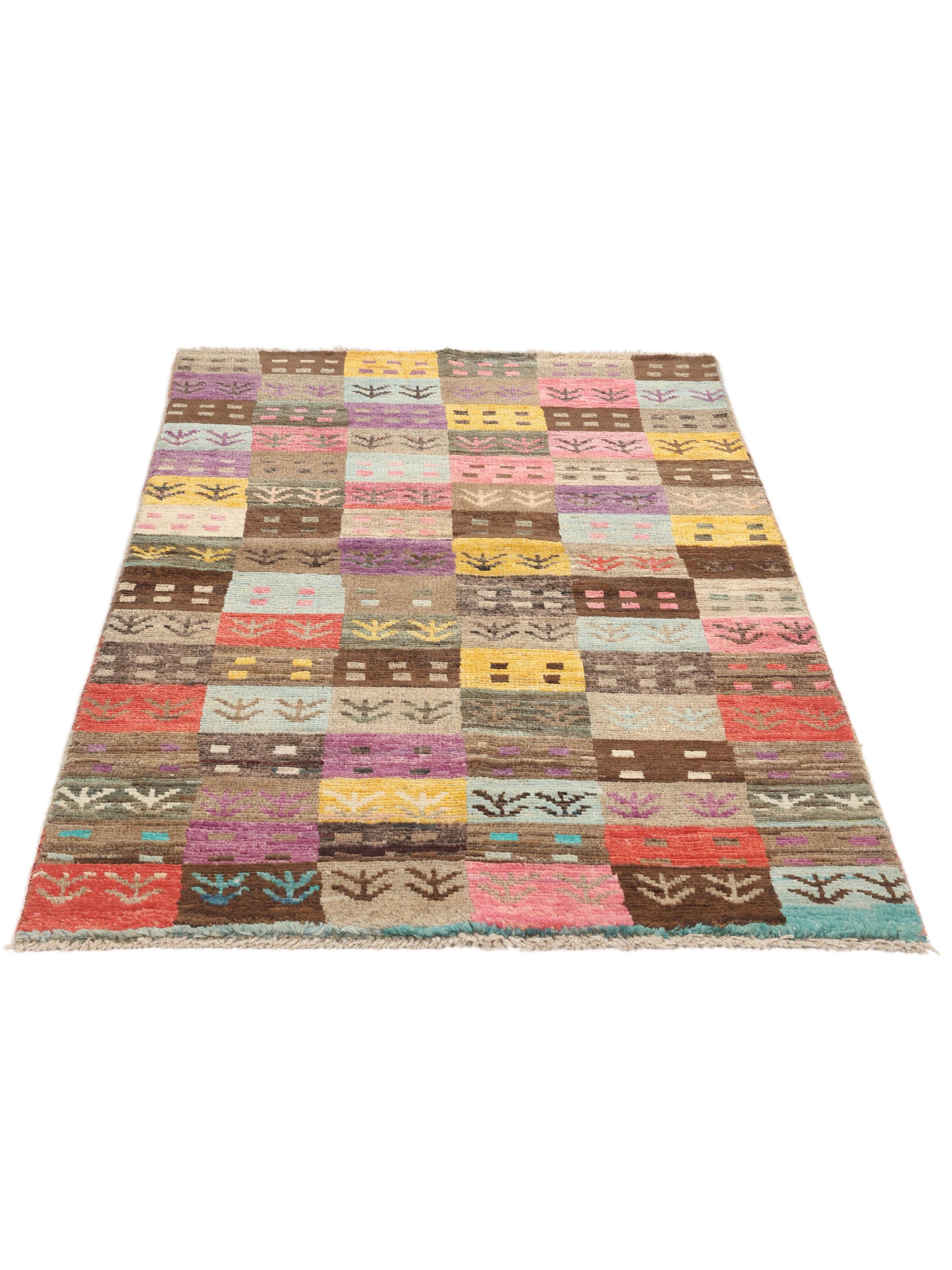
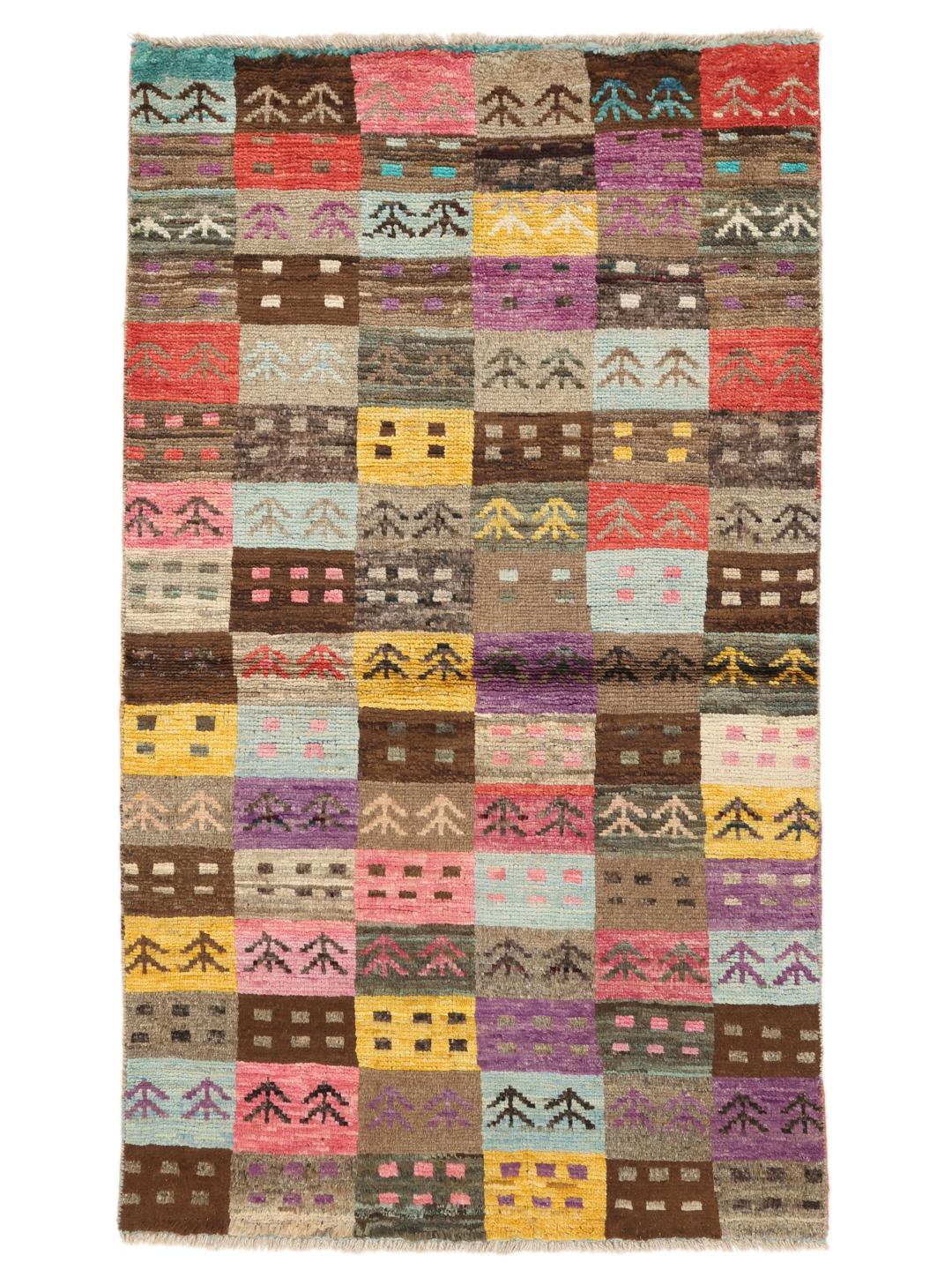
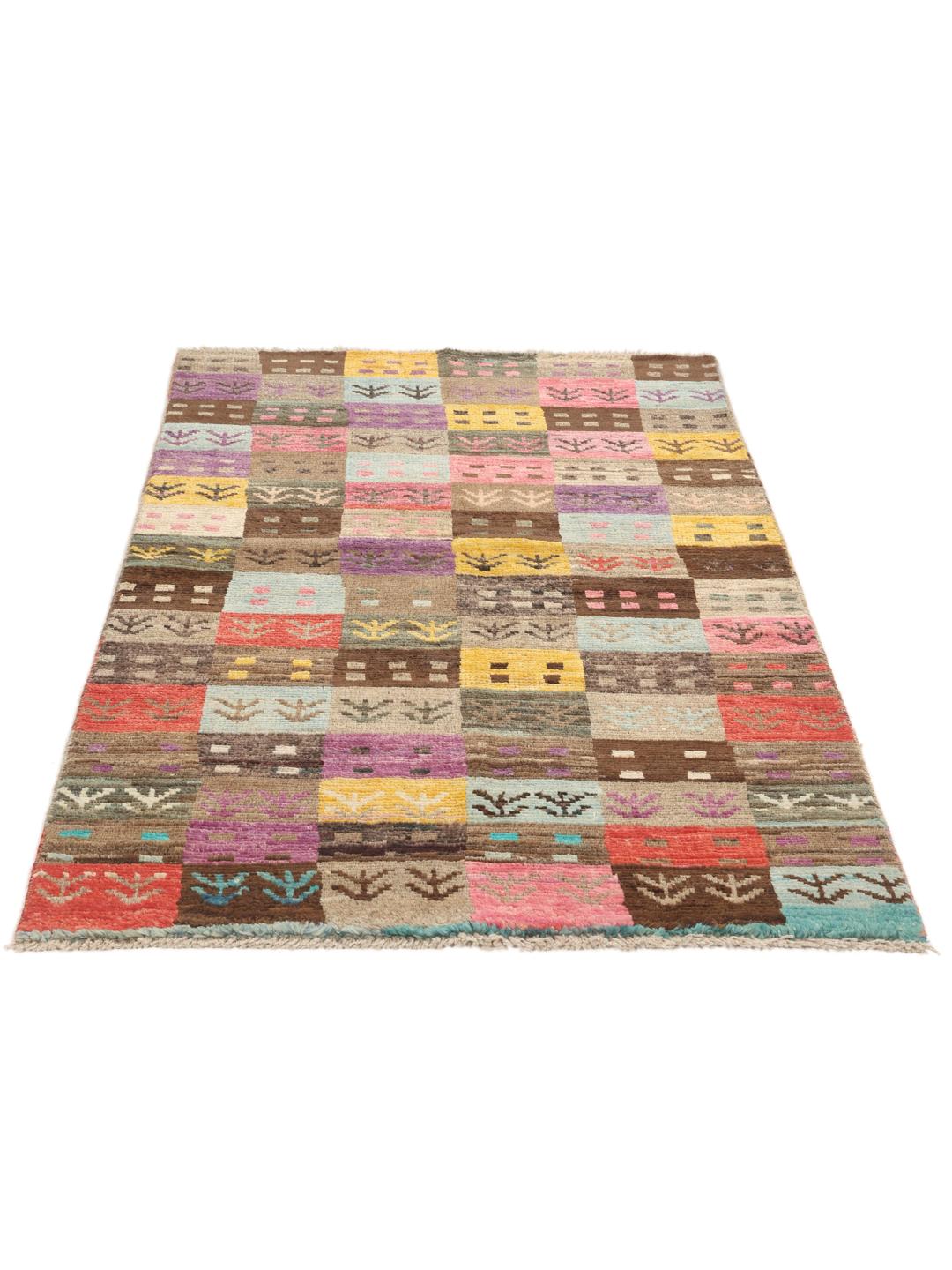
The Berber tradition is deeply rooted in the history of nomadic tribes across North Africa and the Middle East, where weaving served as a functional necessity for protection against the elements. Over generations, these weaving techniques migrated and evolved, with Afghan weavers adopting and reinterpreting these classic styles to create their own unique visual language.
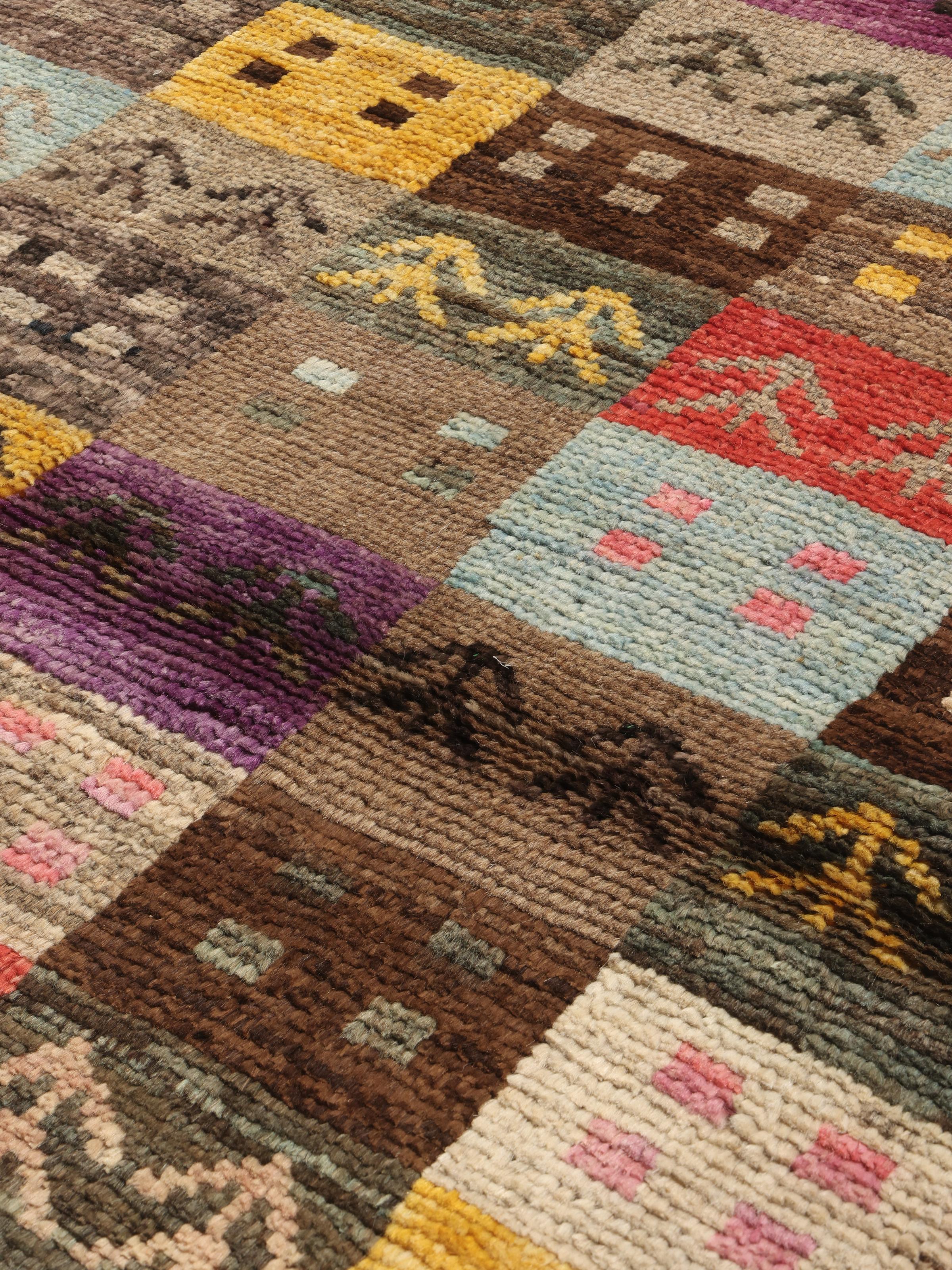
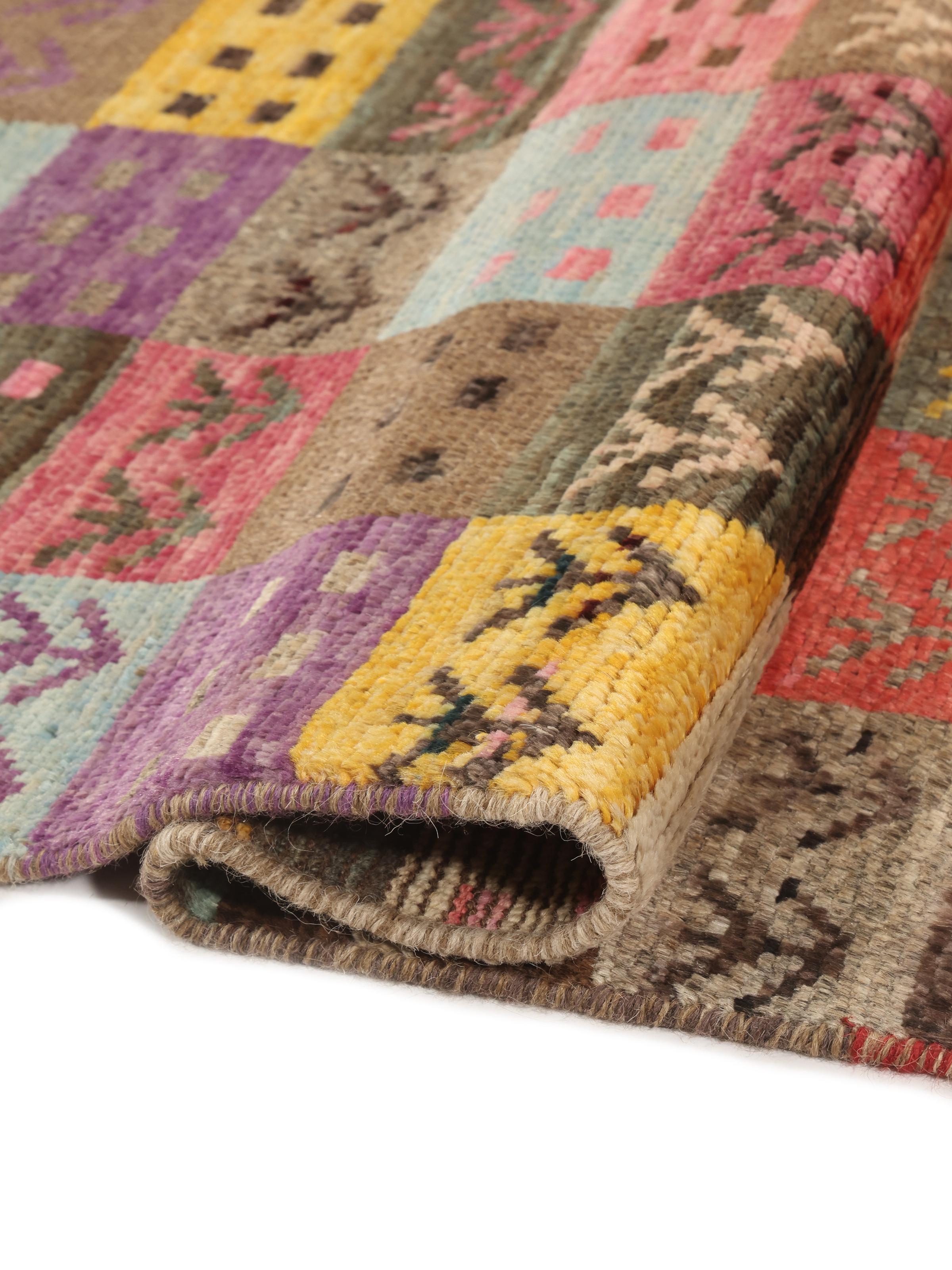
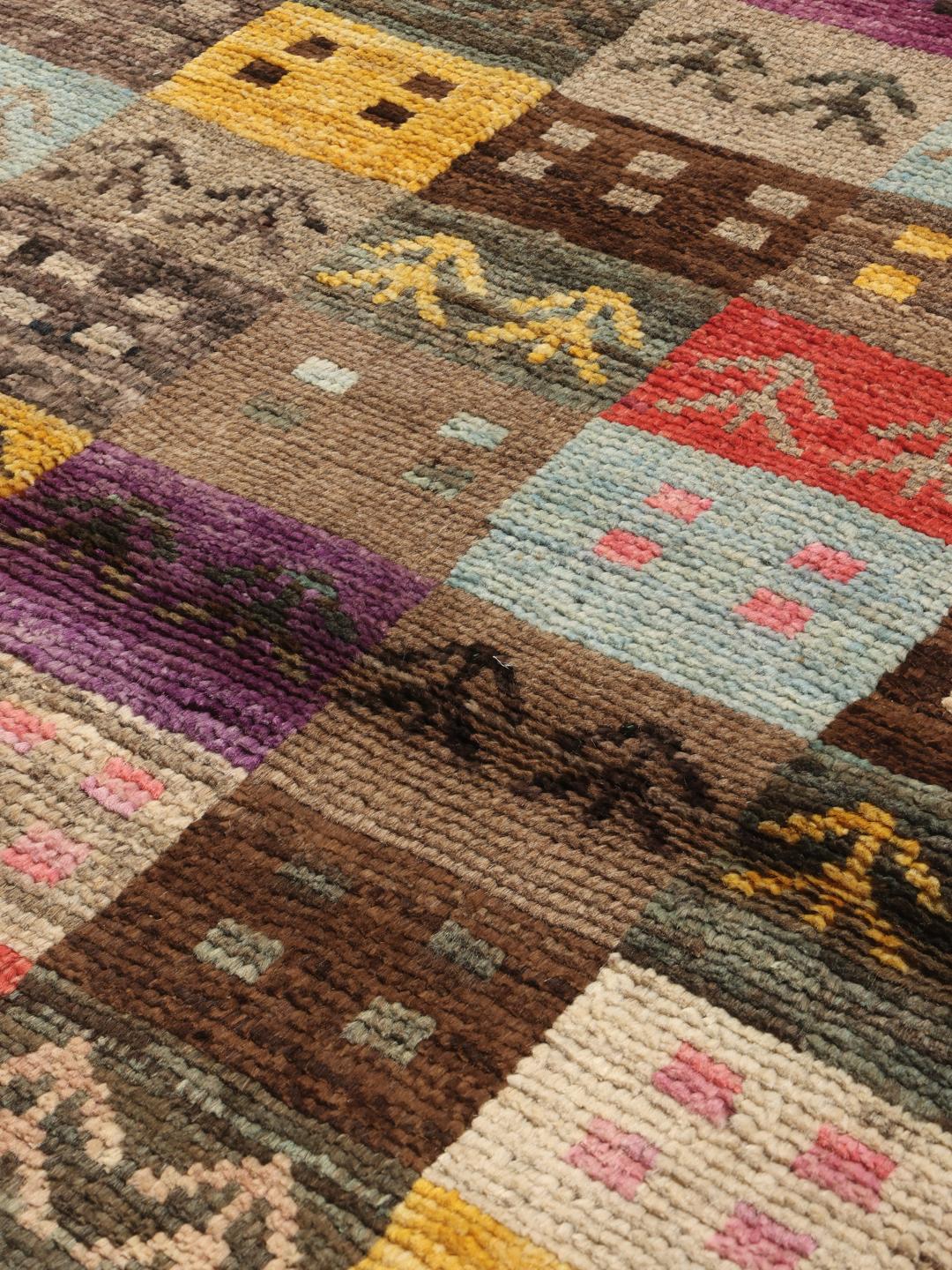
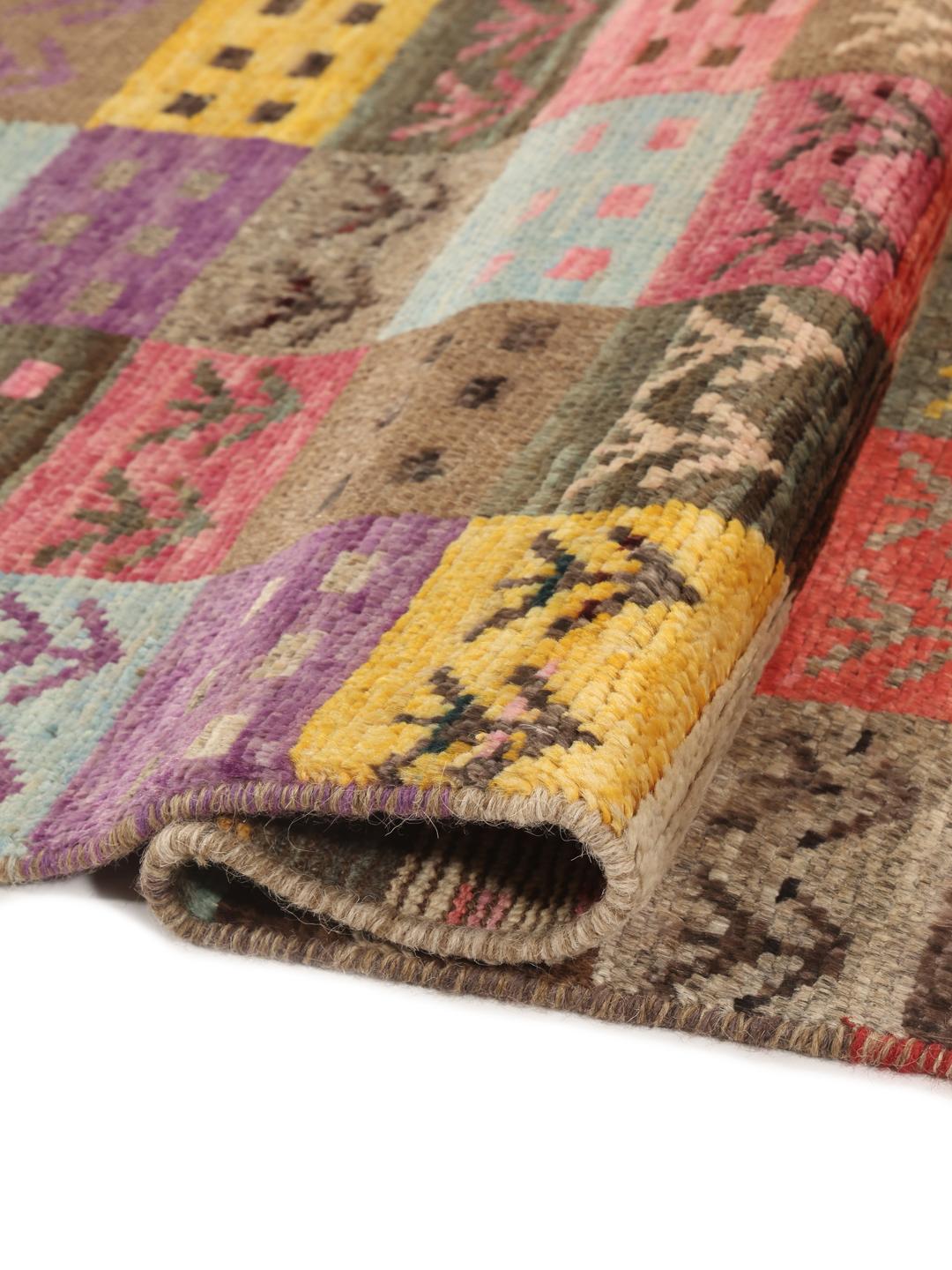
The term 'Berber' originally referred to the indigenous peoples of North Africa, but the style has become a globally recognised aesthetic characterised by its minimalist, often geometric, and highly expressive nature. In the context of Afghan production, this tradition has been refined with local materials, resulting in rugs that are prized for their exceptional Wool quality and deep, lustrous pile.
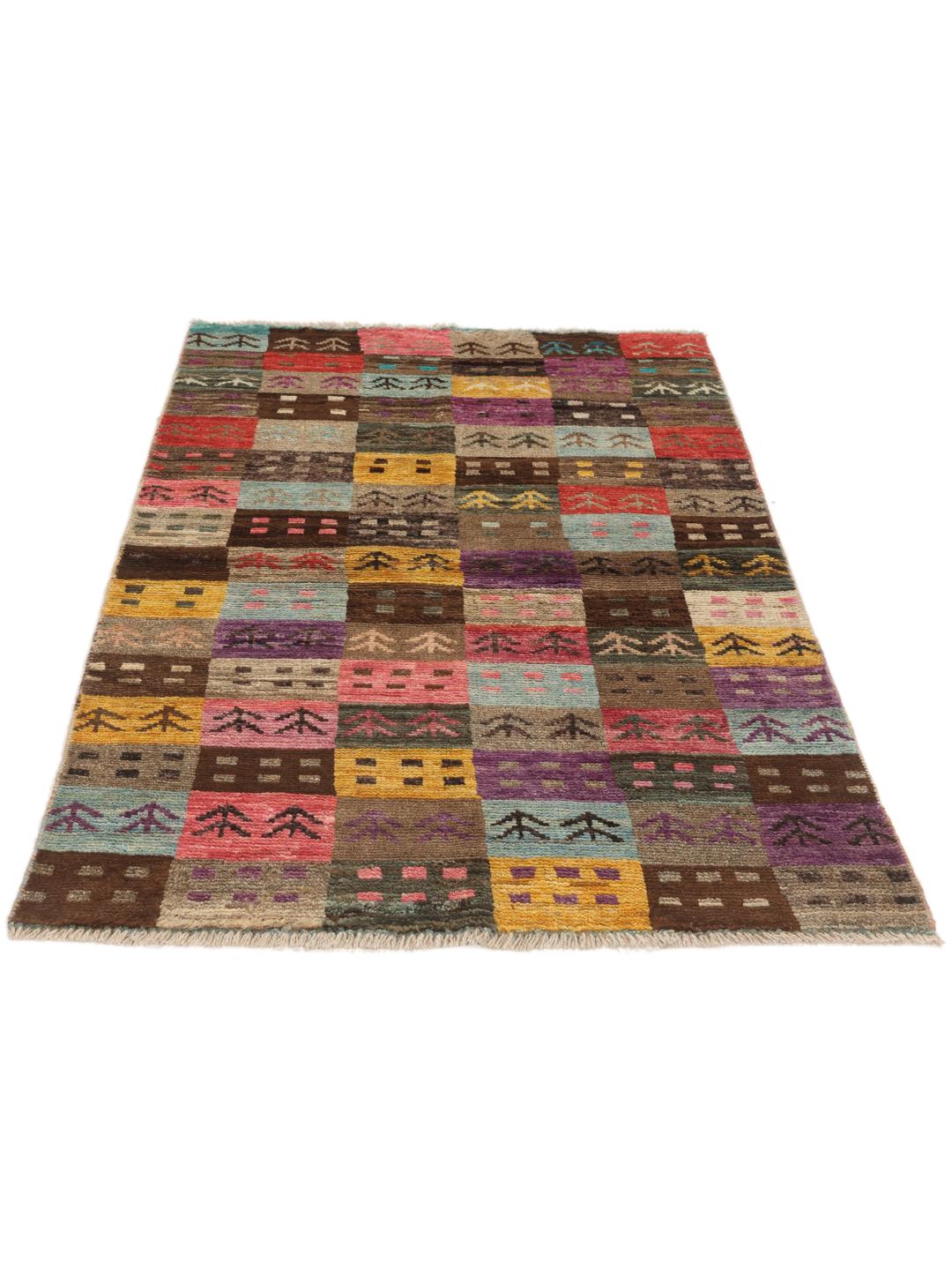
Signature elements of this tradition include the use of bold, abstract motifs and symbolic patterns that often reflect the weaver's environment and personal storytelling. While some traditions favour neutral tones, this particular piece celebrates a vibrant, multicoloured palette, showcasing how modern interpretations can breathe new life into ancient, time-honoured design motifs.
Collectors value these rugs not only for their striking visual appeal but also for the skill required to produce them. Owning a piece from this tradition is an investment in cultural heritage, representing a bridge between the ancient, nomadic history of the region and the contemporary need for warm, authentic, and soulful home decor.