The Berber rug tradition originates from the nomadic tribes of North Africa, where these textiles were primarily created for practical use, such as warmth and protection against the elements. Over centuries, these weaving practices travelled along ancient trade routes, finding new life and inspiration in regions like Afghanistan. This migration of technique has allowed the Berber aesthetic to evolve, blending traditional tribal motifs with the unique wool-working expertise found in the Middle East.
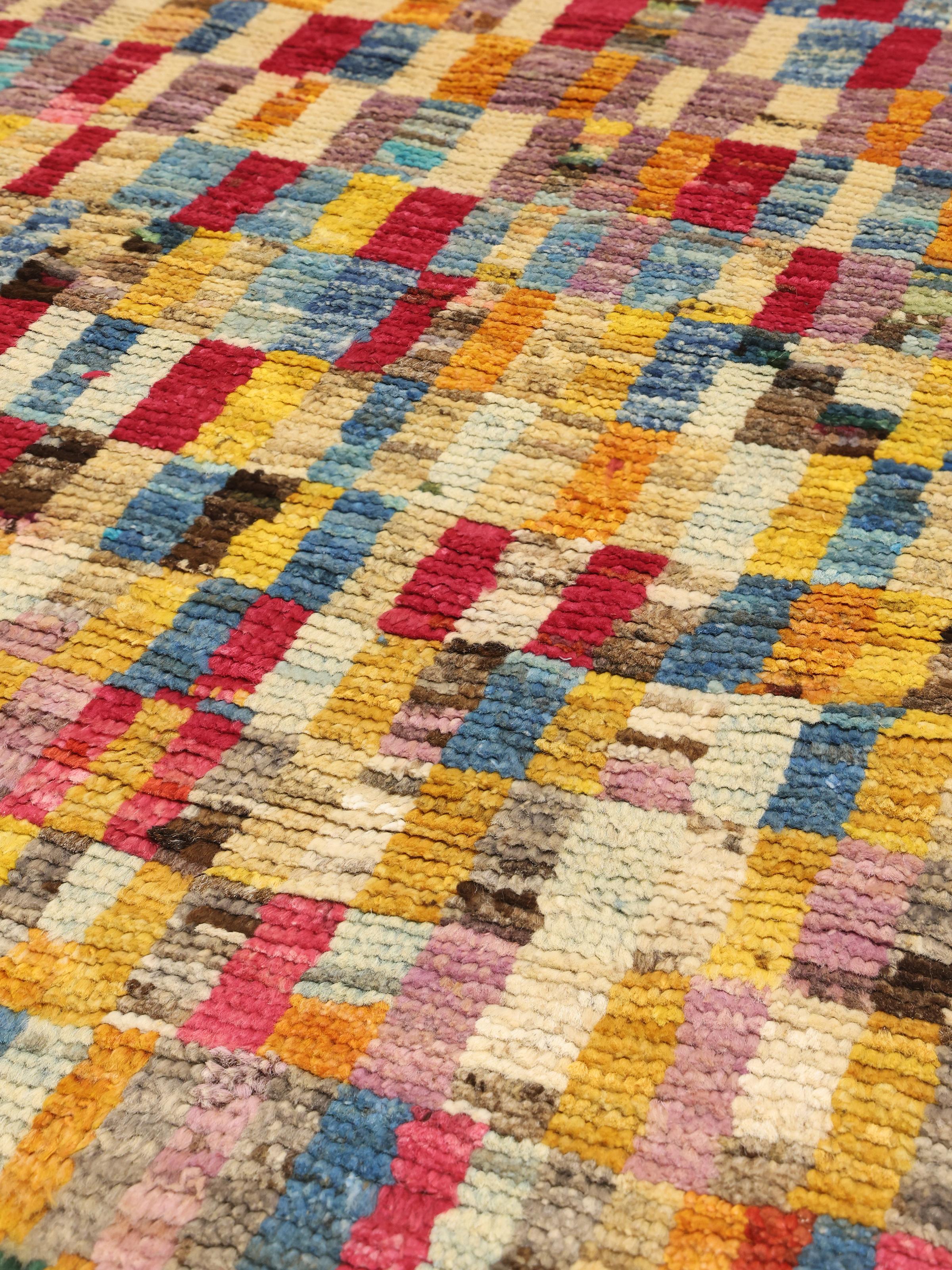
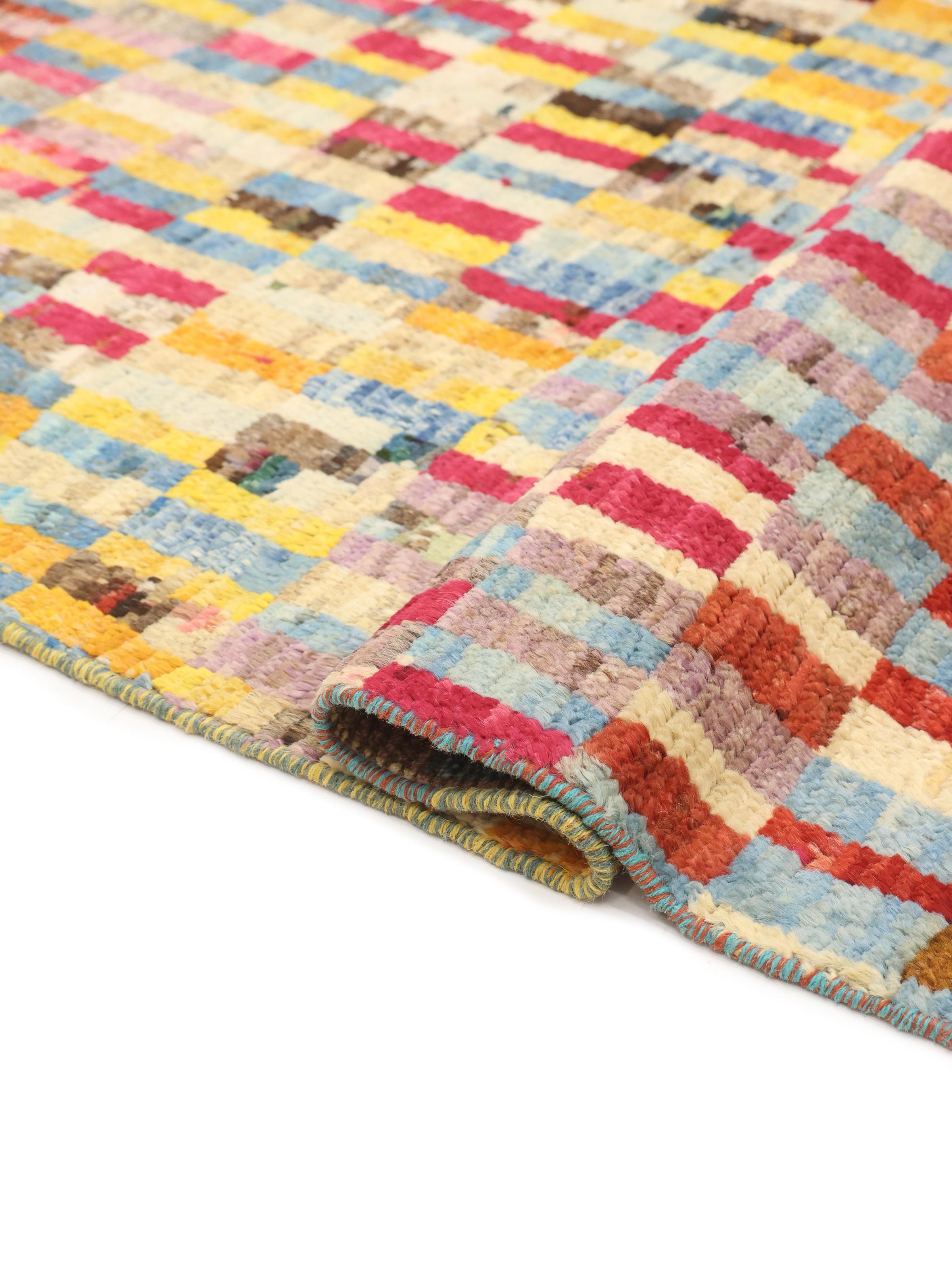
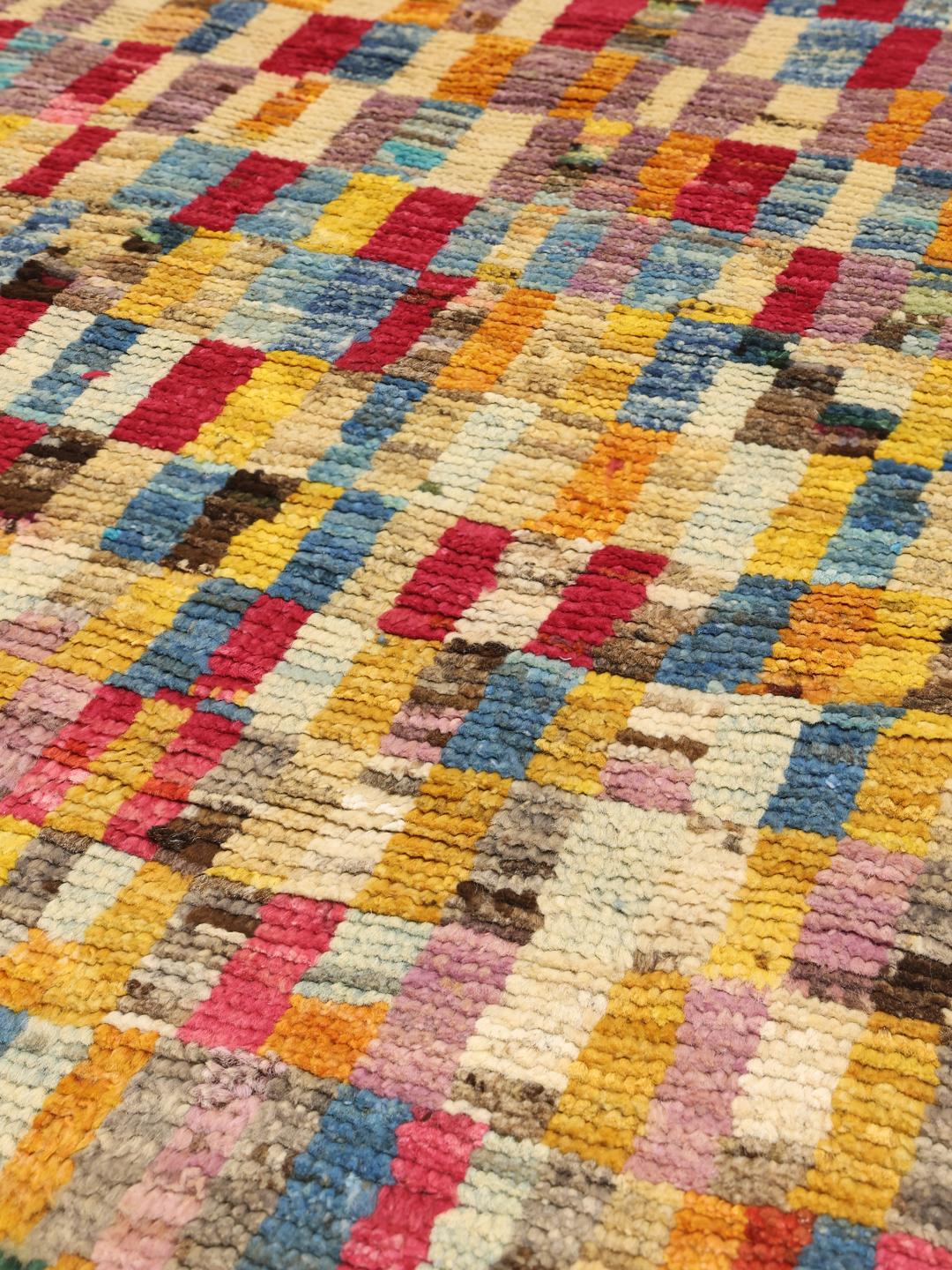
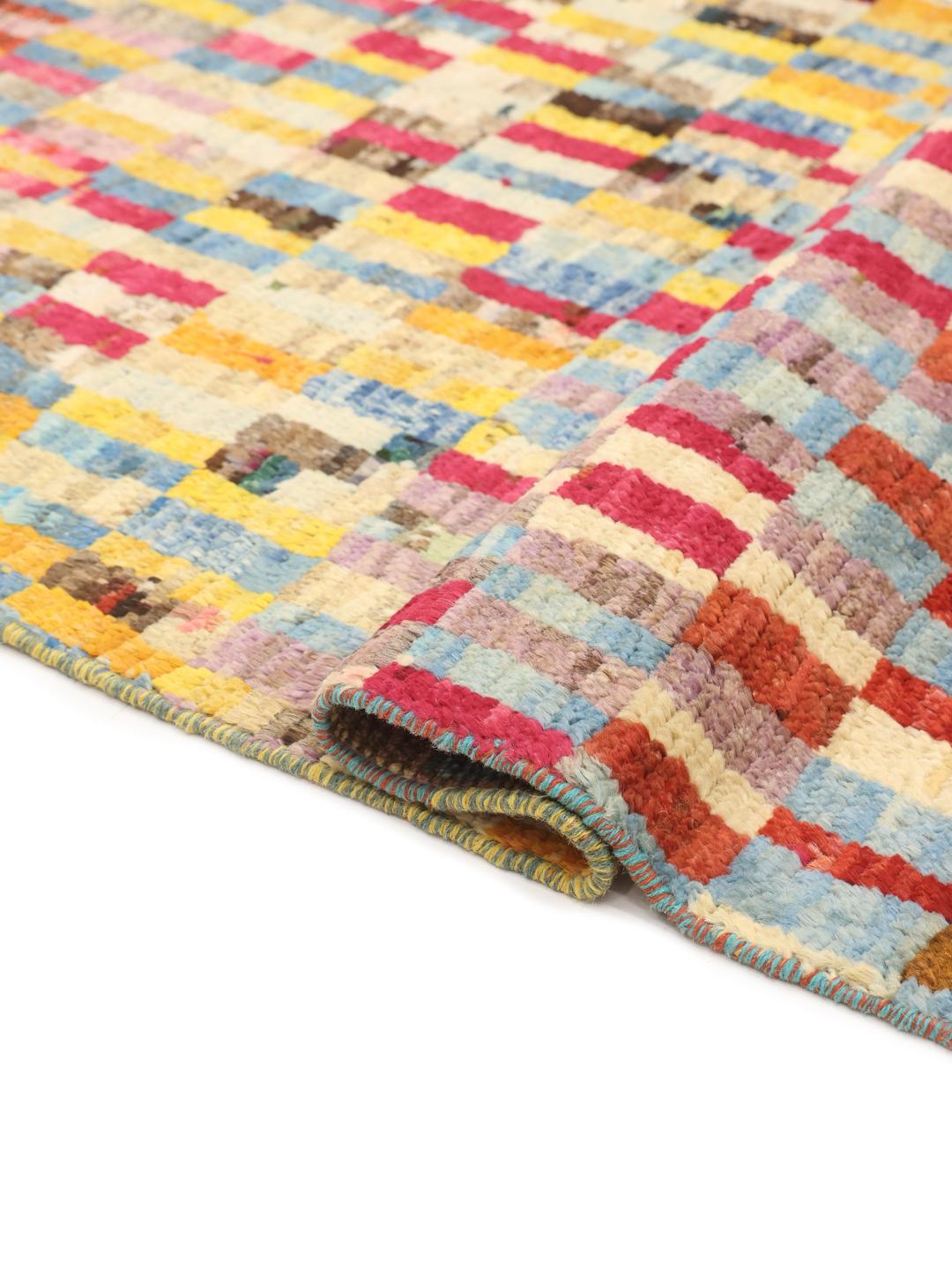
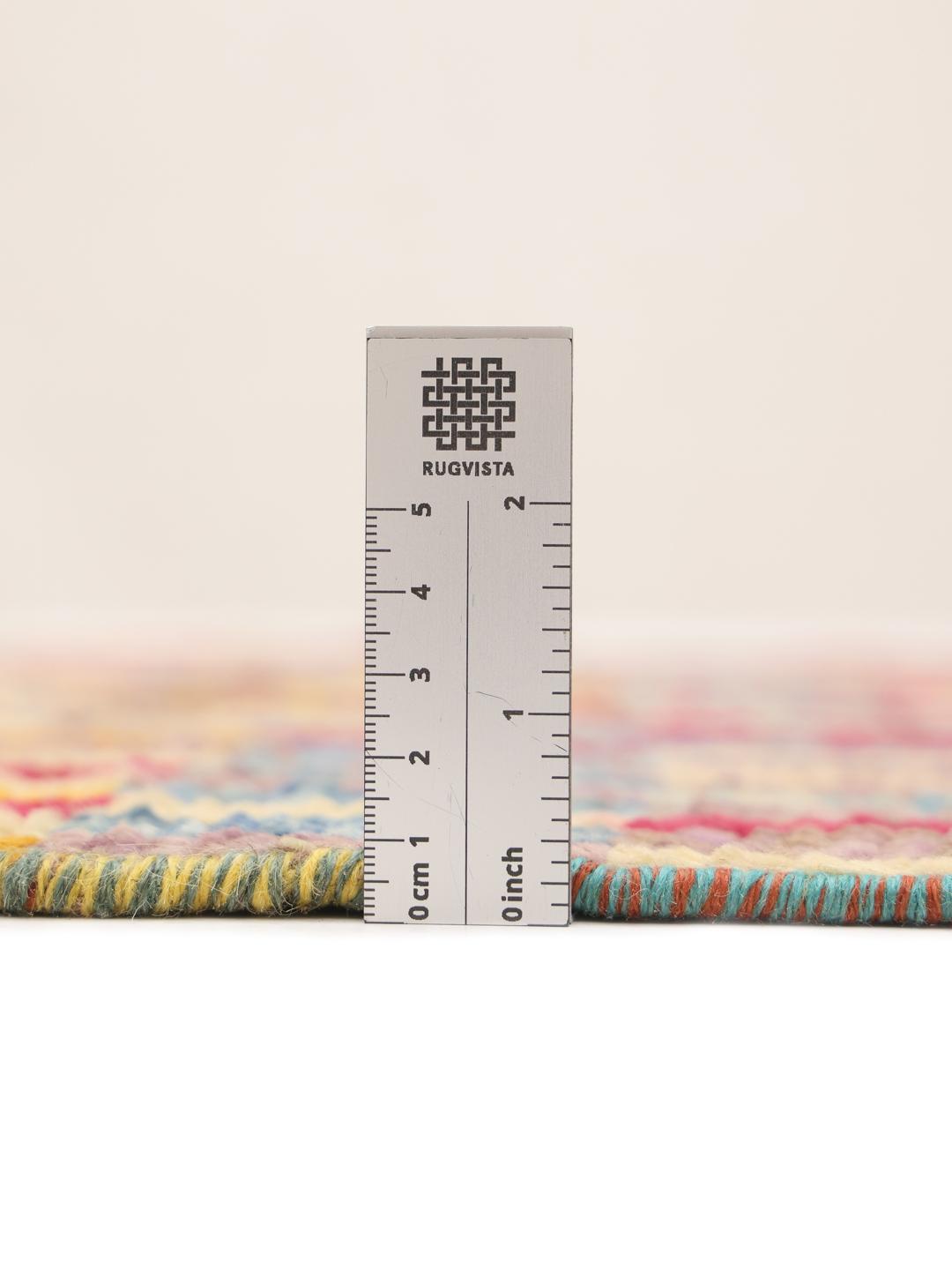
Central to the quality of these rugs is the use of high-quality wool, which is known for its durability and natural lustre. The term 'hand-knotted' refers to the specific way the pile is secured to the foundation, a technique that creates a dense and long-lasting surface. This method is highly valued because it allows for intricate patterns and a pile that resists wear, ensuring the rug remains a beautiful feature of the home for generations.
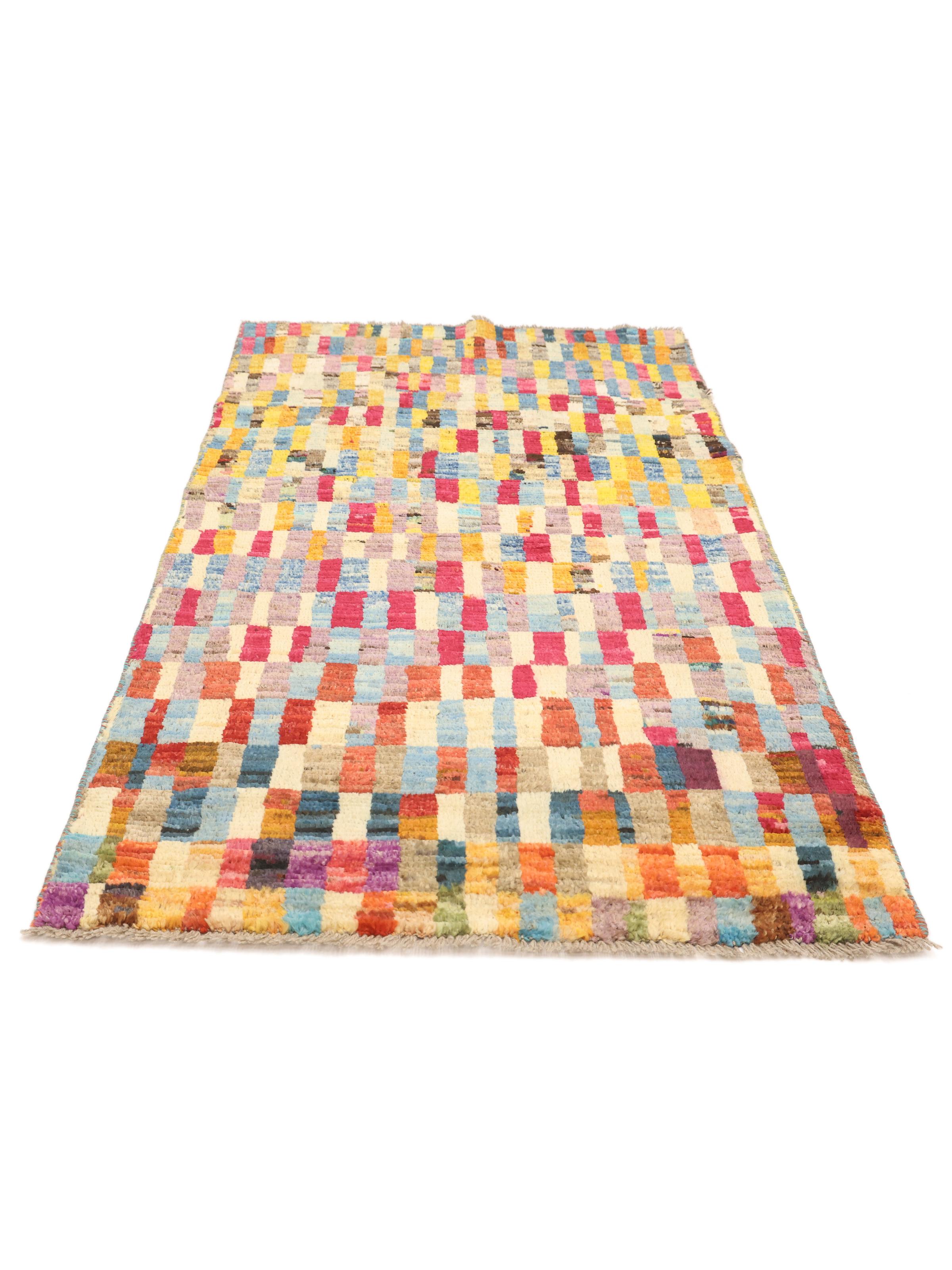
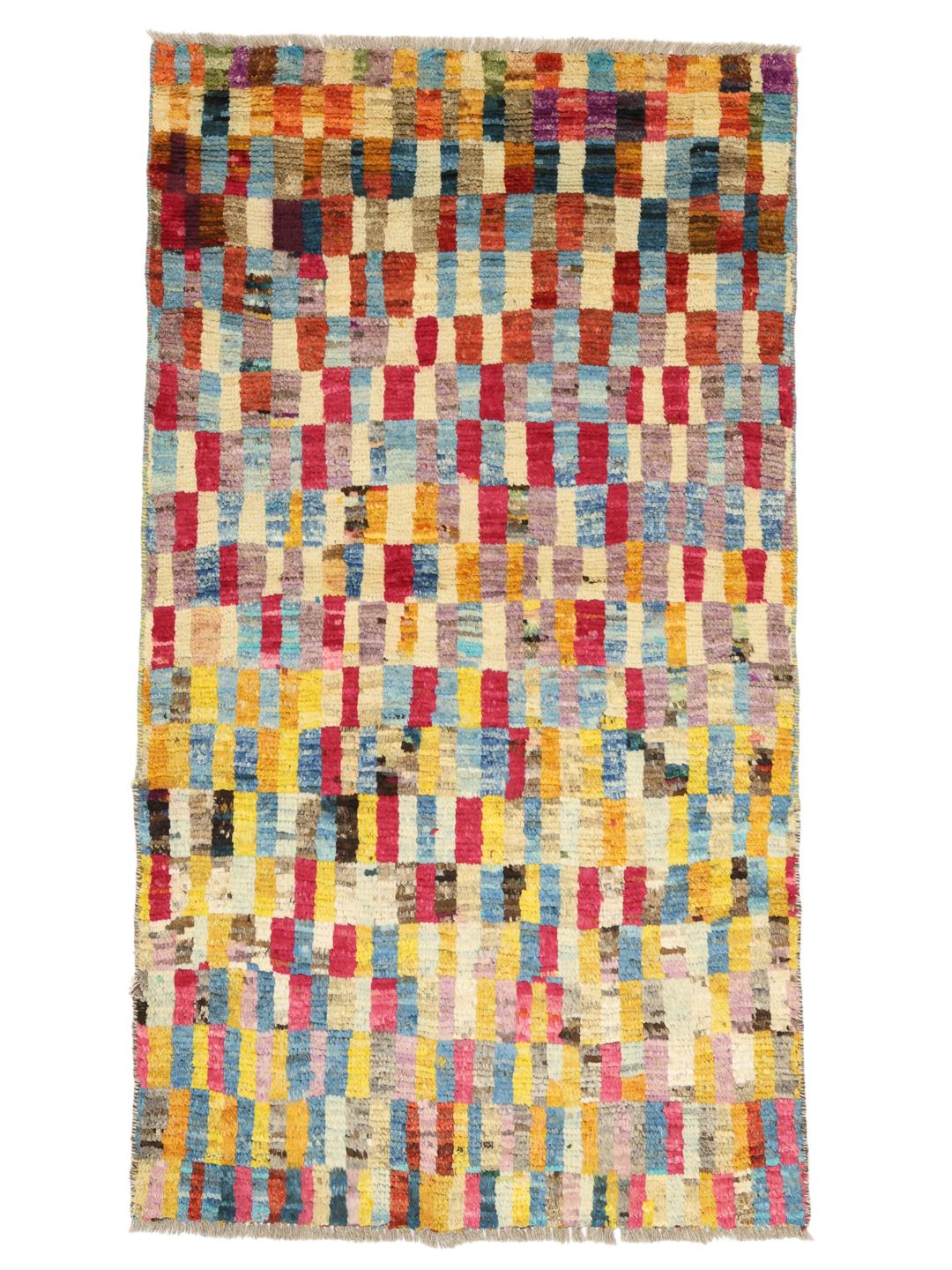
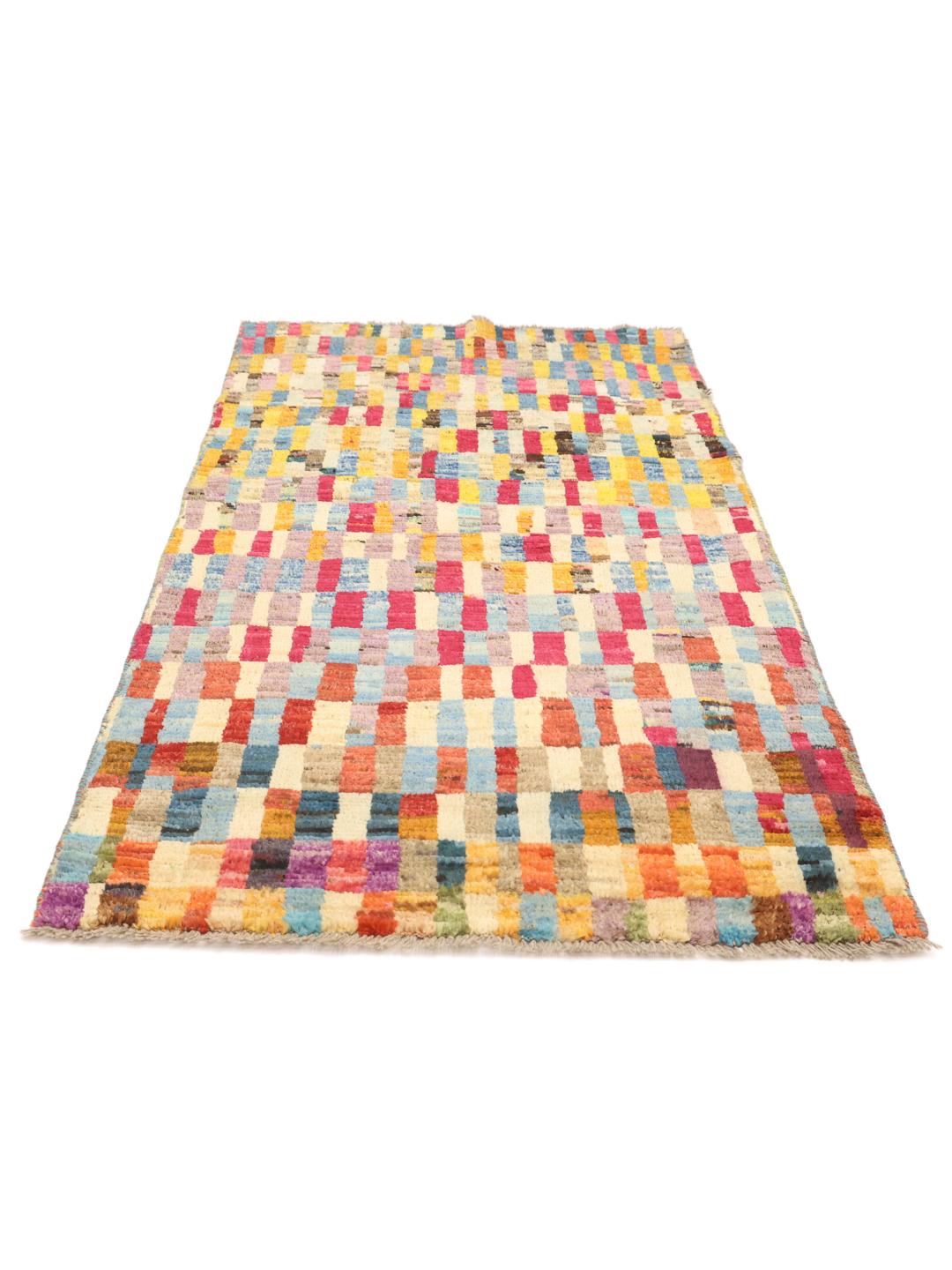
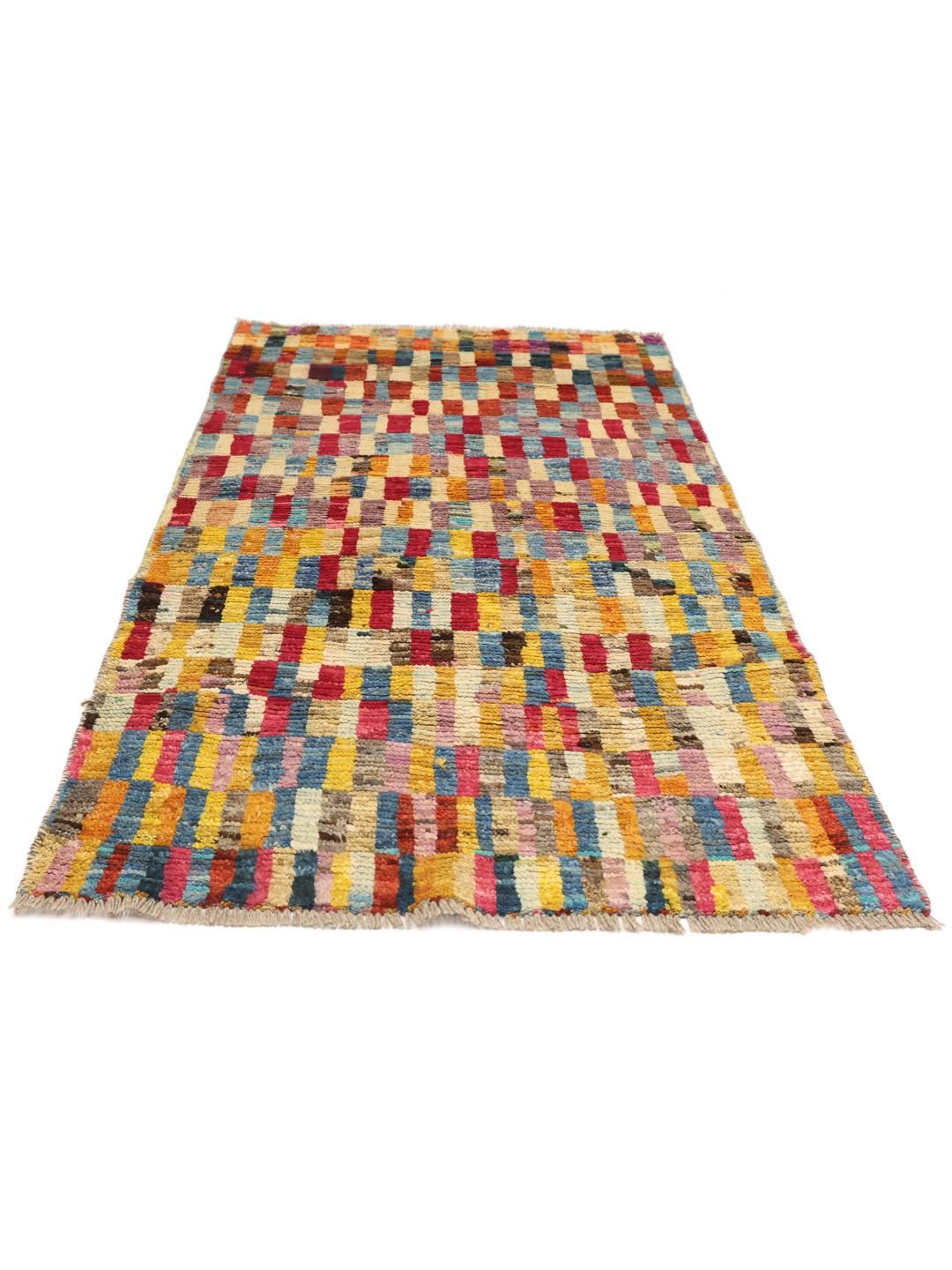
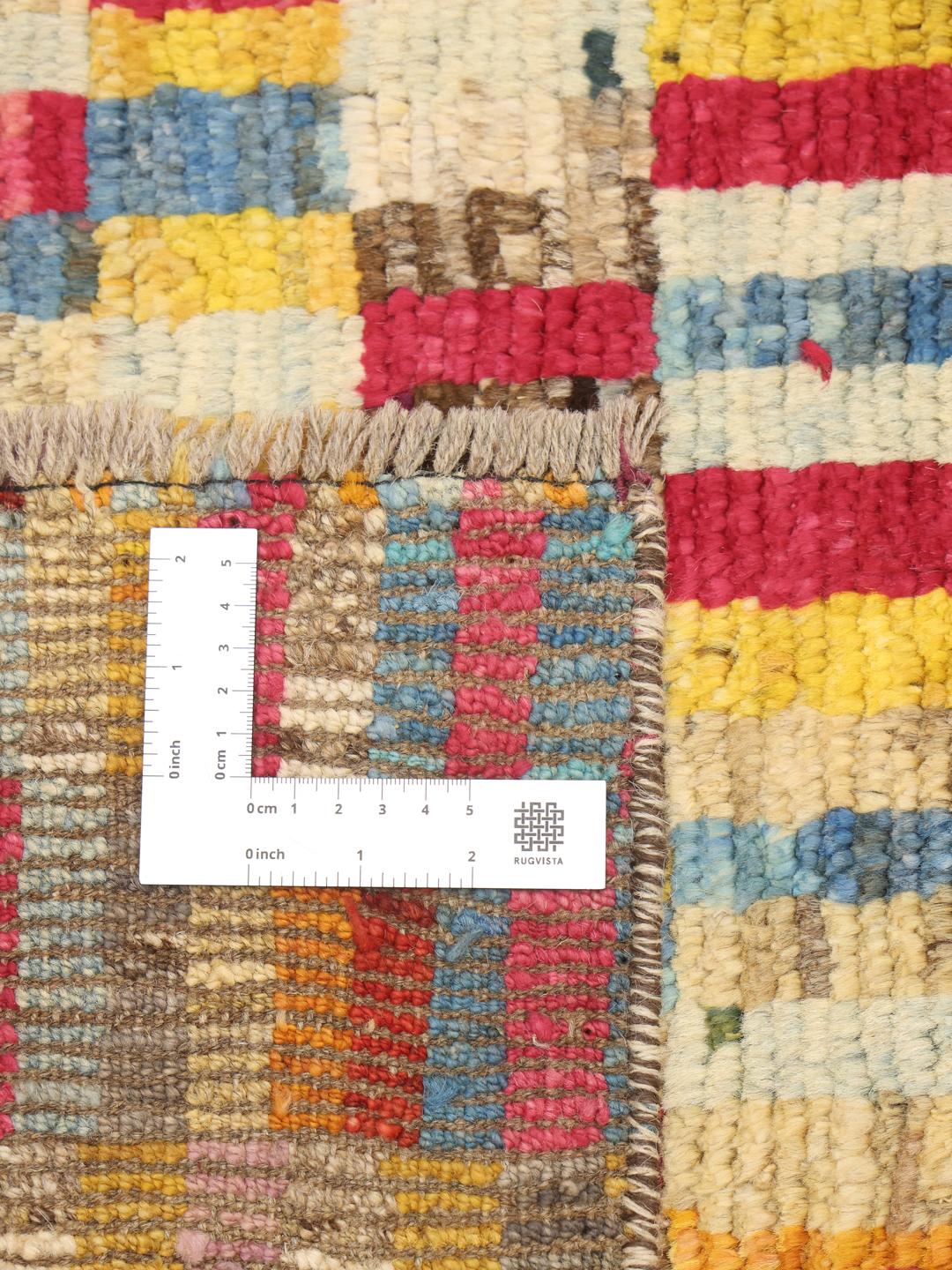
Visually, Berber rugs are often defined by their bold, geometric expressions. While many are known for their minimalist, monochromatic palette, this specific piece features a vibrant grid pattern that highlights a more playful and artistic side of the tradition. The use of varied, saturated colours reflects a departure from strictly traditional earth tones, showcasing how contemporary influences can breathe new life into heritage craft.
Owning a hand-knotted rug from this tradition is an act of appreciation for human skill and cultural heritage. These pieces are not merely floor coverings but are considered collector items, valued for the time, effort, and storytelling woven into every strand. By bringing such a rug into your home, you are connecting with a long lineage of artisans who have perfected their craft over centuries, ensuring that this tradition continues to be celebrated in modern spaces.