Berber-style rugs have a storied history that traces back to the indigenous tribes of North Africa, where they were traditionally woven for utility and warmth in harsh climates. Over time, these weaving traditions migrated and evolved, finding a new and vibrant home in the craft centres of Afghanistan. Today, Afghan weavers have embraced these styles, infusing them with local design sensibilities and high-quality wool, creating a bridge between ancient techniques and modern aesthetics.
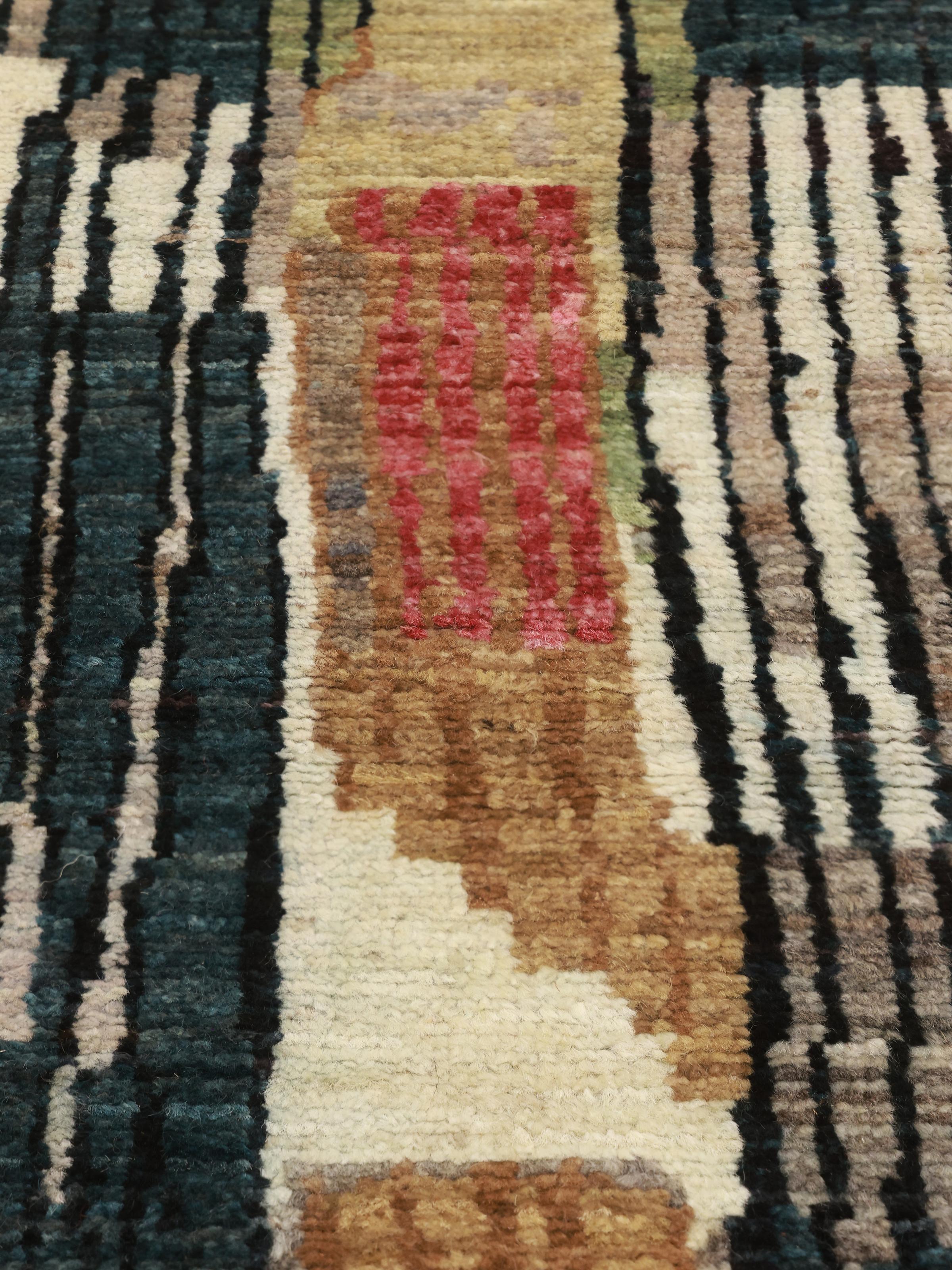
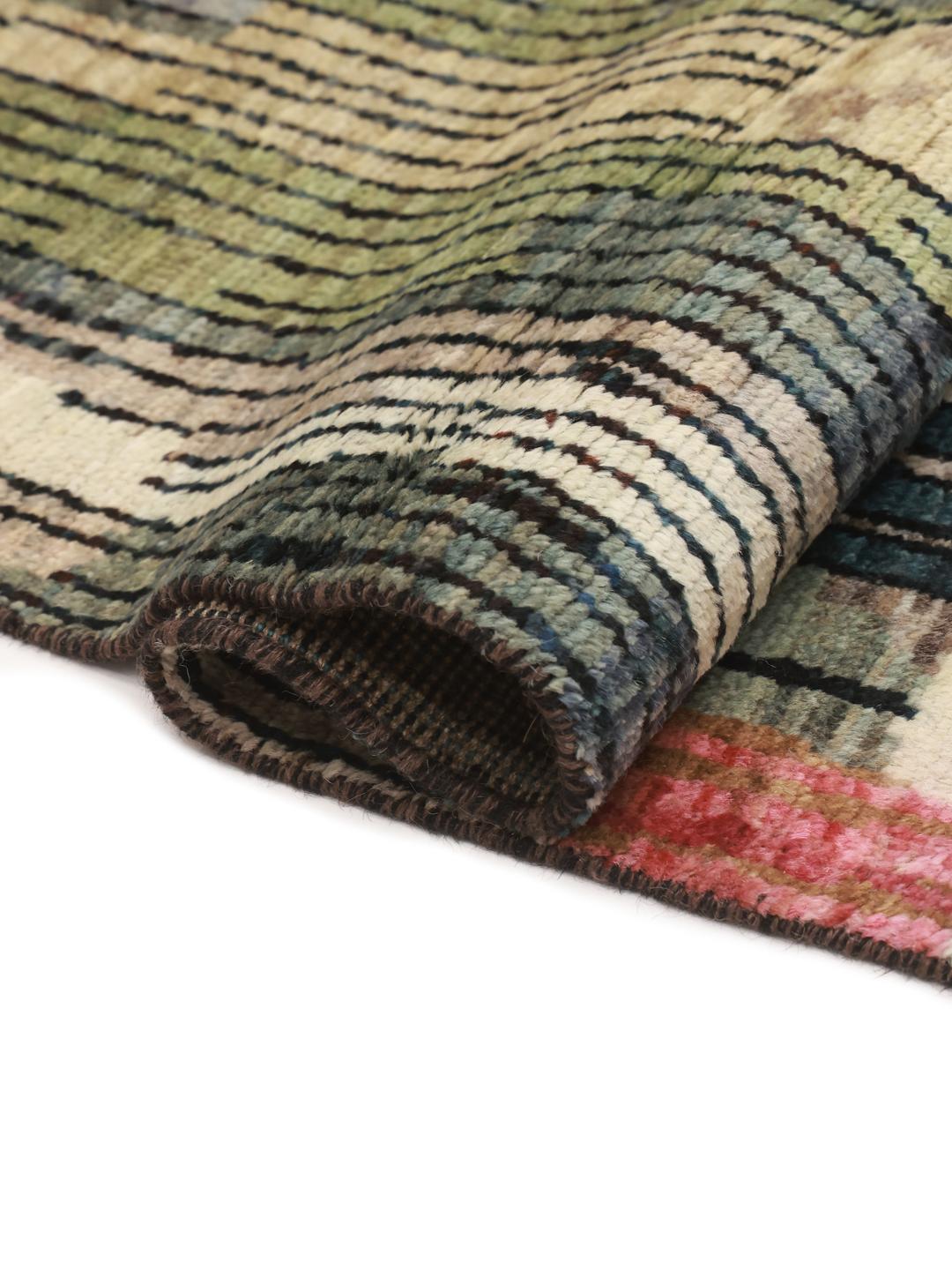
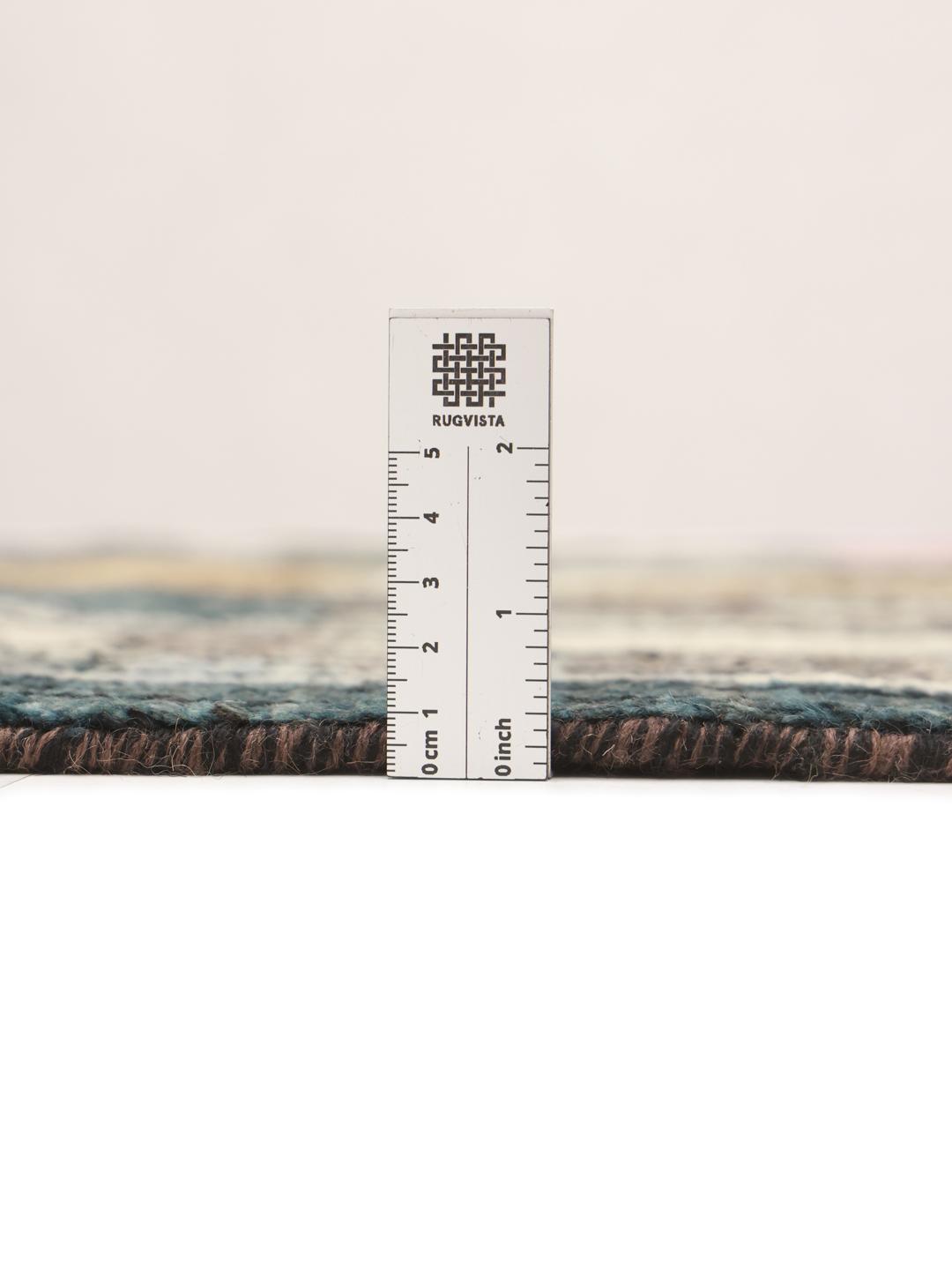
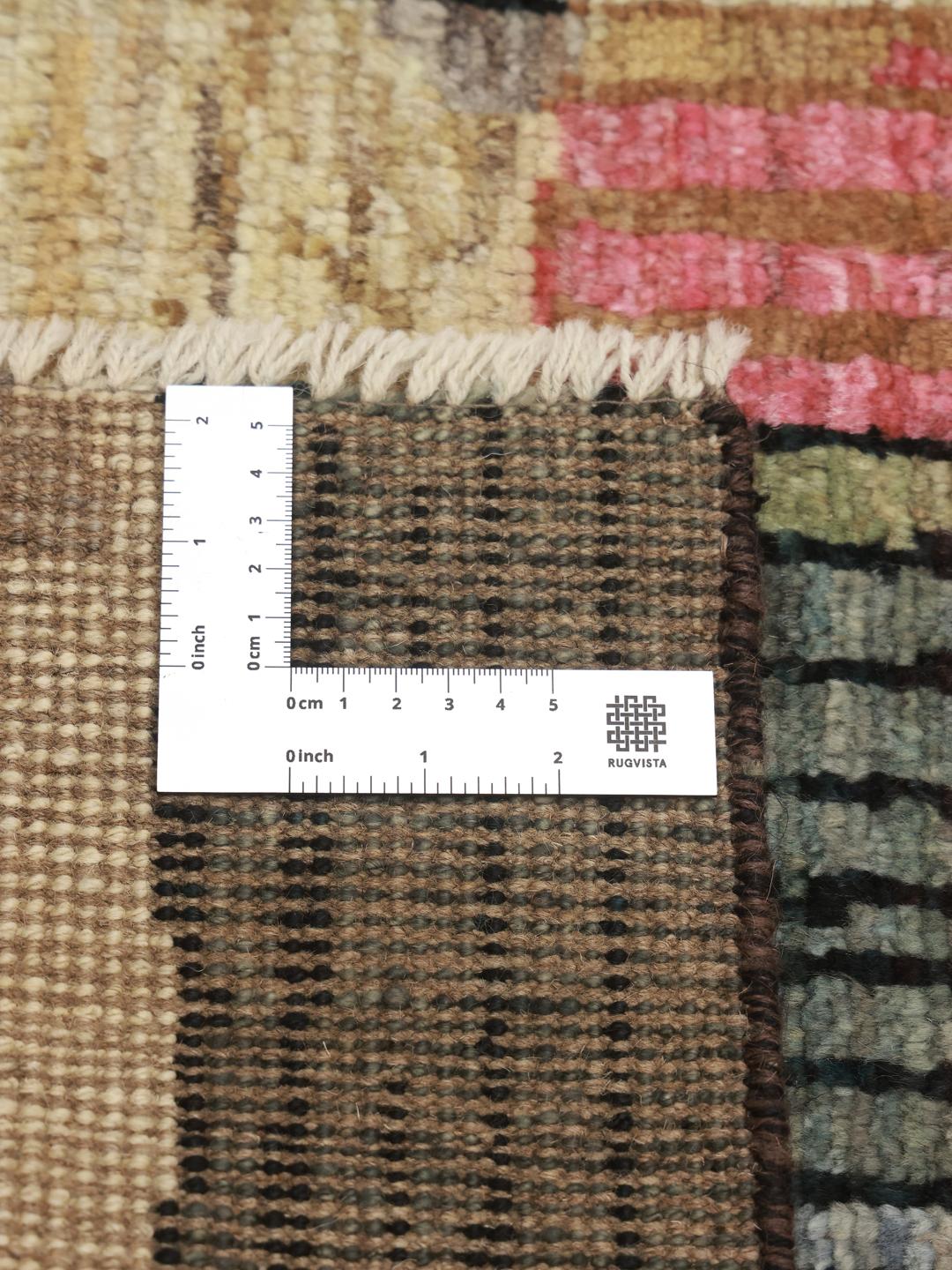
The term 'Berber' originally referred to the distinctive, often knotted, and high-pile constructions designed to provide insulation. In the context of these modern colourful interpretations, the focus remains on the use of high-quality wool and a hand-knotted structure that emphasises durability. This construction method ensures that the rug is not only a visual focal point but also a long-lasting element of a home, capable of enduring heavy foot traffic while maintaining its structural integrity.
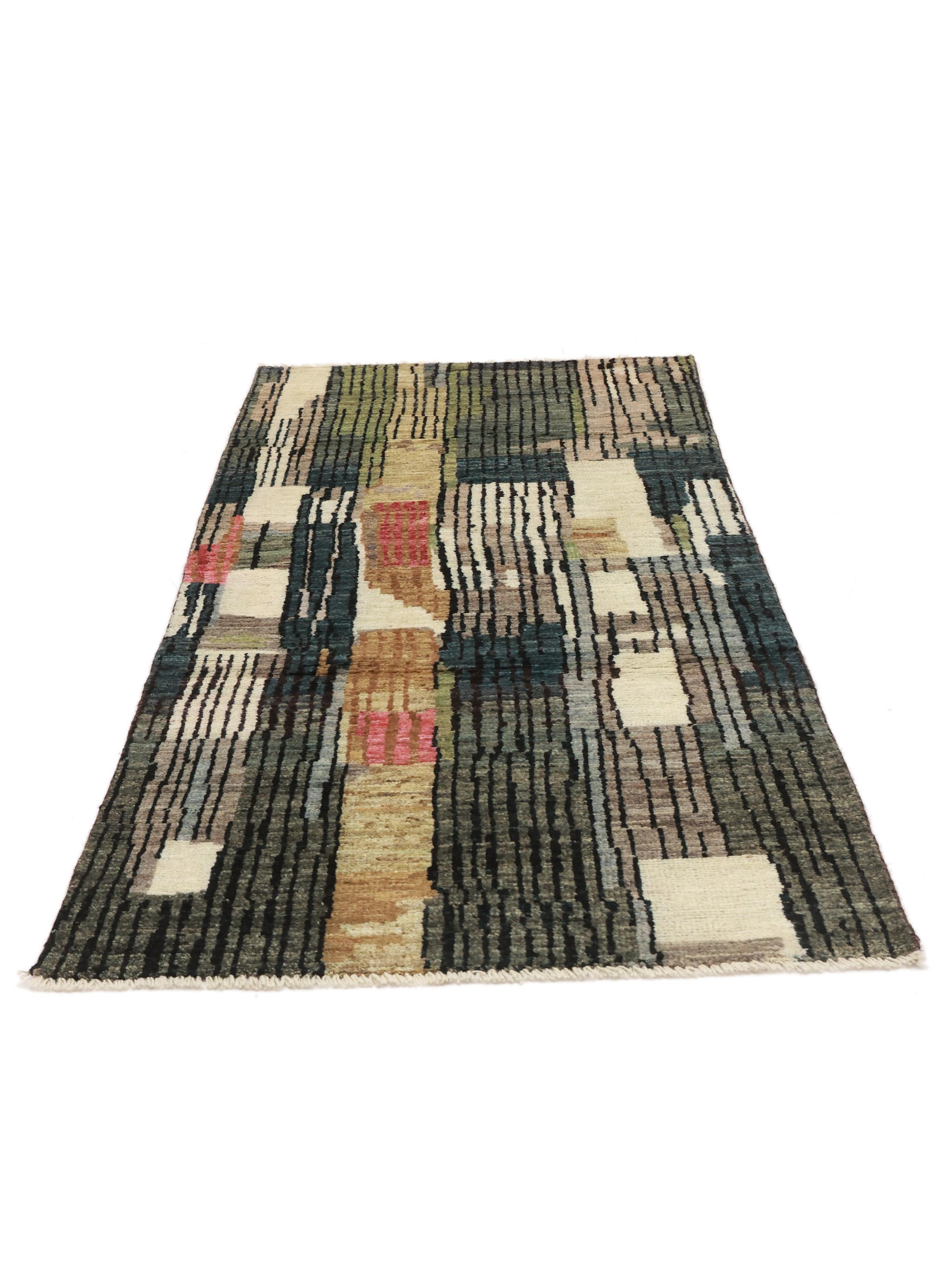
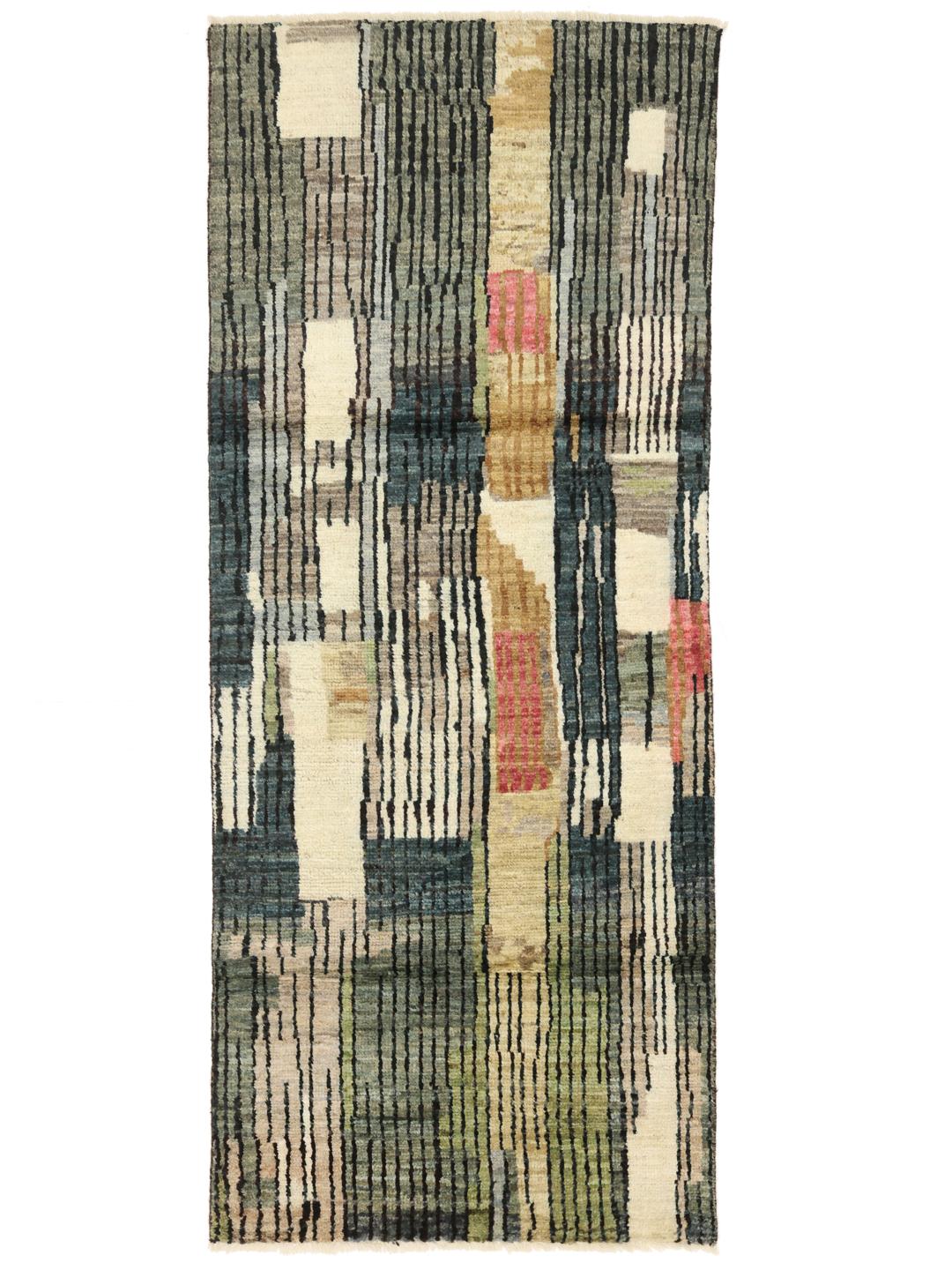
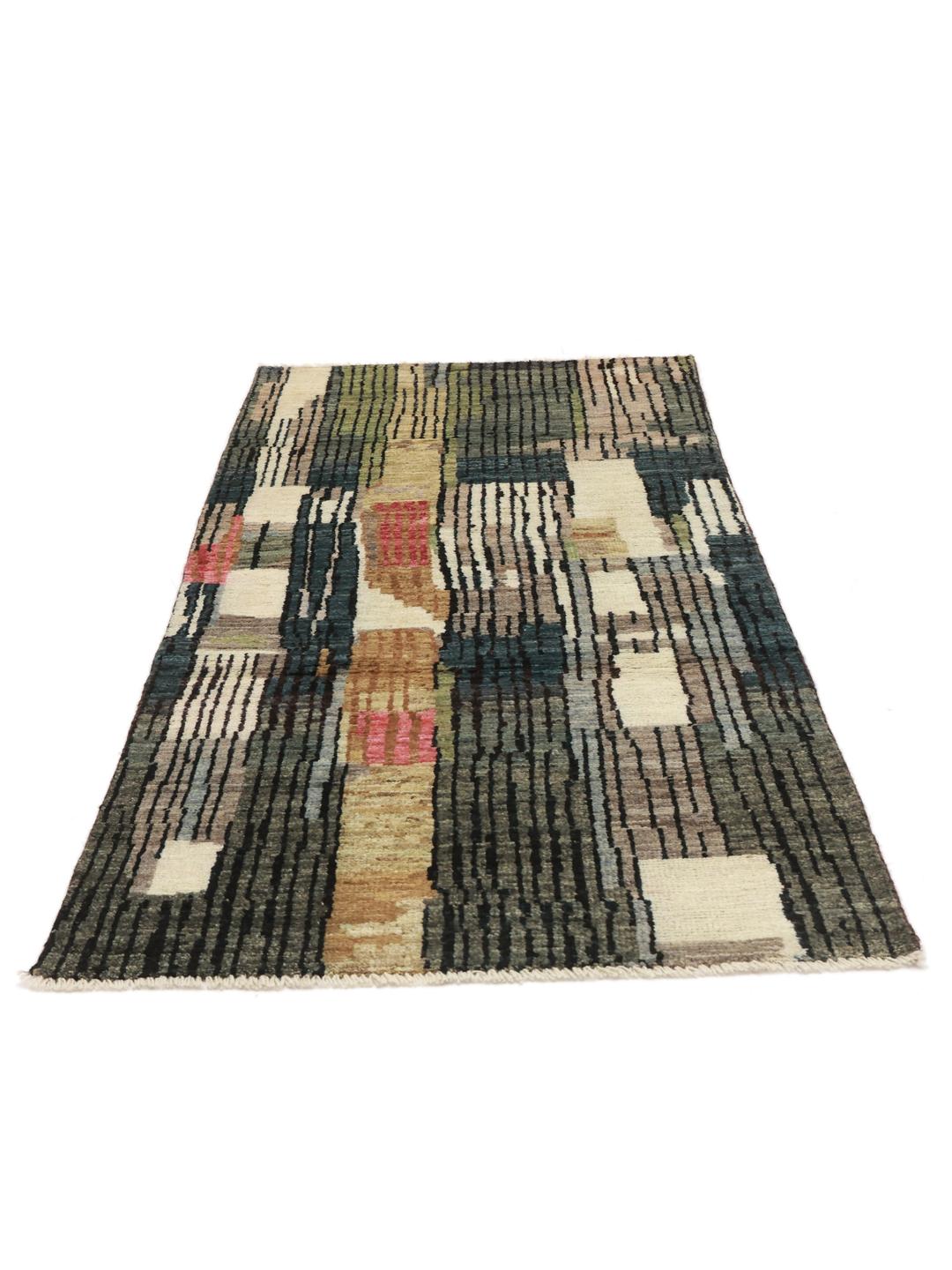
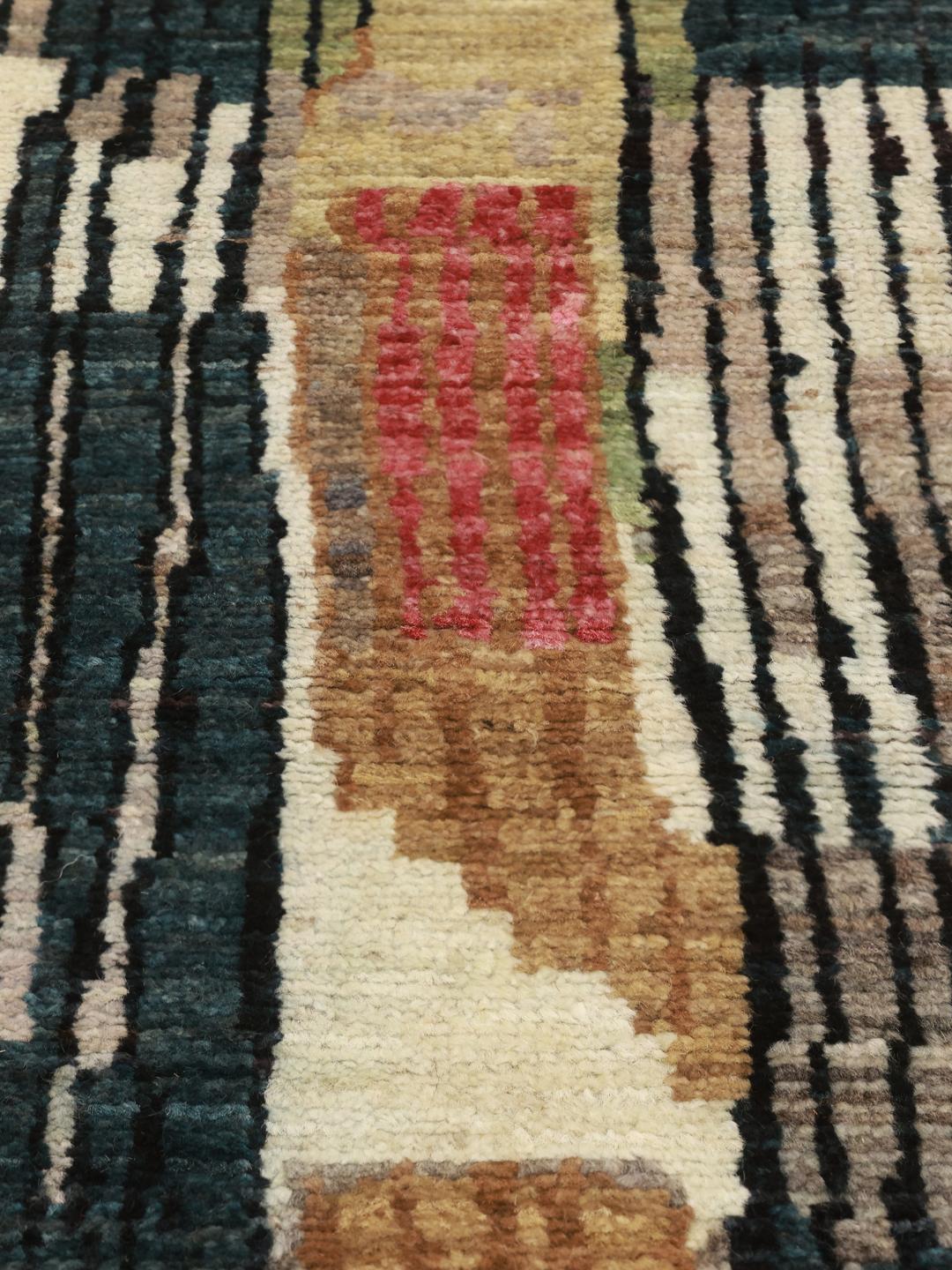
The design language of these rugs is characterised by an expressive, often abstract, use of geometry and colour. While traditional pieces might lean toward earthy, neutral tones, these colourful variations celebrate a bolder palette, often incorporating spontaneous motifs that reflect the weaver's personal interpretation of their surroundings. The vertical lines and block patterns seen here are indicative of a contemporary shift, where the rug functions as a canvas for creative expression rather than following rigid, historical templates.
Owning a hand-knotted piece from this tradition means supporting a craft that has been passed down through generations. These rugs are highly valued by collectors and homeowners alike for their authenticity and the human story woven into every knot. By choosing such a rug, you are preserving a piece of cultural history and bringing a unique, expertly crafted object into your living space that celebrates the artistry of the hand-made process.