The tradition of rug weaving in the Middle East is deeply rooted in history, drawing on centuries of nomadic and village craft. These rugs are often known for their connection to the rugged, mountainous landscapes of the region, where the art of spinning and dyeing Wool has been passed down through generations.
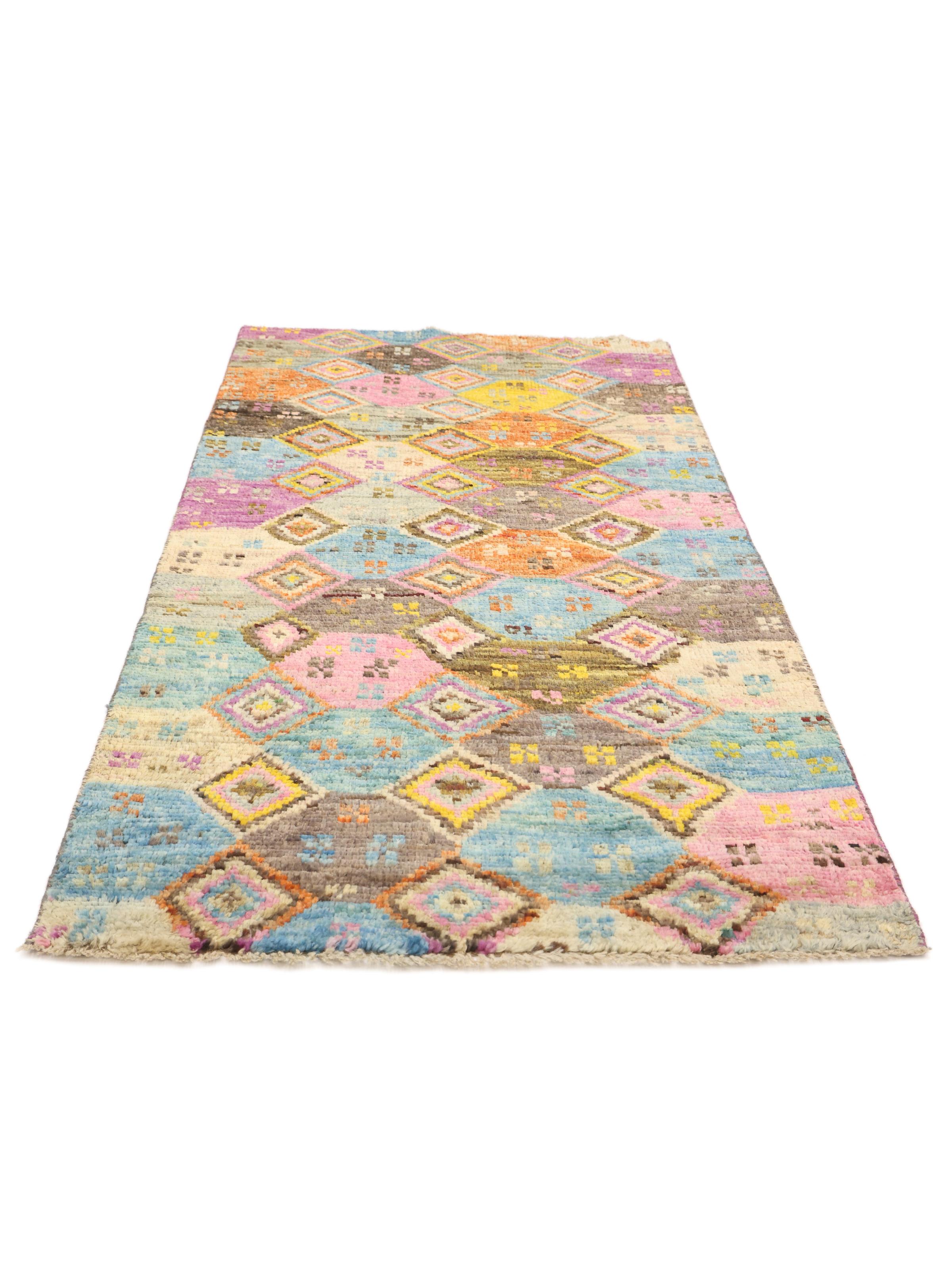
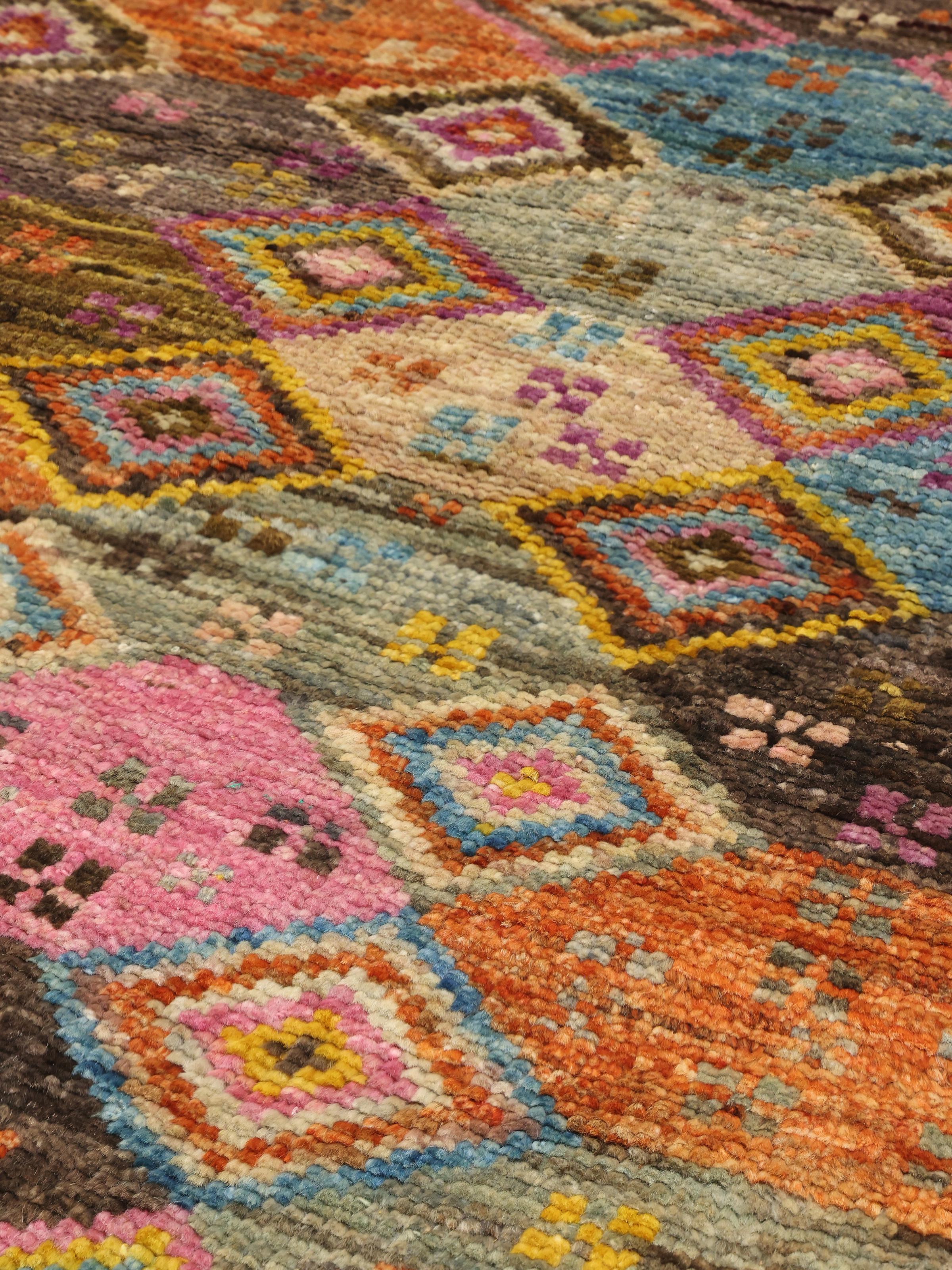
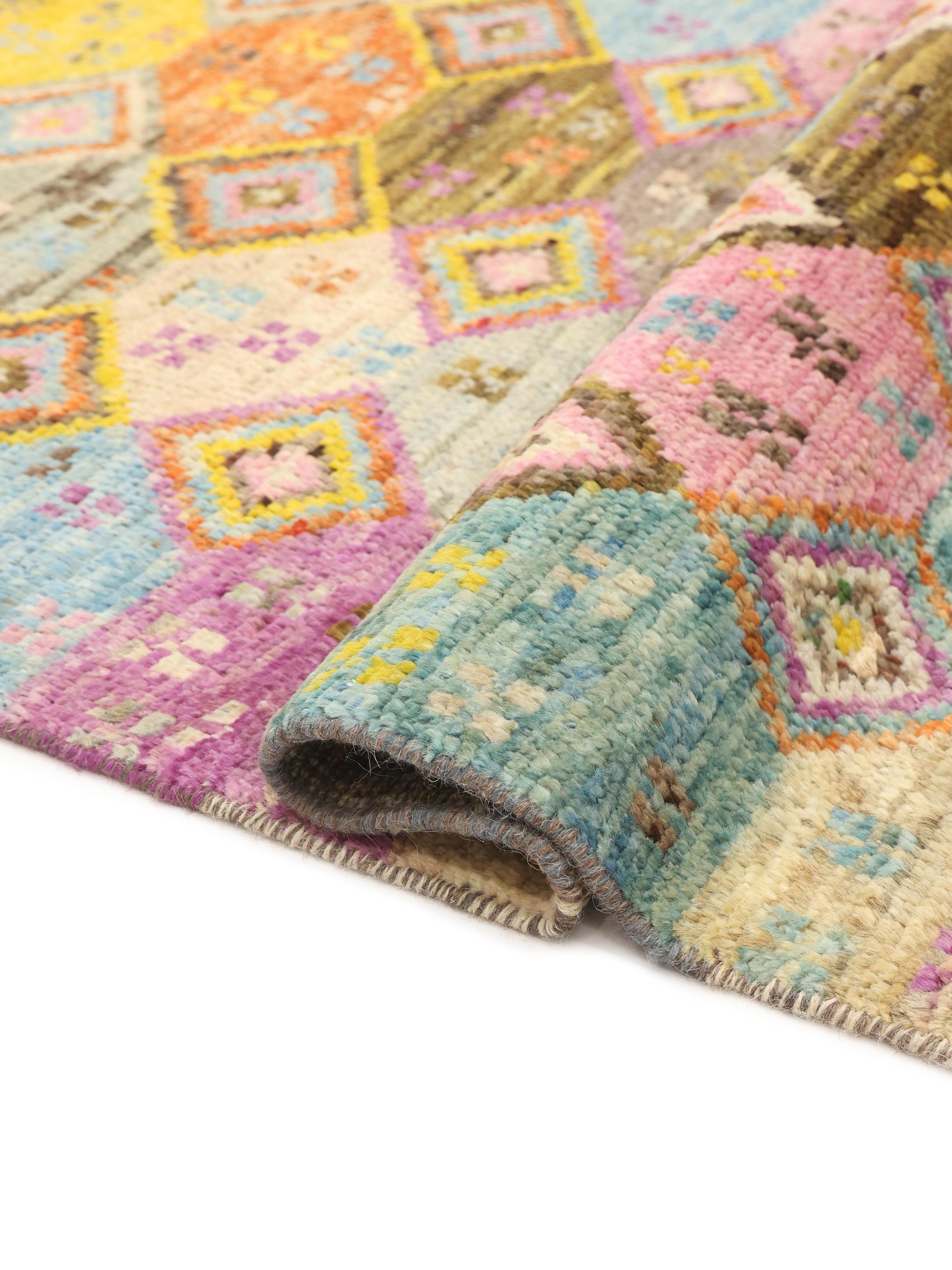
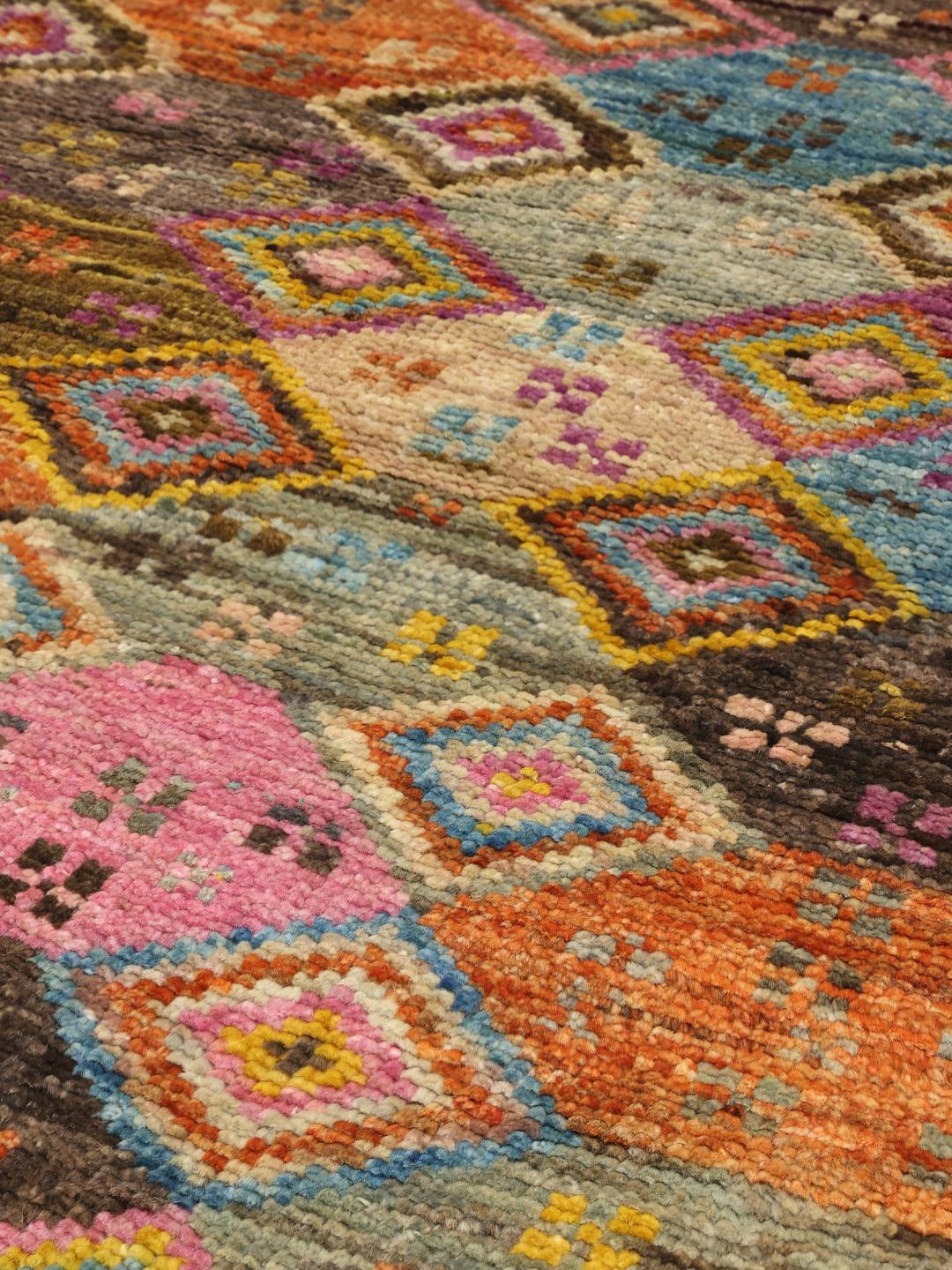
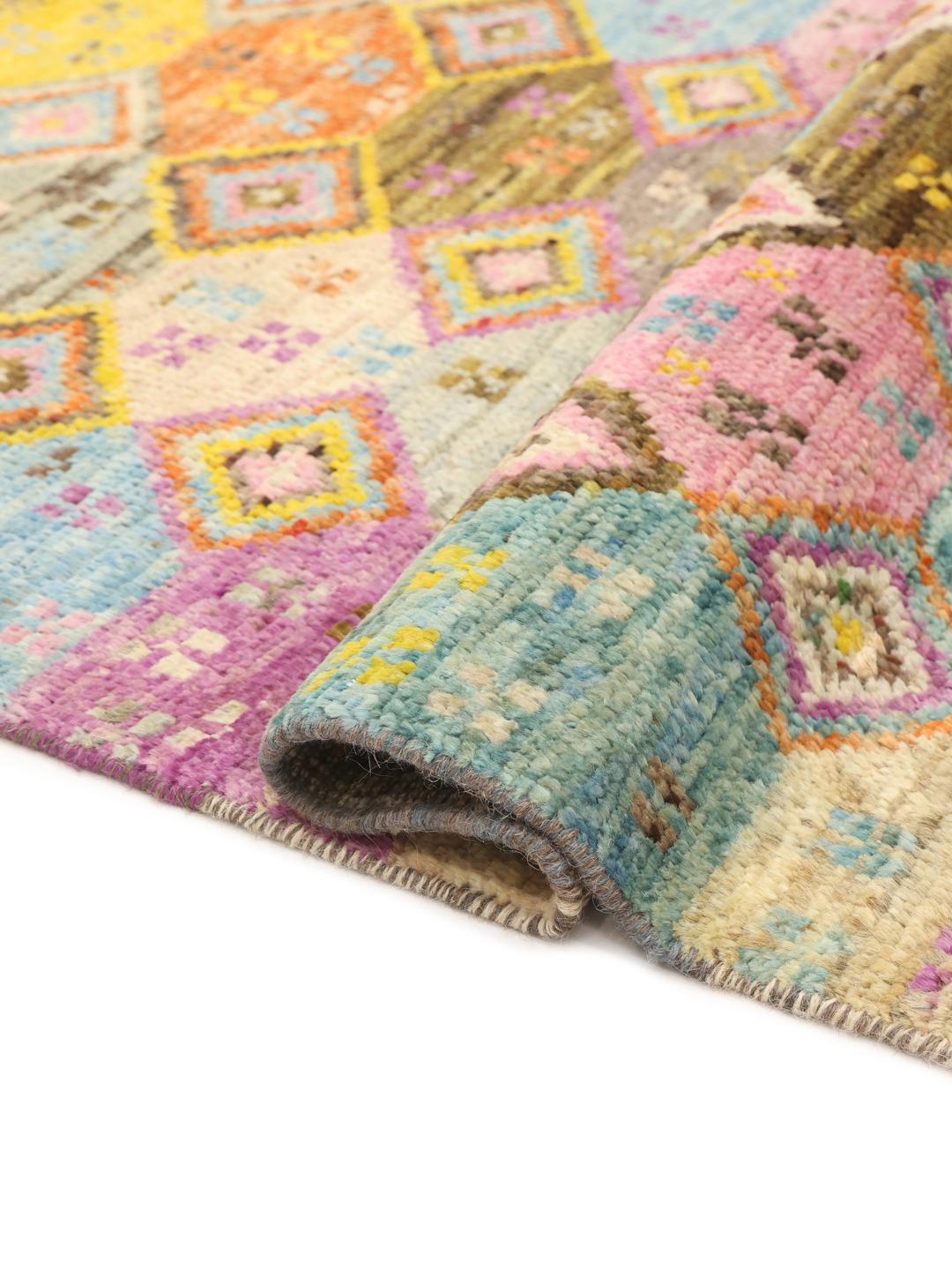
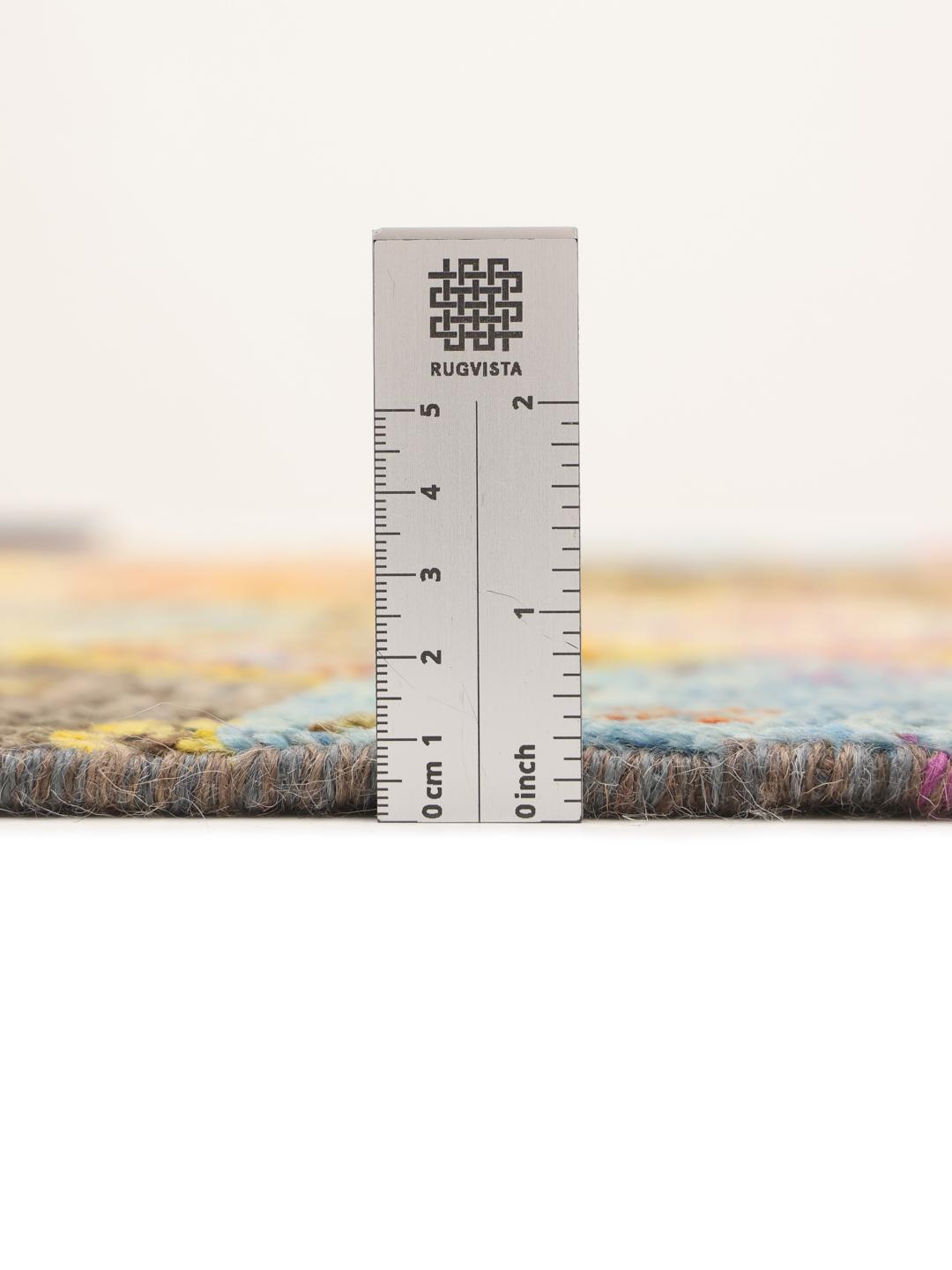
While the term Berber is often associated with the Atlas Mountains of North Africa, in the context of Middle Eastern production, it refers to a style of rug that celebrates a thick, shaggy, and highly textural pile. This aesthetic prioritises the natural, raw quality of the Wool, resulting in a surface that is exceptionally soft and inviting.
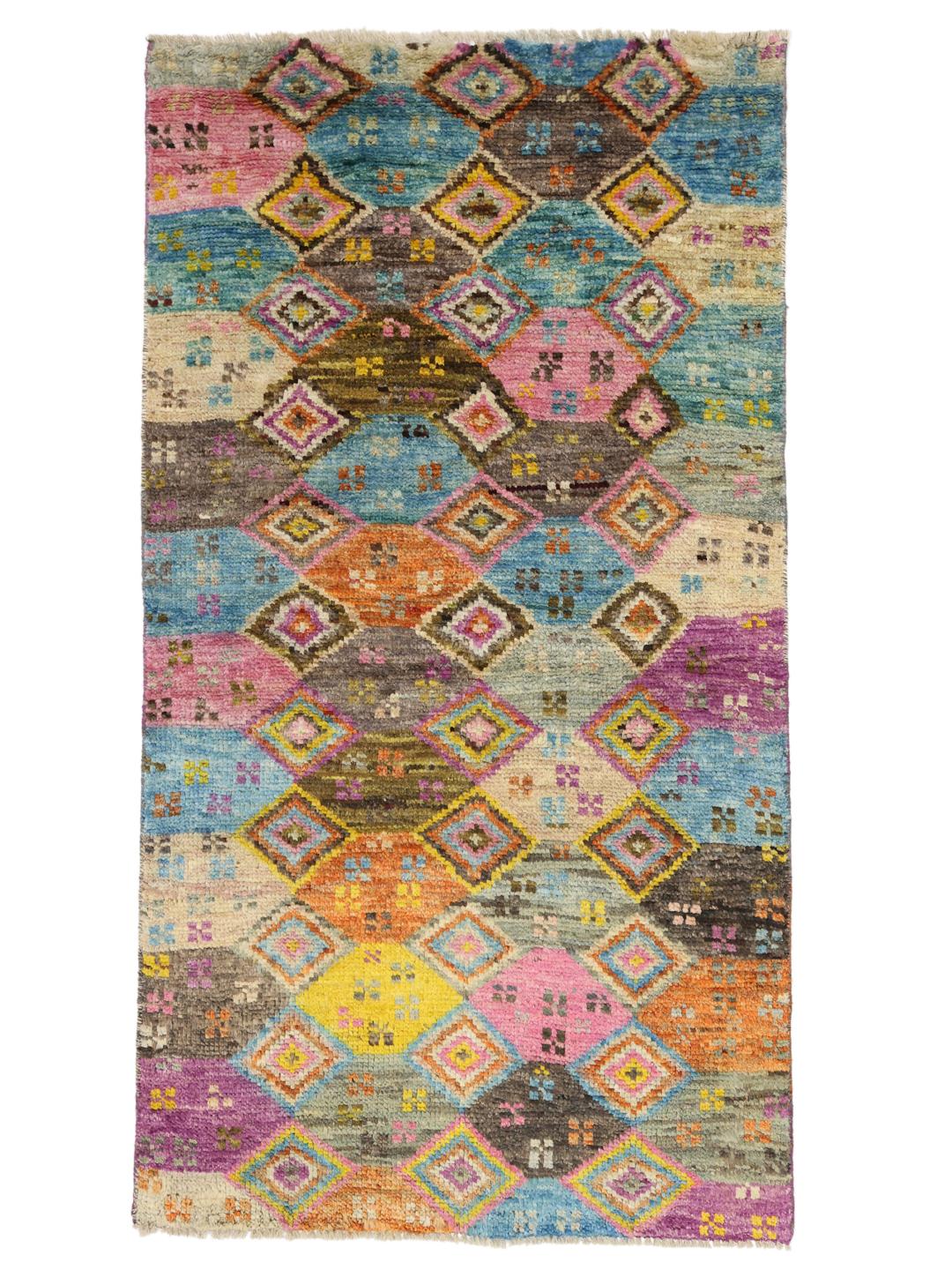
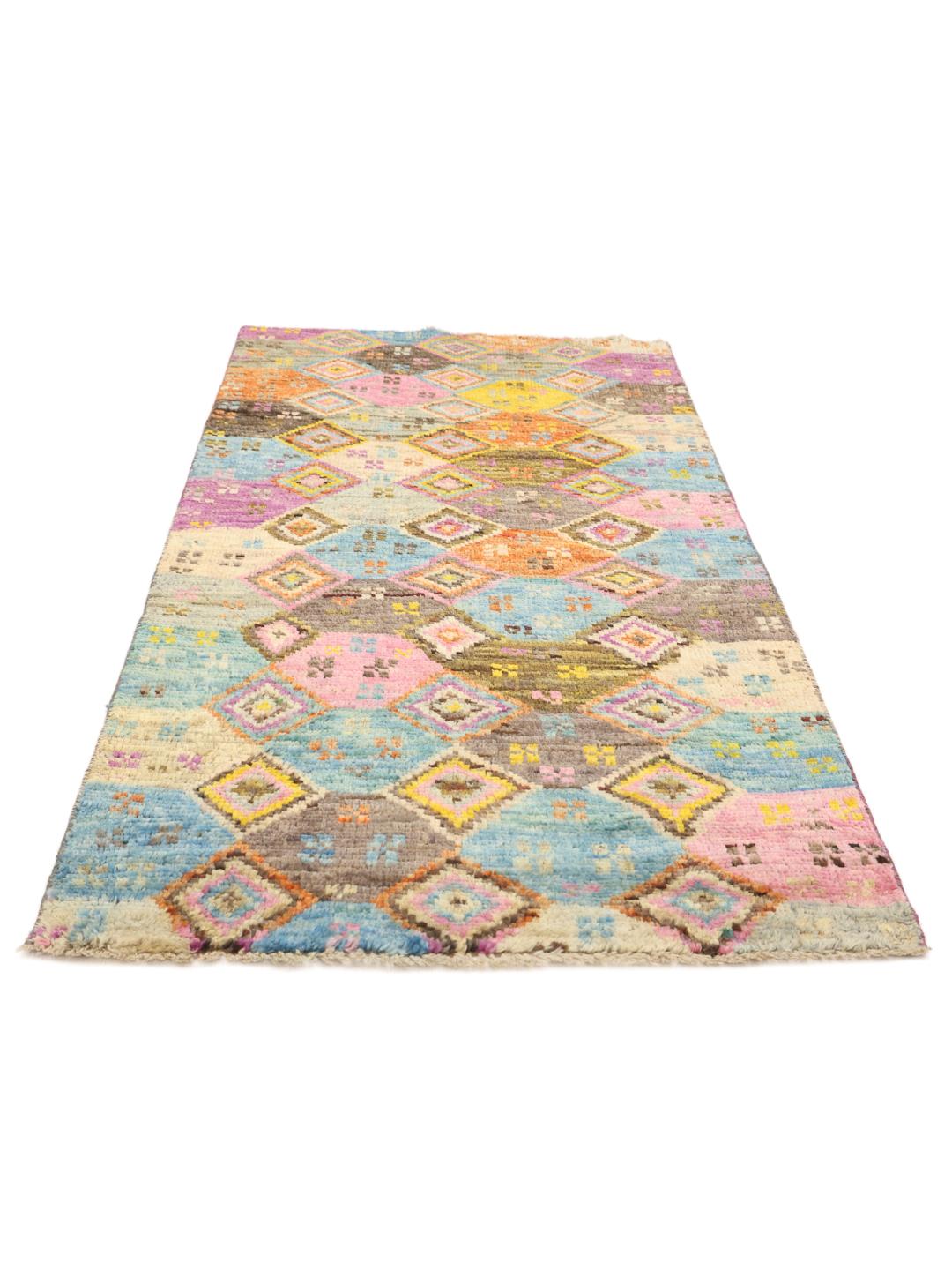
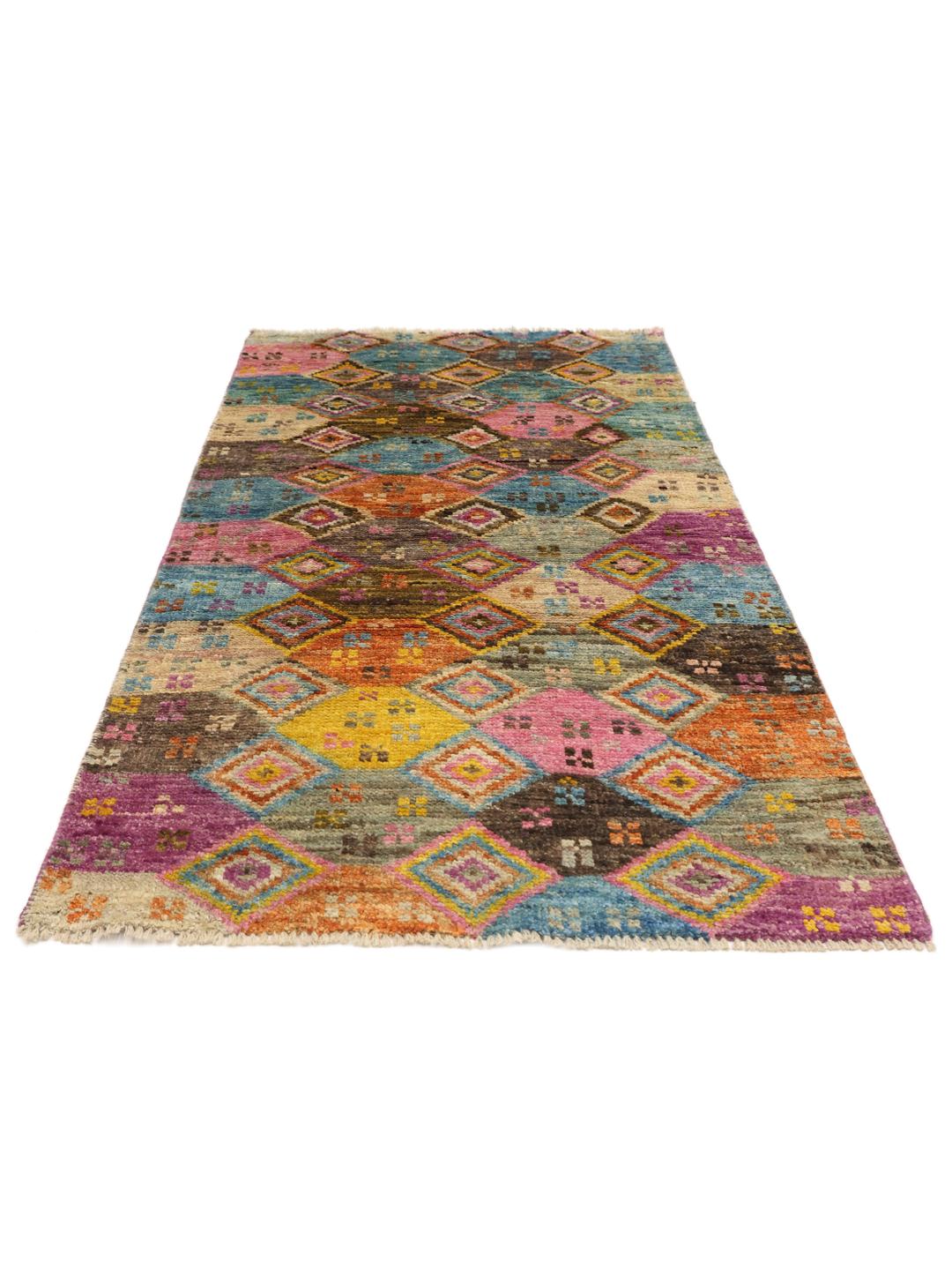
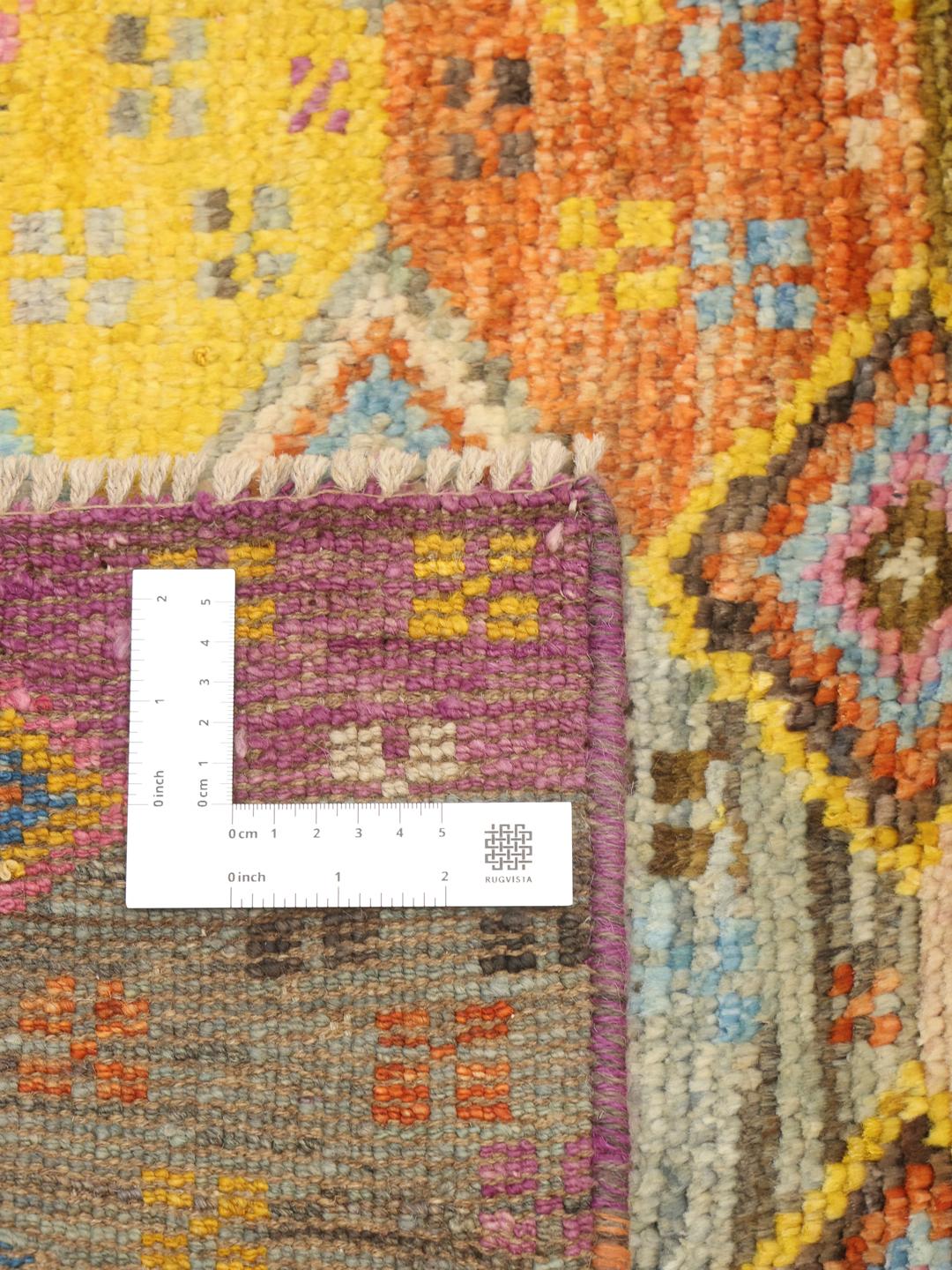
The design of this rug is characterised by its bold use of colour and geometric repetition, which is a hallmark of the regional artistic language. These motifs are not merely decorative but are deeply symbolic, often reflecting the surroundings and stories of the weavers who created them. The departure from traditional, muted earth tones toward a vibrant, modern palette showcases the evolution of this craft to suit contemporary homes.
Collectors value these rugs for their authenticity and the palpable sense of history they bring into a space. Owning such a piece is an investment in human skill and cultural continuity, offering a connection to a long-standing tradition that values the individual touch of the artisan over the uniformity of the machine.