Berber rugs originate from the indigenous tribes of North Africa, but their influence has travelled across the globe, inspiring artisans in regions as far as Afghanistan to adopt and reinterpret these traditional styles. The term Berber refers to the Amazigh people, who have woven textiles for centuries using techniques that prioritise storytelling and personal expression through geometric motifs. This migration of style shows how design traditions evolve through cultural exchange.
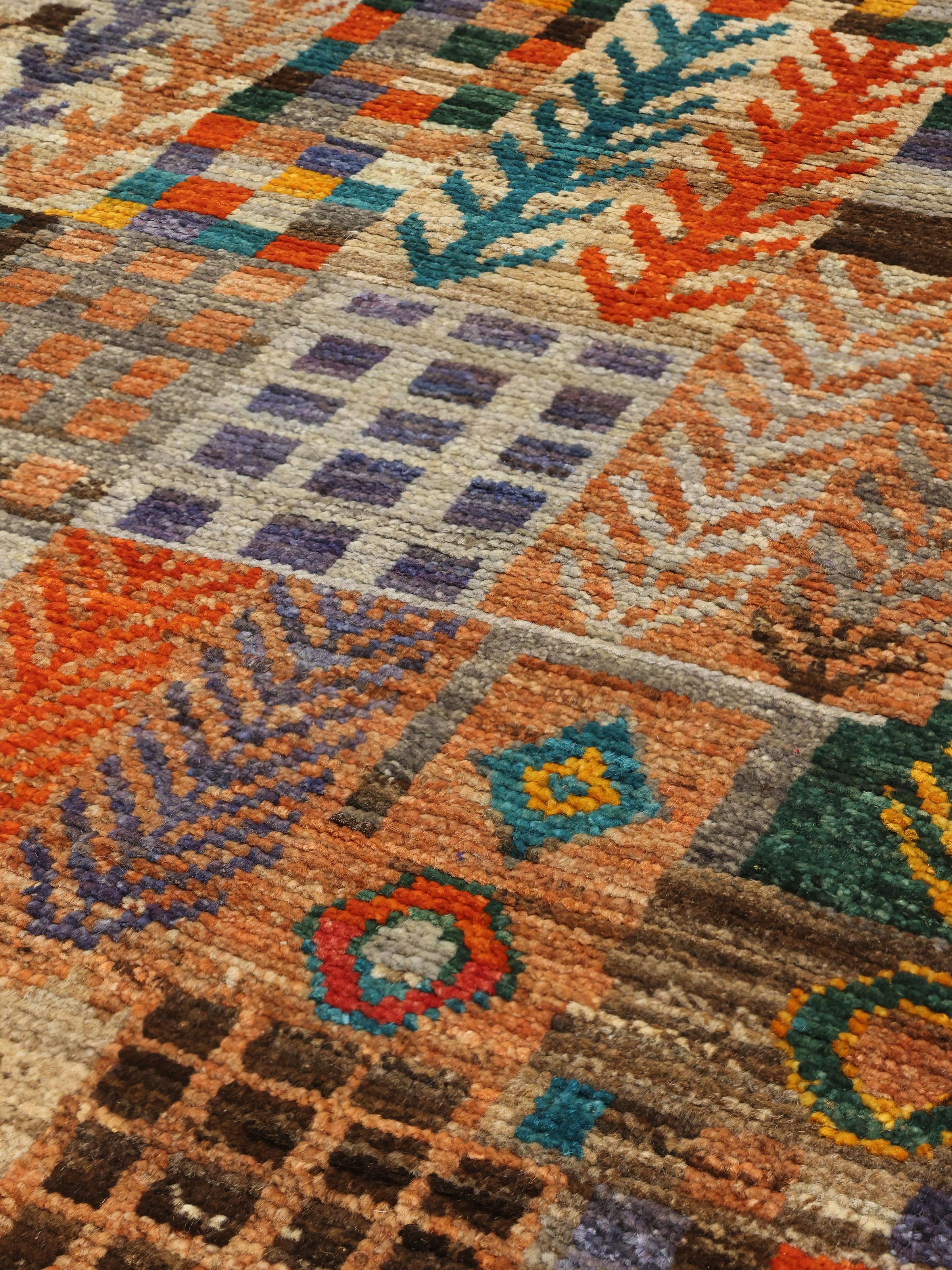
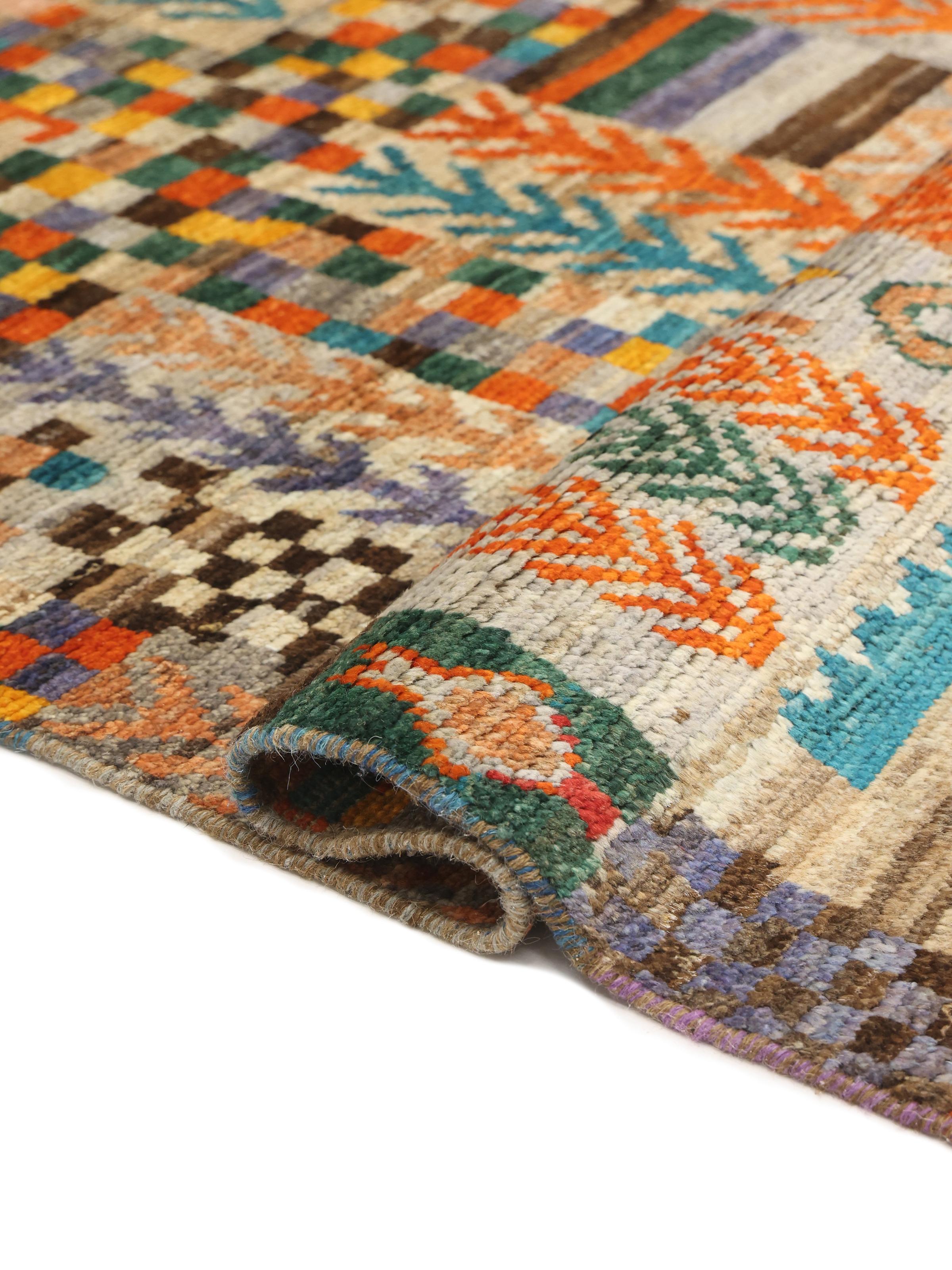
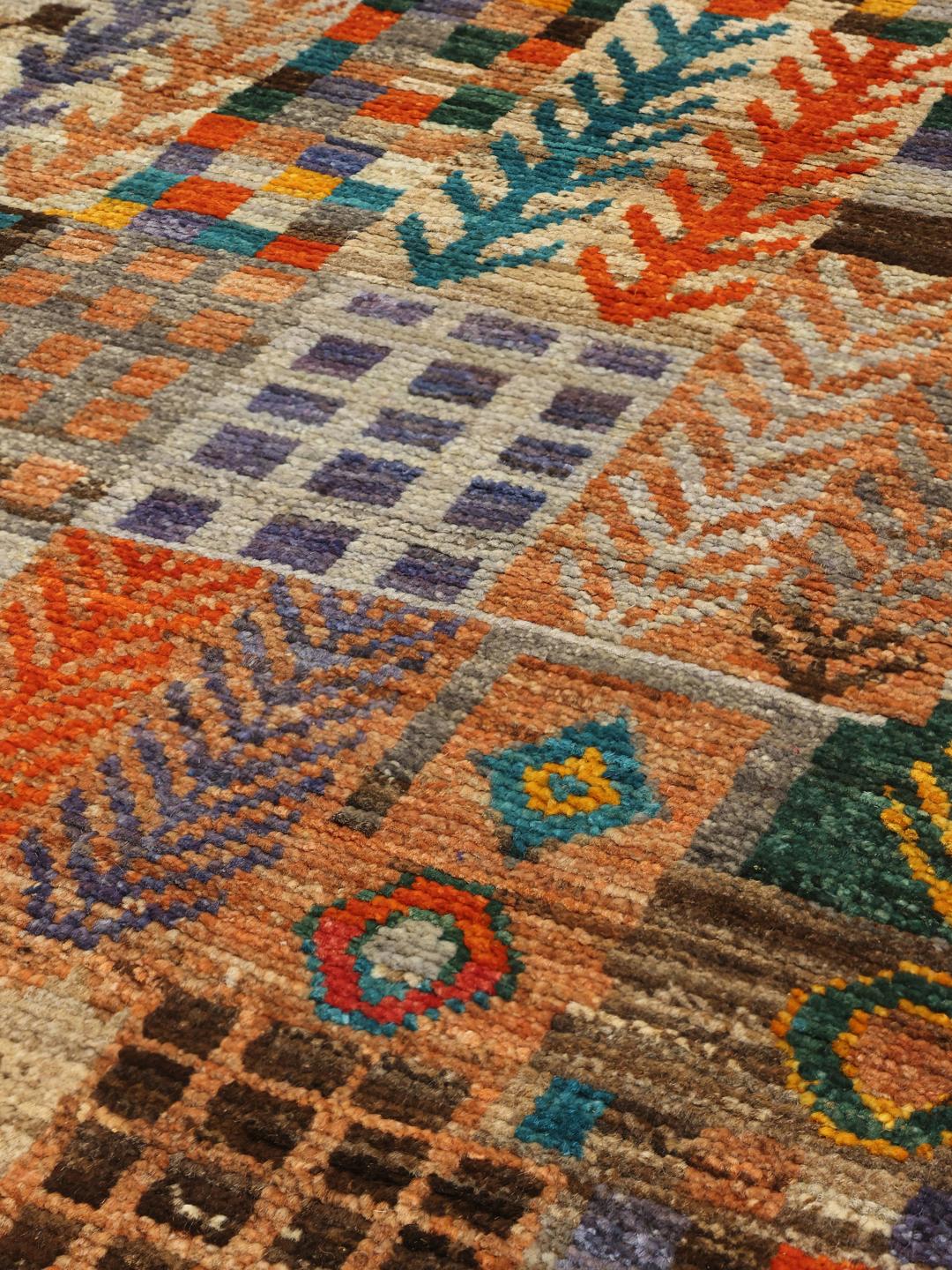
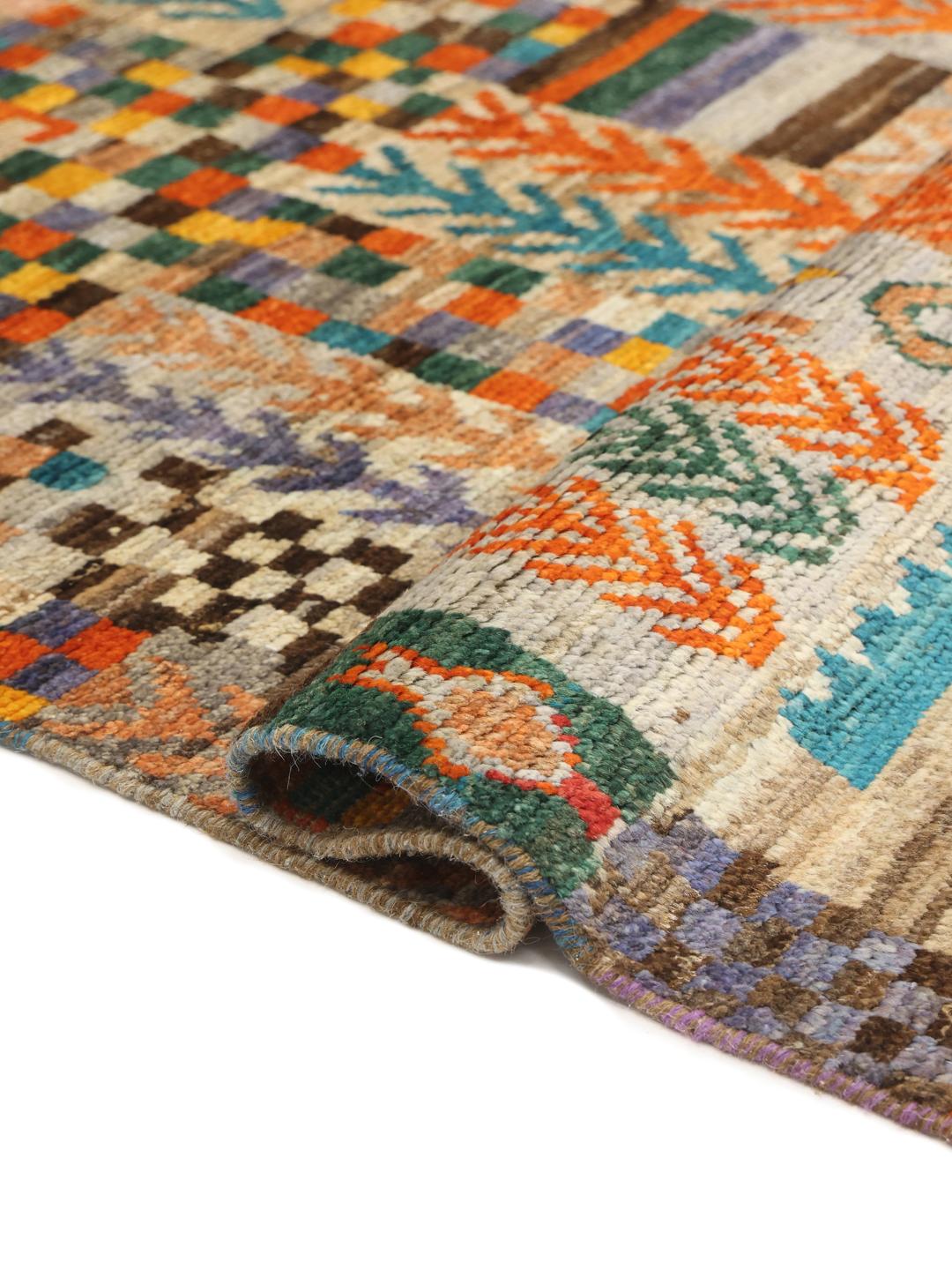
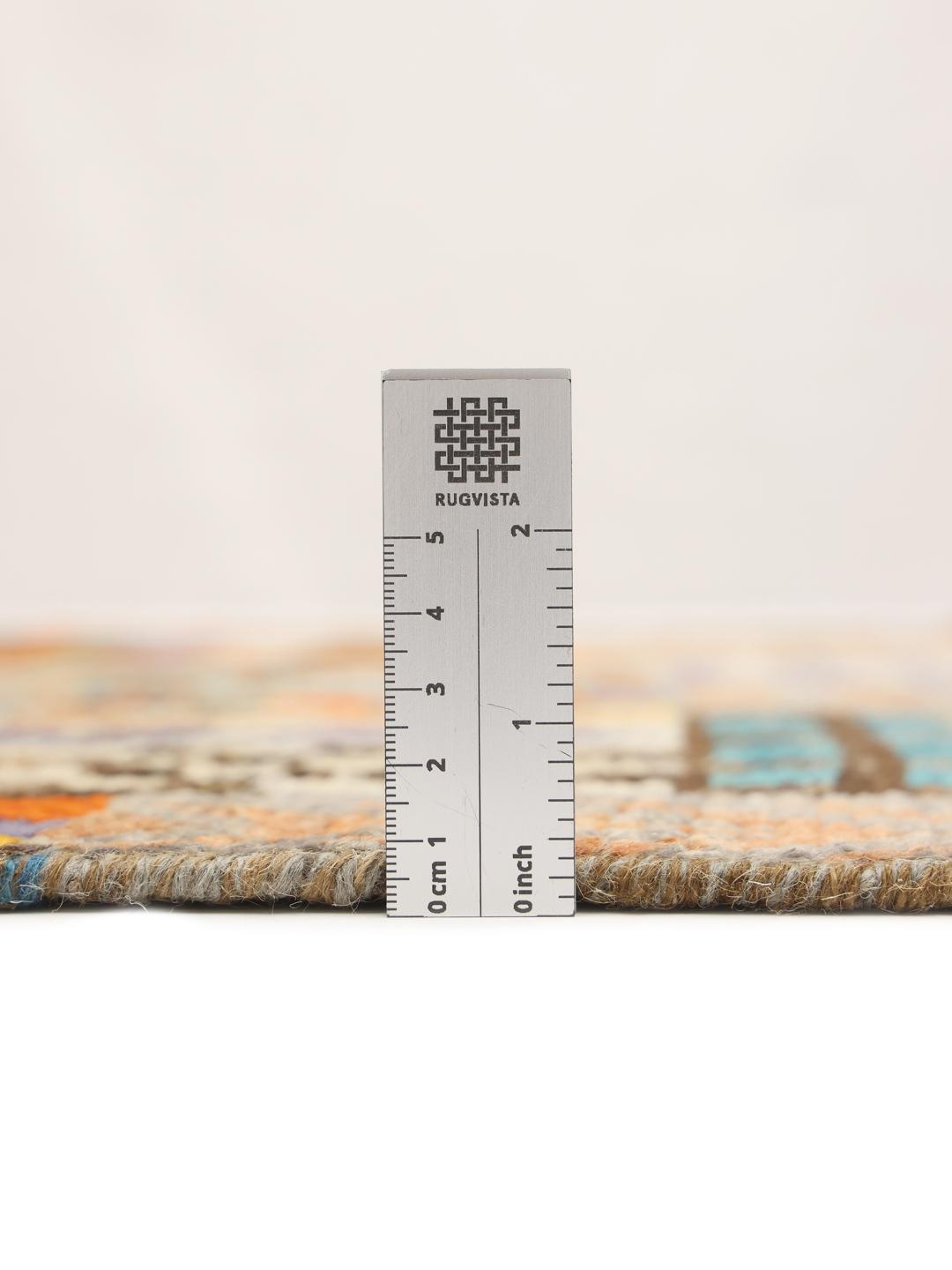
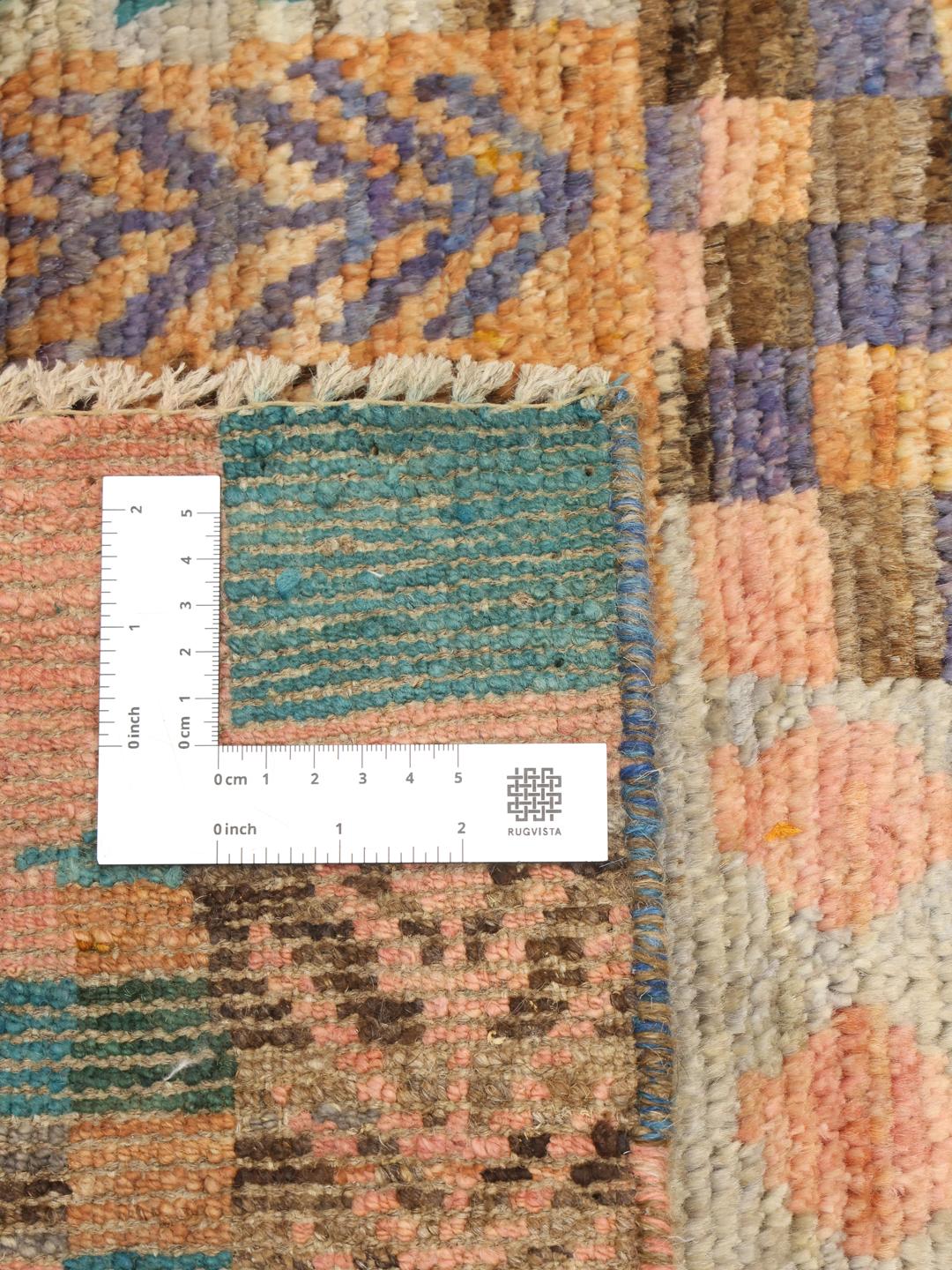
In the context of Afghan weaving, the term hand-knotted signifies a standard of excellence where the pile is secured through a complex knotting technique. This method is superior to other forms of production because it creates a pile that is firmly anchored to the foundation, resulting in a surface that is exceptionally long-lasting and resistant to wear. For the customer, this means a rug that stays beautiful and intact, even in active households.
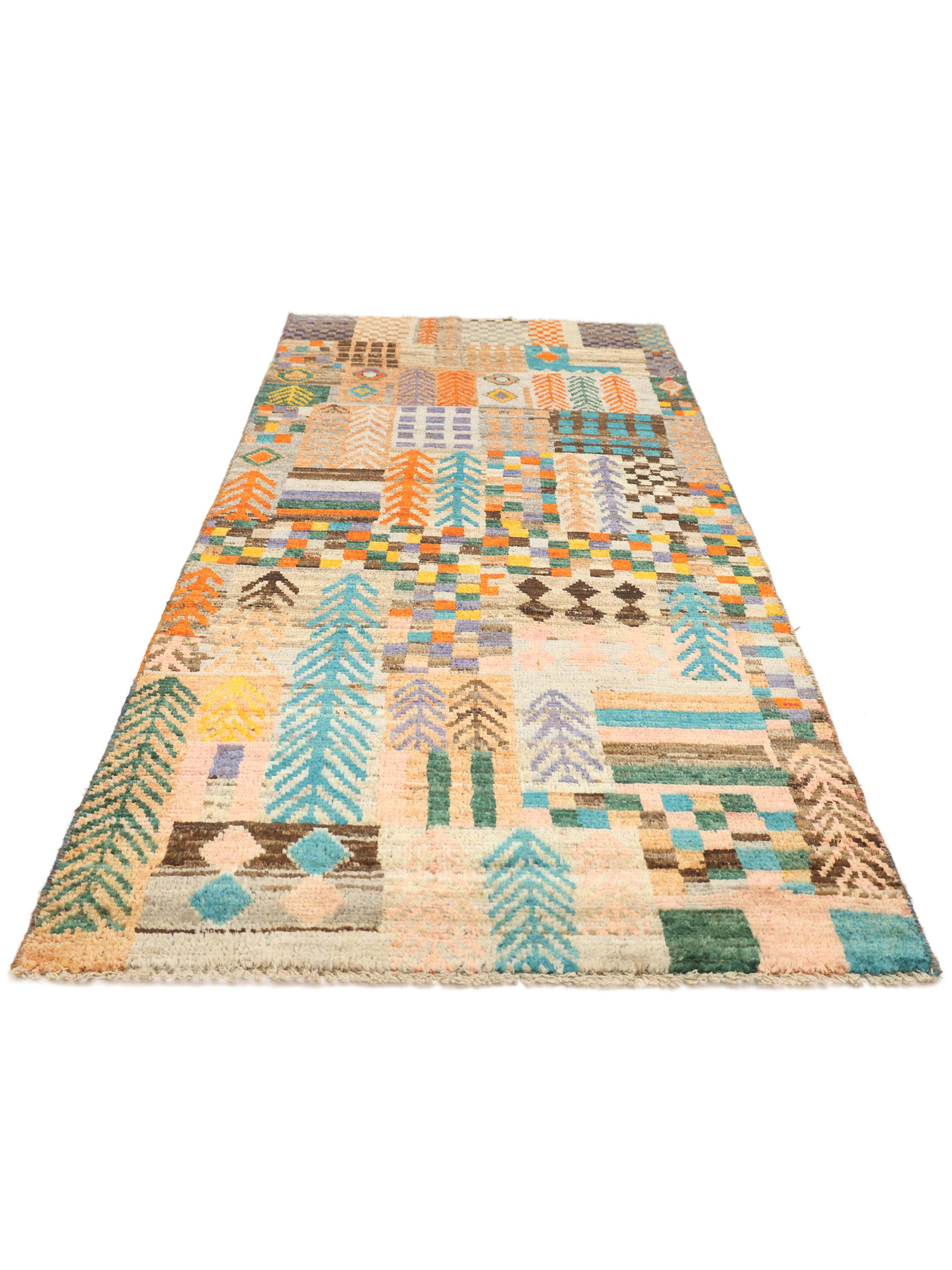
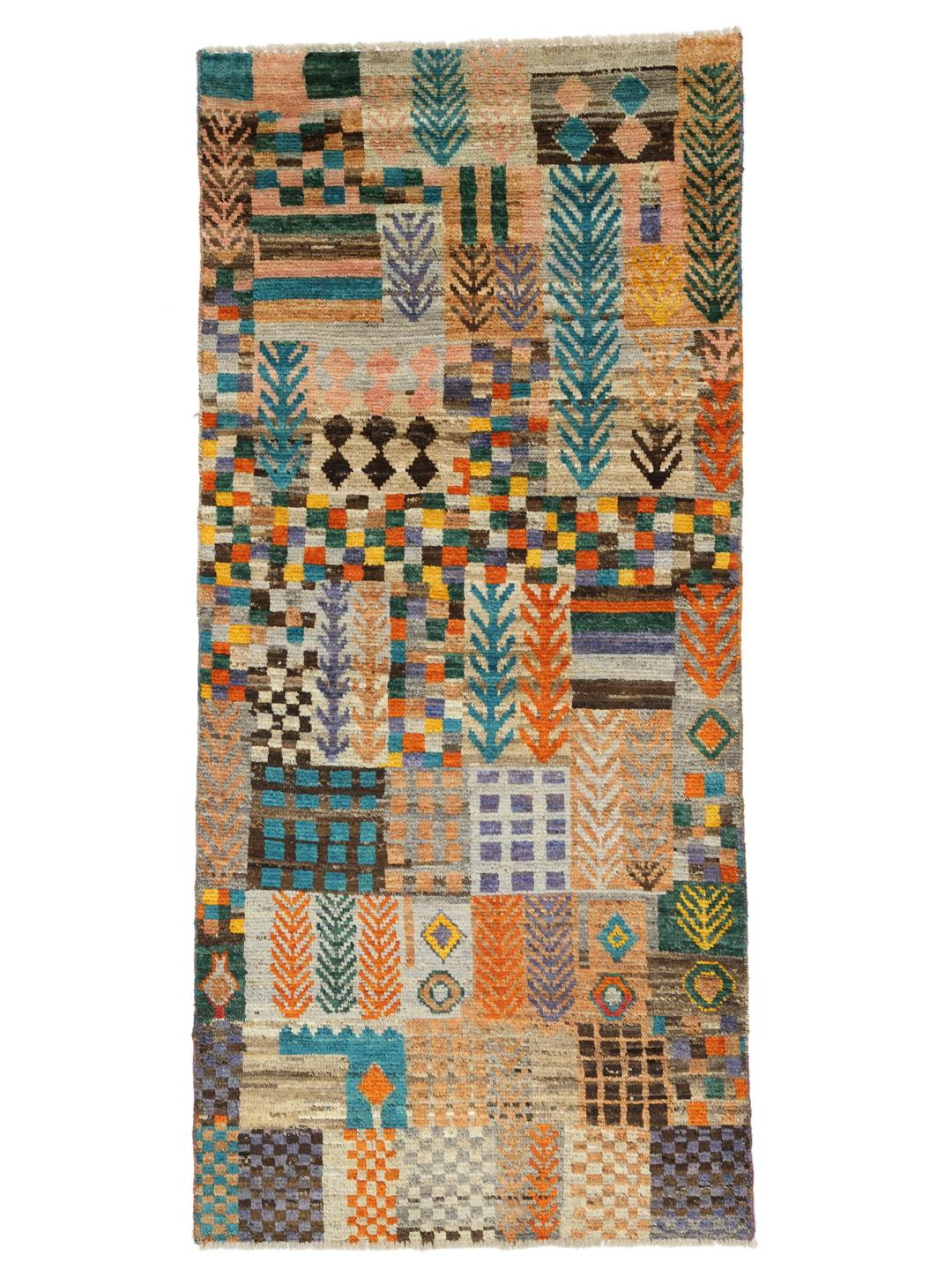
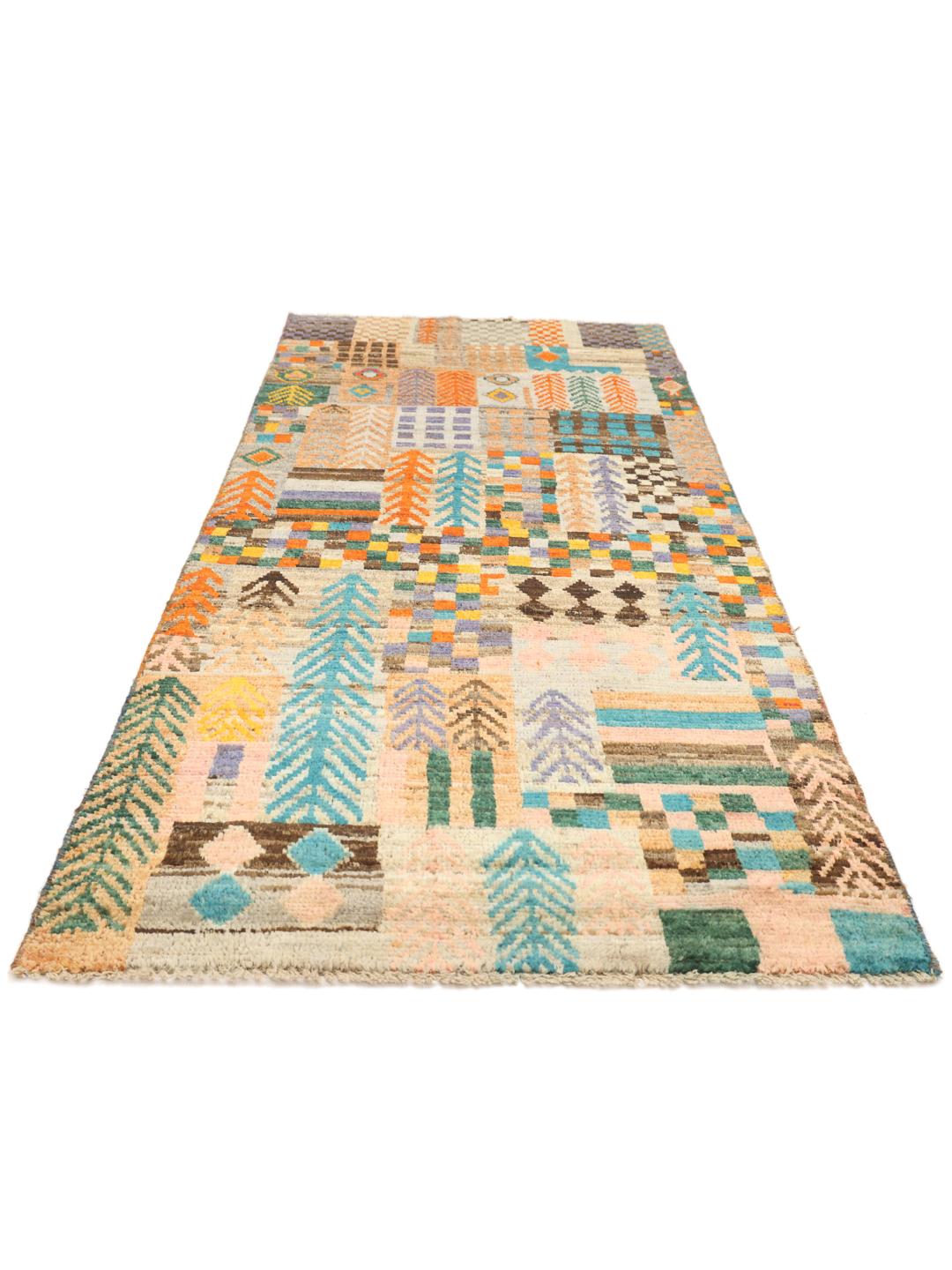
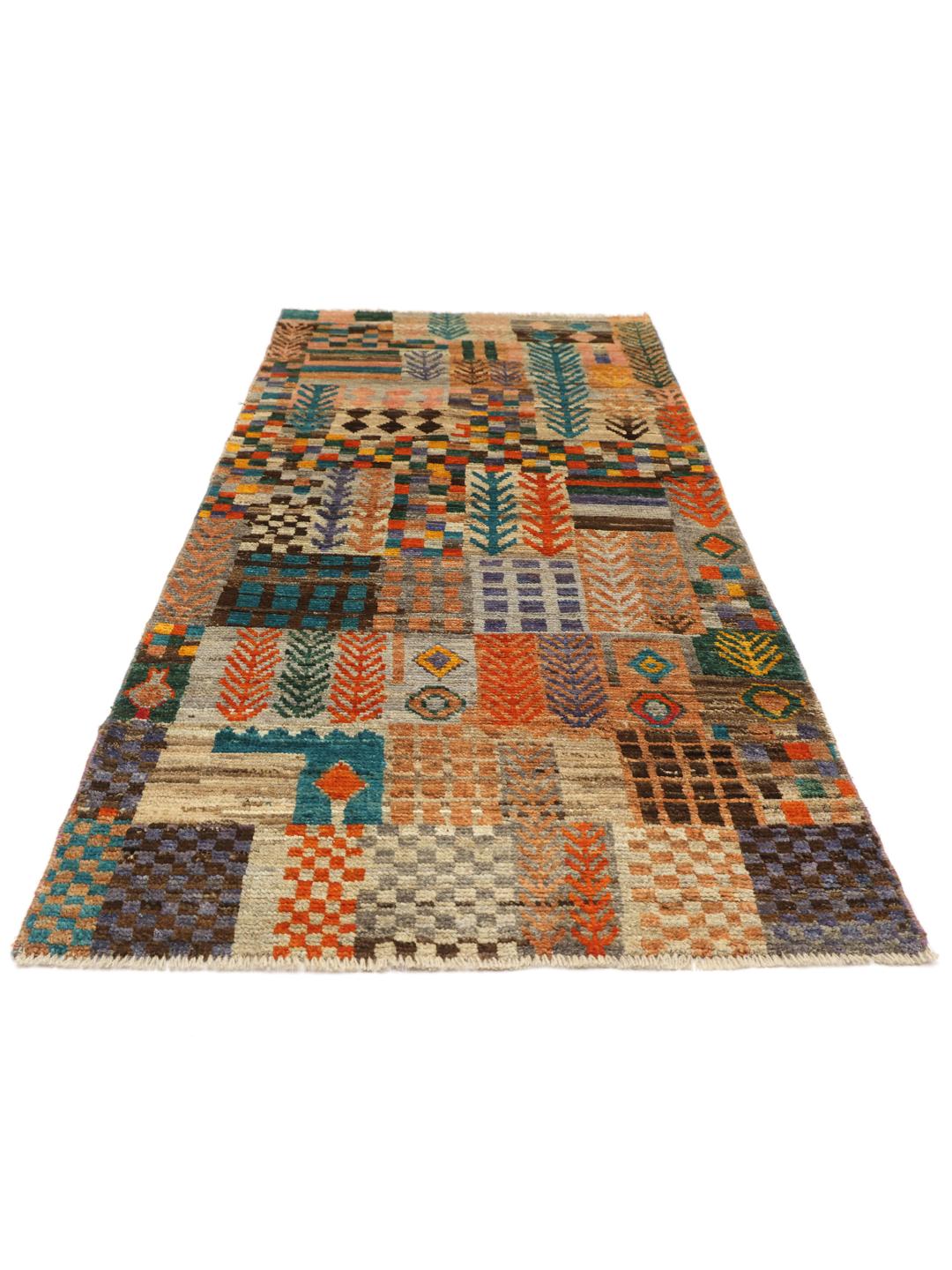
The visual language of this rug is defined by its bold, geometric patchwork. Traditional Berber-inspired designs often utilise symbols that reflect the weaver's environment and life experiences, such as diamonds, zig-zags, and stylized motifs. By mixing these classic shapes with a vibrant, modern colour palette, this rug bridges the gap between historical craft and contemporary interior design, making it a versatile choice for any home.
Collecting a hand-knotted rug of this calibre is an investment in cultural heritage. These pieces are valued for their authenticity and the human story behind every knot. Owning one is a way to bring a sense of history and genuine craftsmanship into your space, moving beyond mass-produced decor to embrace a piece that has been thoughtfully crafted by hand.