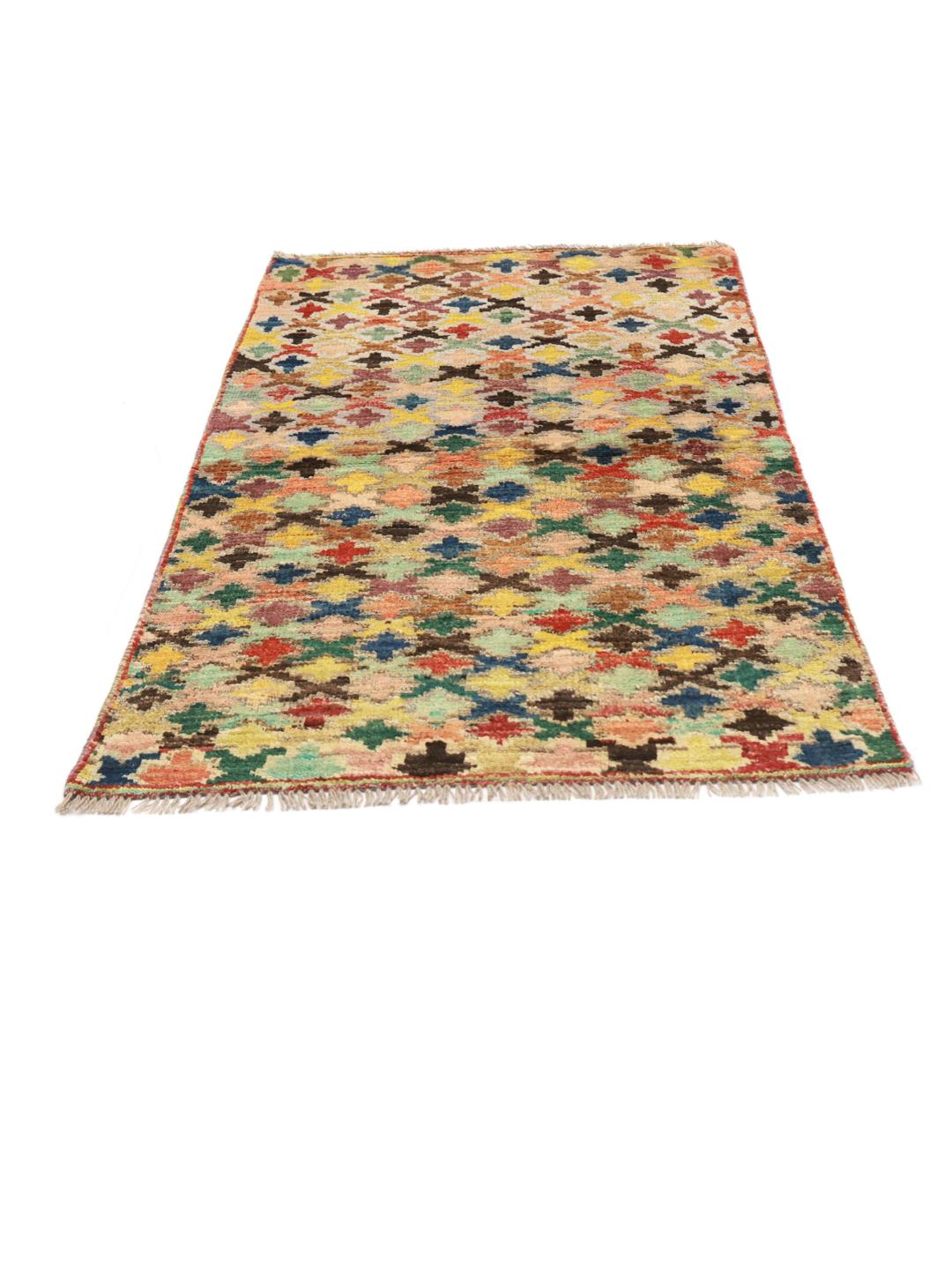
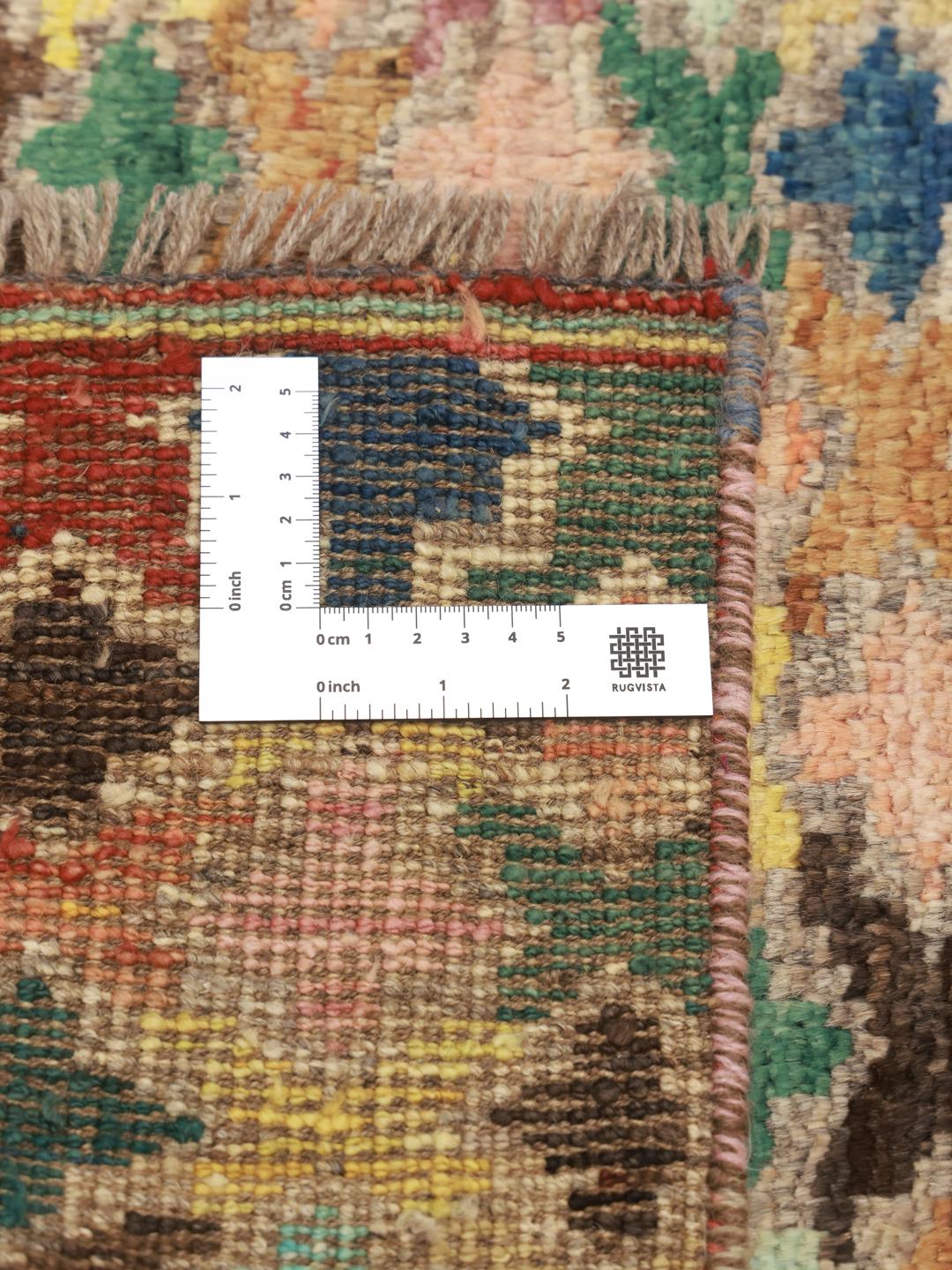
Berber-style rugs have a rich history rooted in the nomadic traditions of North Africa, yet their influence has travelled far beyond those borders. Today, these designs are masterfully interpreted in Afghanistan, where weavers blend historical motifs with local materials to create pieces that honour the spirit of the original craft.
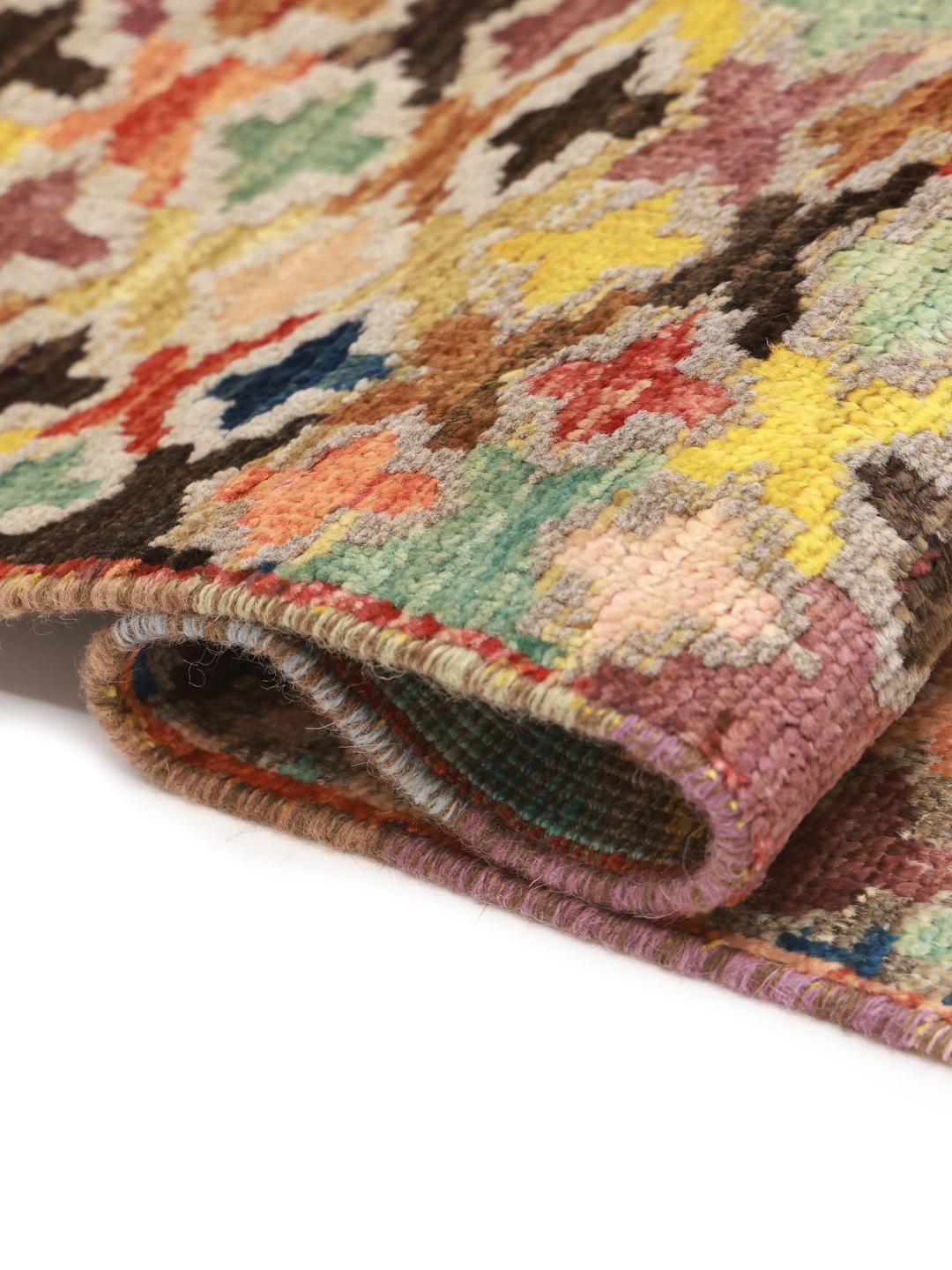
The term 'Berber' originally referred to the indigenous peoples of North Africa, known for their expressive, geometric textiles. The evolution of this style into the Afghan context has resulted in a fascinating fusion where the rustic, soulful aesthetic of the desert meets the sophisticated knotting techniques of the Middle East.
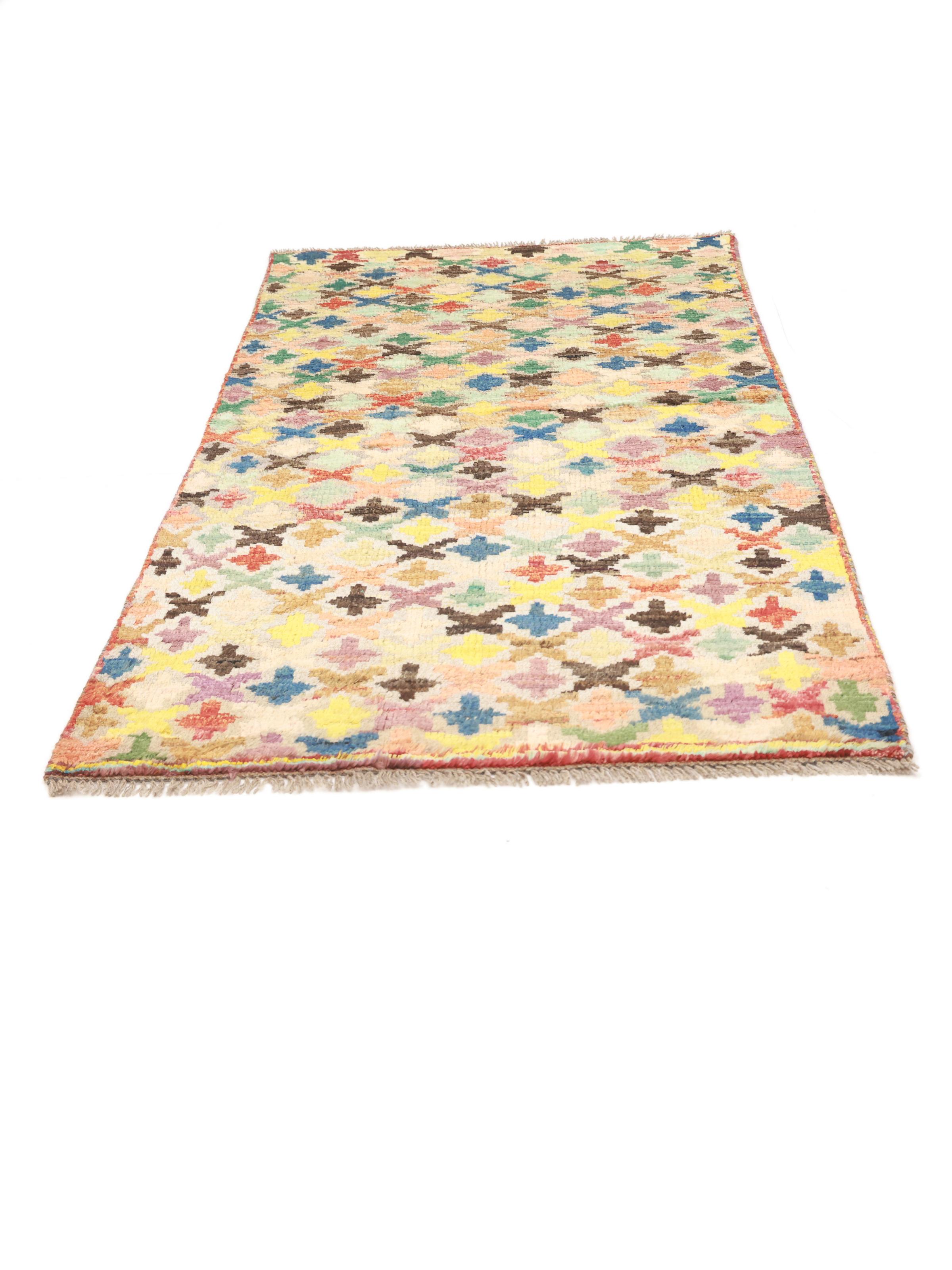
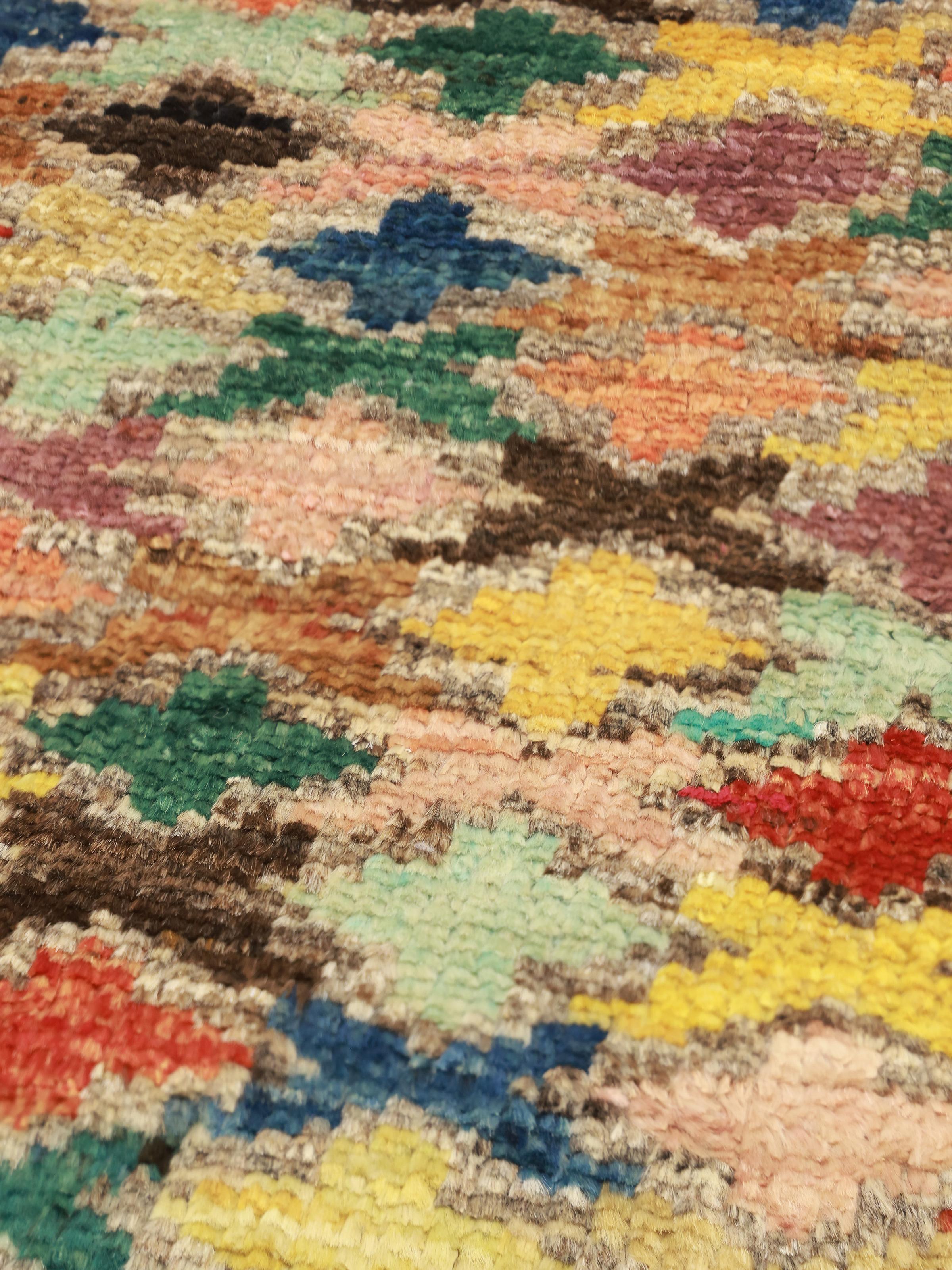
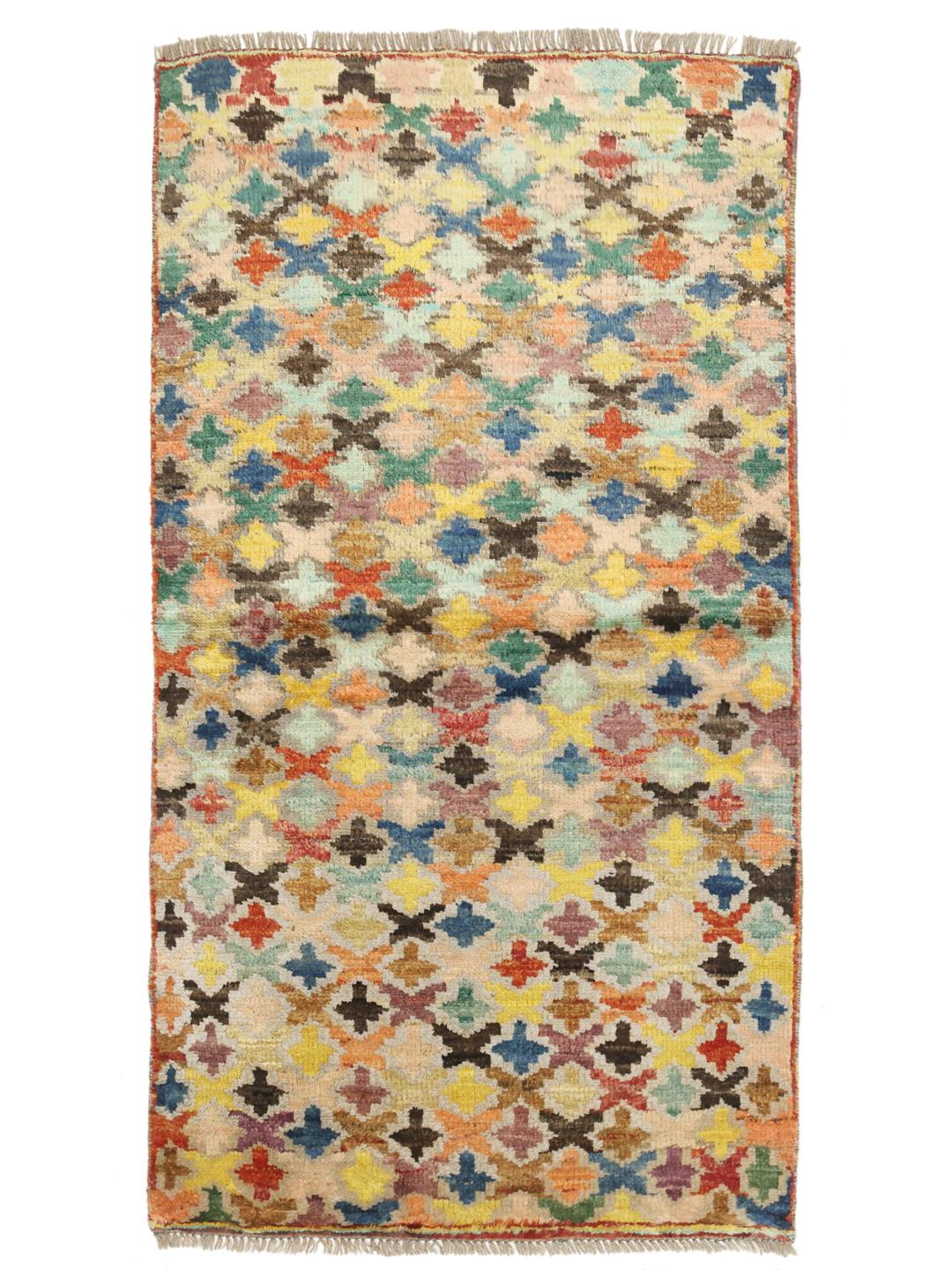
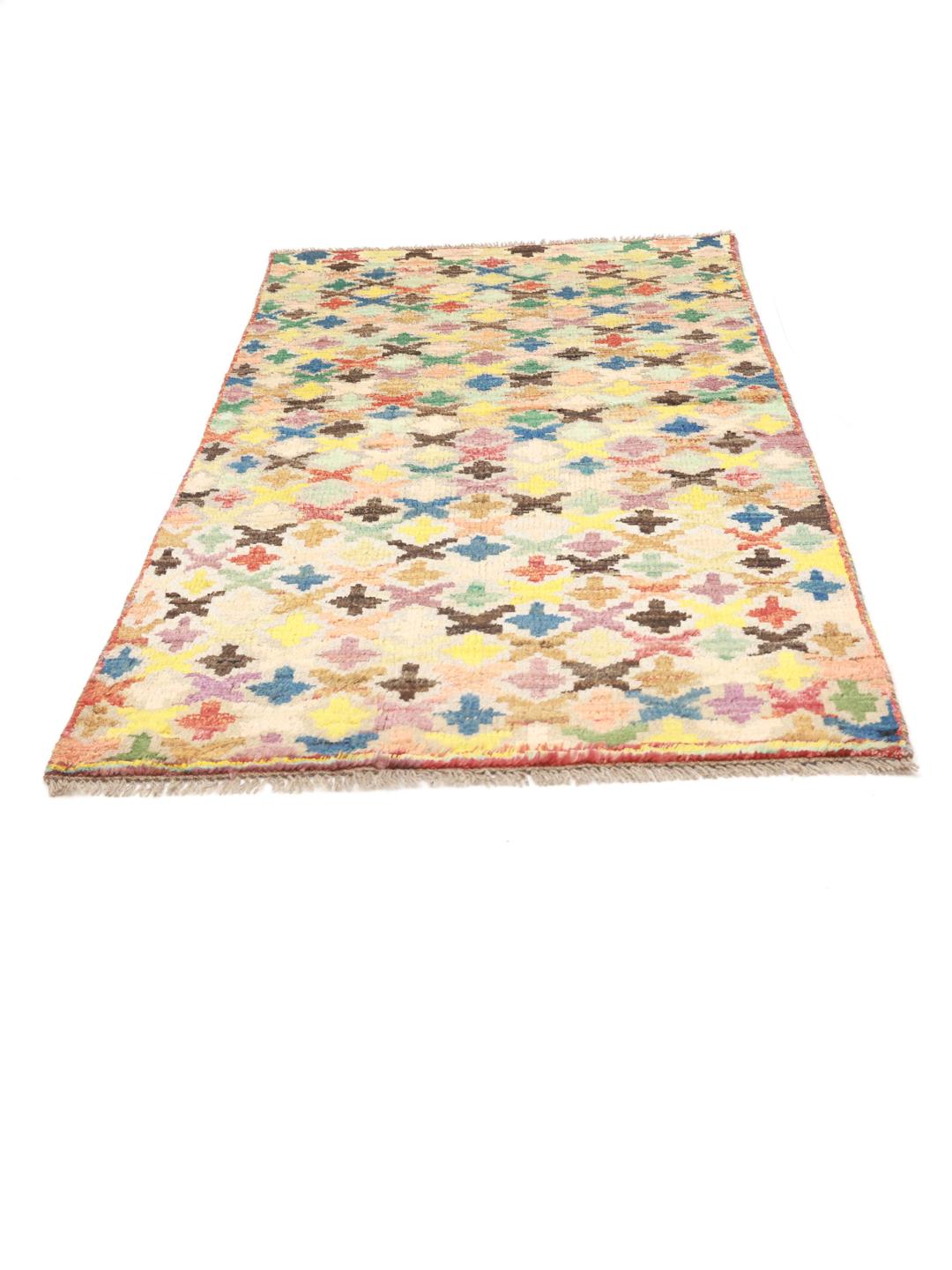
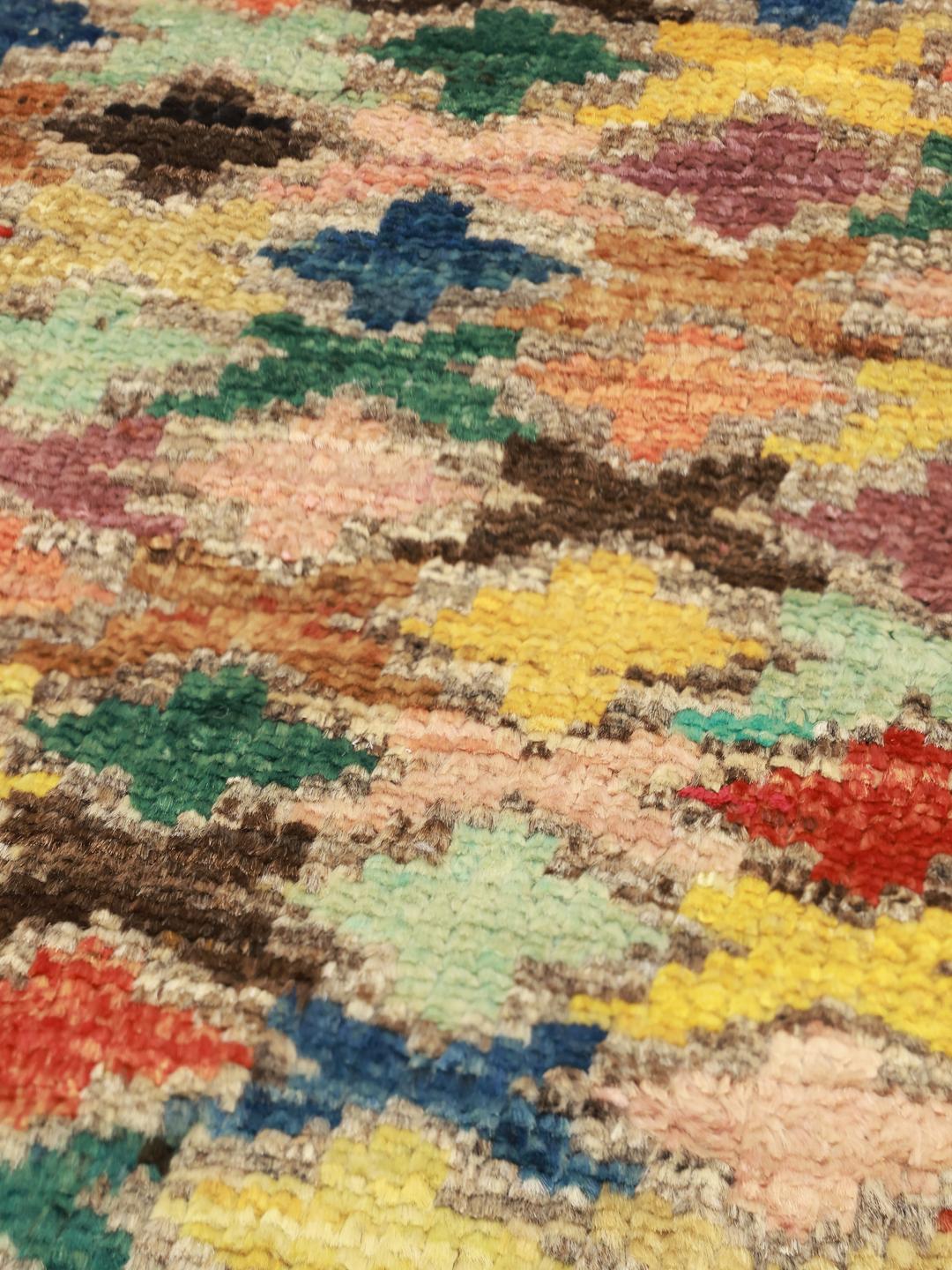
Visually, these rugs are celebrated for their playful use of symbols and colour. While traditional Berber rugs often featured monochromatic or earthy tones, this colourful variation embraces a vibrant palette. The geometric, cross-like motifs seen here are often symbolic, representing protection or community, and are arranged in a rhythmic, repeating pattern that draws the eye.
Owning a rug from this tradition is about more than just decor; it is about connecting with a lineage of makers. These pieces are highly valued by collectors for their blend of spontaneity and structure, representing a lasting commitment to preserving handmade skills in an increasingly automated world.