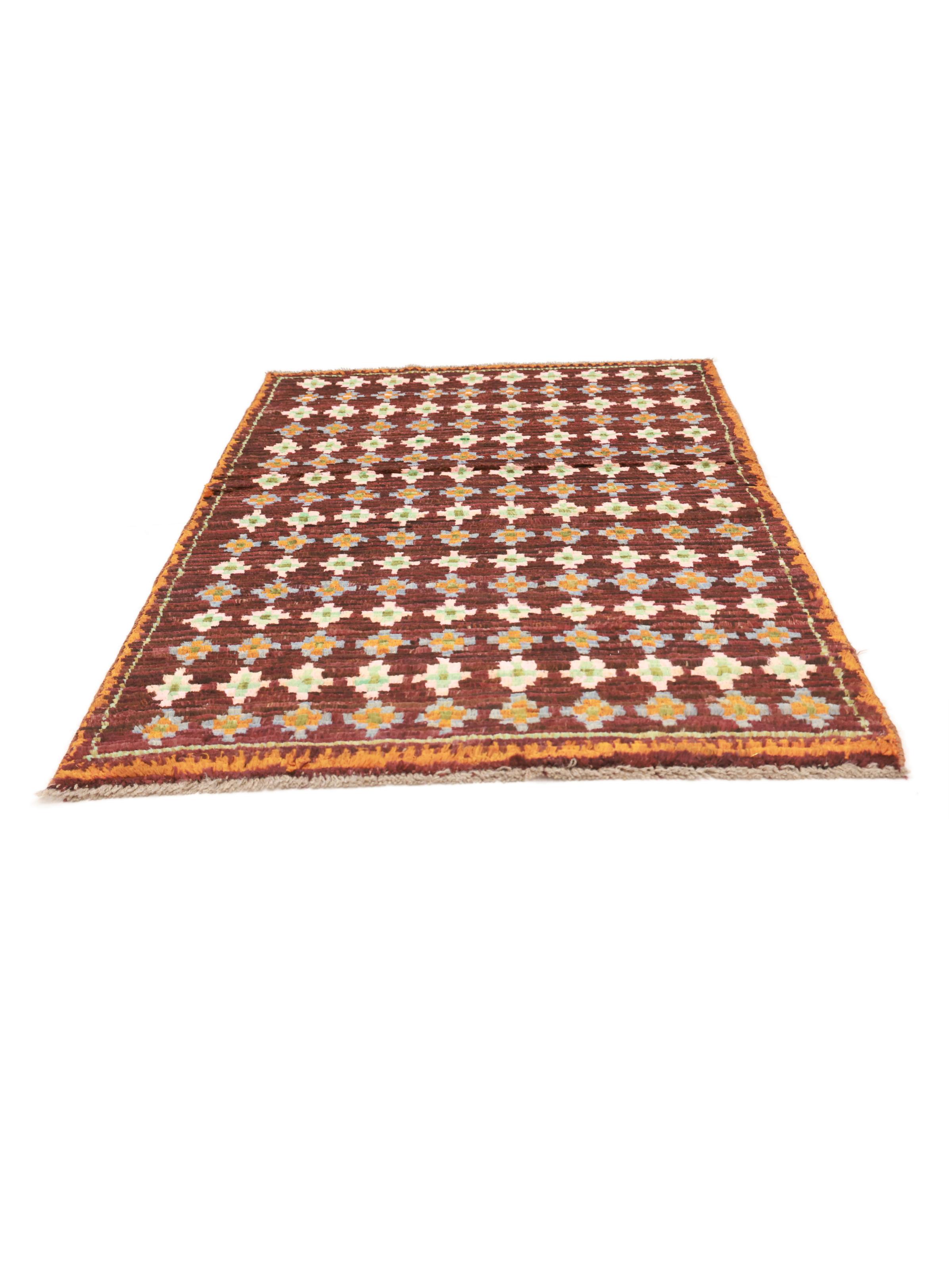
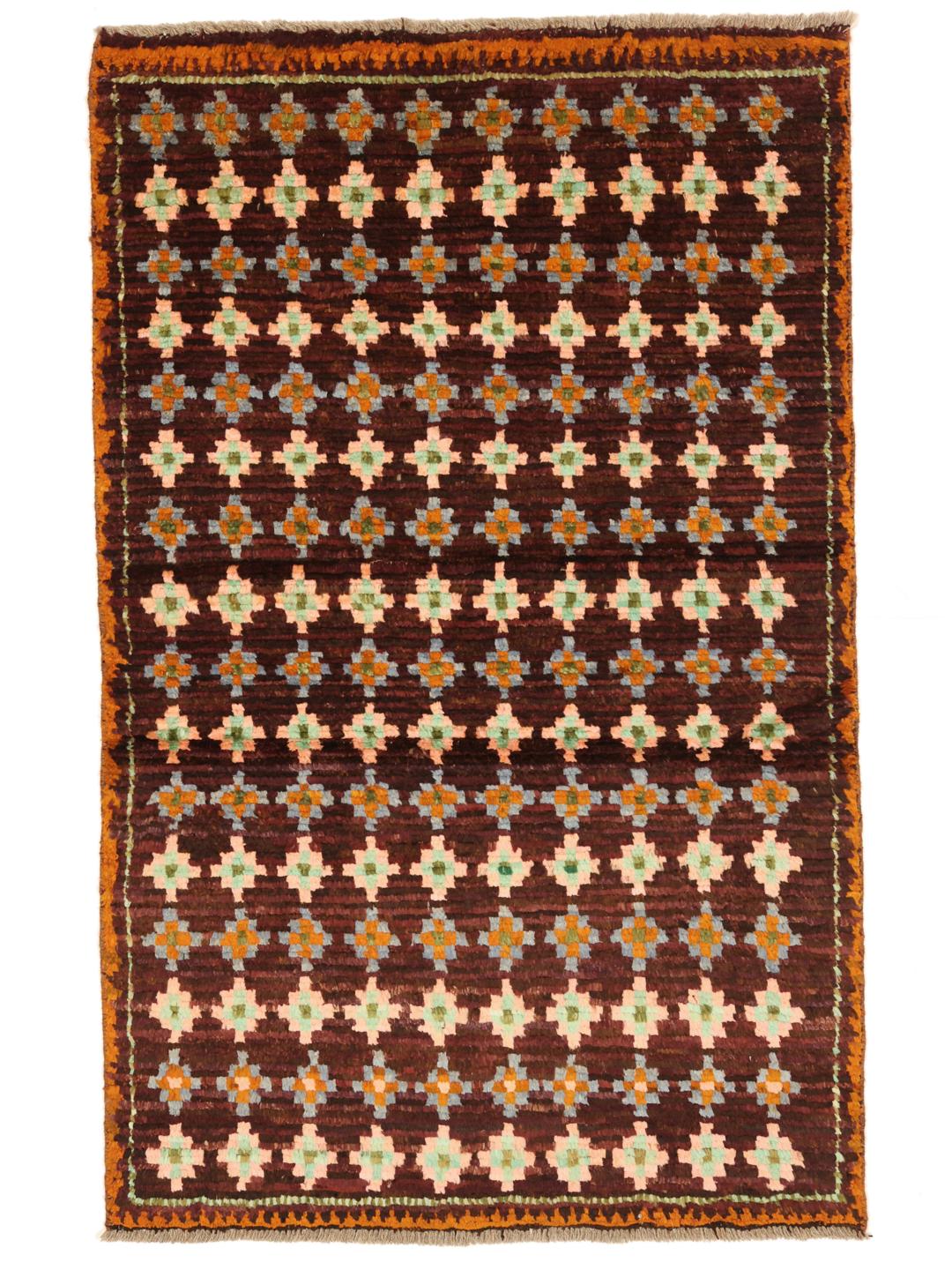
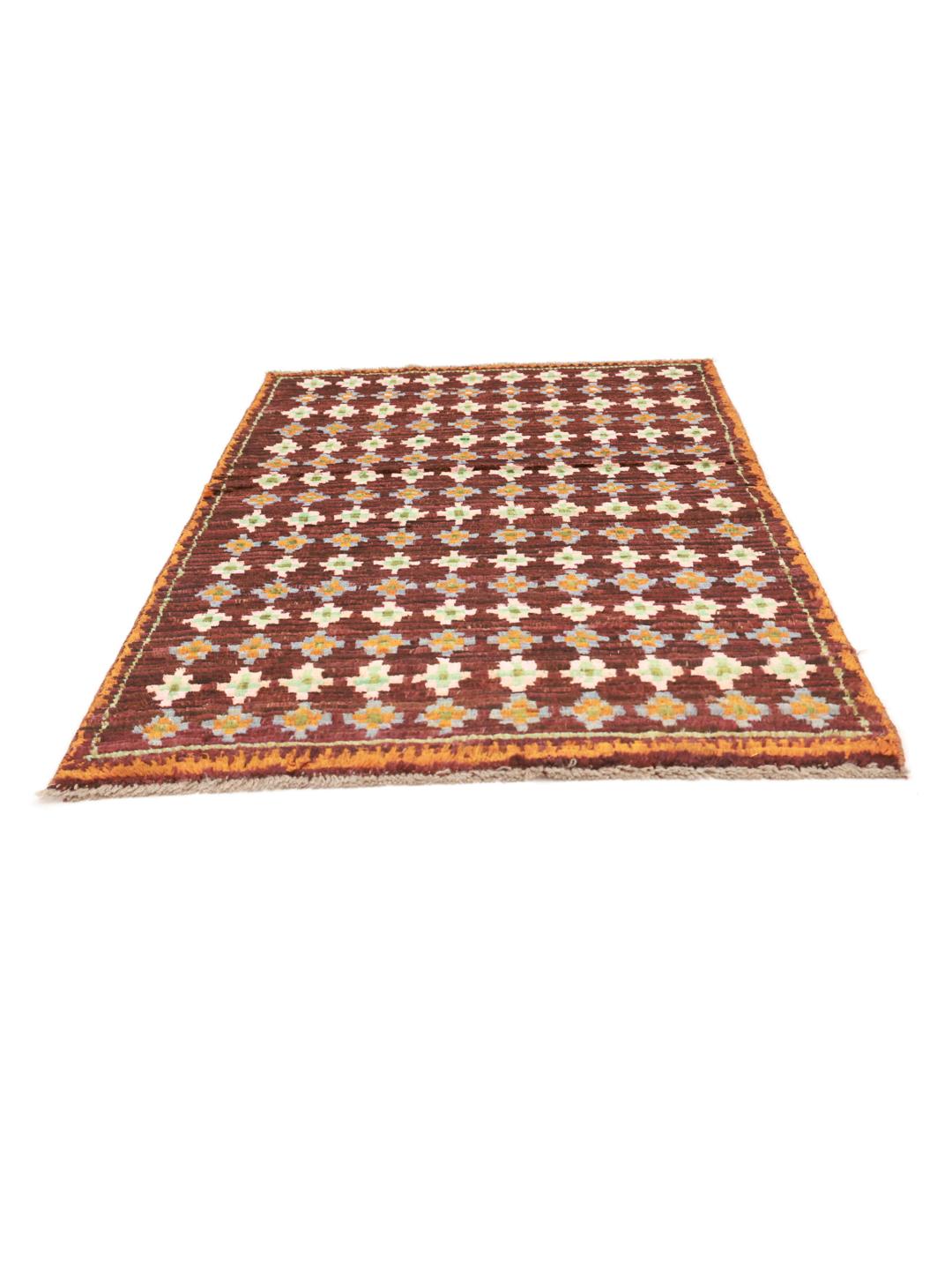
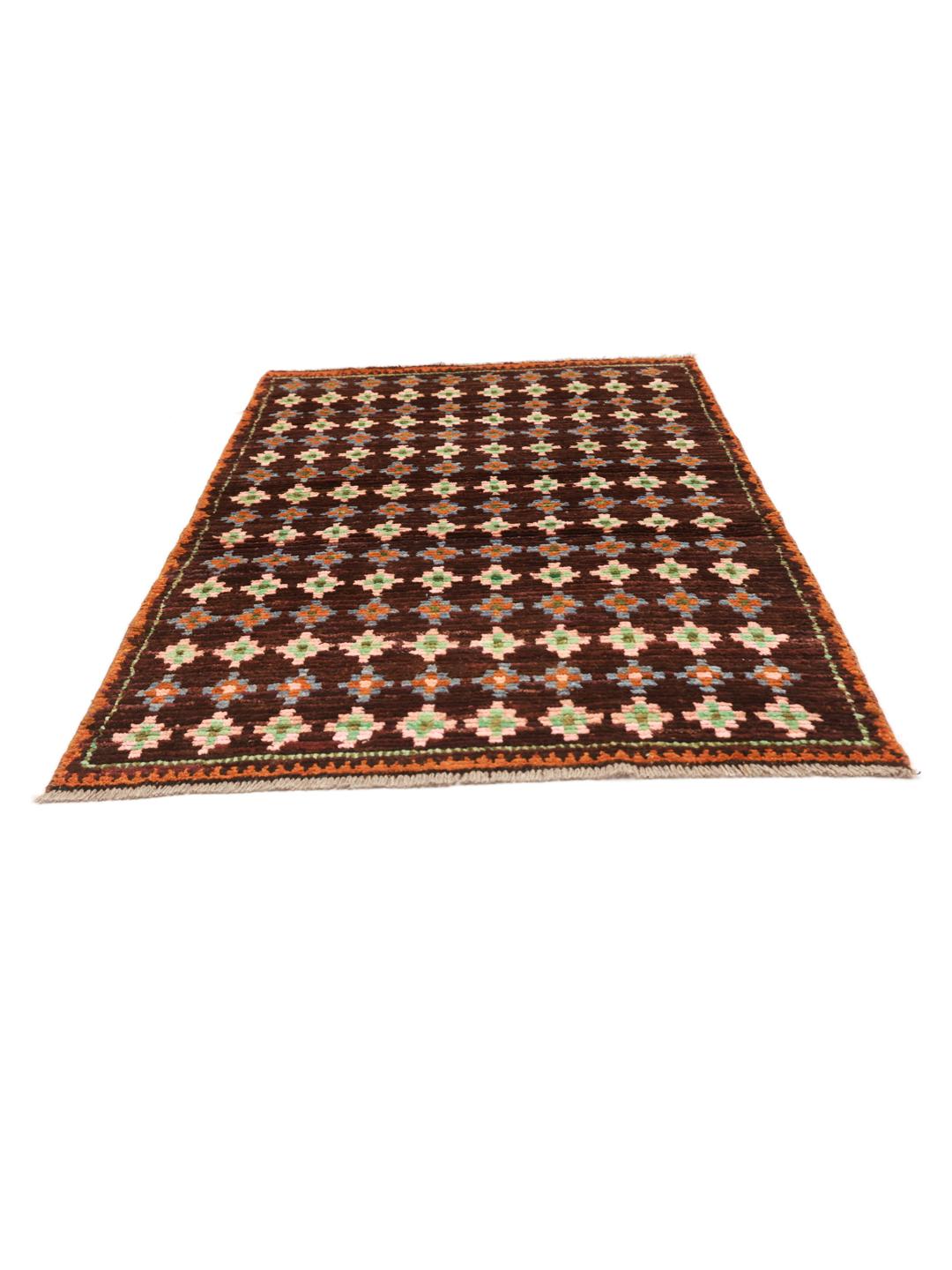
Berber rugs trace their cultural lineage to the indigenous tribes of North Africa, yet the tradition of weaving these distinctive, shaggy, and geometric designs has spread across many regions. In Afghanistan, this style has been embraced and adapted, blending local weaving expertise with the classic, bold aesthetic that defines the Berber look.
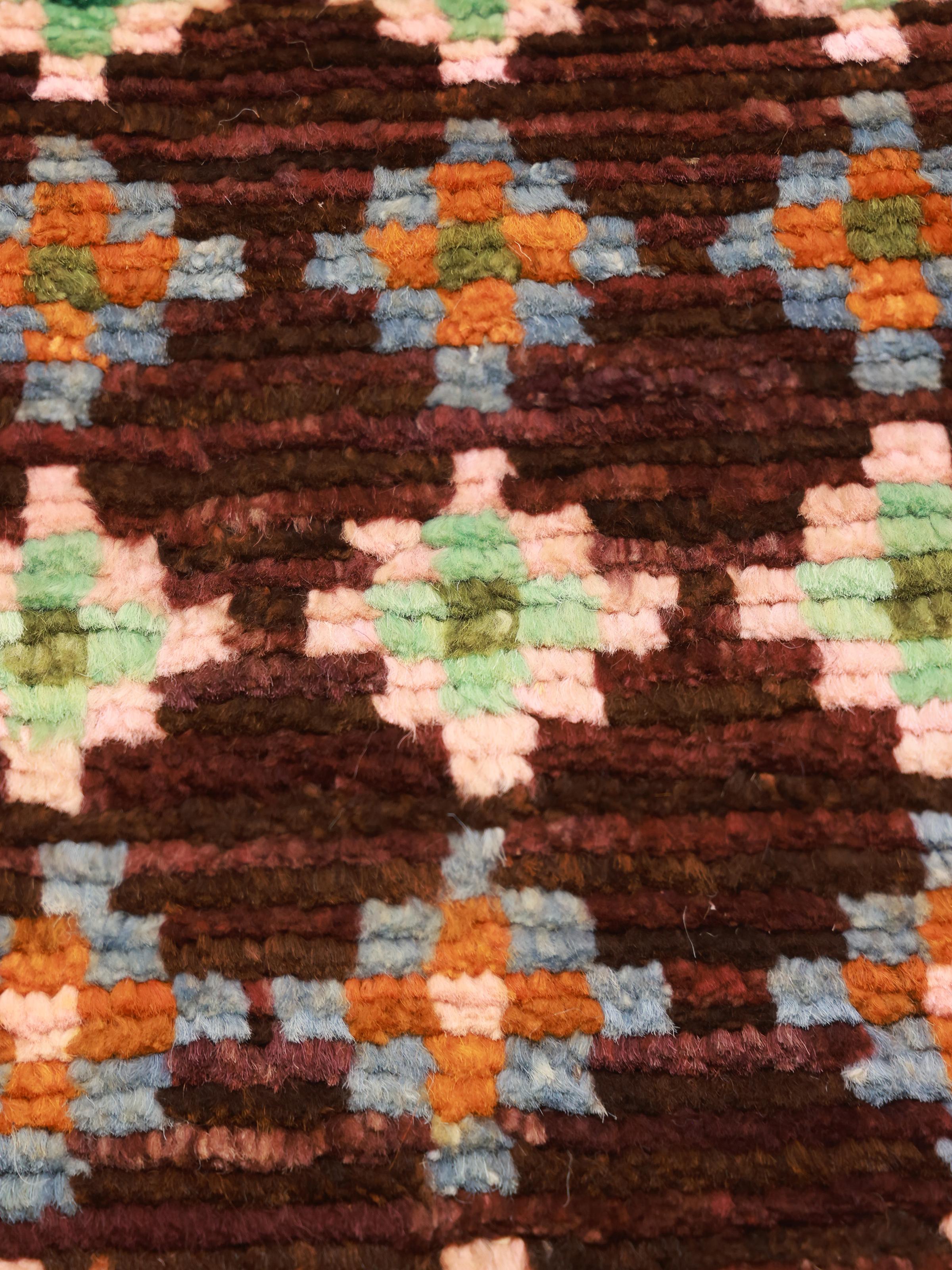
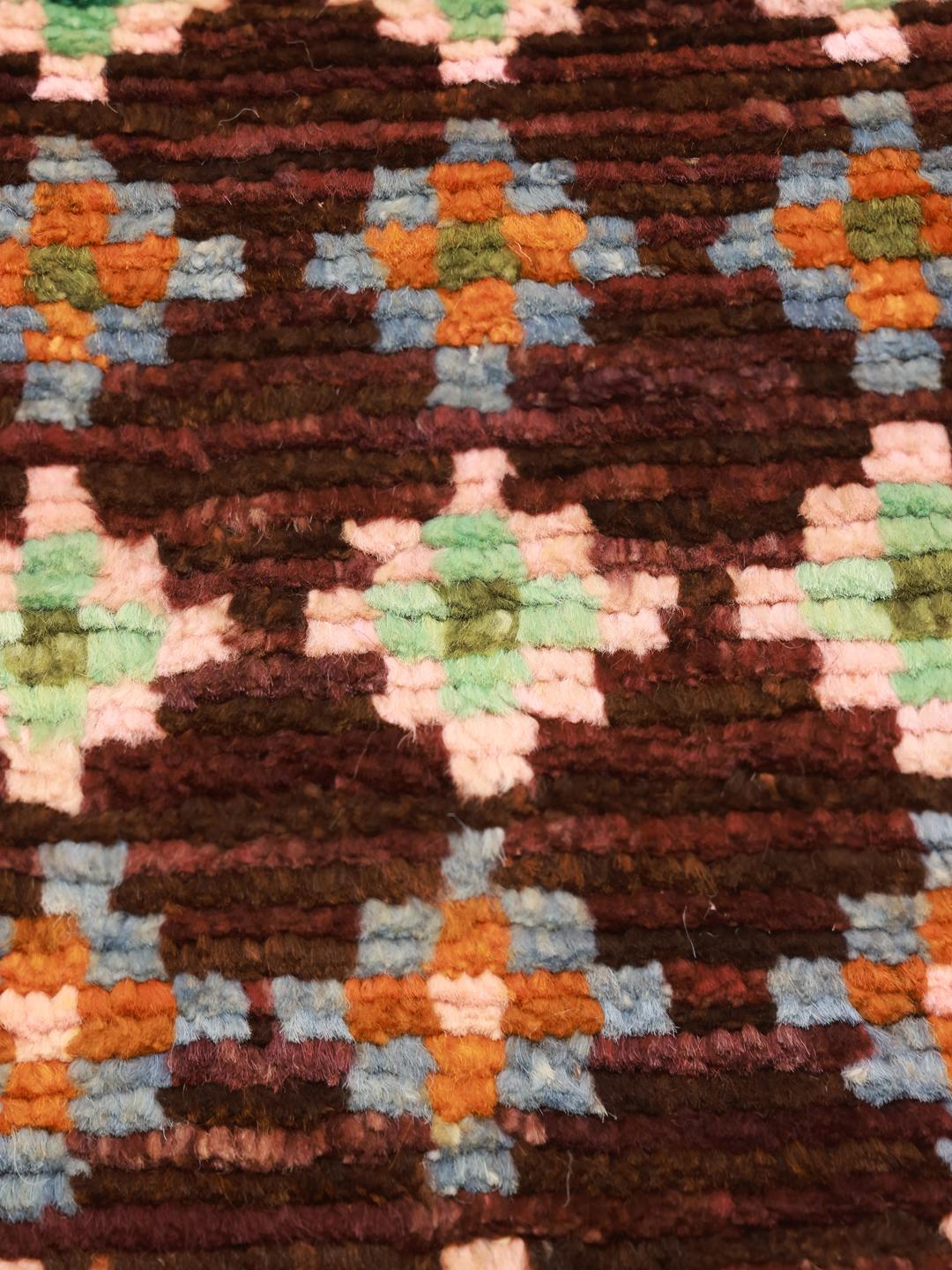
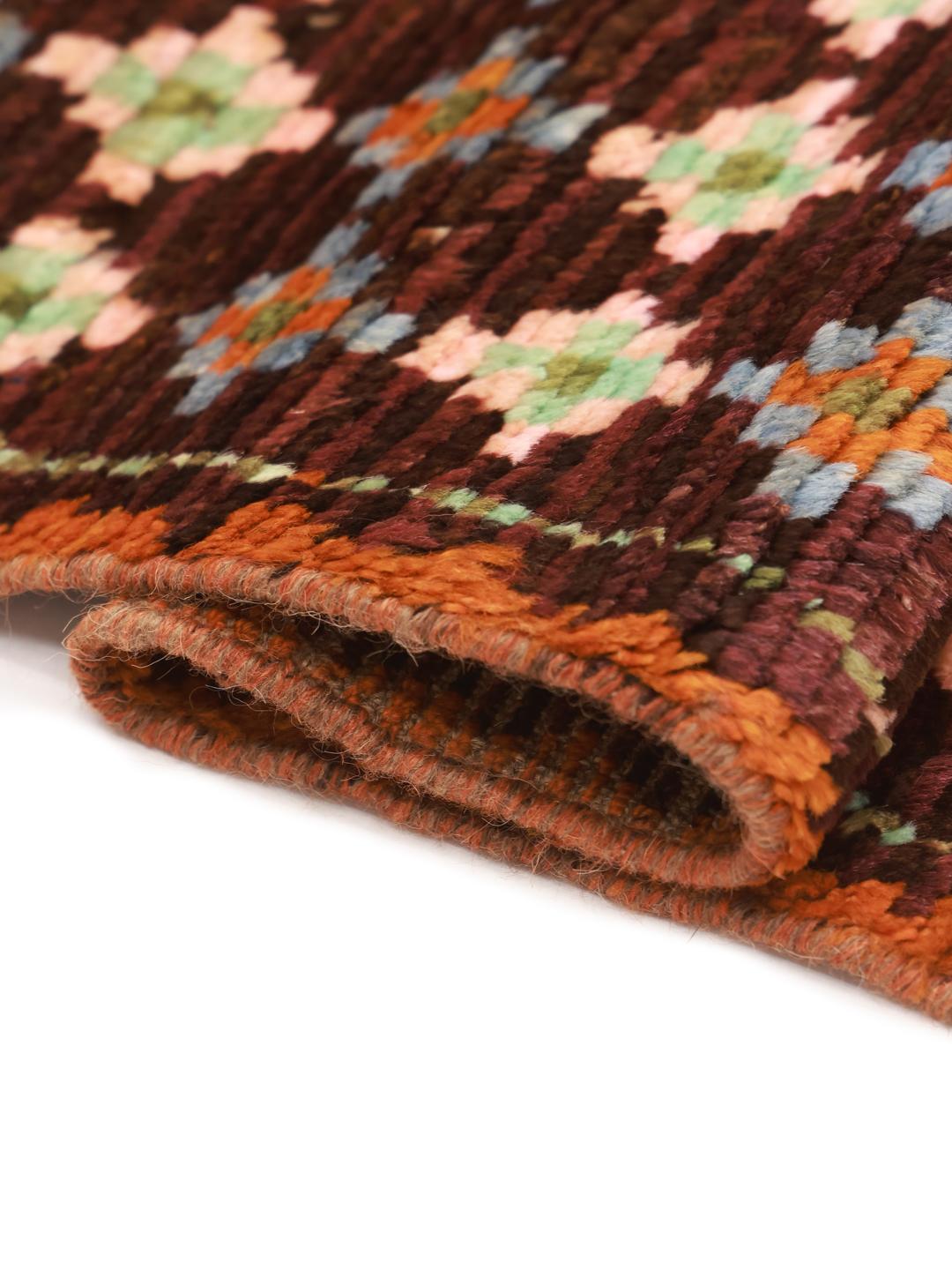
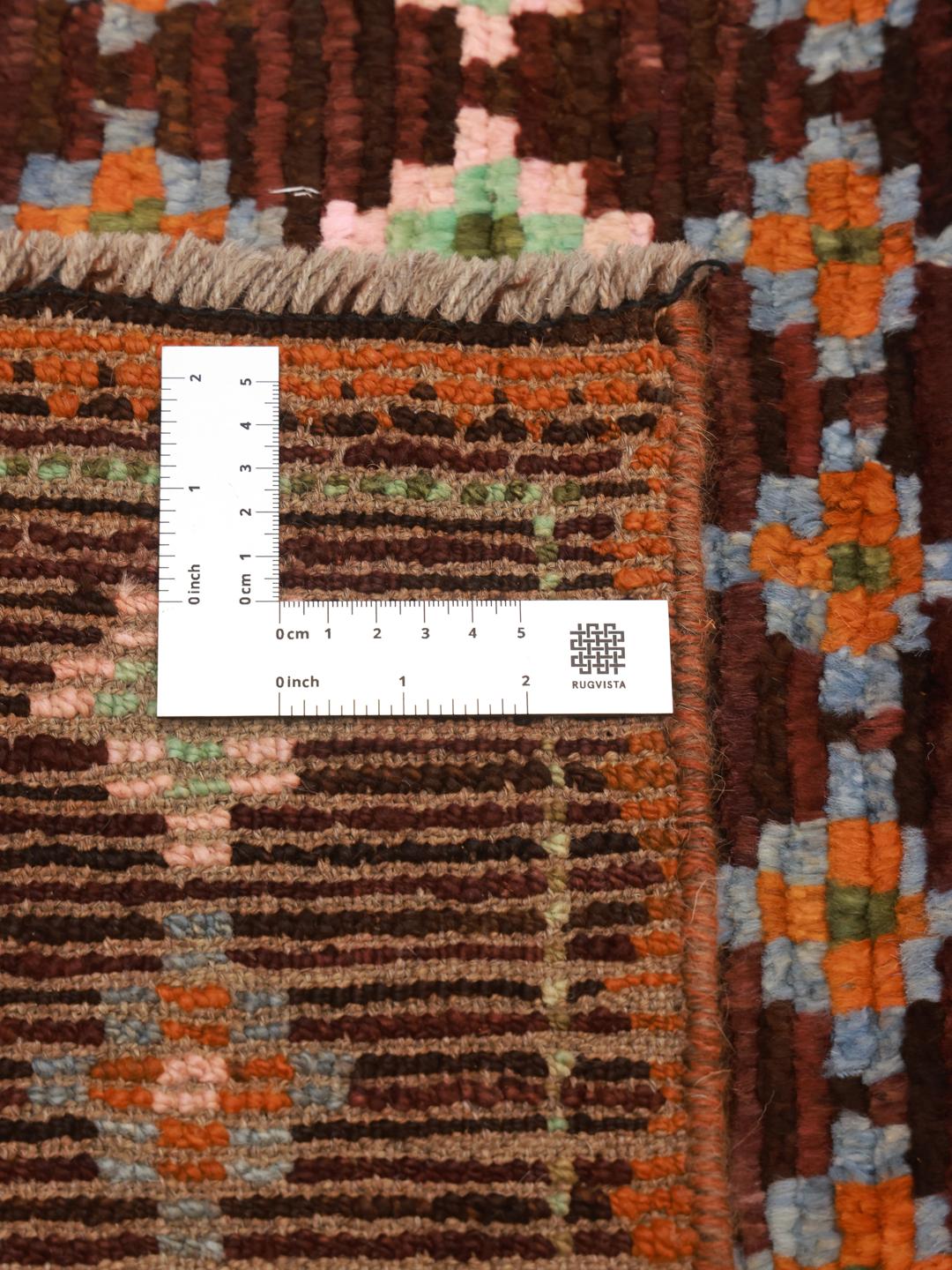
The term 'Berber' often refers to the specific, tactile nature of the Wool and the use of hand-spun fibres that retain natural lanolin. This creates a lustrous, resilient surface that is both soft to the touch and highly durable. The technique of hand-knotting ensures that the rug maintains its shape and structural integrity, a hallmark of high-quality traditional craft.
Visually, these rugs are celebrated for their focus on geometric symbolism. The motifs often represent tribal stories, protection, or the natural world, arranged in balanced, repetitive rows that provide a sense of order. The use of deep, earthy backgrounds paired with vibrant, contrasting colours is a signature of this tradition, designed to bring warmth and life into a room.
Collecting a hand-knotted rug from this tradition is an investment in cultural heritage and human skill. By choosing a piece like this, you are preserving an ancient craft that values patience, tradition, and the unique expression of the weaver. It is more than a floor covering; it is a storied object that connects your home to a long, global history of textile art.