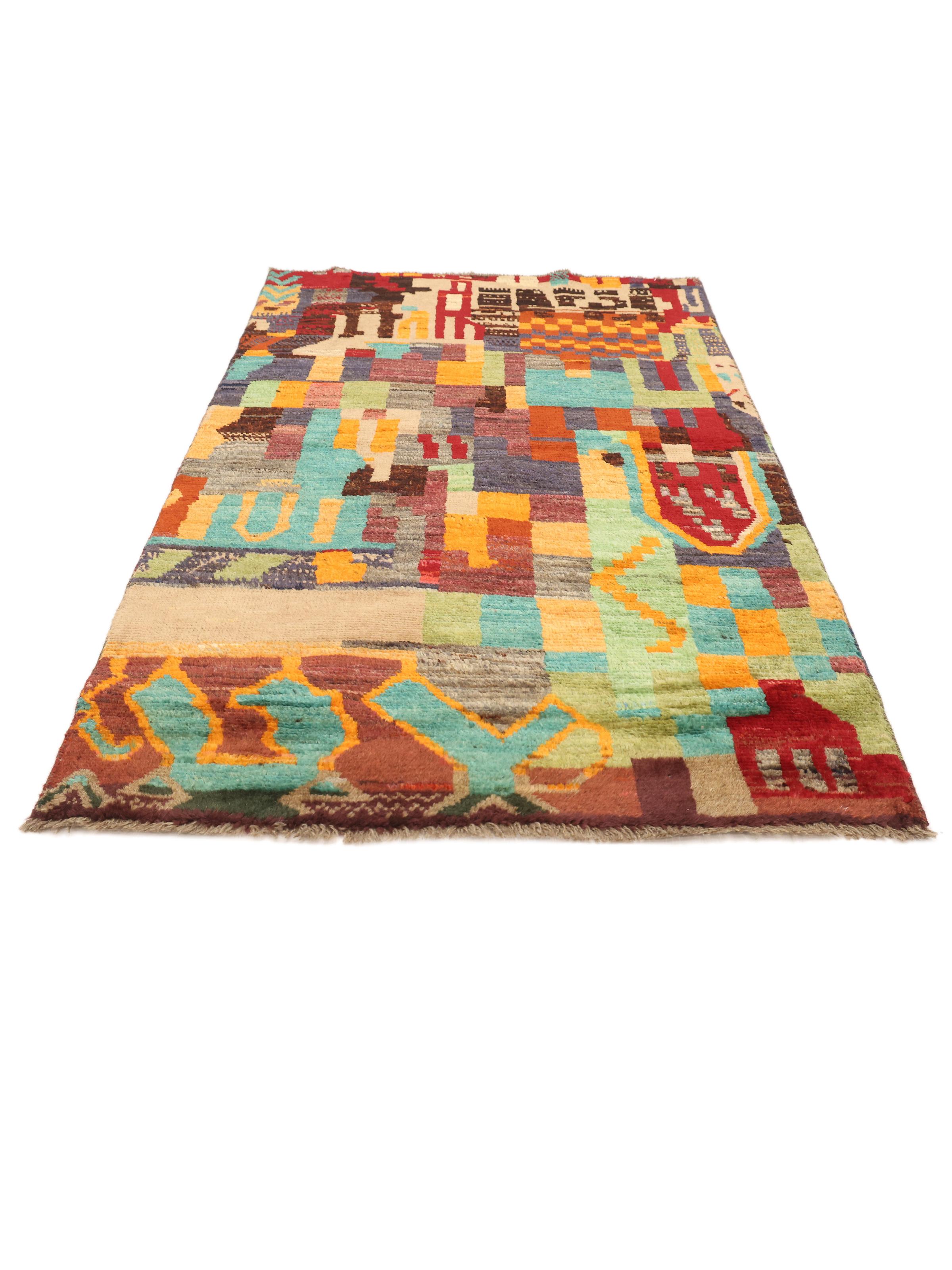
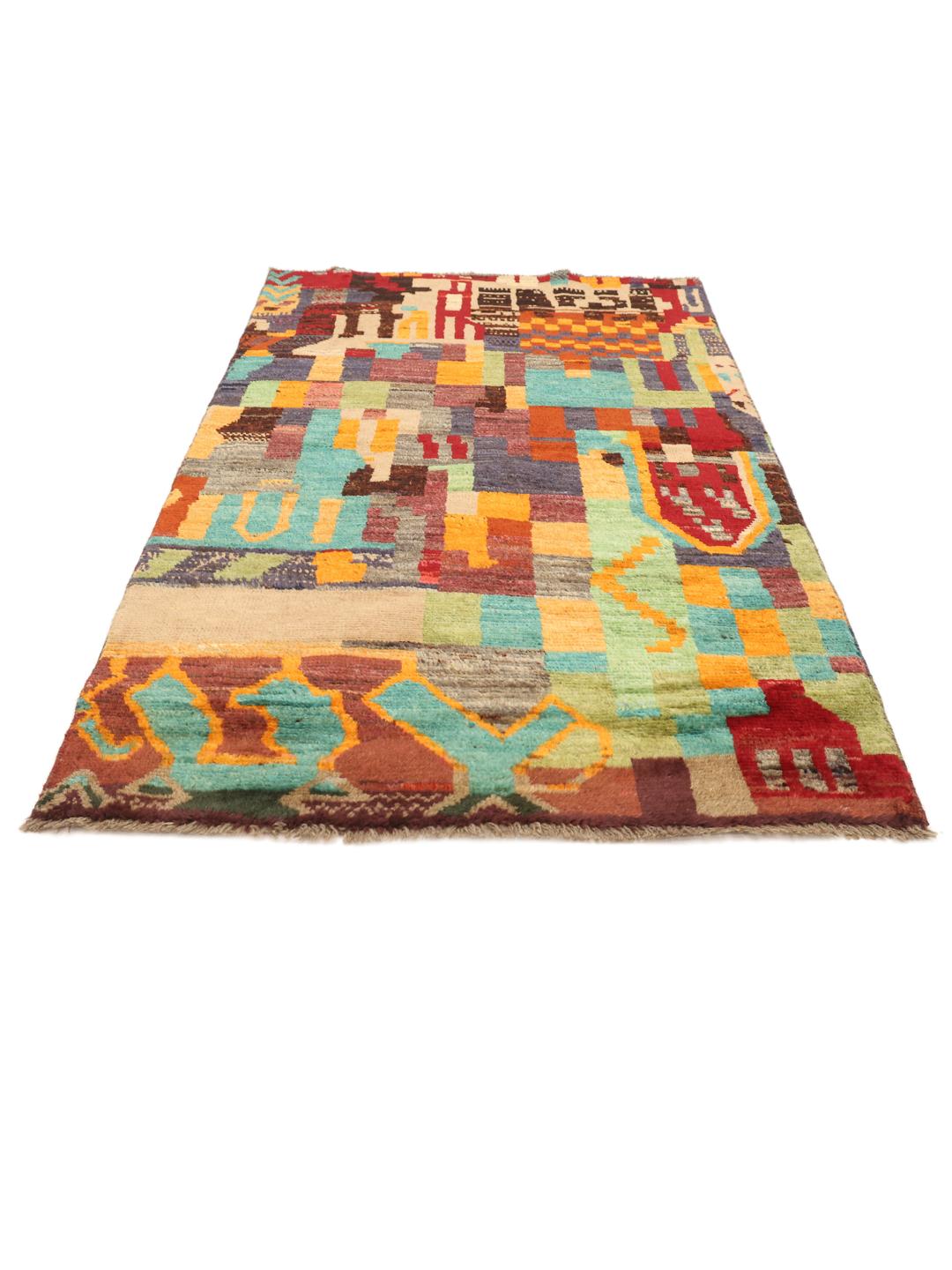
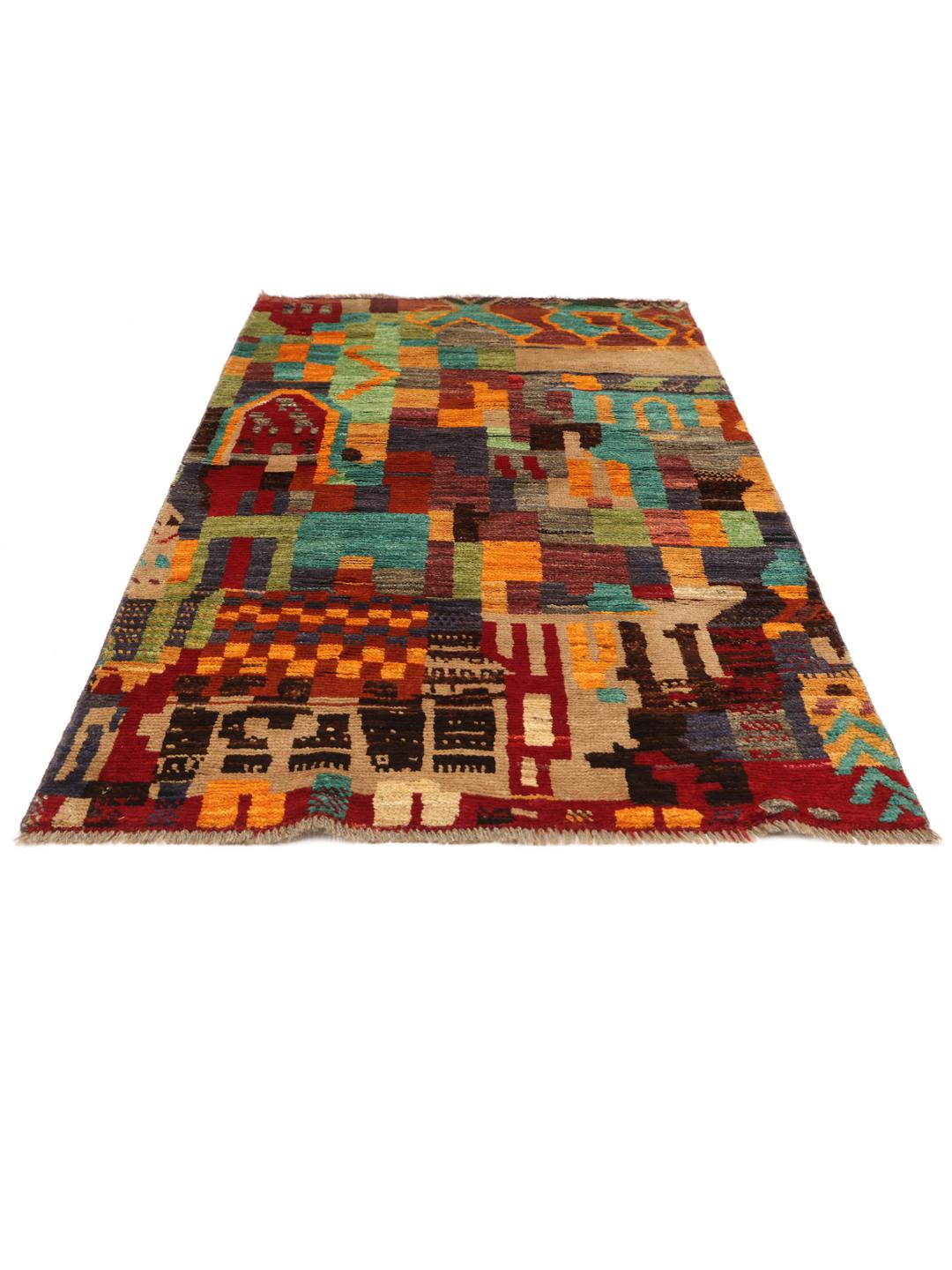
The tradition of weaving in Afghanistan is deeply rooted in the history of the Central Asian steppes, where nomadic tribes developed distinct styles to create functional, portable art. Over generations, these weaving methods have evolved, blending ancient tribal motifs with more modern, expressive aesthetics that prioritise bold colour and individual creativity.
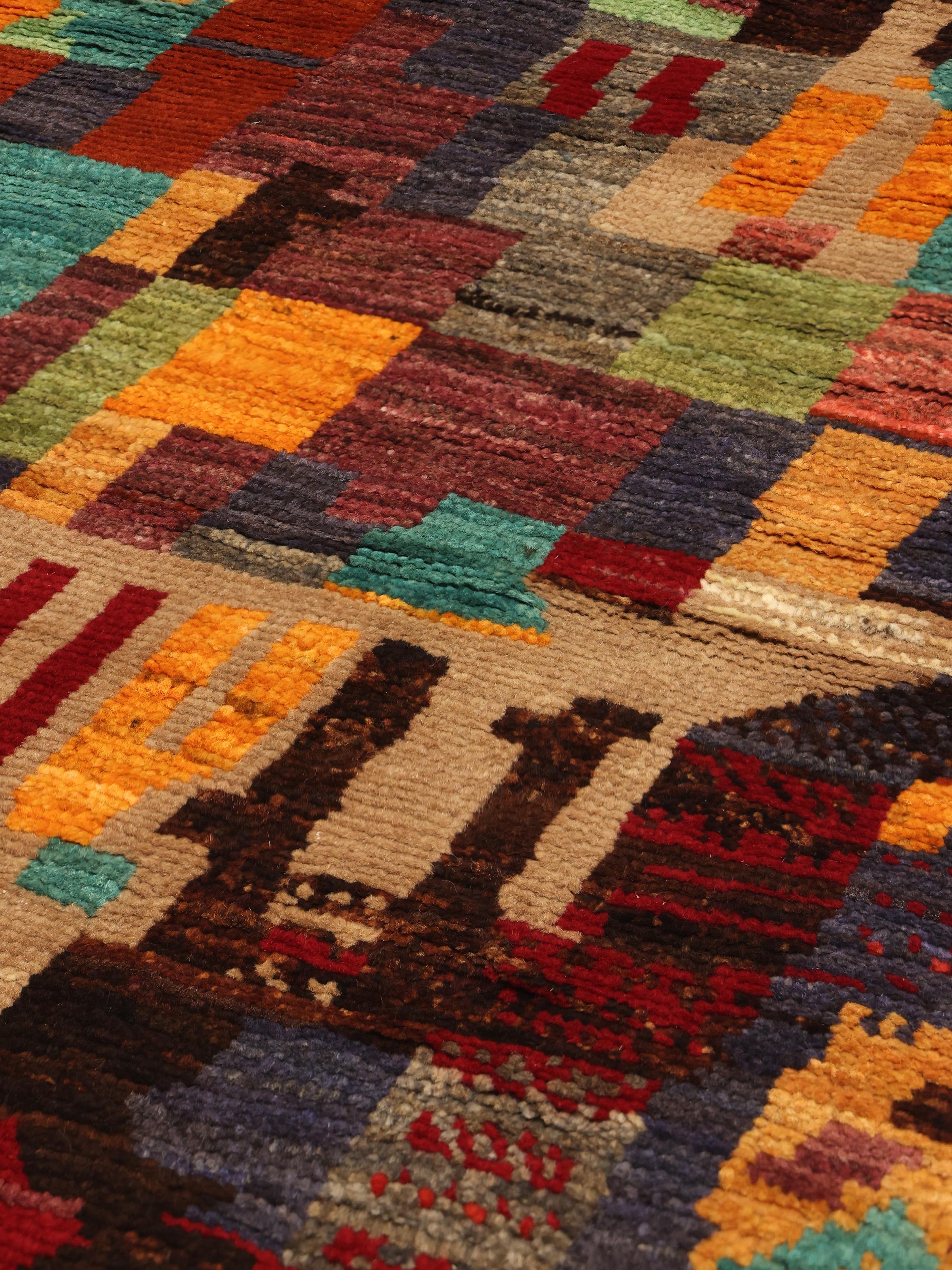
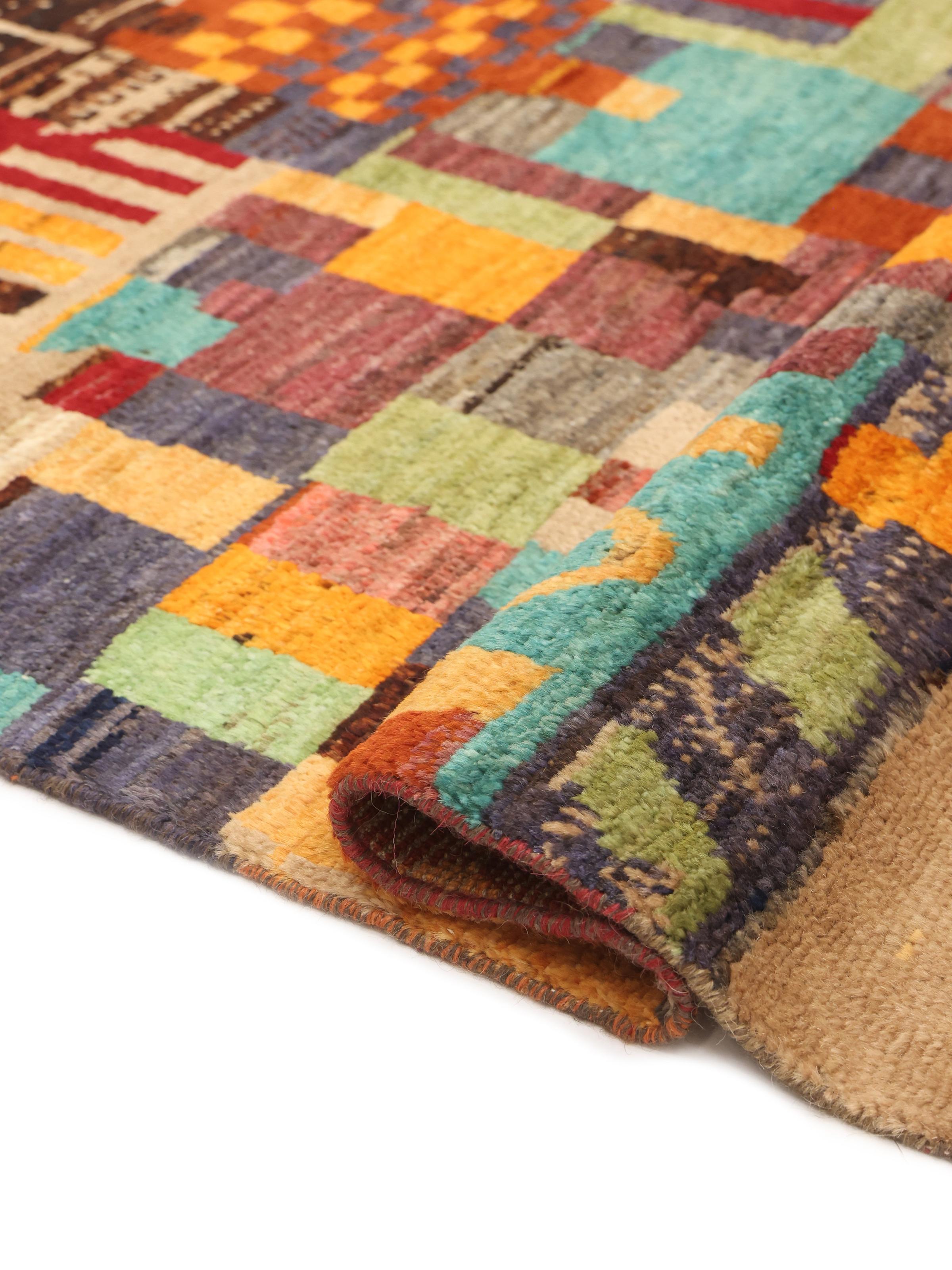
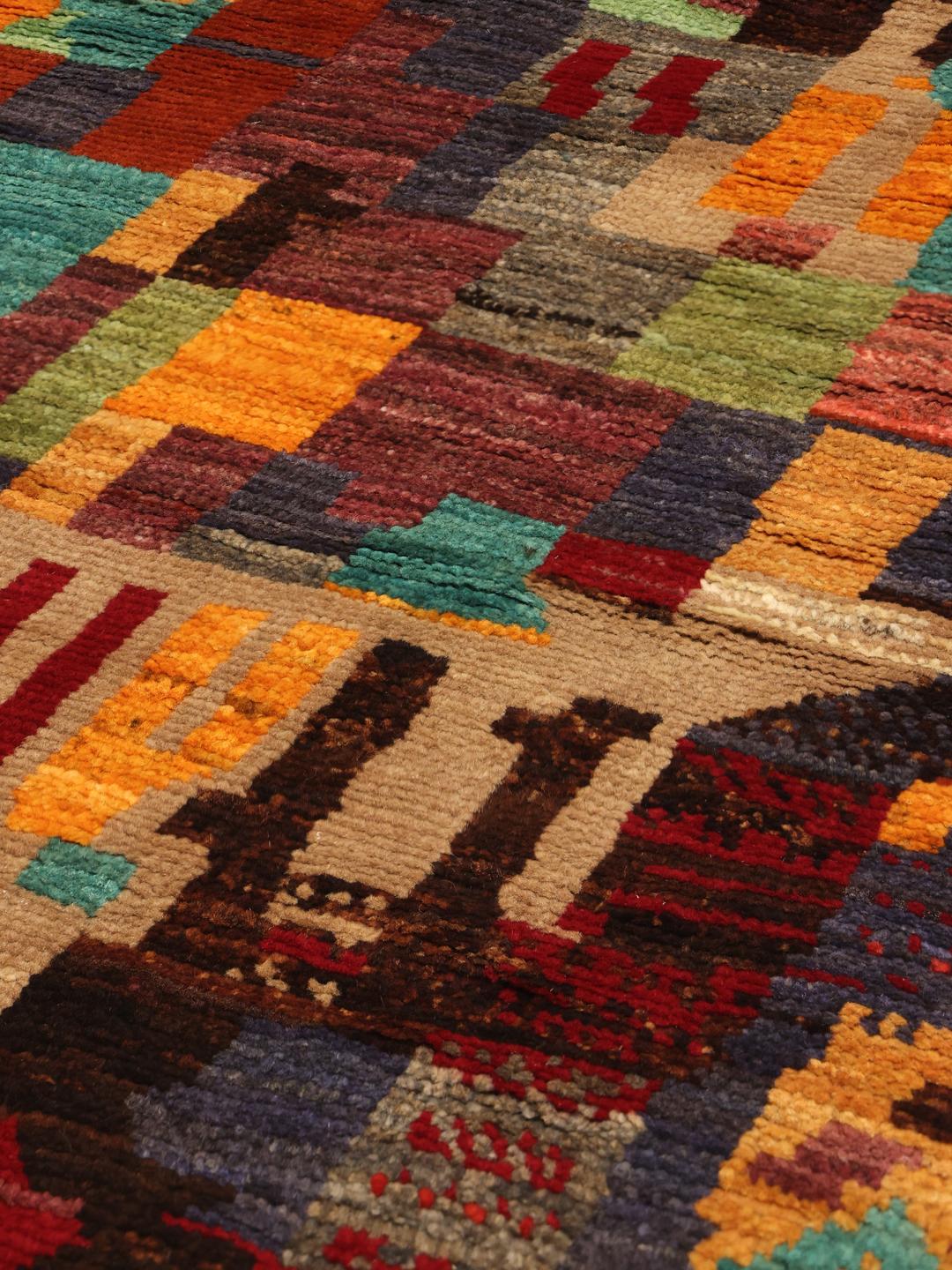
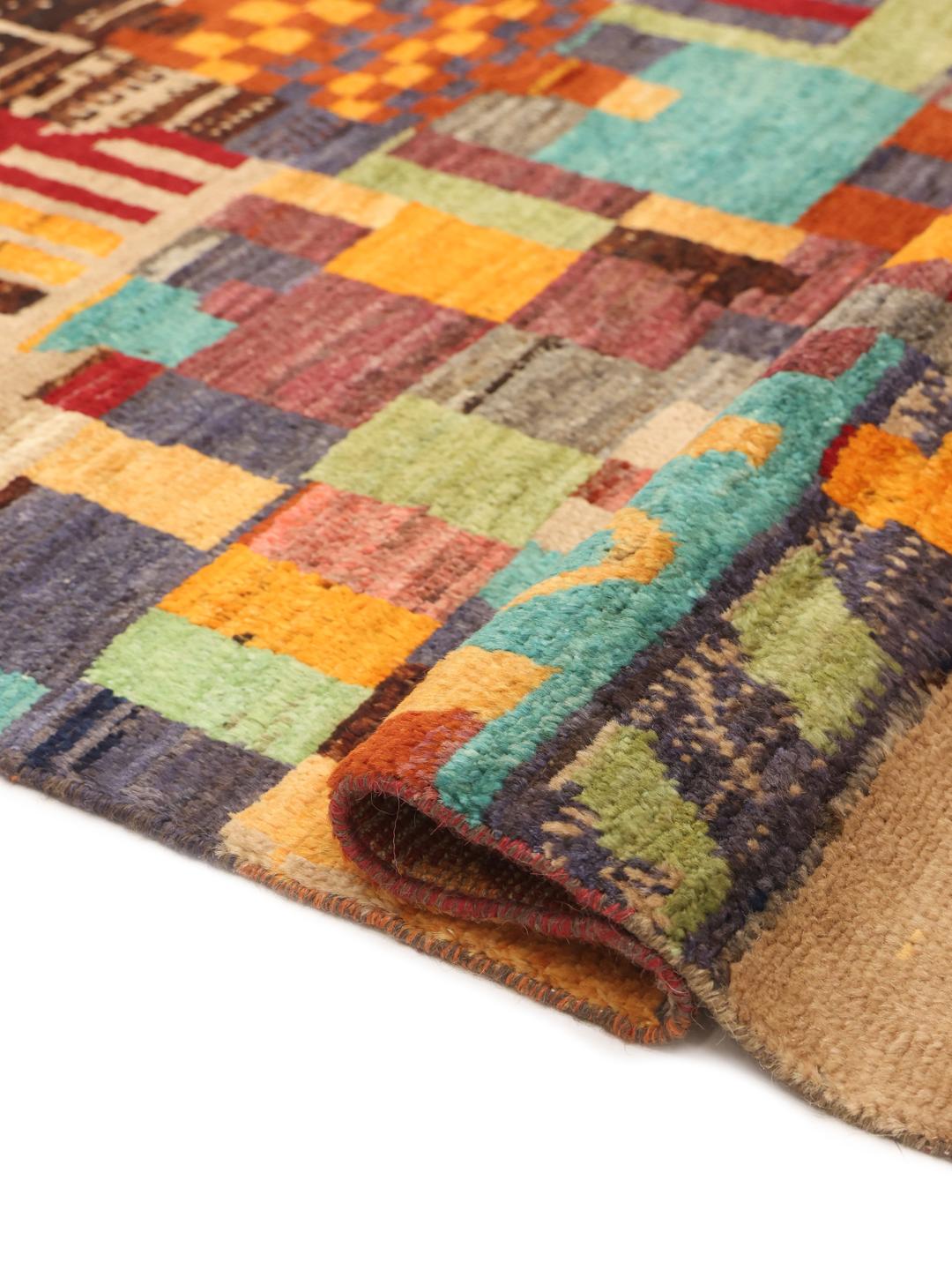
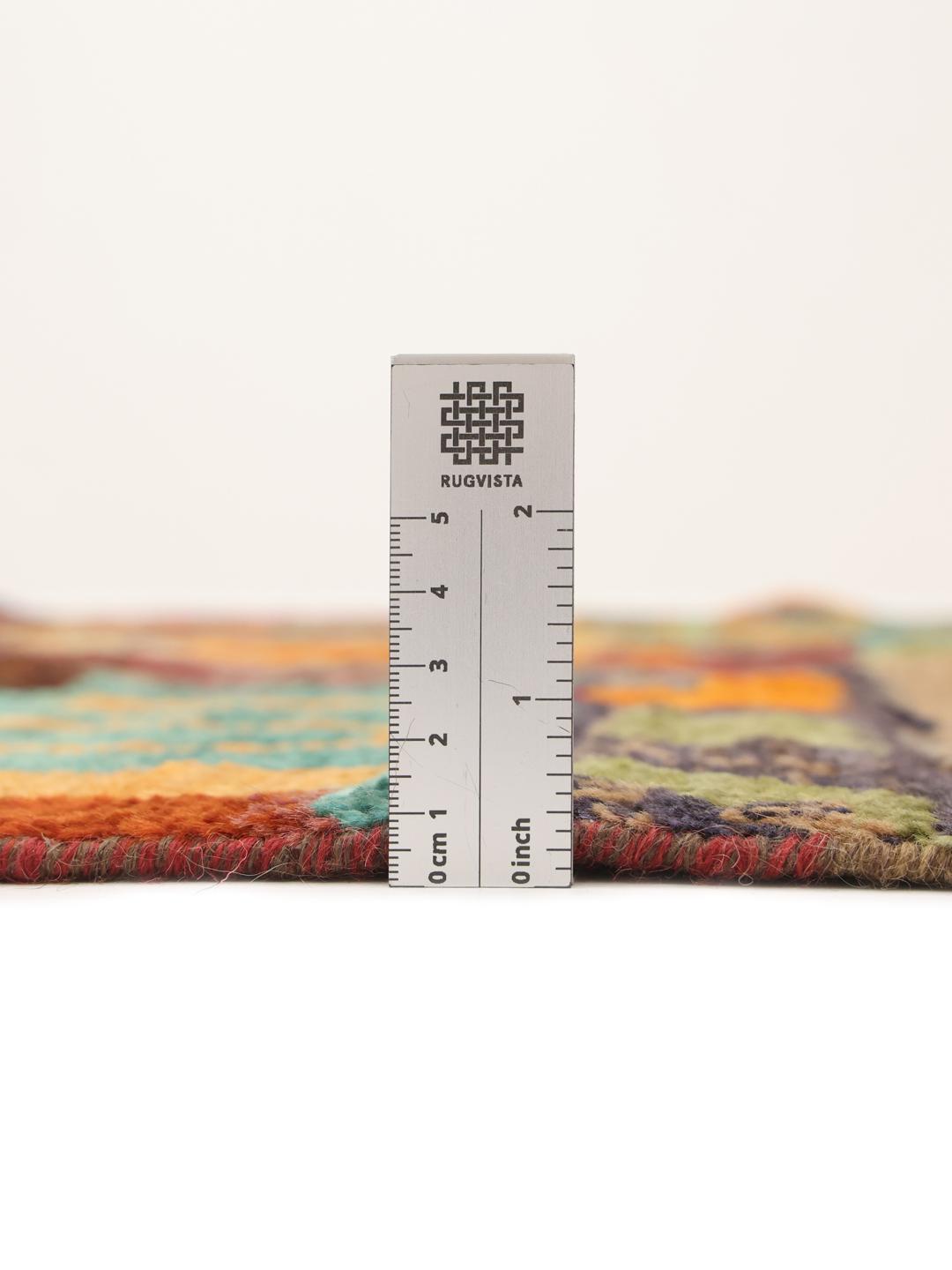
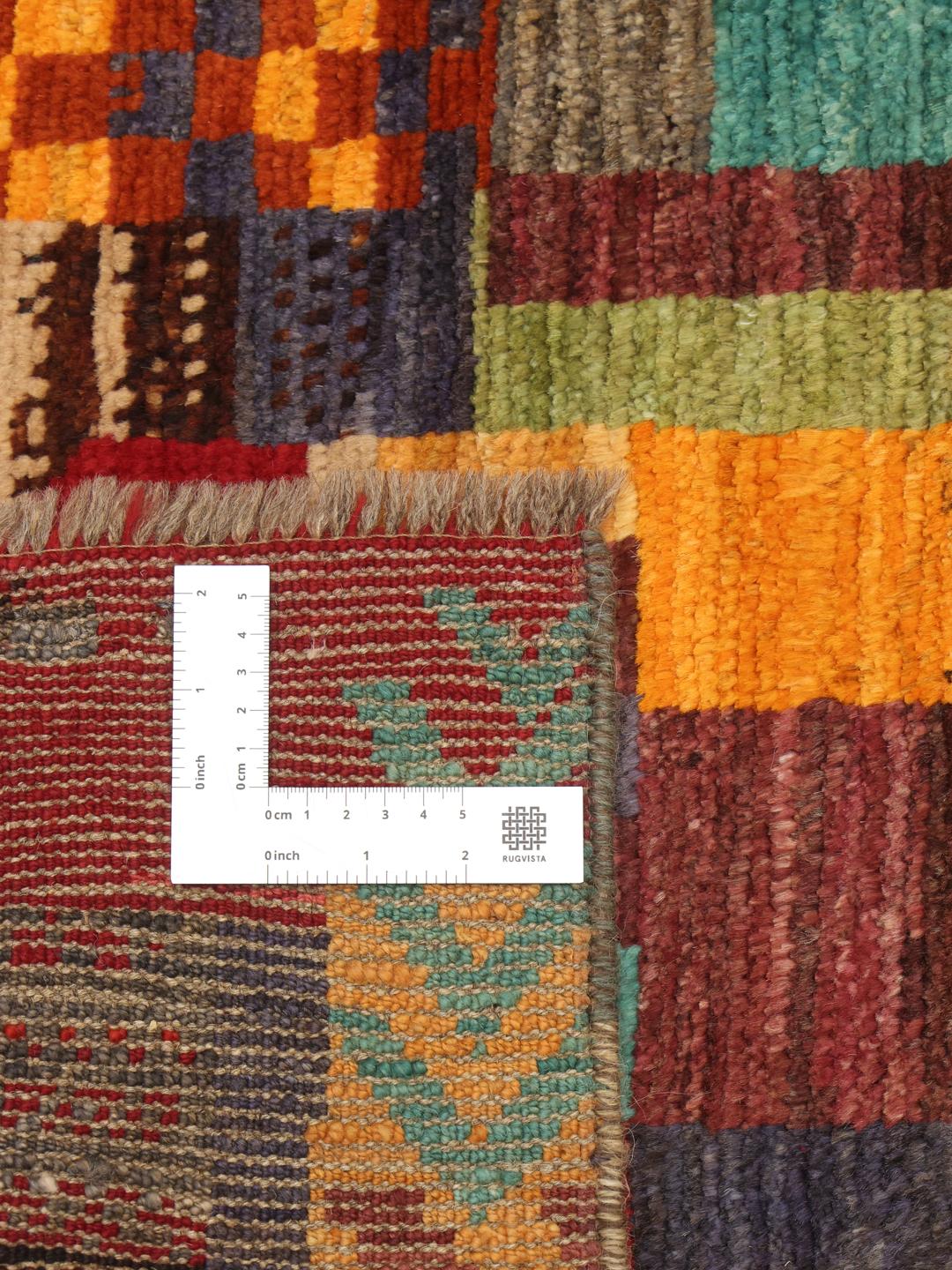
The term hand-knotted refers to the technique where each piece of yarn is tied by hand onto the warp threads. This method is the hallmark of quality in the region, as it allows for a much denser and more complex pile than other methods. This density is what gives the rug its weight and longevity, ensuring it remains an heirloom-quality object.
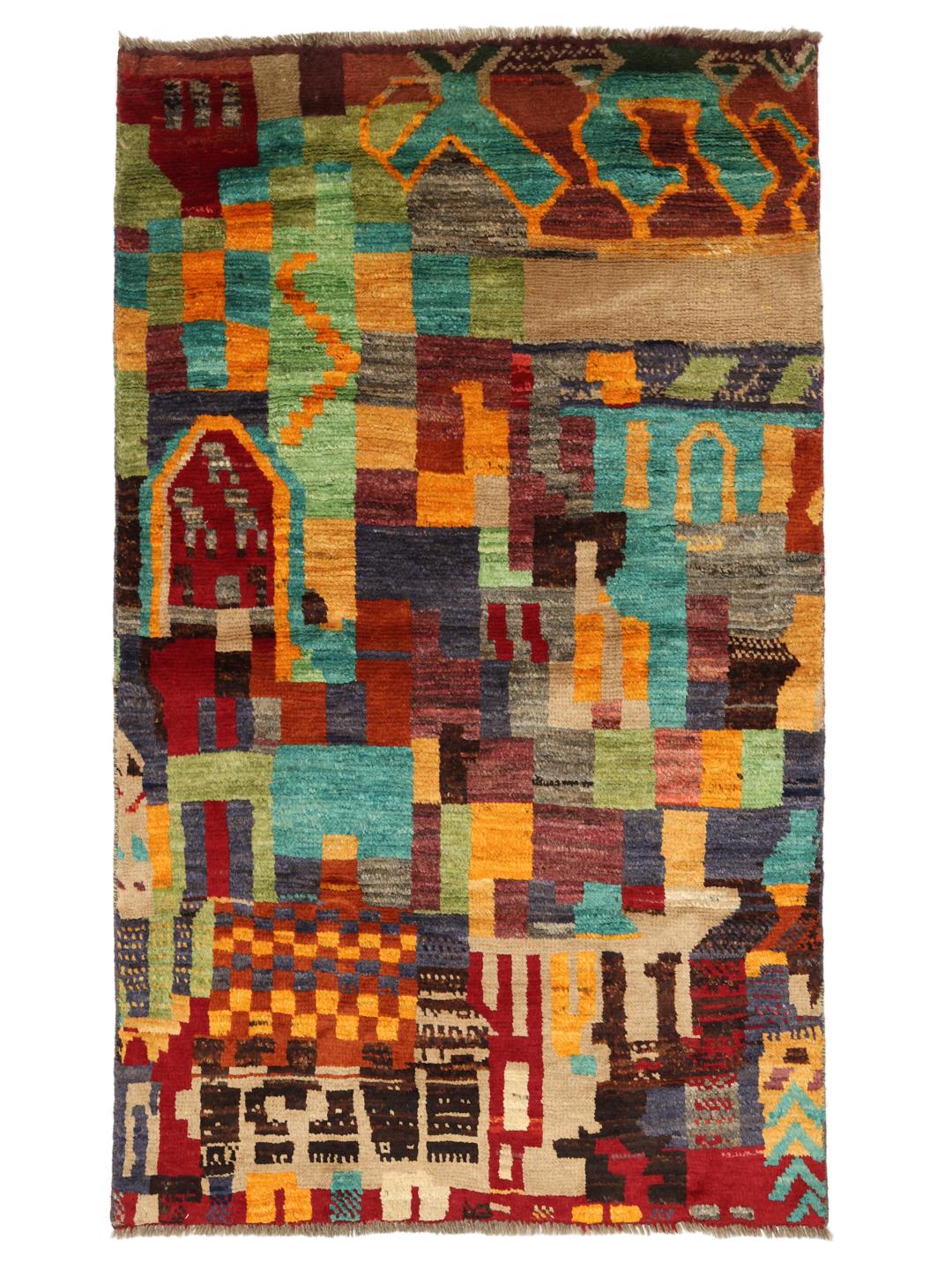
Visually, these rugs are often defined by their non-traditional, artistic compositions. While some traditions rely on strict symmetry, this style embraces a more free-form, abstract approach, using a wide spectrum of colours to create patterns that feel both spontaneous and deeply considered. The borderless or creatively framed designs often mirror the natural landscapes of the region.
Collecting a rug from this tradition is an investment in cultural preservation. By choosing a hand-knotted piece, you are supporting a lineage of craft that has survived through changing eras. It is a way of bringing a piece of living history into your home, where the skill of the weaver is honoured in every fibre.