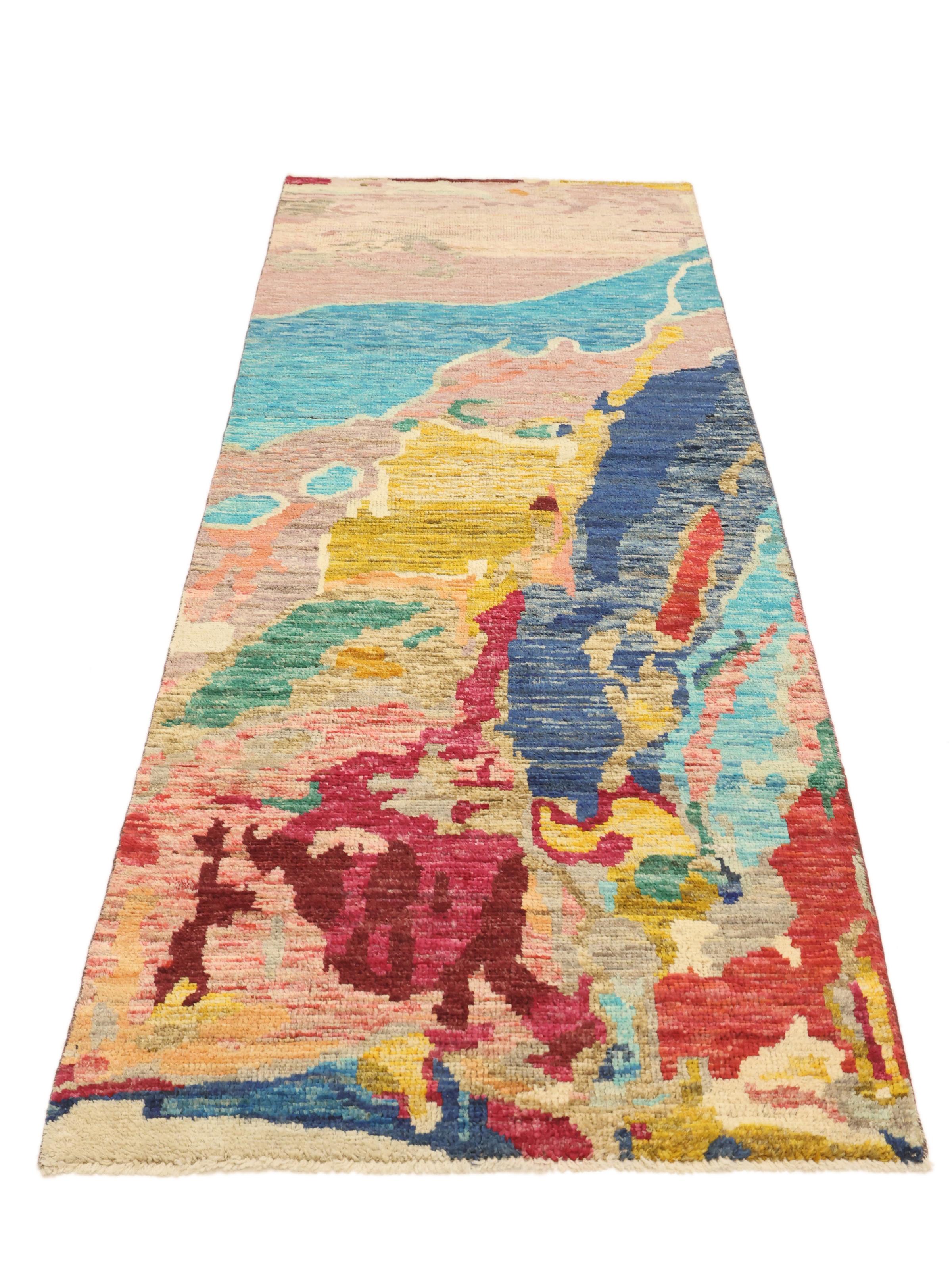
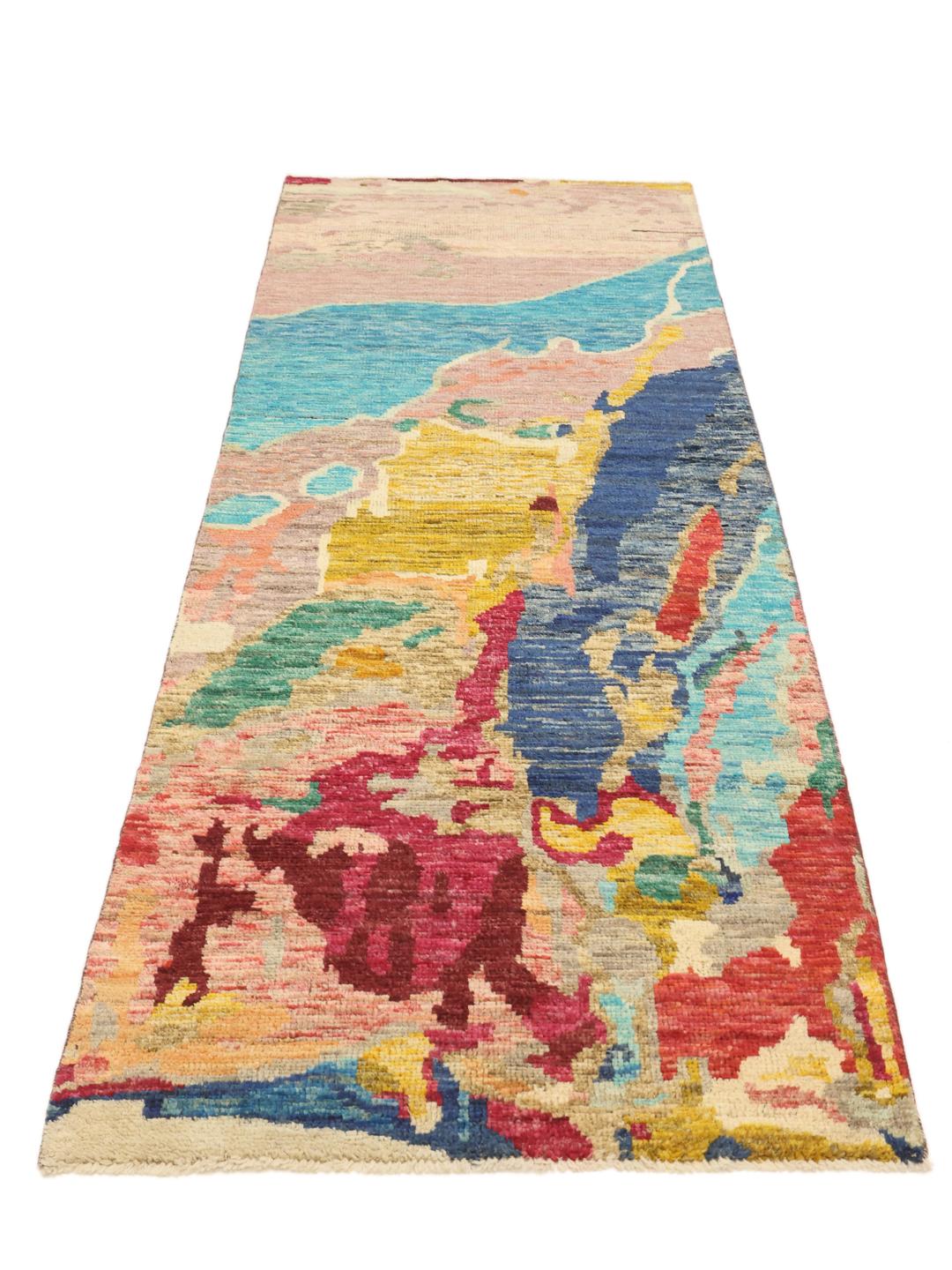
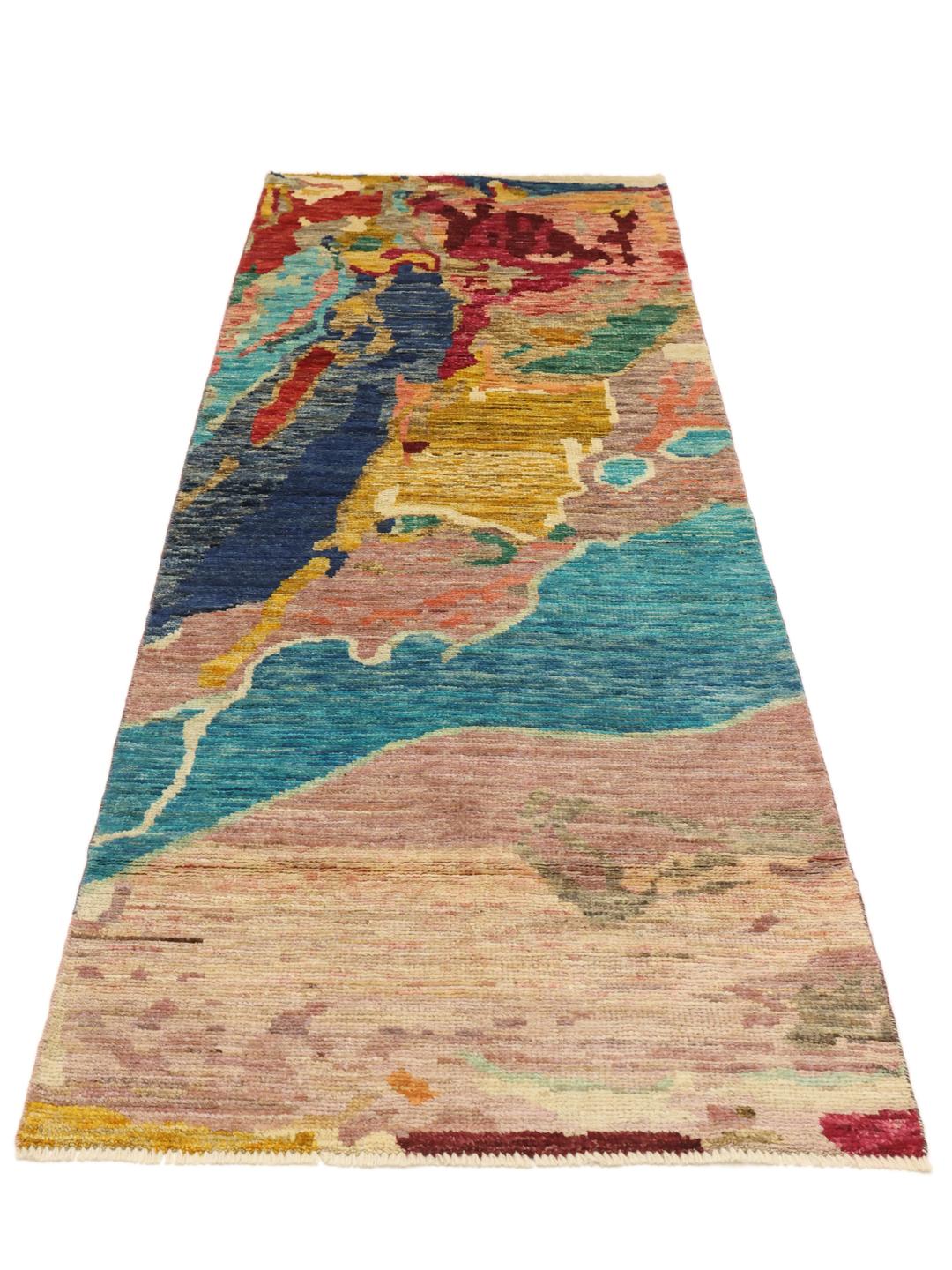
The Berber tradition, while historically rooted in the mountainous regions of North Africa, has evolved through centuries of cultural exchange and migration. Today, the term reflects a specific aesthetic philosophy that values artistic spontaneity, bold use of colour, and a connection to nomadic weaving roots. The adaptation of these styles in Afghanistan has led to a unique synthesis, where the classic, thick-piled rug traditions of the Middle East meet the expressive, abstract design language of the Berber style.
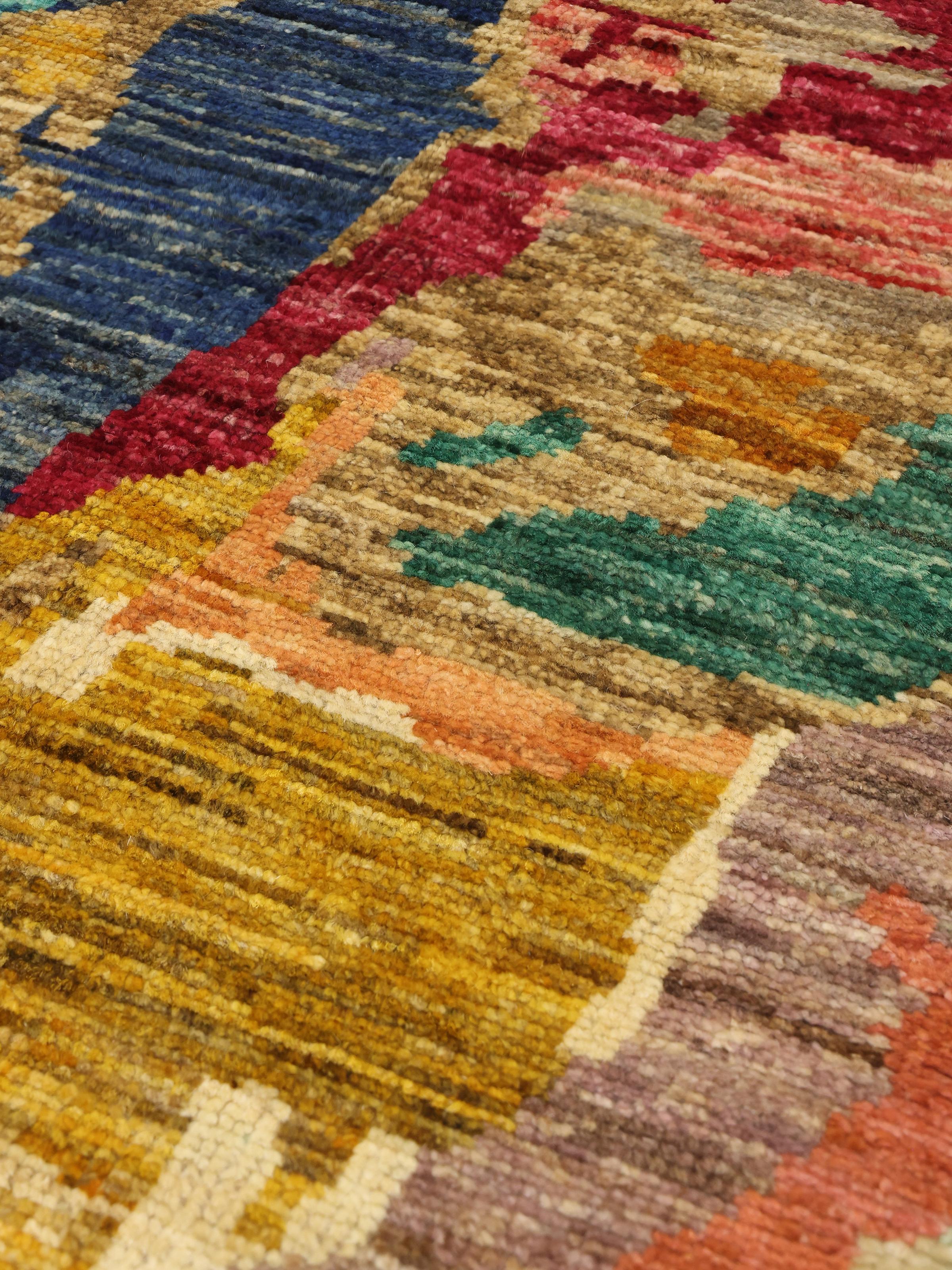
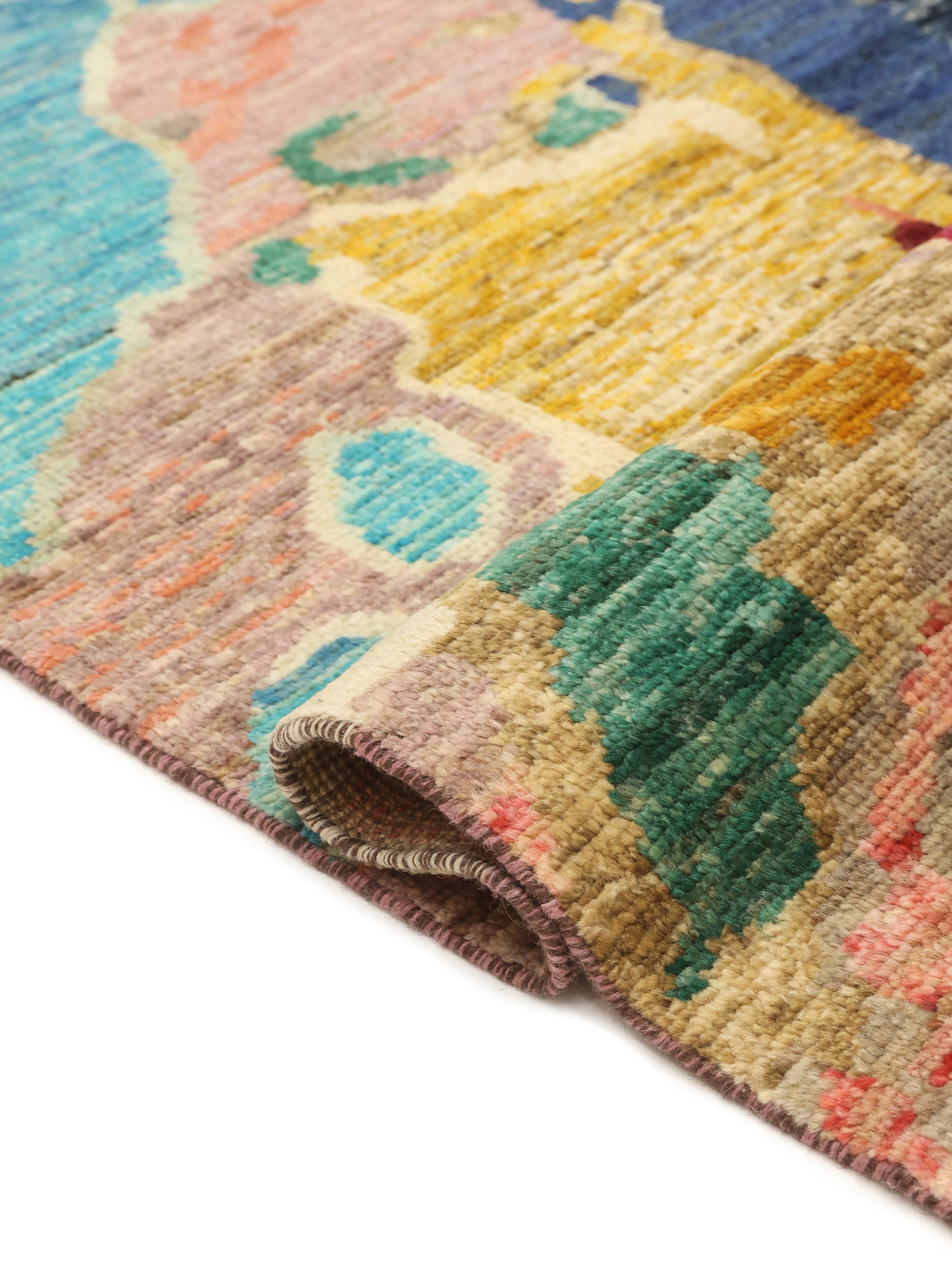
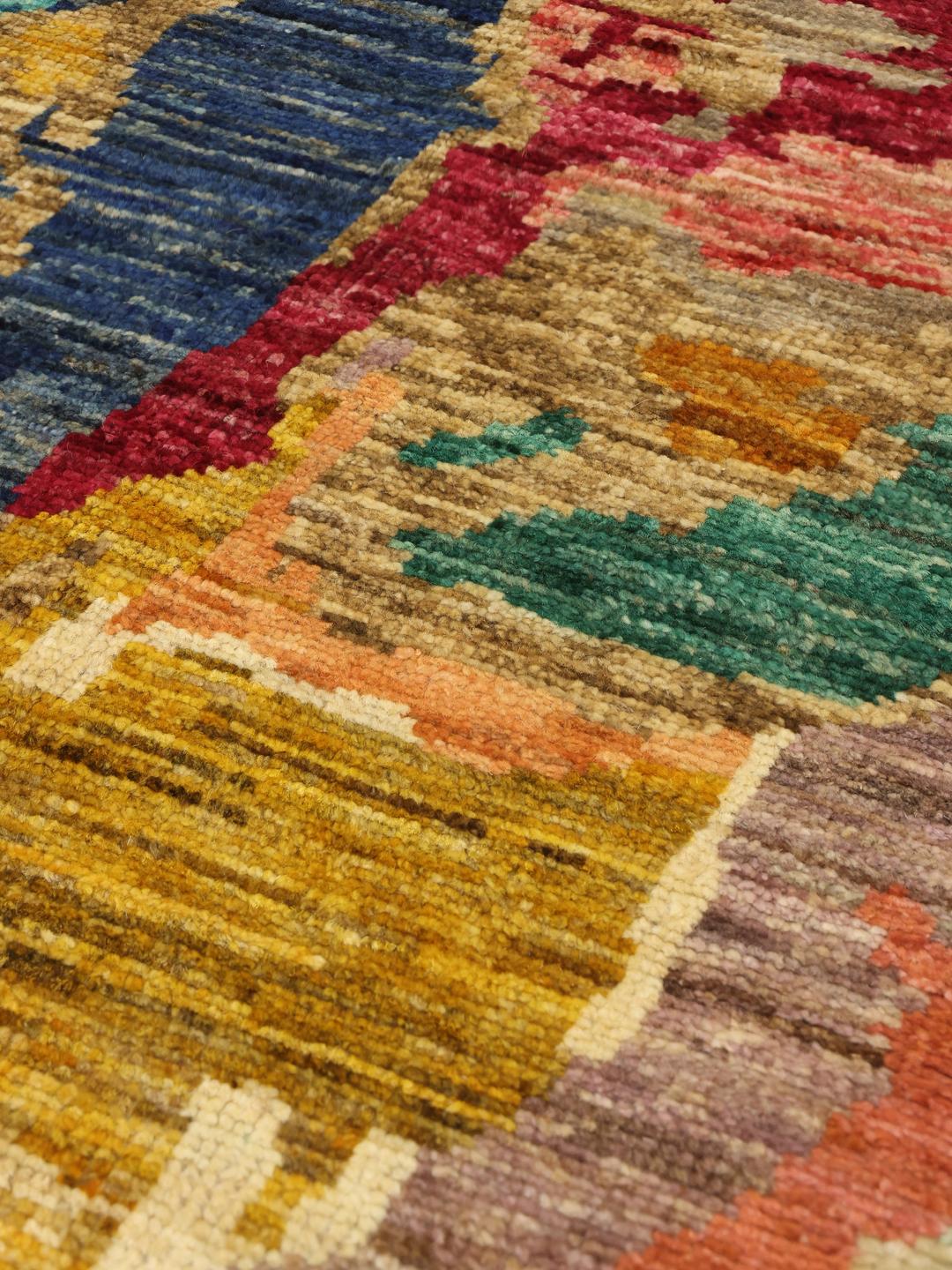
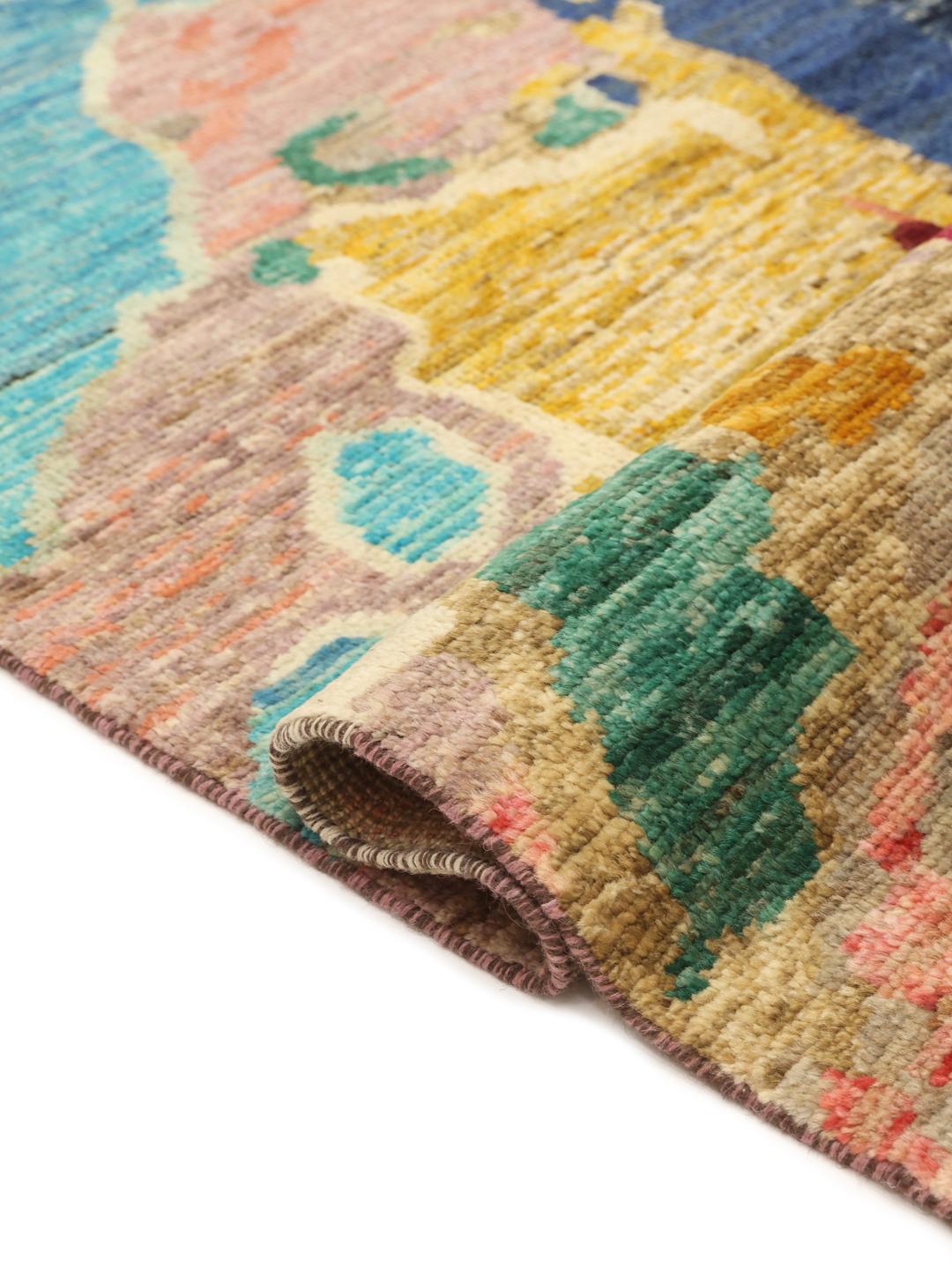
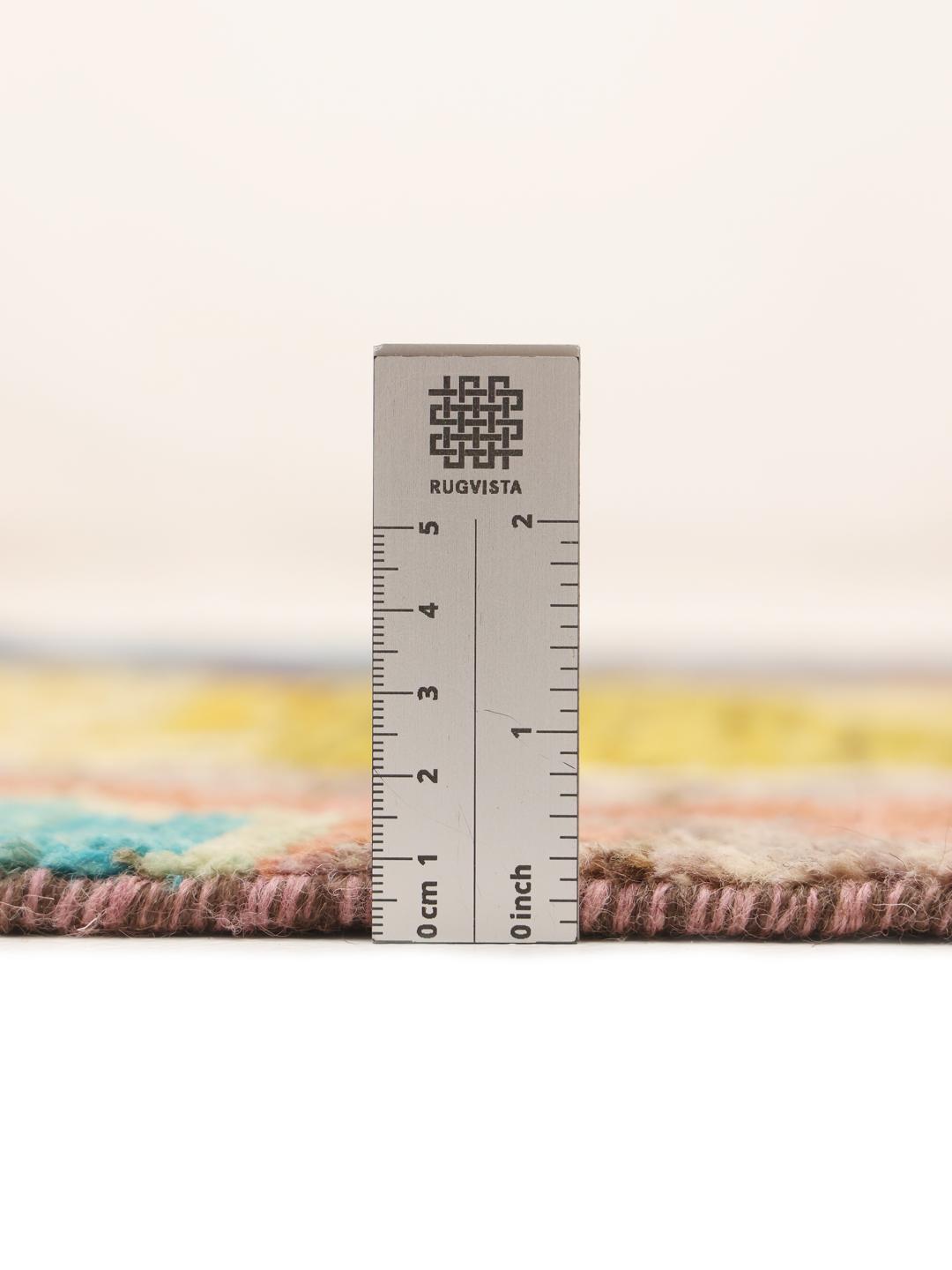
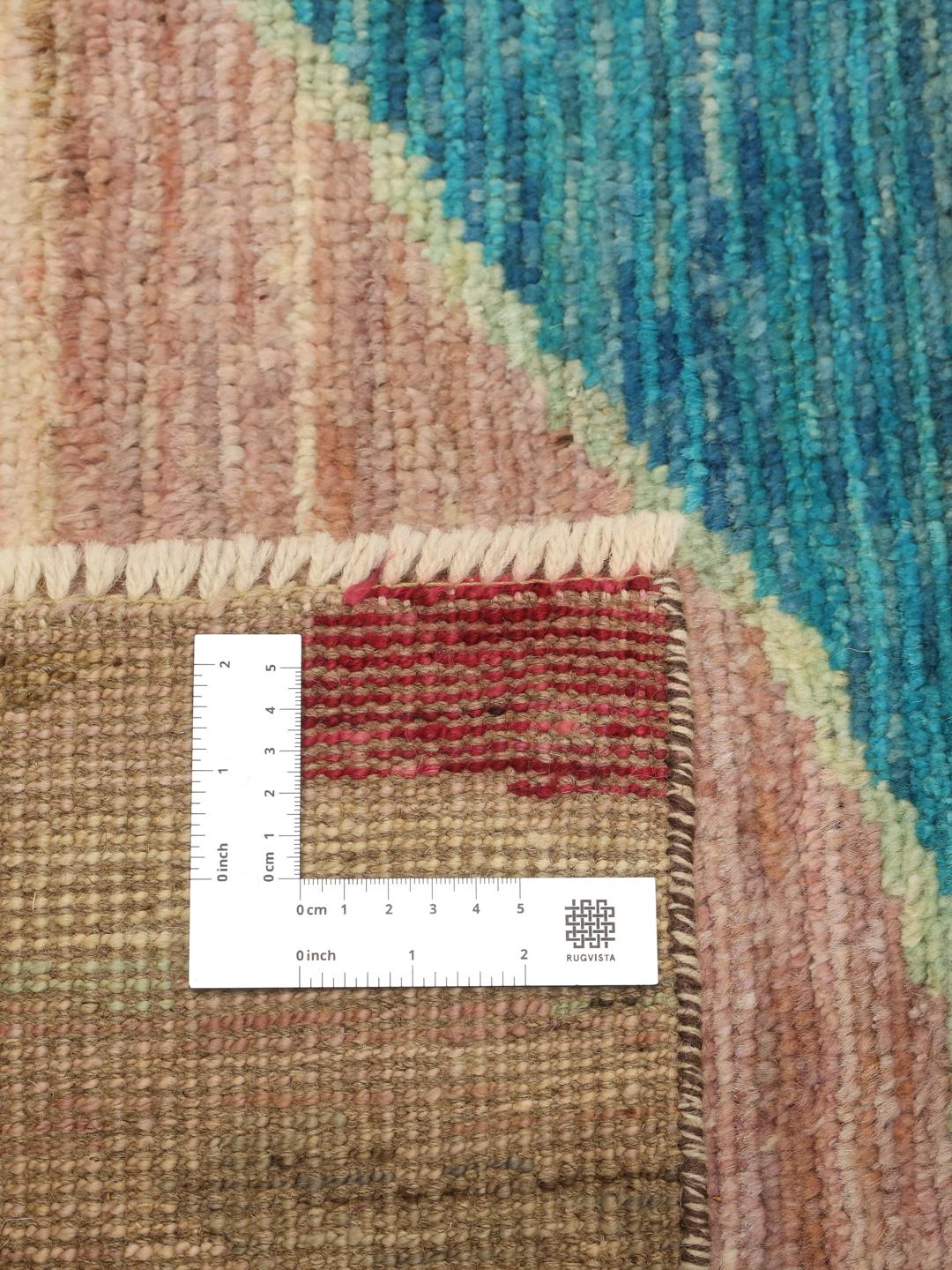
At the heart of these rugs is the hand-knotting process, a technique that has been passed down through generations. This method is fundamental to the quality and longevity of the rug. By using a series of complex knots to secure the wool to the foundation, the weavers create a pile that is not only dense and soft but also highly resistant to wear. This technical precision is what allows the vibrant colours to remain vivid and the pile to stay upright even after years of use.
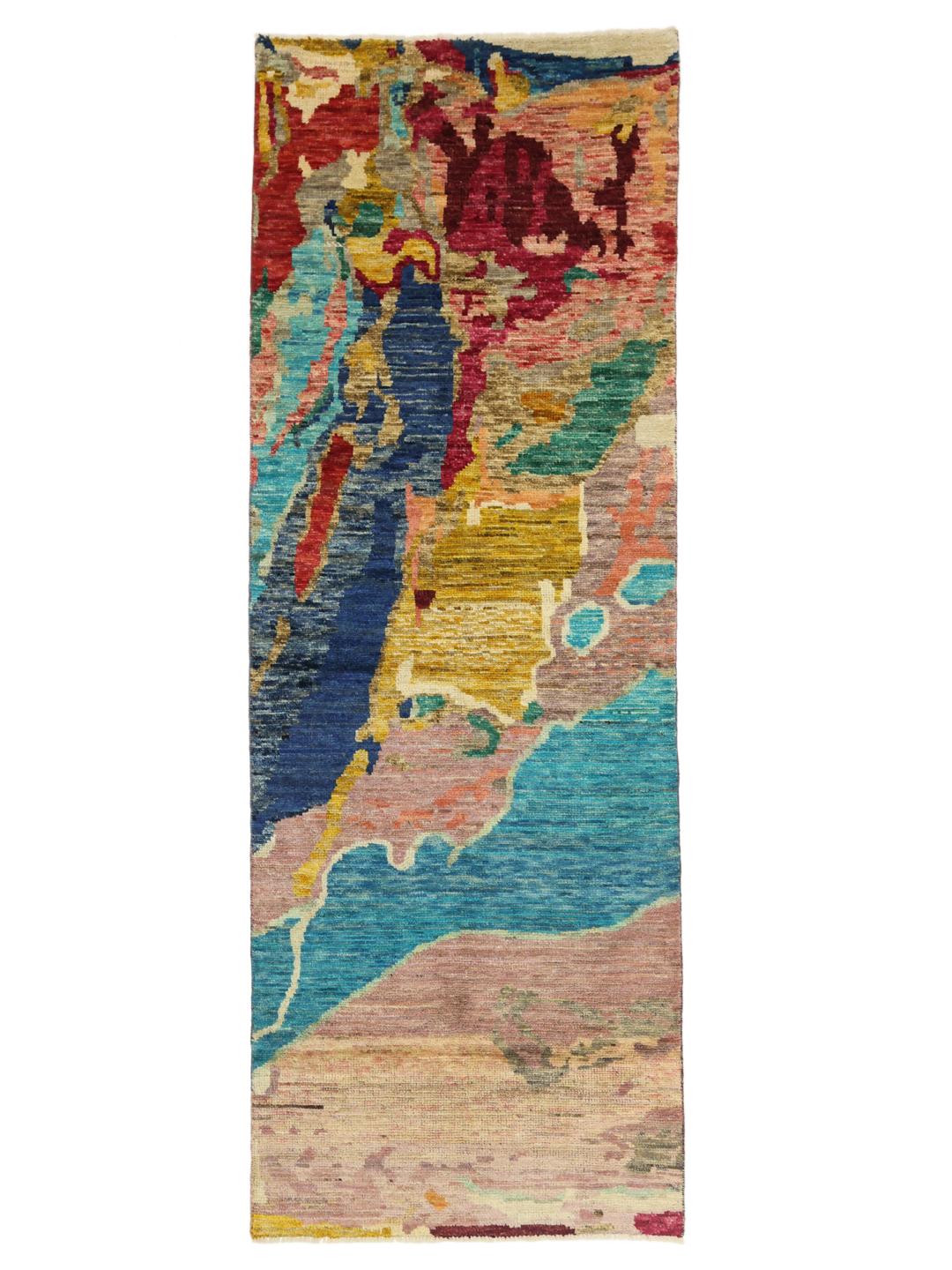
The design language of these rugs is inherently artistic, often featuring abstract shapes and a non-linear approach to pattern. Unlike more formal, symmetrical styles, these pieces are defined by their freedom of expression. The use of varied, saturated colours is a hallmark of the tradition, designed to tell a story or reflect the environment of the weaver. Each rug serves as a canvas, where the arrangement of colour and shape feels intuitive rather than strictly planned.
Owning a piece from this tradition is a commitment to heritage and the human touch. These rugs are valued by collectors not just for their aesthetic impact, but for the skill and cultural history they embody. By acquiring this piece, you are supporting a lineage of craft that prioritises the individuality of the maker. It is an investment in a piece of home decor that carries a sense of place and a history of human dedication that mass-produced items simply cannot replicate.