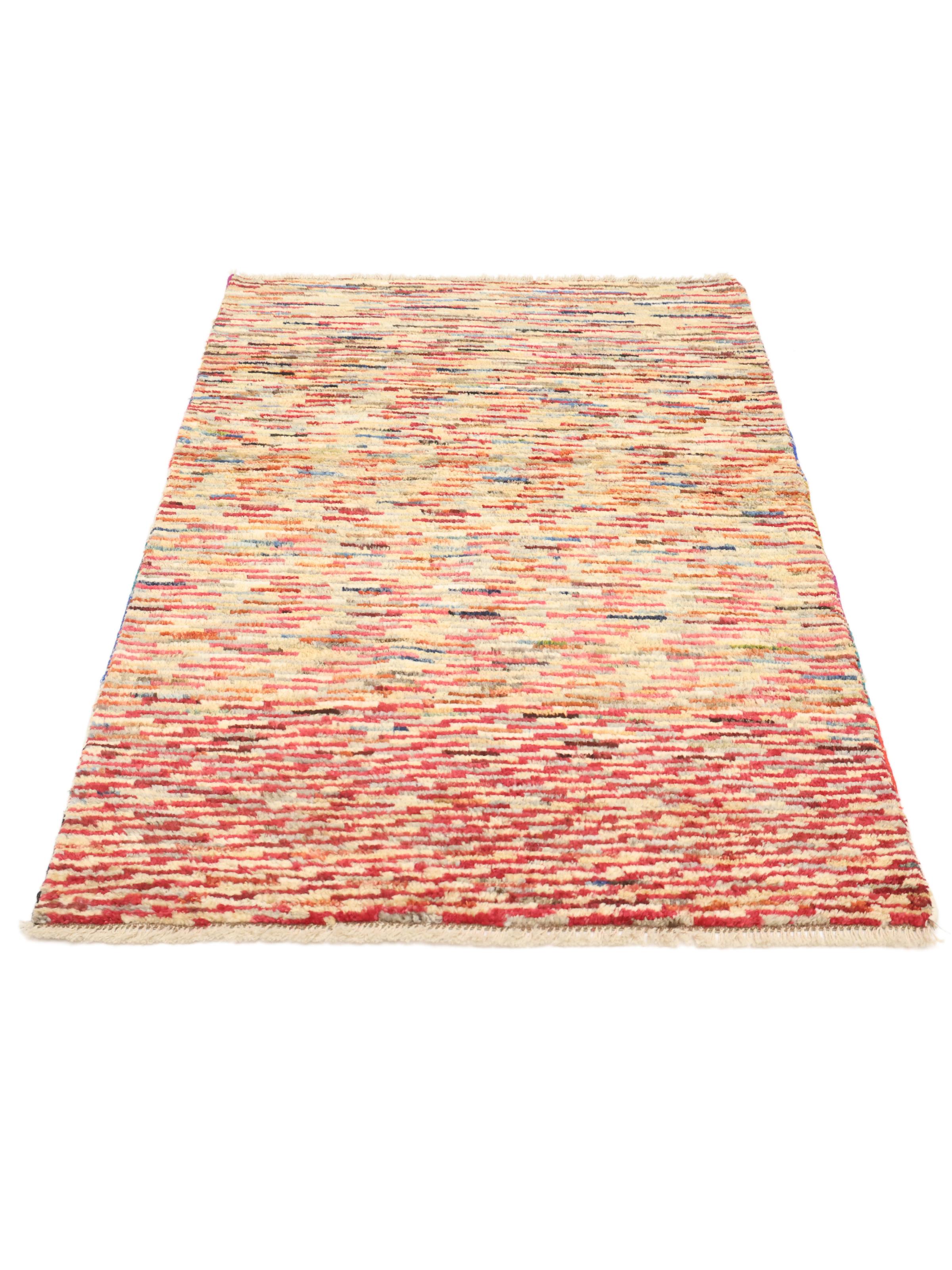
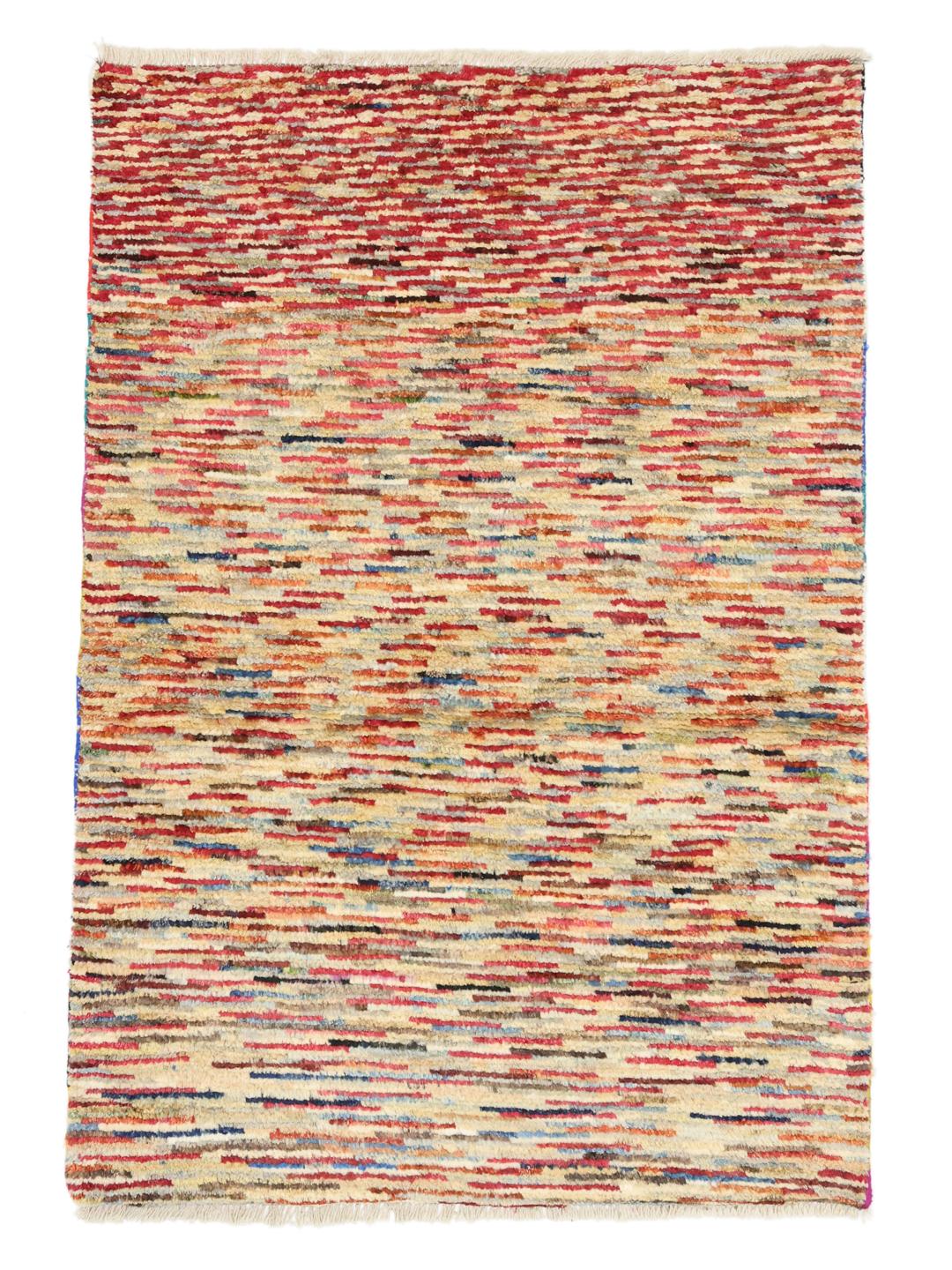
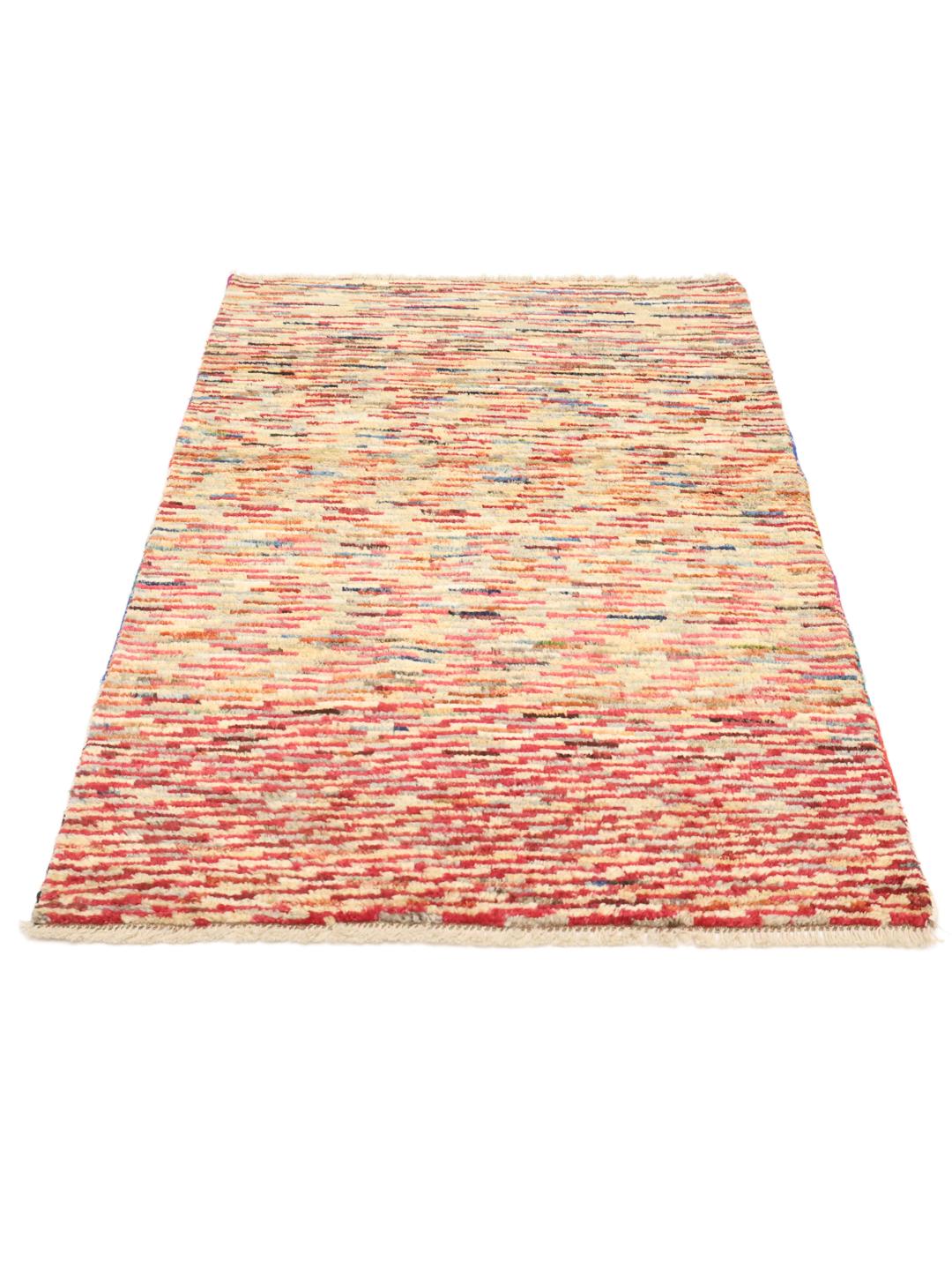
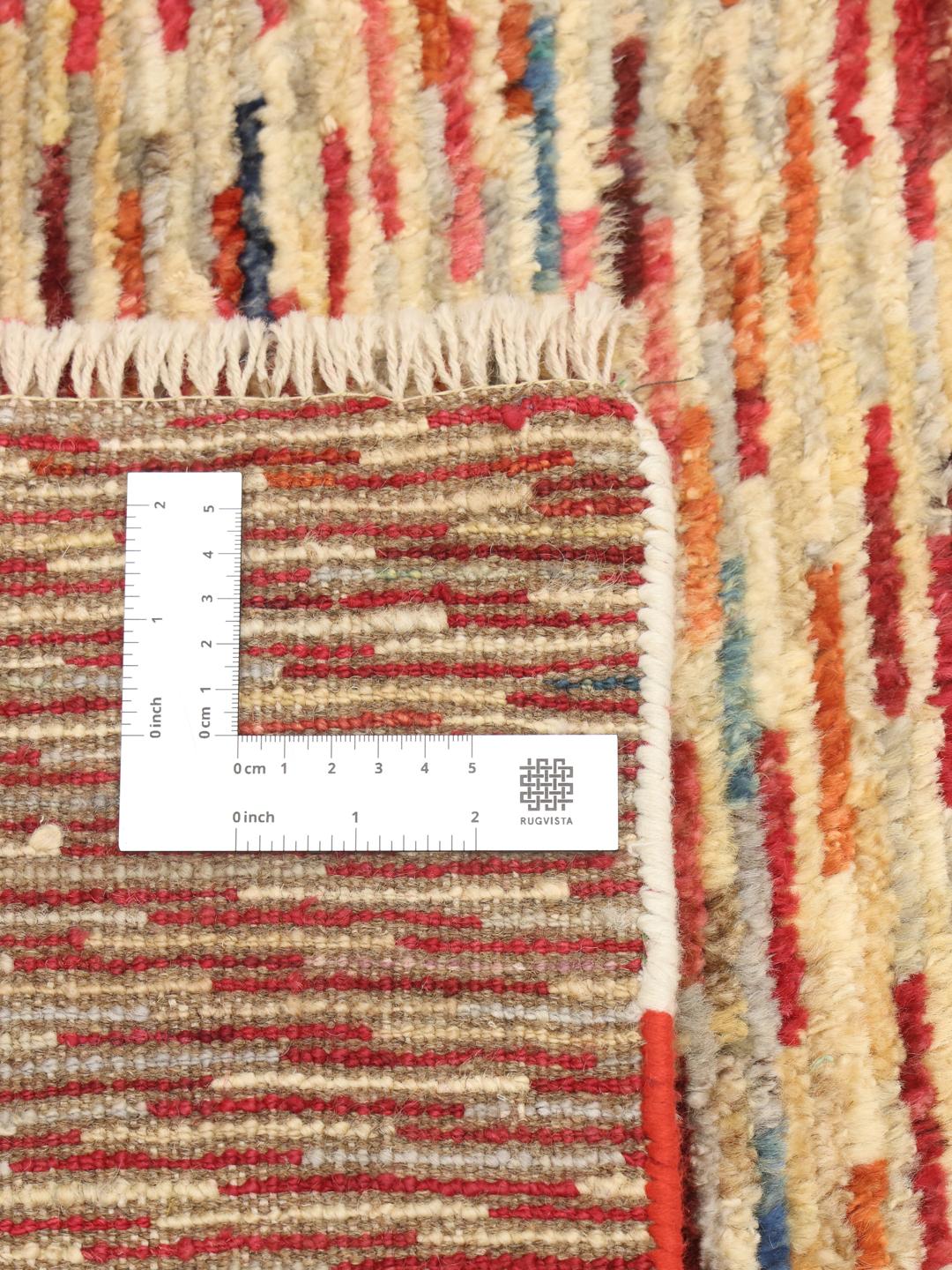
Berber rugs are rooted in the ancient weaving traditions of the indigenous peoples of North Africa, yet their influence has travelled far beyond their original geography. Over centuries, these designs have been adopted and reinterpreted by artisans in the Middle East and Central Asia, evolving to include diverse regional aesthetics while maintaining the signature focus on thick, high-pile comfort and bold, expressive motifs.
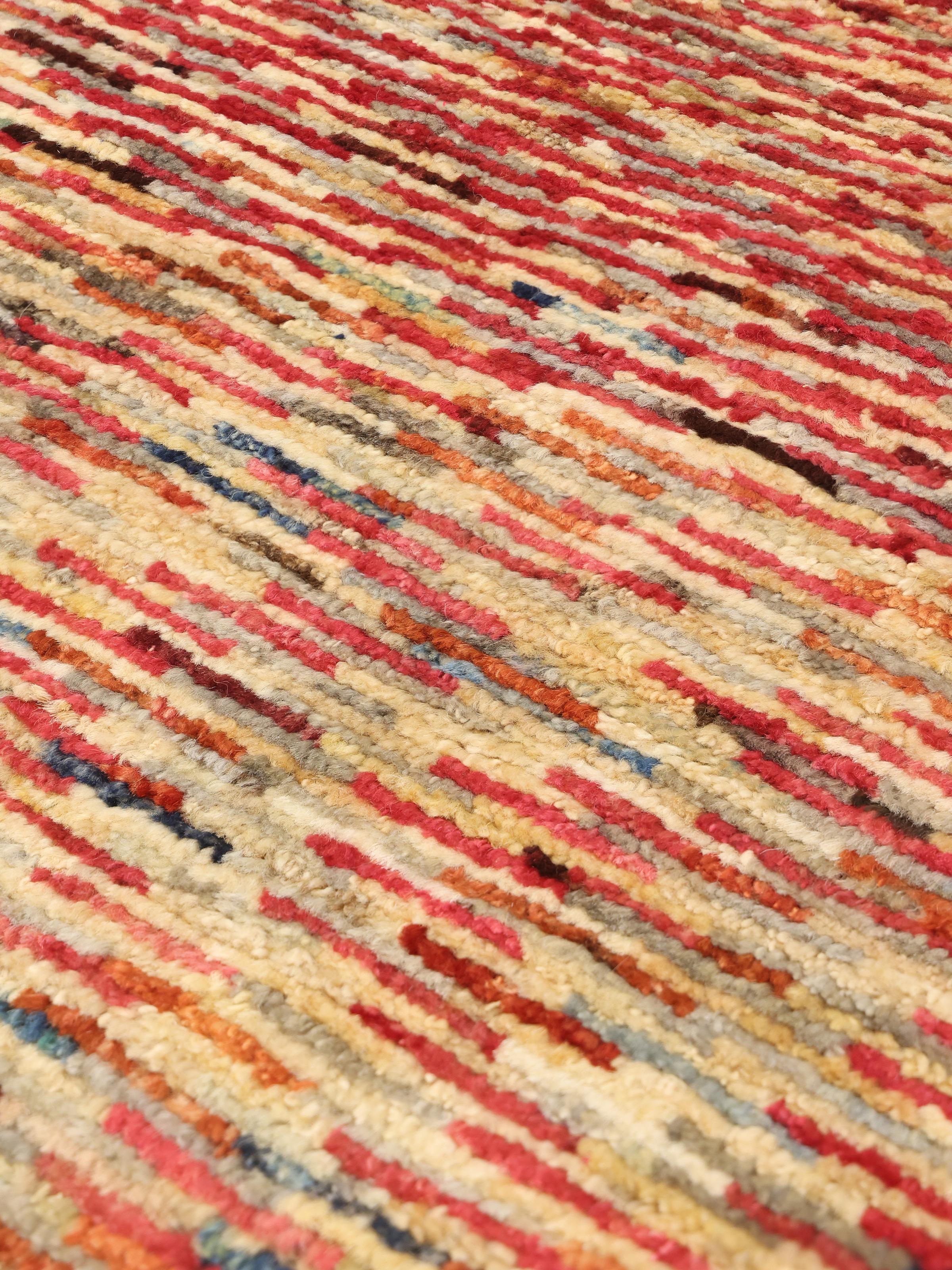
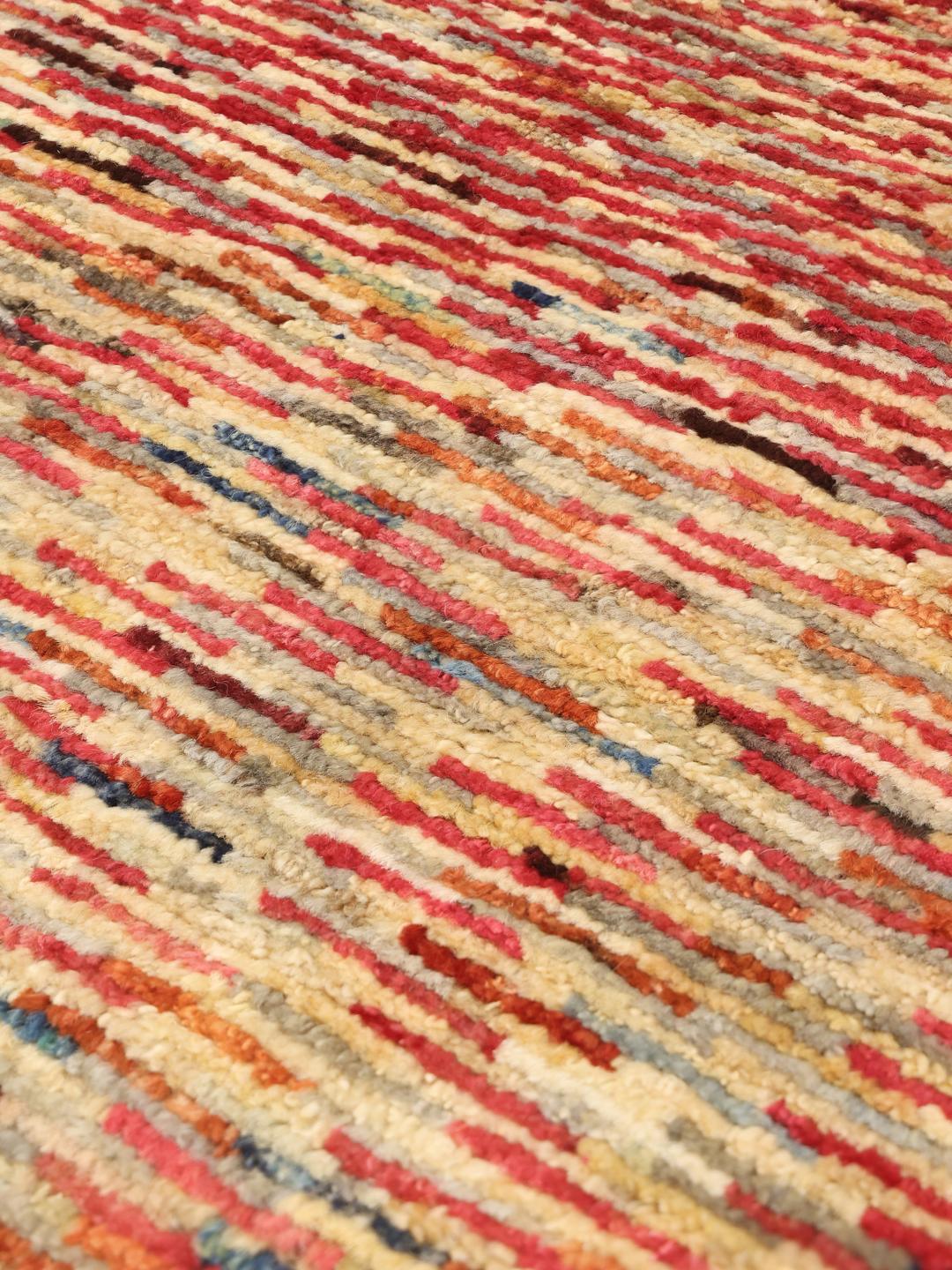
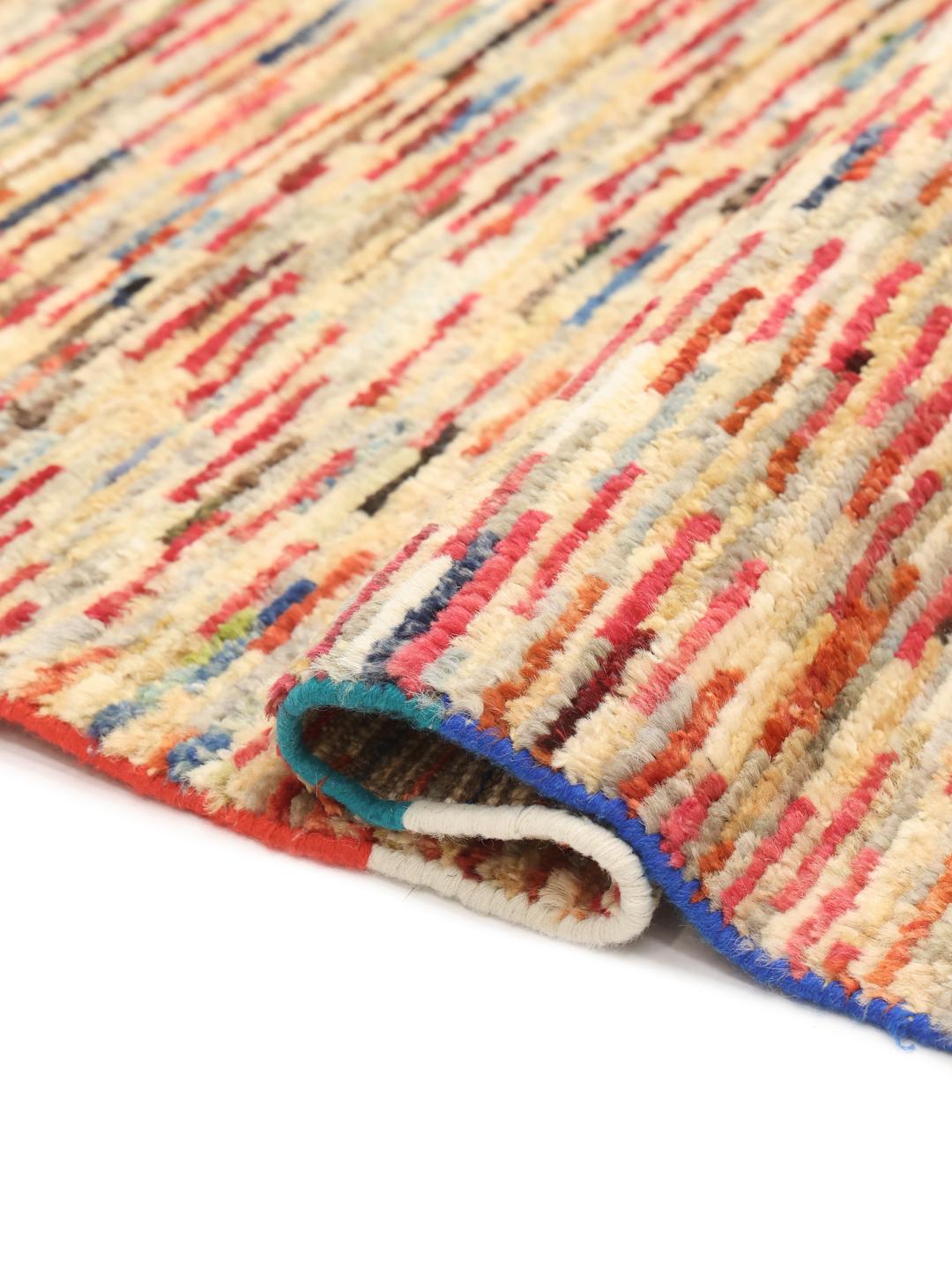
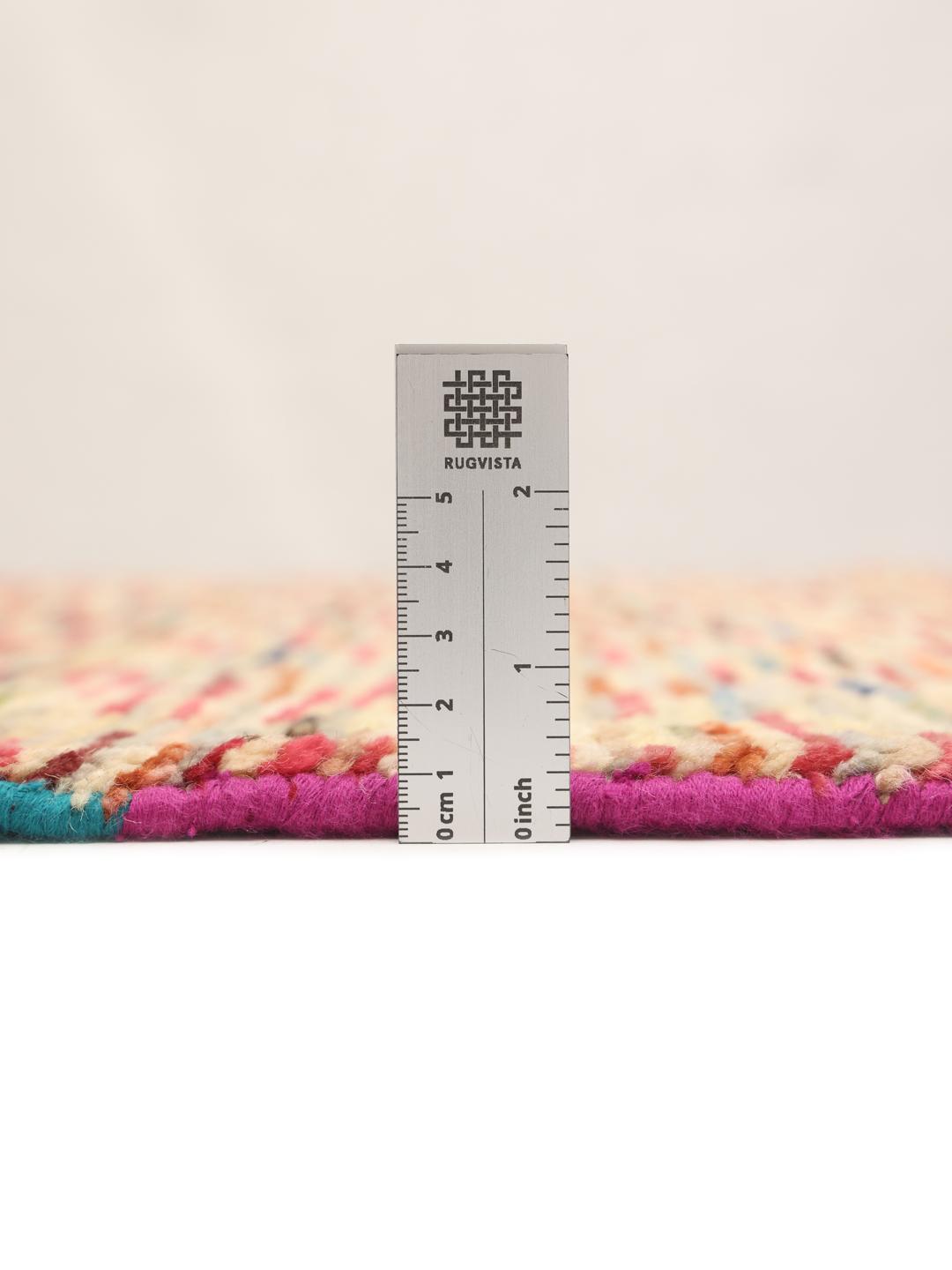
The term Berber historically refers to the craft techniques of the nomadic tribes, known for their focus on heavy, durable wool that provided insulation against harsh climates. Today, when we speak of these rugs, we refer to a specific style of construction that prioritises a deep, soft pile. This density is achieved through careful, deliberate knotting, which creates a lustrous surface that is as functional as it is beautiful.
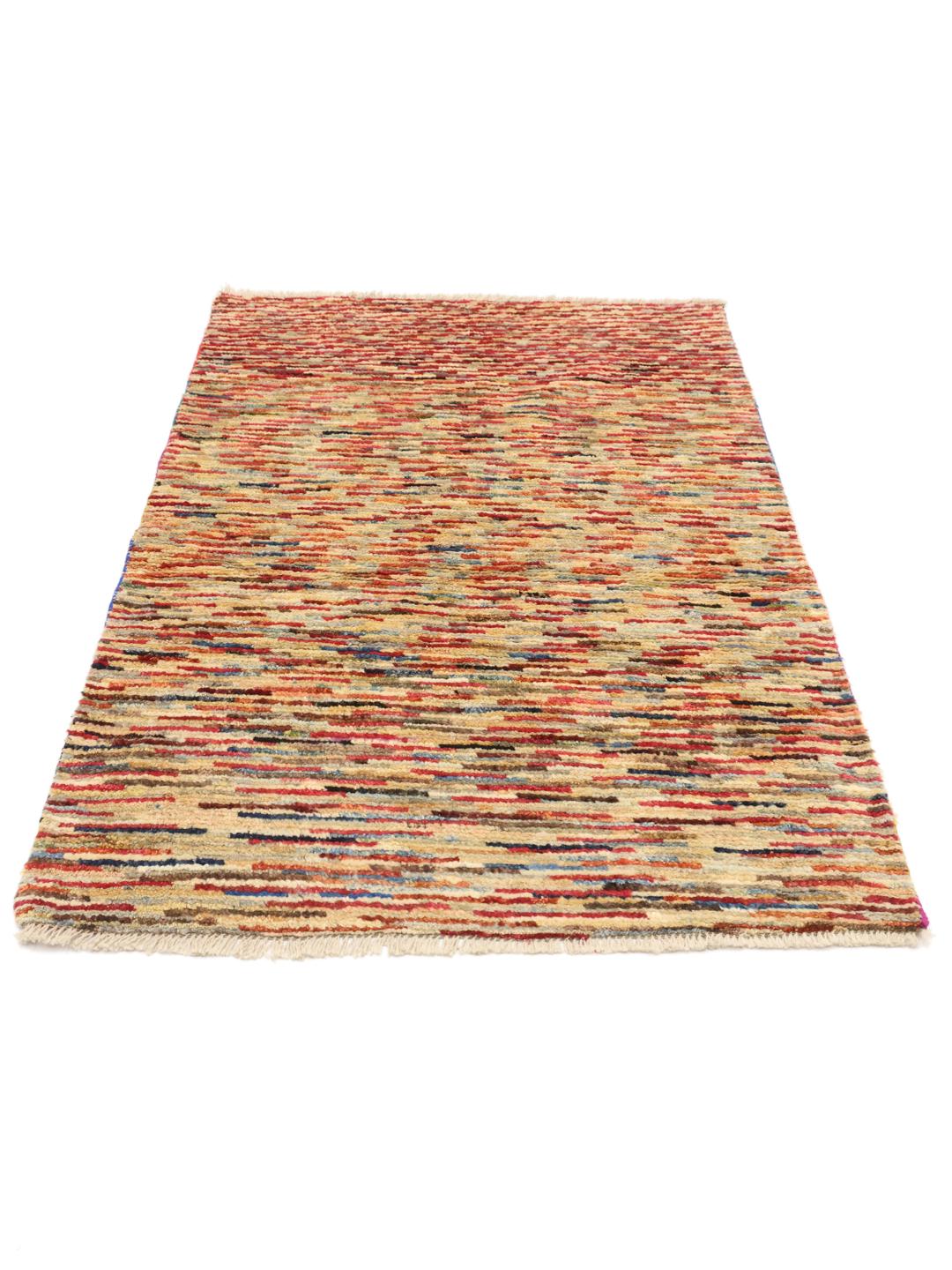
Signature design elements of the Berber tradition often centre on abstract, geometric, or striped patterns that feel organic and free-flowing. While many traditional examples rely on monochromatic or earthy tones, the colourful iteration seen here highlights a modern, vibrant evolution of the craft, using a spectrum of shades to create a lively, contemporary visual rhythm.
Collecting a hand-knotted rug from this tradition is an investment in cultural heritage and human skill. These pieces are valued for their ability to bring a sense of history and warmth into a modern home. Owning one is a commitment to supporting ancient, slow-craft methods, ensuring these stories and techniques continue to thrive for future generations.