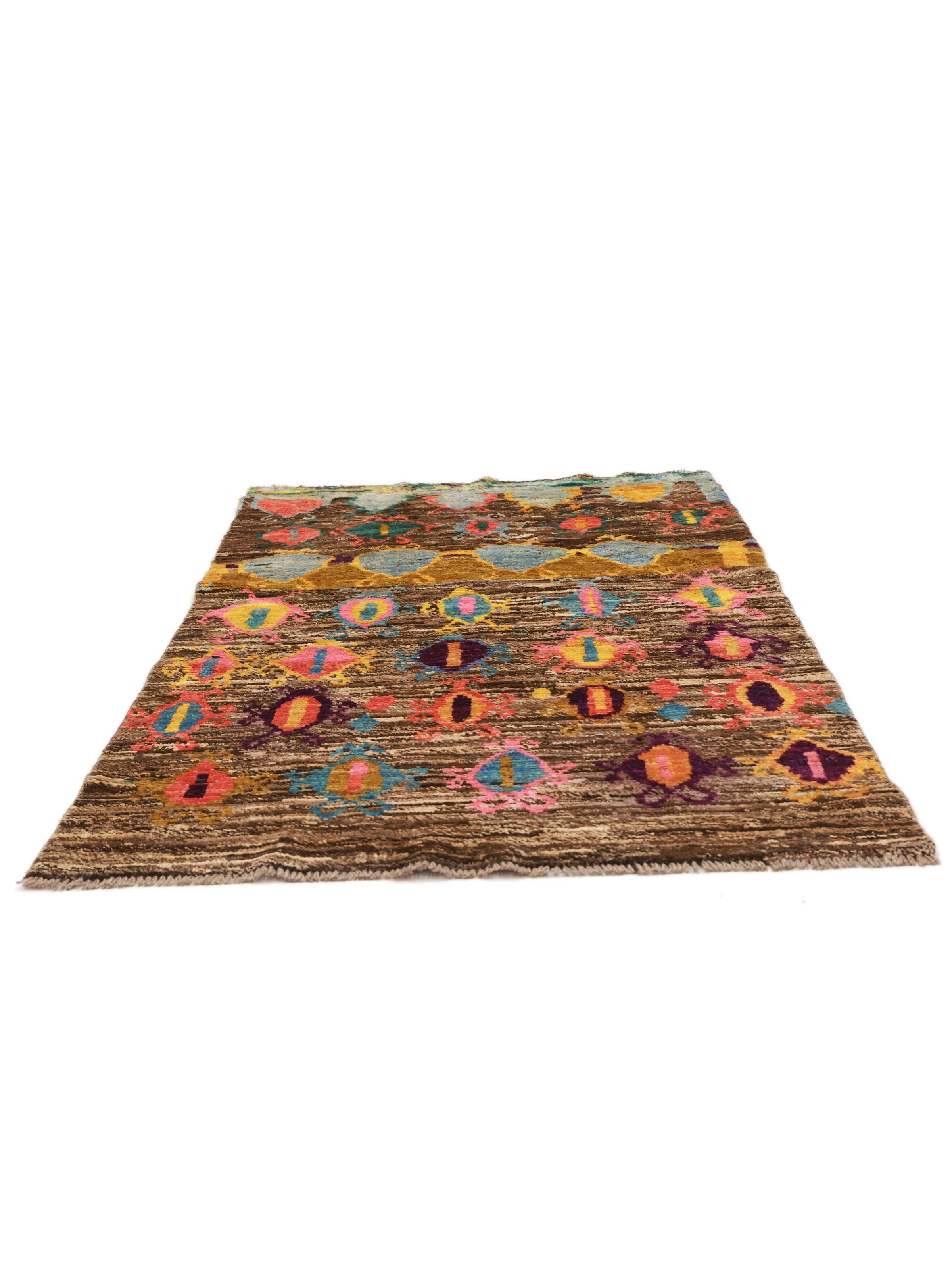
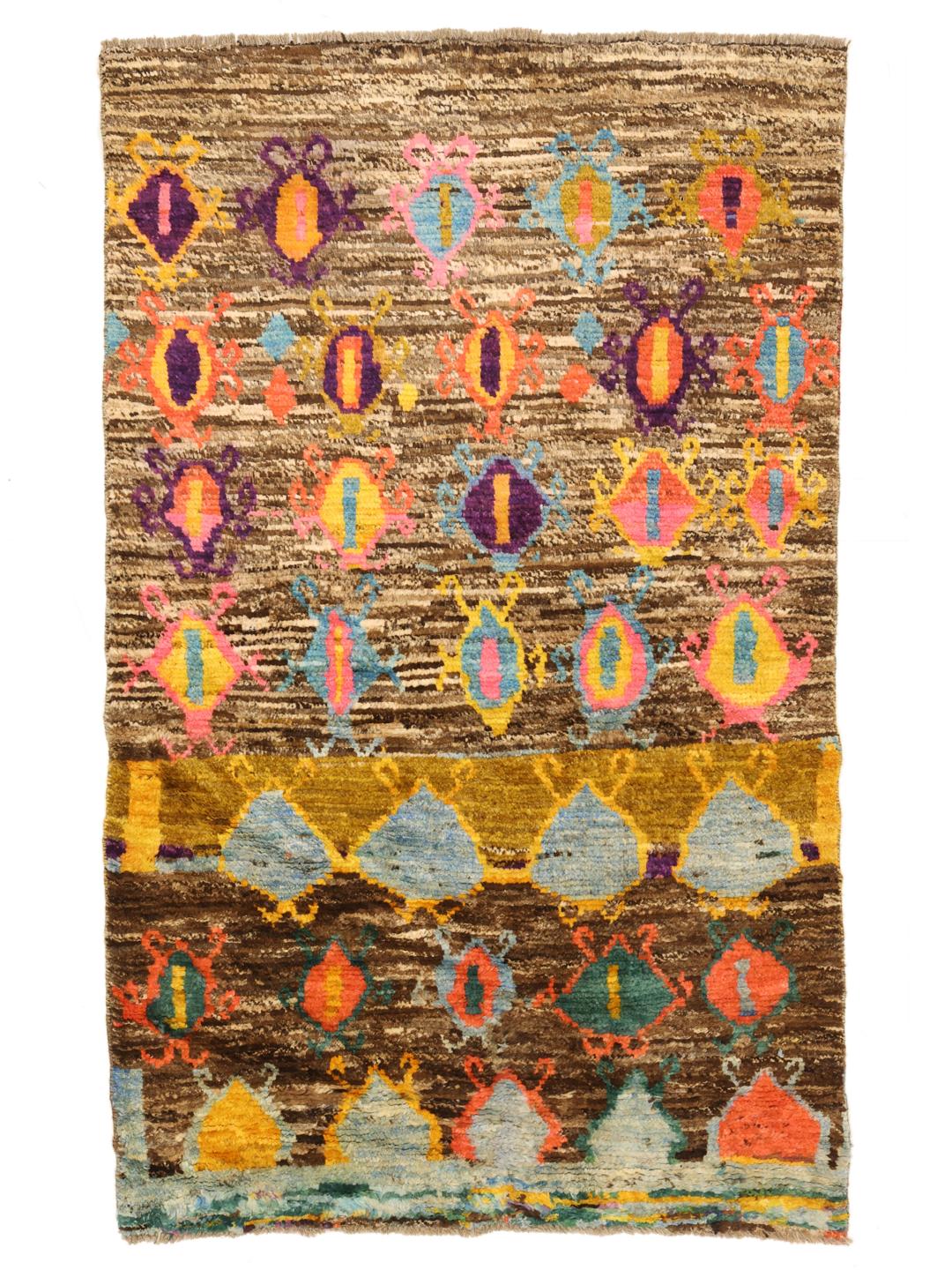
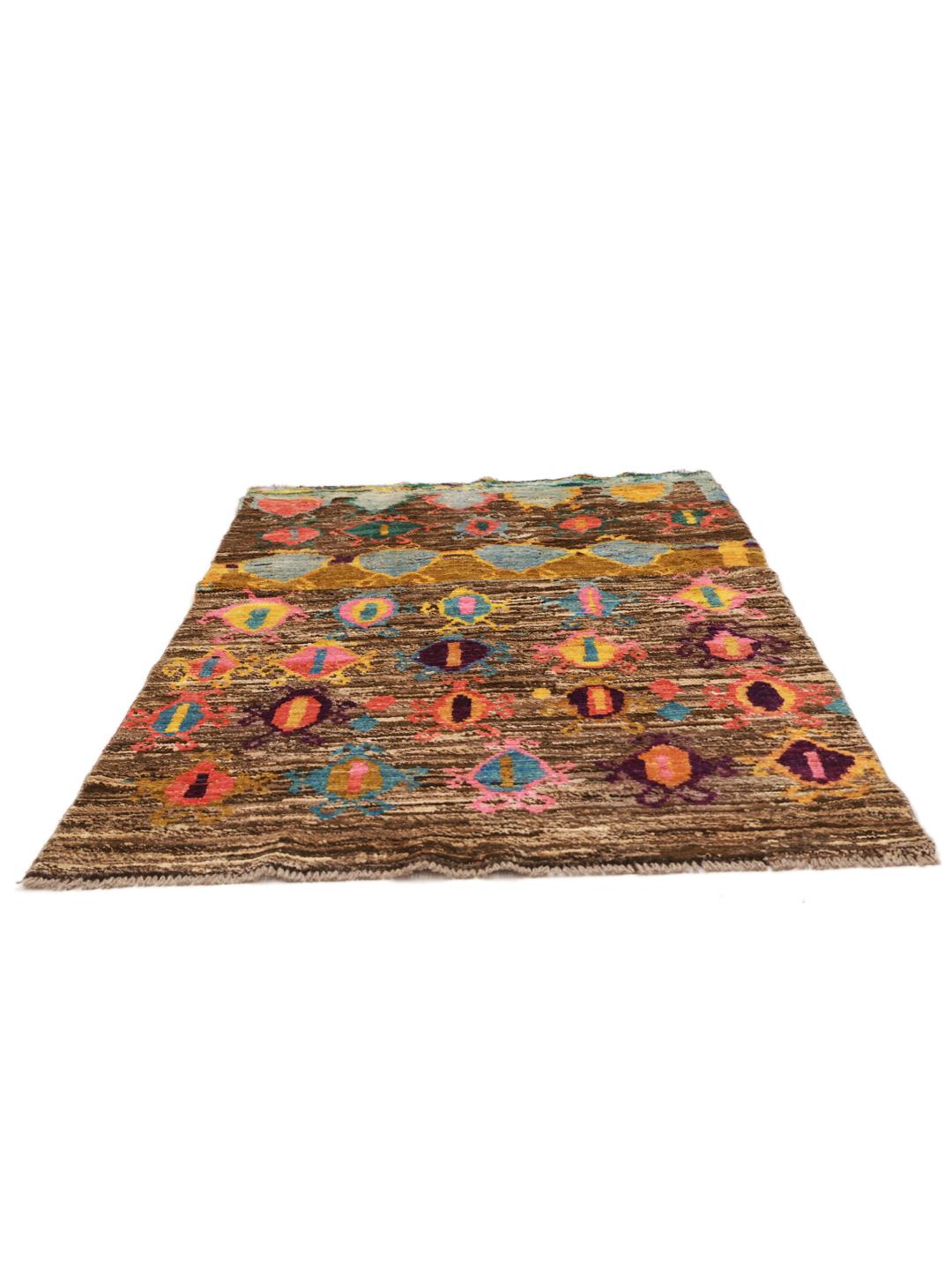
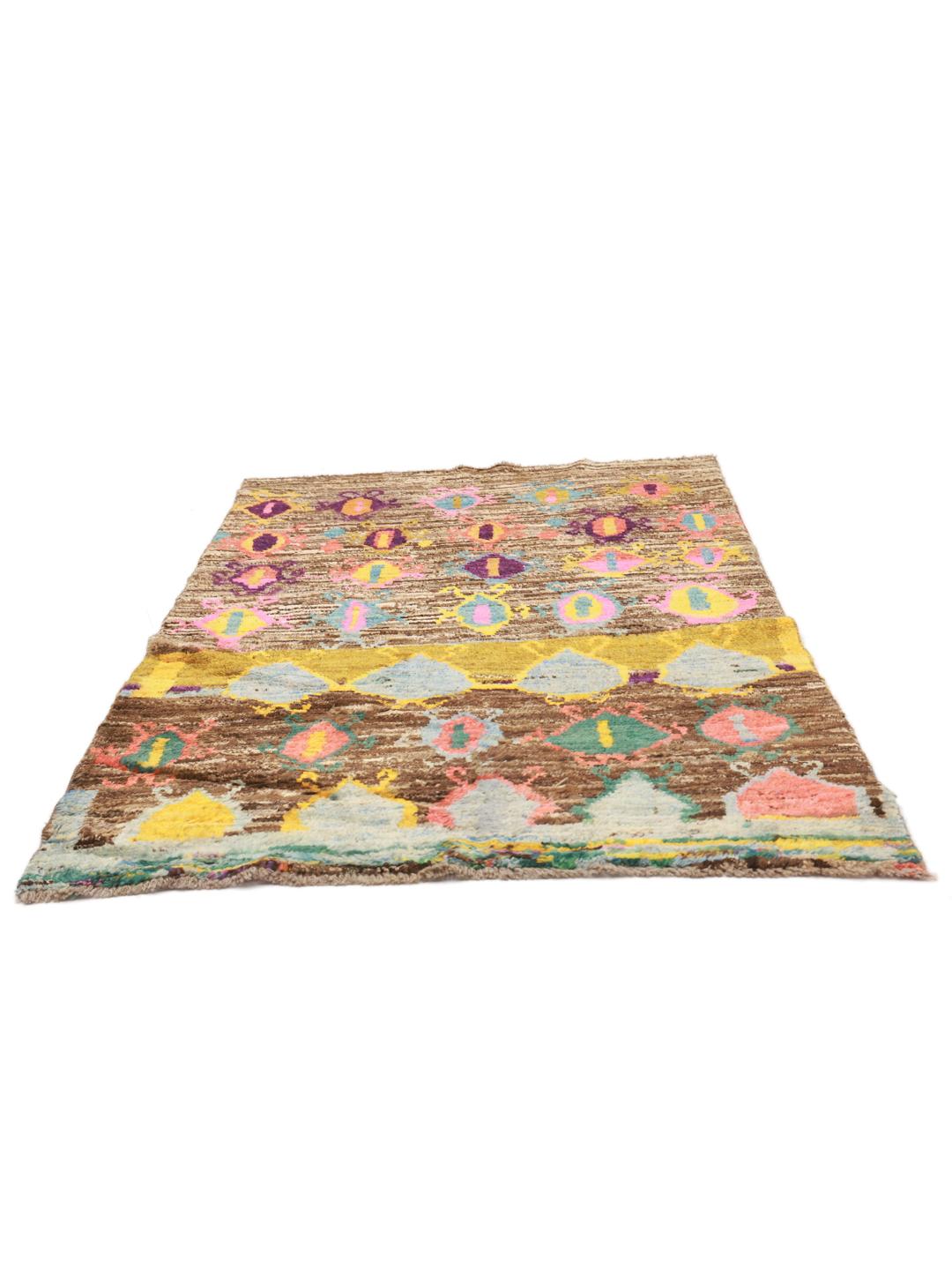
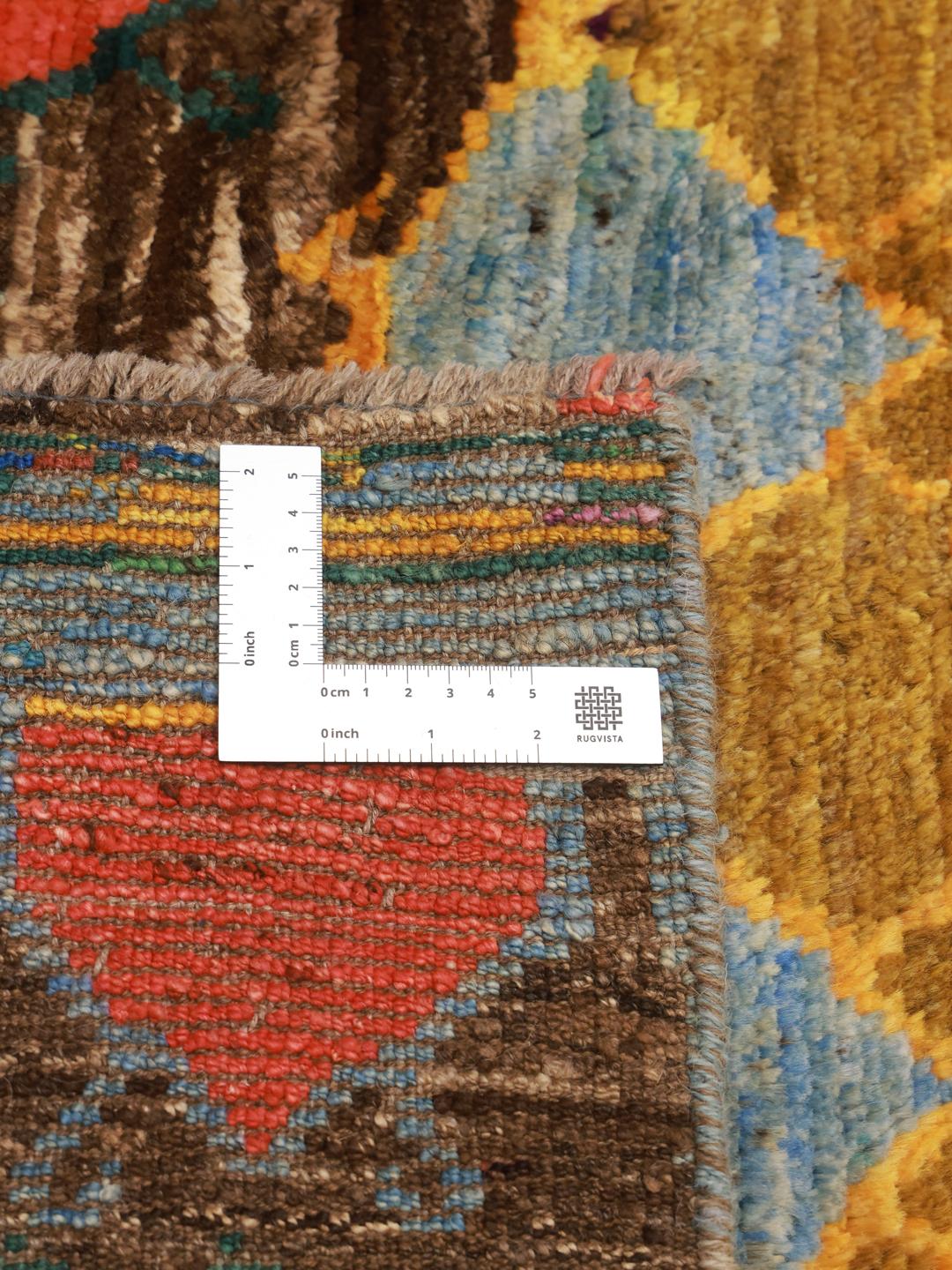
Berber-style rugs are deeply rooted in the nomadic traditions of the Middle East and Central Asia. Originally created by indigenous tribes for practical use as bedding and floor coverings, these pieces have evolved into globally celebrated works of art, with Afghan weavers today masterfully blending these ancient aesthetics with their own regional techniques.
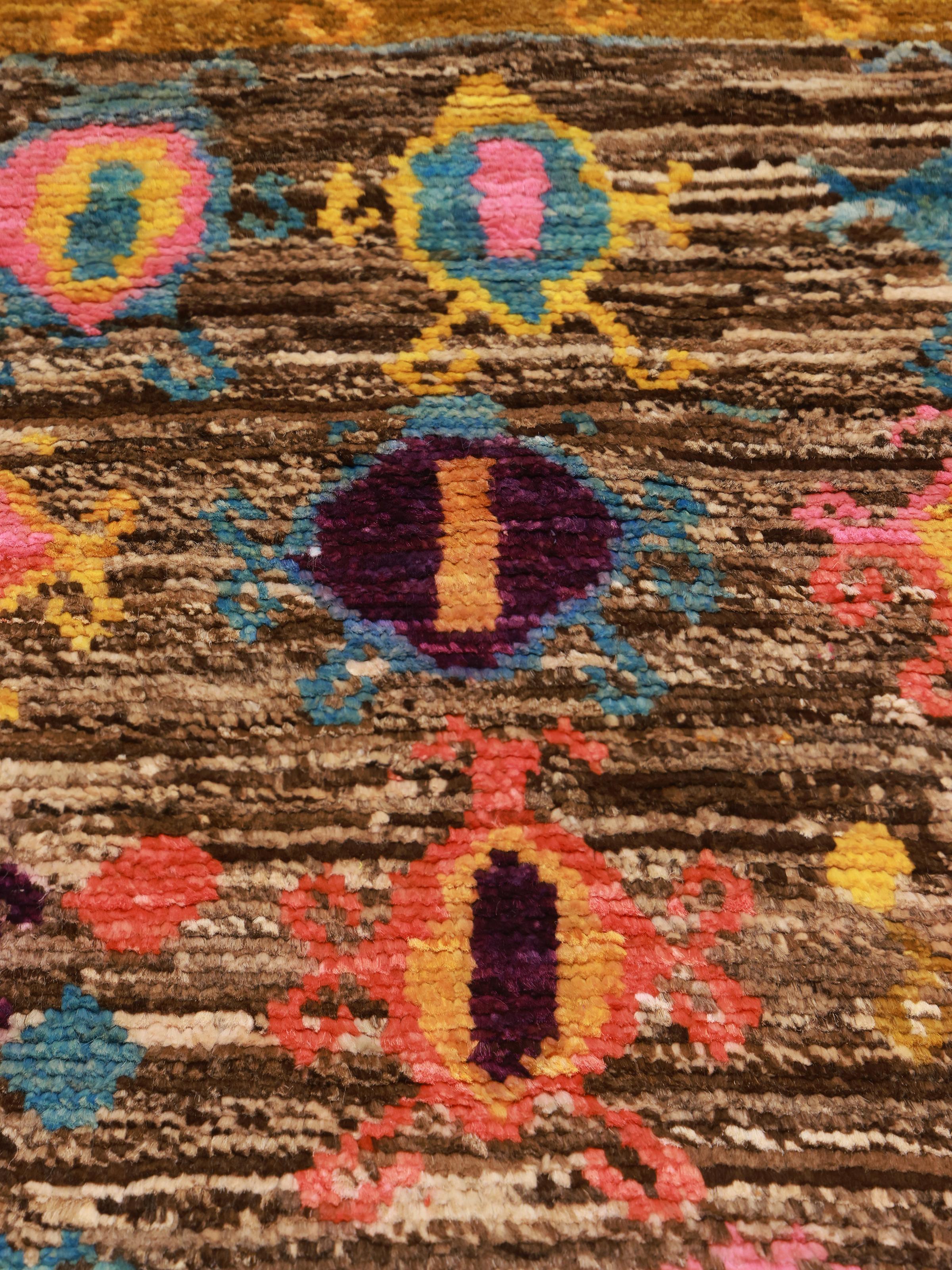
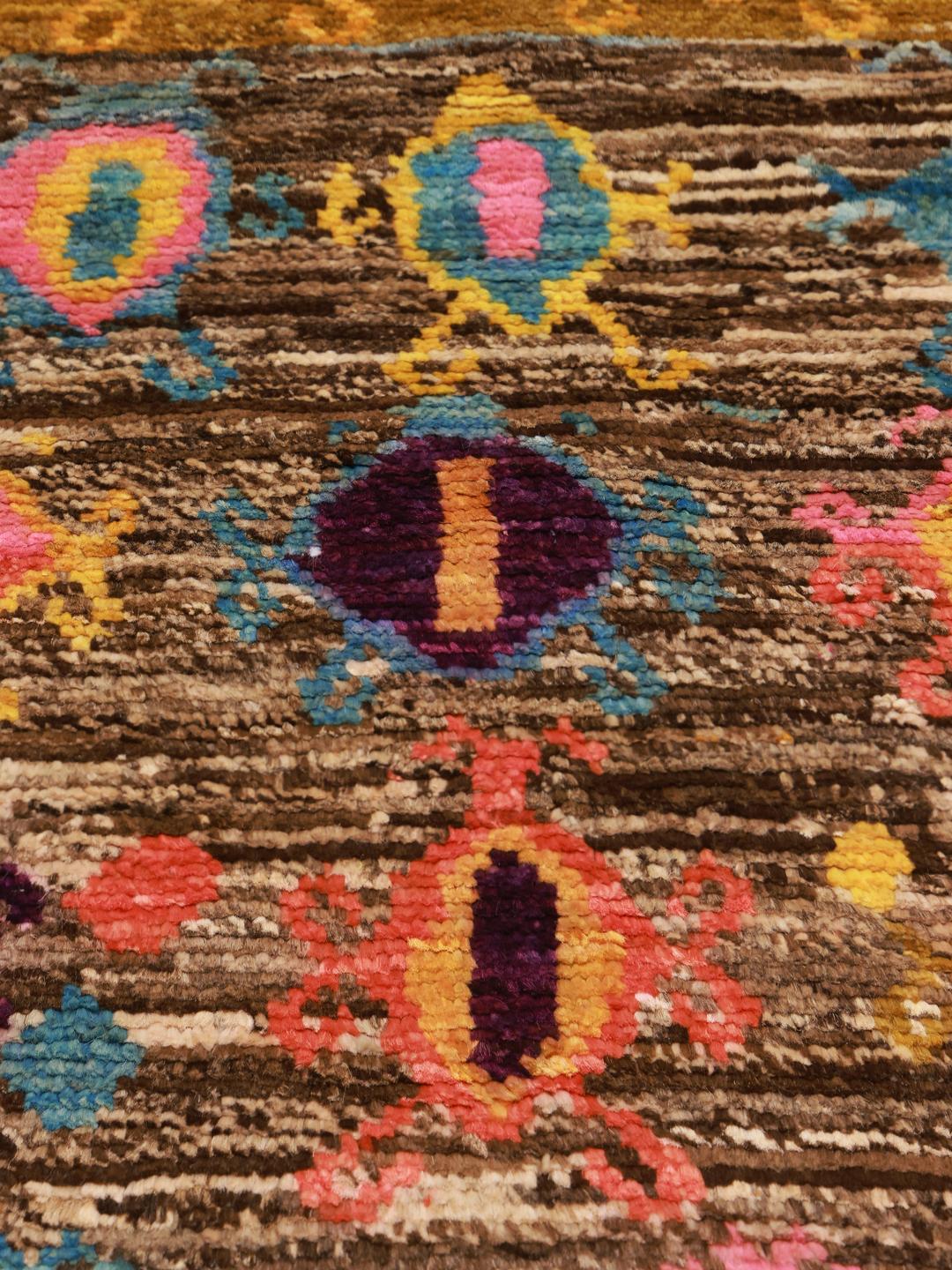
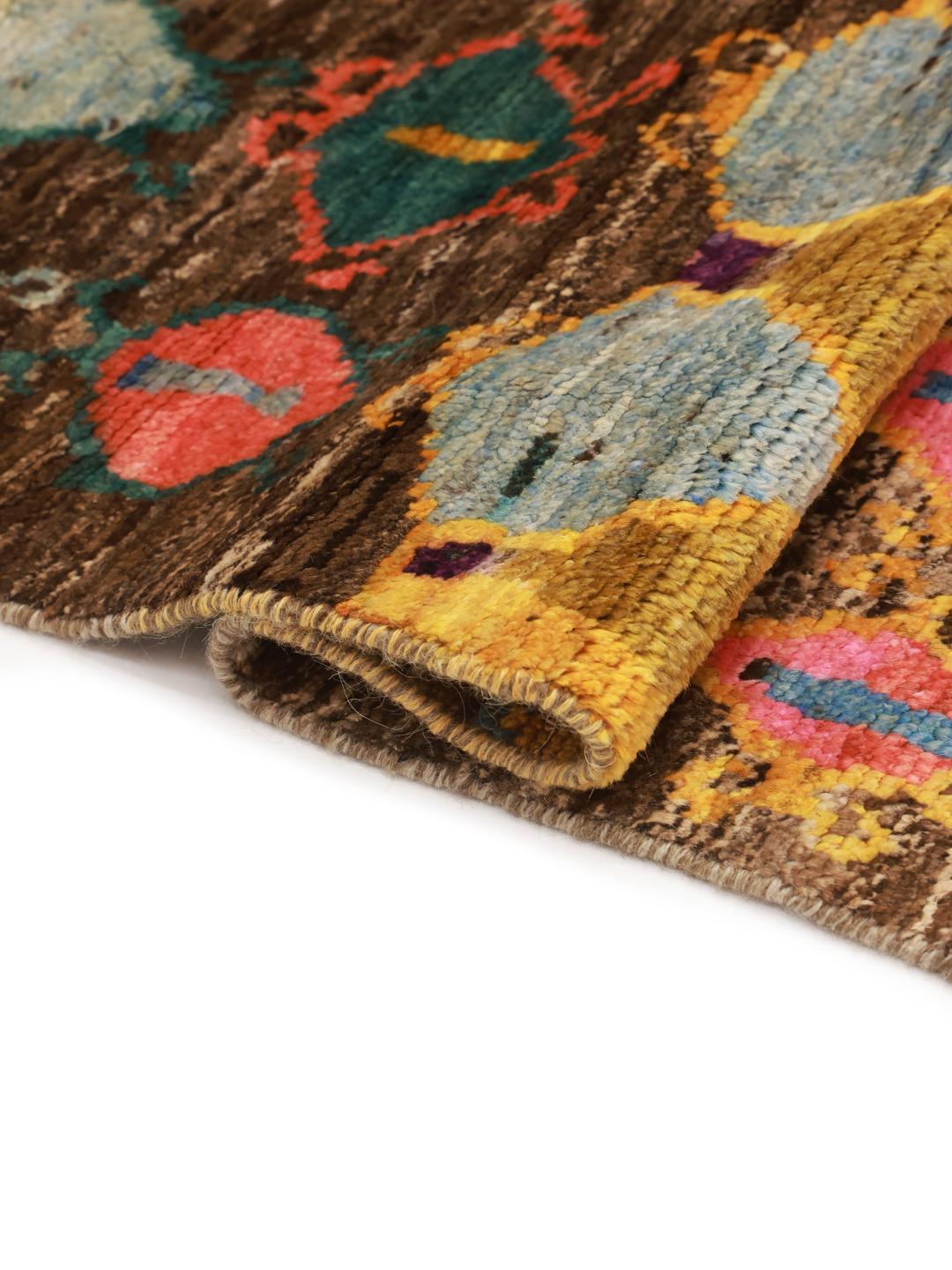
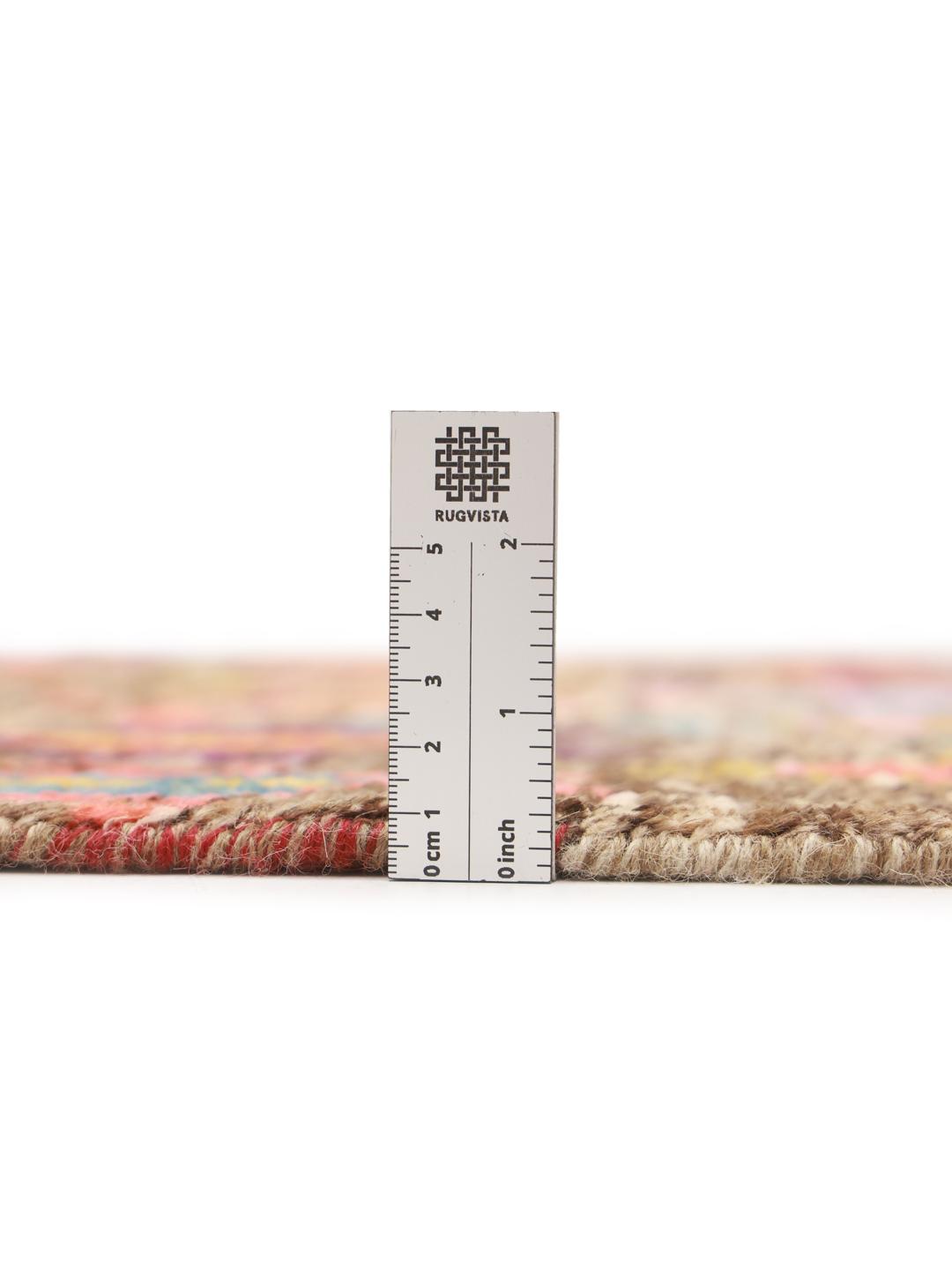
The term hand-knotted refers to the laborious process of tying individual strands of wool onto a foundation. This technique is the hallmark of quality in rug-making, as it allows for the intricate, dense pile that gives these rugs their characteristic weight and luxurious feel. It is a slow, rhythmic craft that requires immense patience and skill.
Visually, these rugs are defined by their bold, symbolic motifs. Often inspired by the natural world or ancestral stories, these geometric shapes are more than mere decoration; they are a visual language passed down through generations. The use of vibrant, contrasting colours against a natural base is a signature element that makes these rugs stand out in any contemporary interior.
Collecting a rug from this tradition is an investment in cultural heritage. Because each piece is made by hand without a rigid template, every rug tells a slightly different story. By choosing this piece, you are supporting a legacy of craftsmanship that has survived for centuries, keeping these precious skills alive for the future.