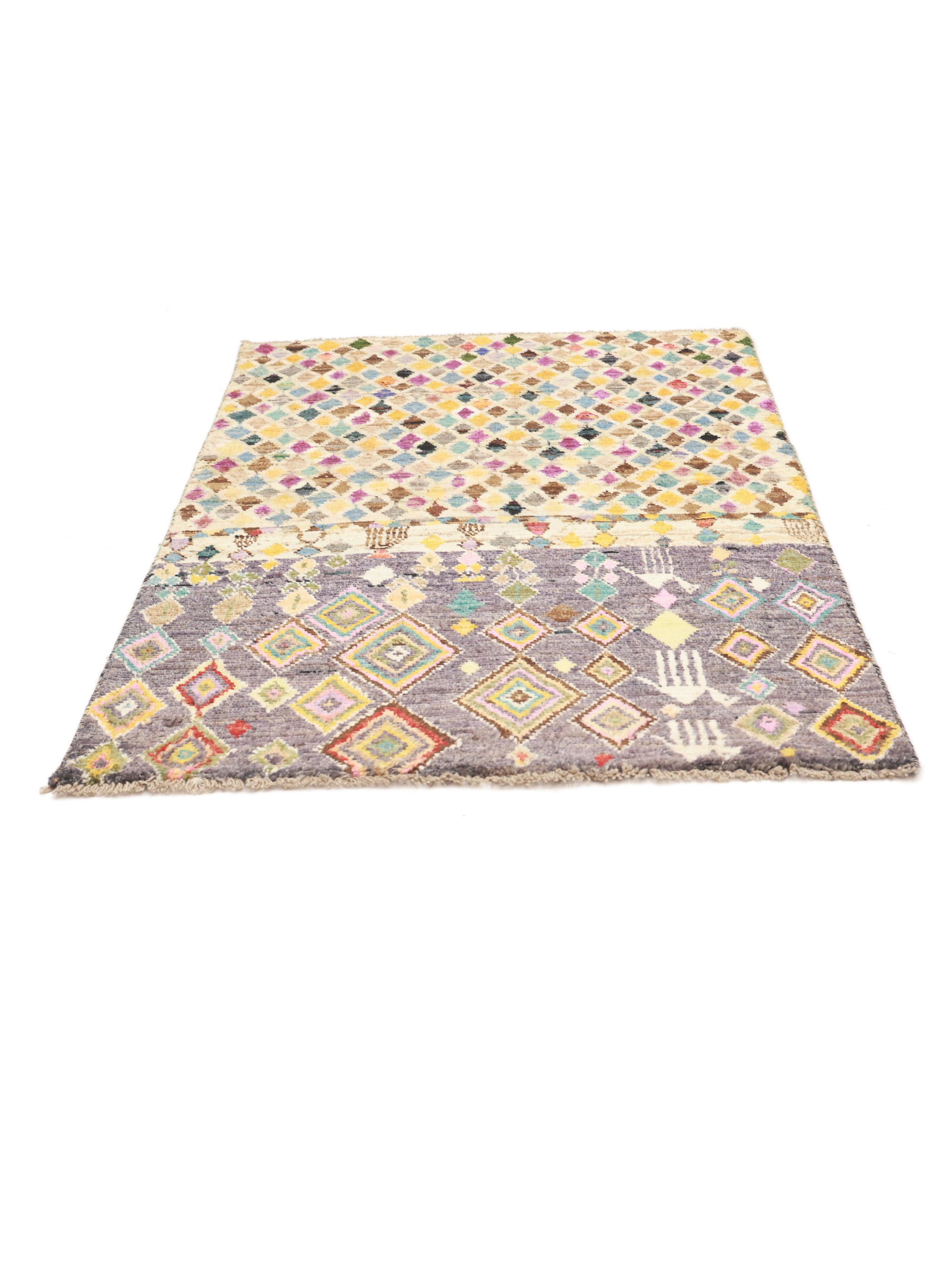
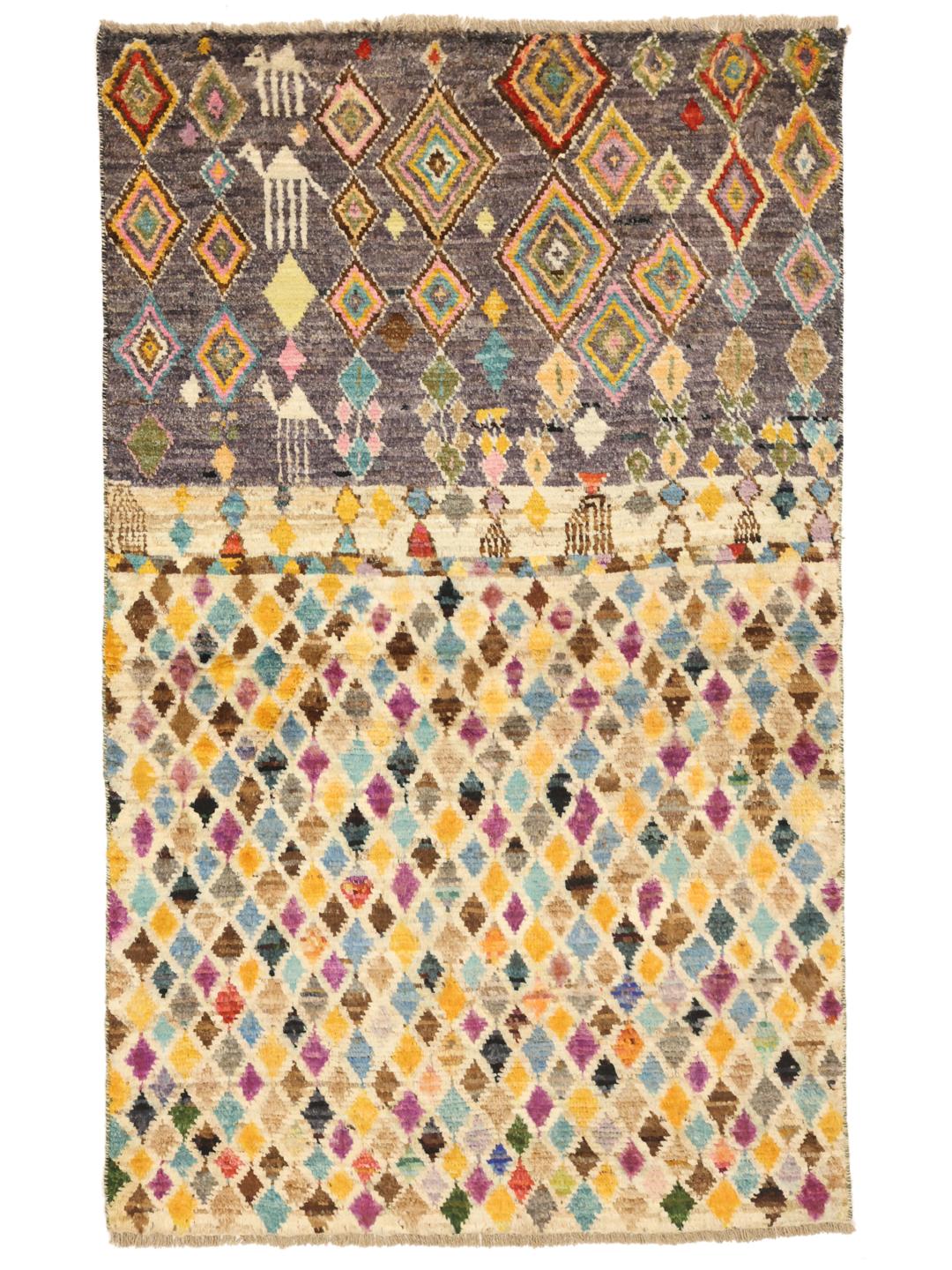
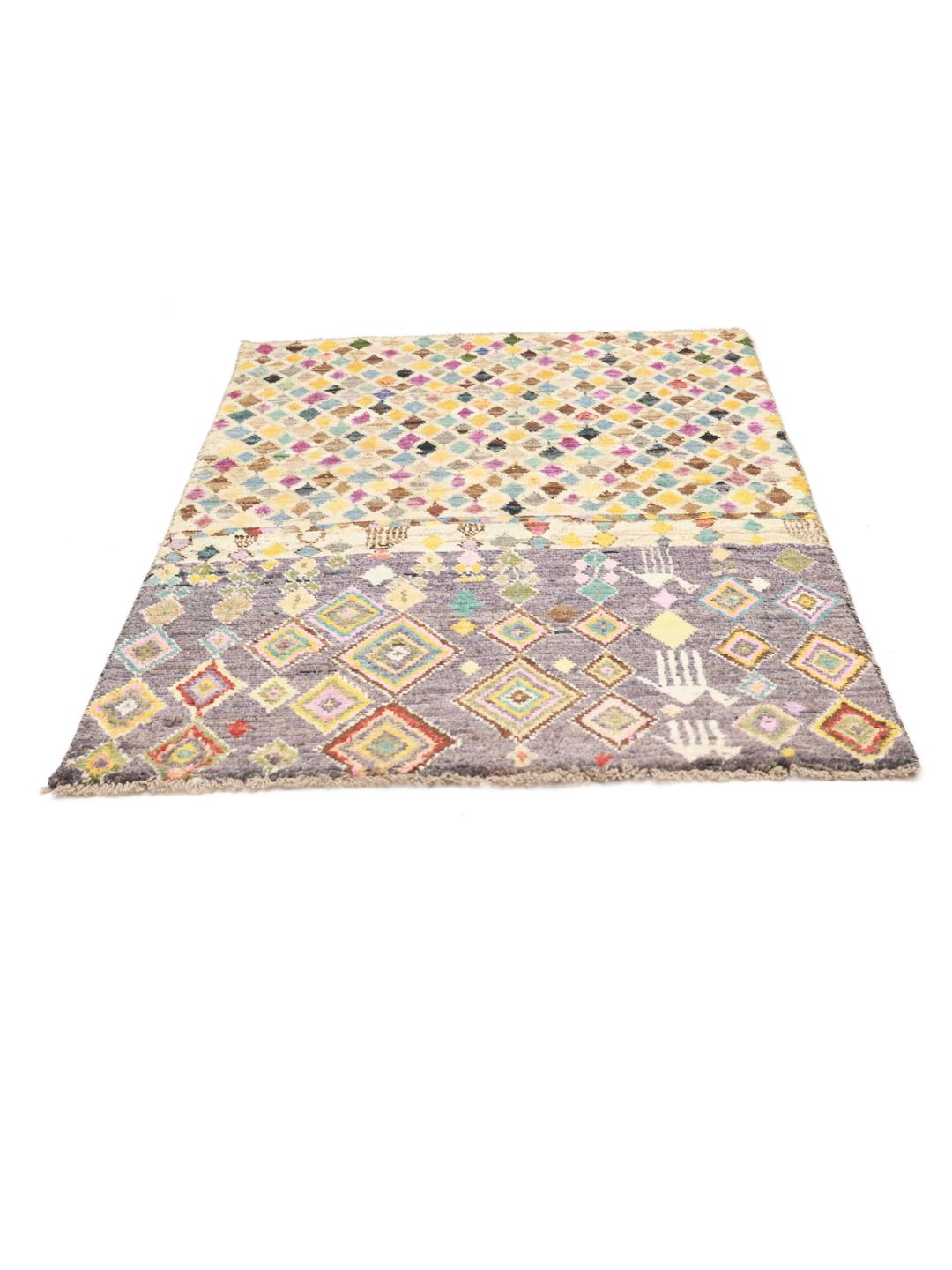
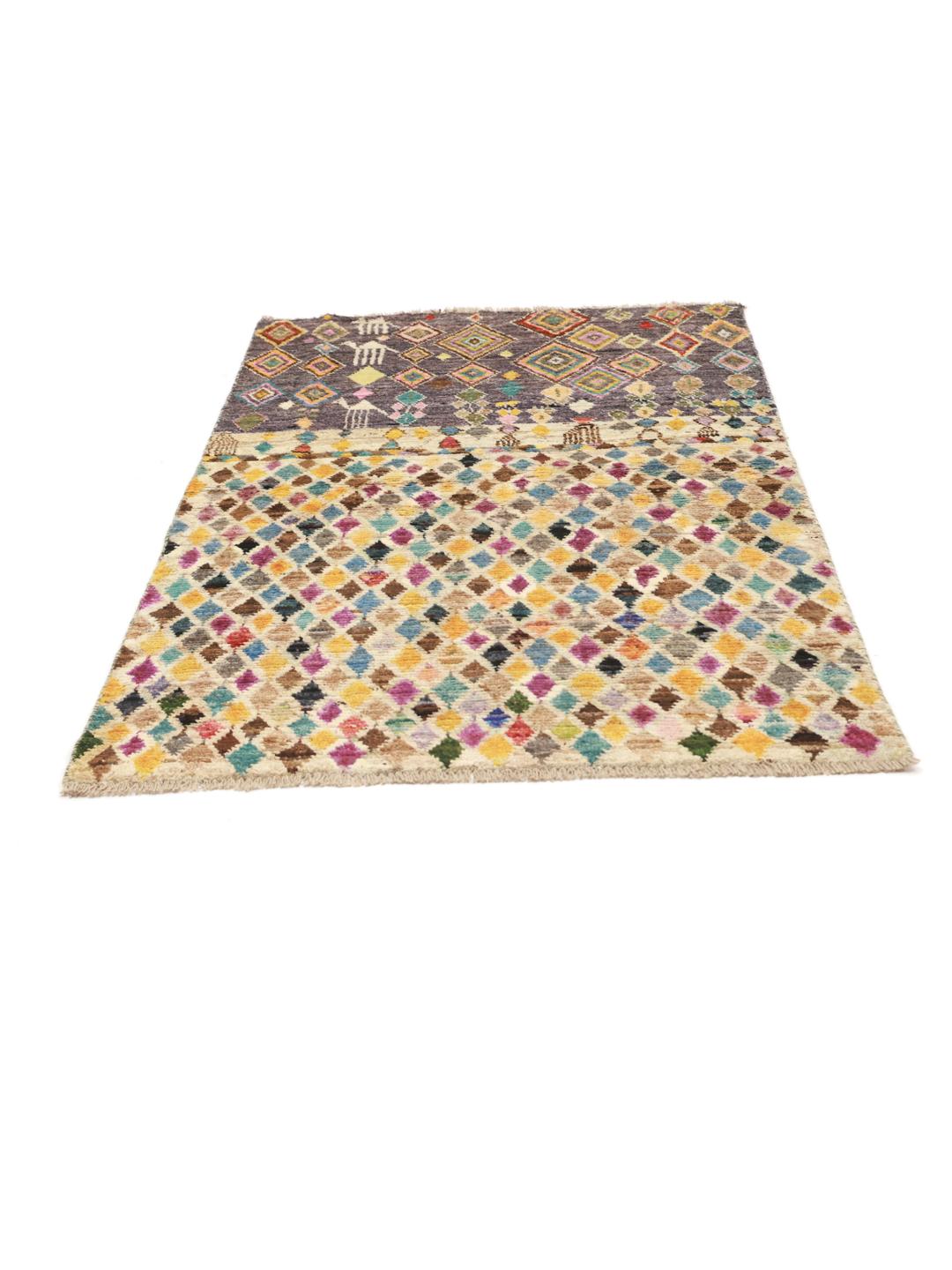
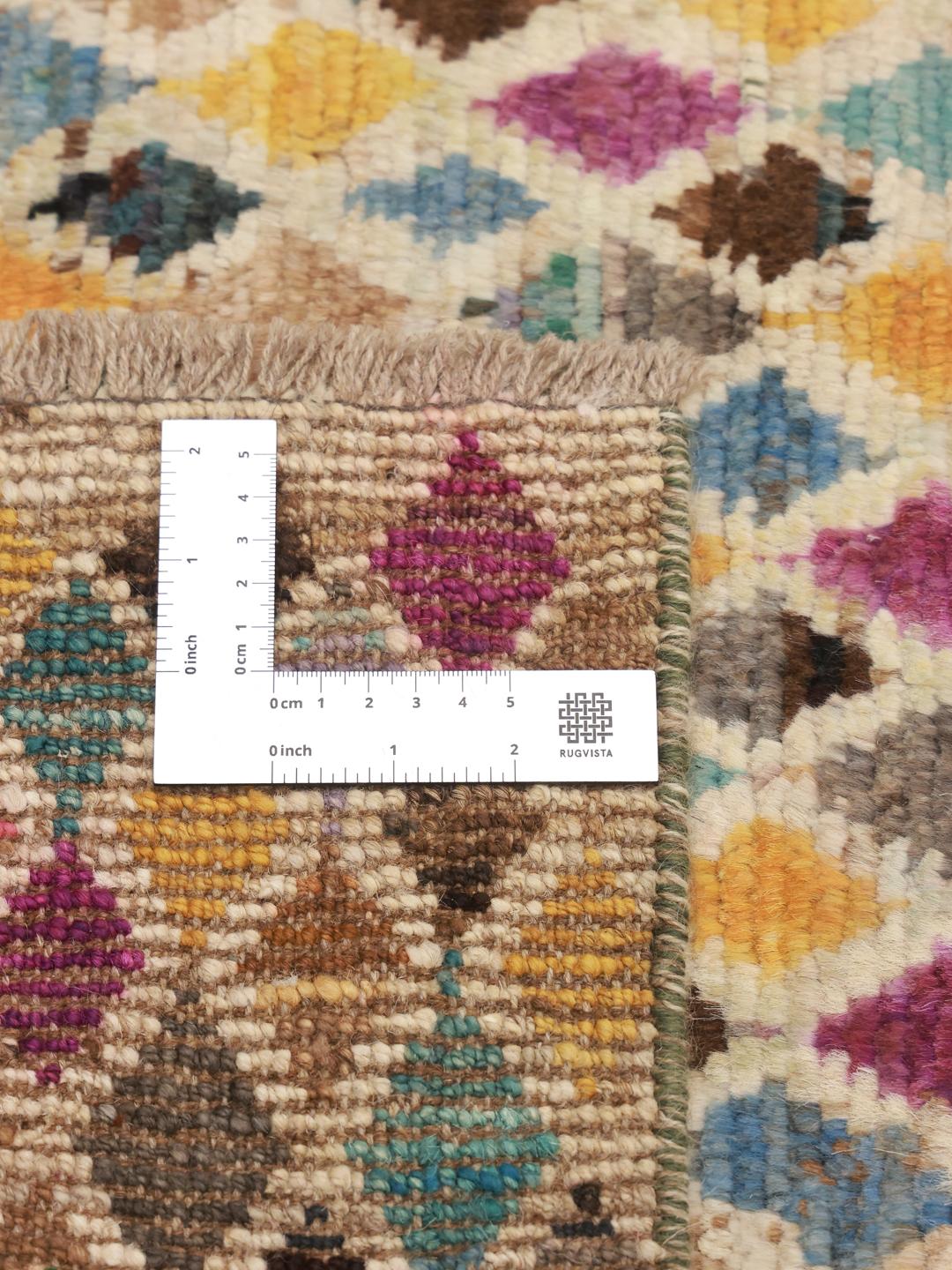
Berber rugs are rooted in the ancient traditions of the nomadic tribes of North Africa, yet their influence has travelled far beyond their original borders. Today, these rugs are masterfully crafted in Afghanistan, where weavers have adapted the classic Berber style, infusing it with local techniques and a distinct regional aesthetic. This evolution has created a unique hybrid style that honours the spirit of the original tribal designs while showcasing the exceptional skill of Afghan artisans.
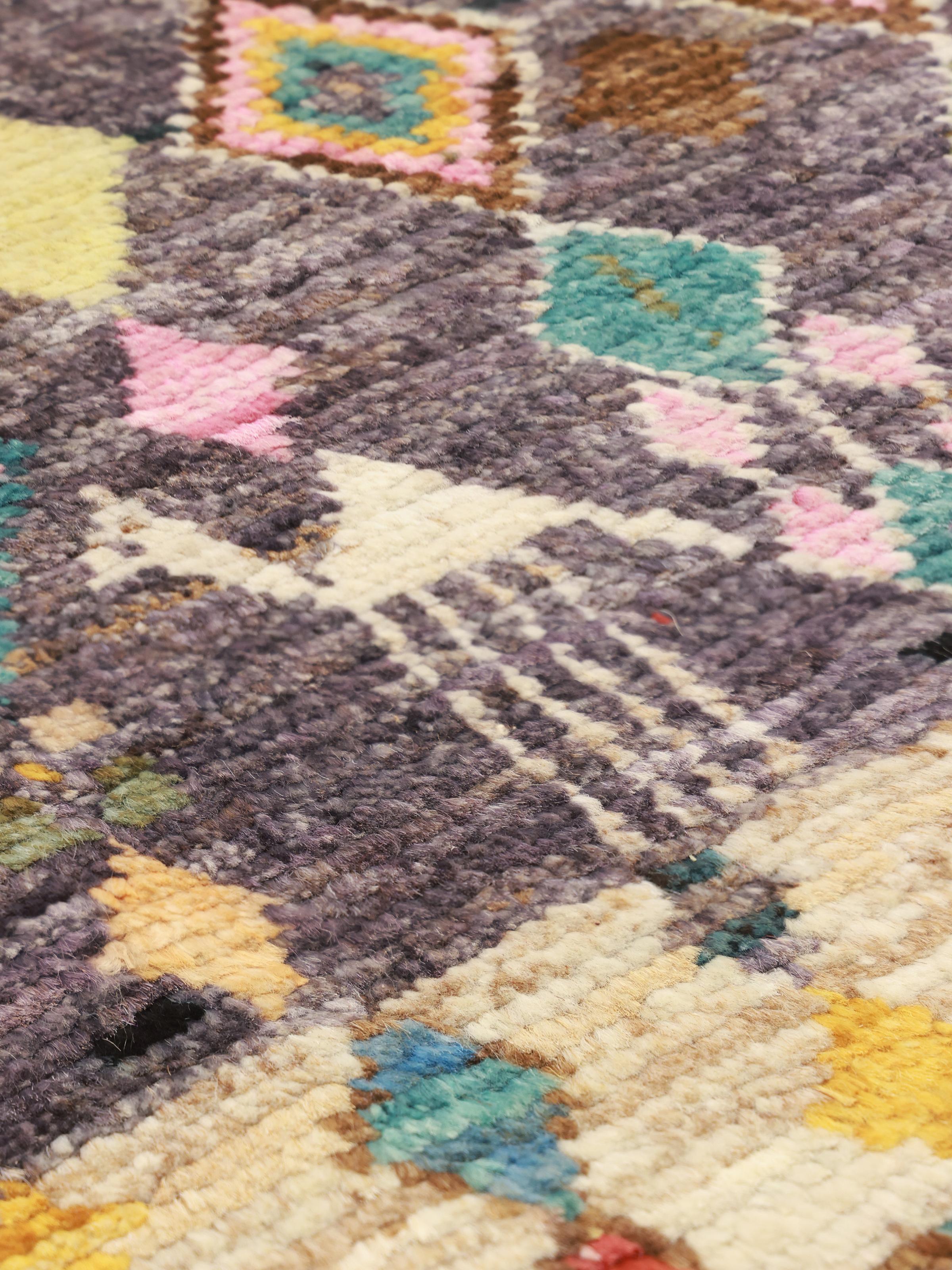
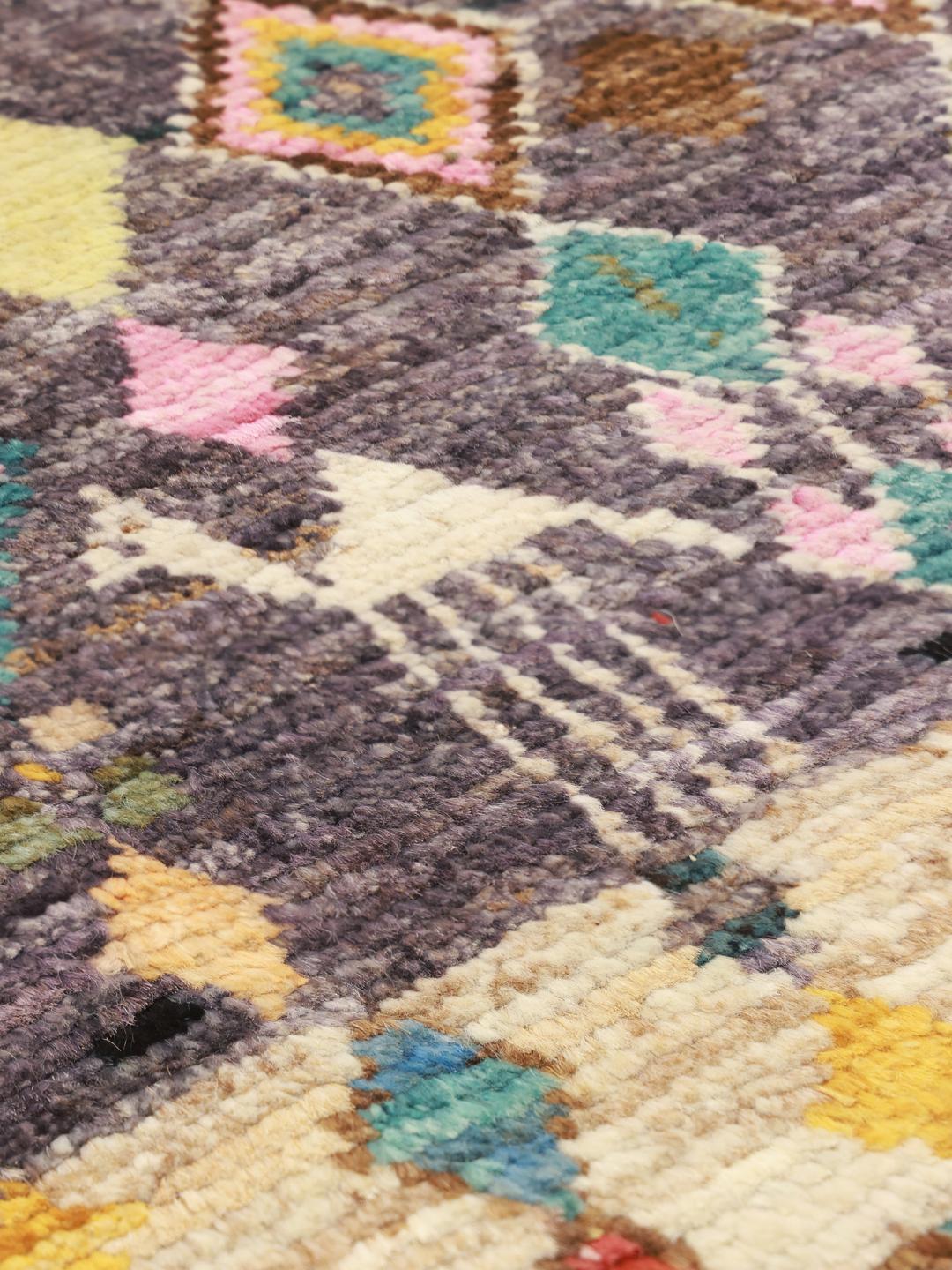
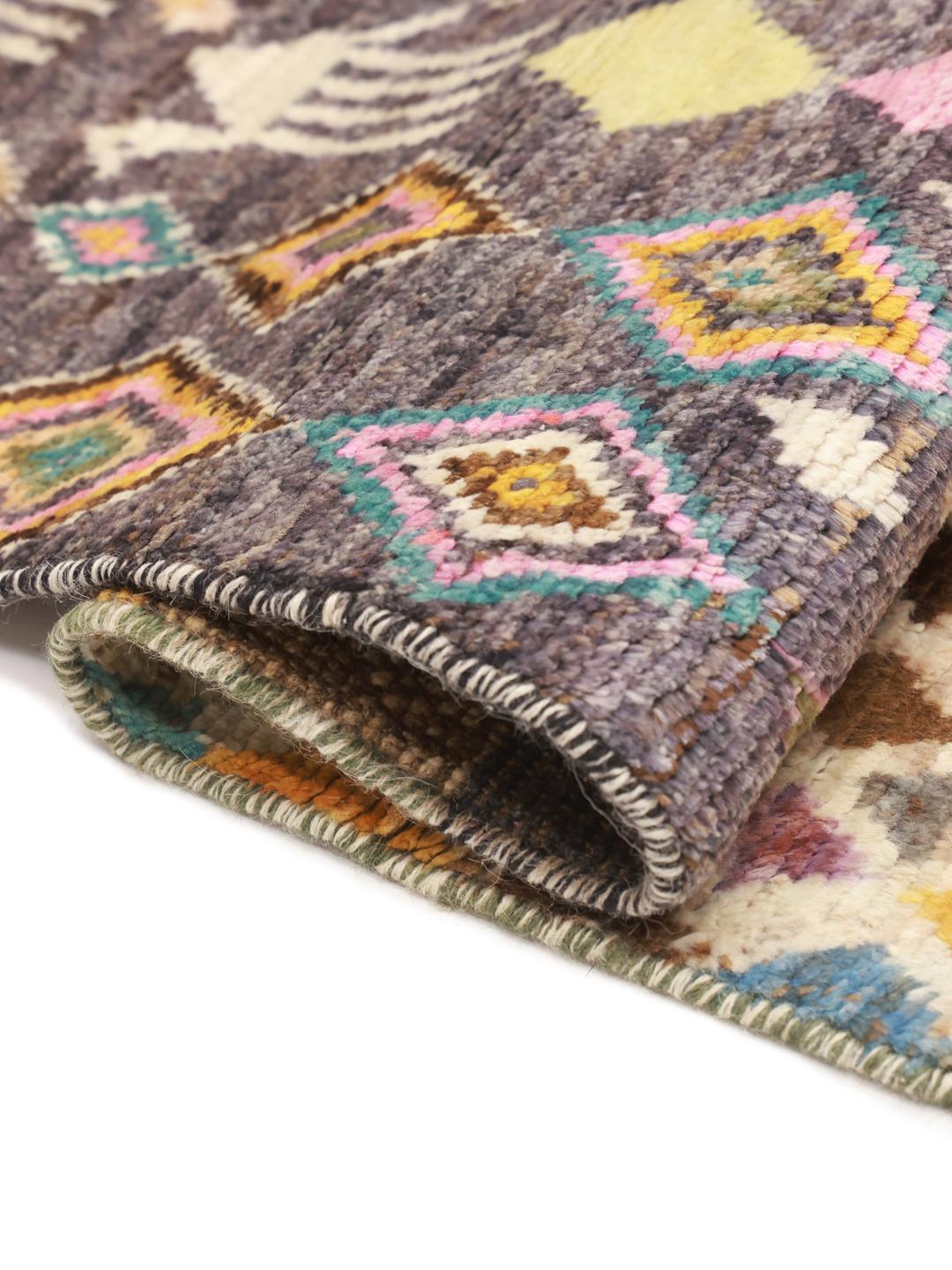
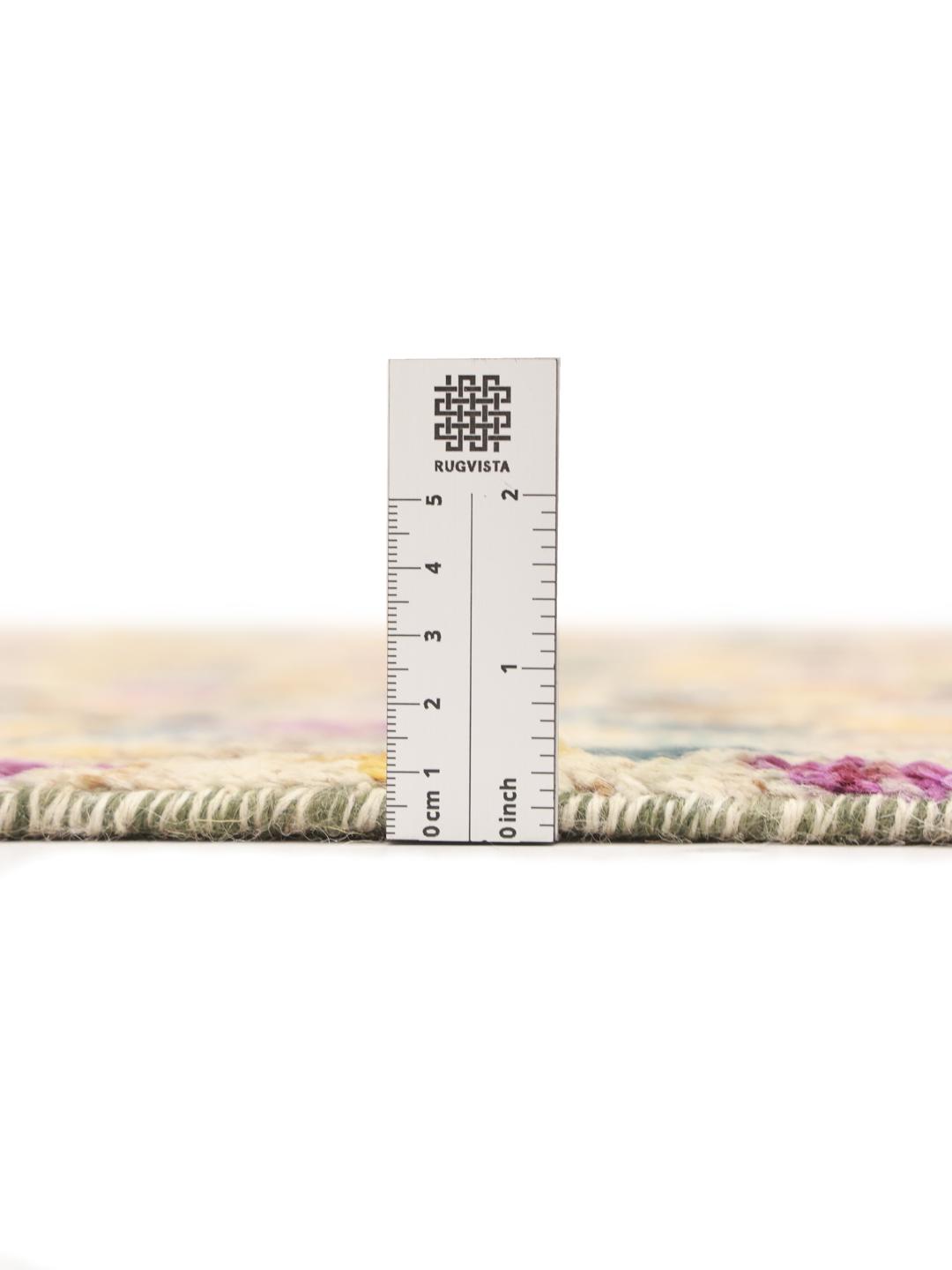
The term 'Berber' refers to a specific approach to rug making that prioritises thick, woollen piles and bold, symbolic patterns. In these pieces, the wool is often left in its most natural, robust state to provide maximum warmth and durability. The construction focuses on creating a dense foundation, which is why these rugs are so prized for their ability to withstand heavy use while retaining their plush, inviting texture for generations.
The design language of this rug is deeply symbolic, often incorporating geometric shapes like diamonds, which are traditionally believed to offer protection and good fortune. The inclusion of figures such as camels reflects the nomadic heritage of the original creators, grounding the piece in a history of desert life and travel. The vibrant use of colour is a hallmark of this style, where the palette is used to tell a story or celebrate the weaver's personal vision within the strictures of traditional motifs.
Collecting a rug from this tradition is an act of preserving a piece of cultural history. These rugs are valued not only for their aesthetic beauty but for the immense skill required to produce them by hand. Owning one means connecting your home to a long lineage of craft, where every knot and every colour choice represents a continuation of a story that has been told through threads and looms for centuries.