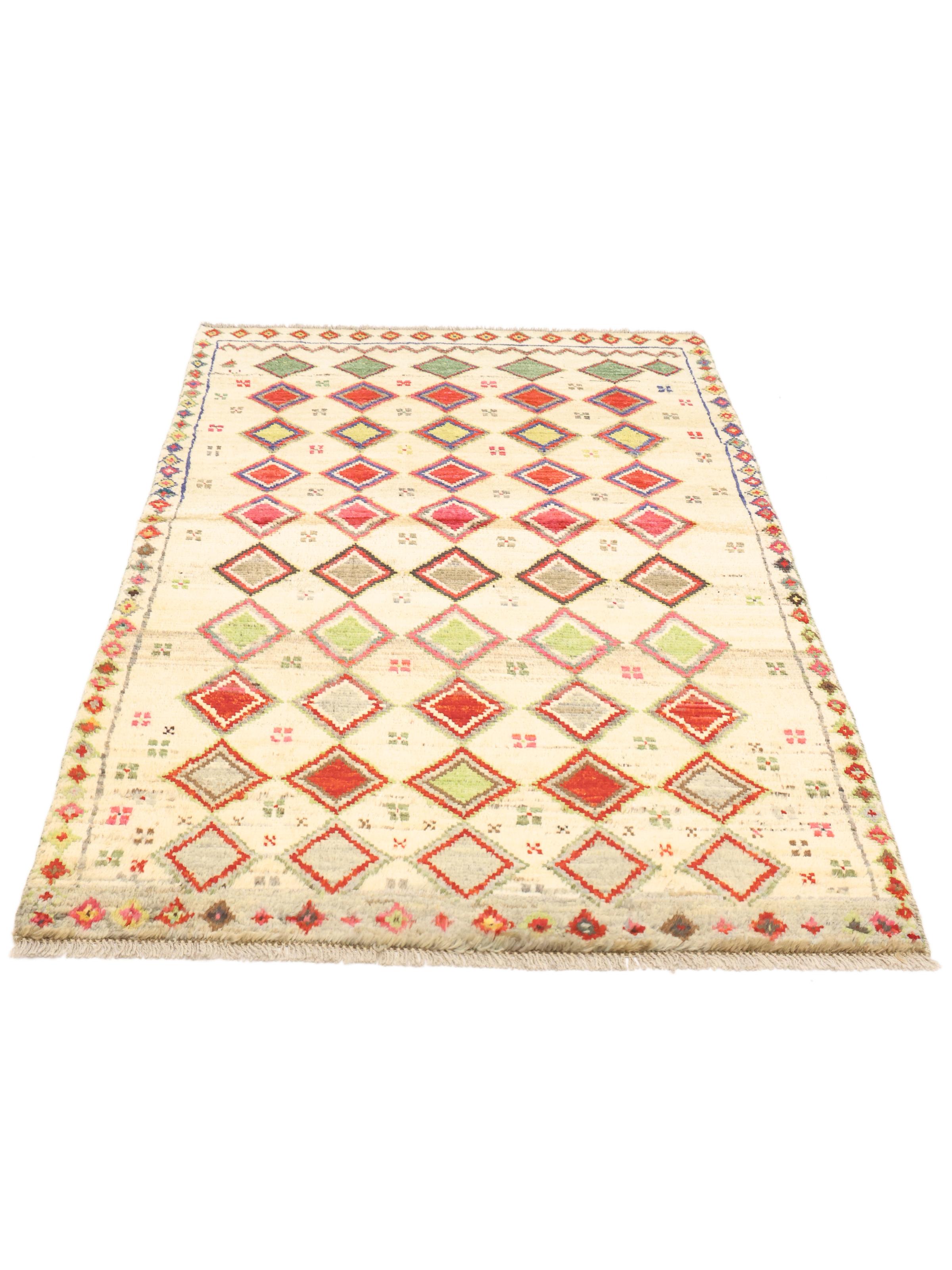
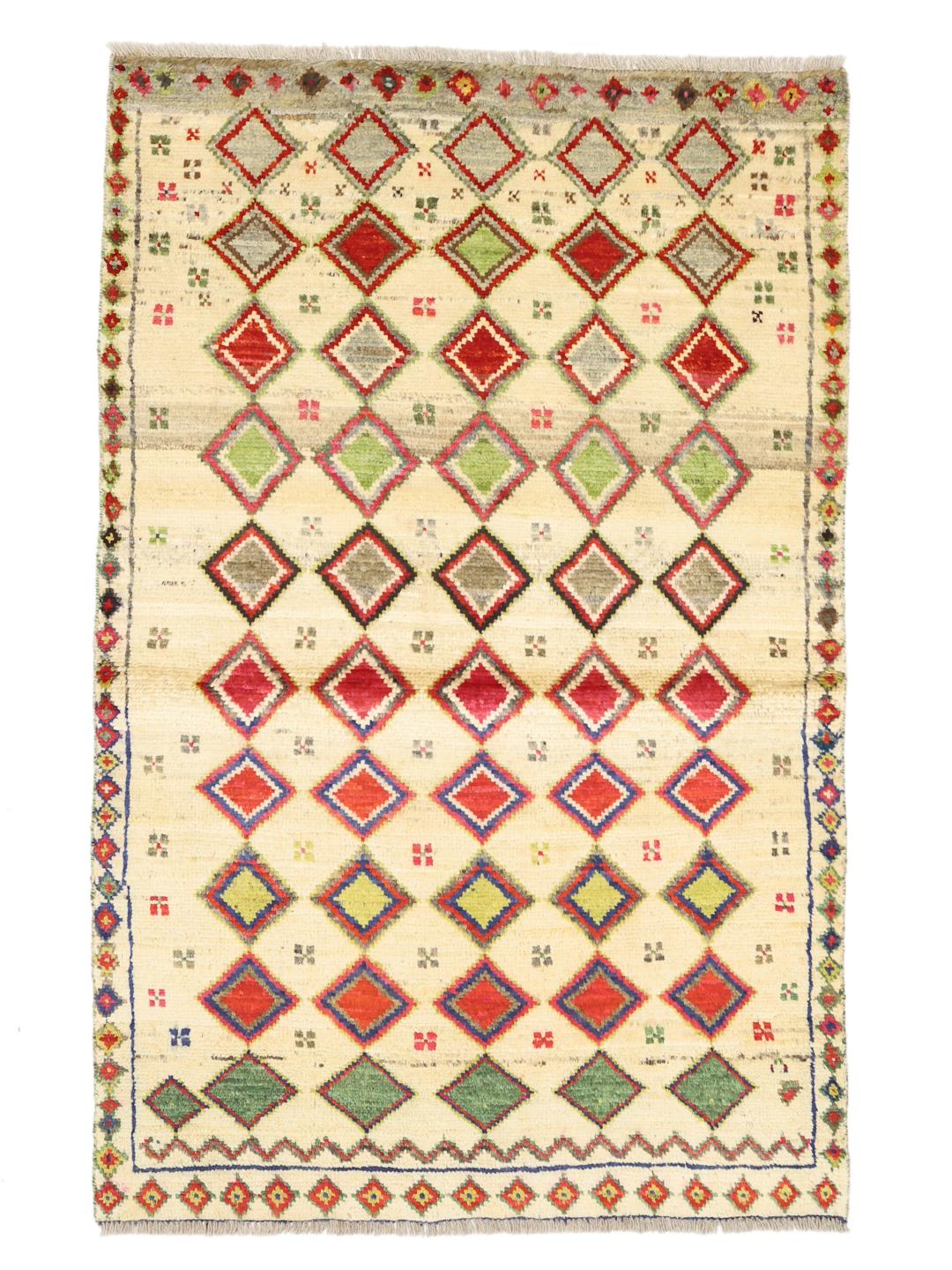
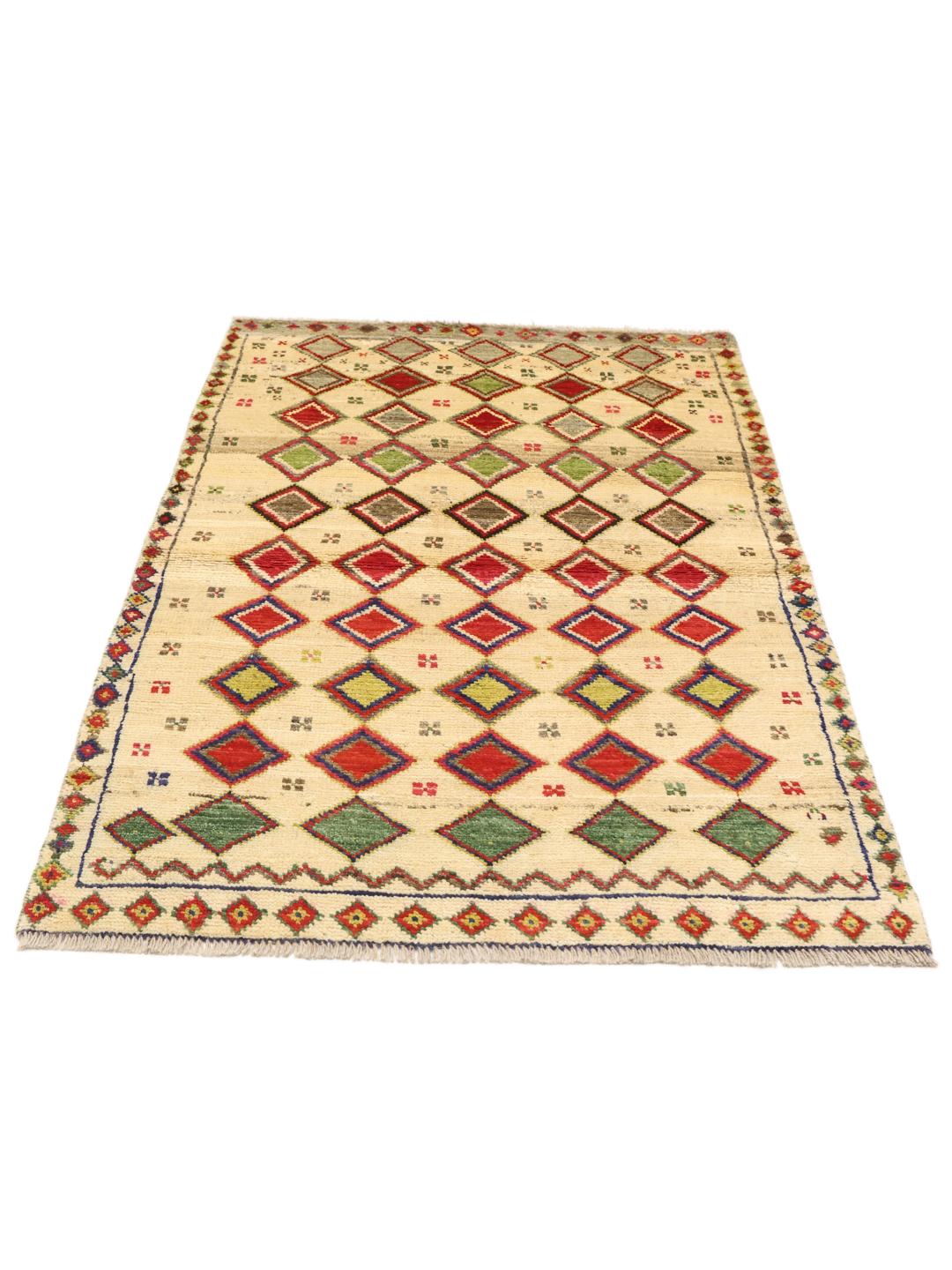
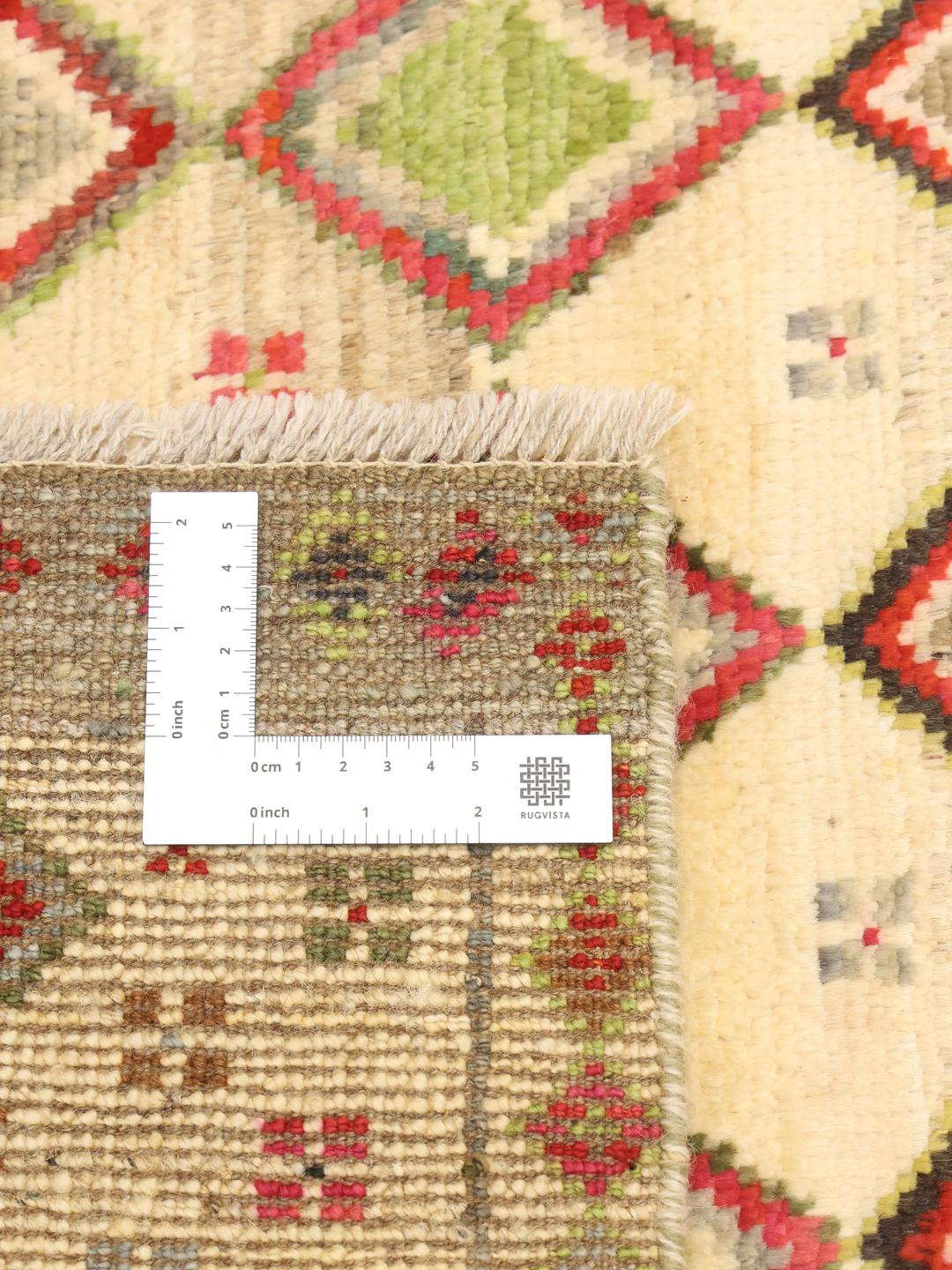
Berber rugs are rooted in the ancient weaving traditions of North Africa, but their influence has travelled far beyond their origins. Today, these styles are masterfully interpreted by artisans in Afghanistan, who have adapted the iconic aesthetic to incorporate their own regional techniques and cultural storytelling.
The term Berber refers to the indigenous people of North Africa, whose weaving history is defined by symbolic patterns that often reflect aspects of daily life, nature, and protection. While the origins are distinct, the modern interpretation seen here bridges these traditions with the high-quality wool and weaving expertise found in Afghan workshops.
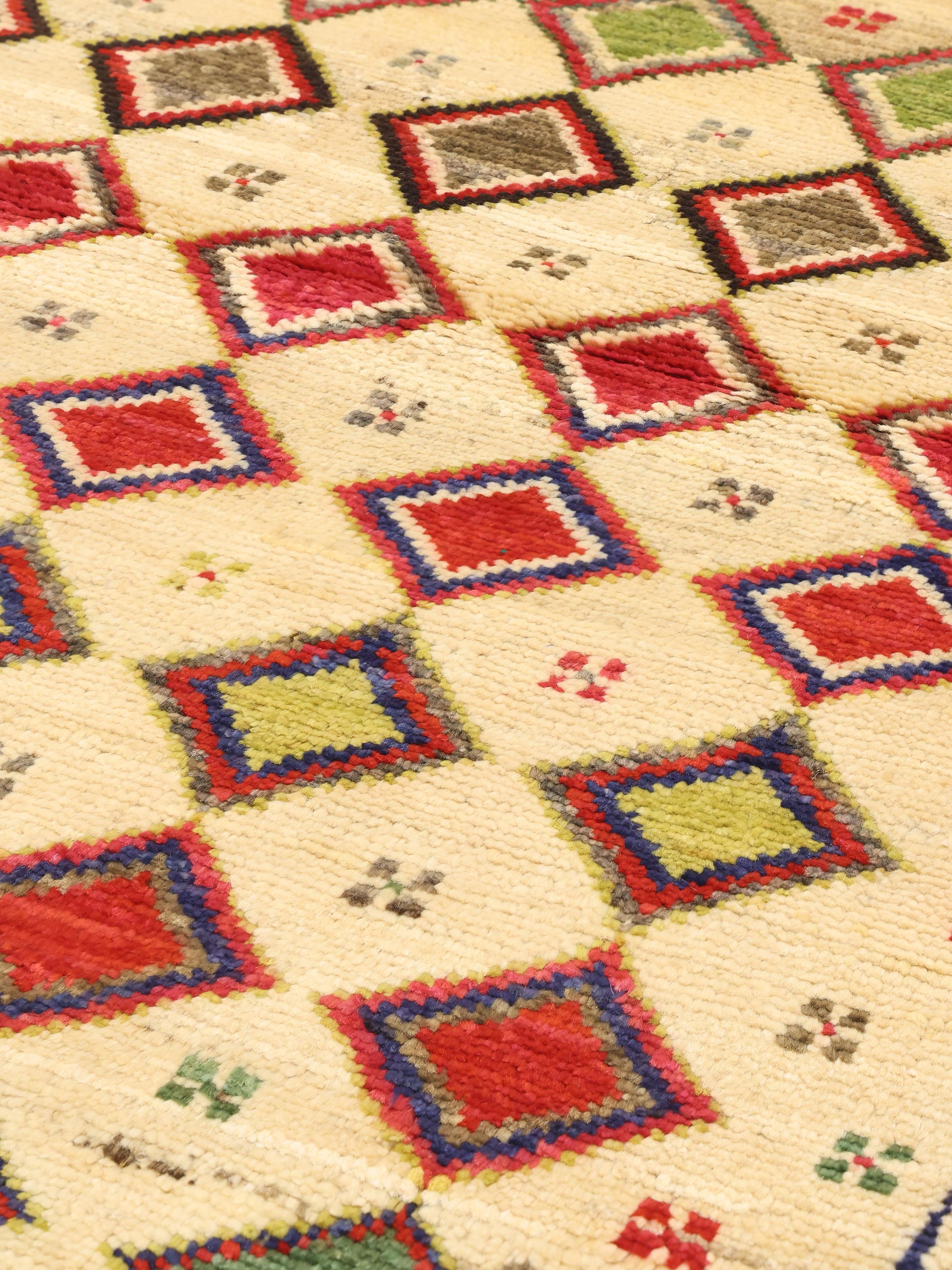
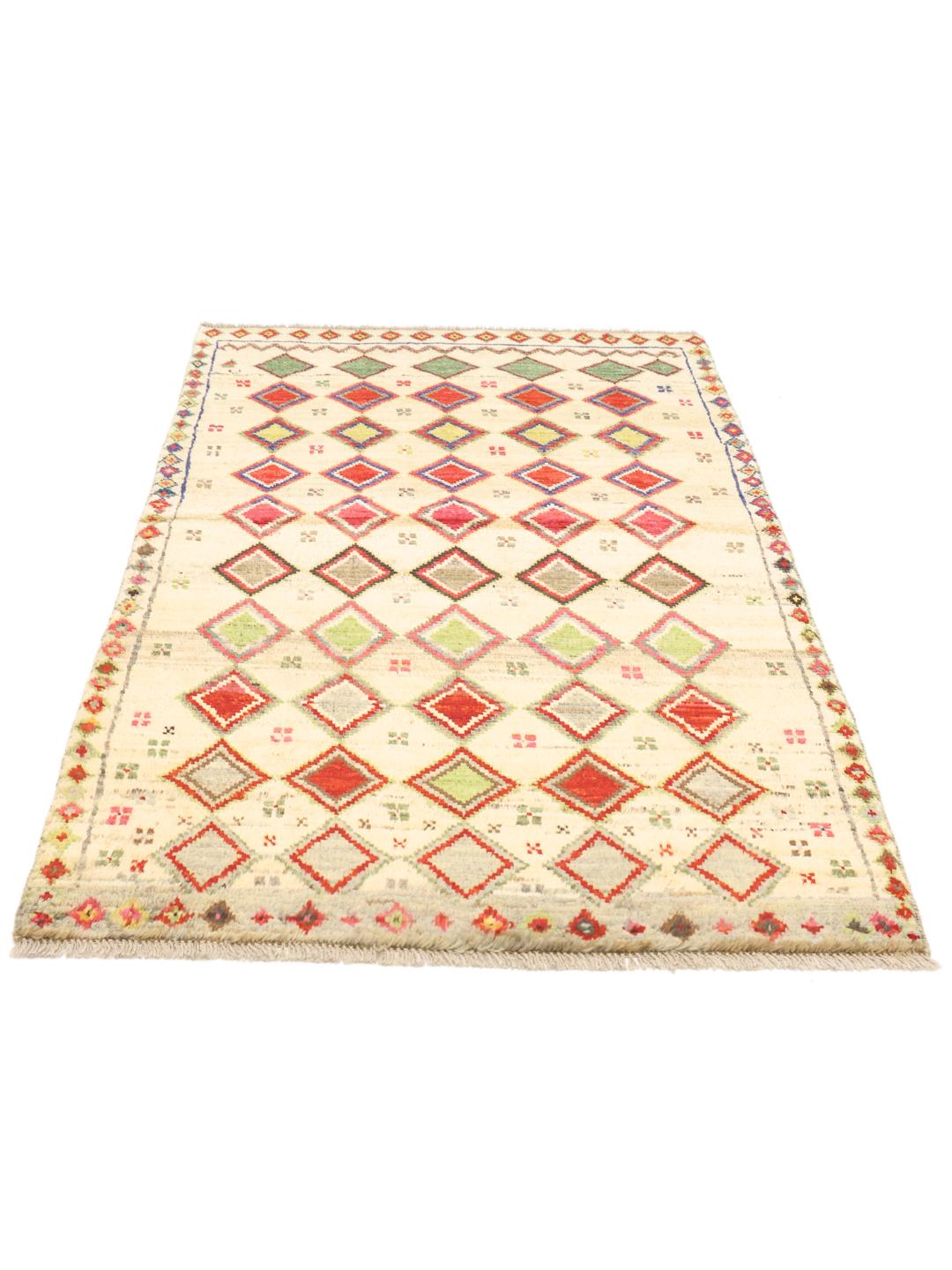
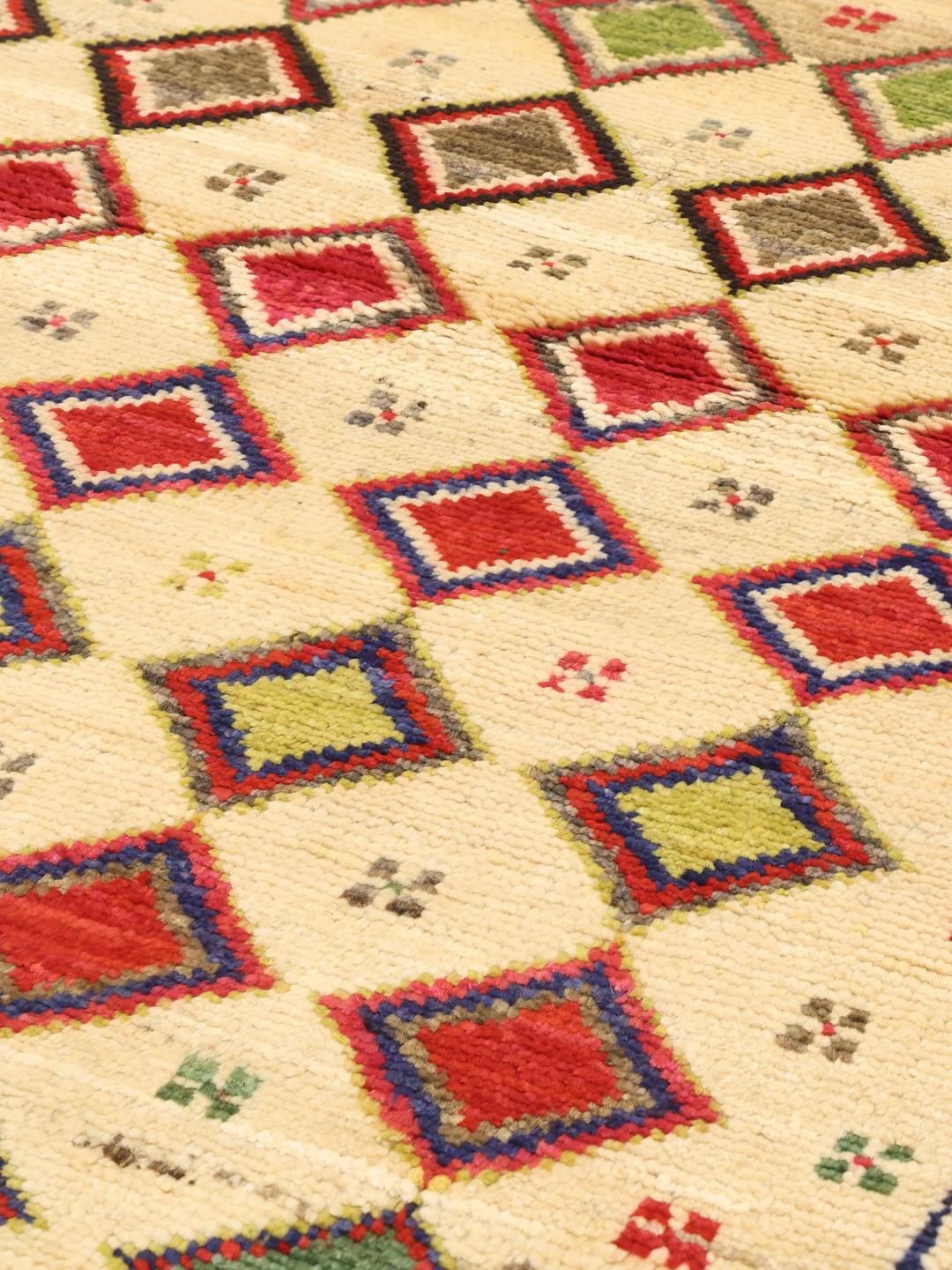
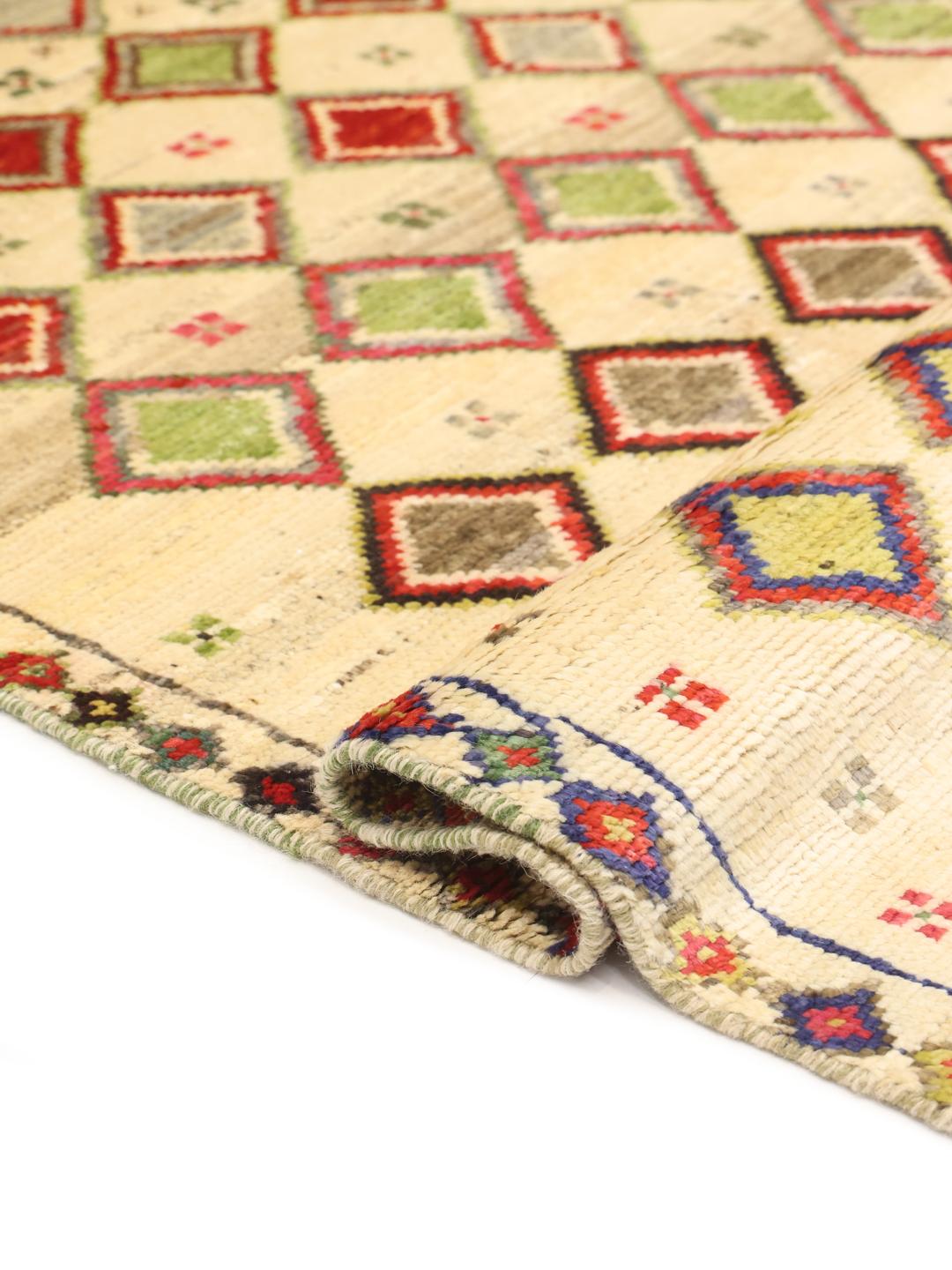
Signature elements of this style include a focus on geometric shapes, such as the diamonds and repeating motifs seen in this piece. These designs are rarely purely decorative, often carrying meanings related to the weaver's environment. The use of vibrant, contrasting colours against a neutral background is a hallmark of the style, designed to draw the eye and provide a focal point.
Owning a rug from this tradition is an opportunity to connect with a long lineage of craft. These pieces are highly valued by collectors not just for their aesthetic appeal, but for the human story embedded in every row of knots. It represents a bridge between history and the modern home, offering a legacy of skill that continues to evolve.