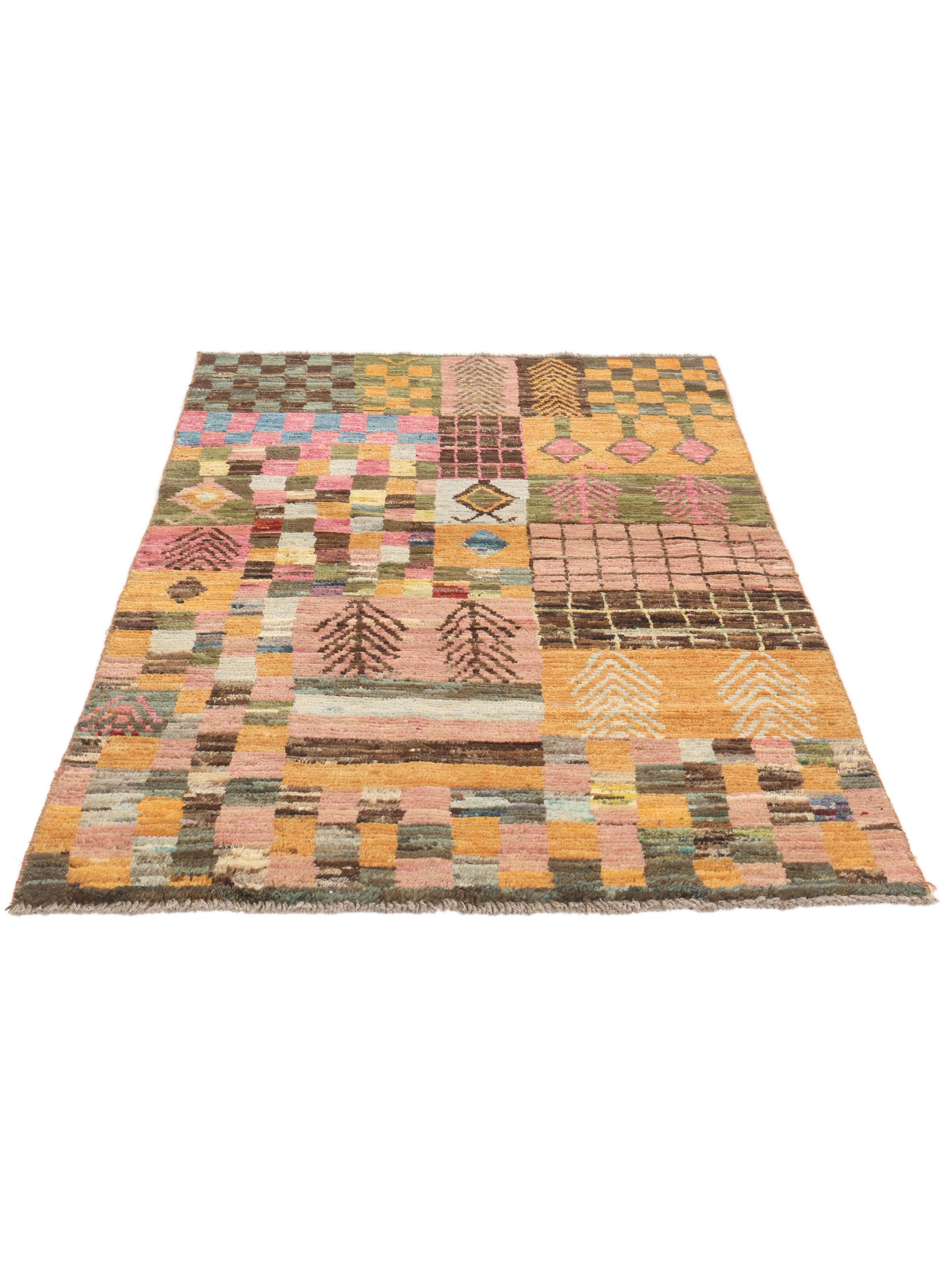
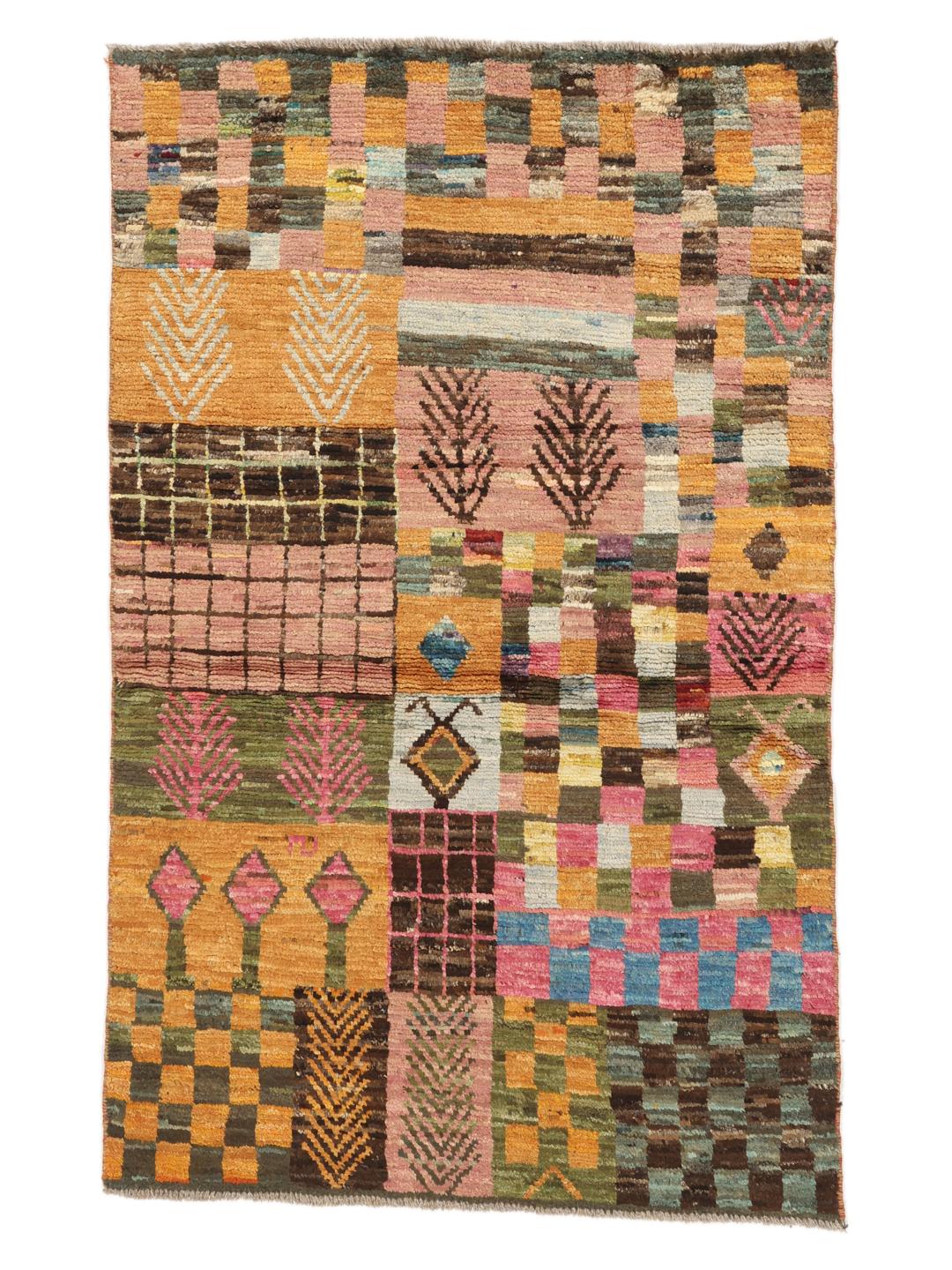
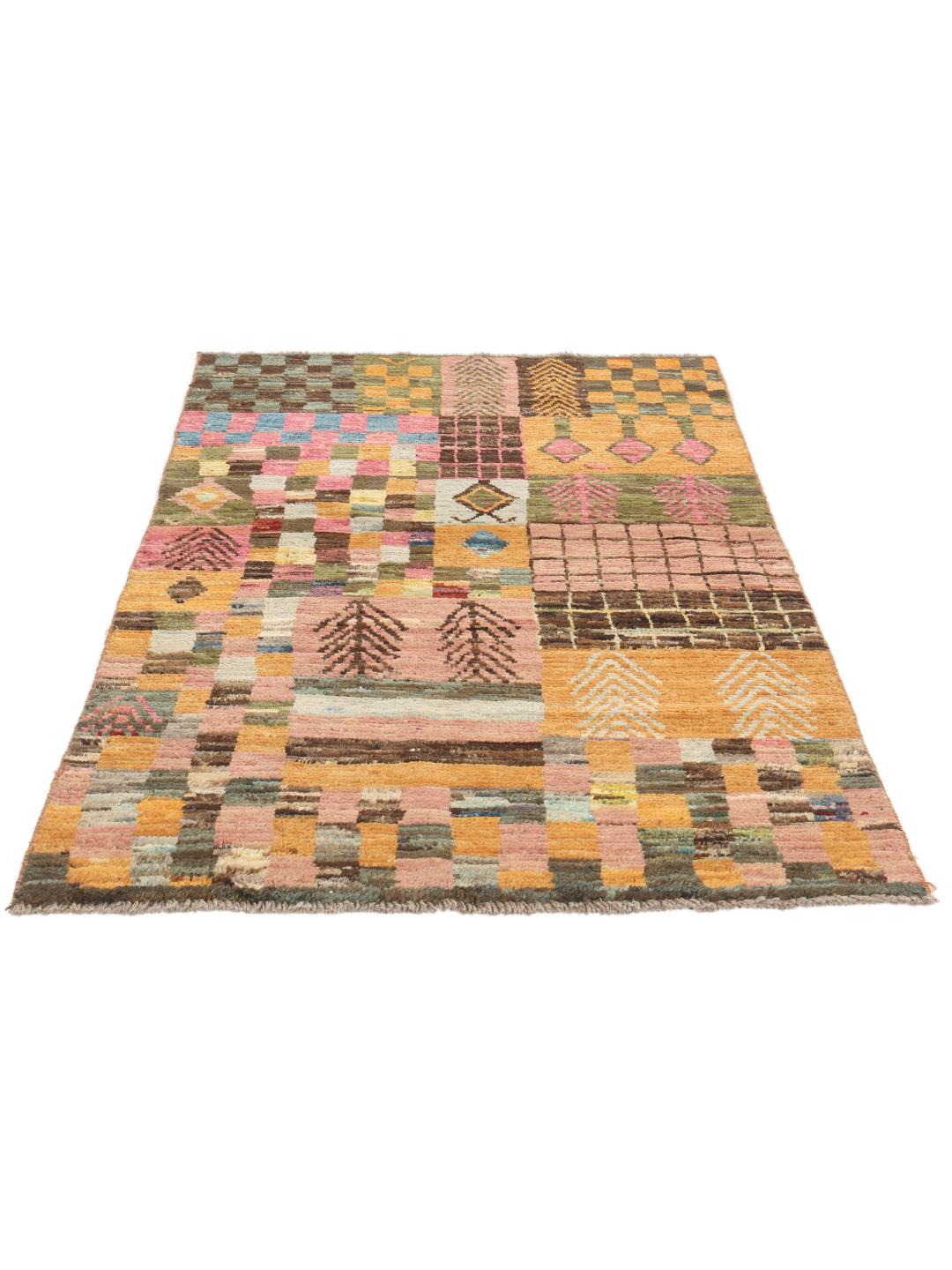
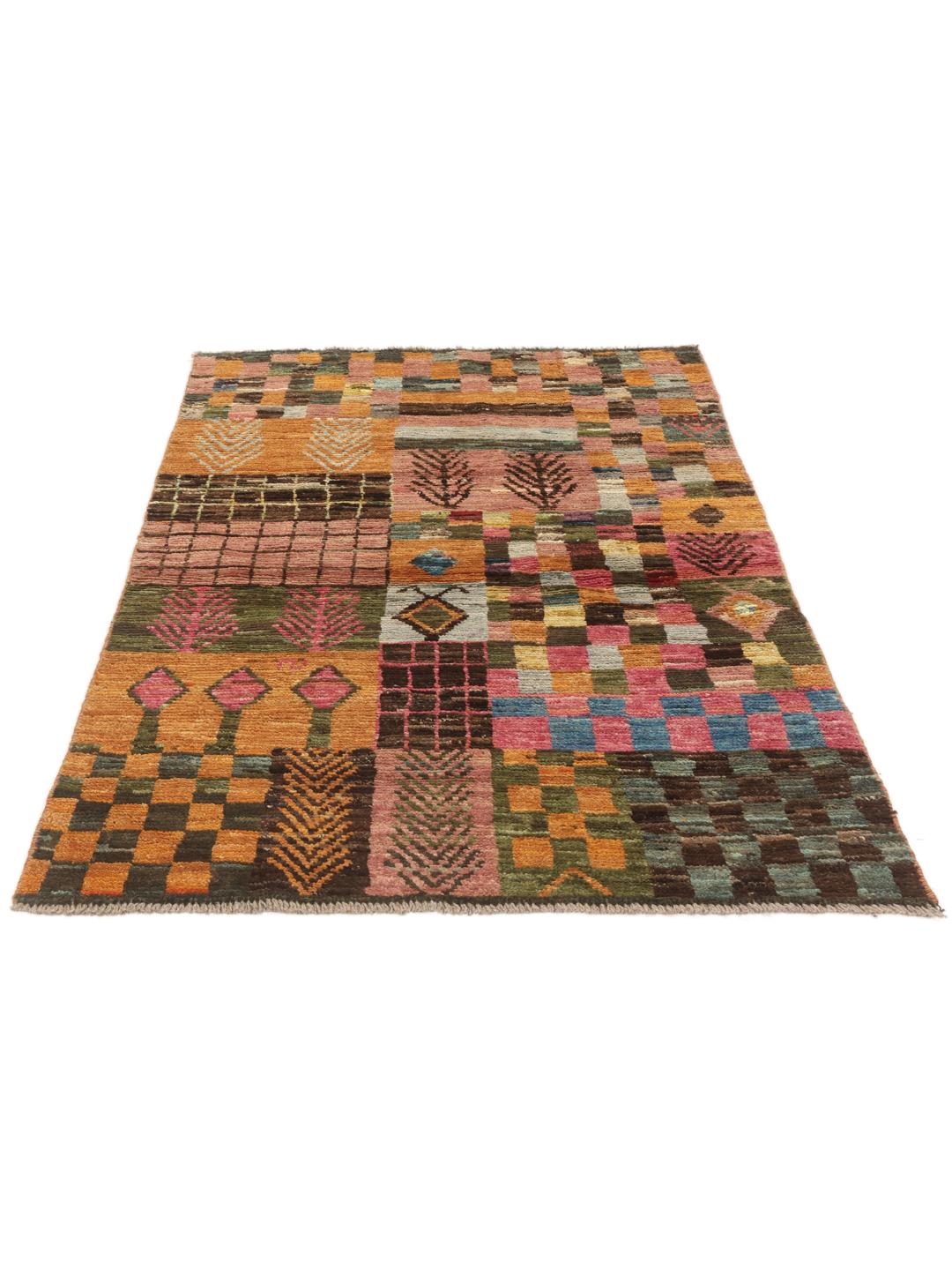
Berber-style rugs are deeply rooted in the nomadic traditions of mountain regions, where weaving has long been a way to preserve cultural stories and provide essential warmth for the home. While the style is widely associated with North Africa, these specific interpretations are masterfully crafted in Afghanistan, where weavers have adapted these ancient techniques to create their own unique visual language.
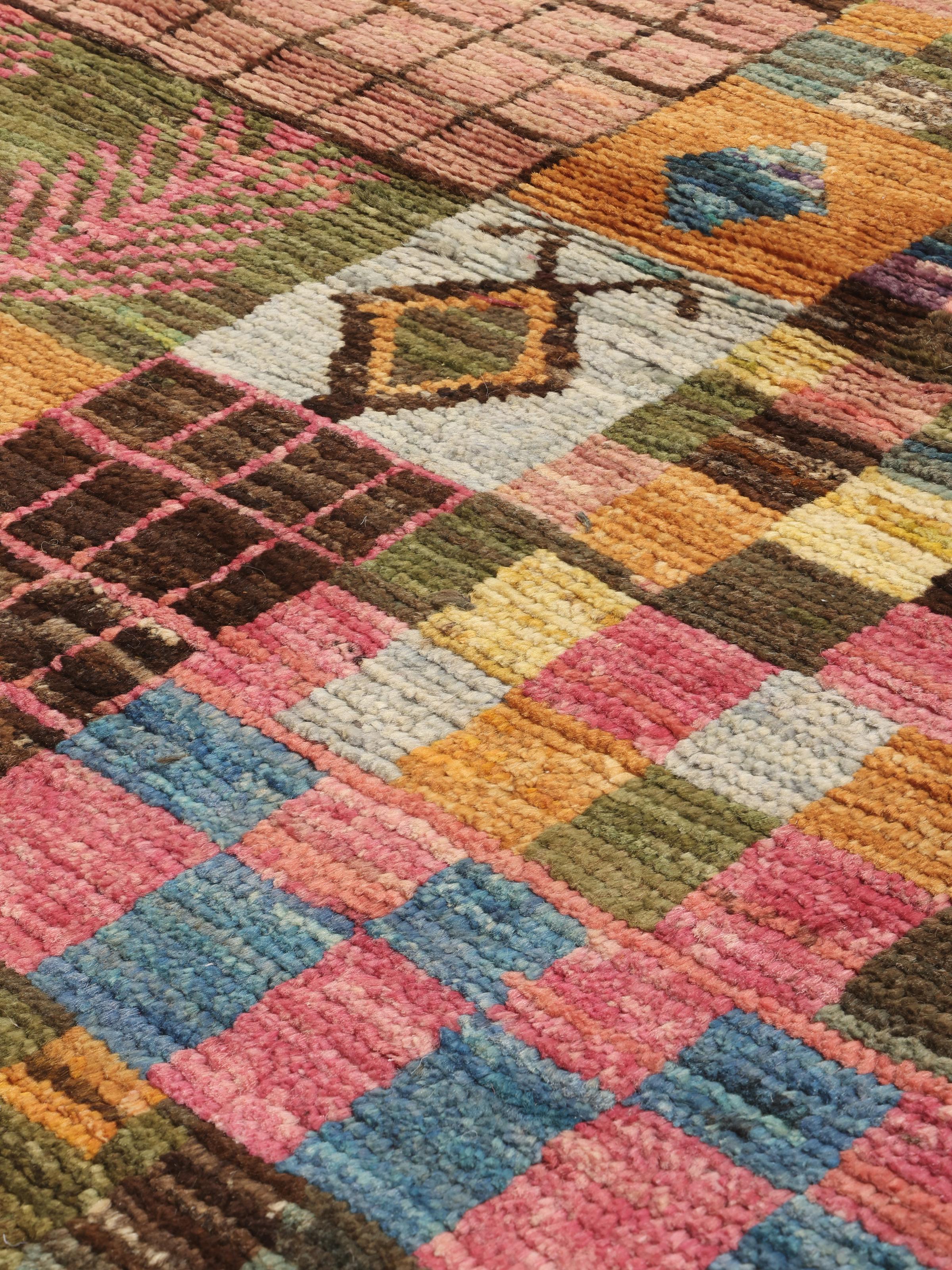
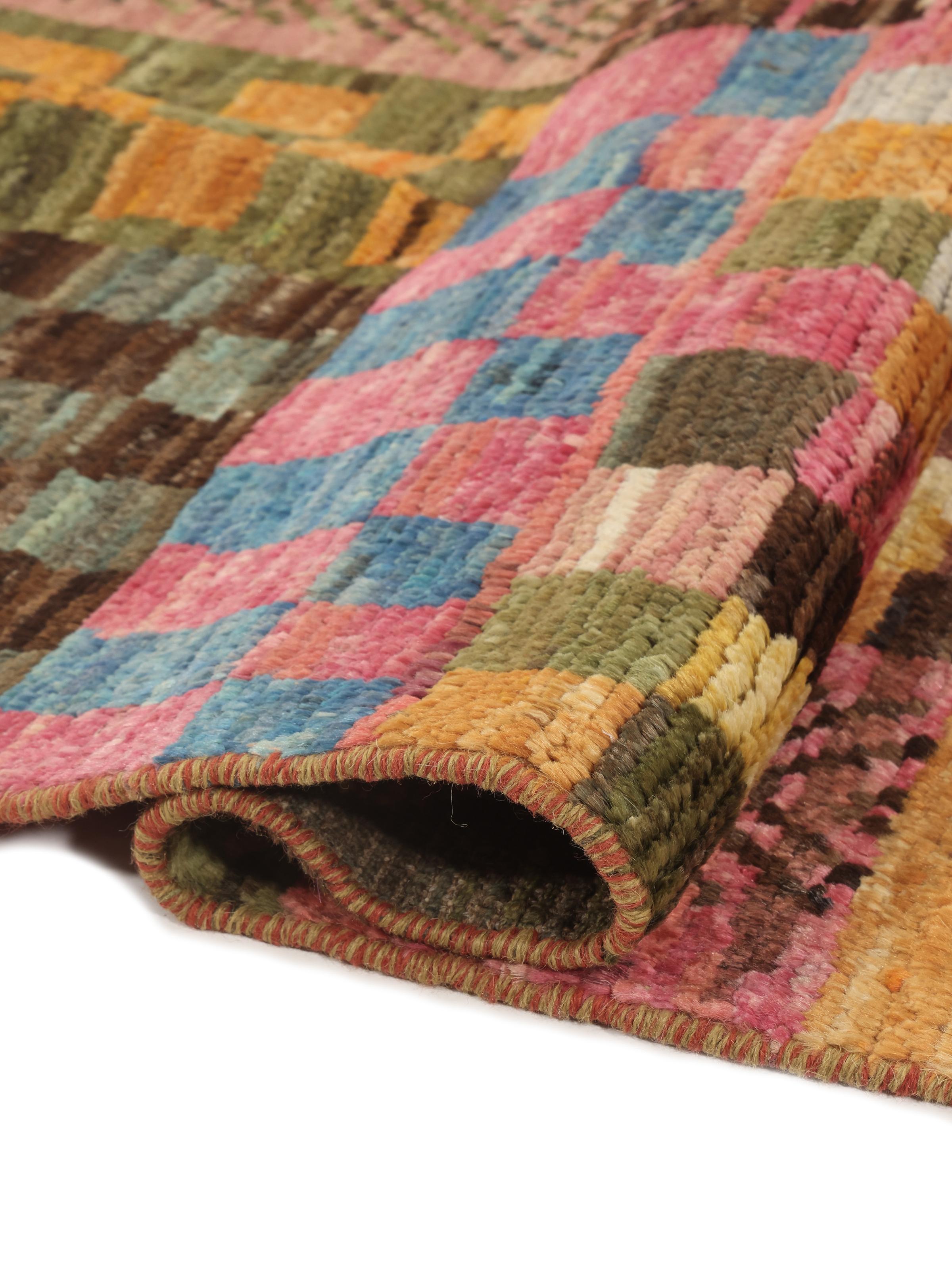
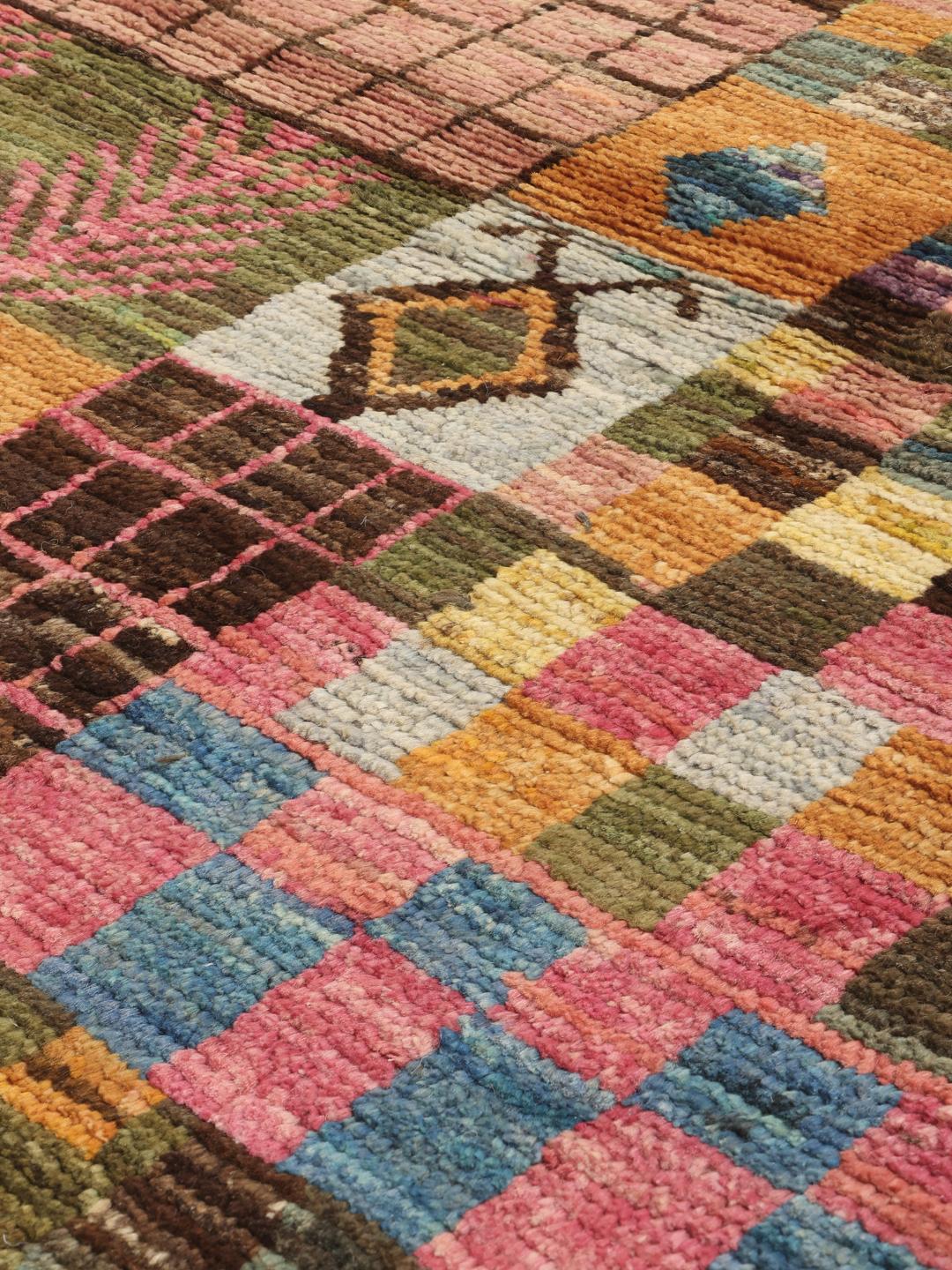
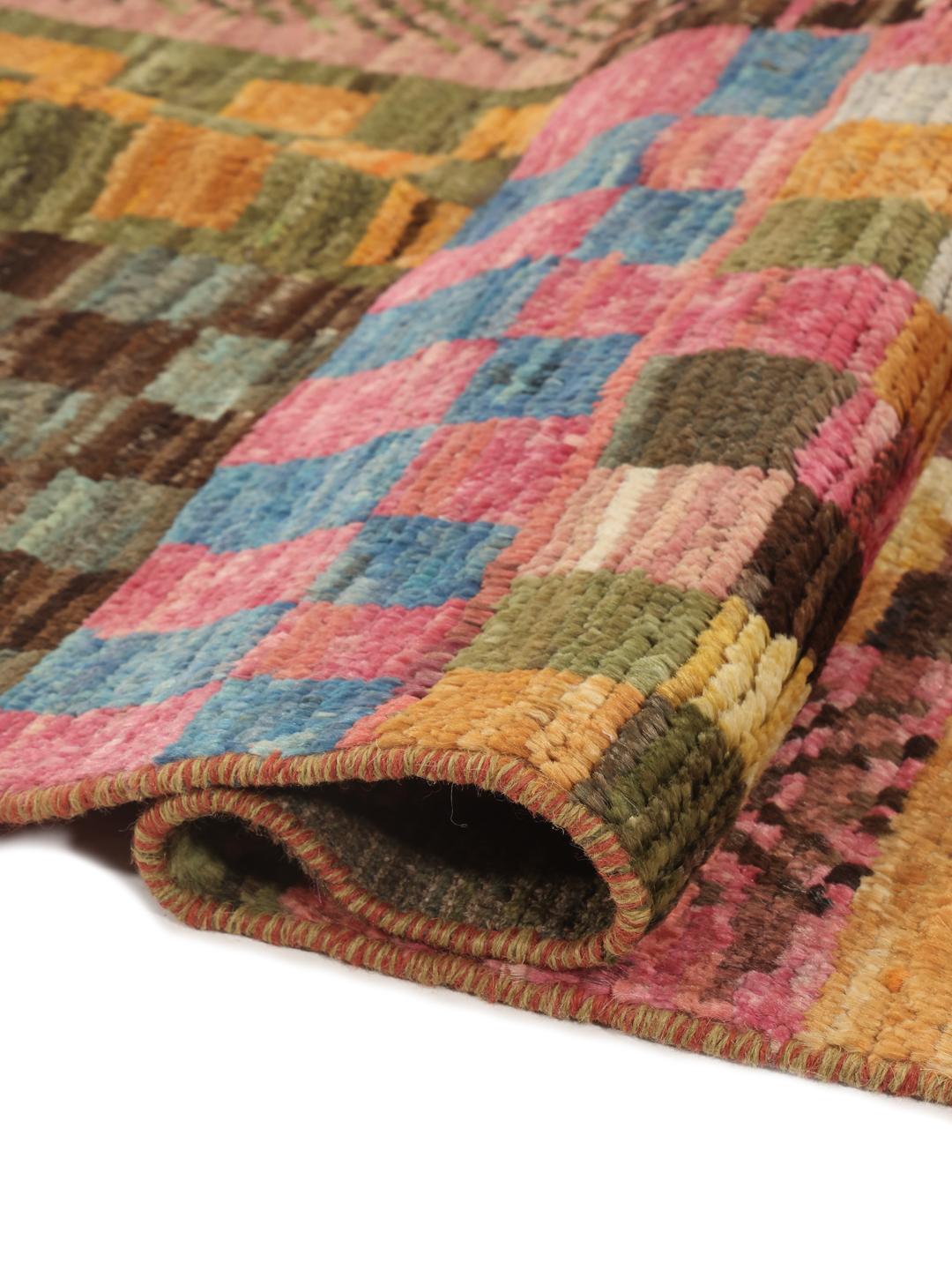
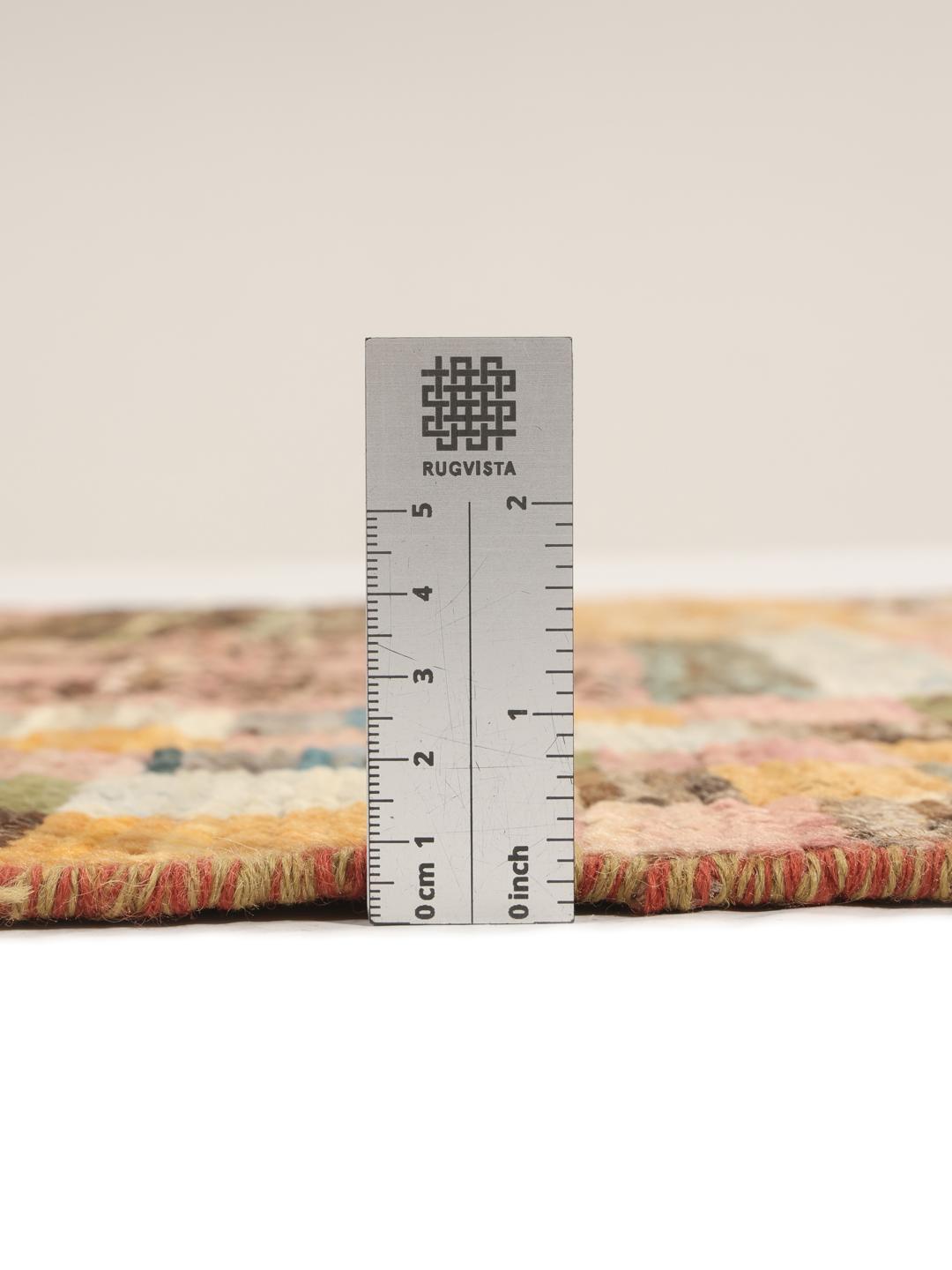
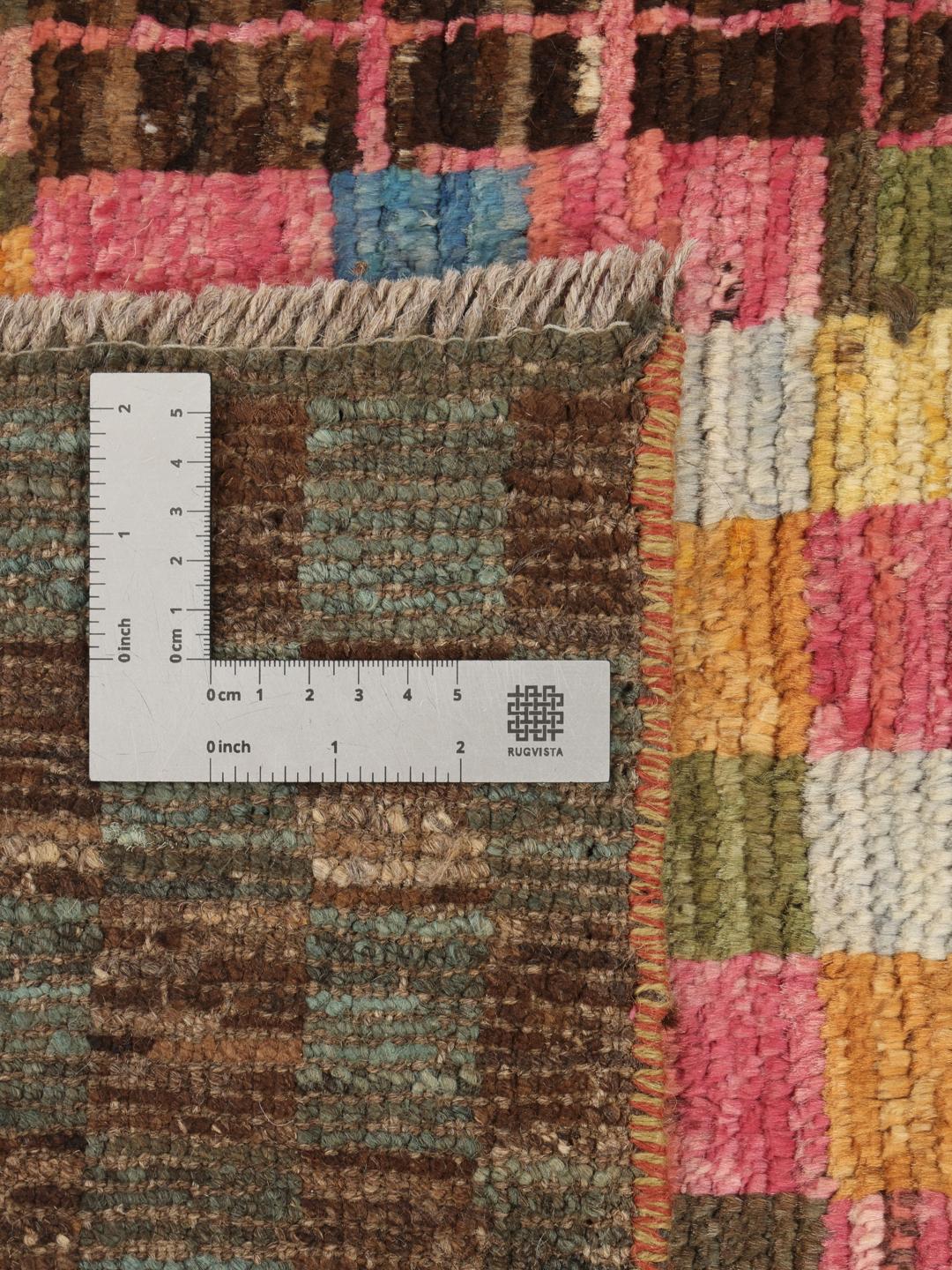
The construction of this rug relies on the mastery of the hand-knotting technique. This method allows for a high degree of control over the pile, resulting in a surface that is both dense and luxurious. The use of wool, a material prized for its natural resilience and insulating properties, is central to this tradition, ensuring the rug remains a practical, long-lasting asset.
The design of this piece is defined by its expressive, geometric, and artistic patterns. Unlike more formal, symmetrical styles, these rugs often feature spontaneous, block-like compositions and playful motifs that reflect the creativity of the individual weaver. The vibrant, multi-tonal palette is achieved through traditional dyeing methods, giving the rug its lively and soulful appearance.
Owning a hand-knotted rug from this tradition is about more than just decor; it is about bringing a piece of heritage into your home. Each rug represents a dialogue between the weaver and their cultural history, valued by collectors for its authenticity, the skill required to produce it, and its ability to add a layer of genuine human craft to modern living spaces.