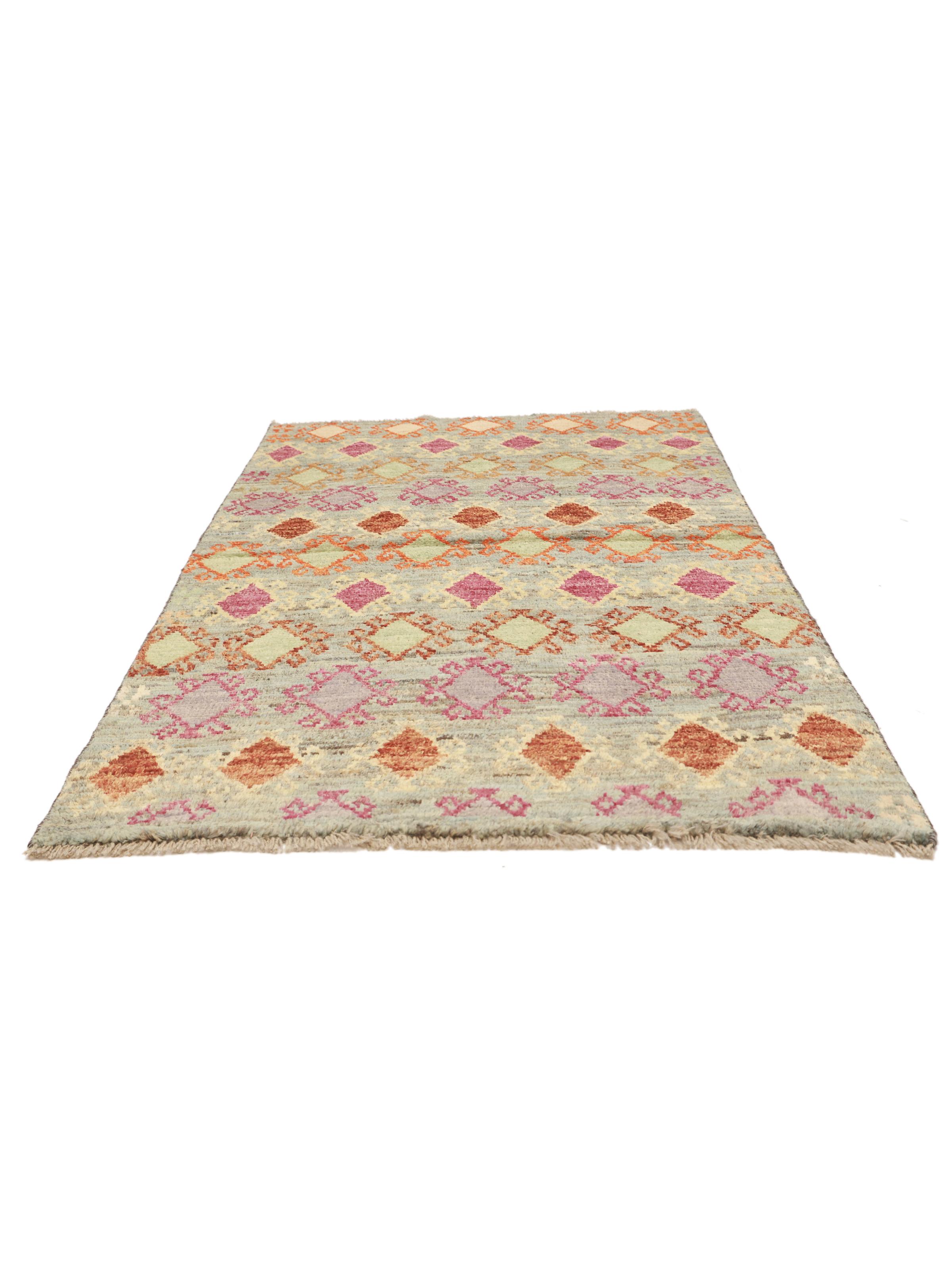
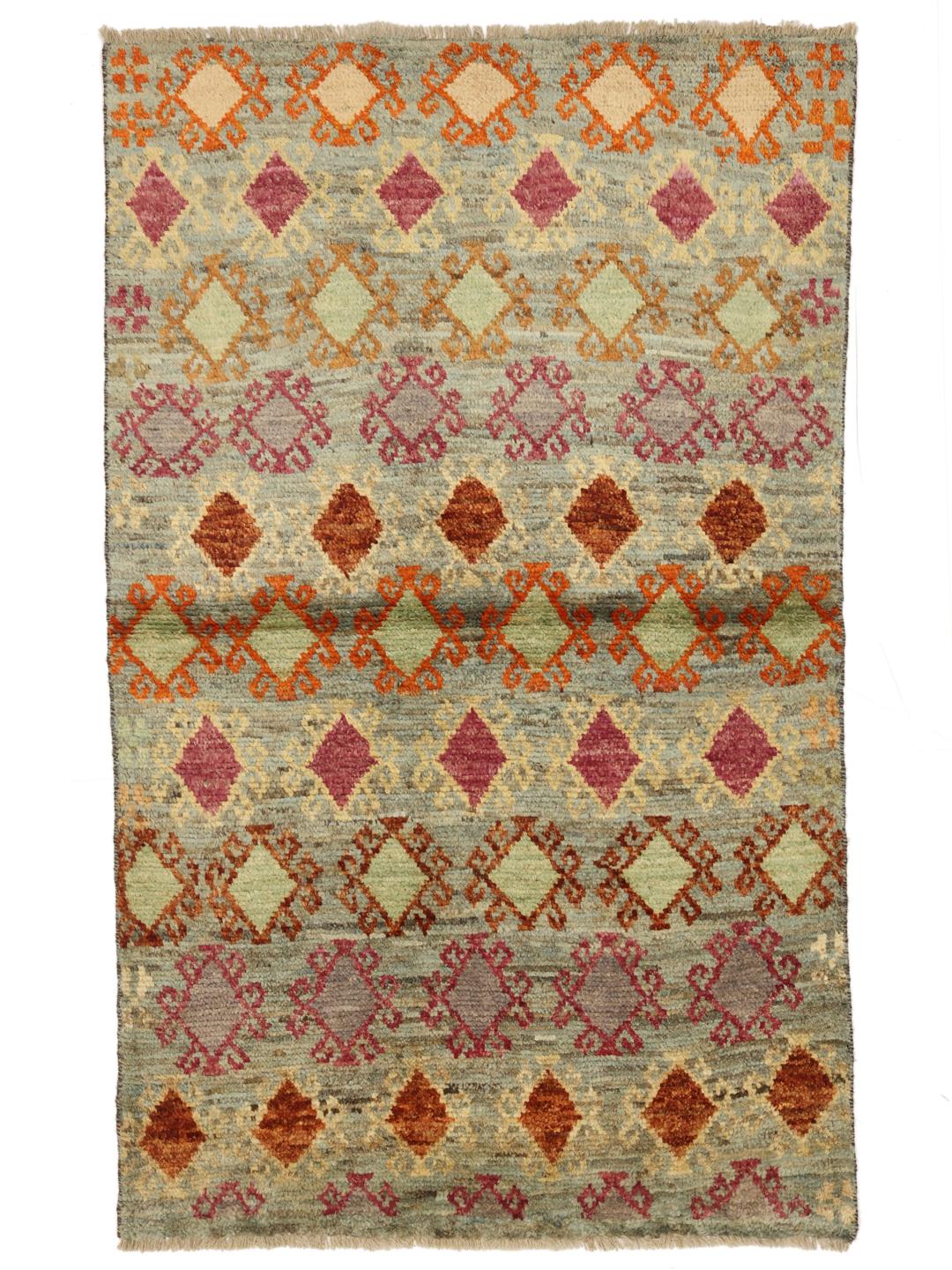
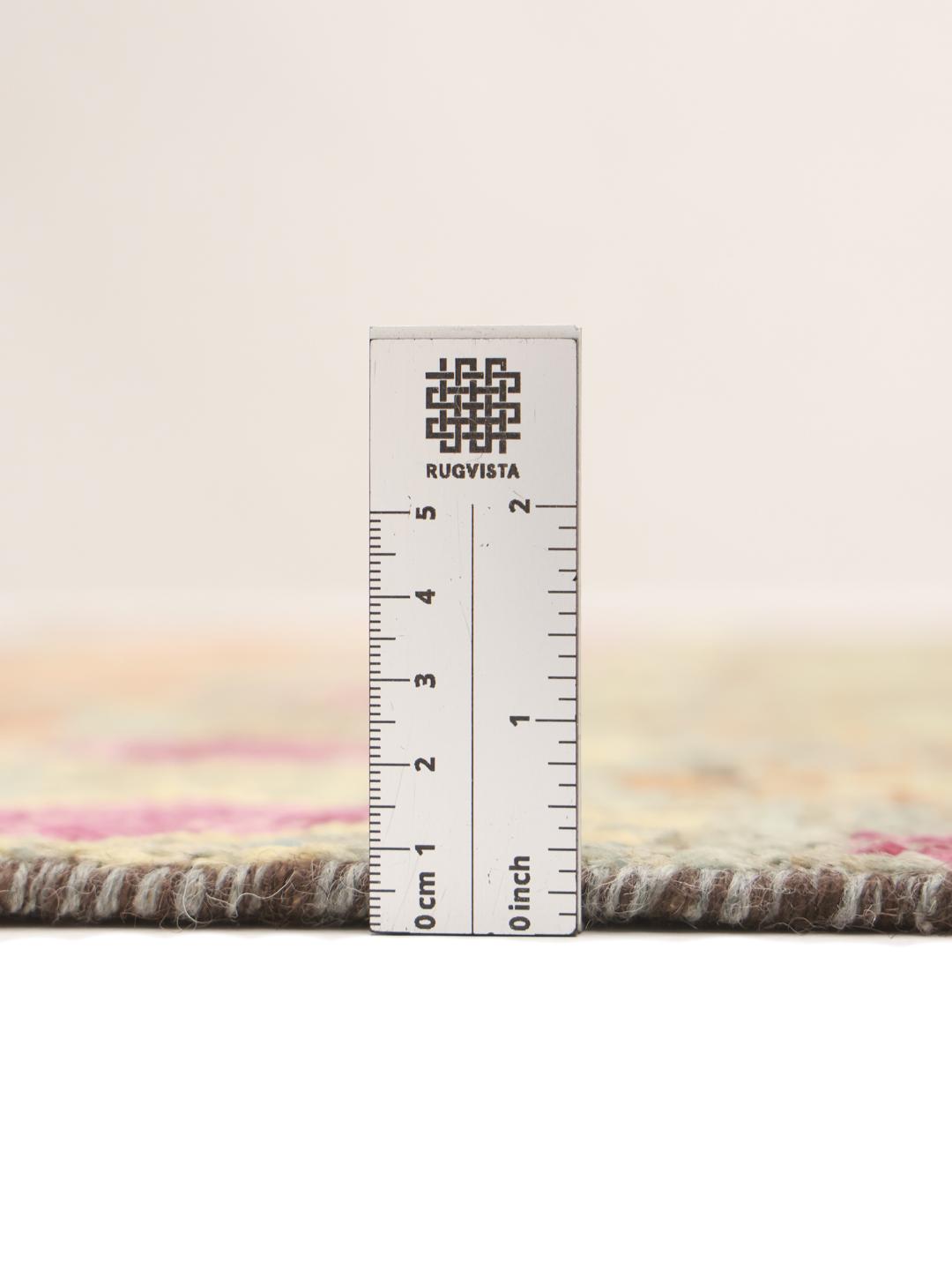
Berber-style rugs are deeply connected to the ancestral weaving traditions of North Africa, yet their influence has travelled far beyond, inspiring weavers in various regions including Afghanistan. These rugs are celebrated for their expressive, often geometric designs that reflect the creative spirit of the weaver. The migration of these styles showcases the global nature of textile arts, where motifs and techniques are shared and reinterpreted through local lenses.
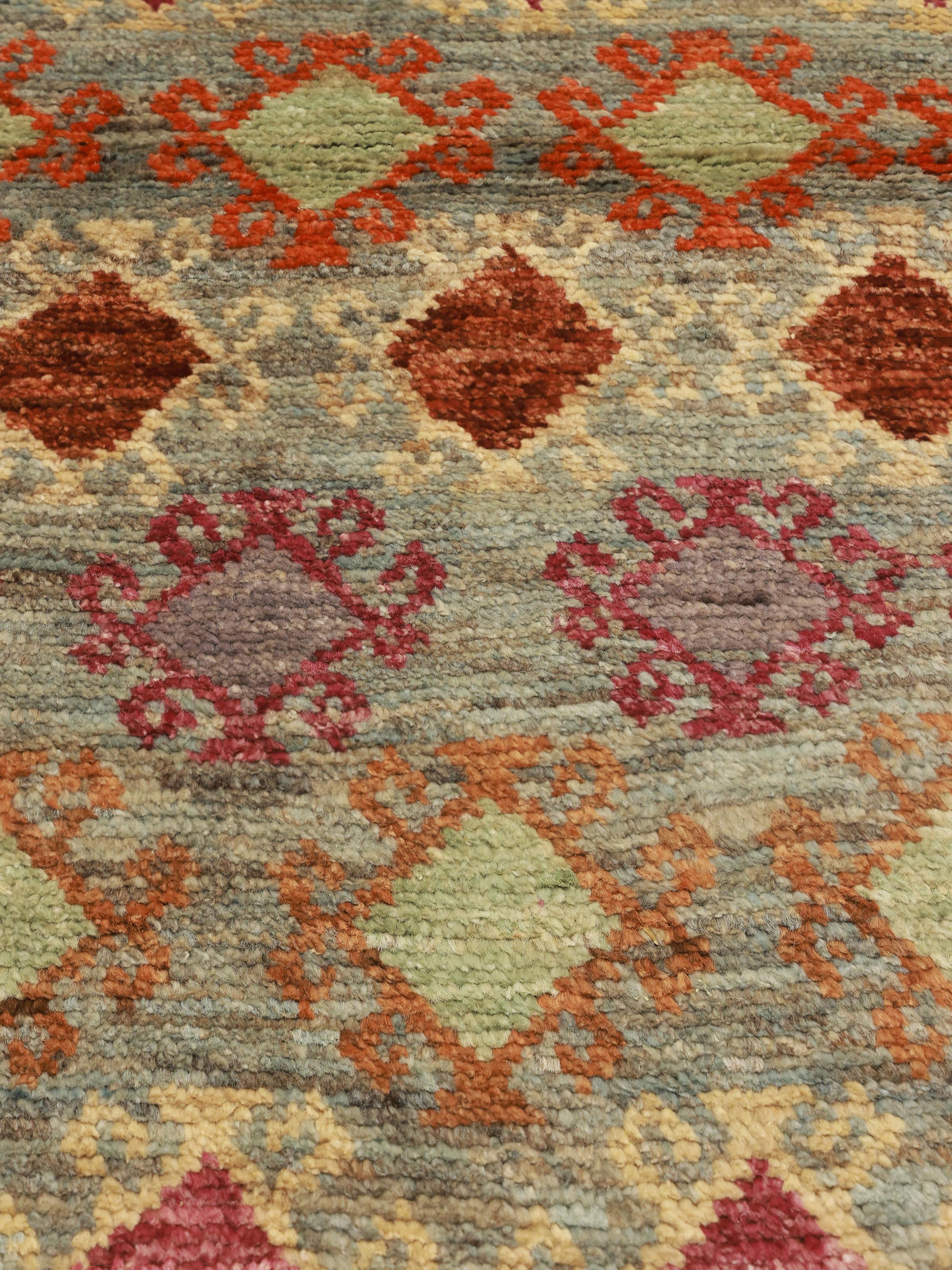
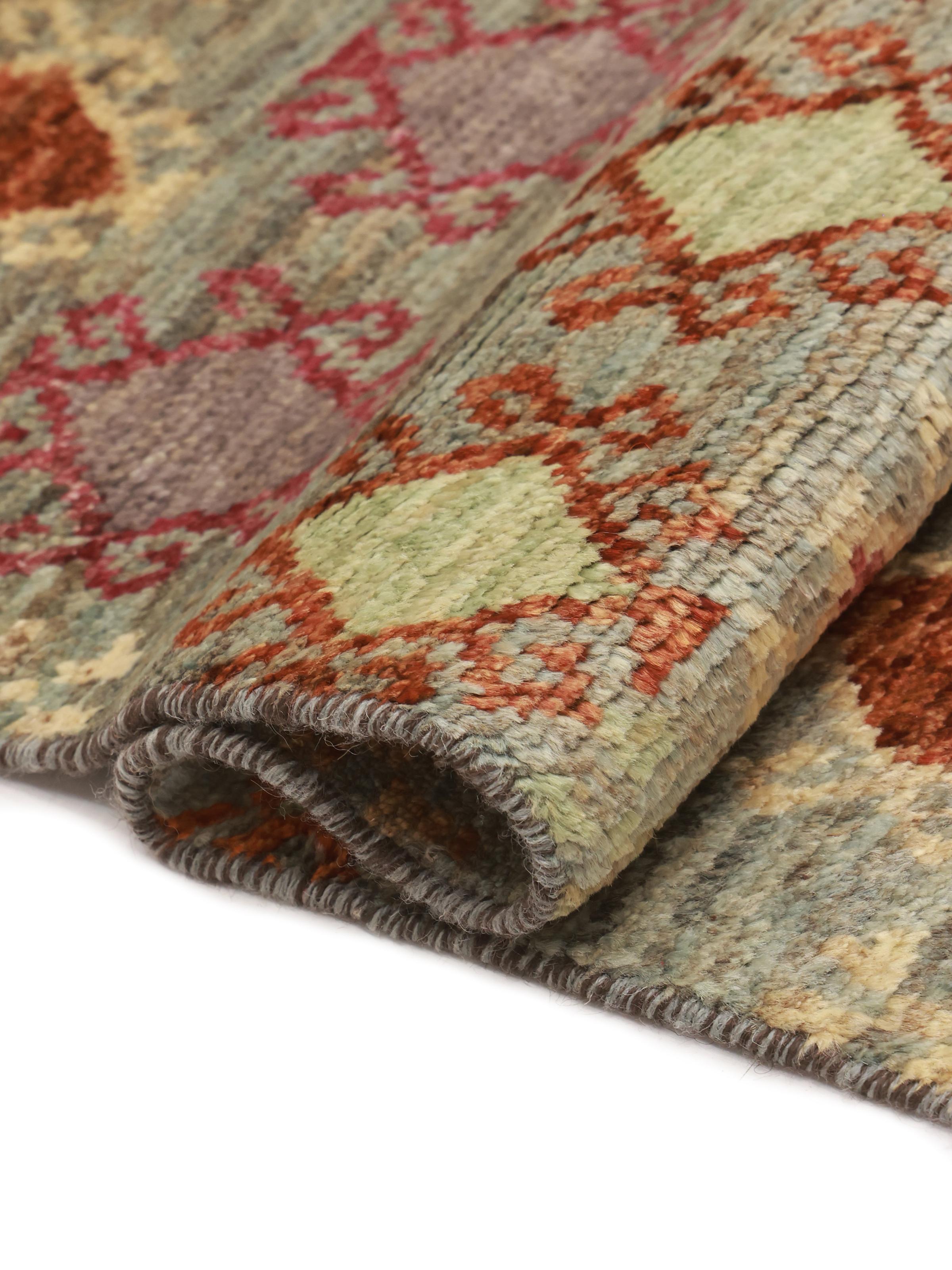
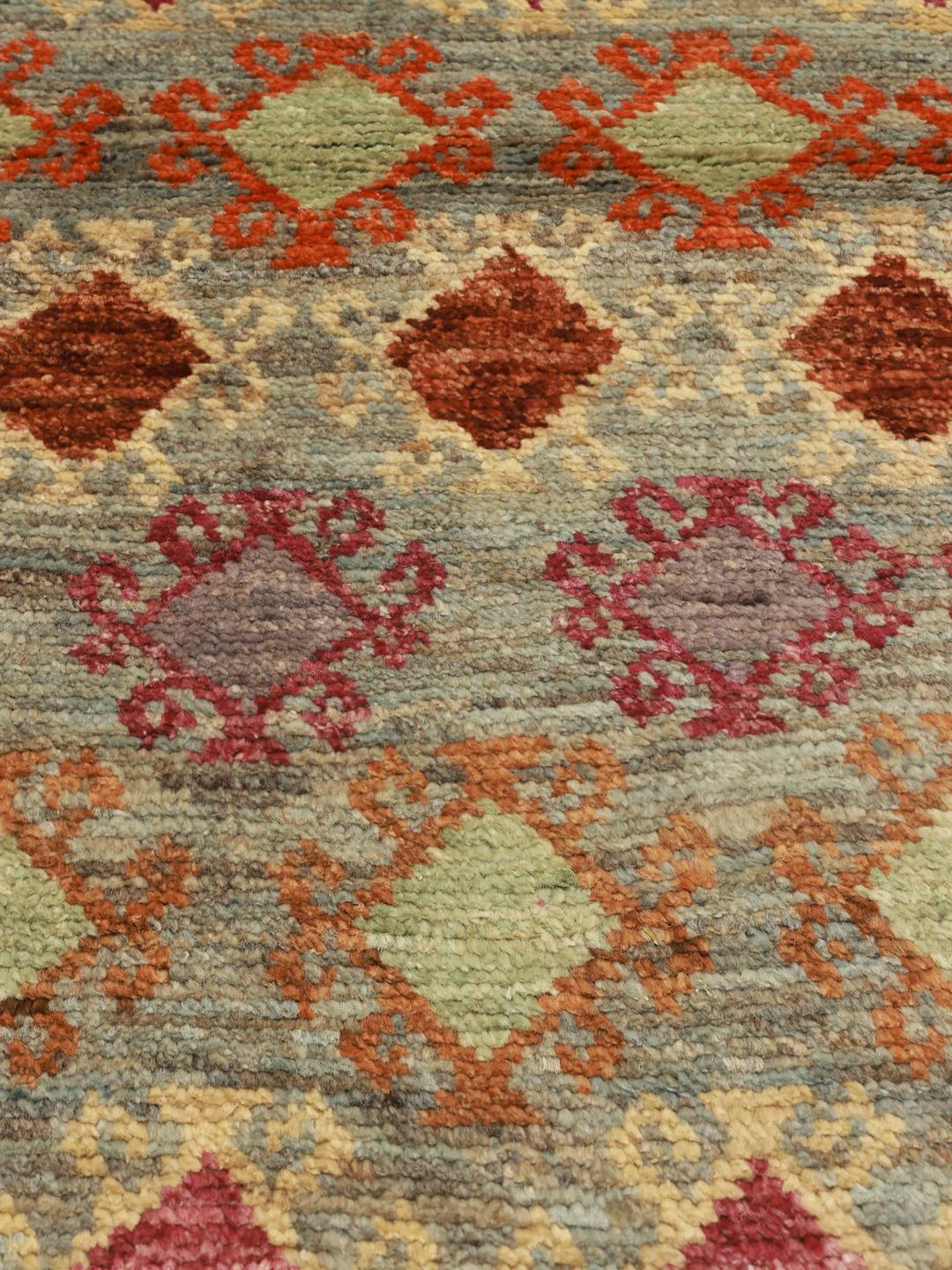
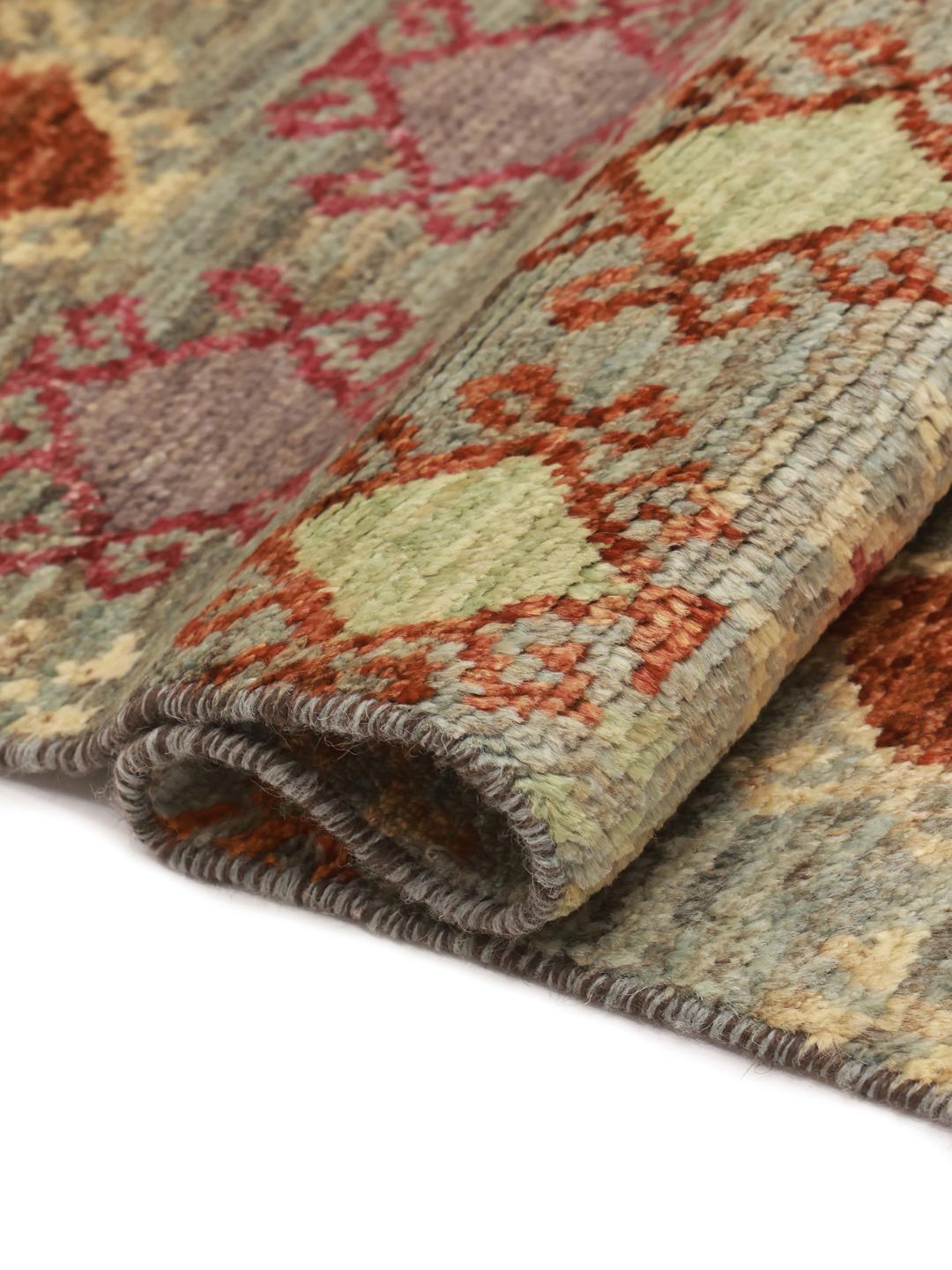
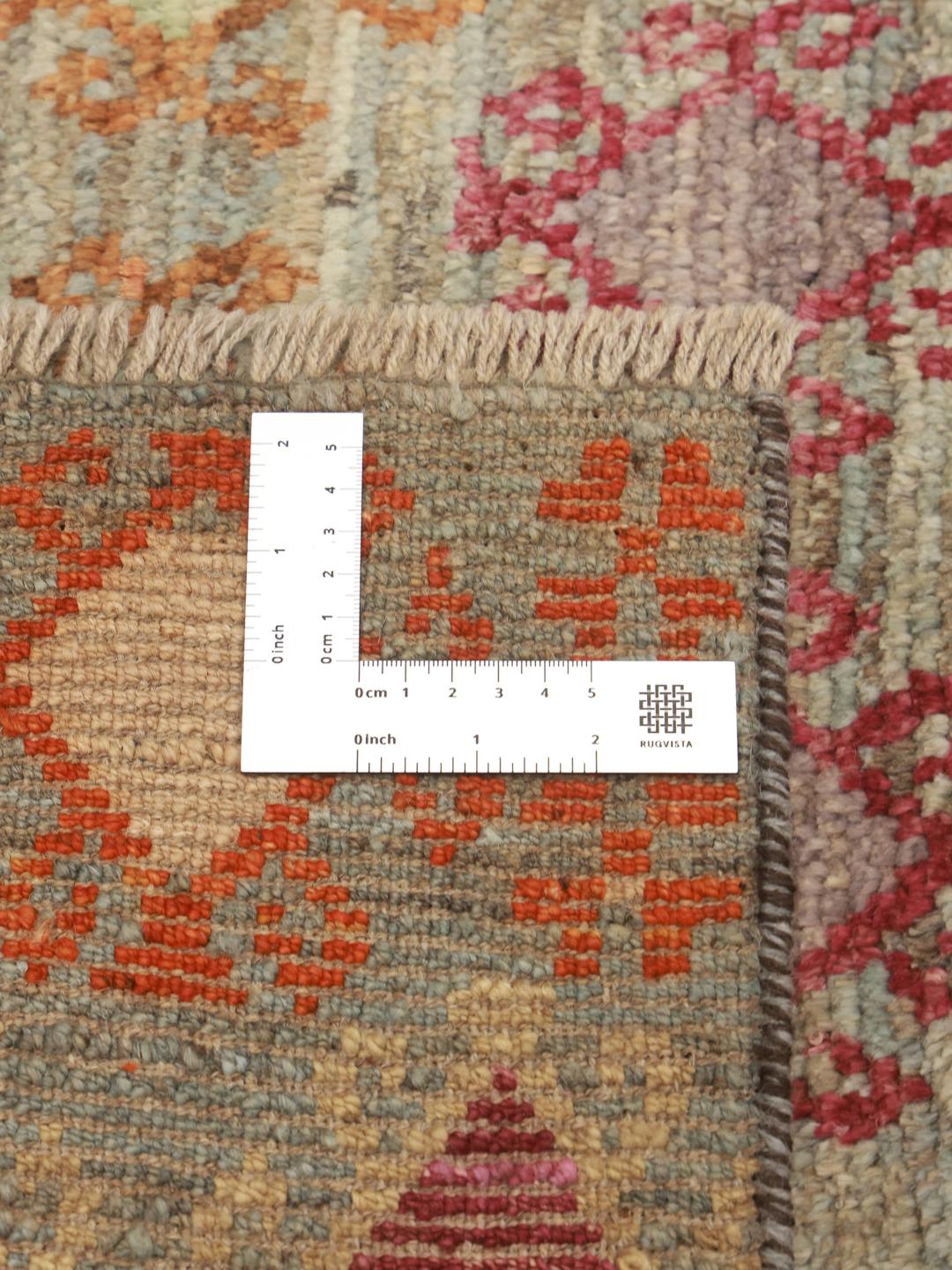
The term 'hand-knotted' refers to the most traditional and labour-intensive method of rug production, where each individual knot is tied by hand to the warp and weft of the foundation. This creates a durable structure that is vastly different from machine-made alternatives. This technique allows for the intricate, crisp patterns that define the aesthetic of these unique floor coverings, ensuring that the design remains sharp and clear for decades.
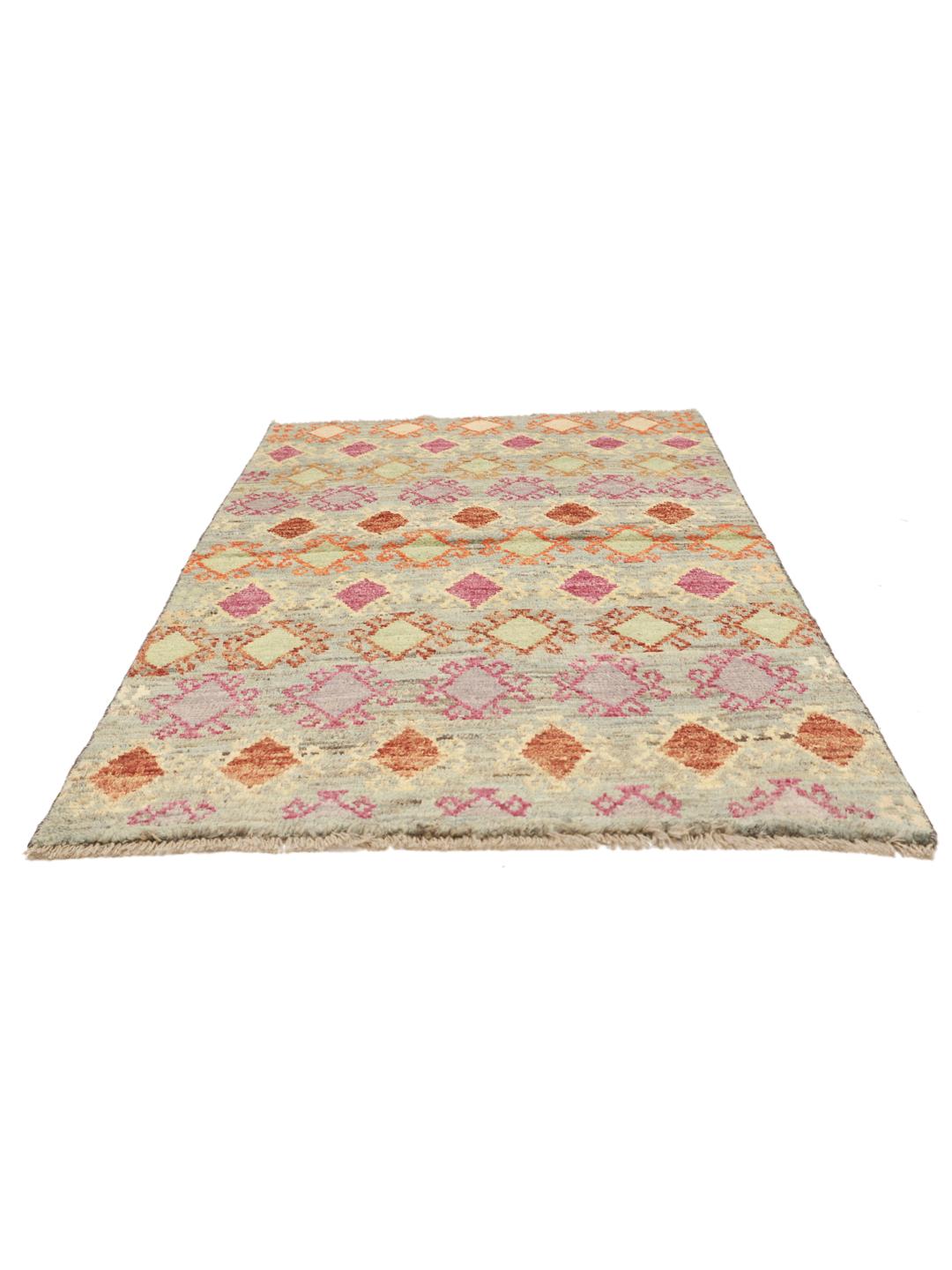
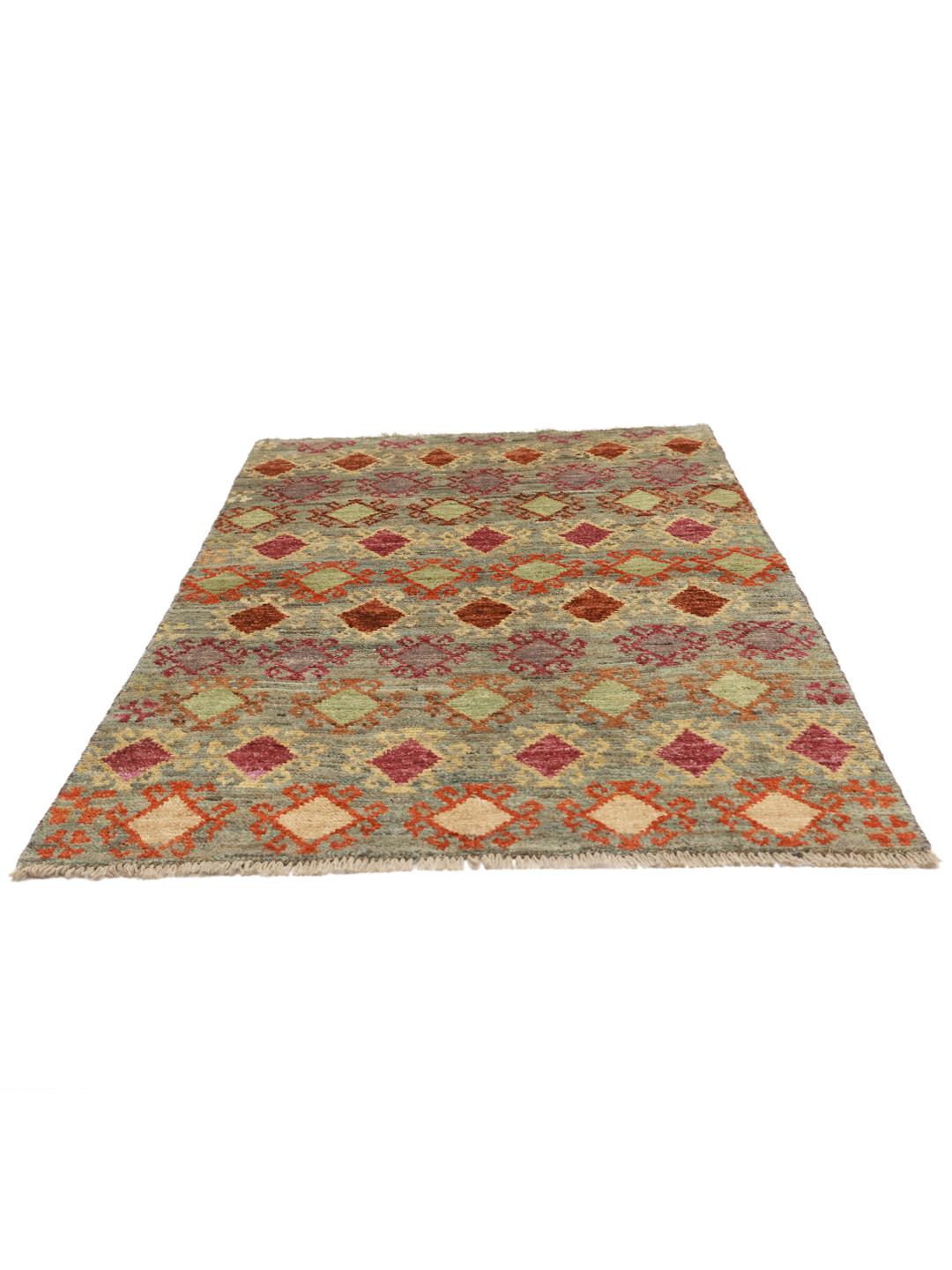
Signature design elements in these rugs often include bold, repeating geometric shapes such as diamonds or lozenges, which serve as a visual language for the weaver. In this specific piece, the use of vibrant, contrasting colours set against a muted blue field creates a striking balance between modern energy and traditional roots. These motifs are not merely decorative but are often symbolic, passed down through generations to maintain cultural continuity.
Collecting a hand-knotted rug from Afghanistan is an investment in human skill and historical continuity. These pieces are valued for their resilience and the unique story they bring to a home. By owning such a rug, you are preserving a craft that relies on the steady hands and keen eyes of artisans, making it a meaningful addition to any collection that values authenticity and the enduring beauty of handmade objects.