The history of these vibrant rugs is rooted in the nomadic traditions of the Middle East, where weaving was both a necessity for daily life and a creative outlet. While the term Berber originally refers to the indigenous peoples of North Africa, this style has been beautifully reinterpreted by skilled weavers in Afghanistan, who have blended their own cultural motifs with the classic, relaxed aesthetic of traditional tribal rugs.
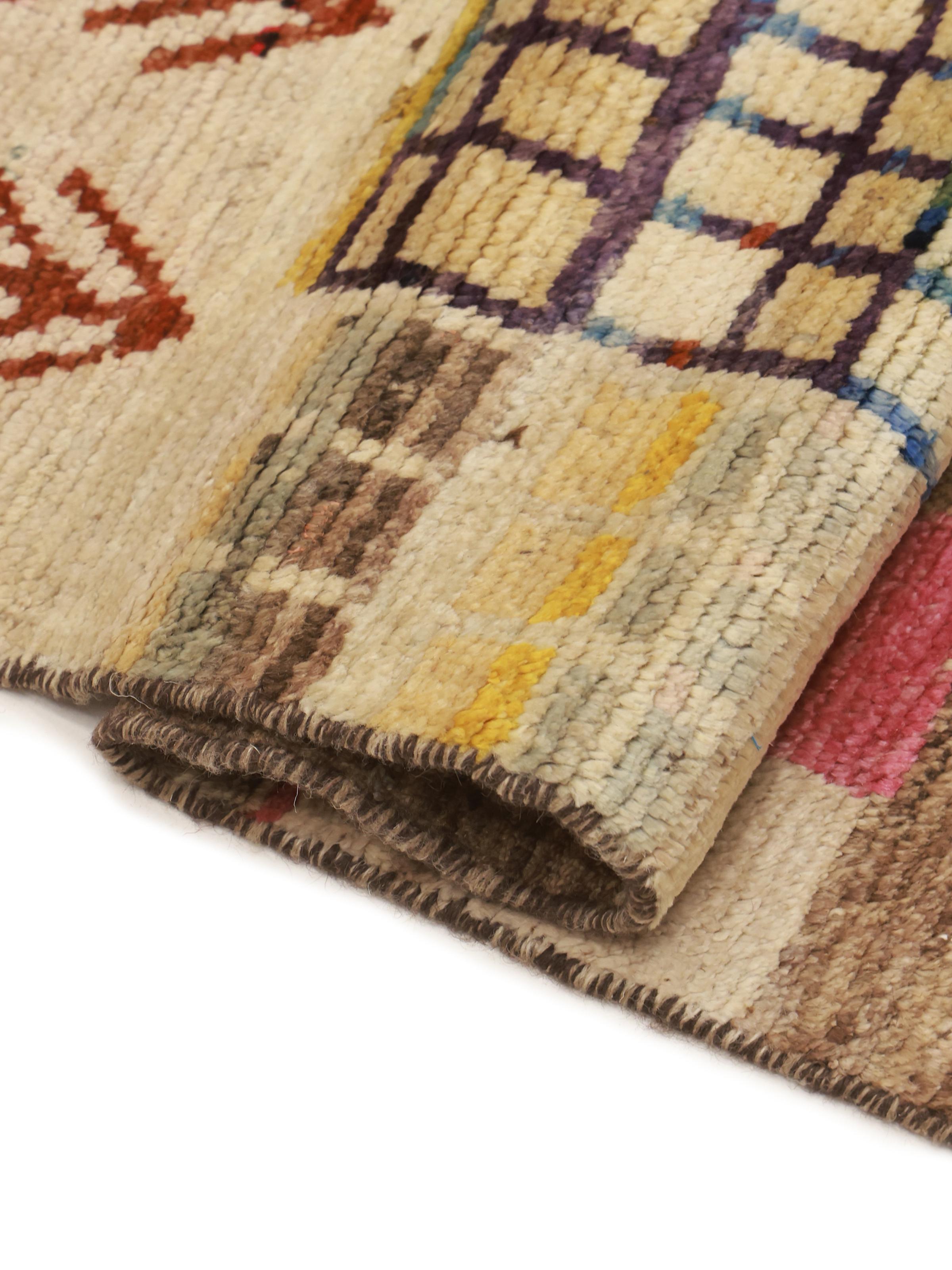
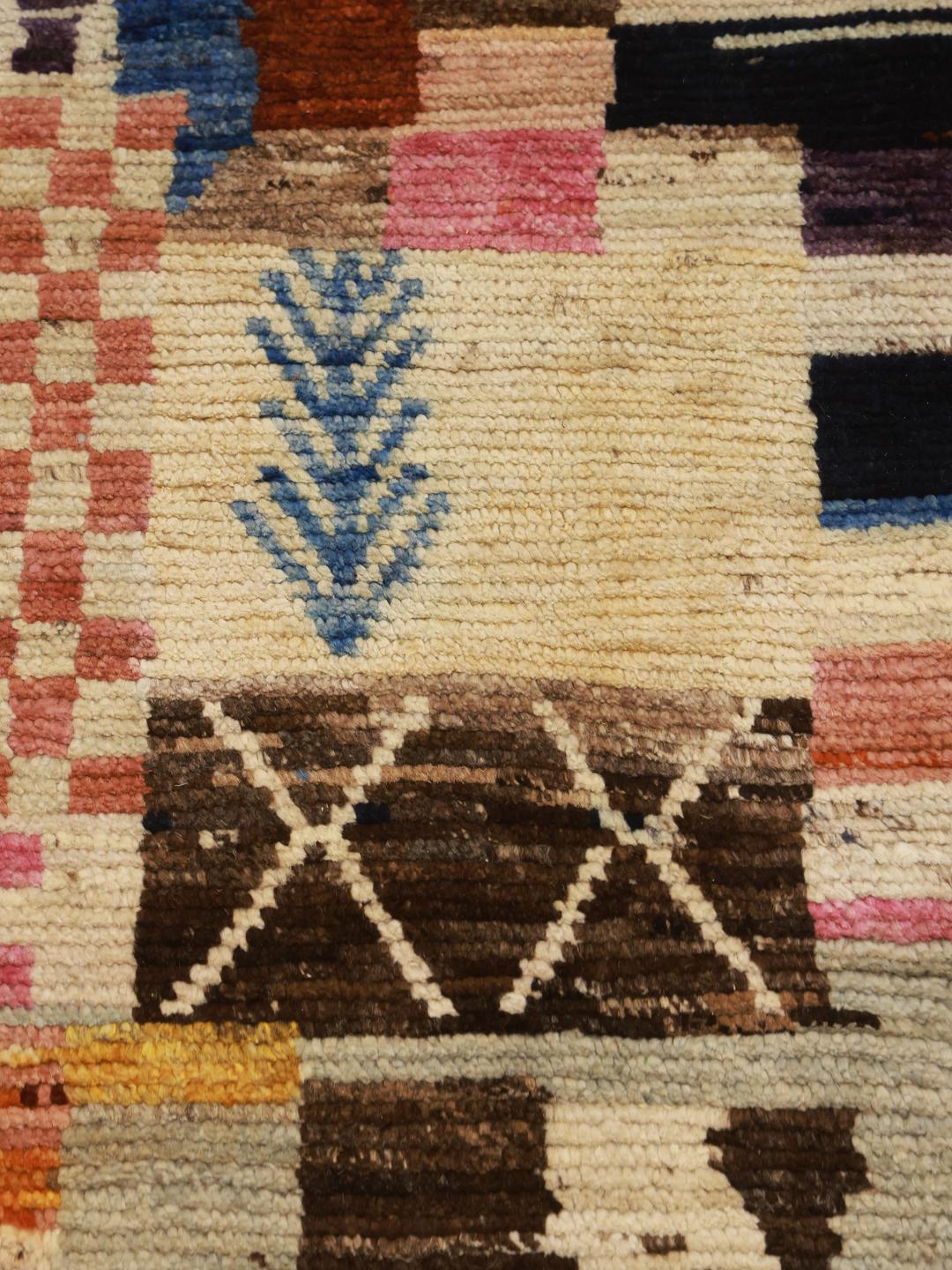
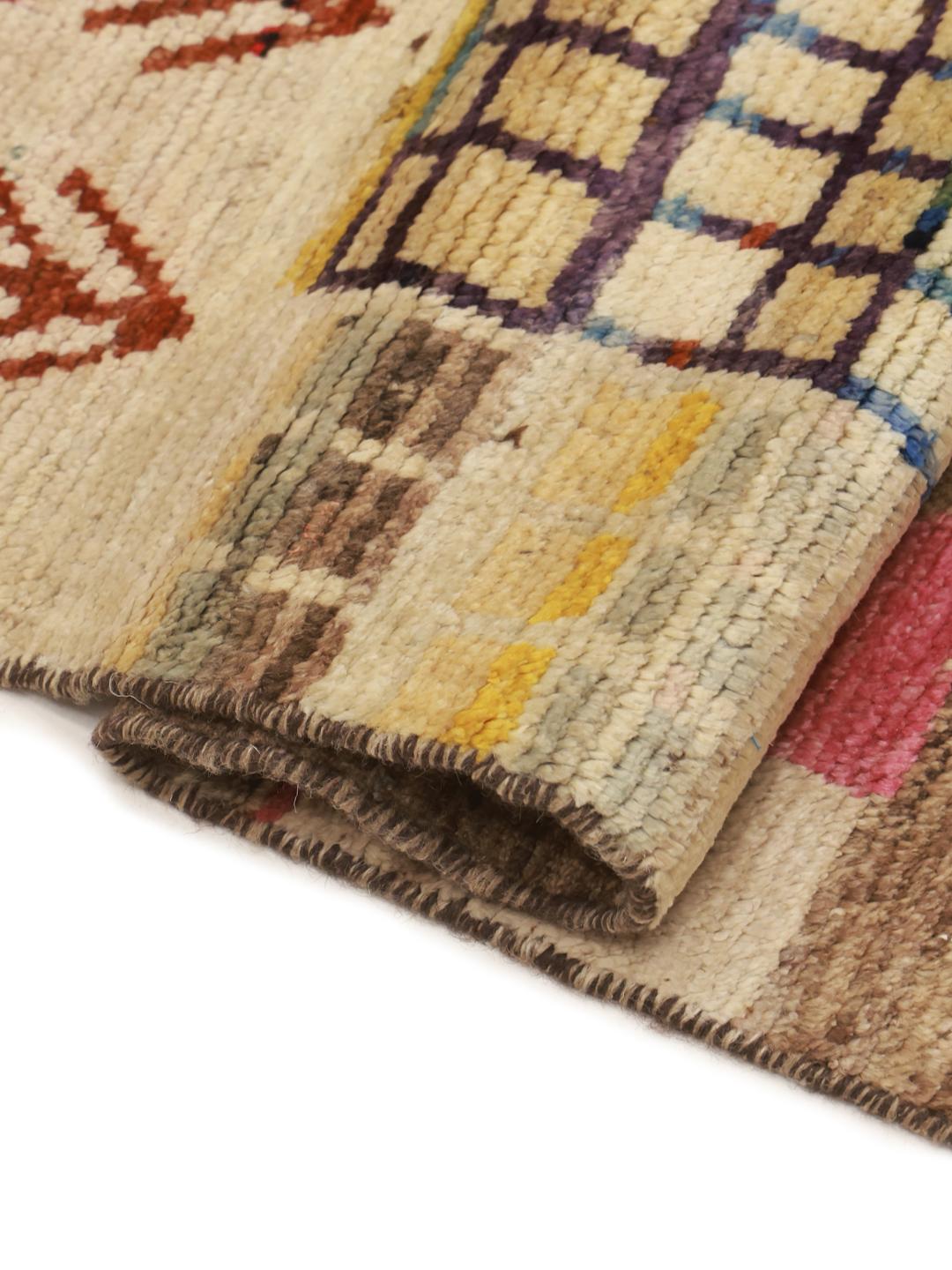
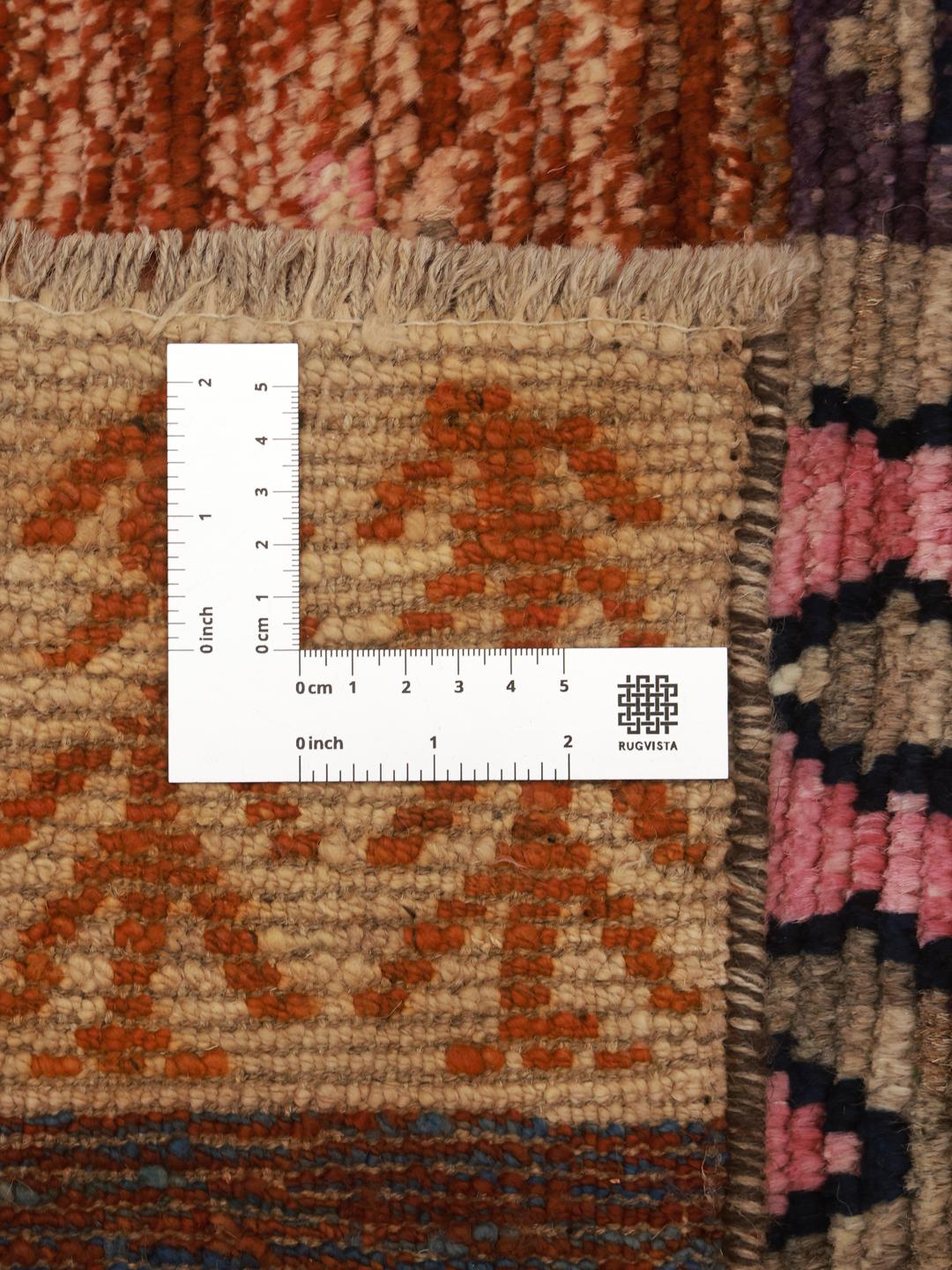
The technique of hand-knotting is a cornerstone of this craft, requiring a profound understanding of fibre and tension. By using wool for both the pile and the foundation, the weavers create a rug that is inherently durable and resilient. This traditional construction method is what gives the rug its weight and substance, ensuring it withstands the test of time while maintaining its soft, inviting texture.
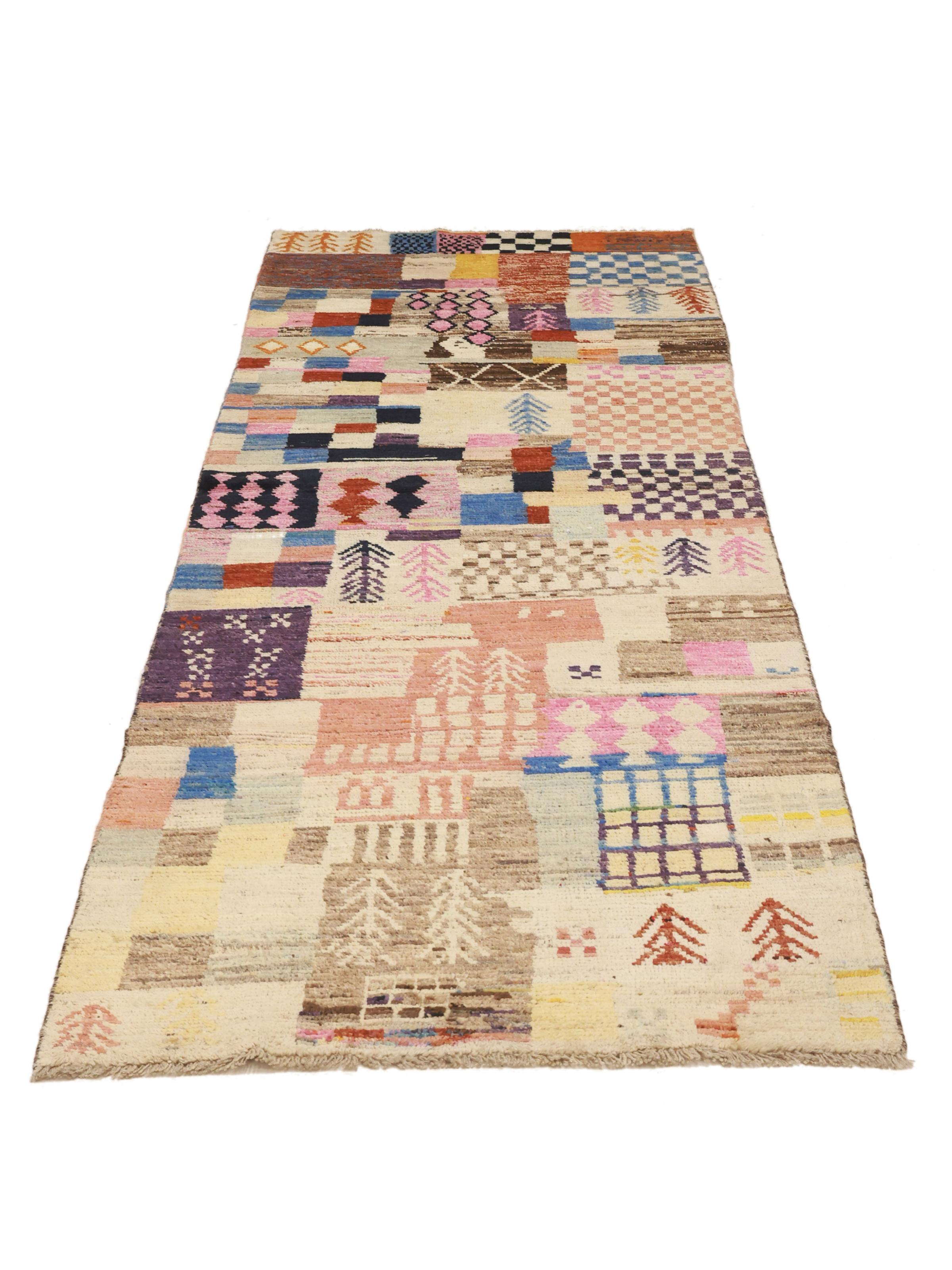
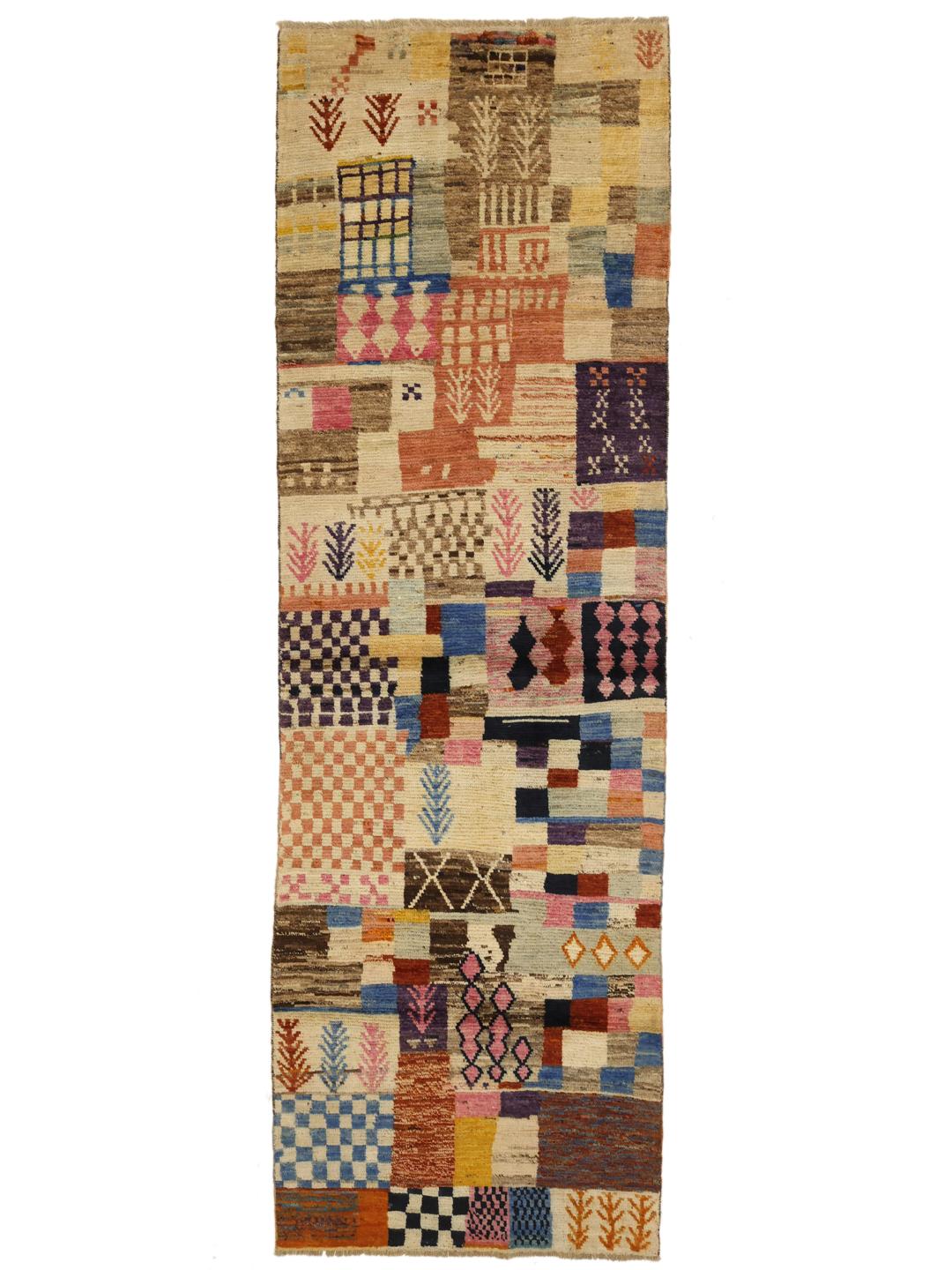
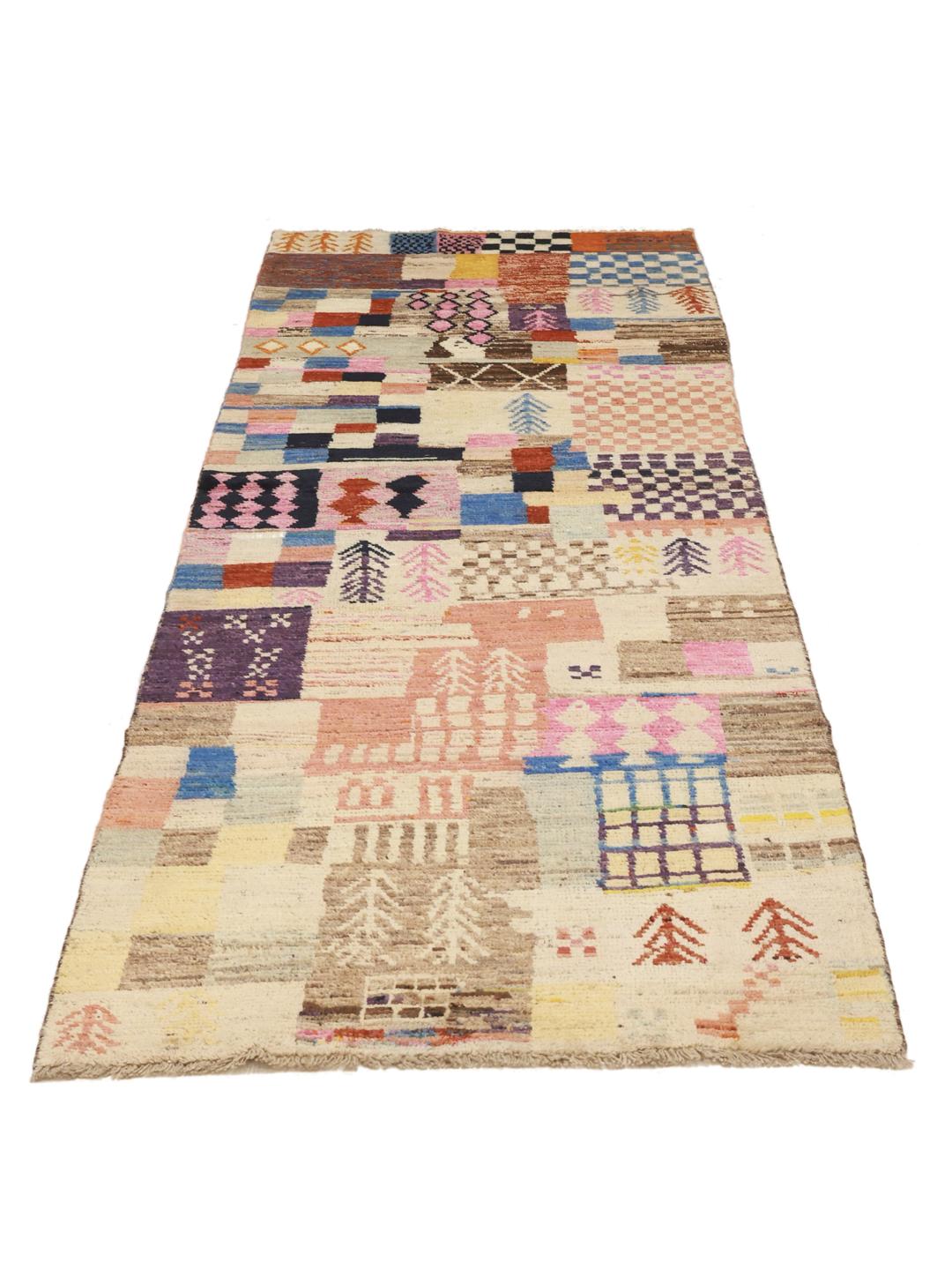
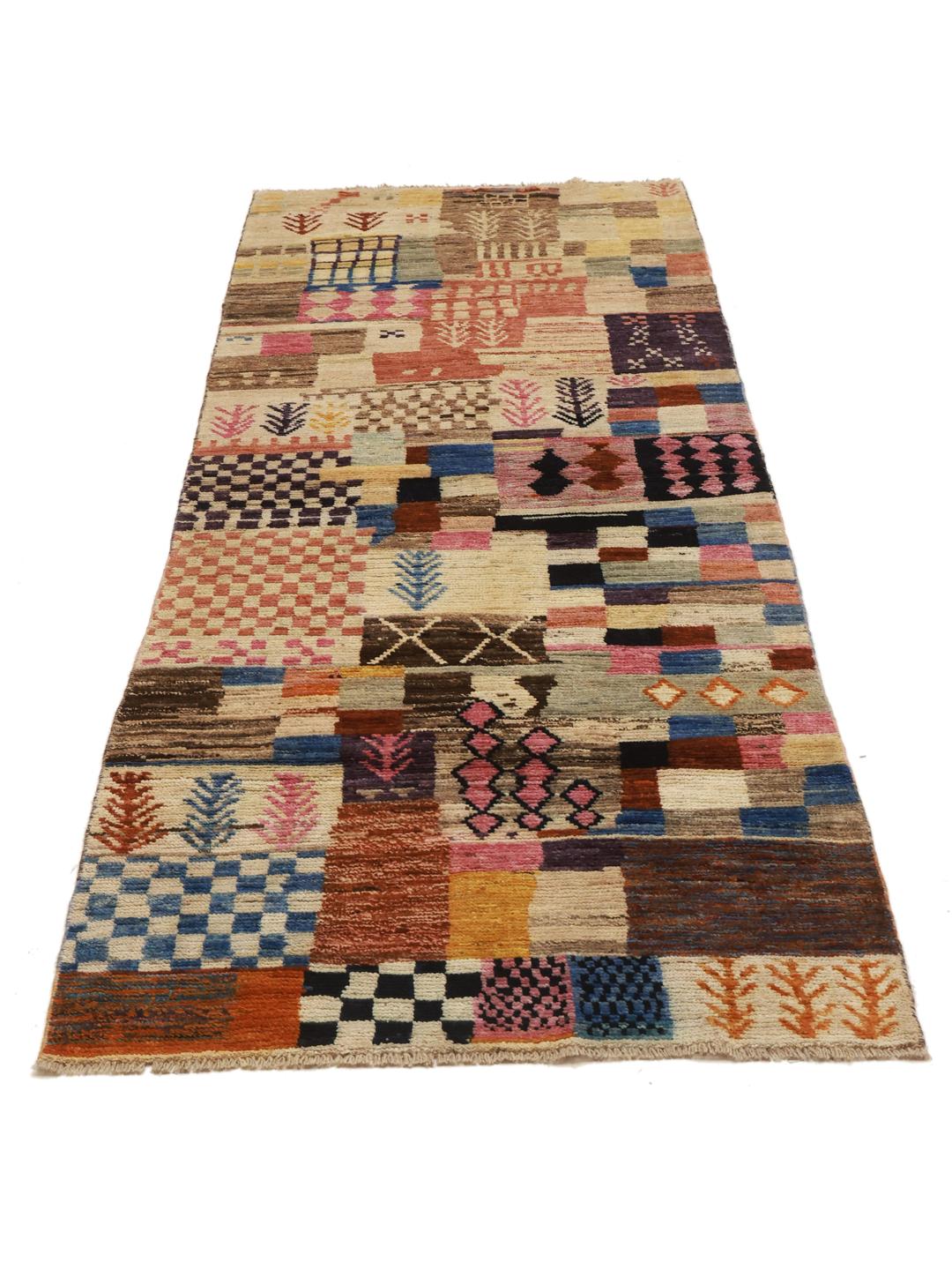
Visually, these rugs are known for their improvisational approach to design. Unlike more rigid, formal rug styles, these pieces often feature a spontaneous mix of geometric shapes, symbols, and varied colour palettes. This particular runner showcases a patchwork of motifs that speak to the weaver's personal vision, making each rug a narrative of its own origin and the creative freedom of the region's artisans.
Collectors value these rugs for their authenticity and the rare combination of traditional skill and modern, artistic flair. Owning a piece from this tradition is an investment in cultural heritage, representing a bridge between ancient techniques and contemporary home design. It is this unique intersection of history and artistic expression that makes these rugs such sought-after treasures for the modern home.