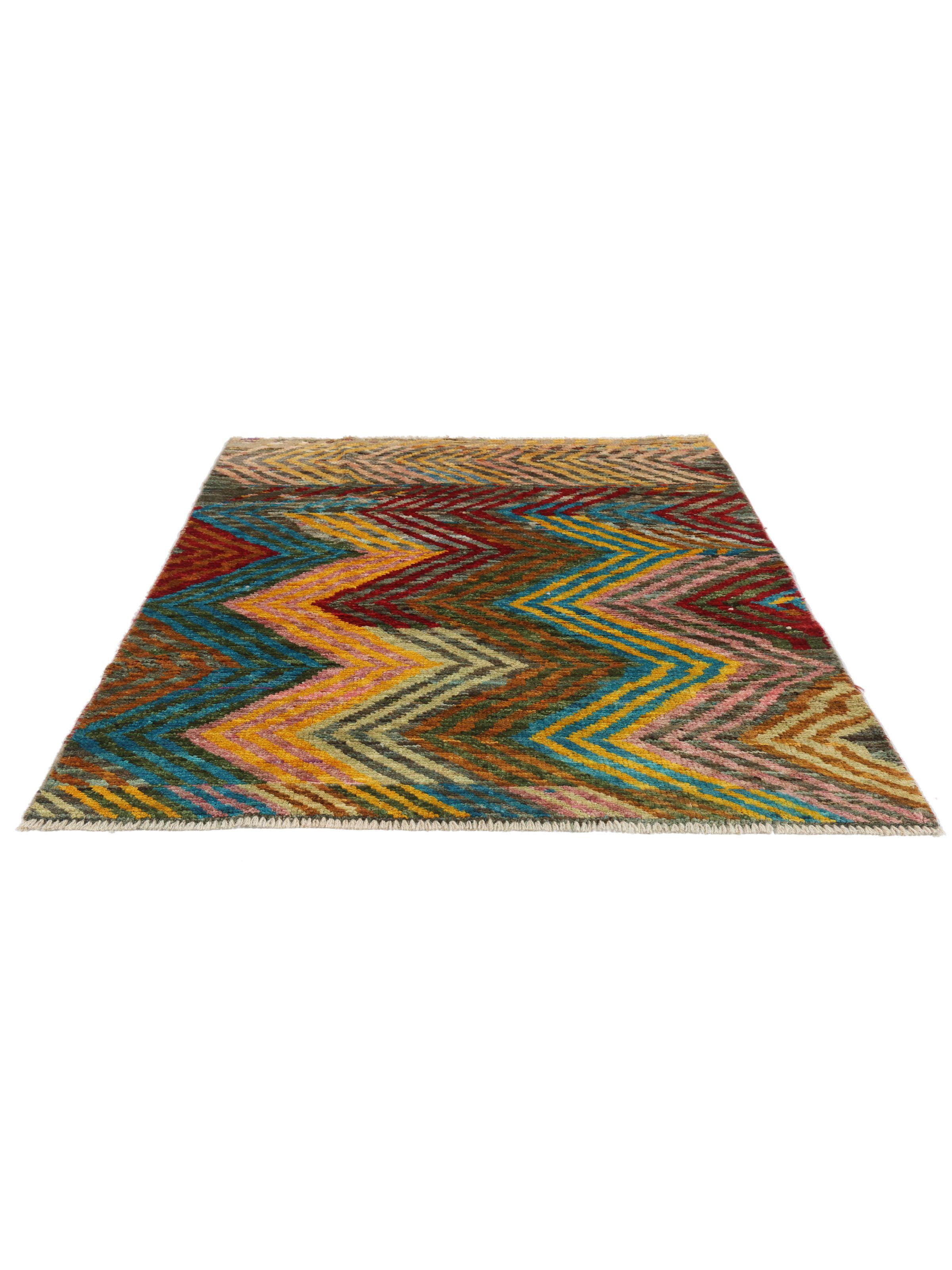
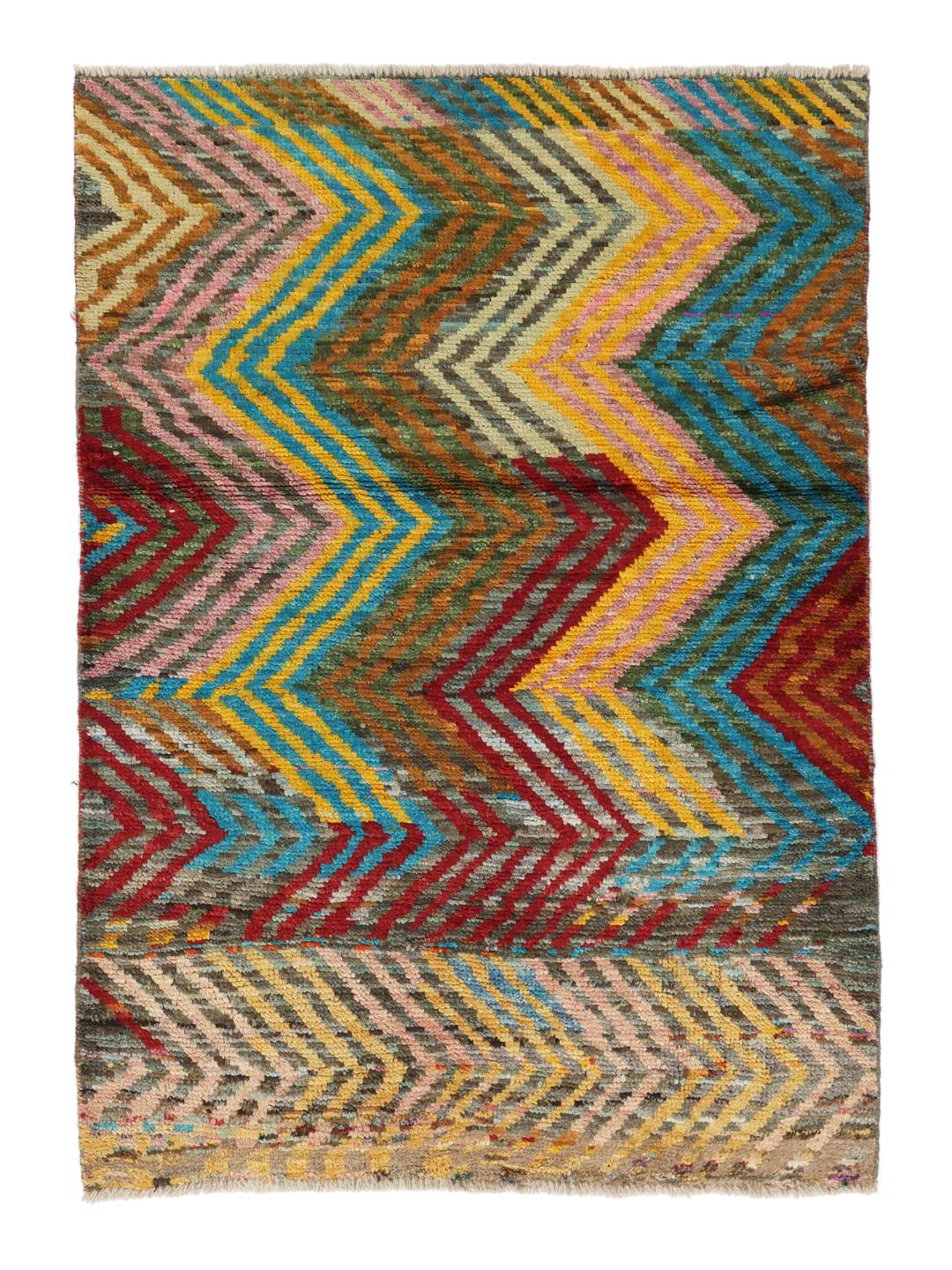
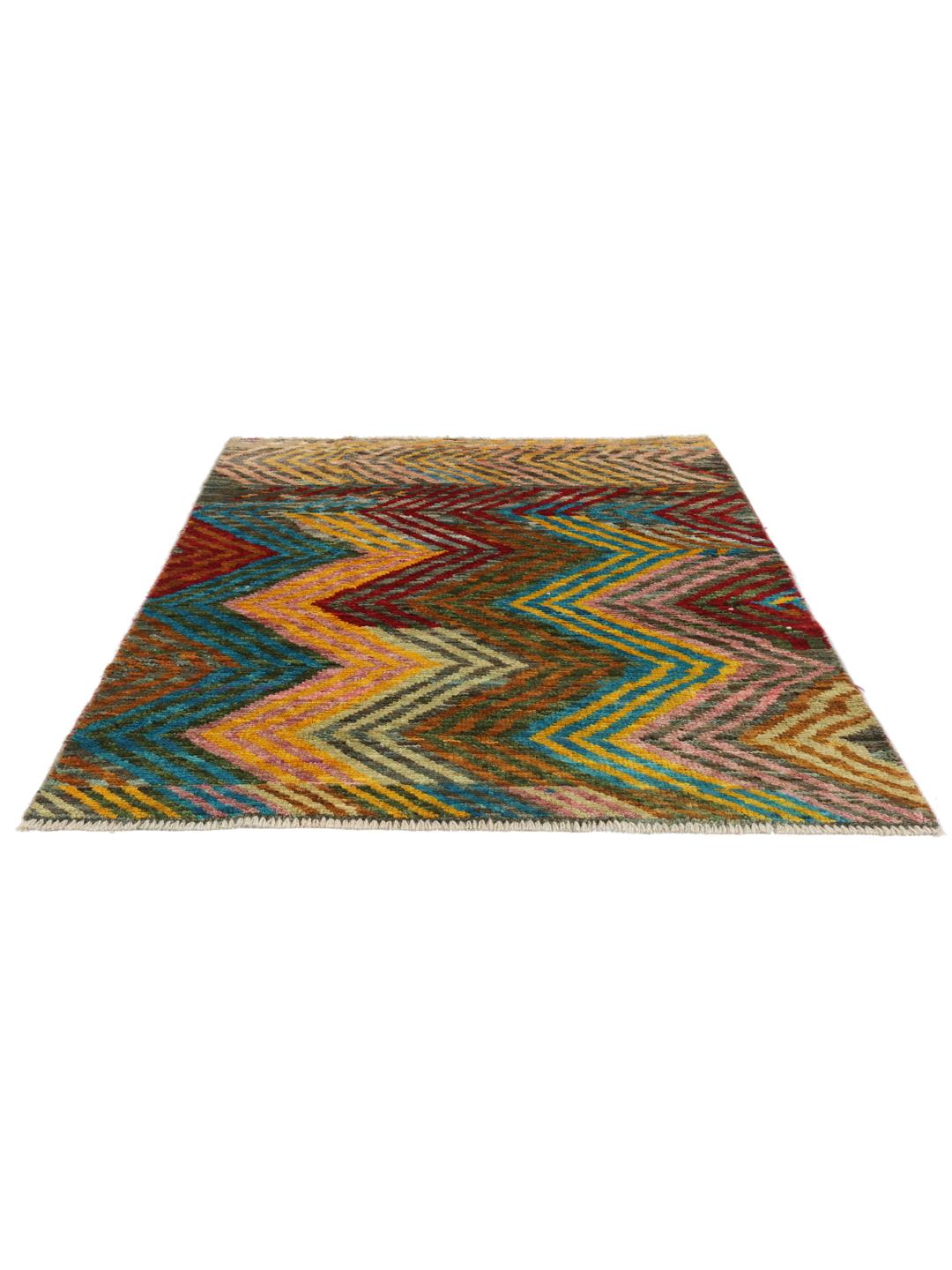
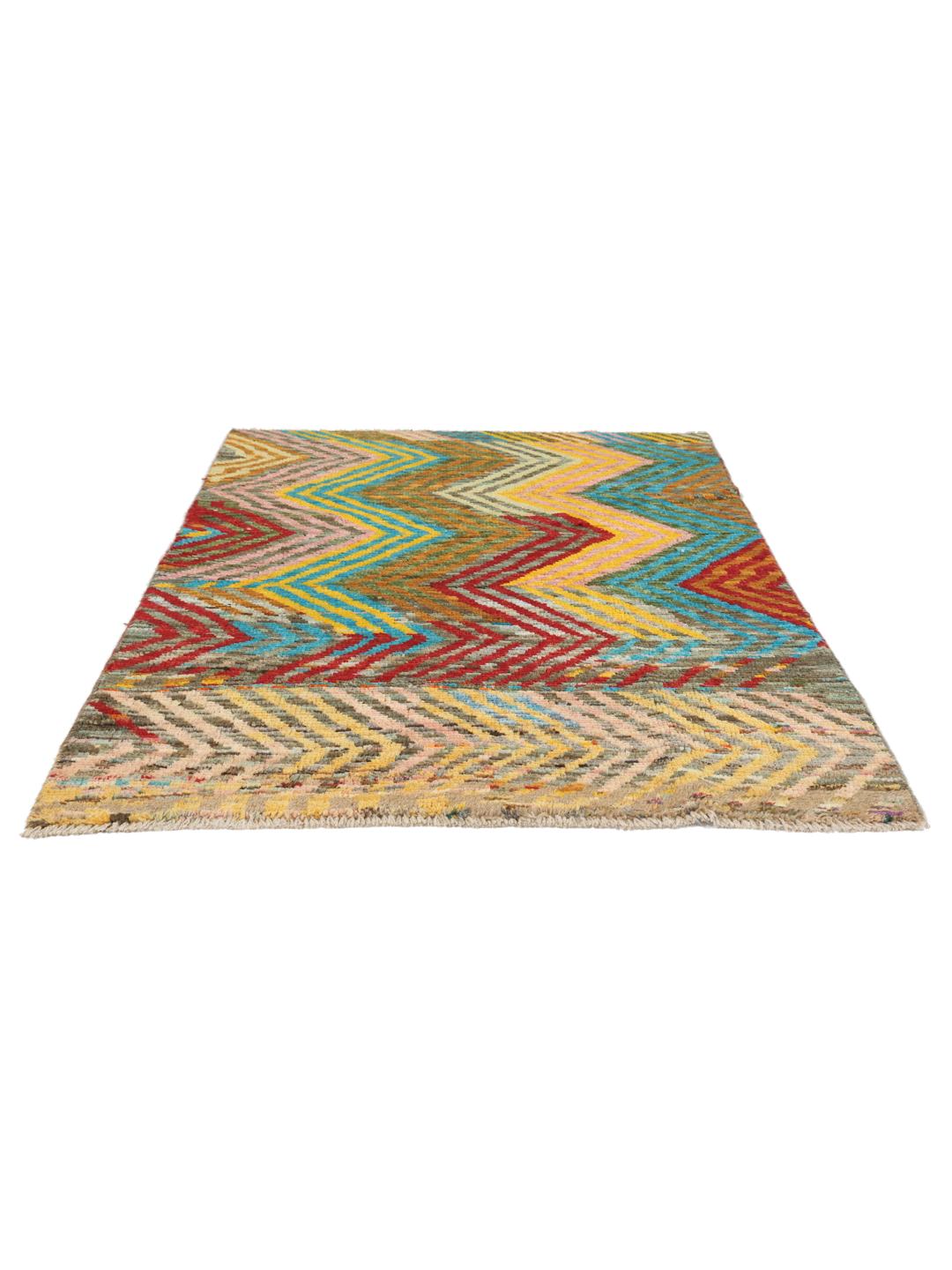
Berber-style rugs have a rich history that transcends their roots, evolving from the mountainous regions of North Africa to become a global design language. While the term Berber traditionally refers to the indigenous peoples of North Africa, the style has been adopted and reinterpreted by artisans across the Middle East and Central Asia. This Afghan interpretation showcases how these ancient designs have travelled and integrated into new craft traditions, blending local materials with iconic, geometric aesthetics.
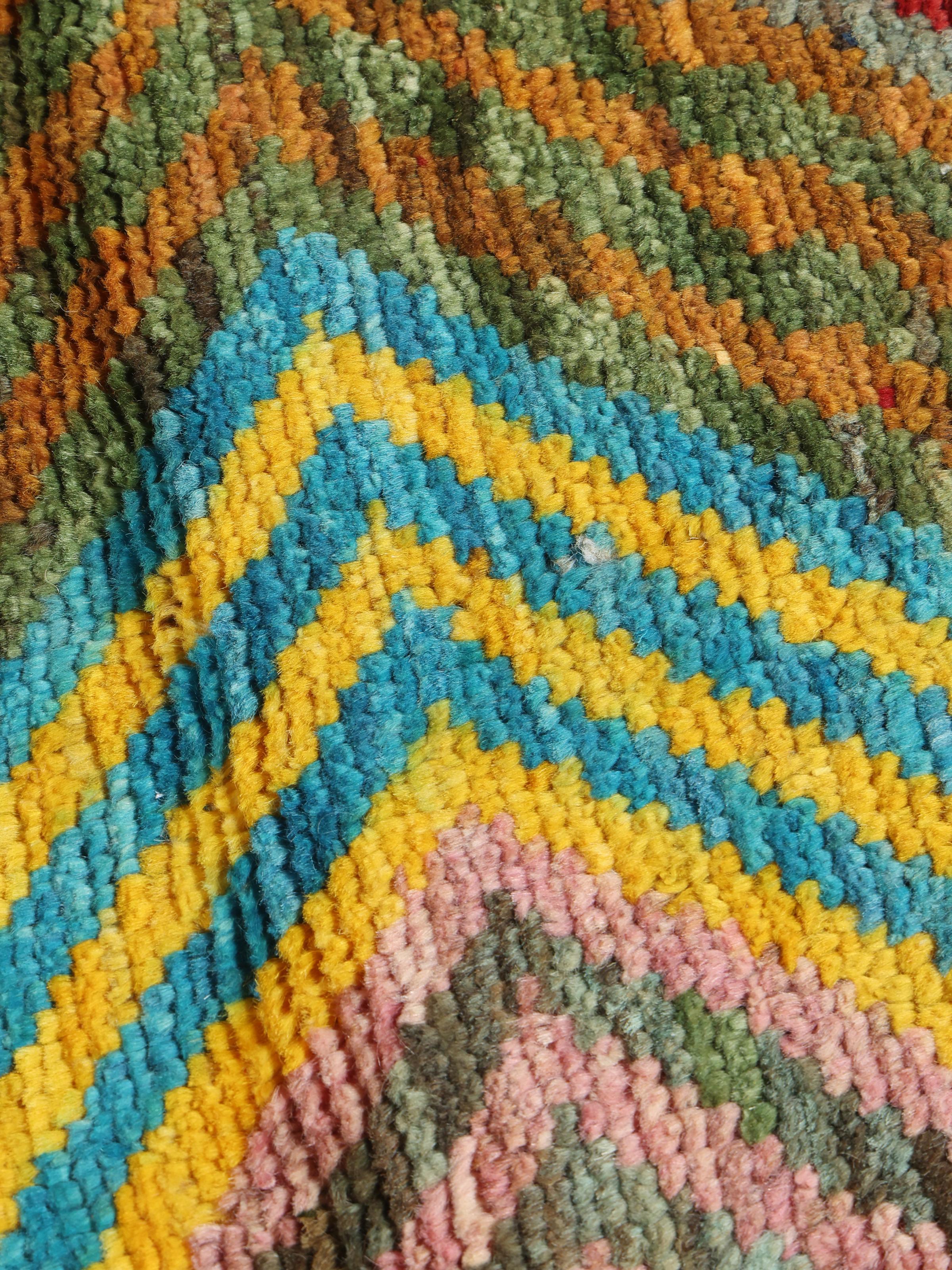
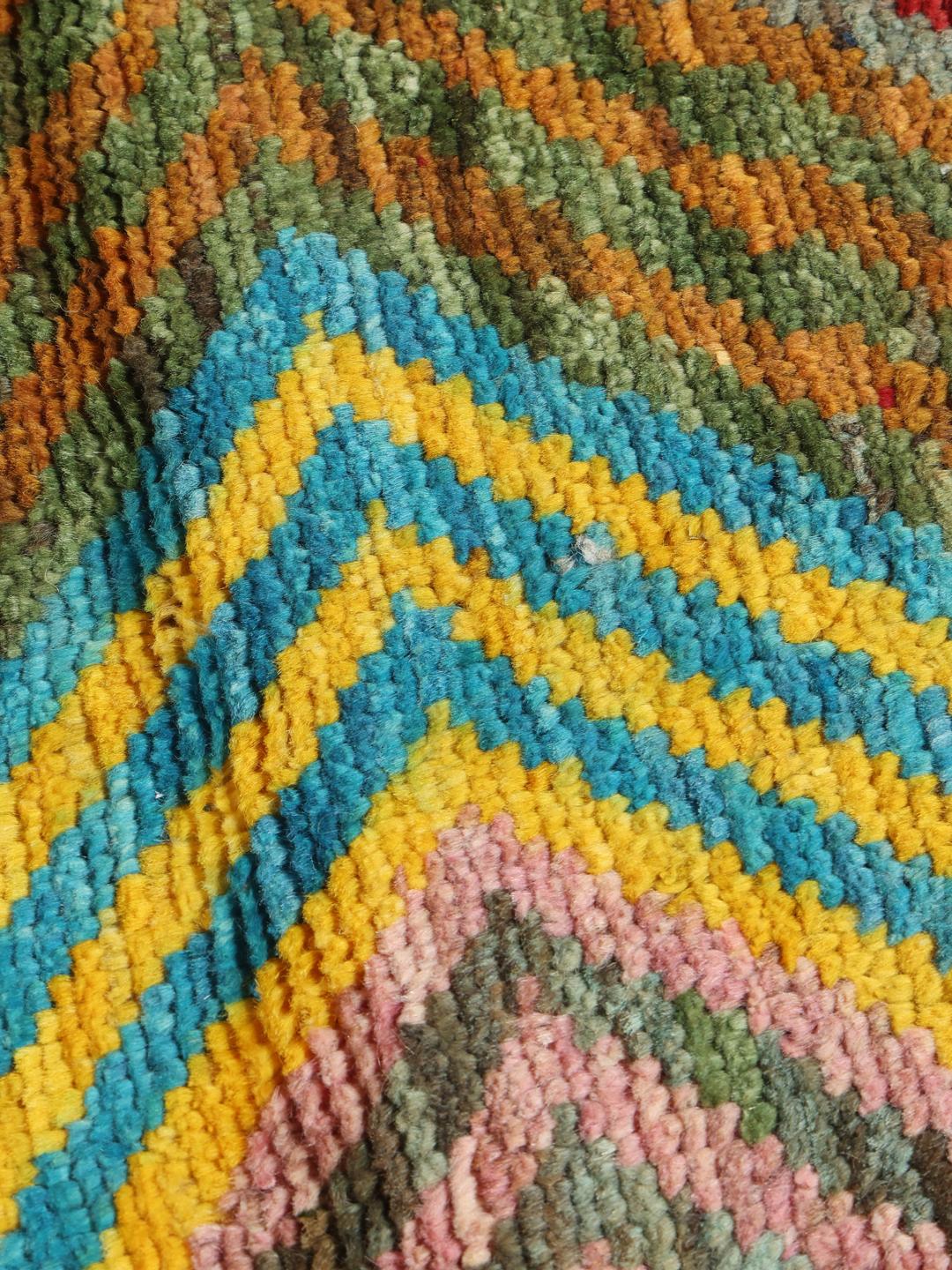
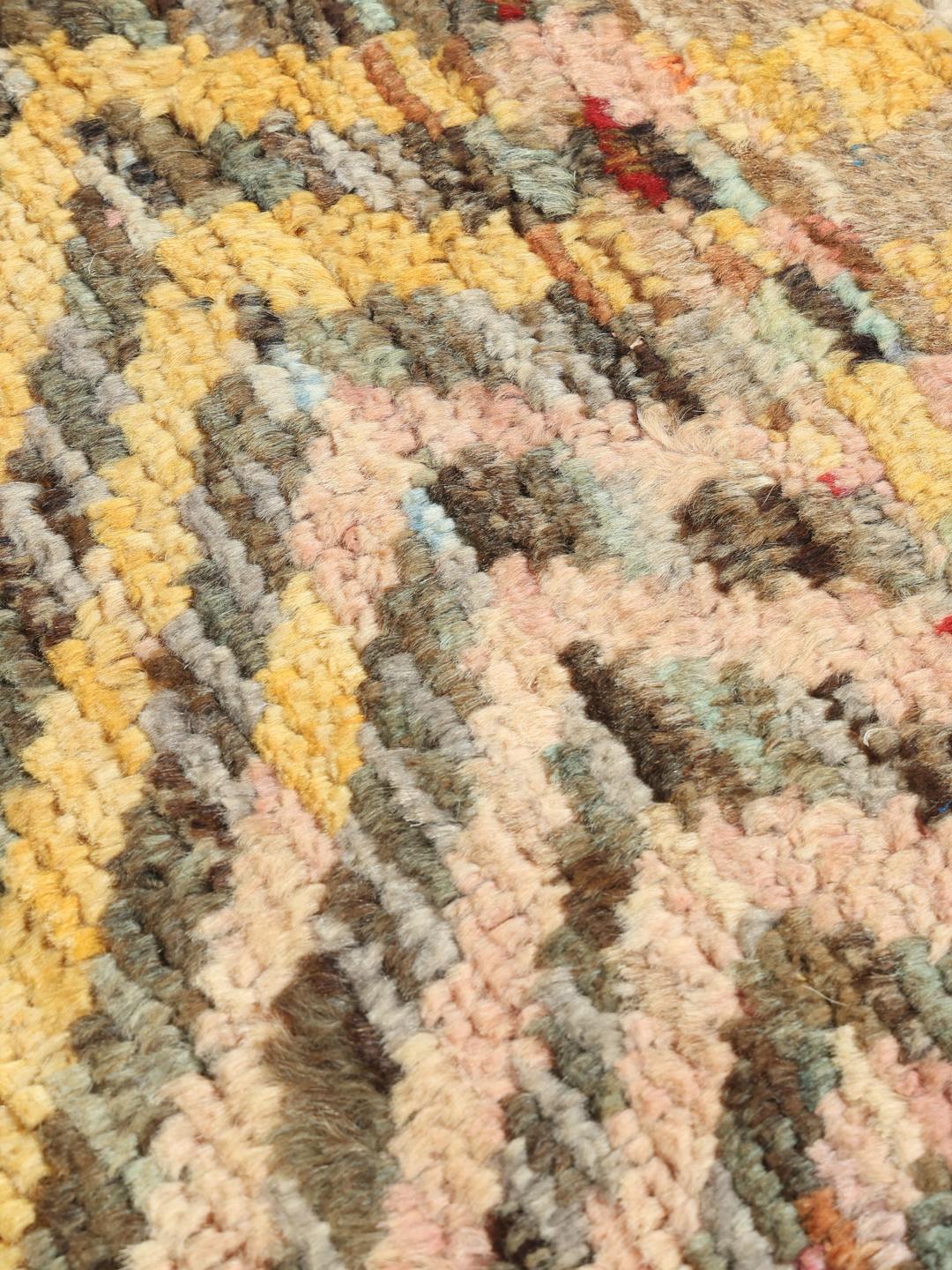
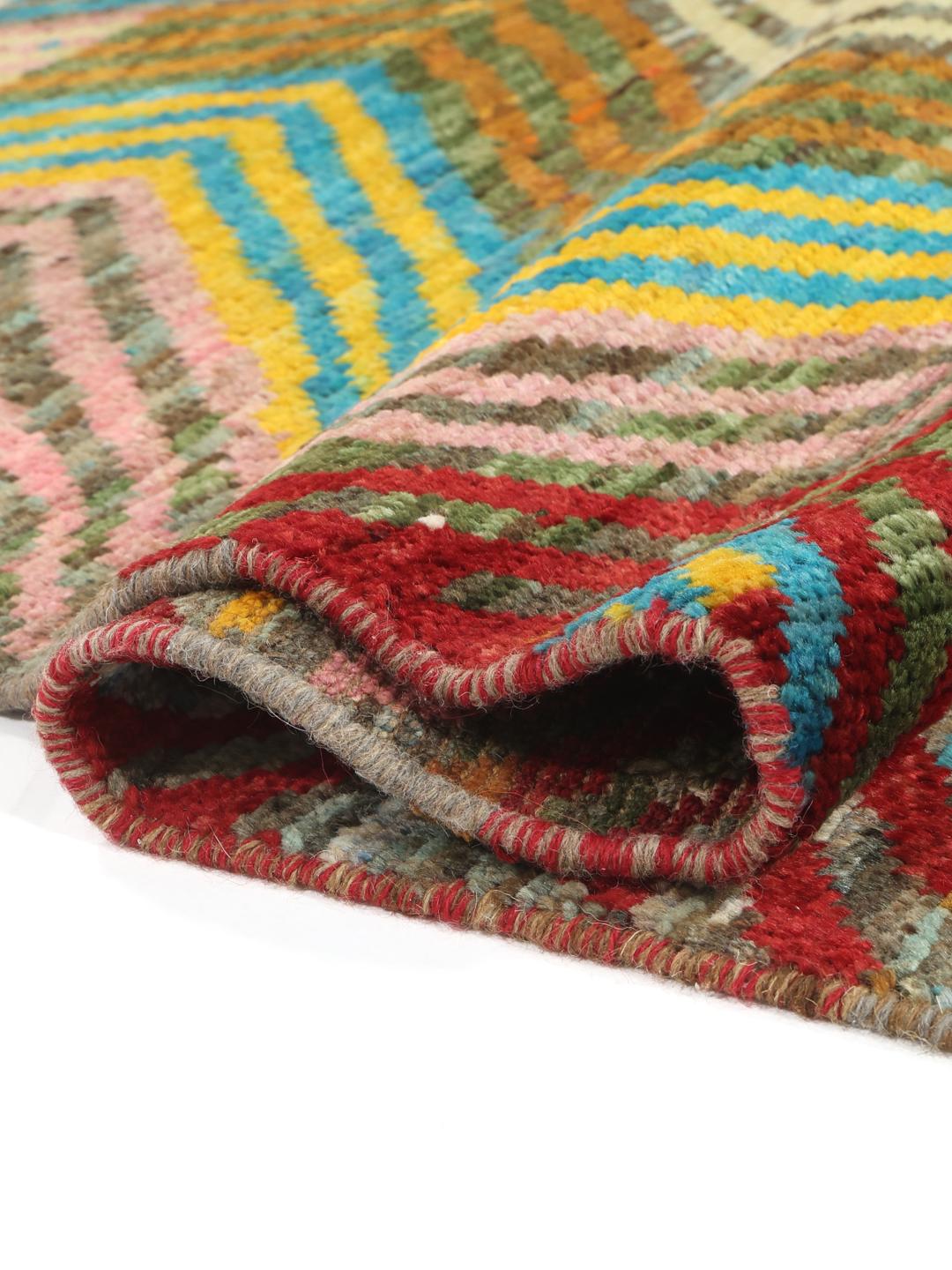
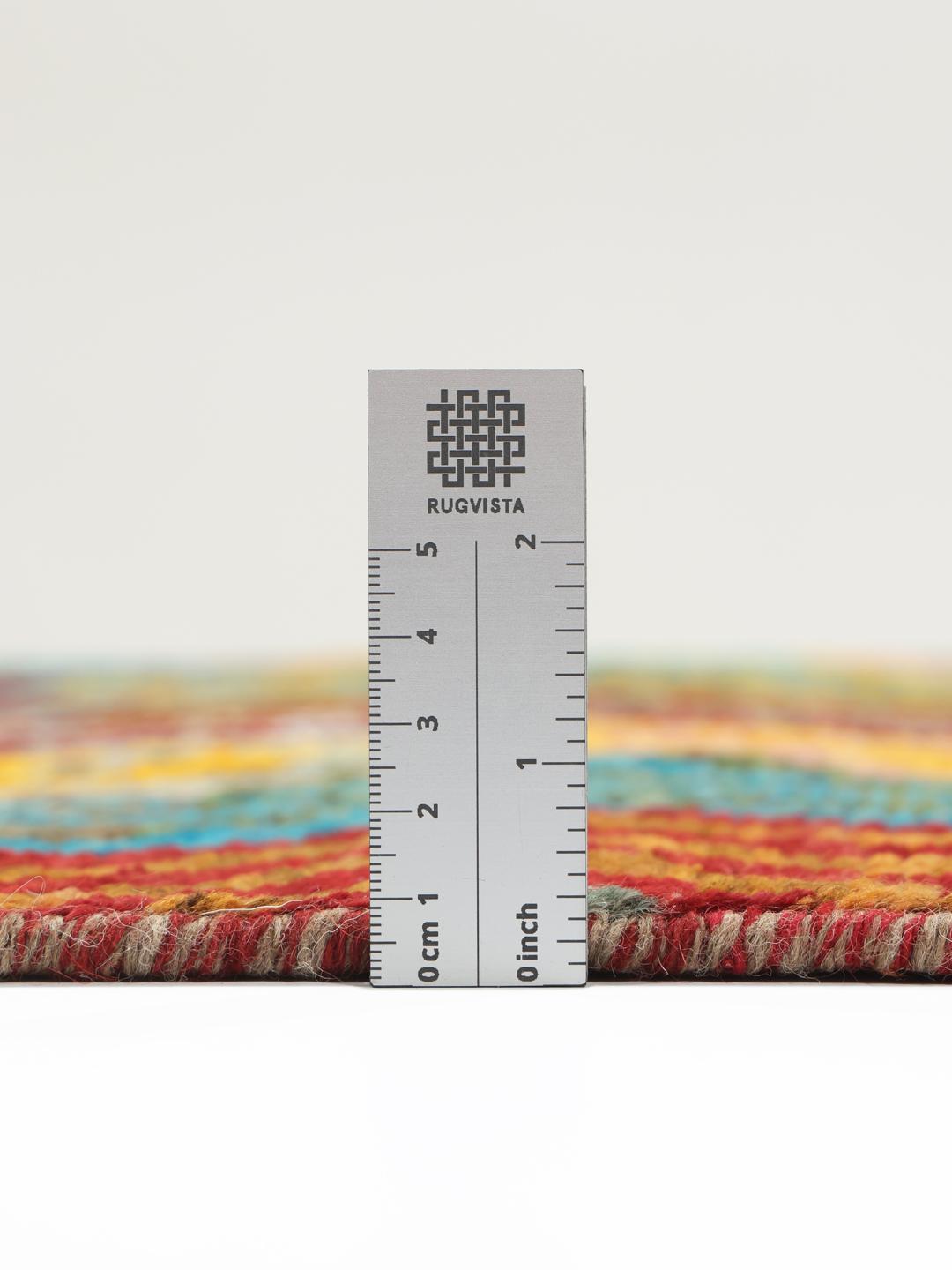
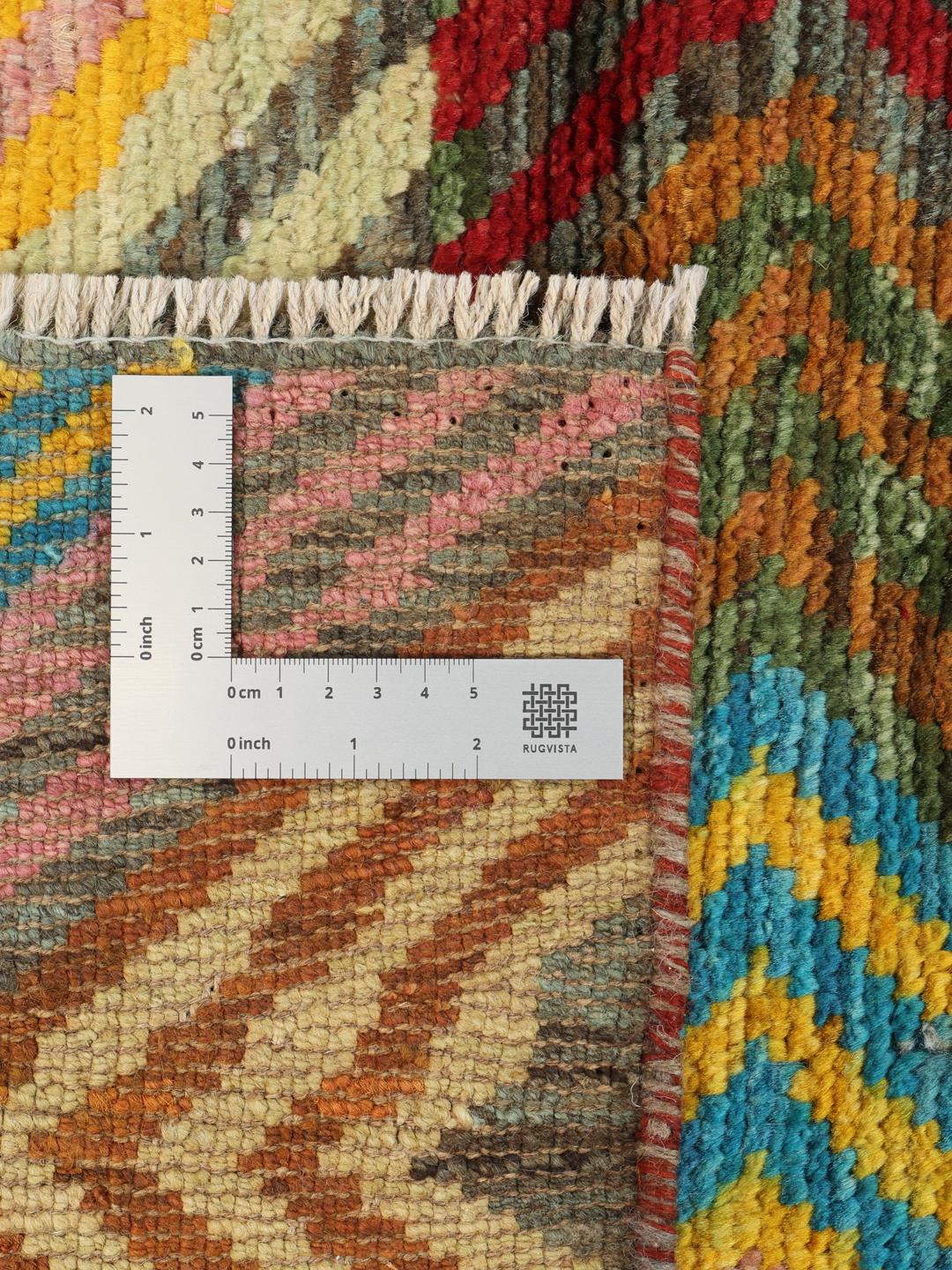
The term hand-knotted refers to the oldest and most respected method of rug construction. Unlike tufted or woven rugs, a hand-knotted piece is built by tying individual strands of wool onto a foundation of vertical and horizontal threads. This labour-intensive process is what gives the rug its lasting strength and refined texture. Because the pile is held by thousands of individual knots, the rug is incredibly resilient and capable of withstanding years of use while retaining its structural beauty.
The zig-zag pattern seen here is a classic motif in many tribal rug traditions, often representing mountains, water, or the continuous cycle of life. These geometric designs are not merely decorative but serve as a visual lexicon for the weavers. The bold use of colour in this piece is a nod to the vibrant, expressive nature of traditional tribal textiles, where colours were traditionally derived from natural dyes to tell a story or denote the weaver's community.
Acquiring a one-of-a-kind hand-knotted rug is an investment in cultural heritage and human skill. These pieces are valued by collectors not just for their aesthetic appeal, but for the history and expertise woven into every knot. Owning such a rug means becoming a steward of an ancient craft, ensuring that these traditions continue to thrive and bring warmth, colour, and depth to modern homes around the world.