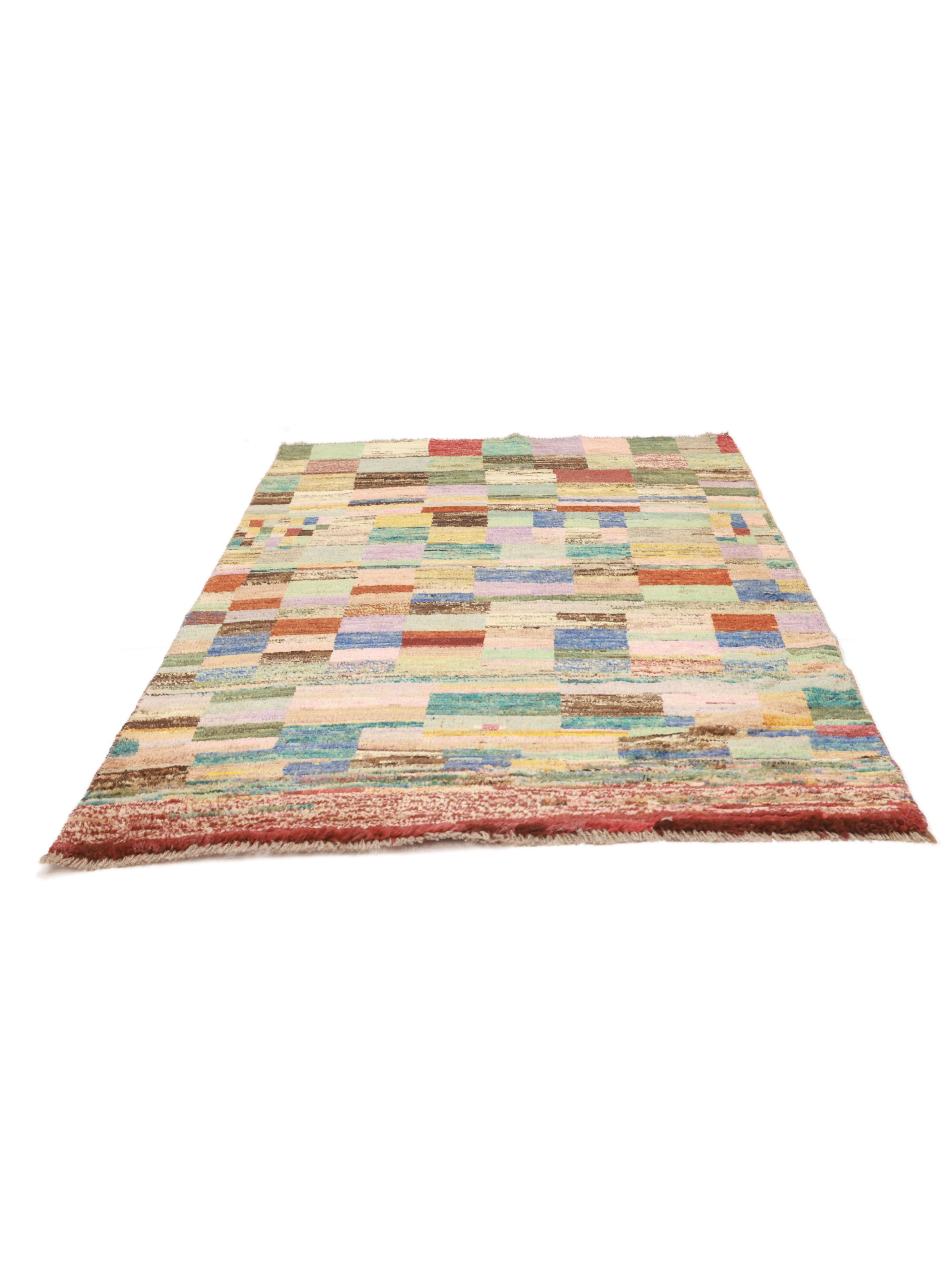
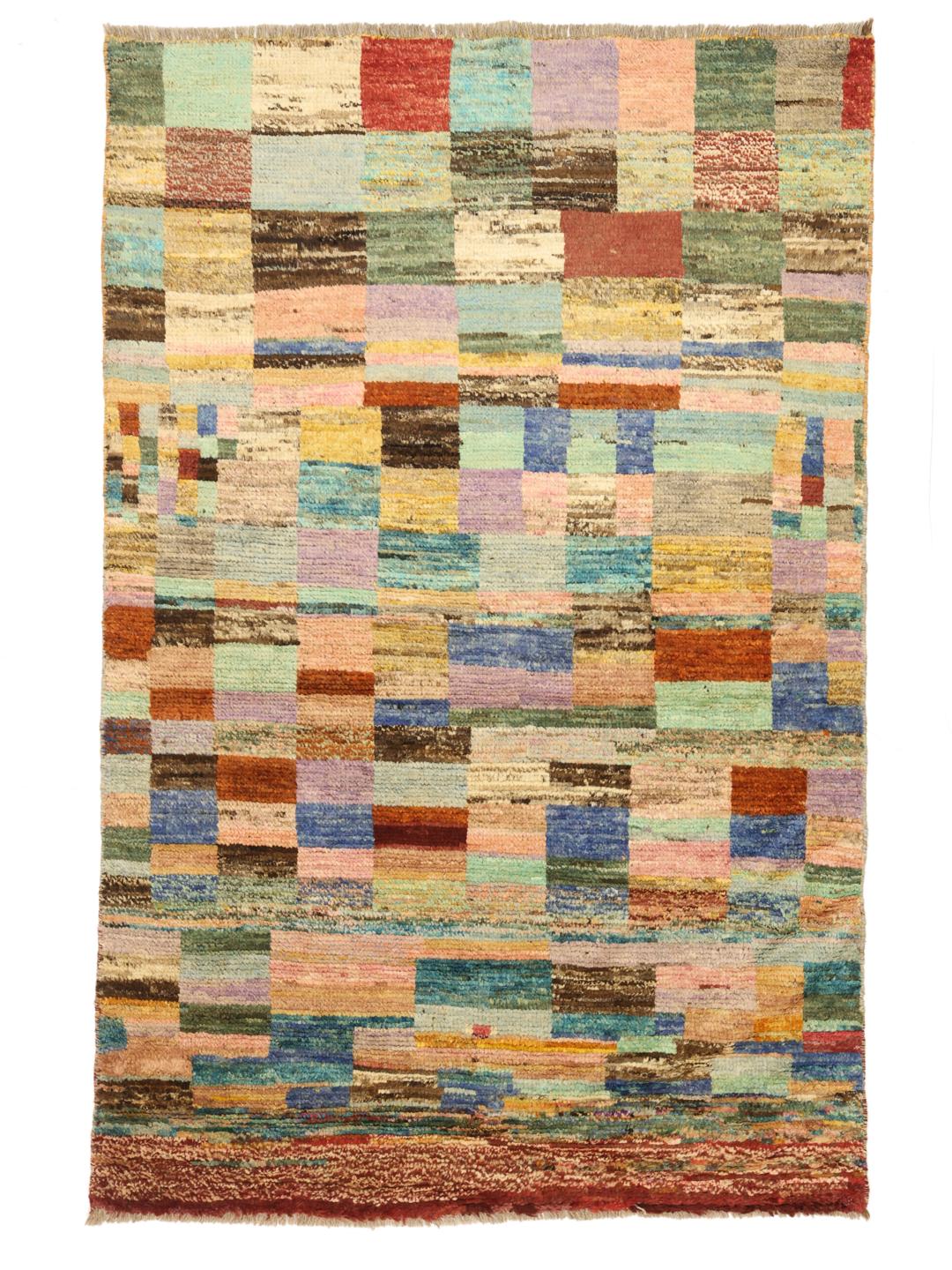
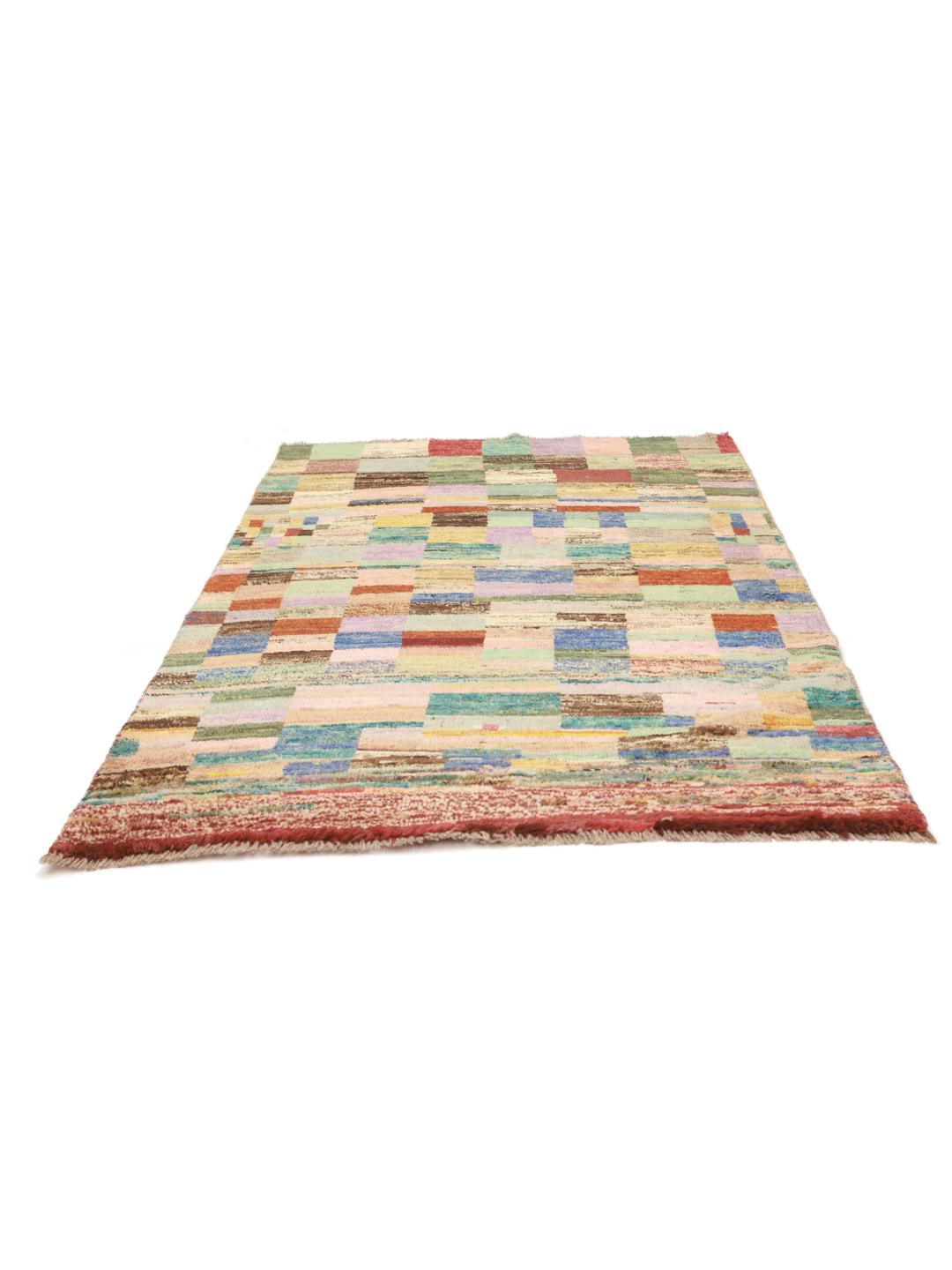
The Berber tradition, while most commonly associated with the Atlas Mountains of North Africa, has a rich, cross-cultural history that has inspired weavers across the globe, including in the mountainous regions of Afghanistan. These rugs are celebrated for their raw, honest aesthetic and their ability to convey the weaver's personal narrative through pattern and colour. By adopting these traditional styles, Afghan artisans have created a unique fusion that honours ancestral techniques while embracing a modern, expressive palette.
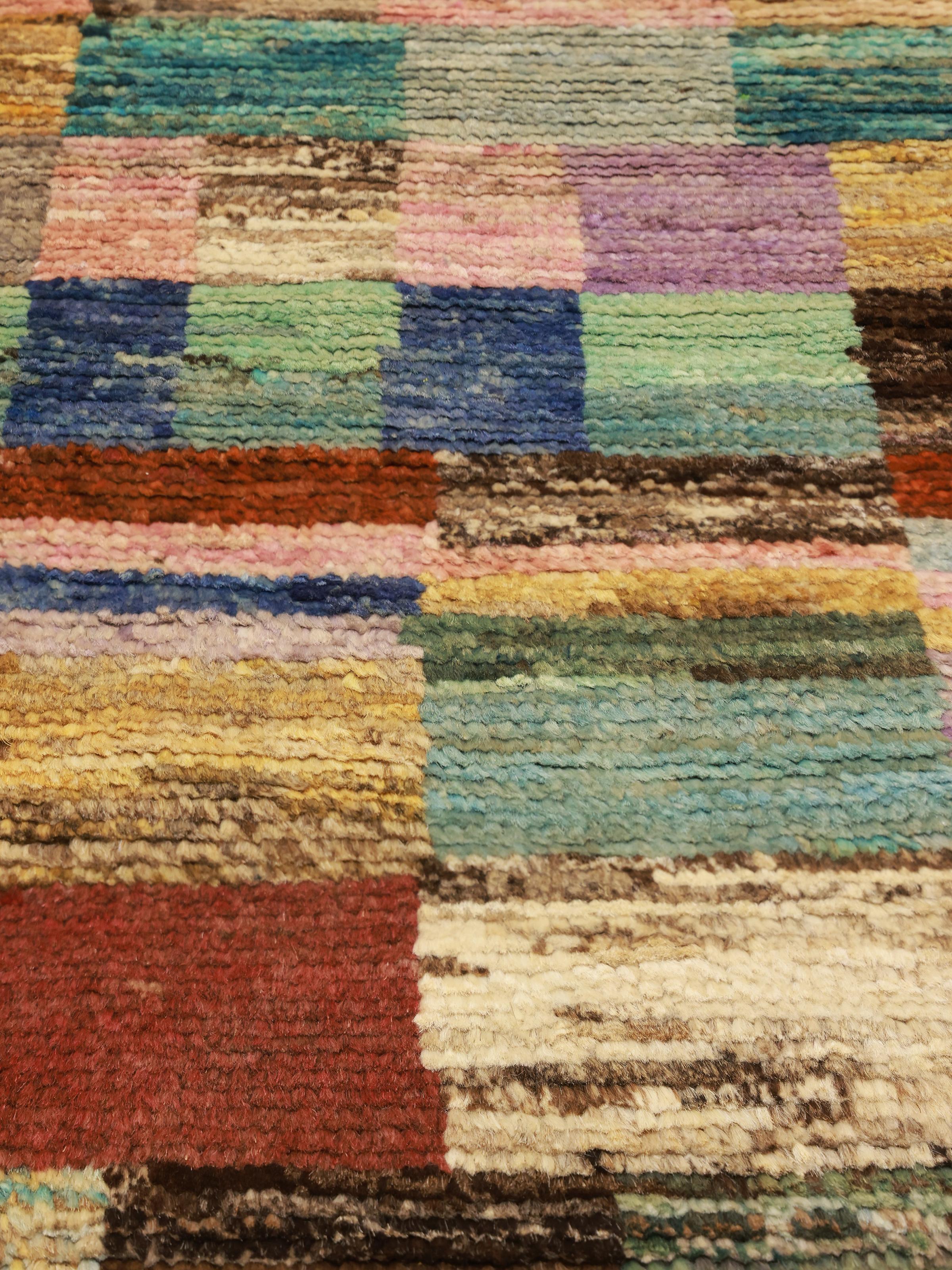
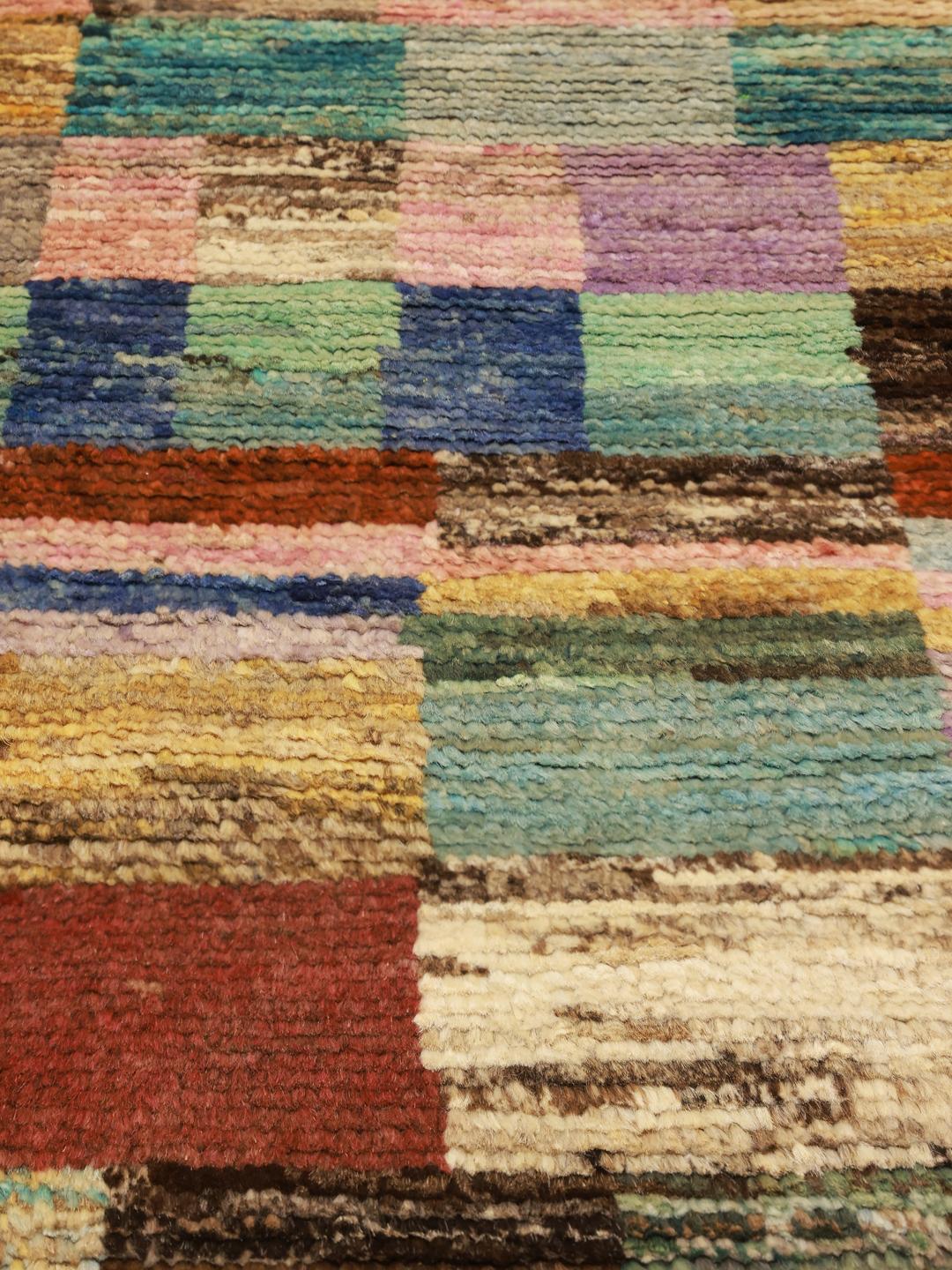
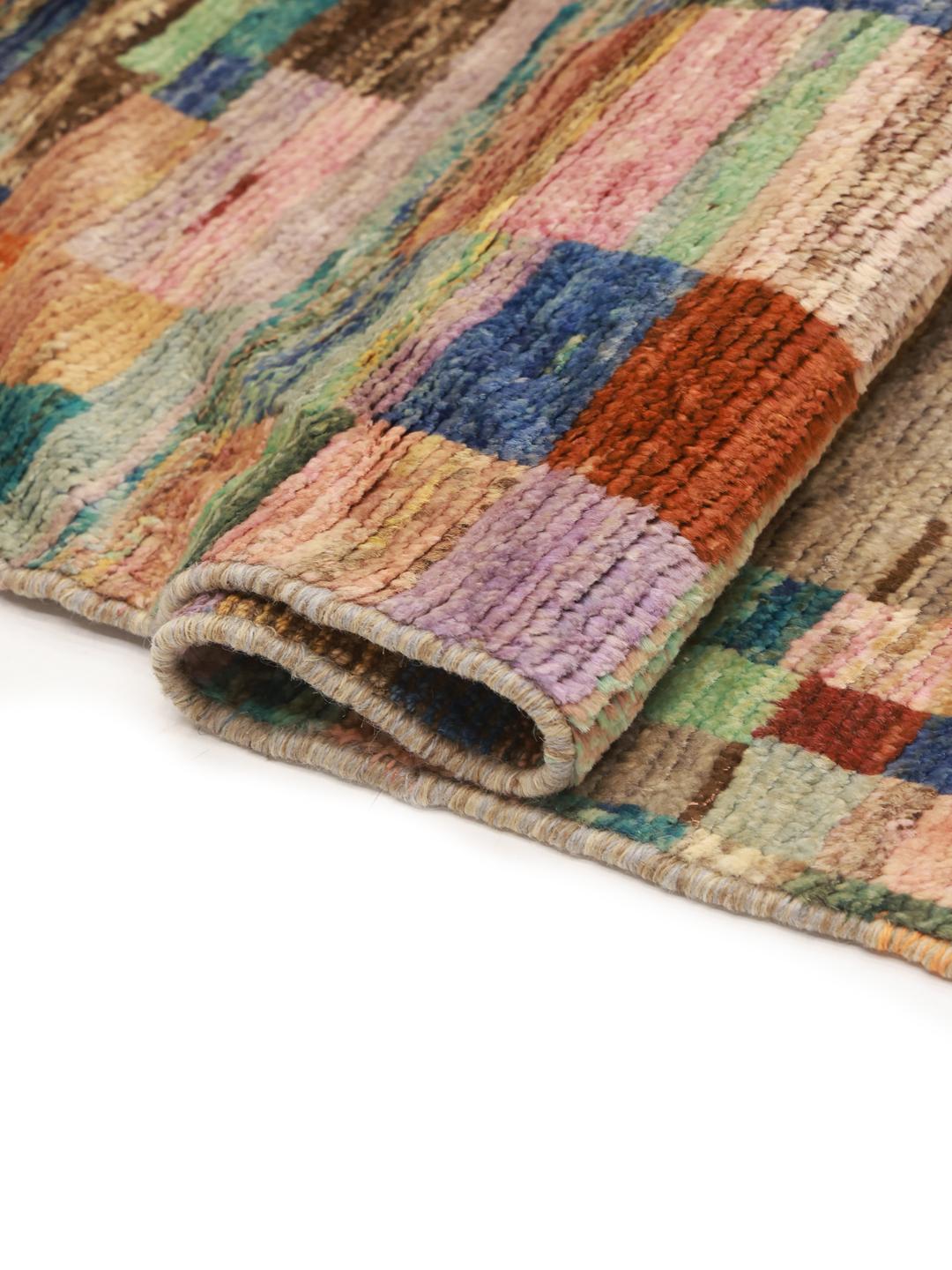
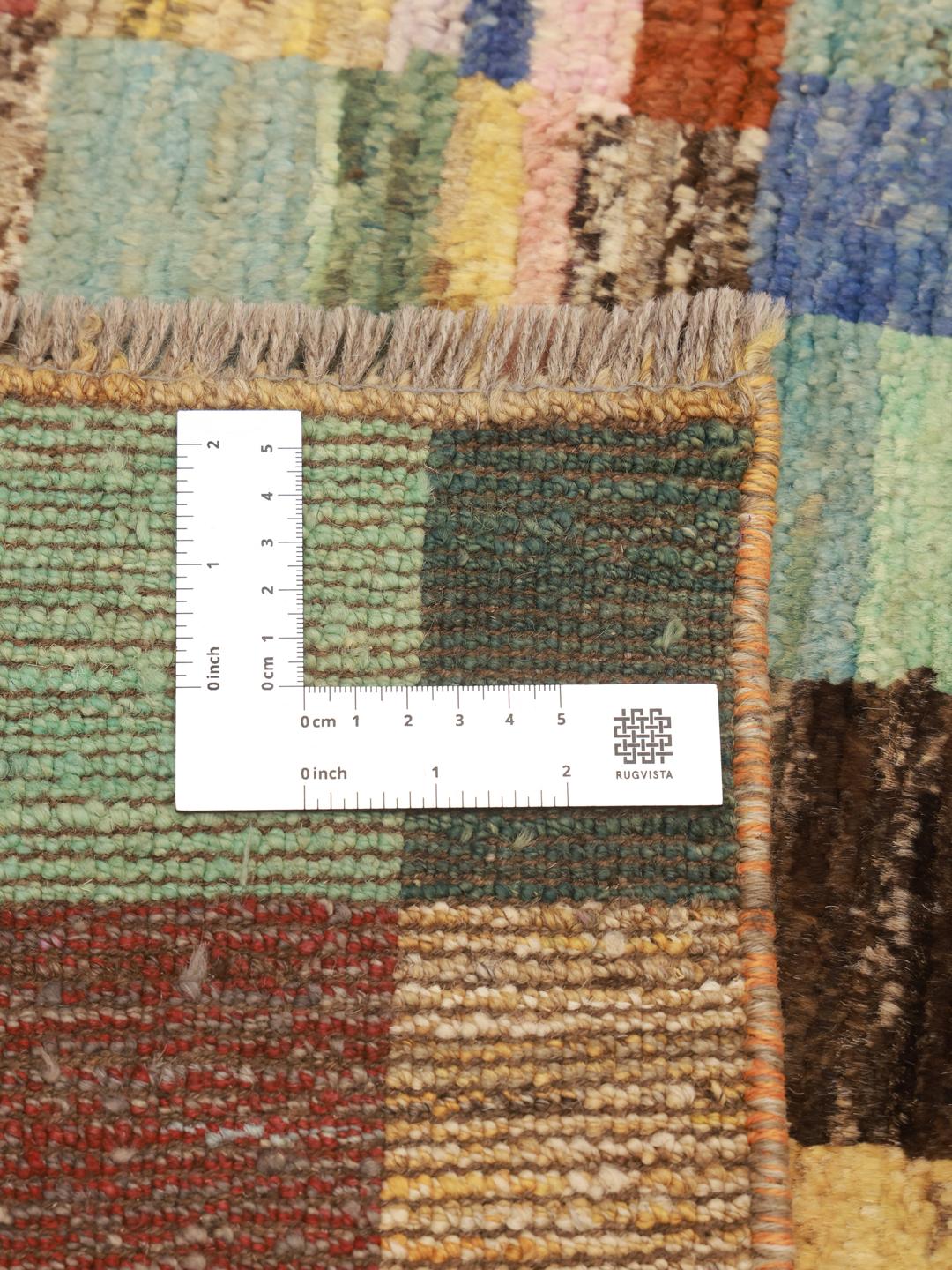
The craft of hand-knotting is a cornerstone of this tradition, and it is what grants these rugs their exceptional quality. The technique involves wrapping individual strands of wool around the warp and weft threads, creating a pile that is both dense and durable. This method is far more than a way to make a floor covering; it is a way to ensure that the pattern remains crisp and clear, and that the rug can withstand generations of use.
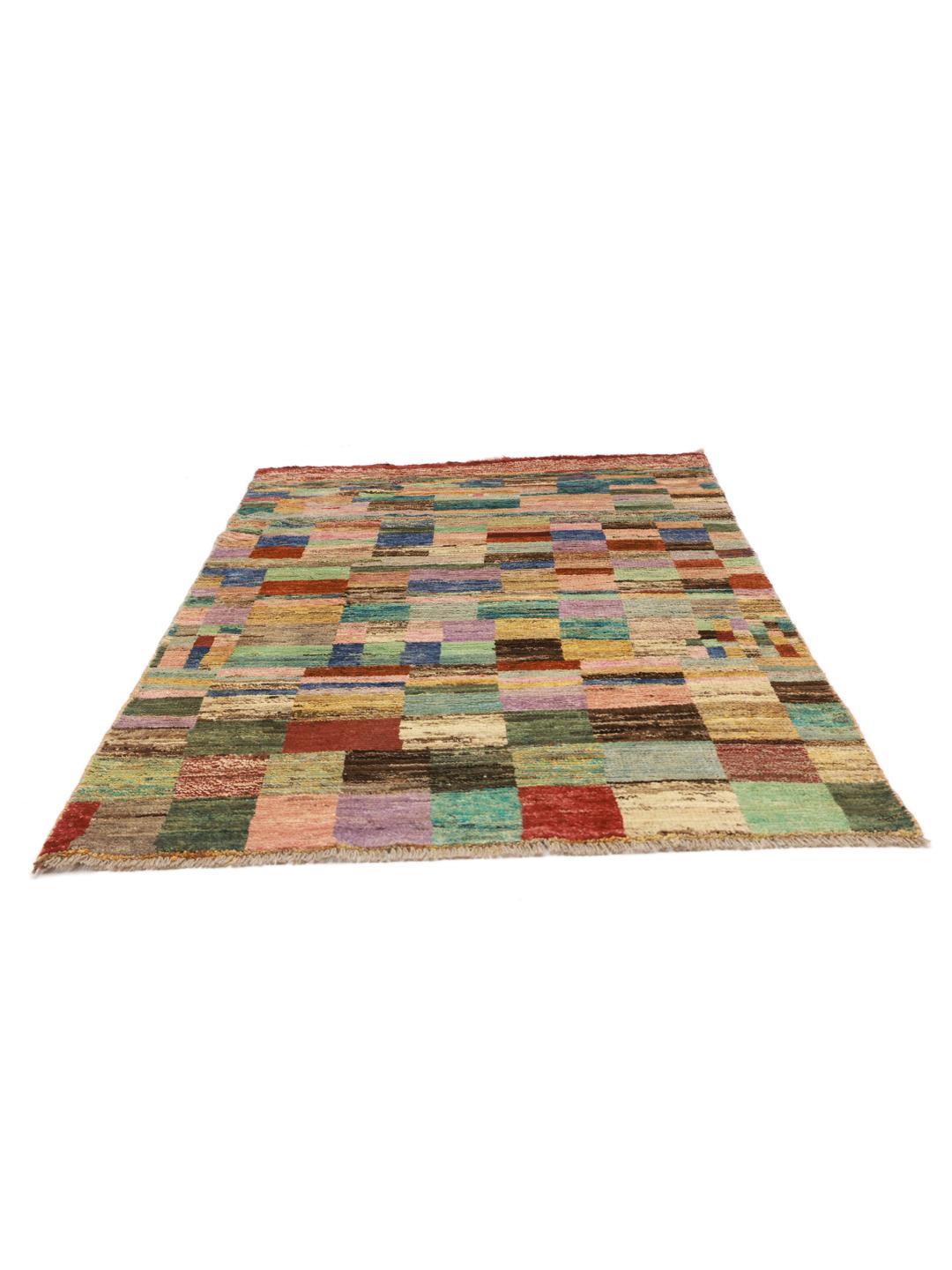
Visually, these rugs are defined by their geometric spontaneity. While many traditional rugs rely on rigid, symmetrical borders and medallions, the Berber style often features more fluid, abstract arrangements. The use of vibrant, varied colours in this piece reflects a joyful, creative spirit, turning the rug into a canvas of shifting squares and rectangles that draw the eye and spark conversation.
Collecting a rug from this tradition is an act of preserving a heritage of skill and human connection. Each piece is a testament to the weaver's dexterity and cultural memory, offering a tactile experience that connects the modern home to ancient textile practices. To own such a rug is to value the time, effort, and history woven into every thread, making it a truly meaningful addition to your collection.