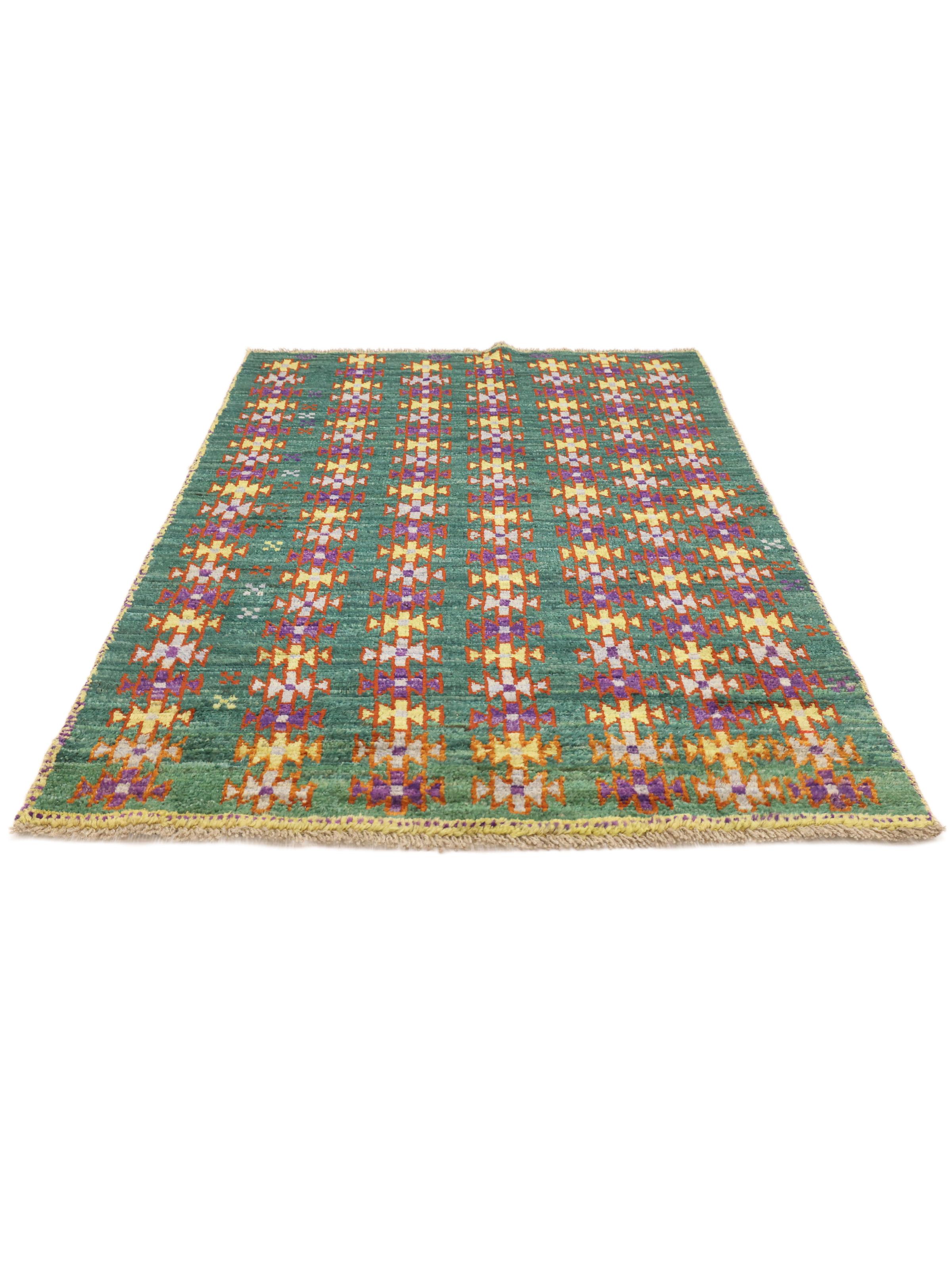
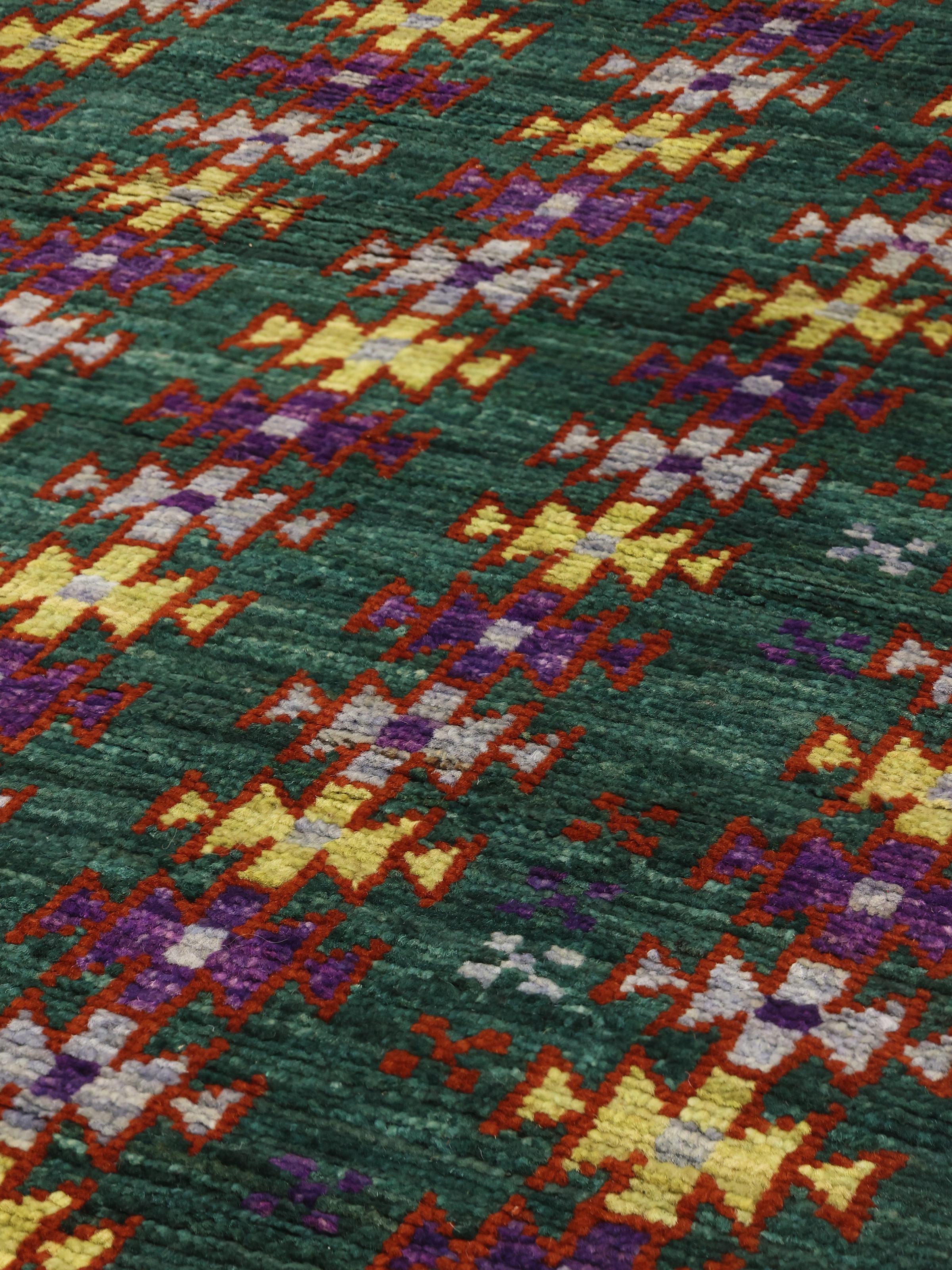
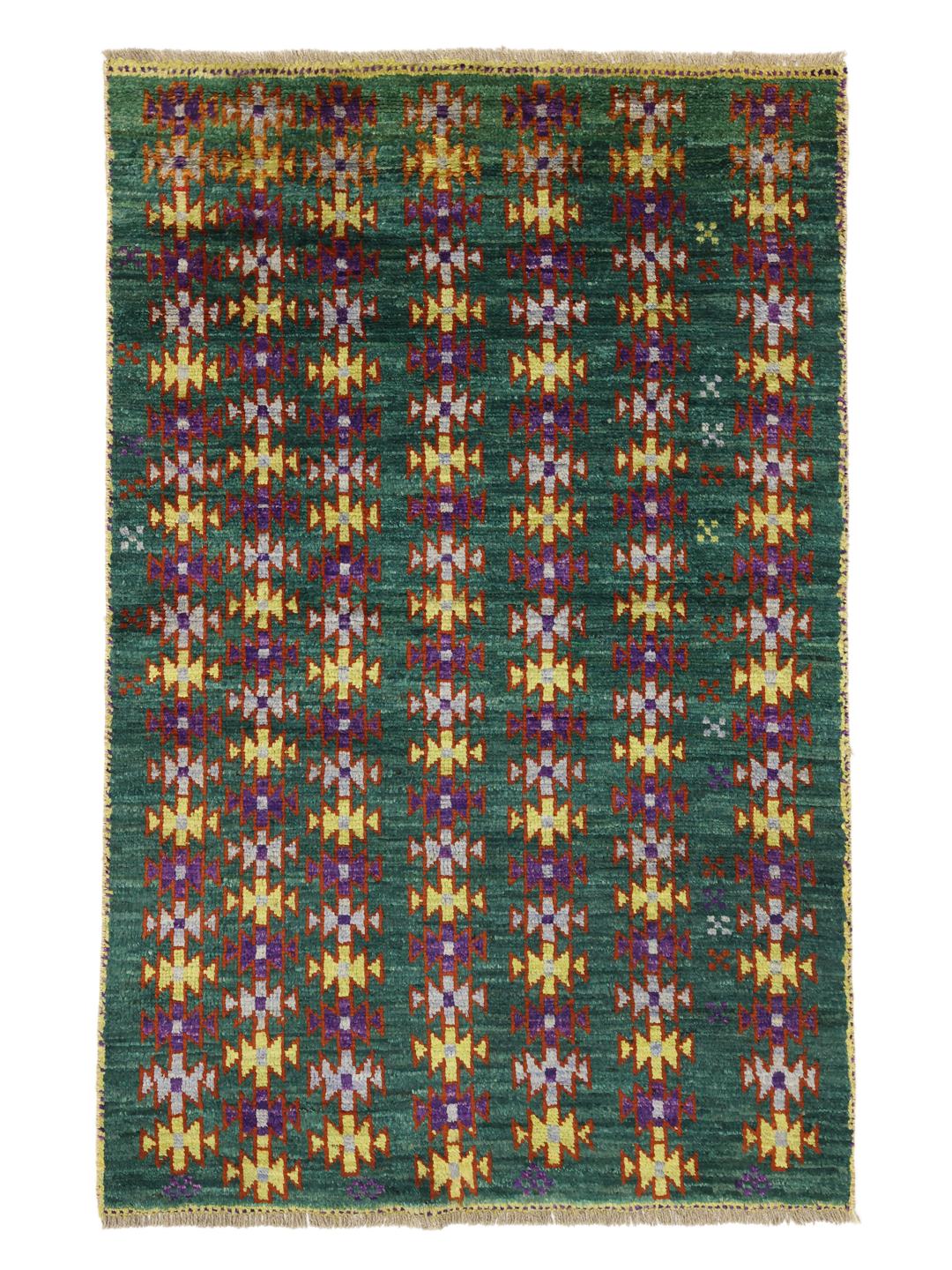
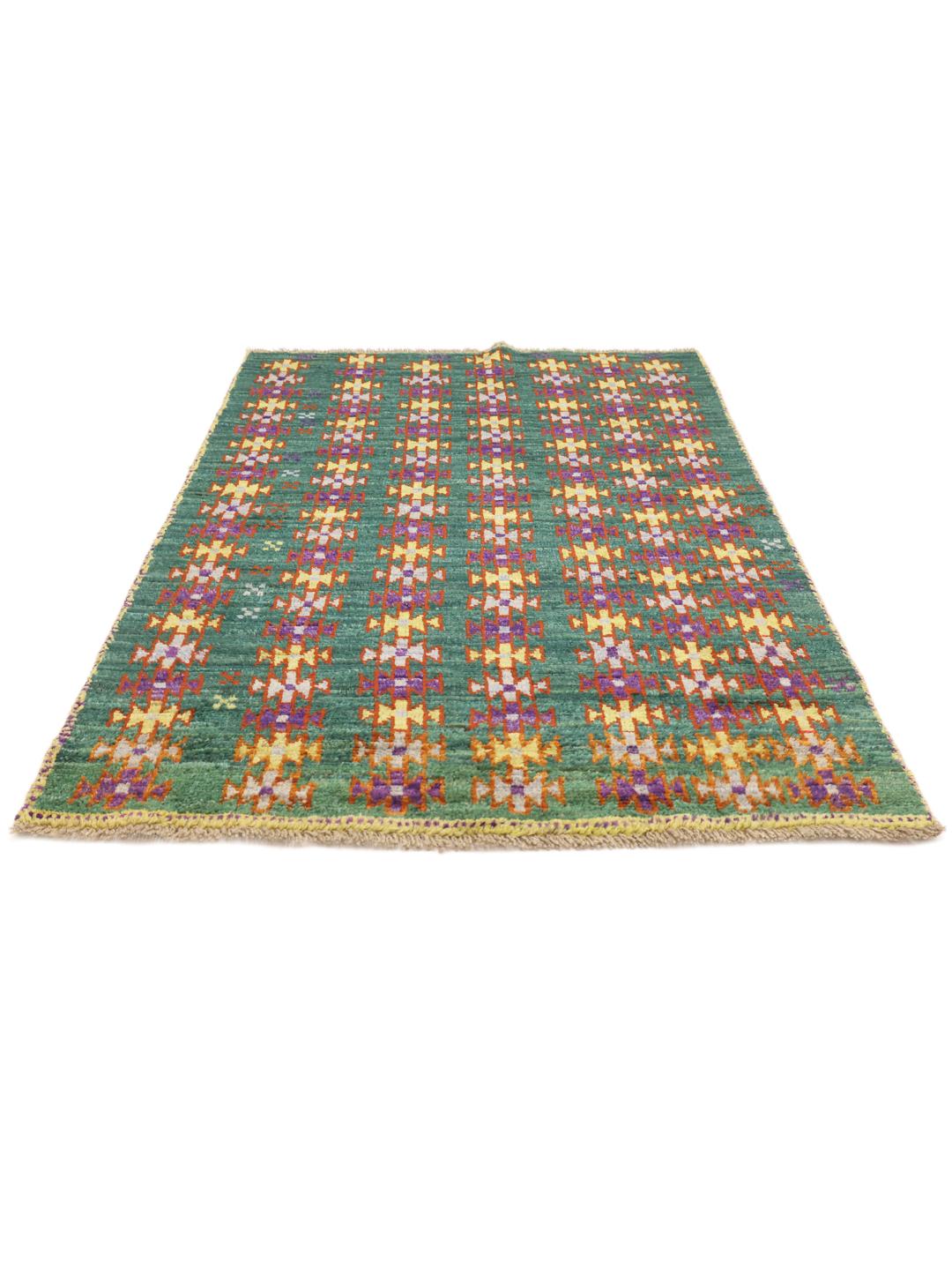
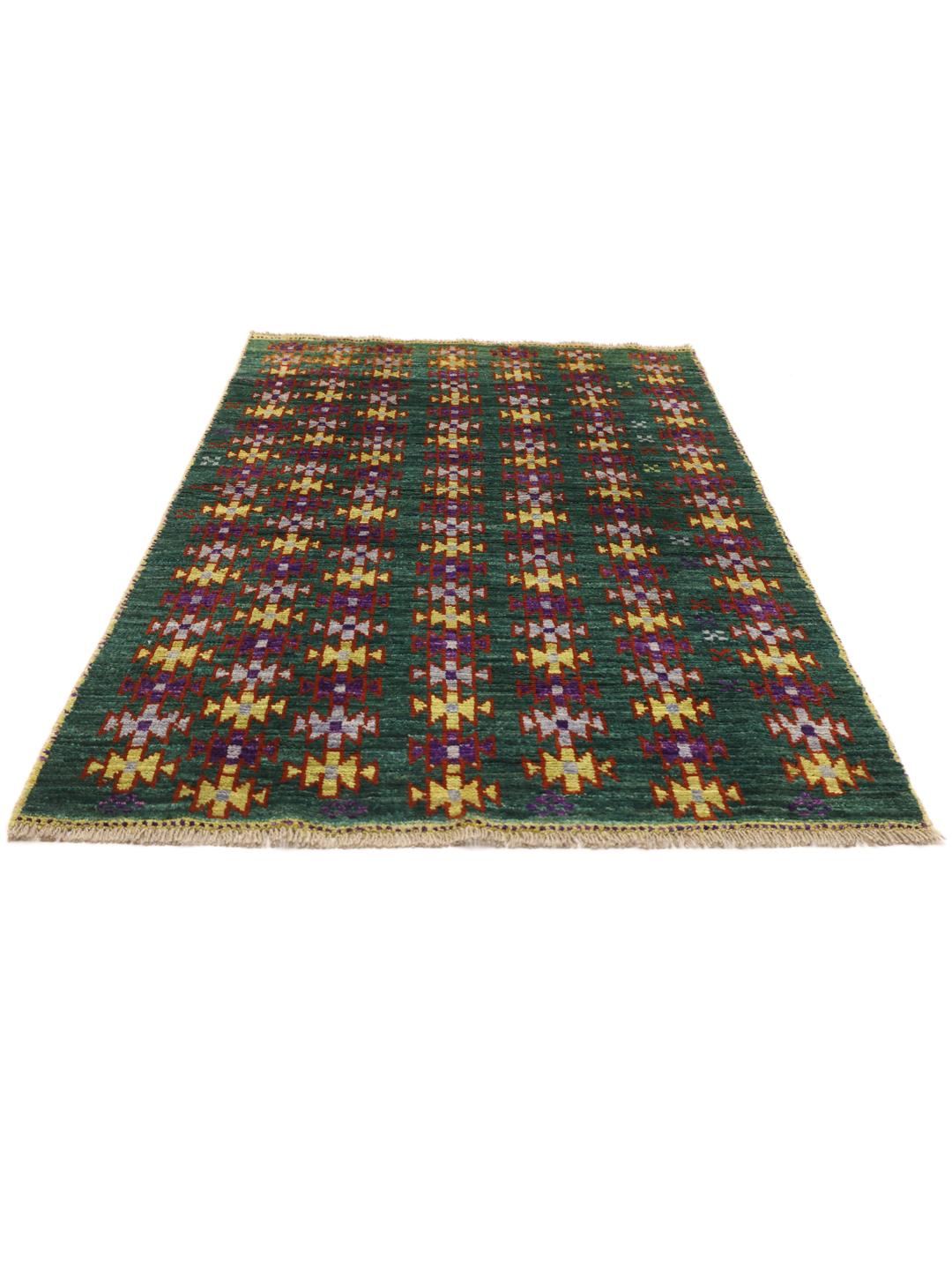
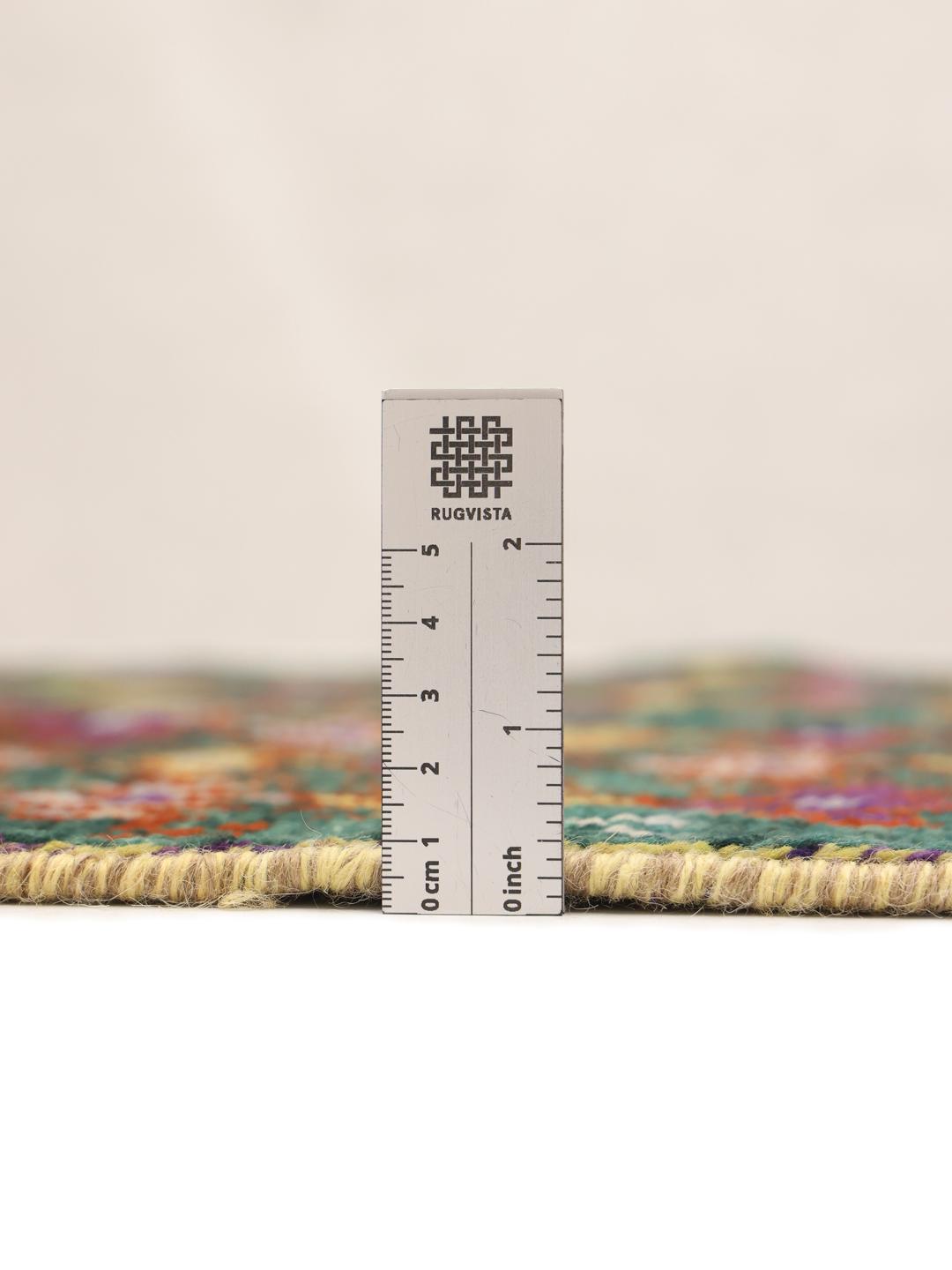
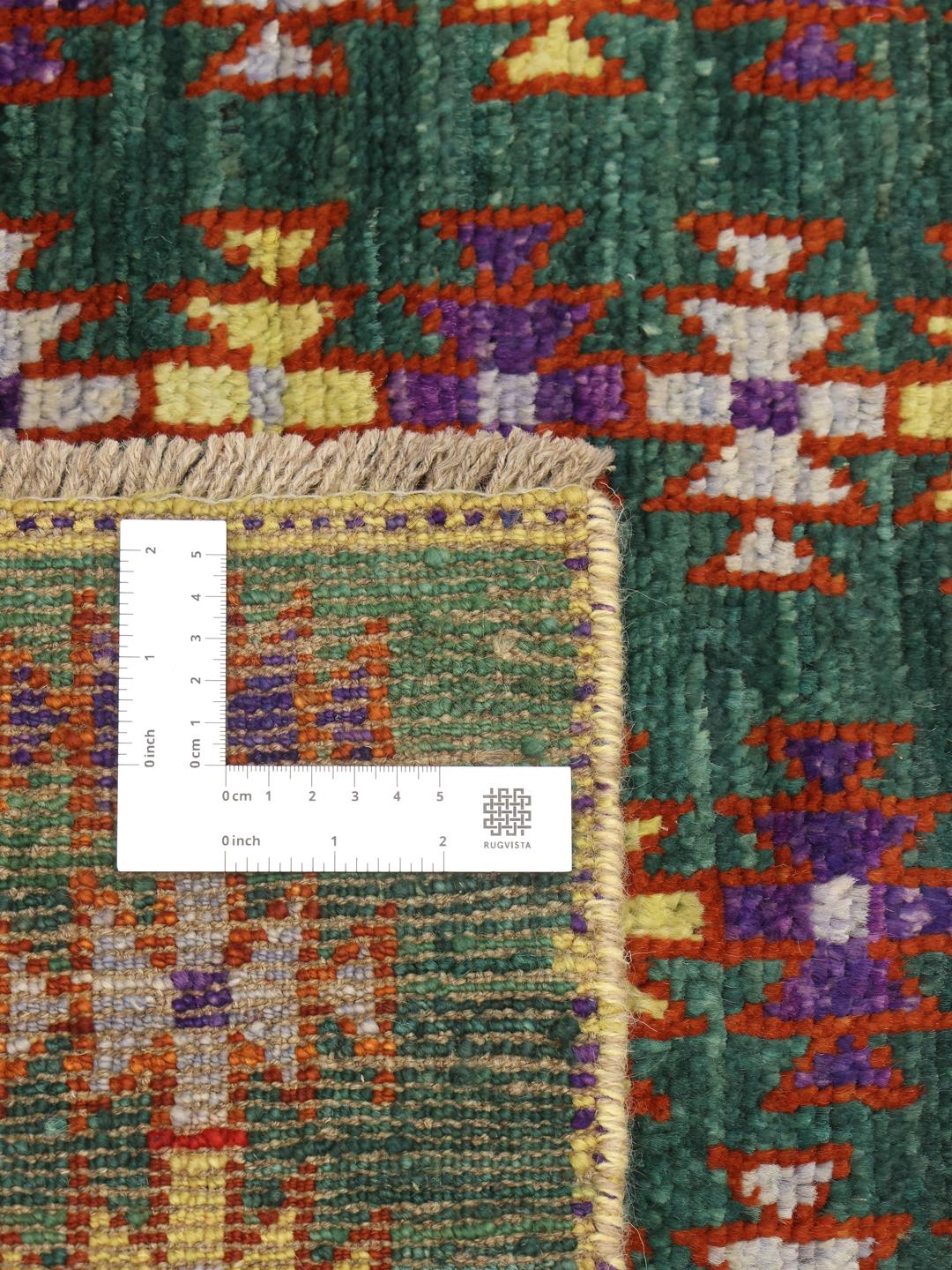
The tradition of Berber-style weaving, while famously associated with North Africa, has a rich, independent history in the mountainous regions of Afghanistan. Local artisans have long adapted these tribal aesthetics, blending them with their own regional techniques to create rugs that are celebrated for their thick, plush pile and bold, symbolic designs.
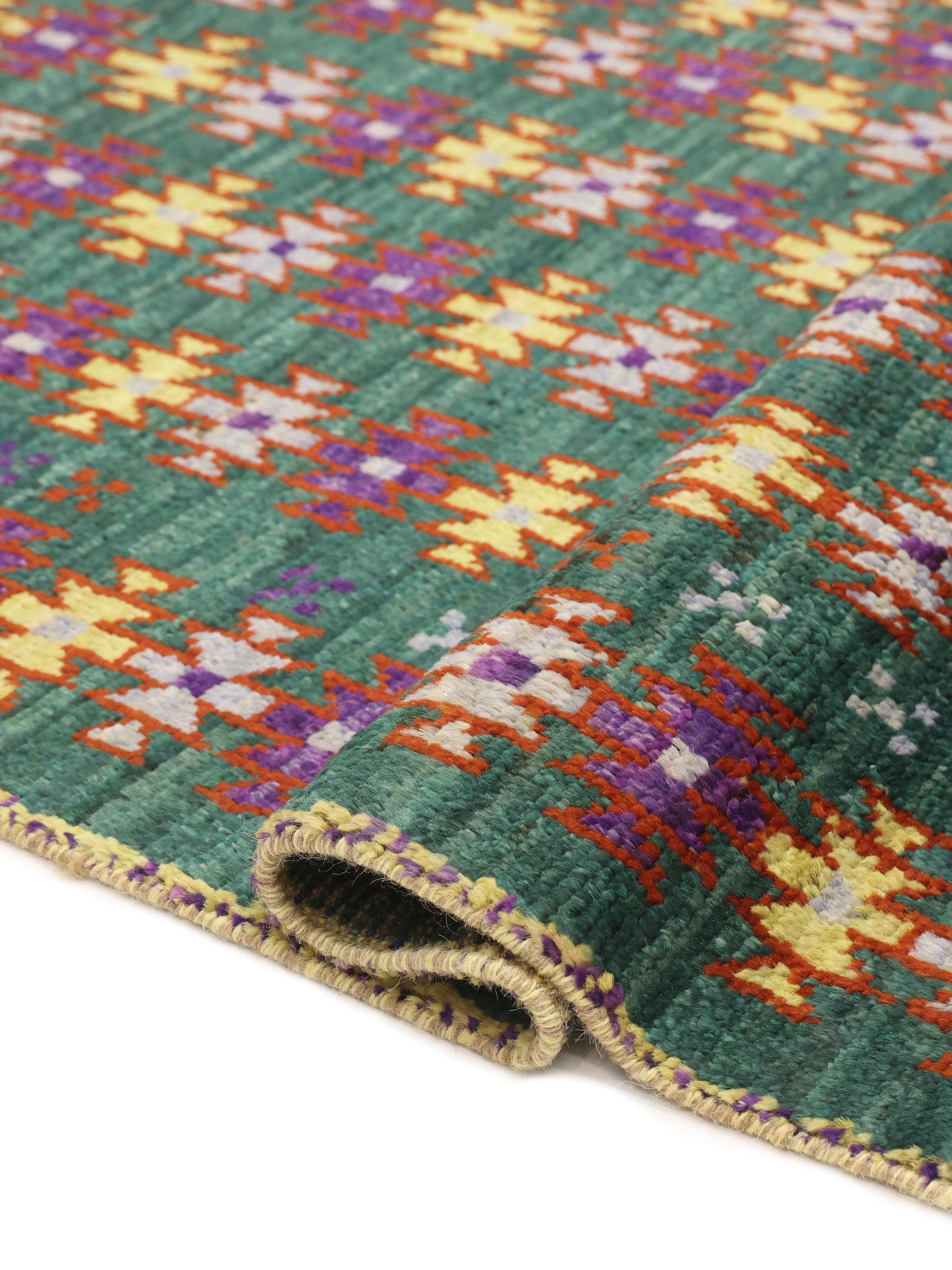
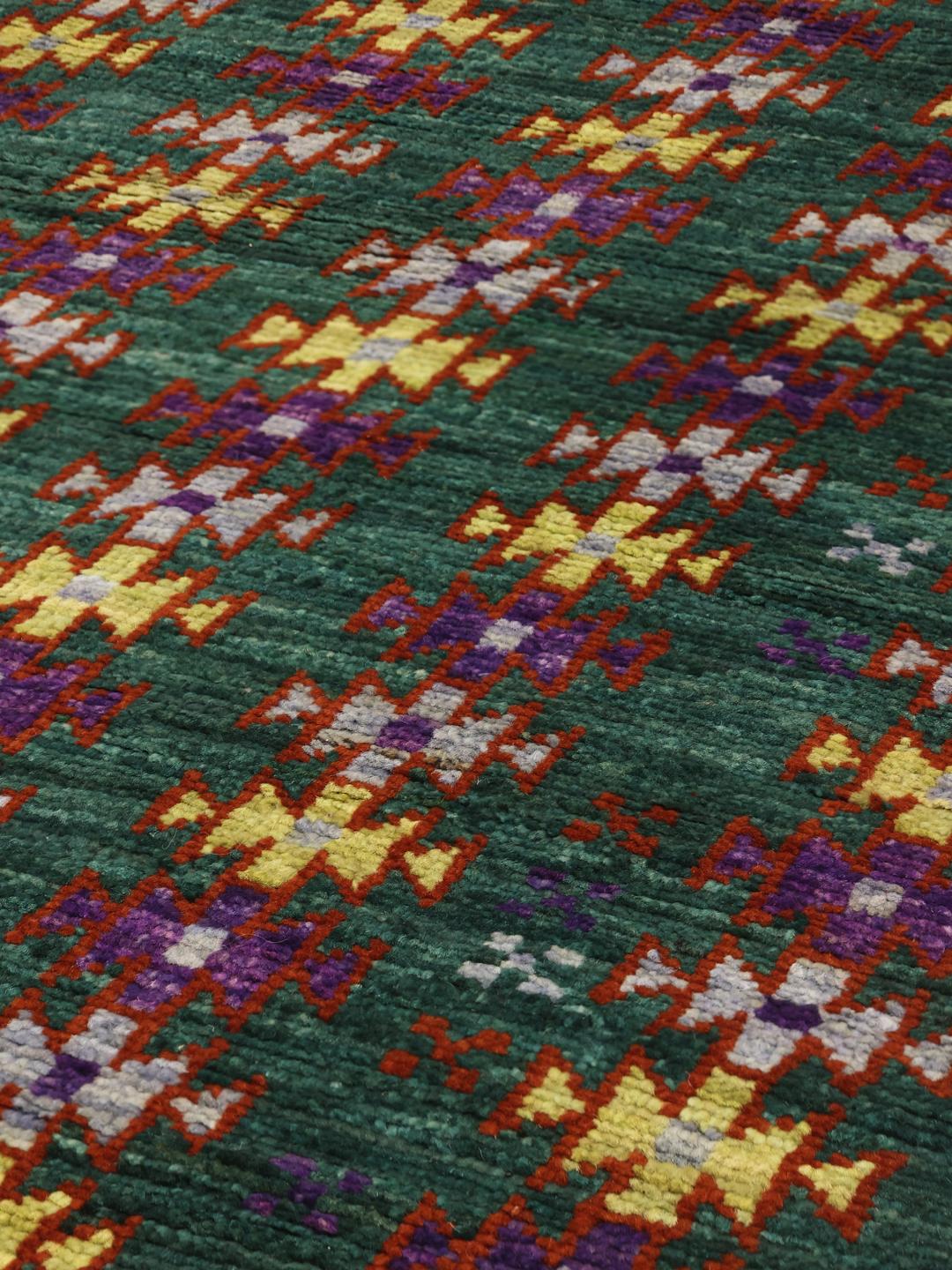
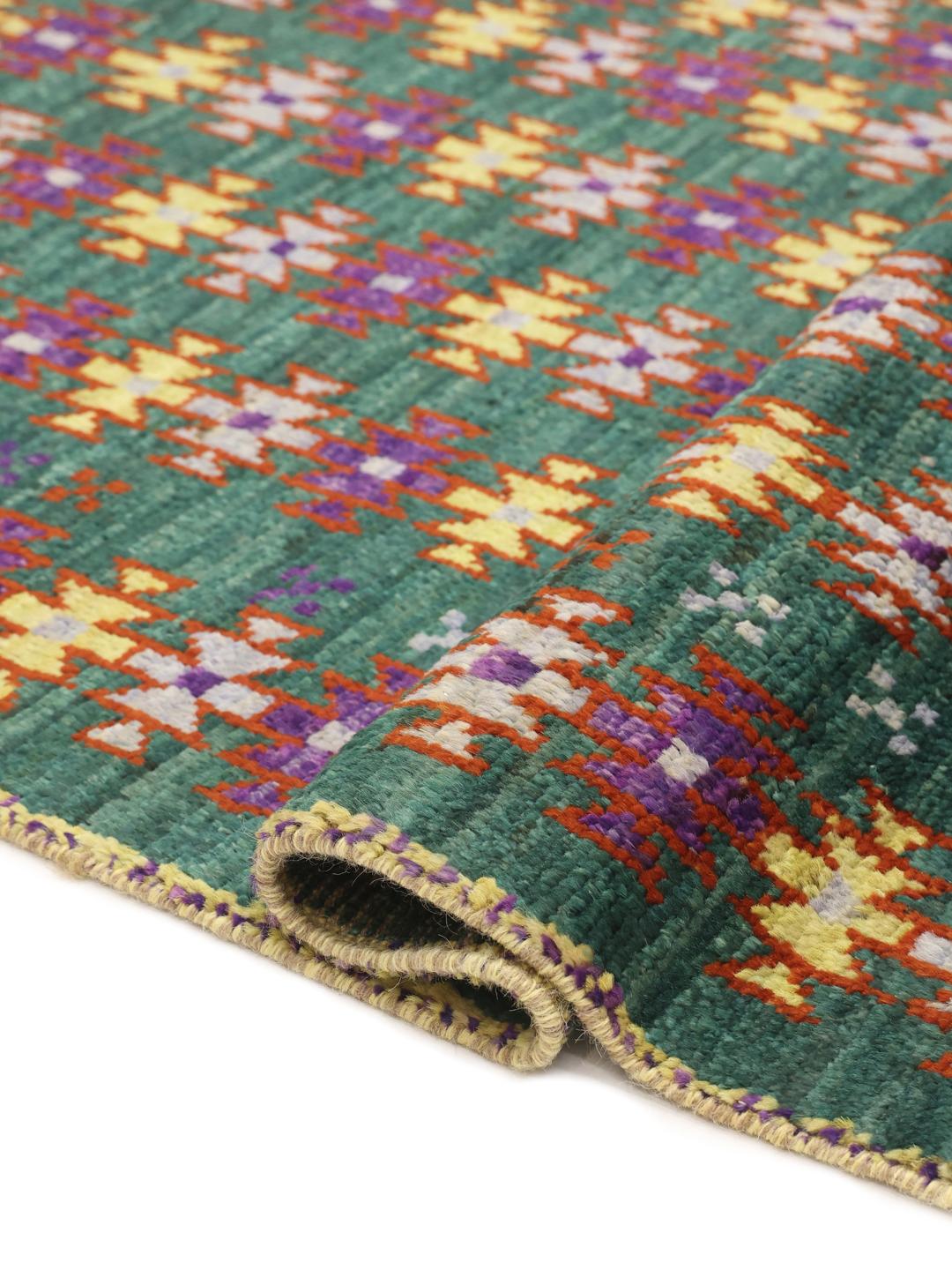
The term 'Berber' in the context of these rugs refers to a style characterised by a deeper, often more resilient pile and a focus on geometric simplicity. This construction style is not merely for aesthetics; it is designed to provide maximum insulation against the cold floor, making these rugs highly prized for their comfort and ability to create a warm atmosphere in any environment.
Visually, these rugs are defined by their use of repeating motifs, which often tell a story of the weaver's environment and cultural heritage. The use of colour is particularly meaningful, with deep, earthy tones often contrasted by vibrant accents. The specific arrangement of shapes seen here is a testament to the artisan's individual expression within a traditional framework.
Collecting a hand-knotted piece from Afghanistan is an investment in cultural continuity. These rugs are highly valued for their honest, handmade quality and the tangible connection they provide to the history of nomadic and village craft. By choosing this rug, you are preserving a legacy of skill and adding a piece of history to your home that will only grow more cherished with time.