Berber-style rugs from the Middle East represent a fascinating evolution of nomadic weaving traditions. While the term Berber is historically associated with North African tribes, Middle Eastern weavers have long adopted these techniques to create their own unique, high-pile, and highly durable textiles that prioritise warmth and functional beauty for the home.
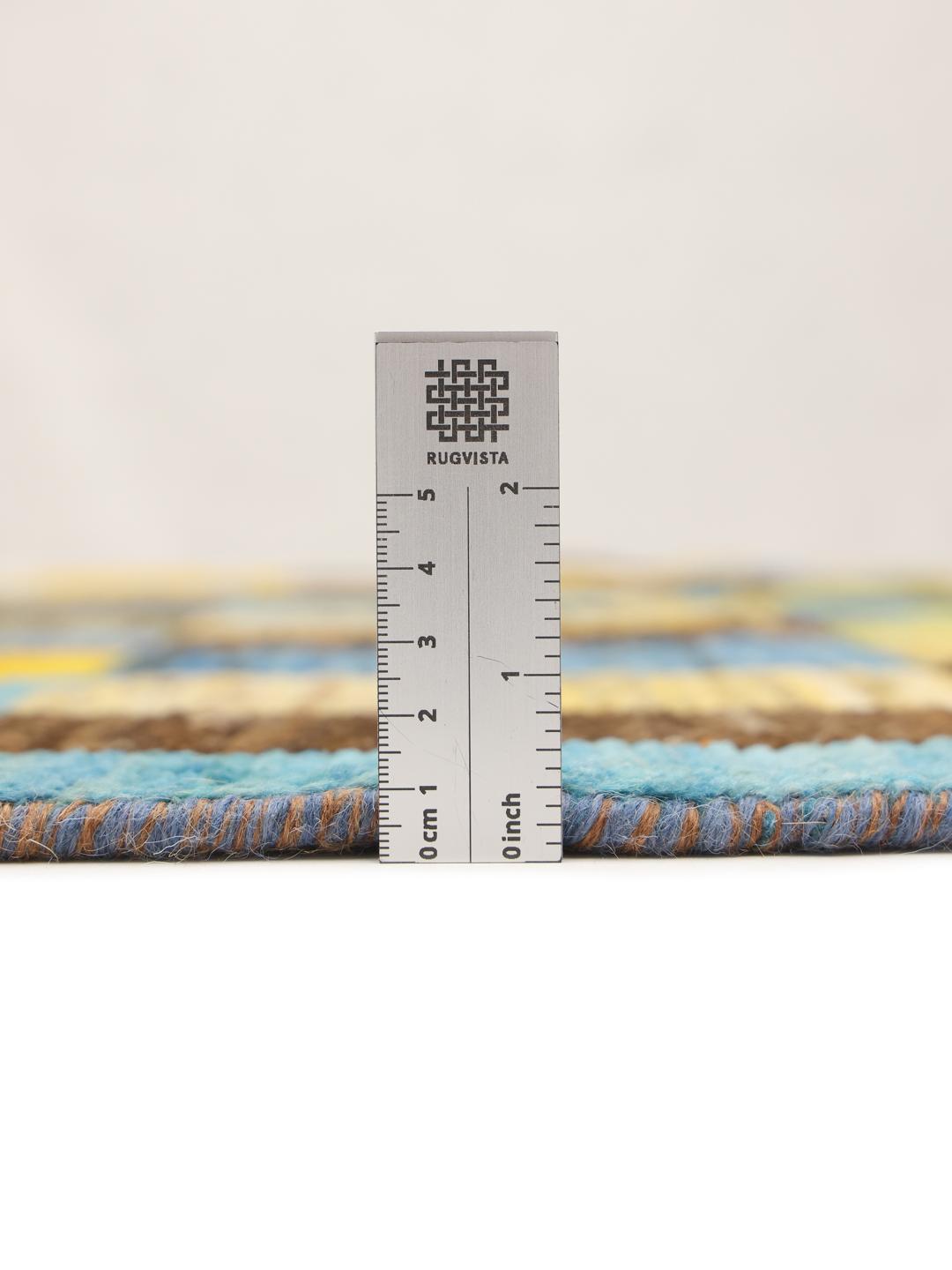
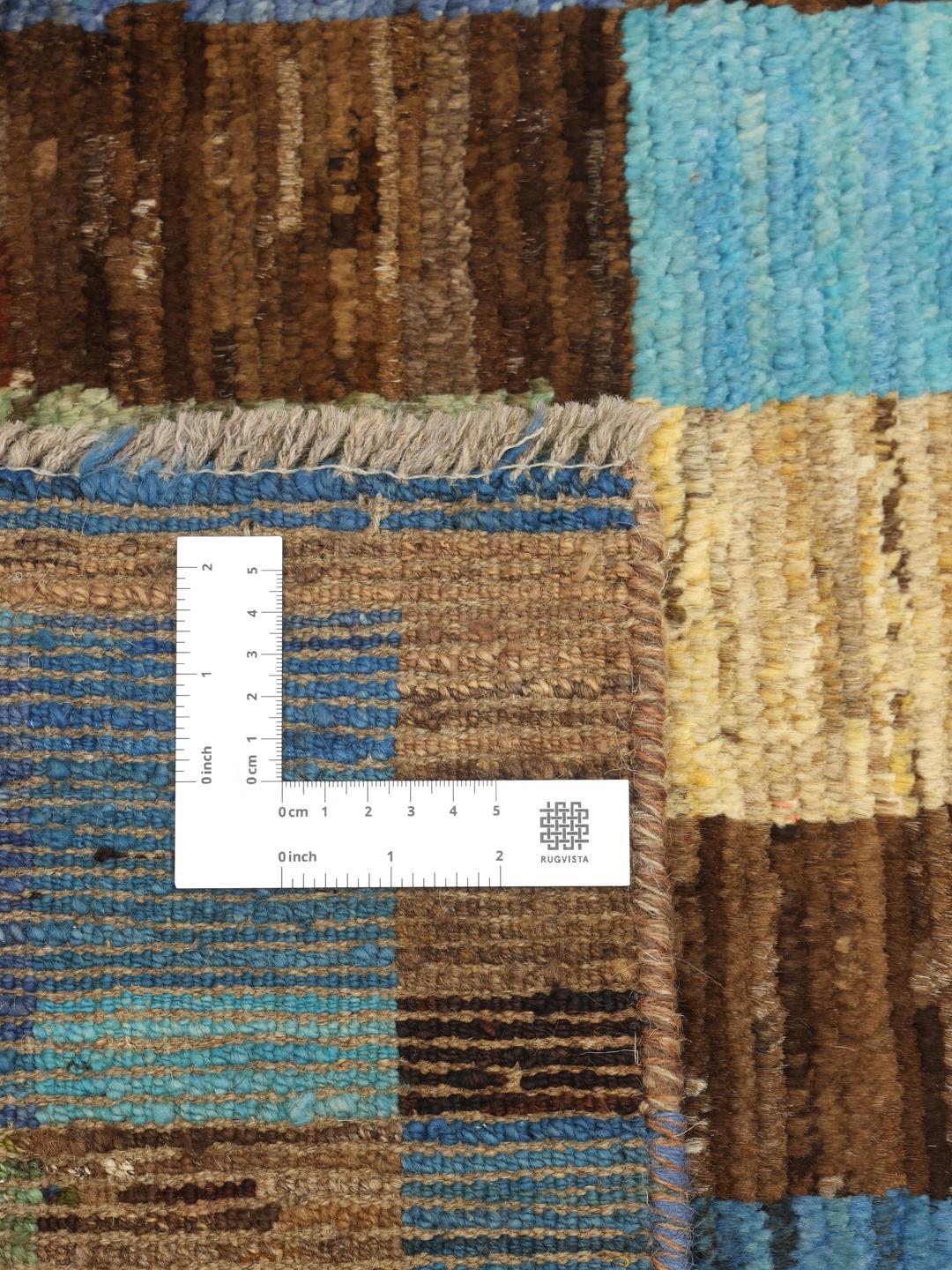
The term hand-knotted refers to the traditional method where individual strands of Wool are tied onto the foundation threads, one by one. This technique is the hallmark of quality in rug making, as it allows for intricate designs and a pile that is incredibly dense and long-lasting. It is a slow, rhythmic process that requires great patience and expertise.
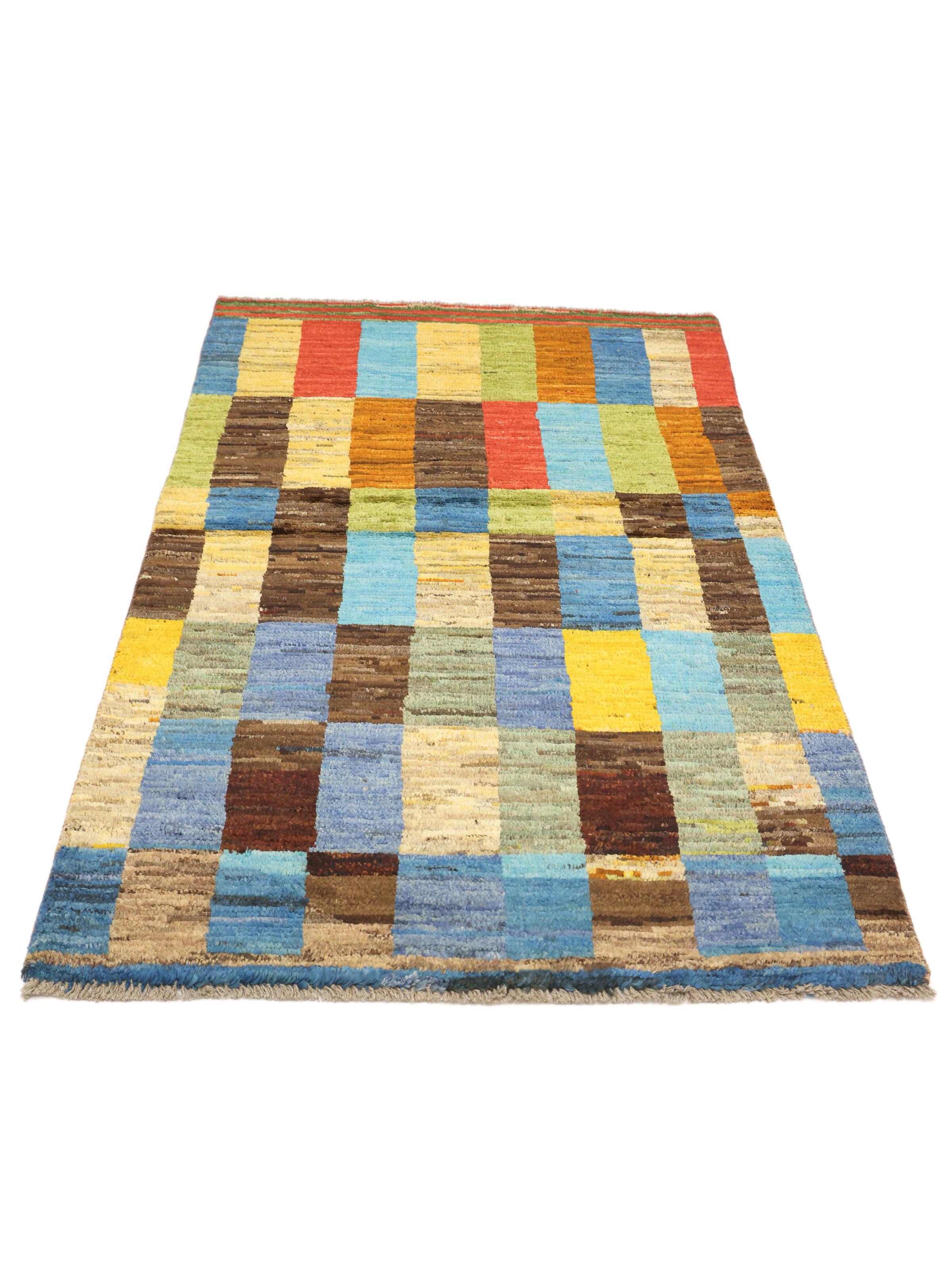
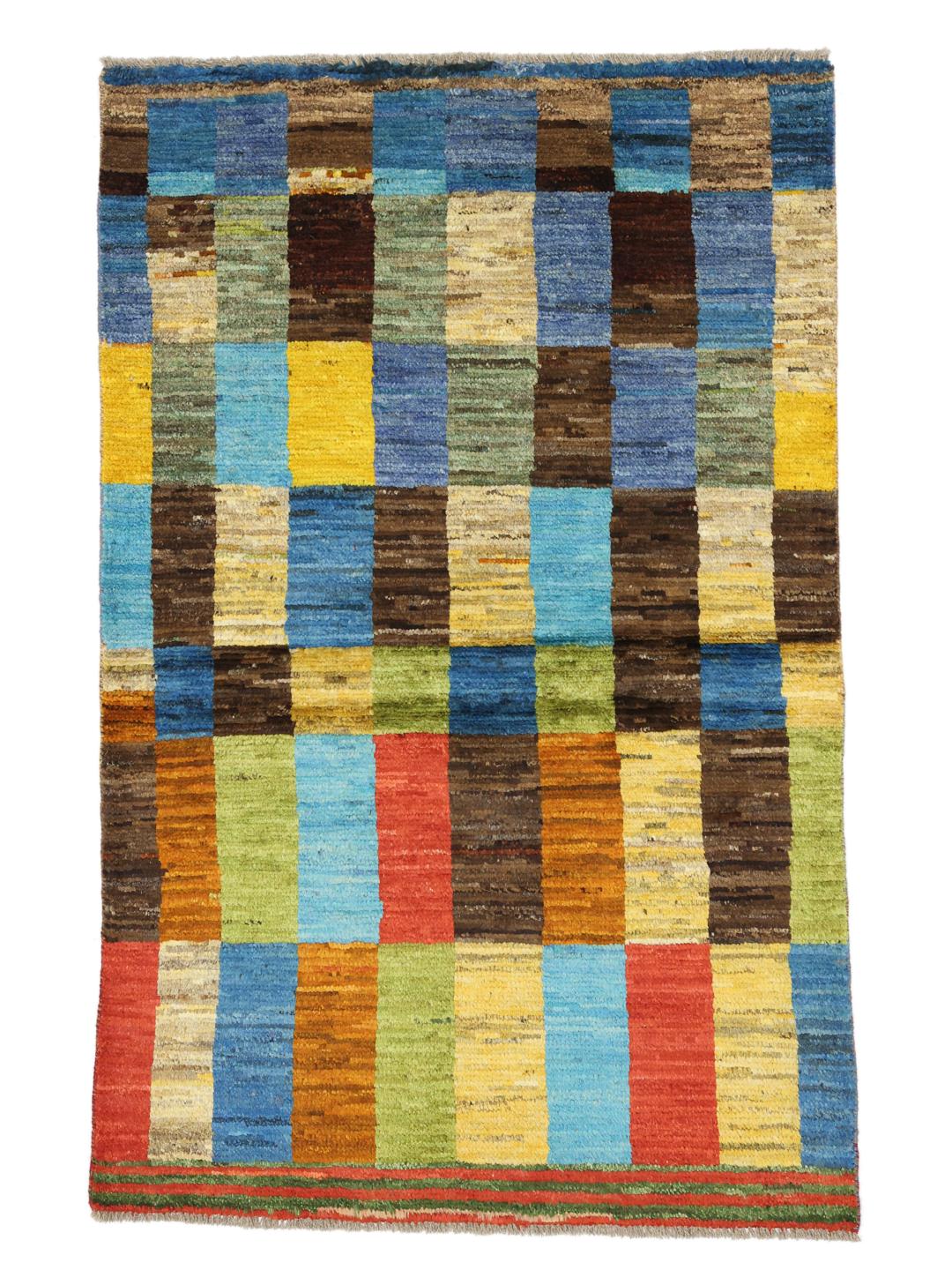
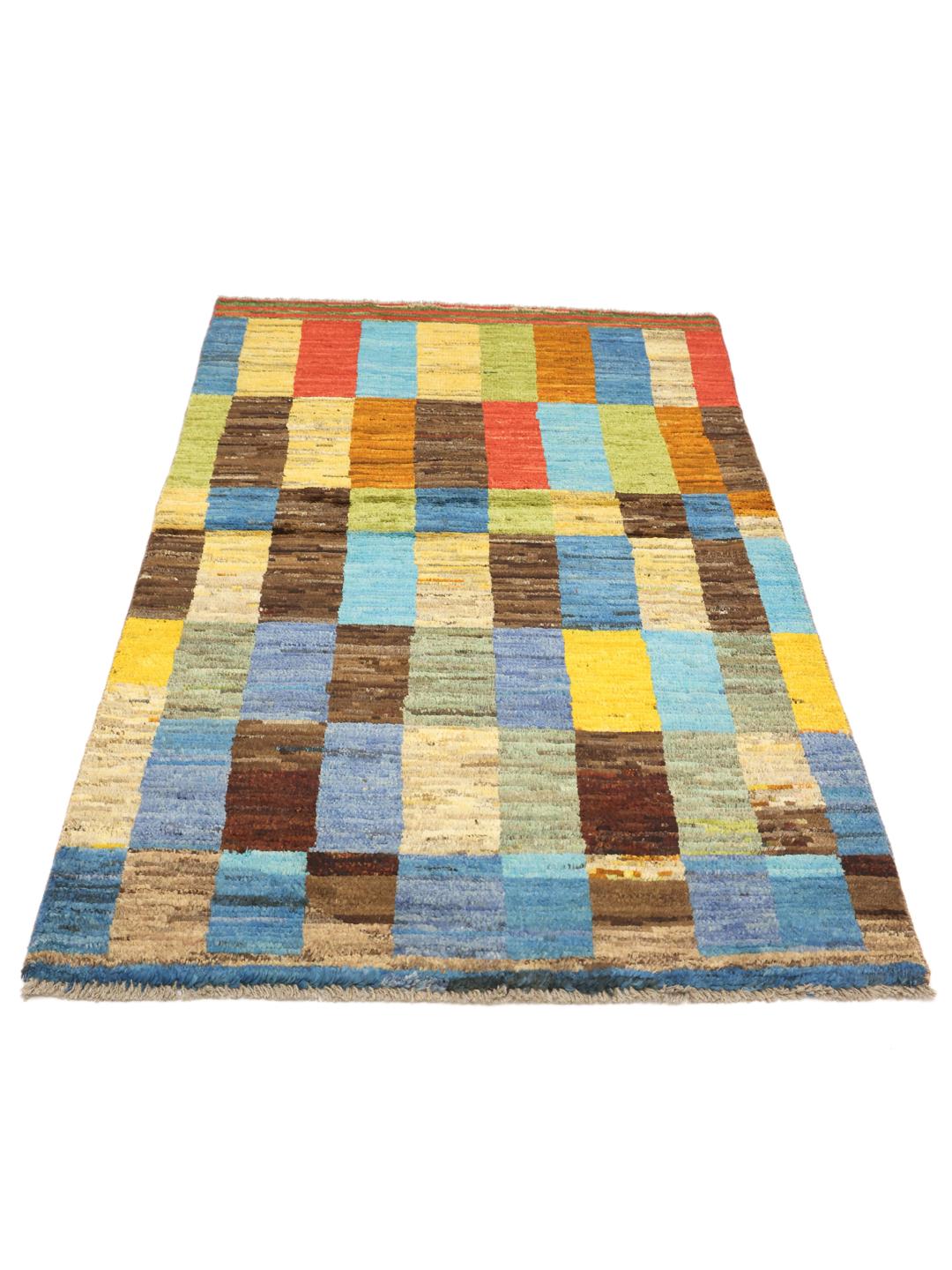
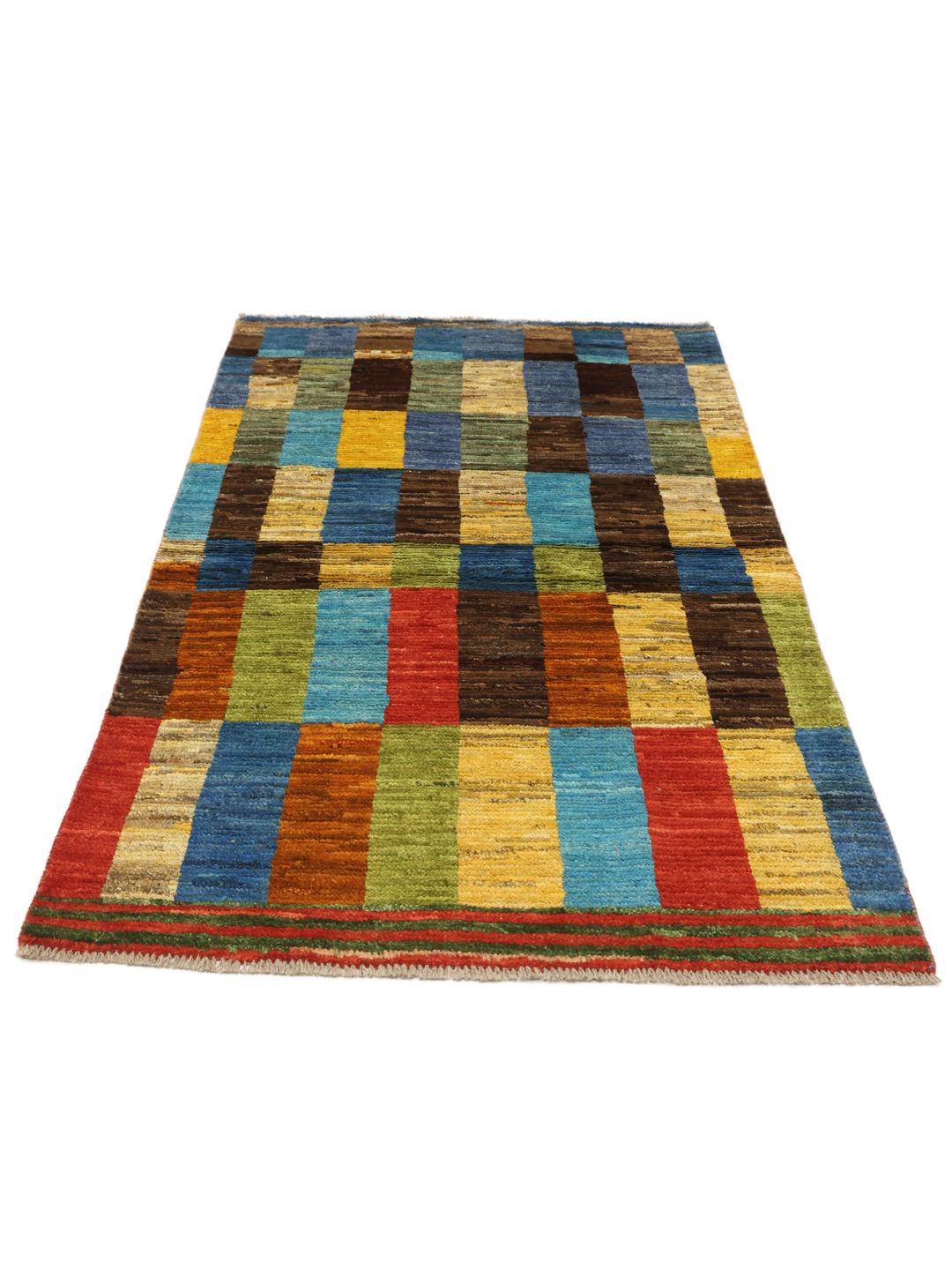
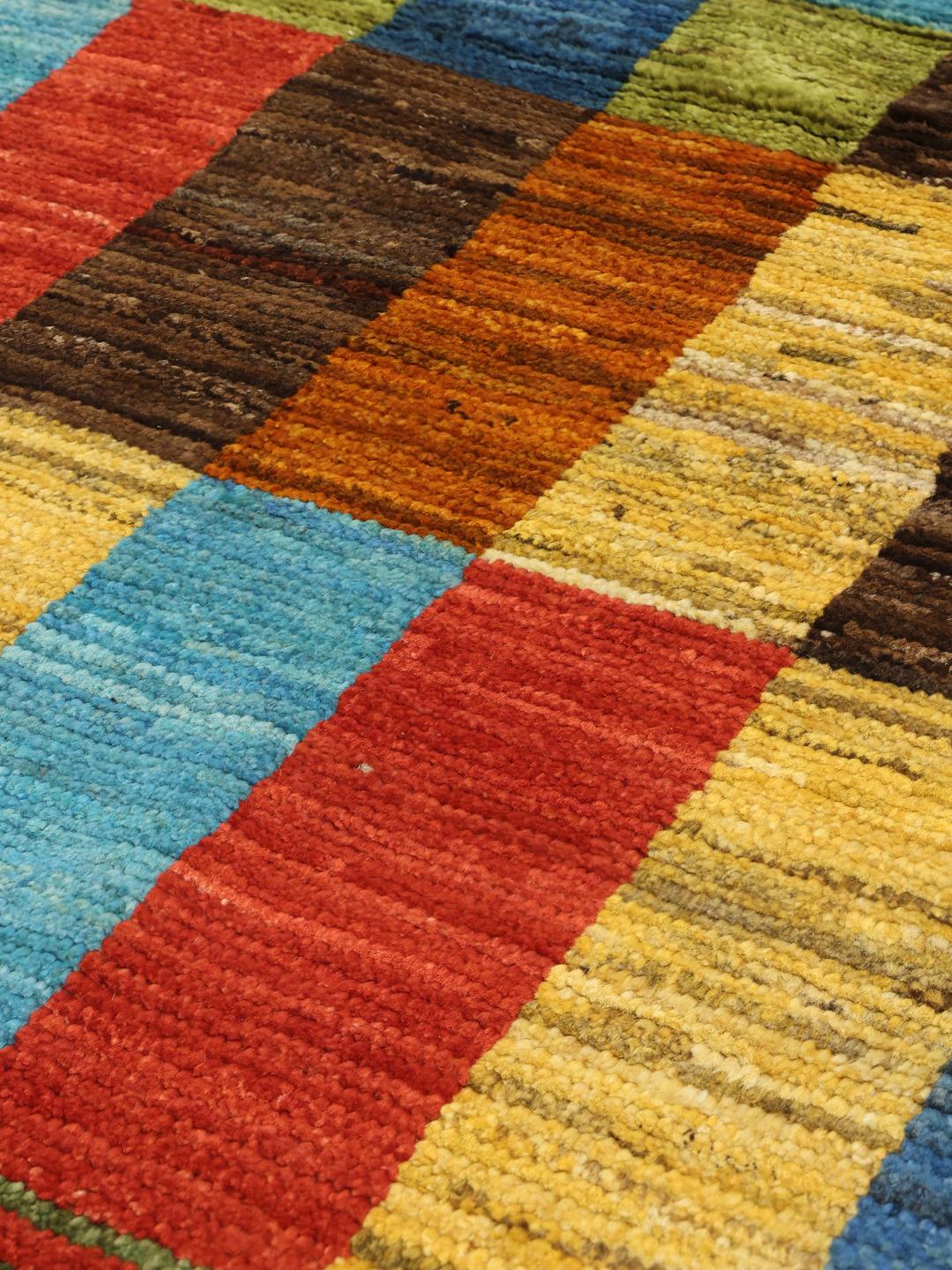
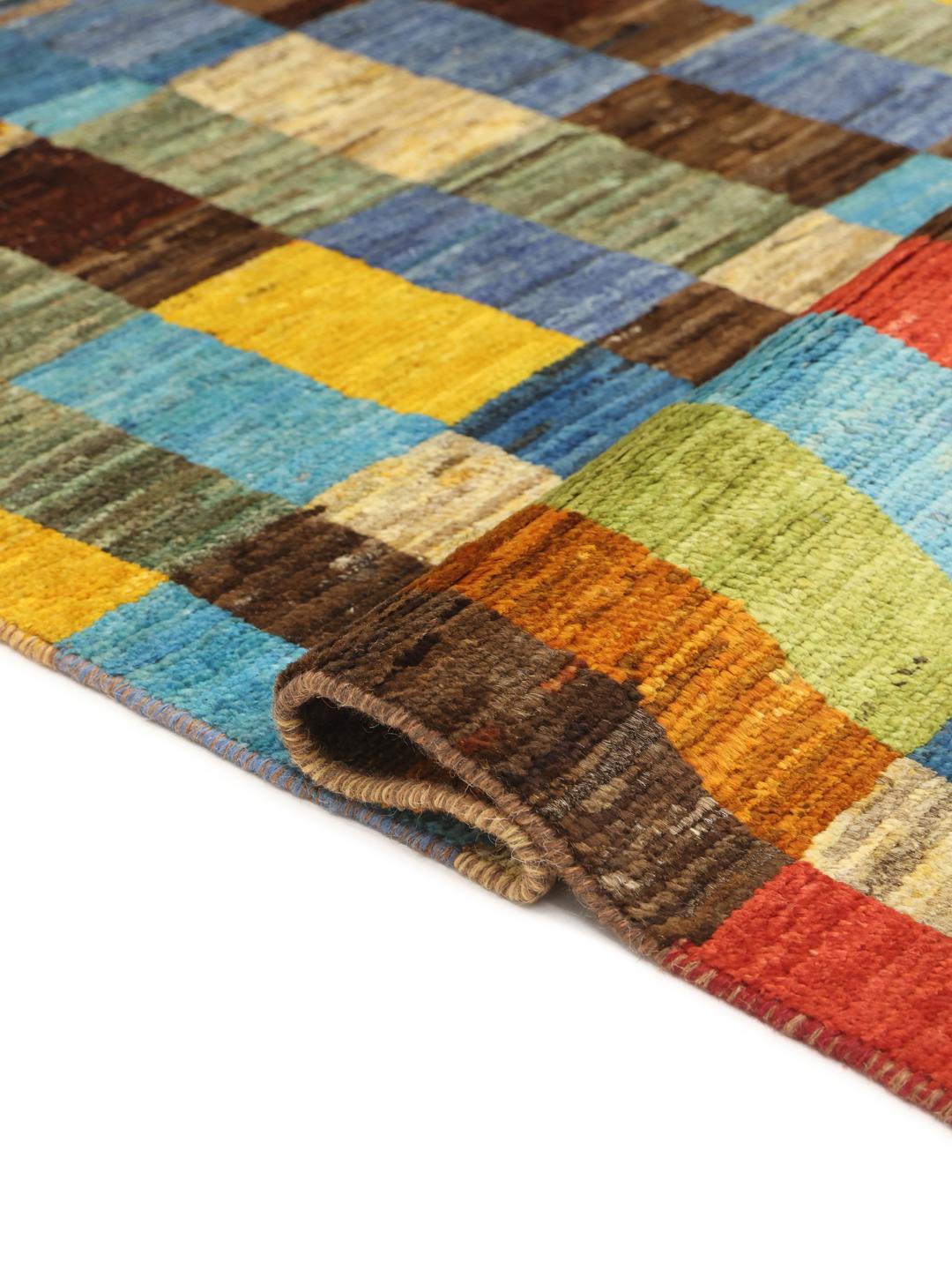
Design-wise, these rugs often move away from formal, symmetrical medallions in favour of more organic or geometric layouts. The use of vibrant, contrasting colour blocks is a signature of this tradition, allowing the natural lustre of the Wool to shine. This specific piece celebrates that history by utilising a bold, rhythmic arrangement of shapes that feels fresh and energetic.
Collecting a rug from this tradition is an act of preserving a human-centred craft. These pieces are valued not just for their aesthetic appeal, but for the history of the artisans who hand-select the Wool and carefully manage the dyeing process. Owning such a rug connects your living space to a long lineage of craft, offering a sense of heritage that mass-produced items cannot provide.