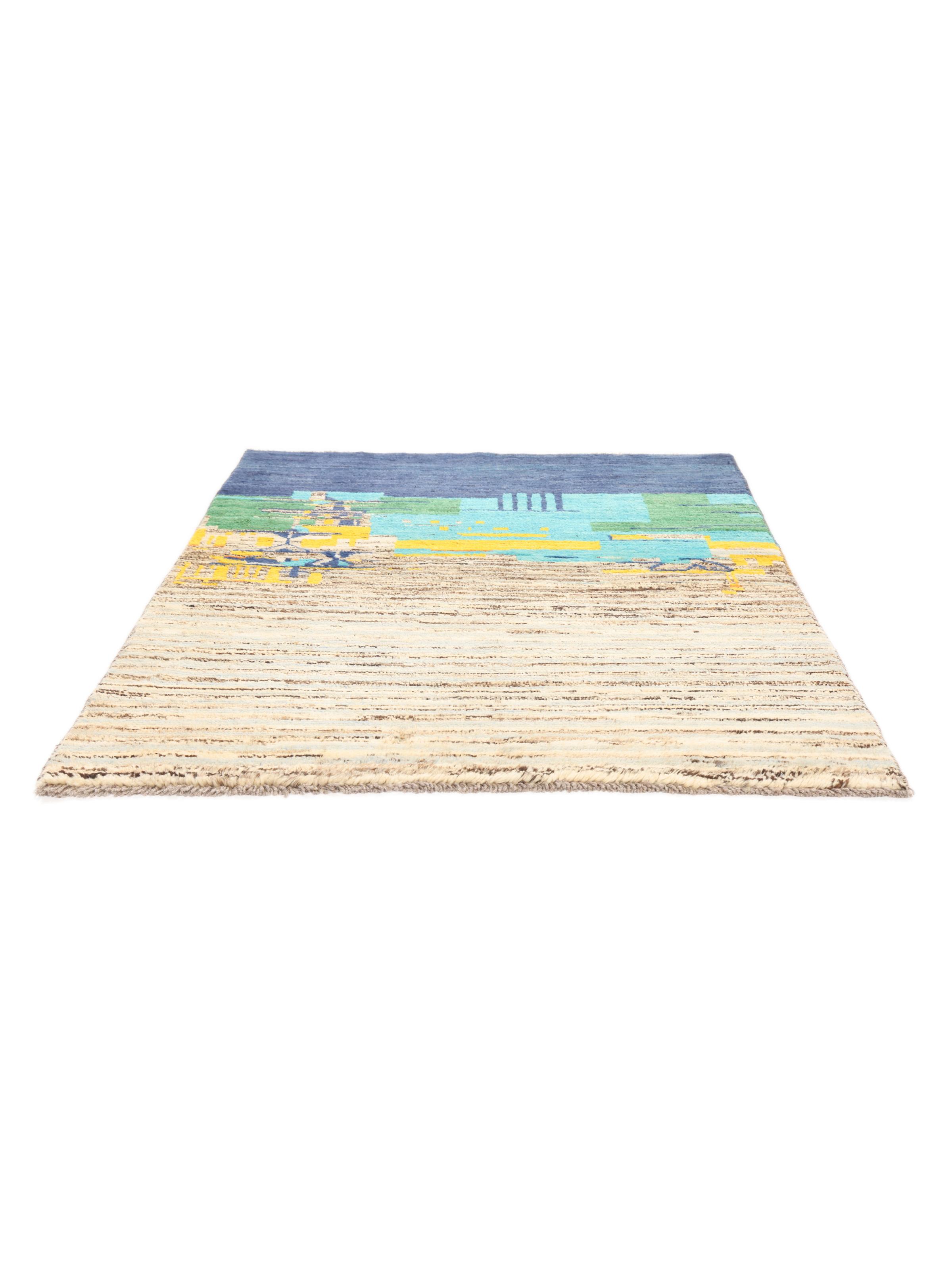
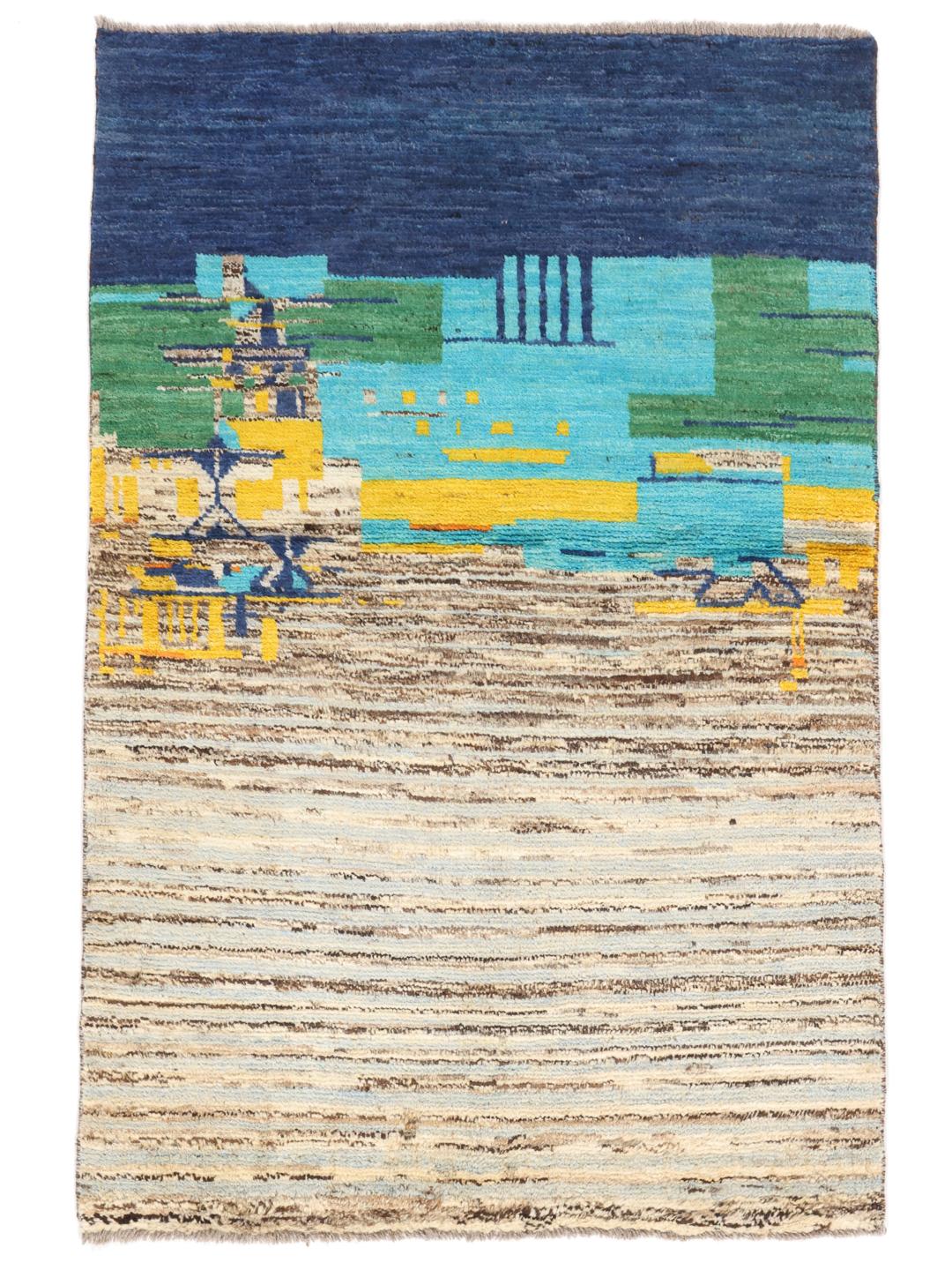
The Berber tradition, while historically rooted in the Atlas Mountains of North Africa, has inspired weavers across the globe, including the talented artisans of Afghanistan. These rugs are celebrated for their raw, expressive energy and their ability to bridge the gap between ancient nomadic weaving techniques and modern interior aesthetics. By adapting these traditional styles, Afghan weavers have developed a distinct regional voice that respects the history of the craft while embracing bold, experimental designs.
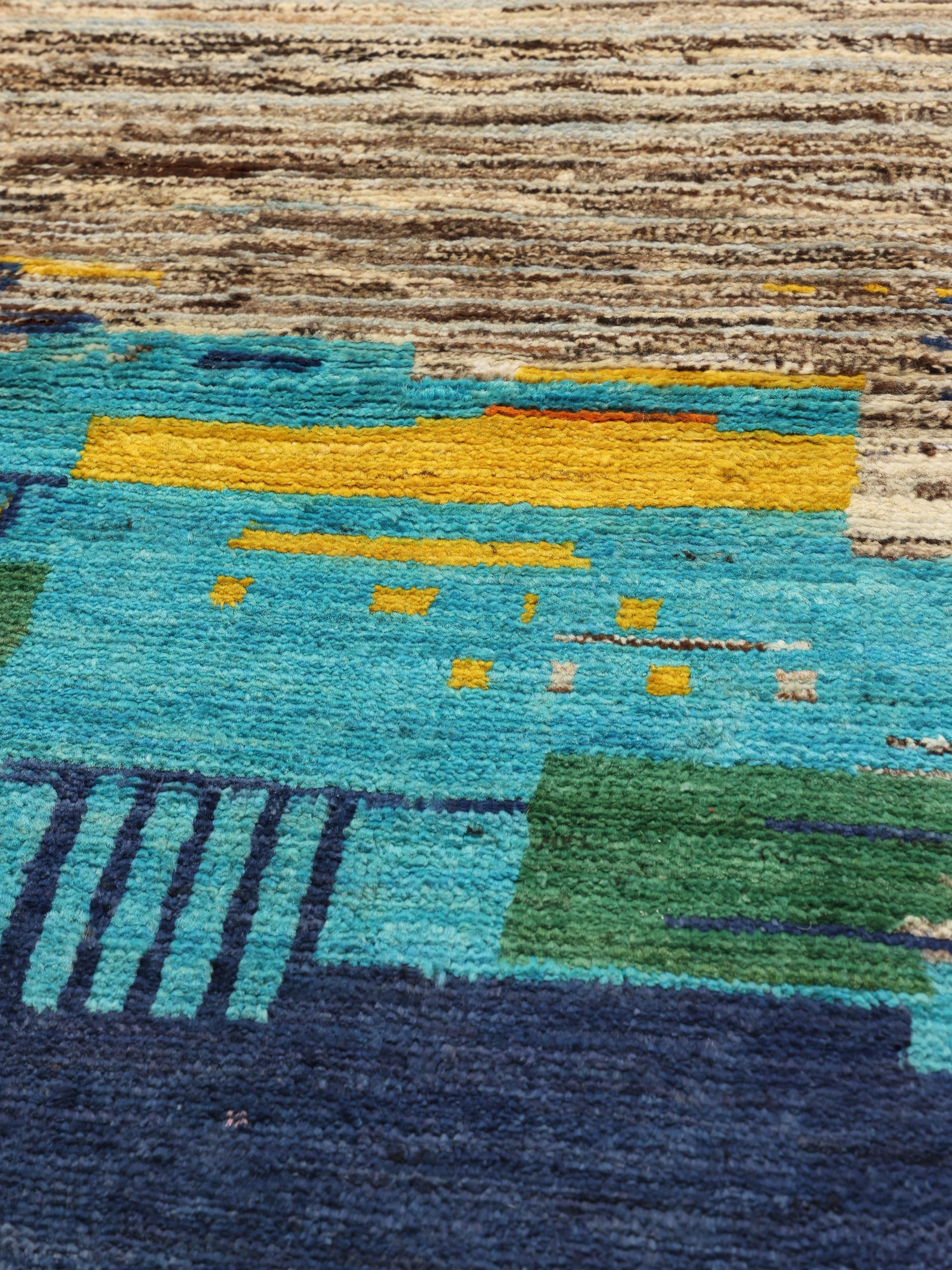
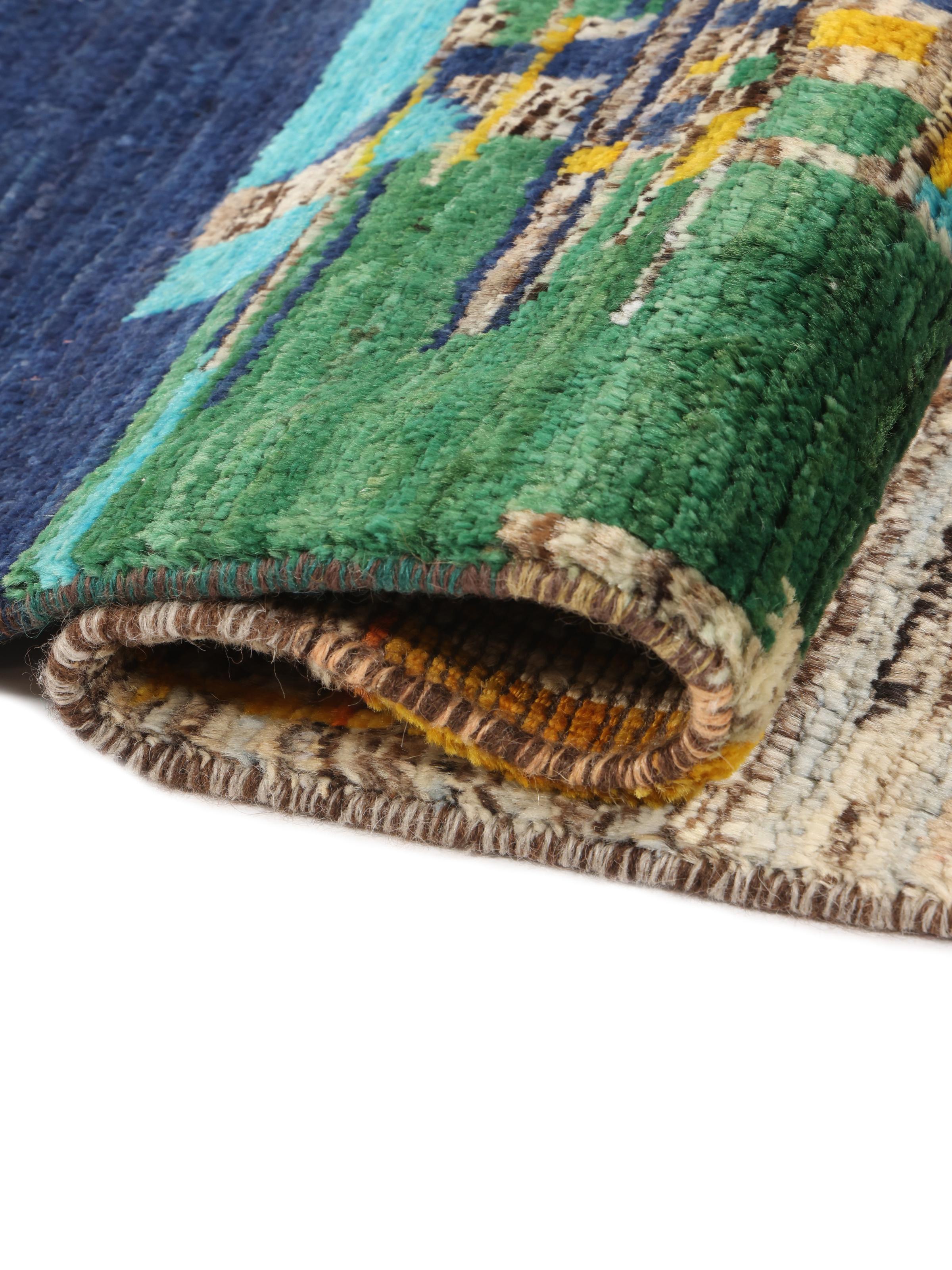
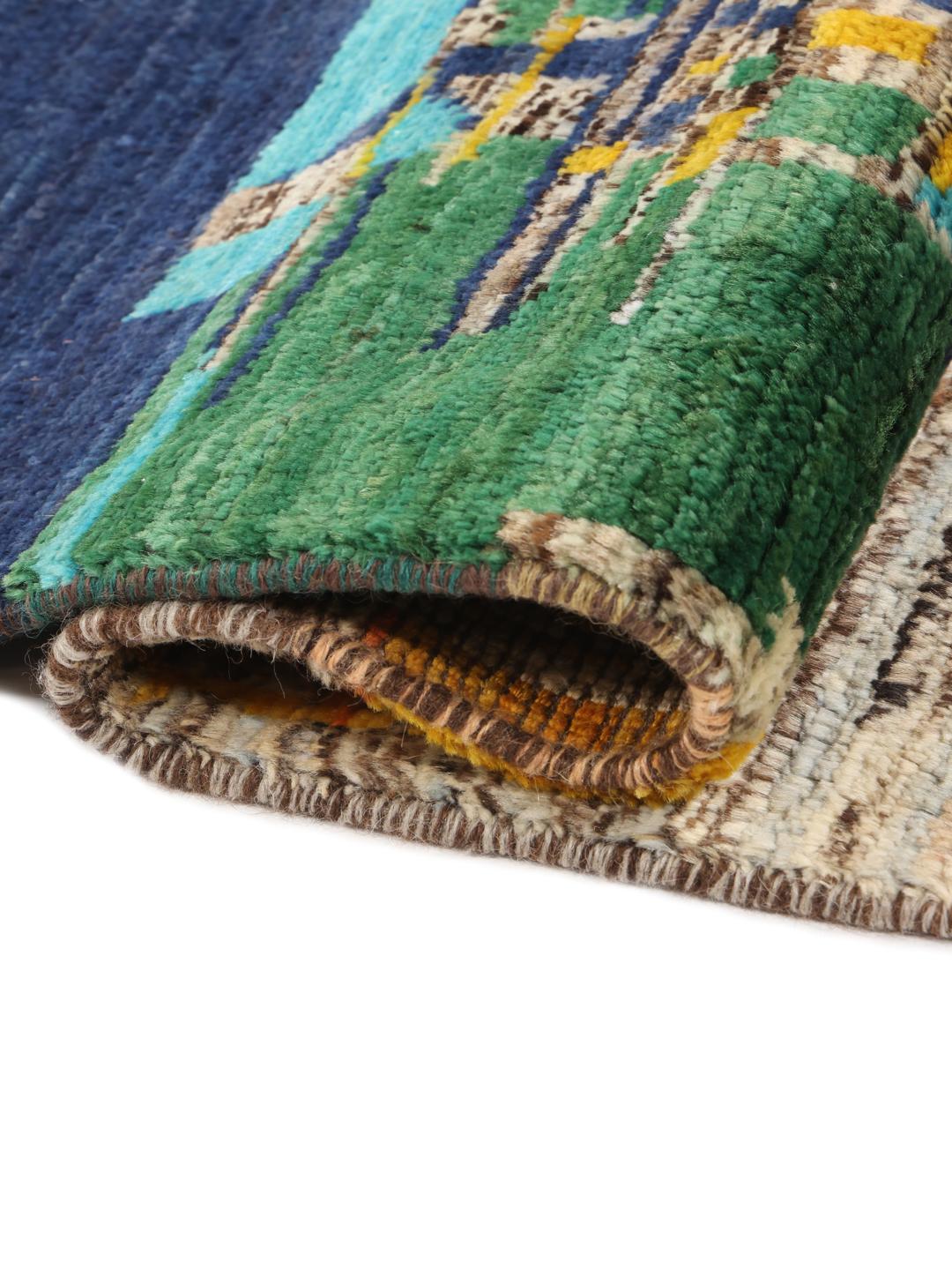
The term hand-knotted refers to the time-honoured practice where each thread is individually looped around the foundation yarns. This is the hallmark of true rug-making quality, as it allows for intricate details and a dense pile that holds its shape over time. Unlike mass-produced alternatives, a hand-knotted rug benefits from the natural resilience of its materials, which are treated with care to ensure the final product is both beautiful and functional.
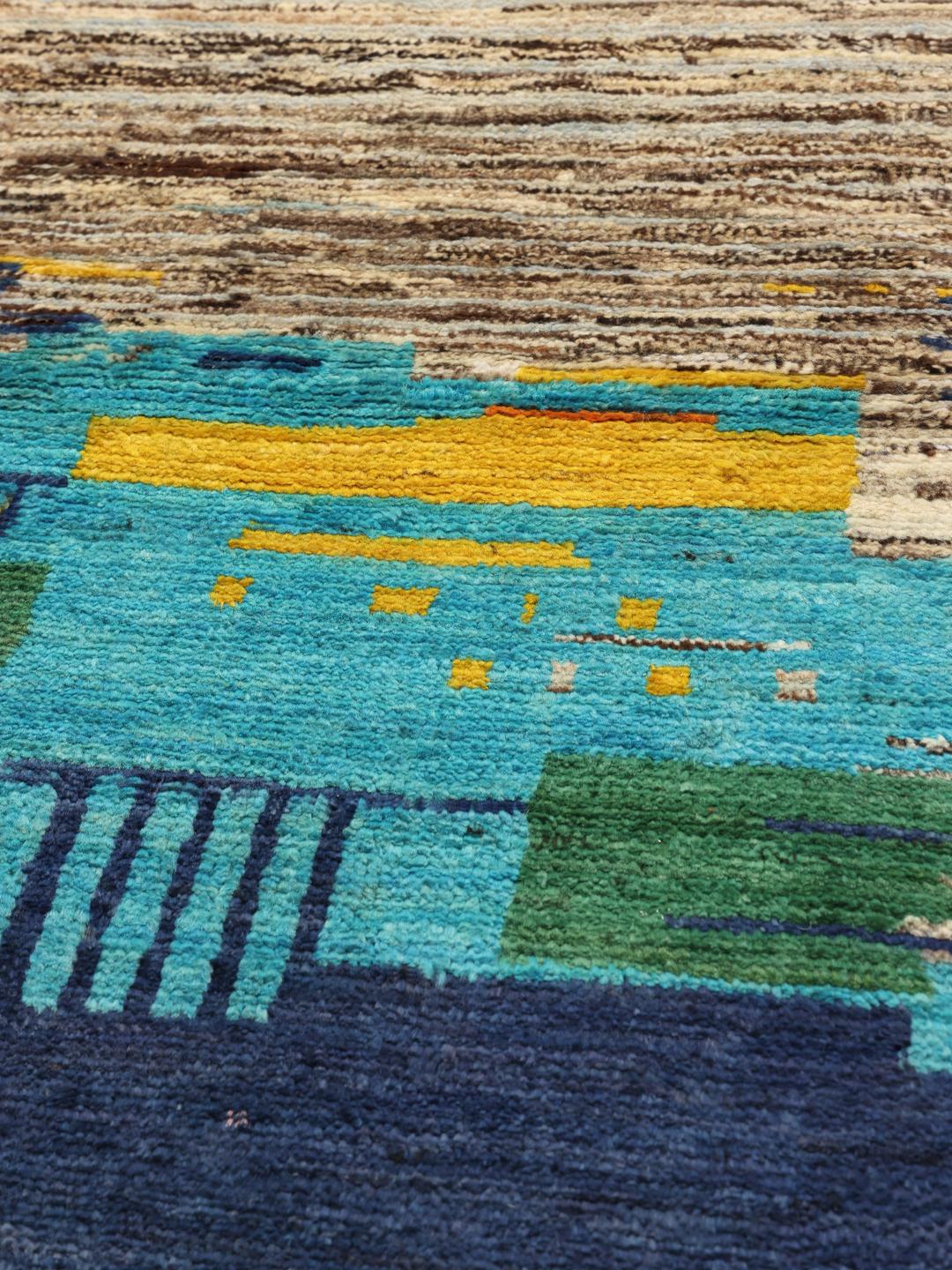
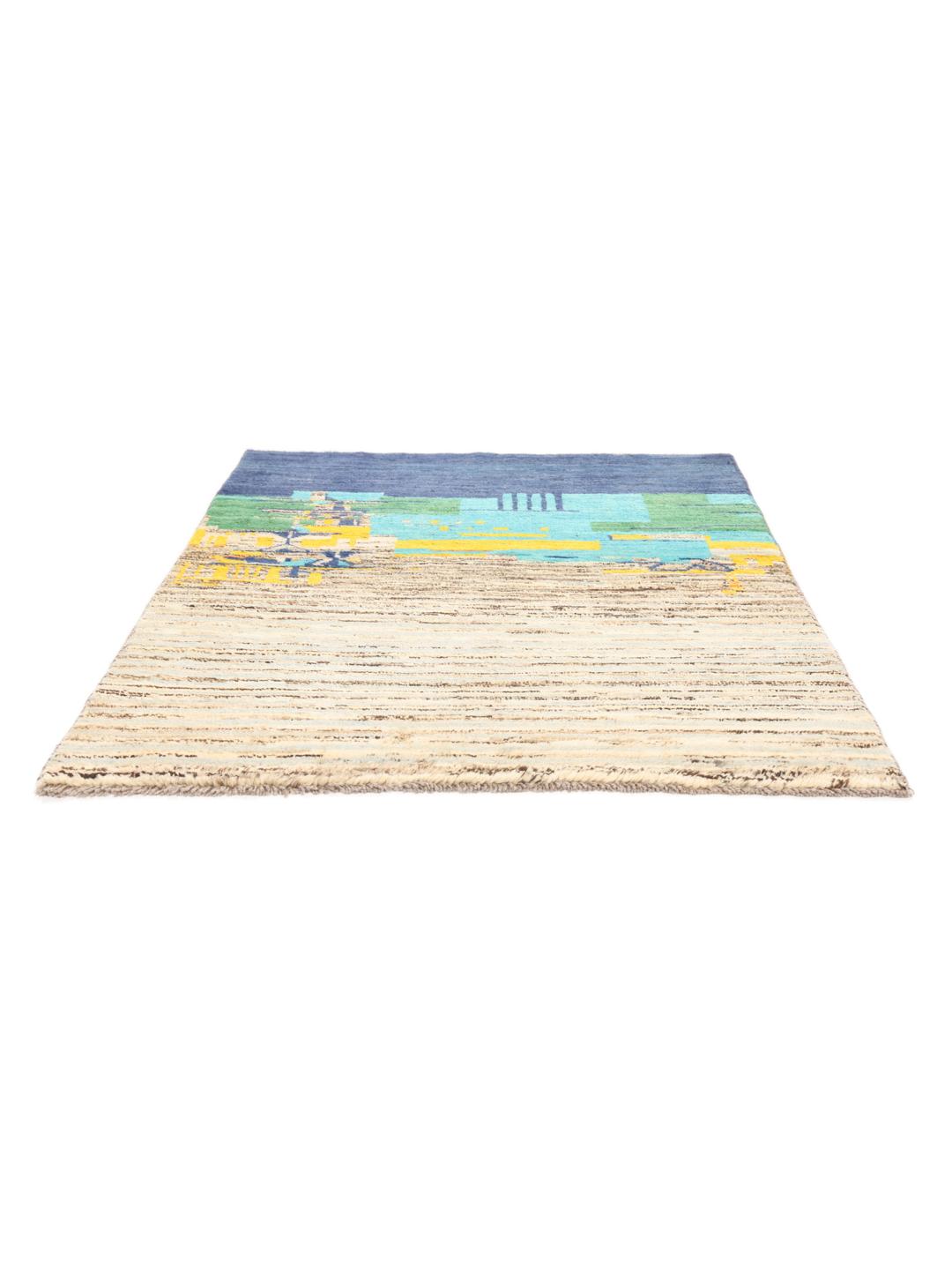
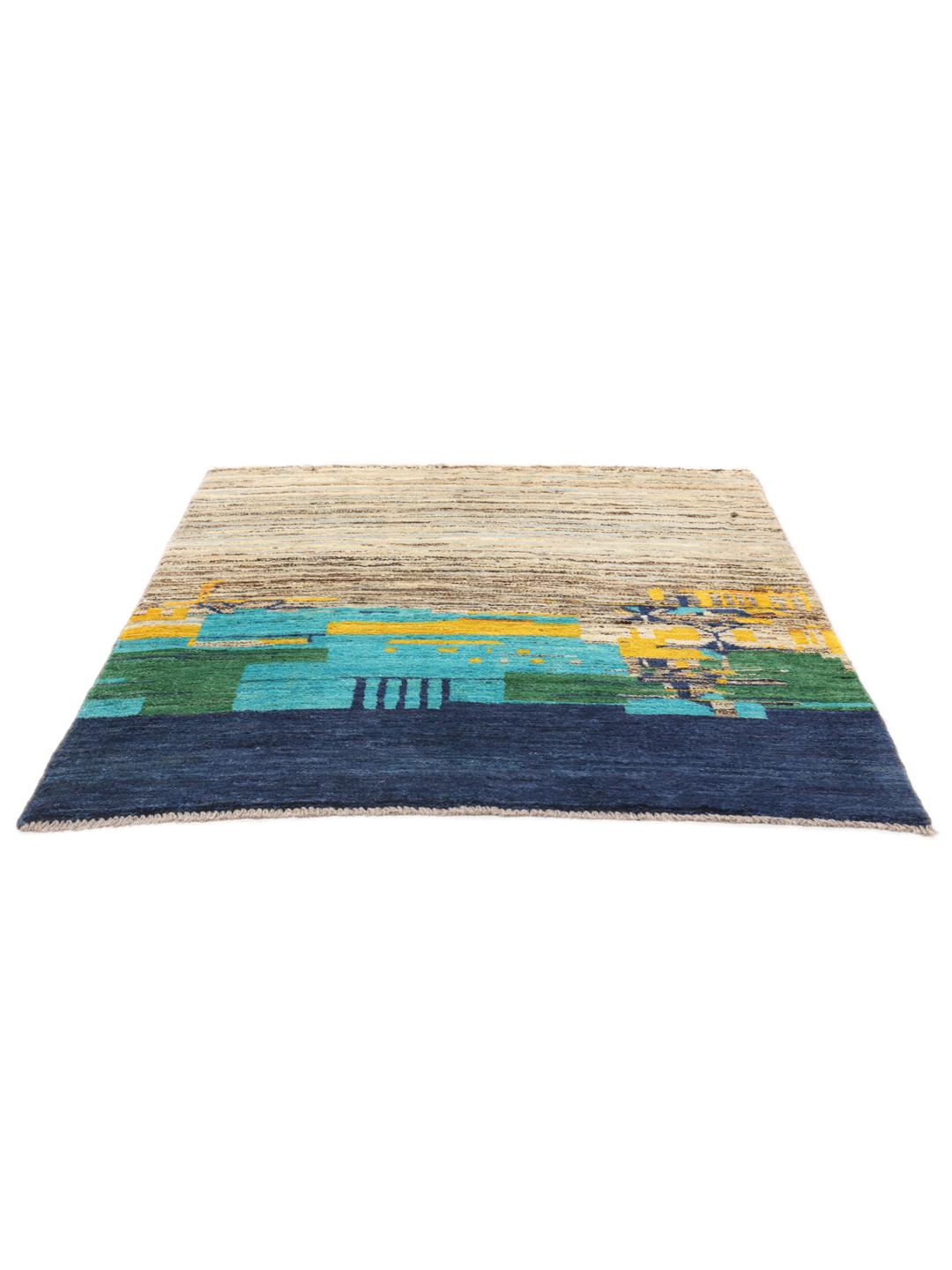
Visually, this tradition is known for its playfulness with geometry and colour. While classic styles often adhere to strict, symmetrical patterns, the Berber-inspired aesthetic found here leans into a more artistic and abstract expression. You will often see a mix of spontaneous motifs, layered textures, and vivid colours that tell a story of the maker's inspiration, making each piece feel like a creative conversation rather than a rigid set of rules.
Collecting a rug from this tradition is an investment in human skill and cultural heritage. Each piece serves as a physical record of the weaver's talent and the regional influences that shape their work. By choosing a hand-knotted rug, you are supporting a craft that has survived for centuries, ensuring that these skills continue to be passed down and valued in a modern world that increasingly favours quick, automated production.