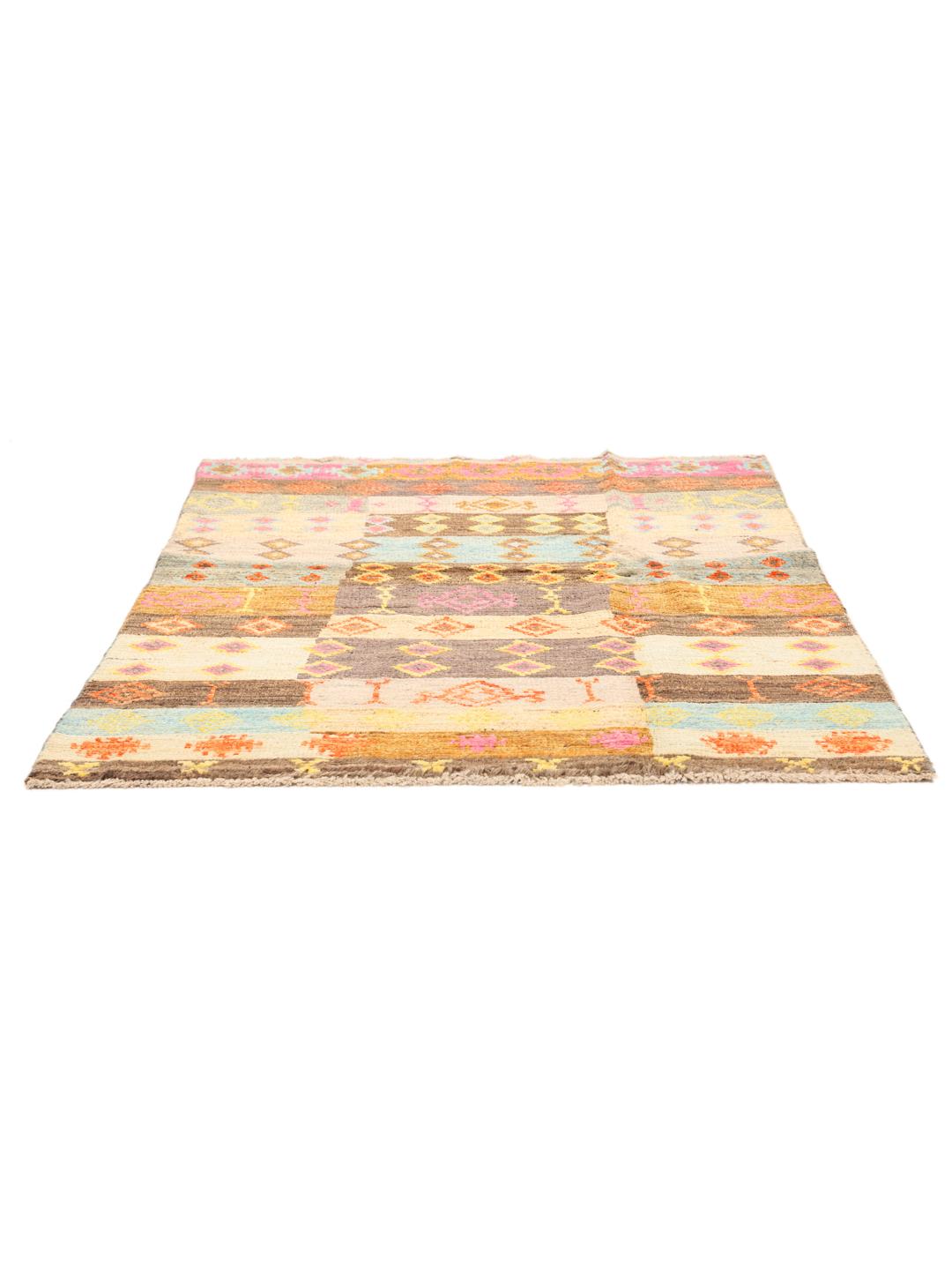
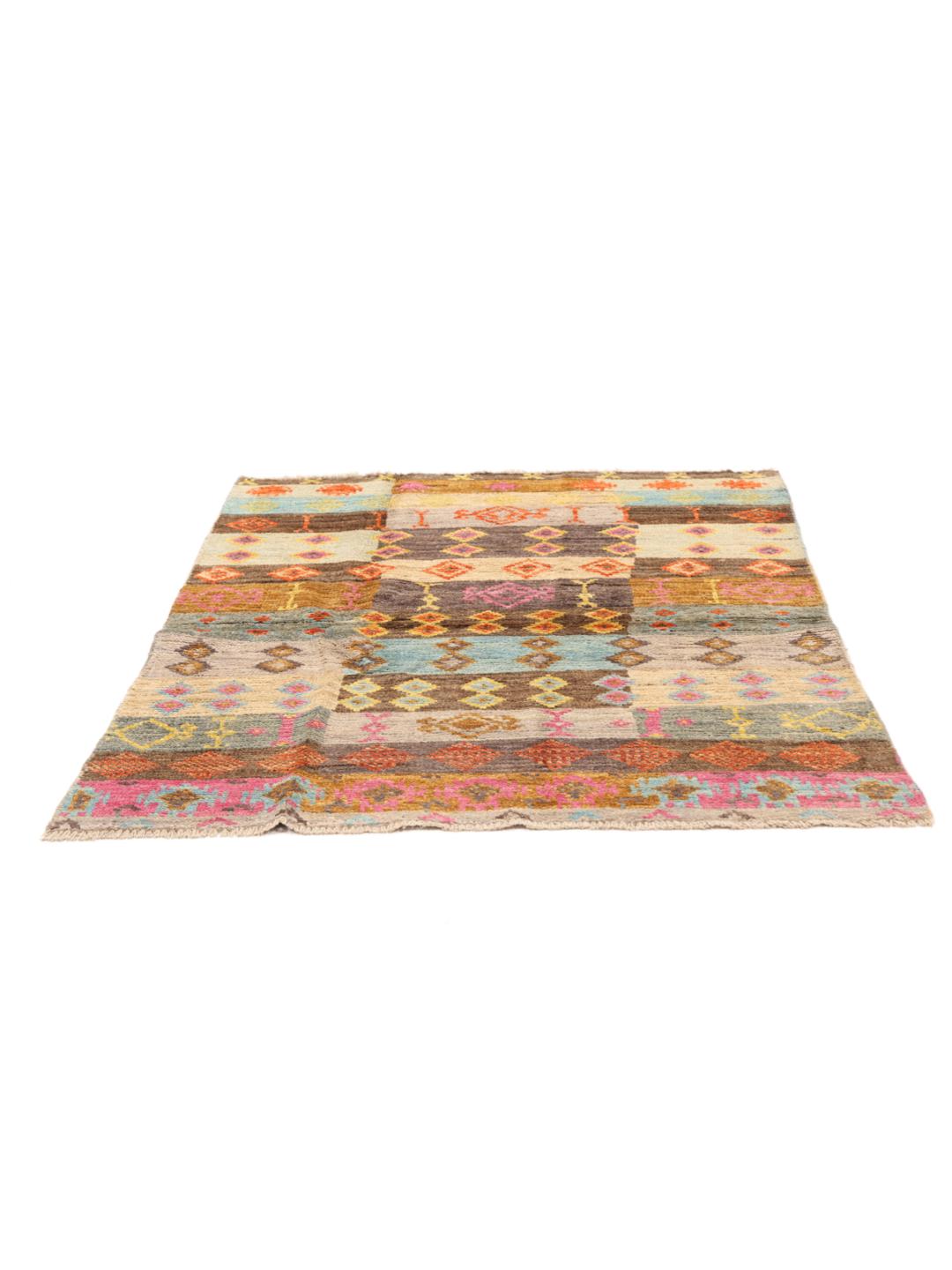
Berber-style rugs are deeply rooted in the nomadic traditions of the Middle East and Central Asia. Originally designed for practical use in harsh climates, these rugs were woven by tribal artisans who drew inspiration from their natural surroundings and ancestral stories. Over centuries, these traditions have evolved and migrated, with regions like Afghanistan becoming renowned for their ability to blend ancient weaving techniques with bold, expressive designs.
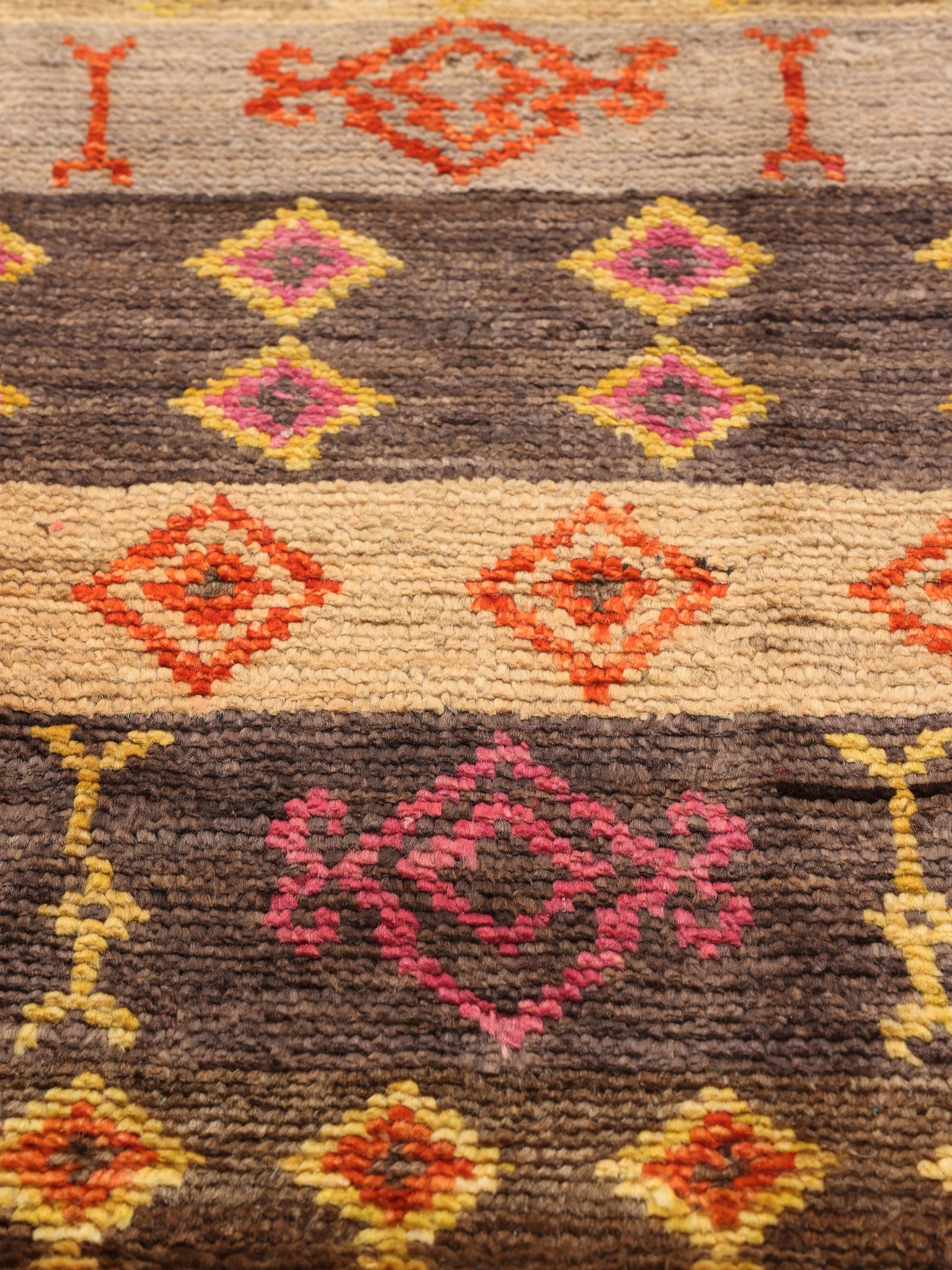
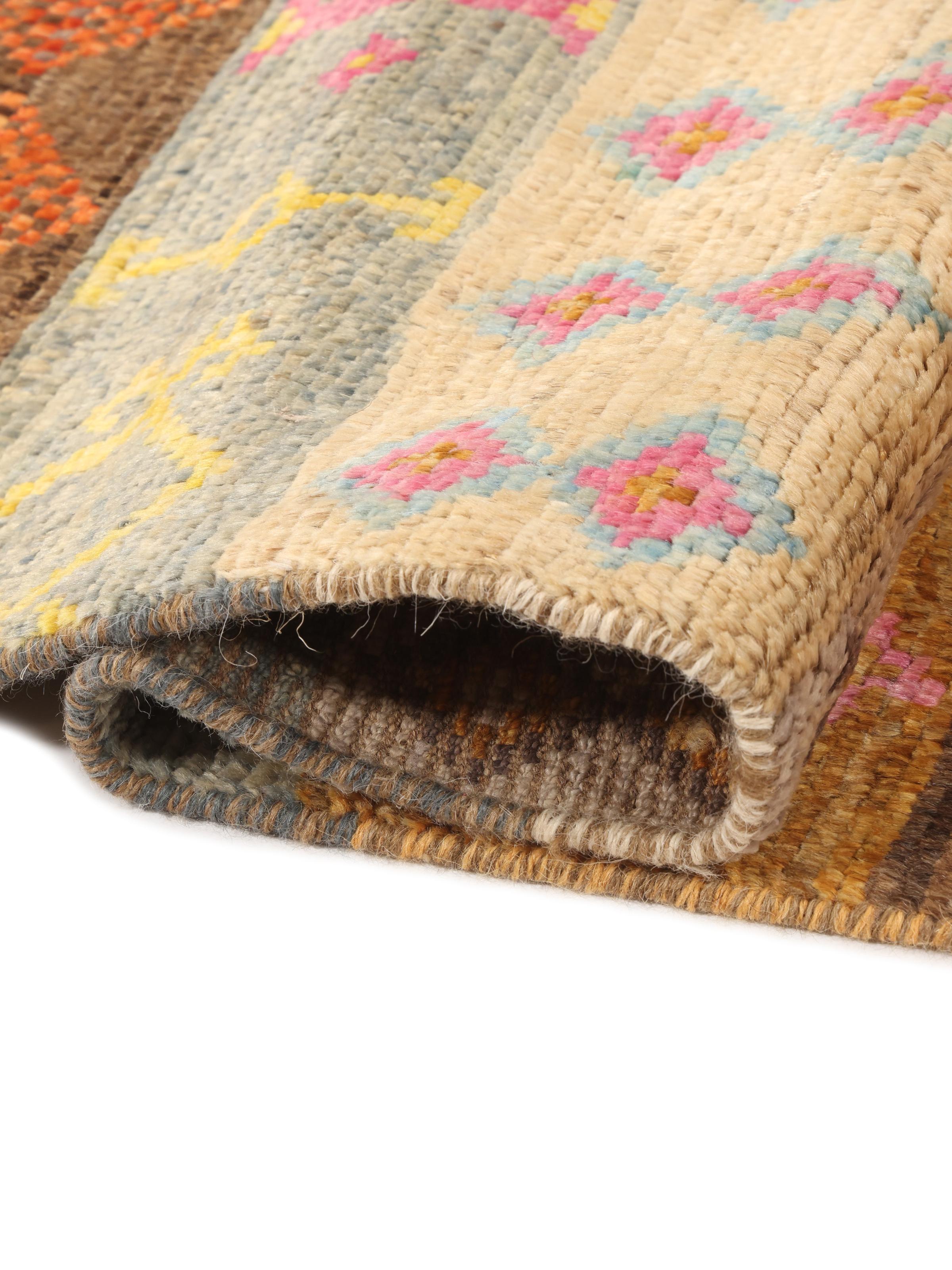
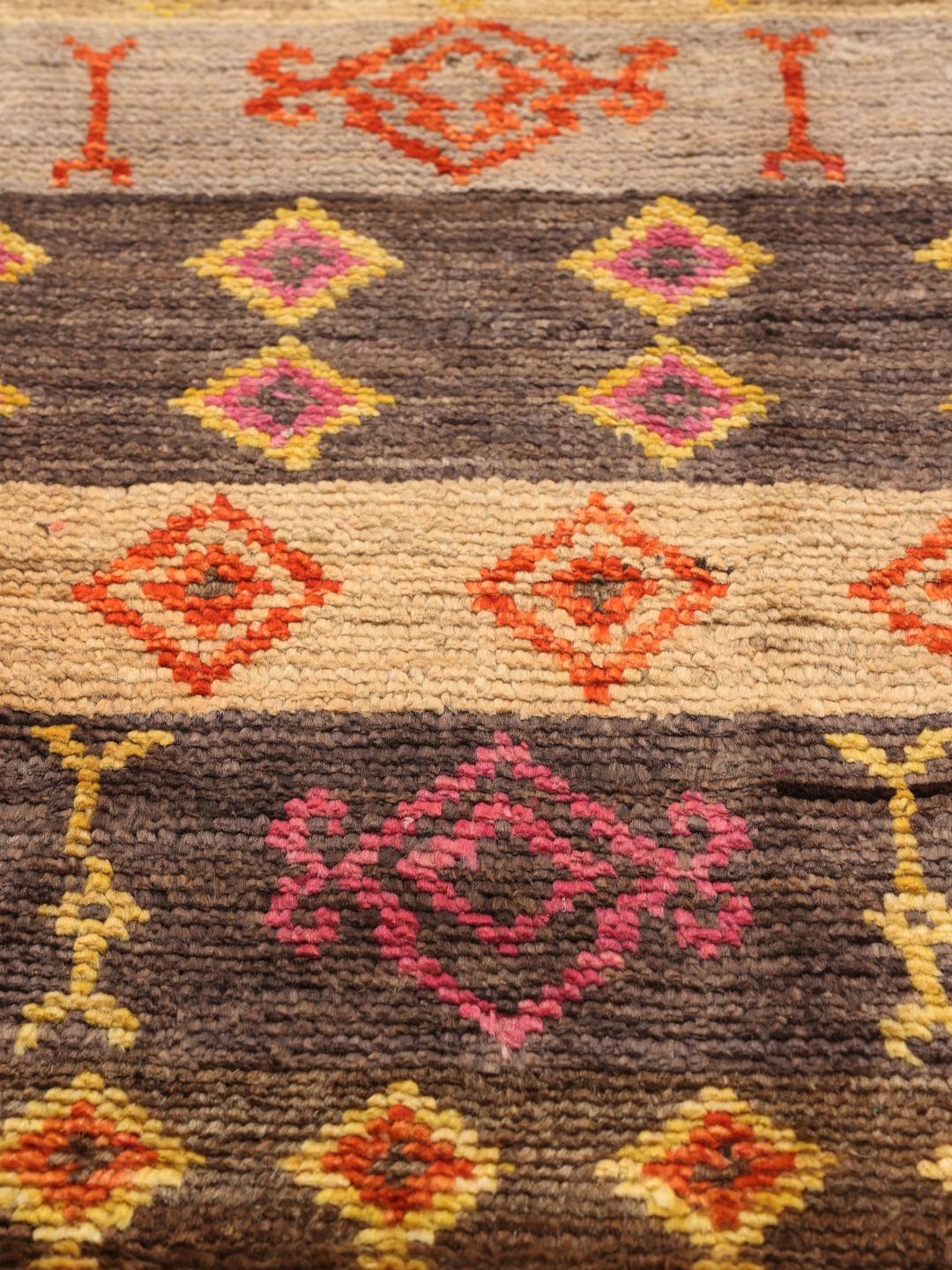
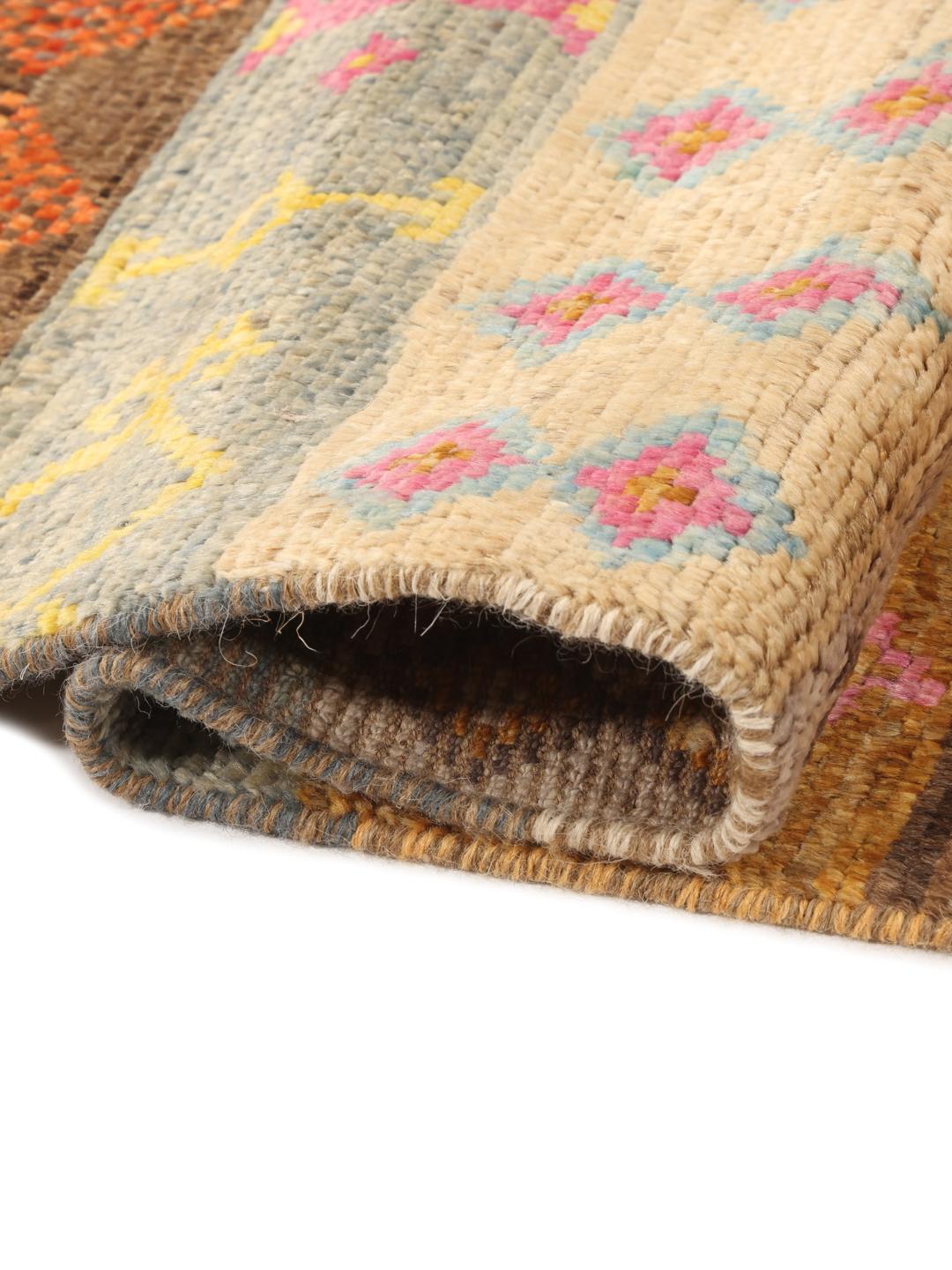
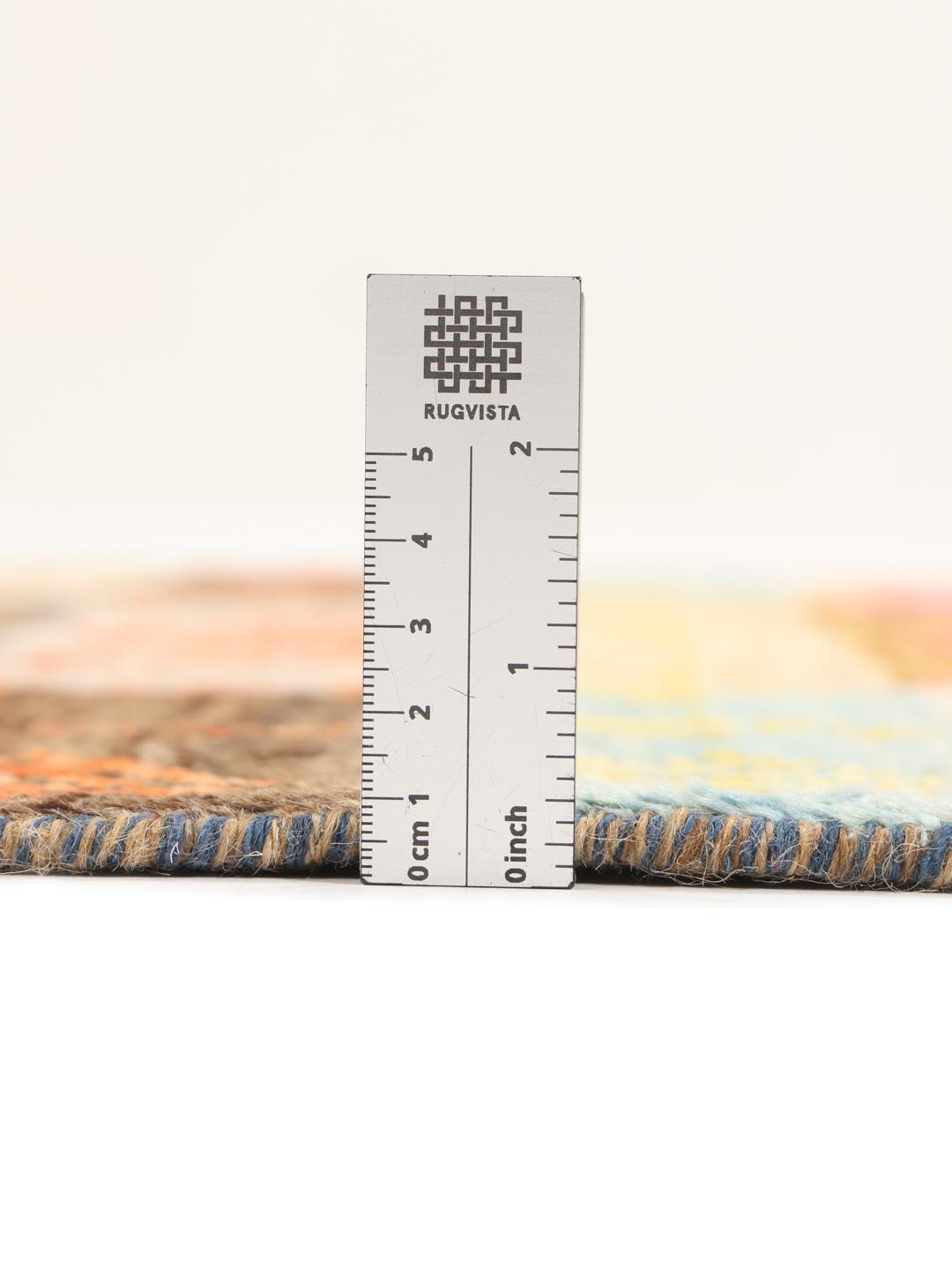
The terminology surrounding these rugs often refers to the specific pile construction and the way the Wool is prepared. By using high-quality Wool, these rugs achieve a natural sheen and resilience that synthetic materials cannot match. The pile is intentionally kept dense, which not only enhances the visual depth of the motifs but also provides a soft, cushioned experience for the feet, highlighting the balance between functional utility and artistic expression.
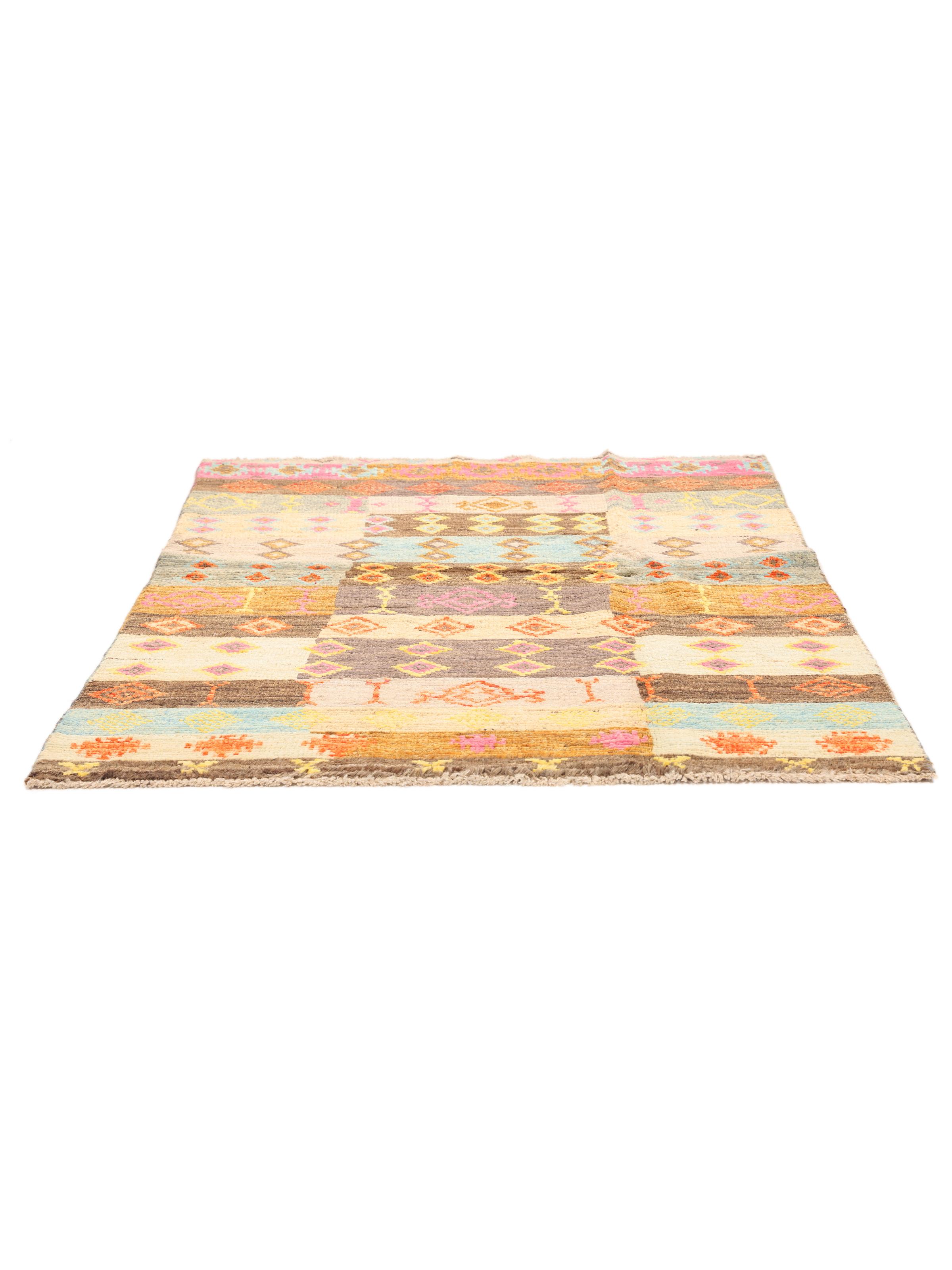
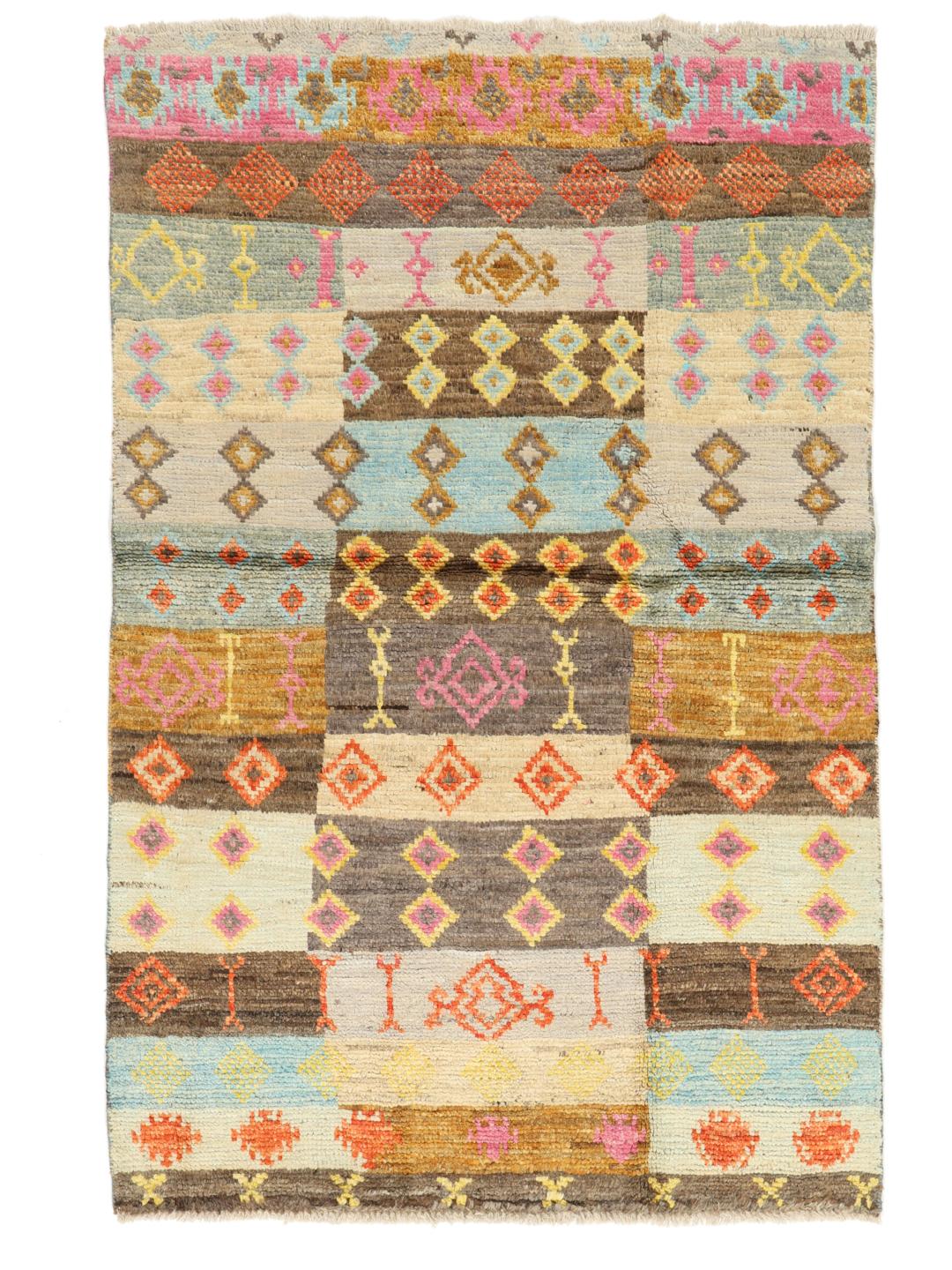
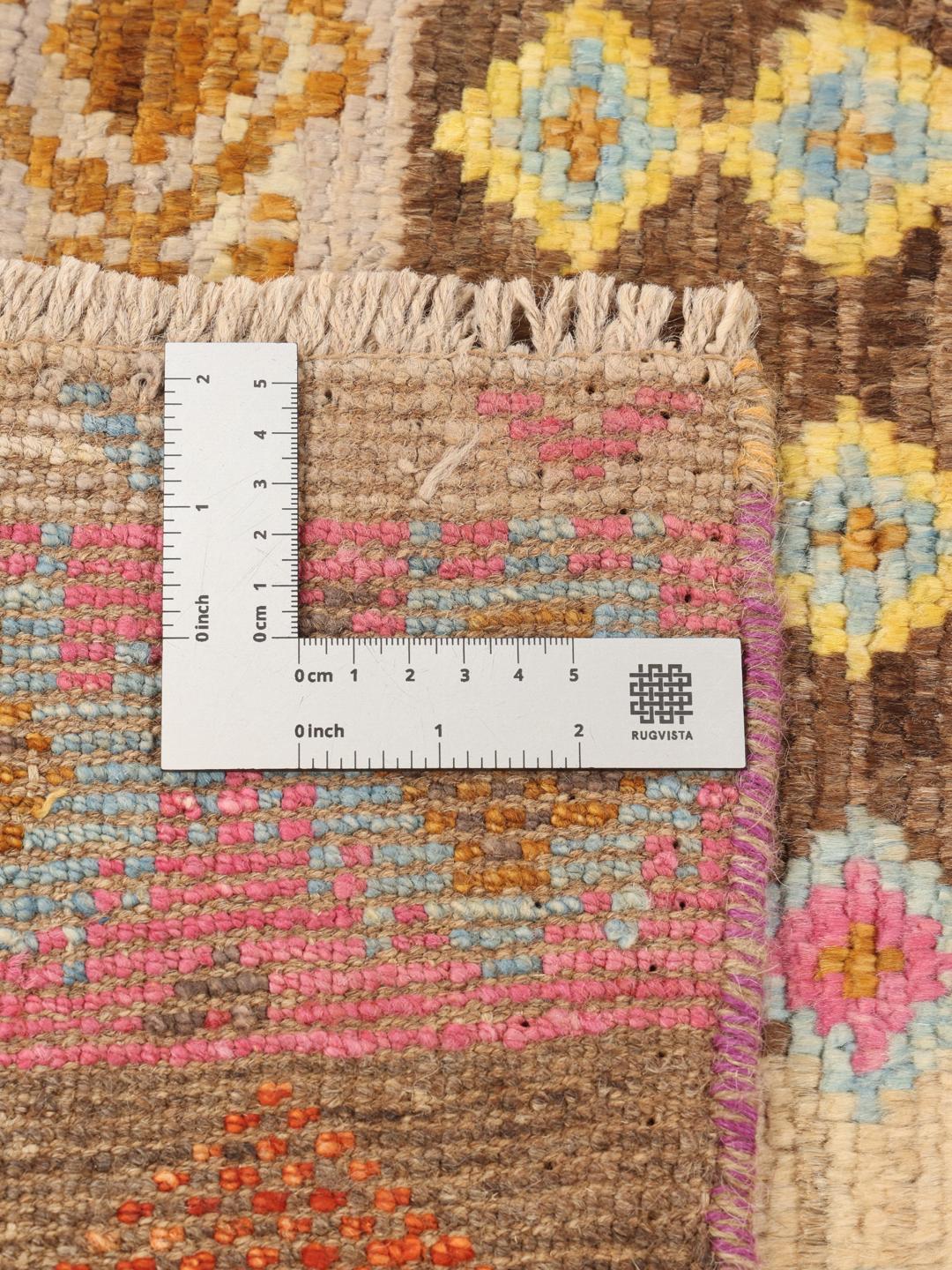
Signature design elements in this category include repeating geometric patterns, such as diamonds and tribal motifs, which often hold symbolic meaning within the weaving community. While traditional palettes were once dictated by the natural dyes available, modern interpretations often feature vibrant, playful colours that make these pieces feel fresh and contemporary. This specific rug stands out for its unique arrangement of blocks, creating a dynamic visual rhythm that draws the eye across the entire surface.
Owning a rug from this tradition is about more than just floor covering; it is about connecting with a long history of human skill. These pieces are highly valued by collectors because they represent the intersection of regional heritage and individual creativity. By bringing one into your home, you are preserving a craft that has been passed down through generations, ensuring that these stories continue to be told through the textiles we live with.