Berber-style rugs are deeply rooted in the traditions of North Africa, but their influence has travelled across borders, inspiring artisans in regions like the Middle East to adopt and reinterpret these classic designs. While the original Berber rugs were often woven by nomadic tribes for personal use, the style has evolved into a globally celebrated aesthetic known for its bold geometric simplicity.
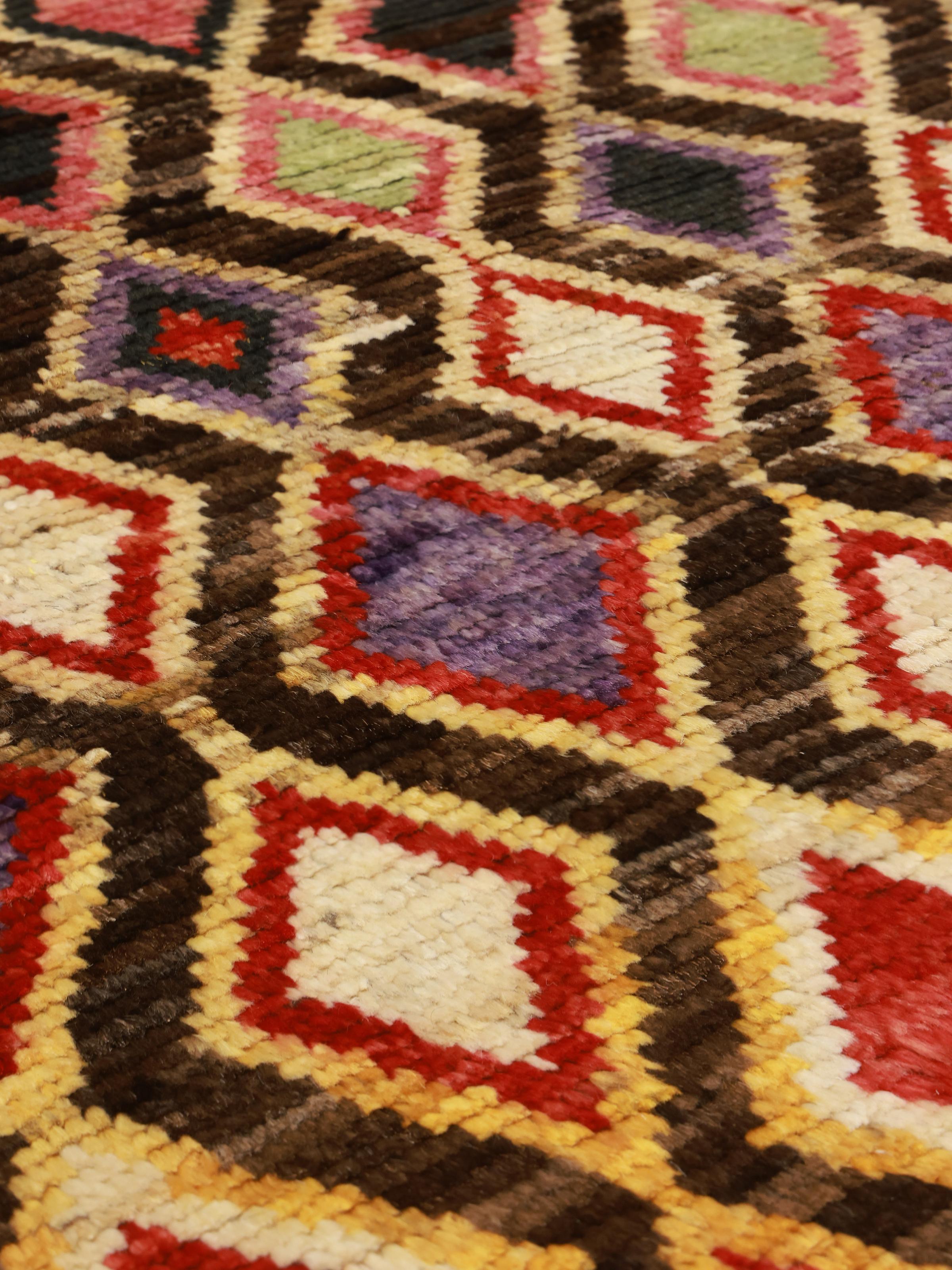
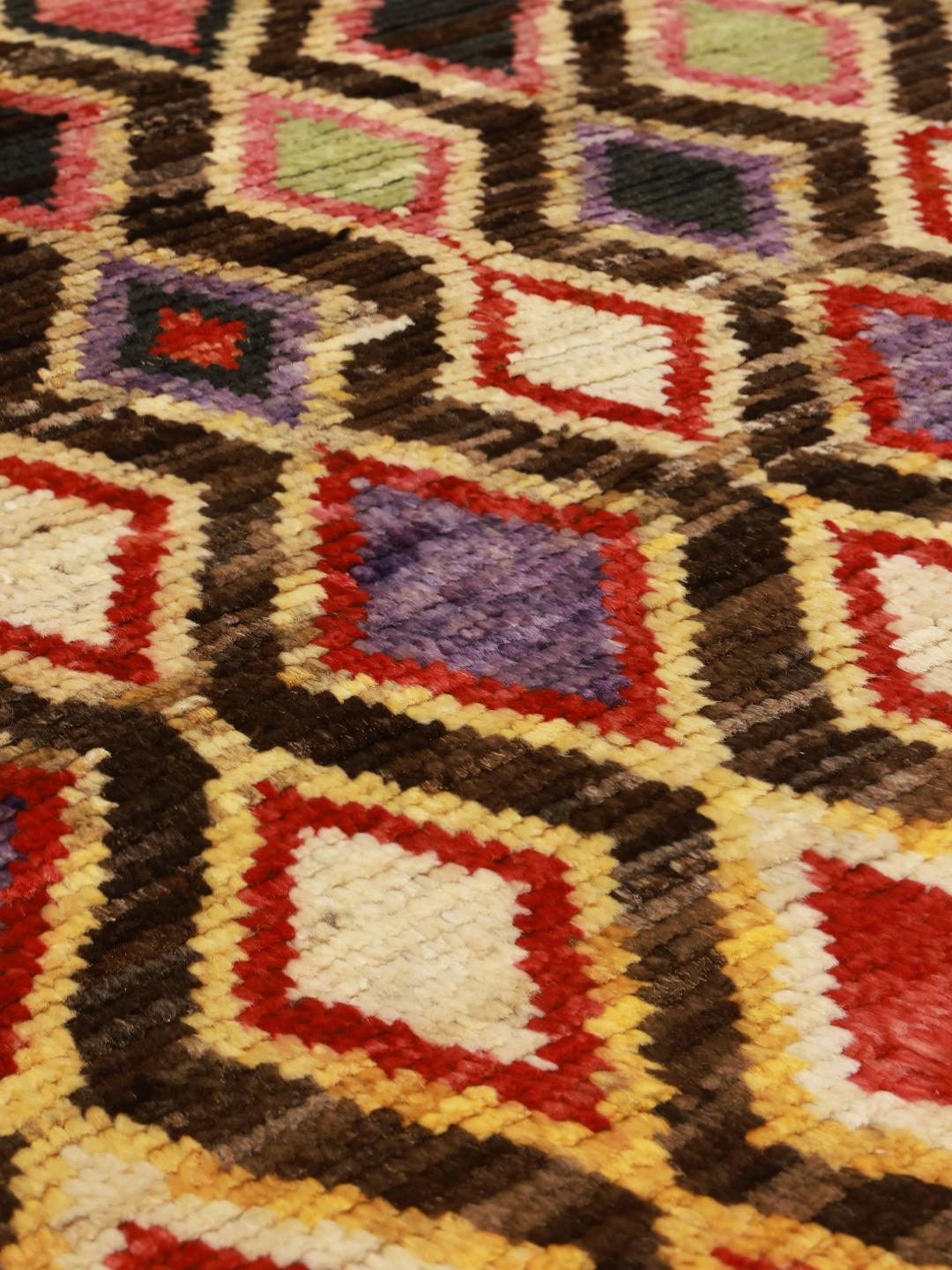
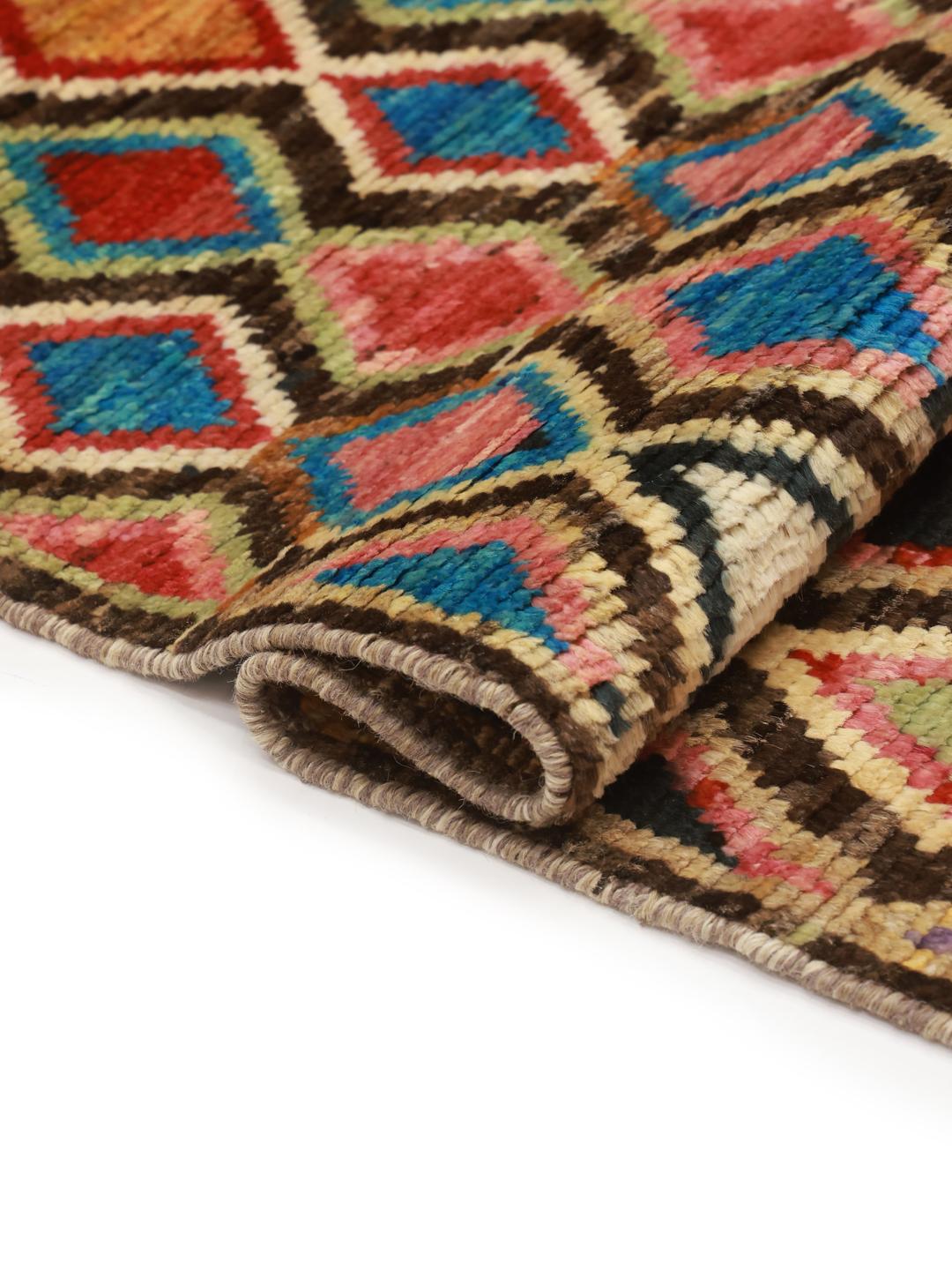
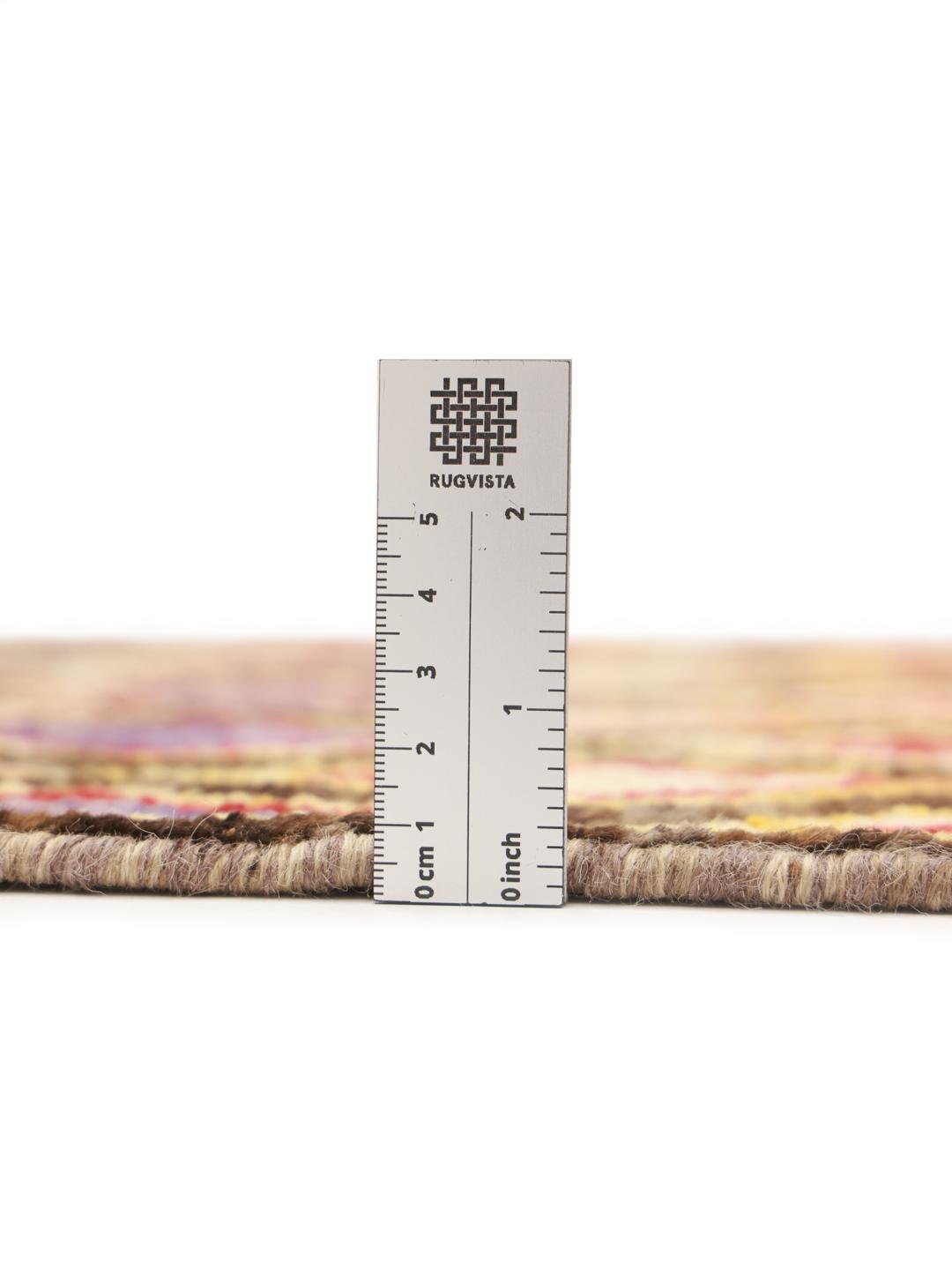
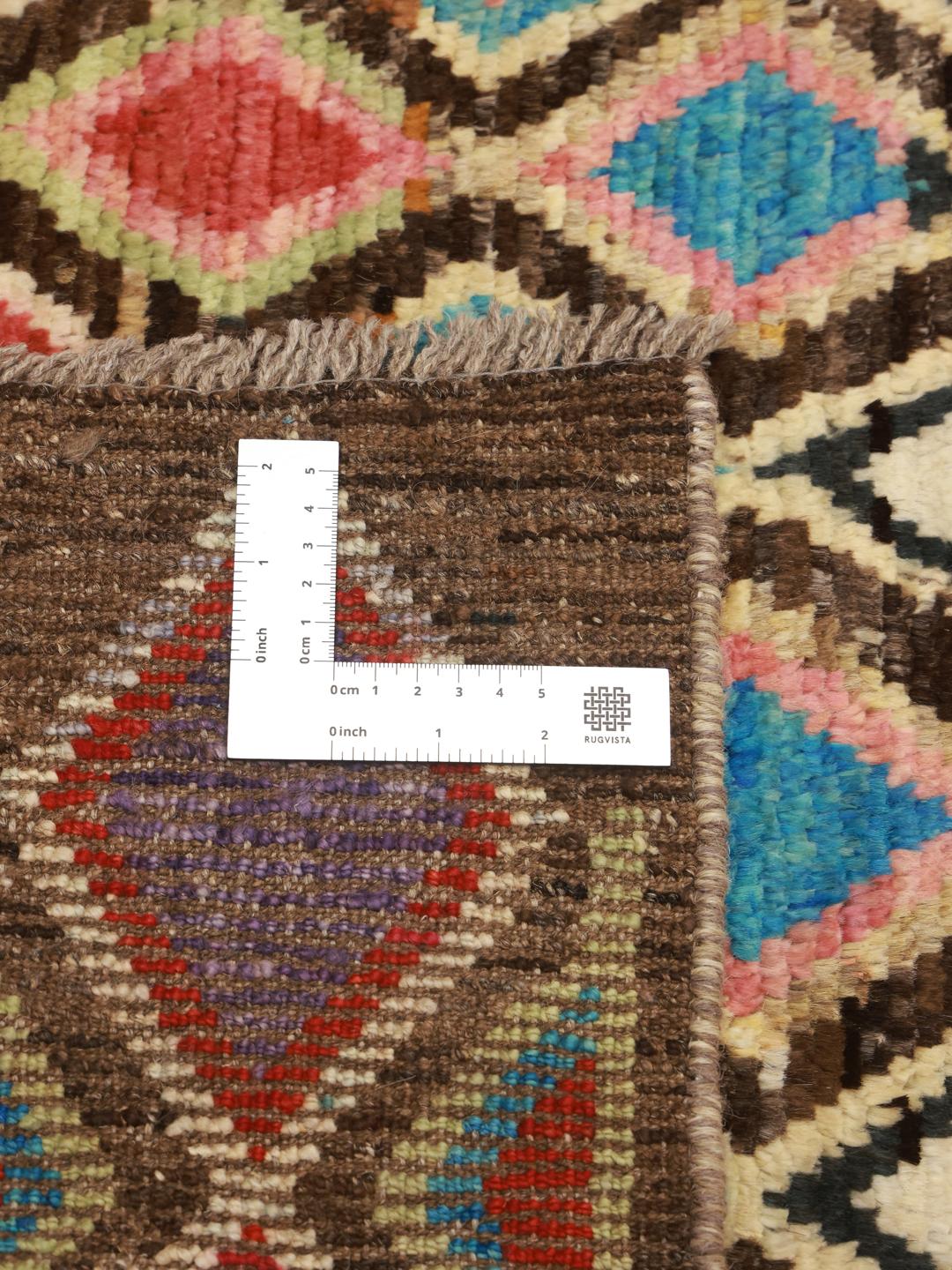
The term hand-knotted refers to the traditional method of weaving where individual strands of Wool are wrapped around the warp threads to create the pile. This creates a dense, durable surface that is far more resilient than tufted or machine-made alternatives. This technique is a hallmark of quality, allowing for complex patterns and a rich, substantial feel that develops character over time.
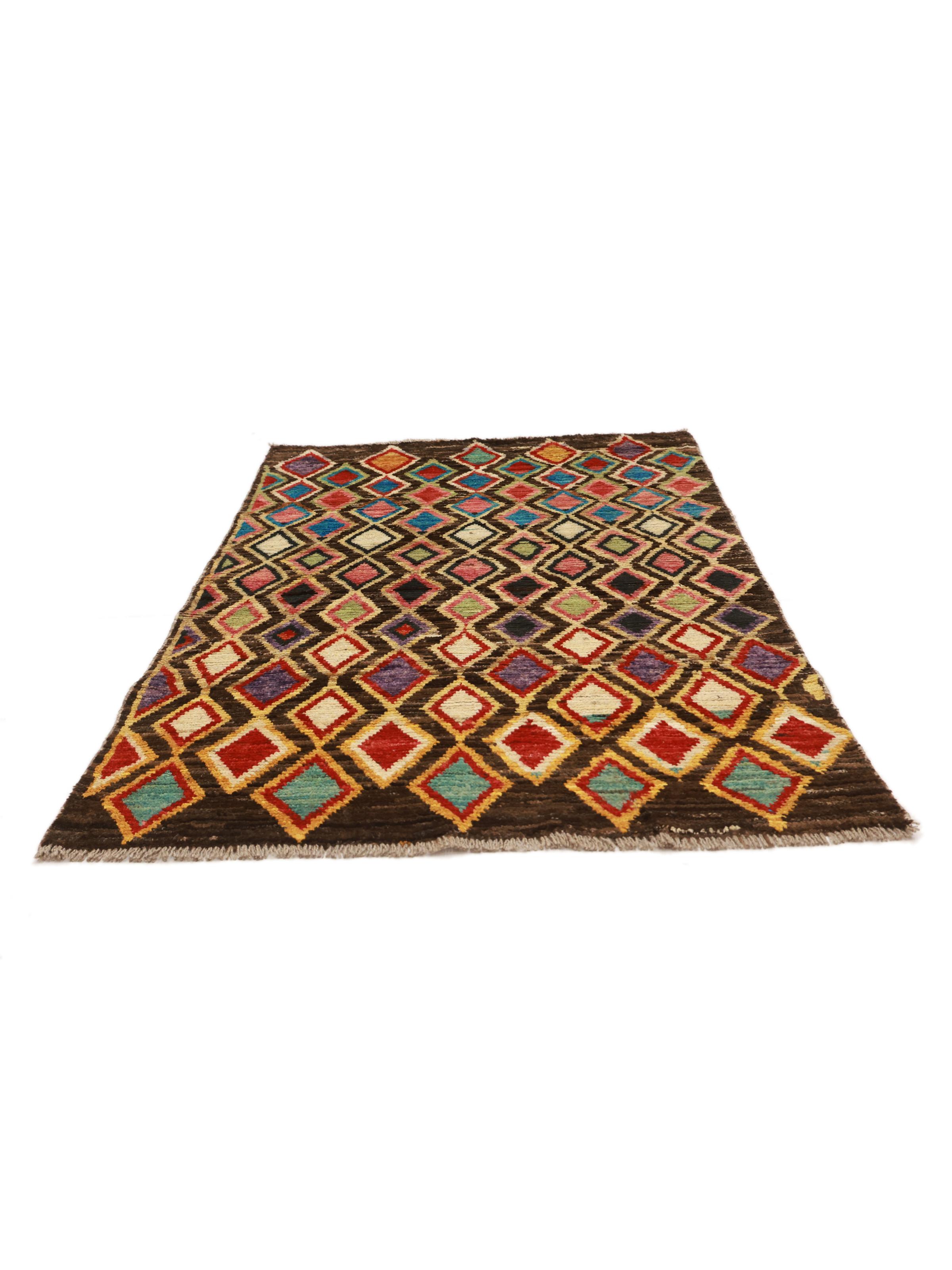
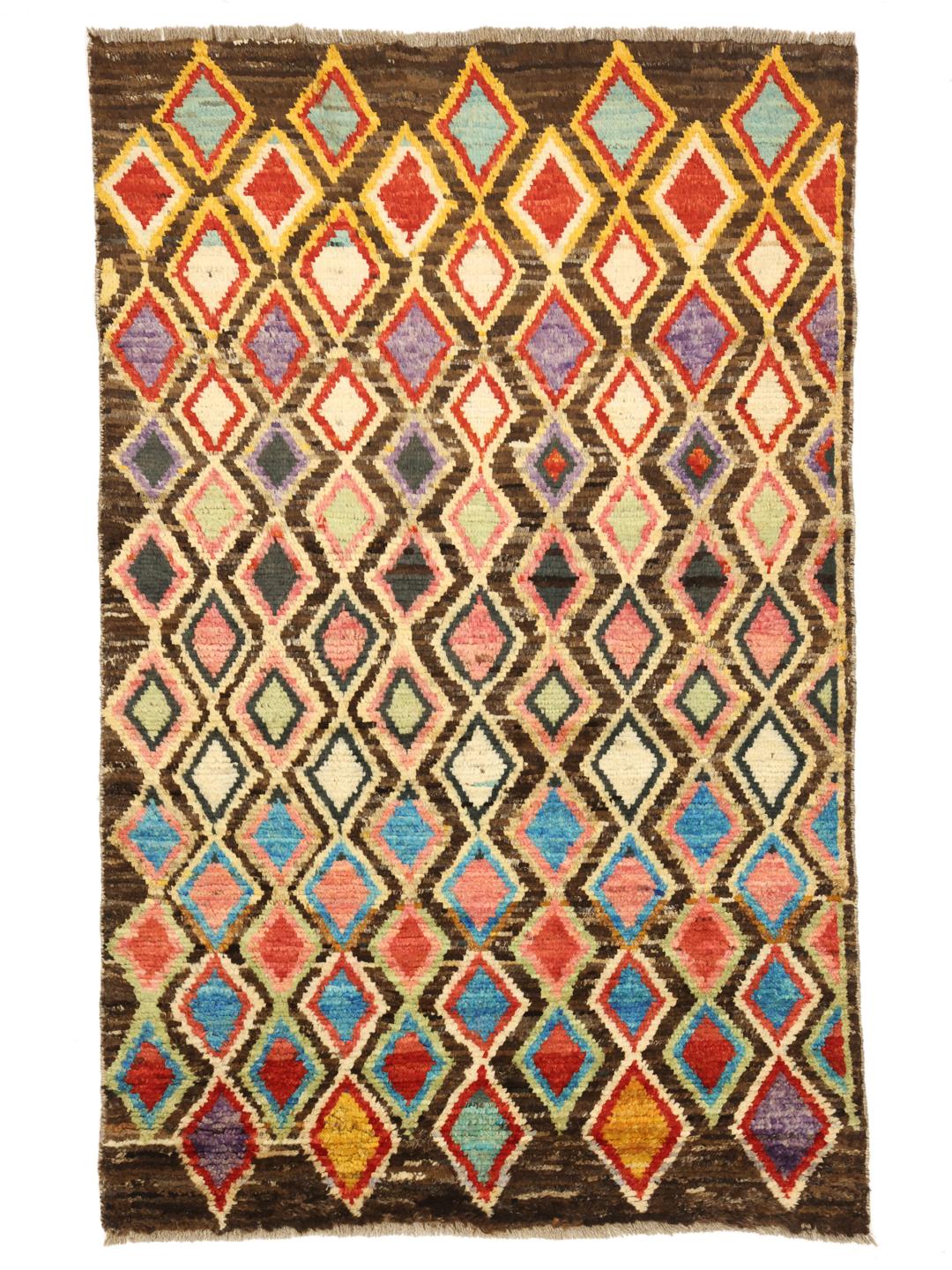
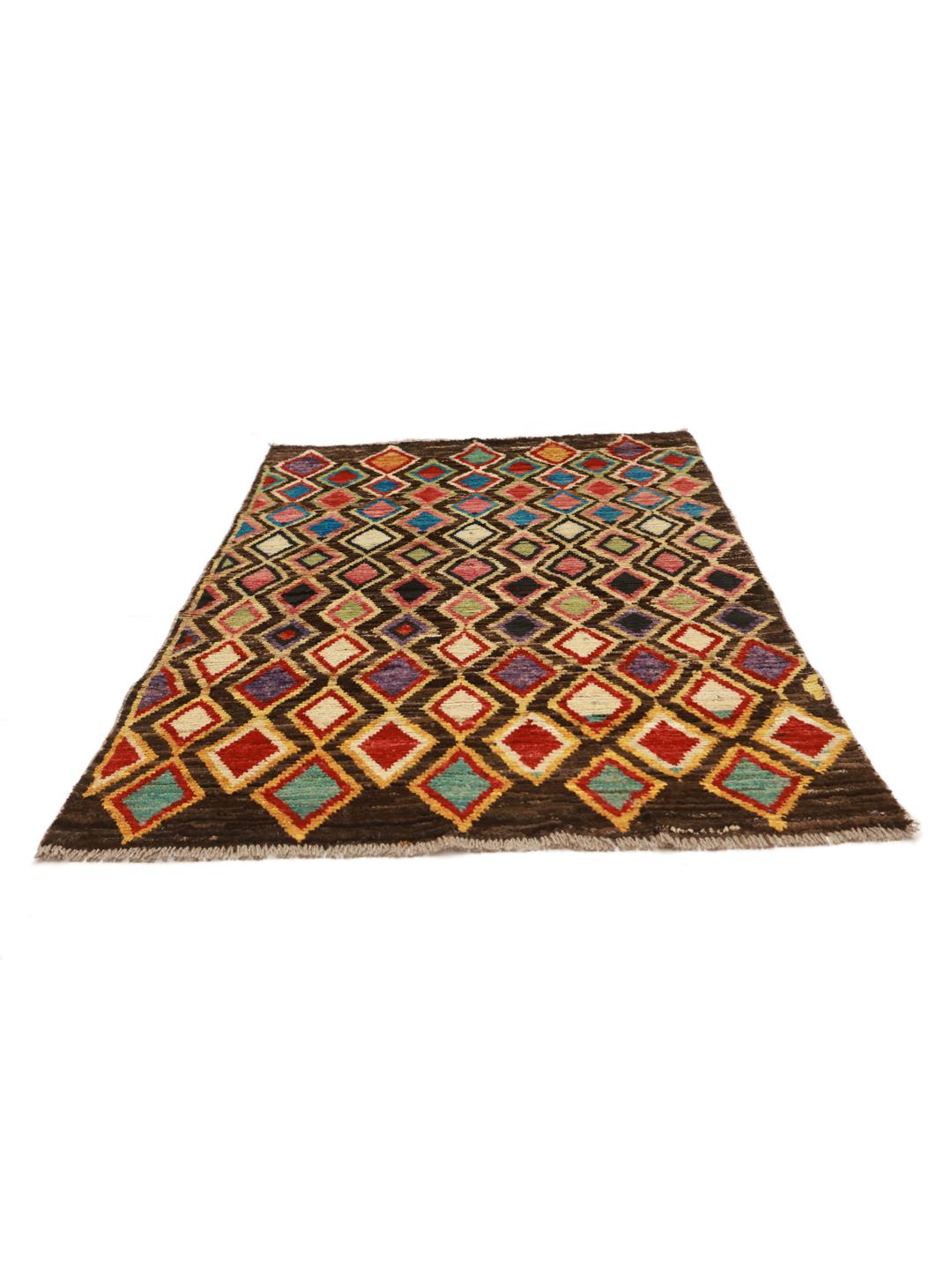
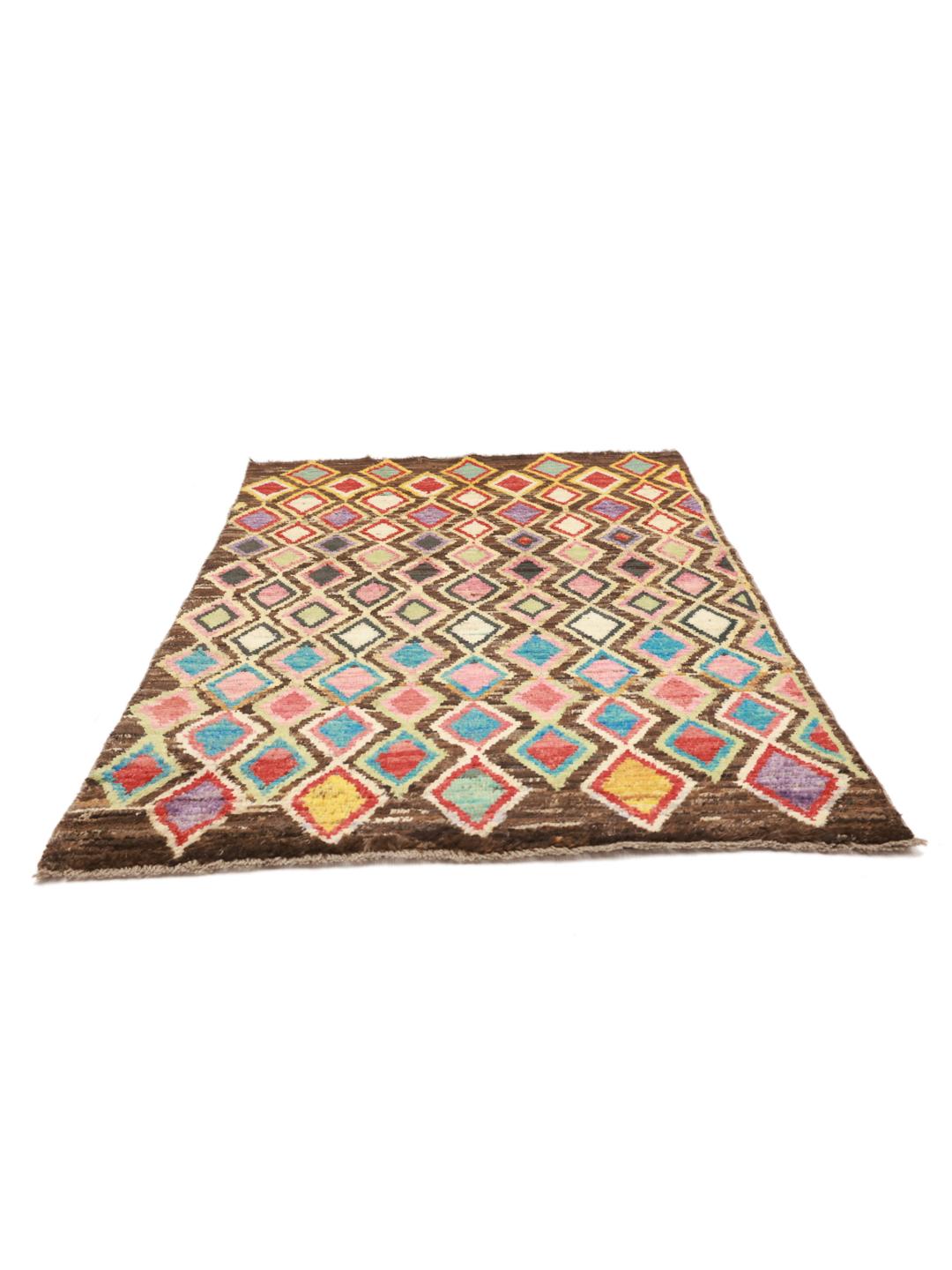
The diamond motif is a central element in this design tradition, often symbolising protection or fertility in the cultures where it originated. In this particular piece, the diamond grid is brought to life through a vibrant palette of colours set against a dark, grounding field. This contrast highlights the precision of the pattern while giving the rug a modern, expressive quality.
Collecting a rug from this tradition is an investment in human skill and cultural continuity. These pieces are valued not only for their aesthetic beauty but for the connection they provide to ancient weaving practices. Owning one means participating in a legacy of craft where every knot tells a story of patience, tradition, and artistry.