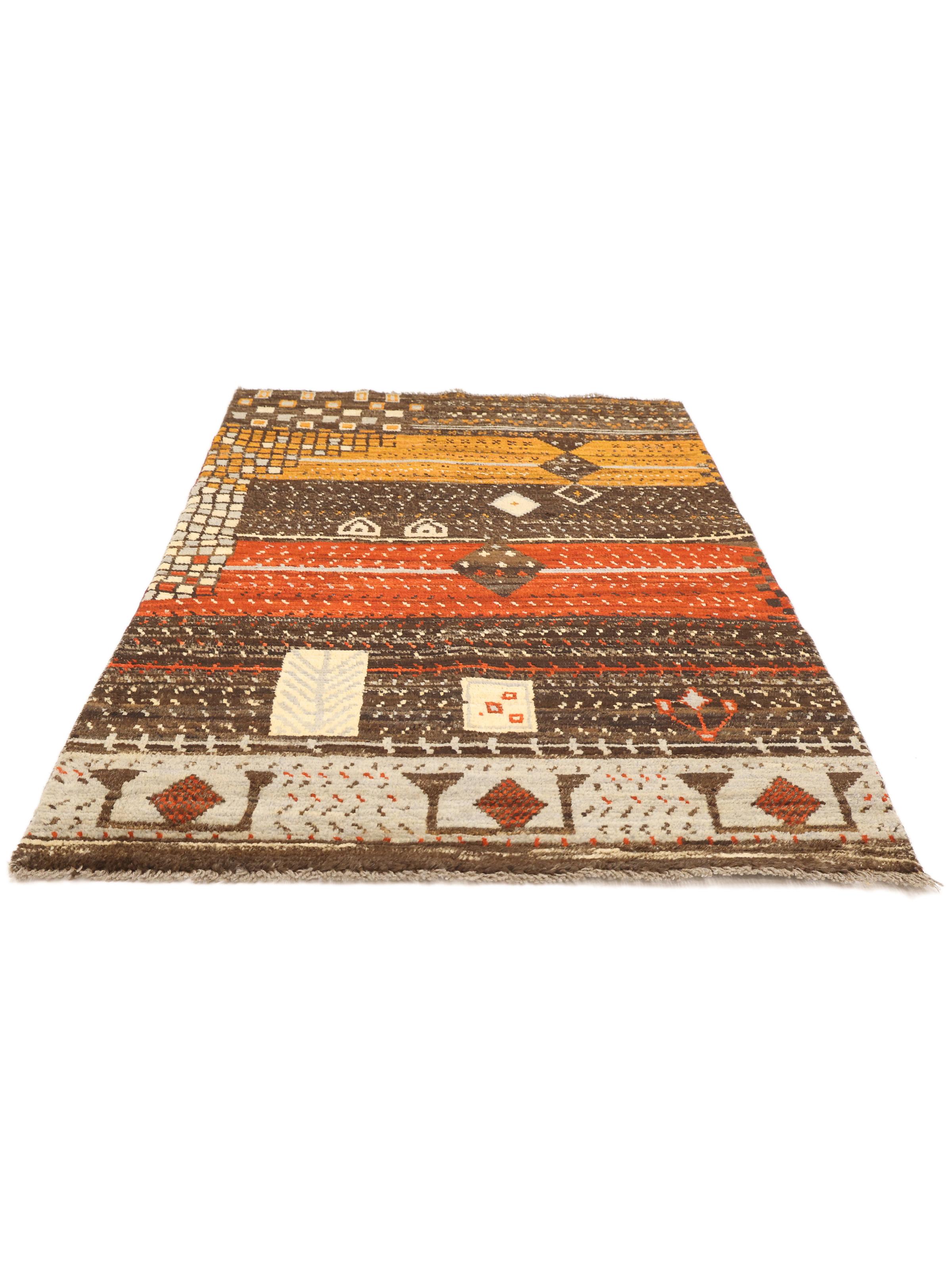
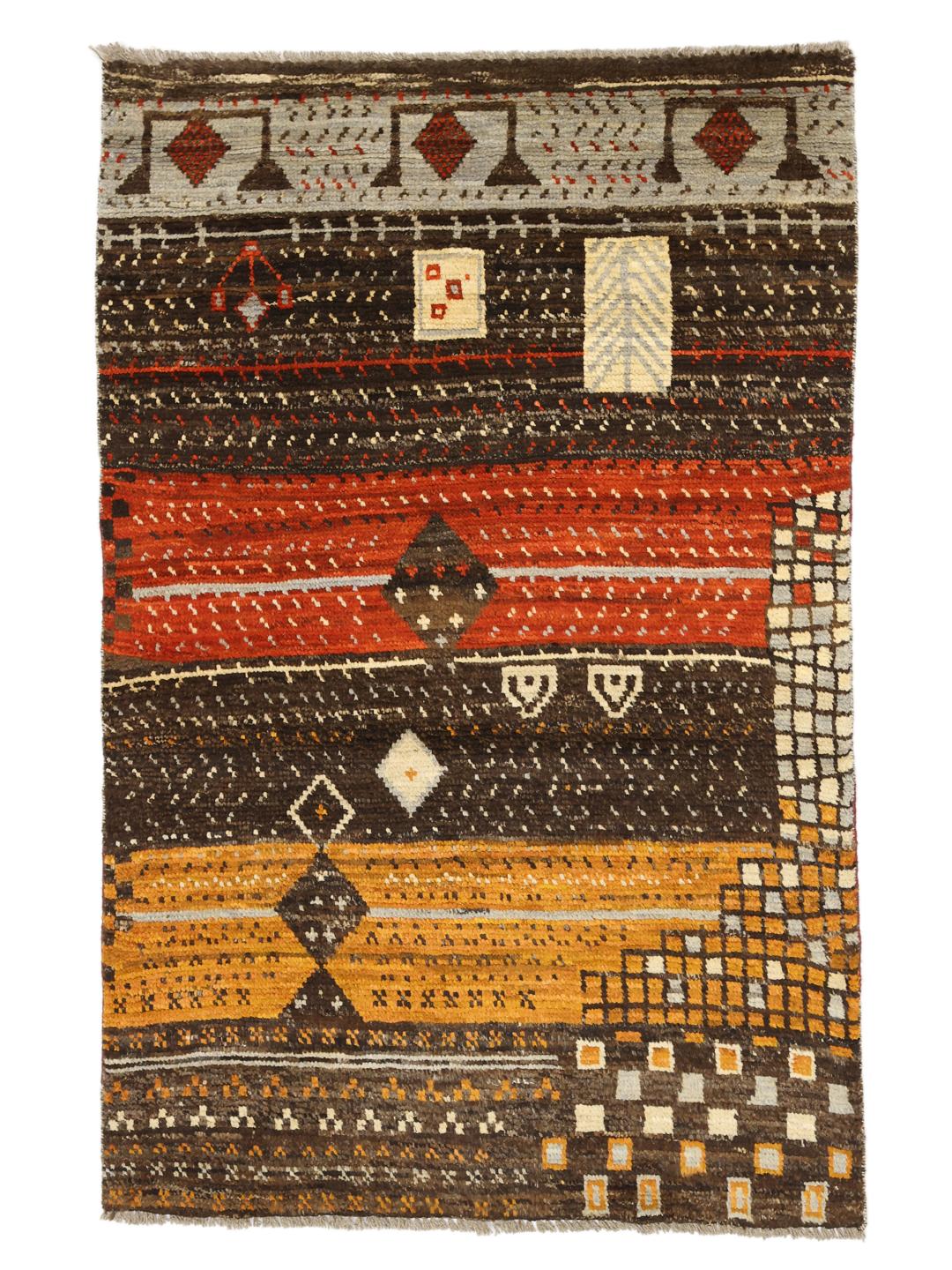
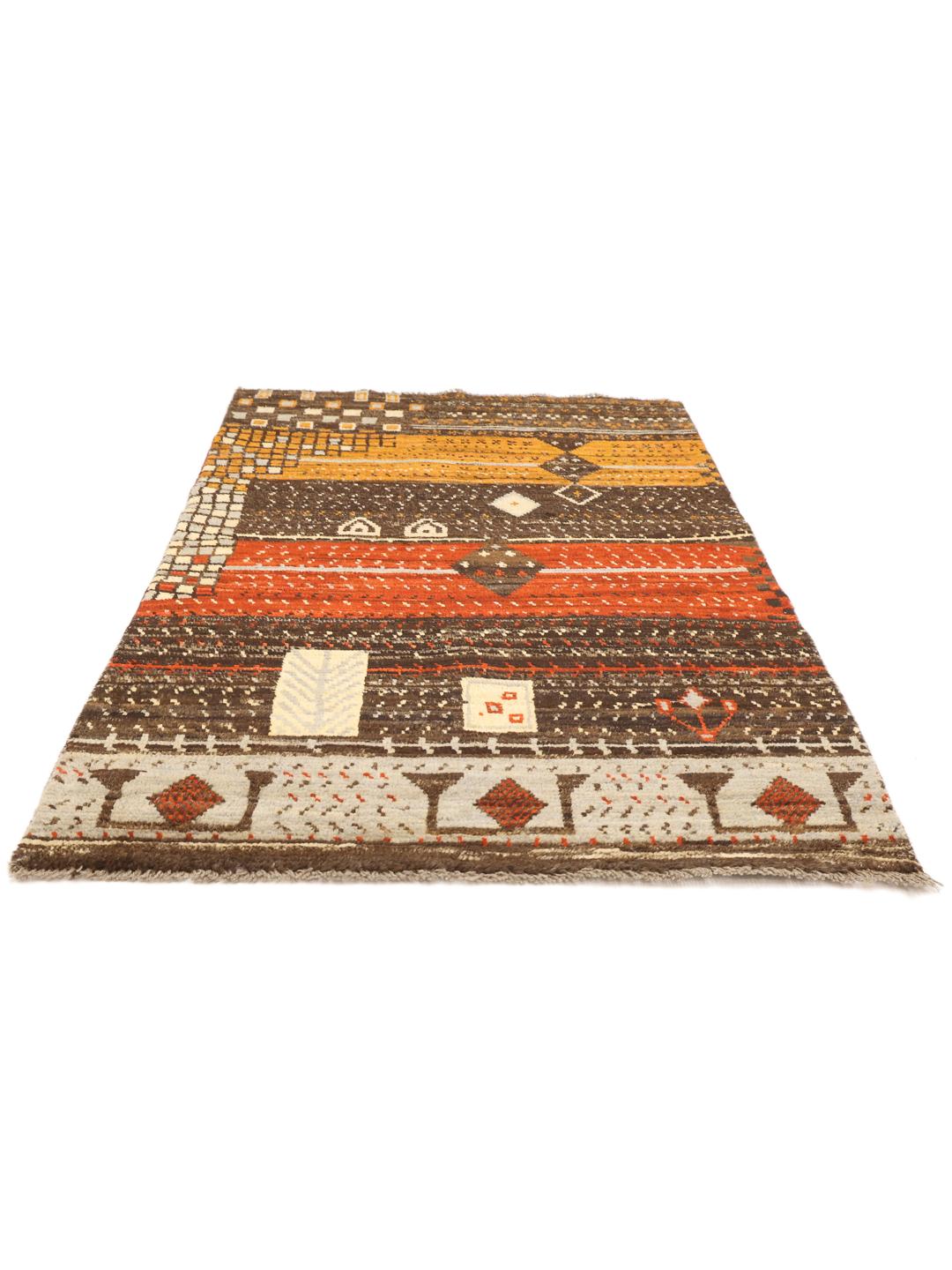
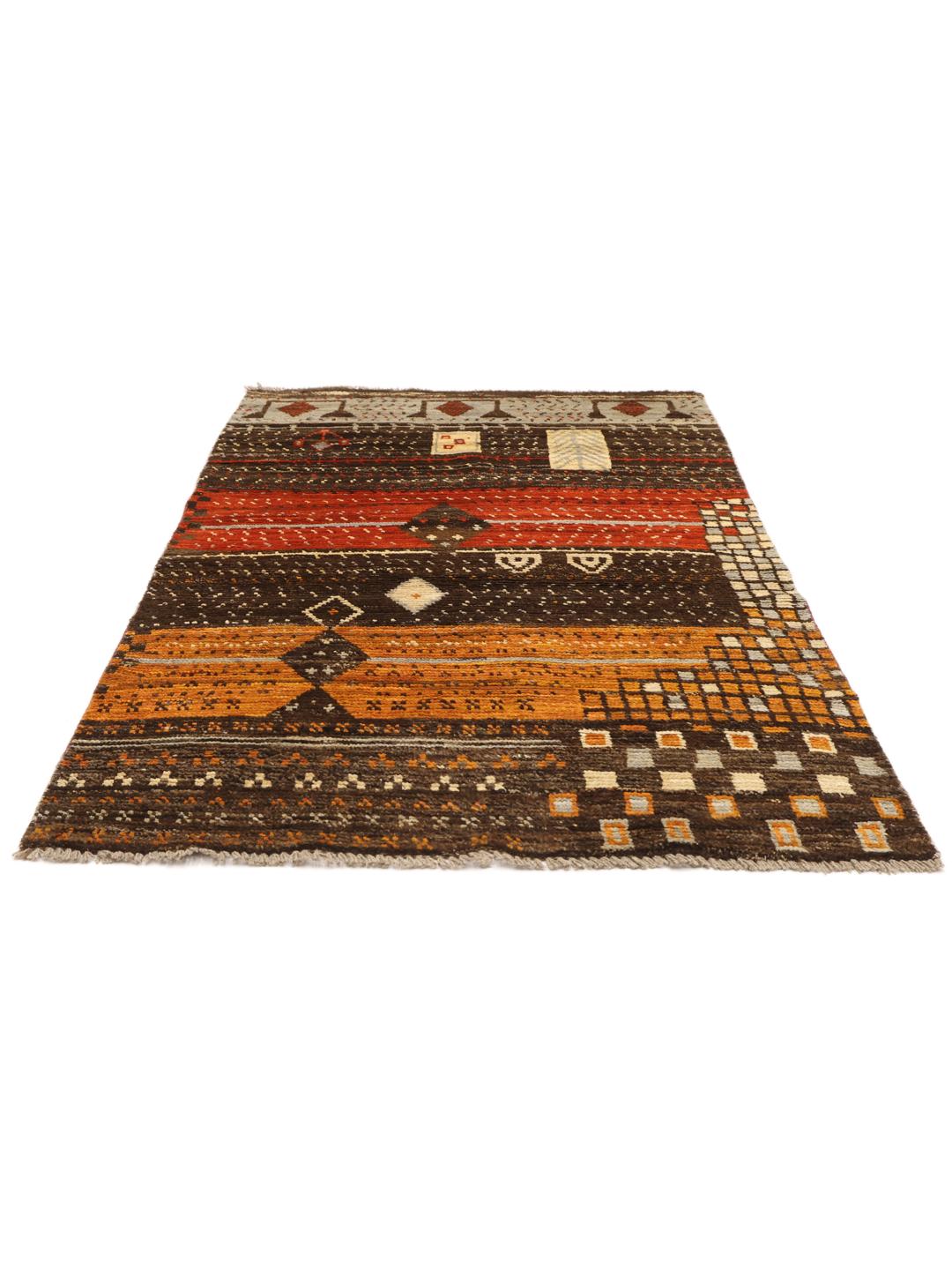
Berber-style rugs, while famously associated with the Atlas Mountains of North Africa, have inspired weaving traditions across the globe, including the mountainous regions of Afghanistan. In this context, weavers have adapted the historical Berber aesthetic, merging it with local techniques and a unique regional sensibility to create something entirely new.
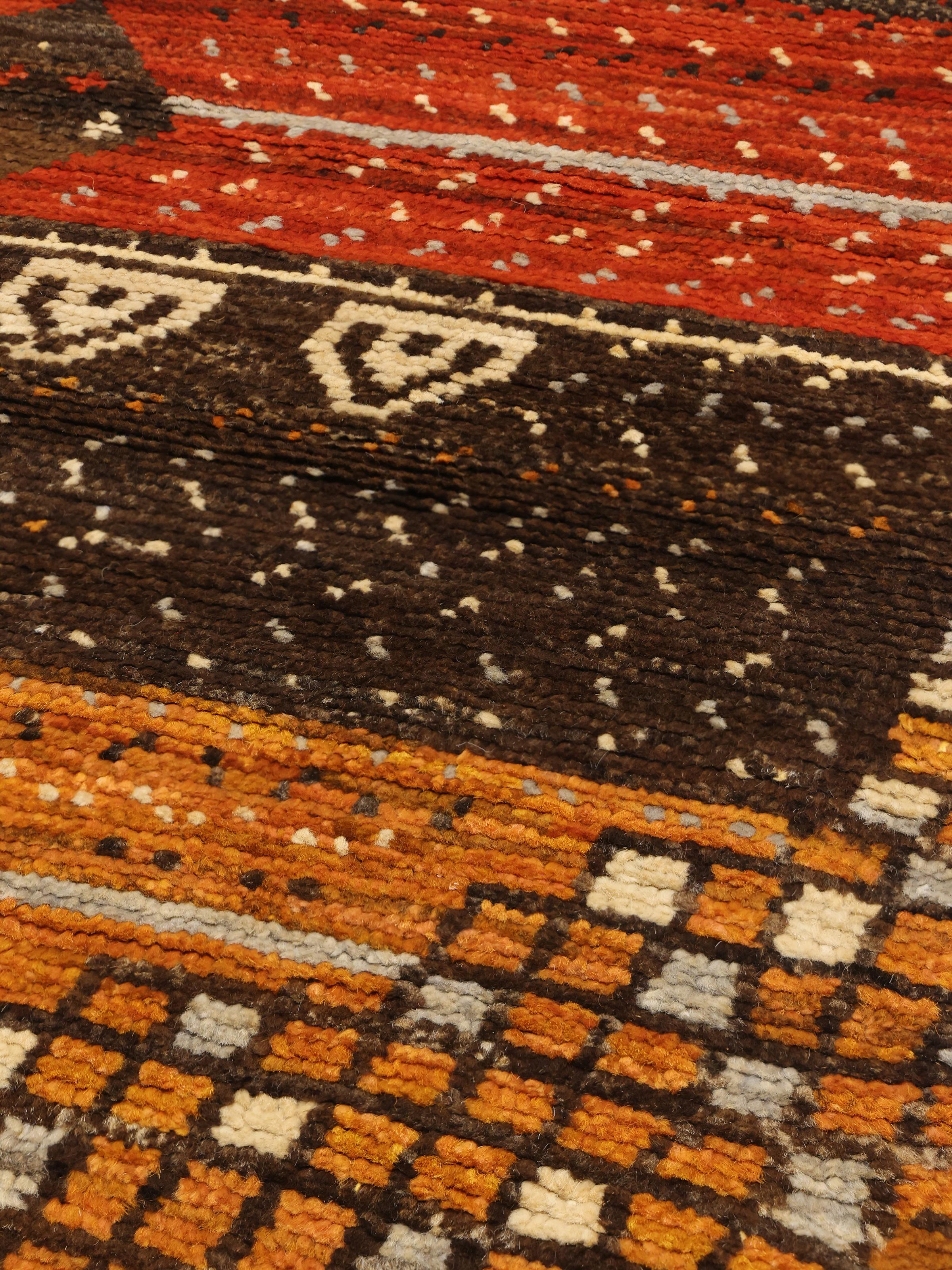
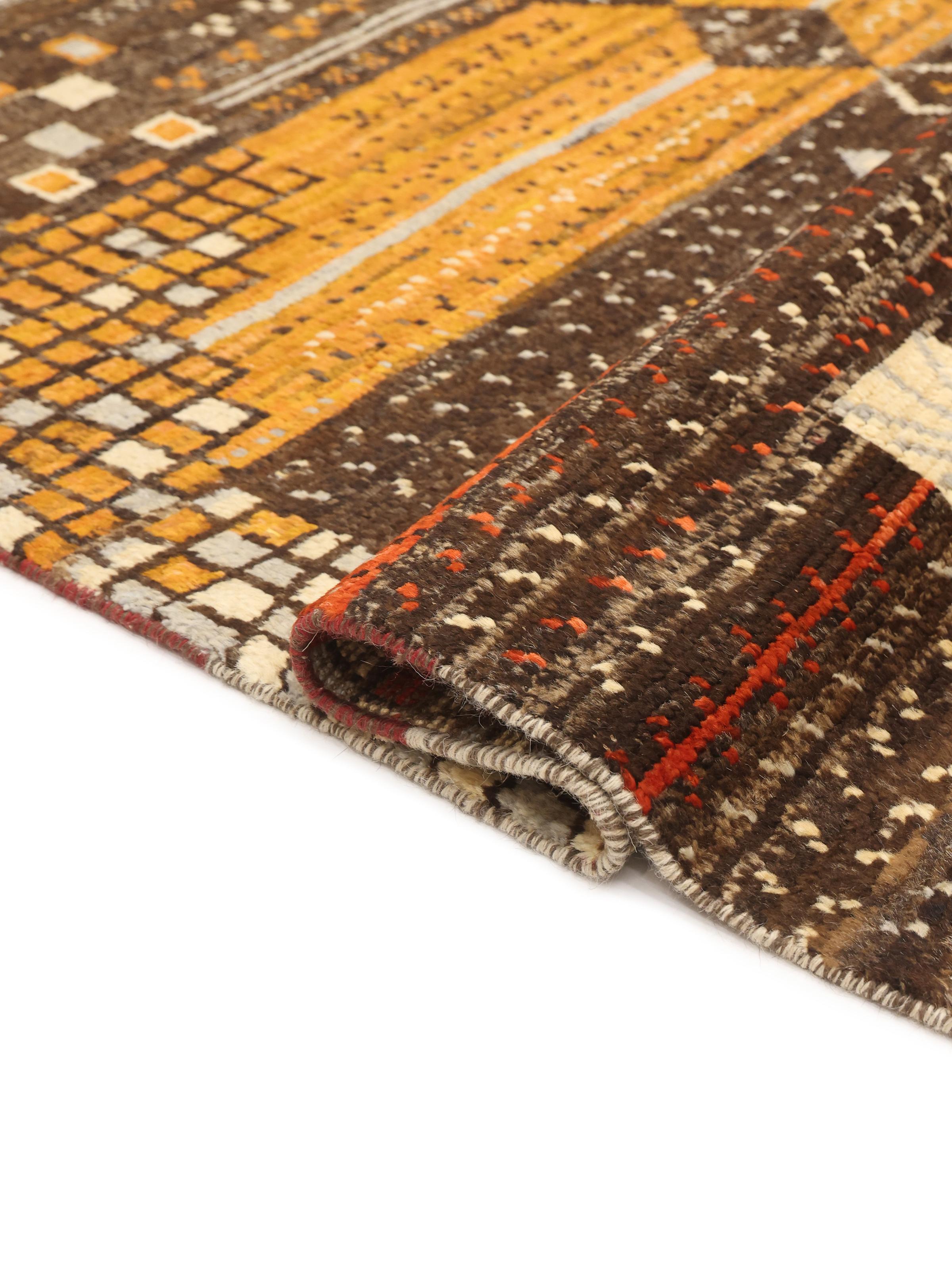
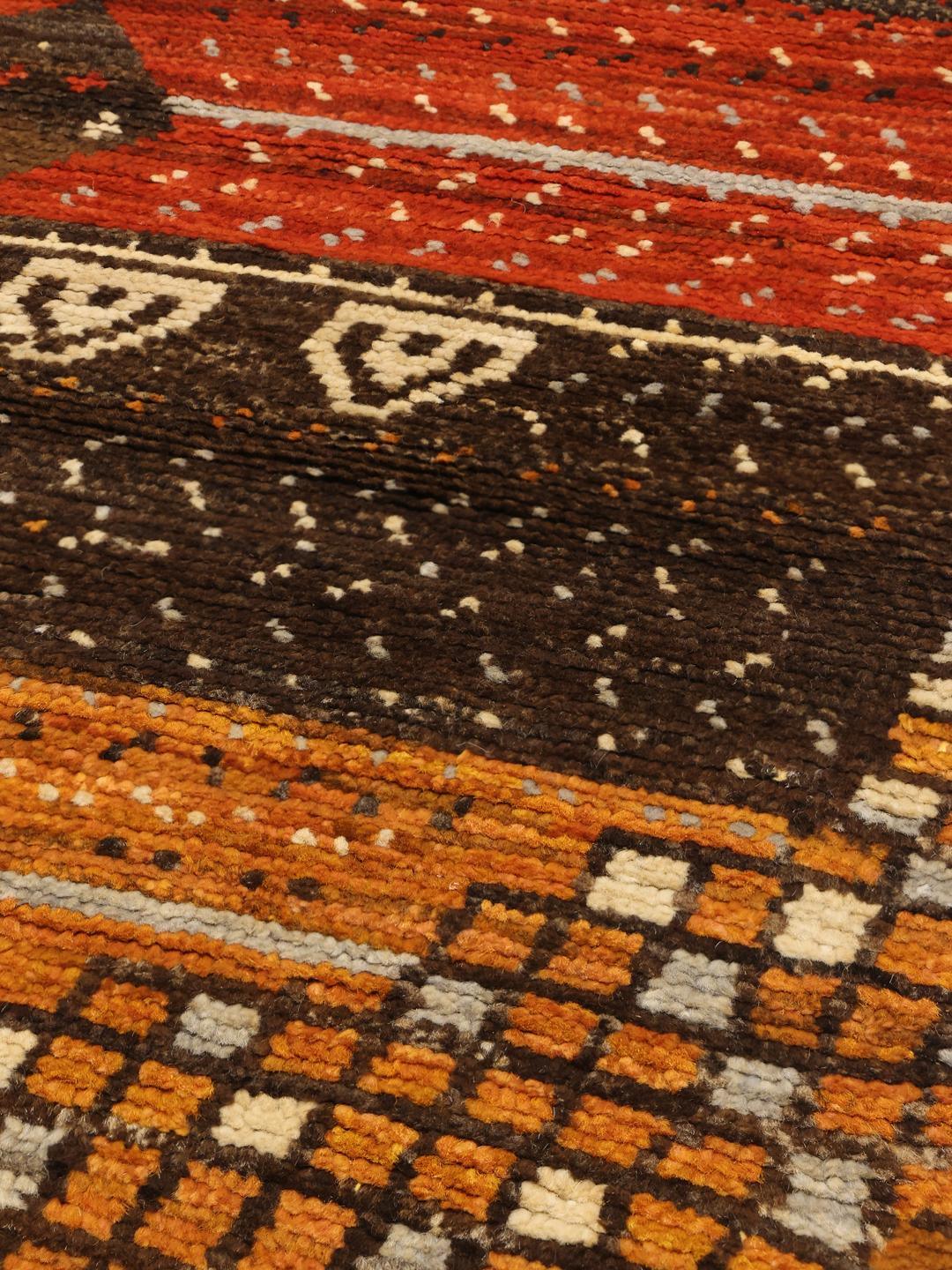
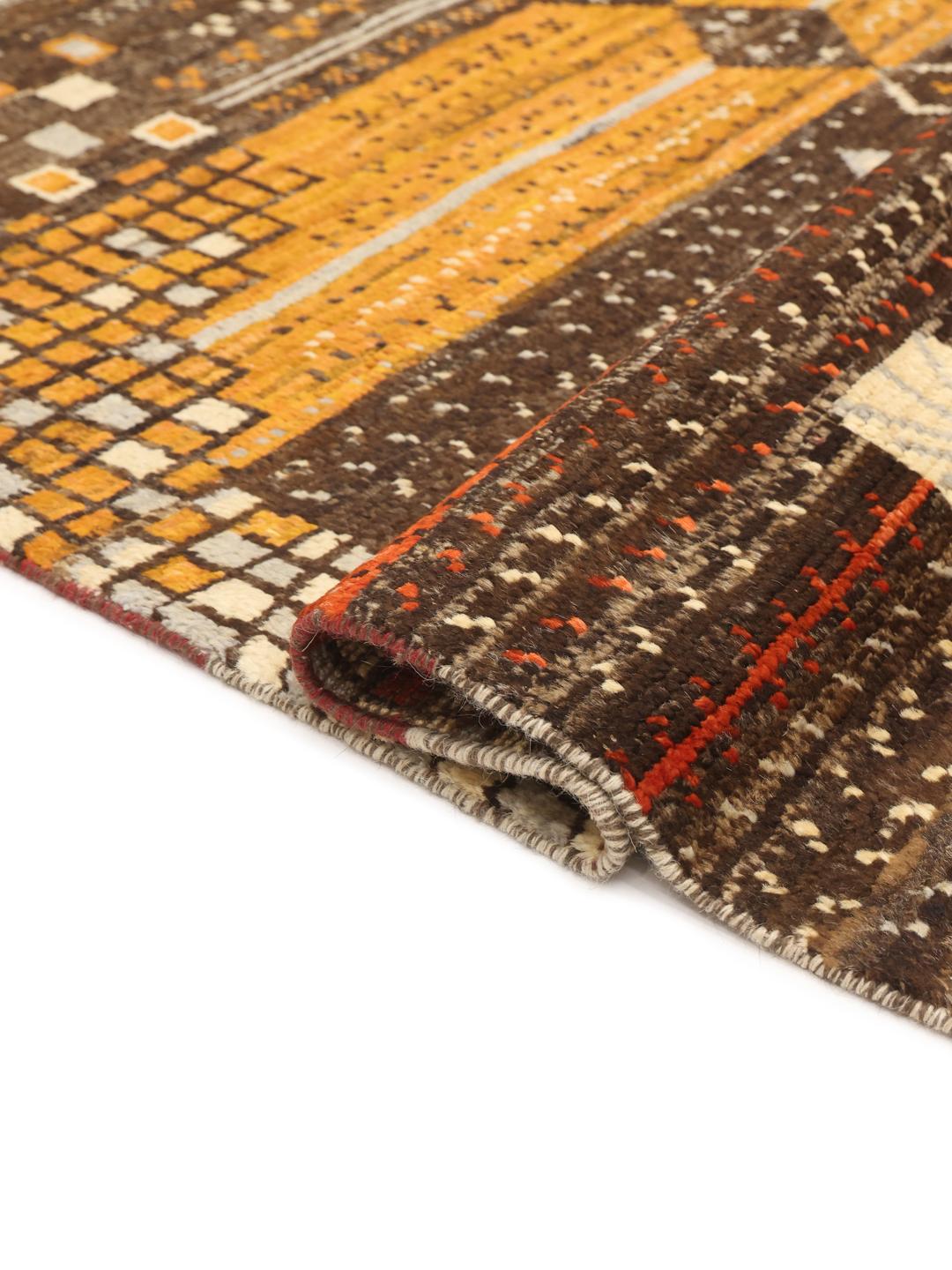
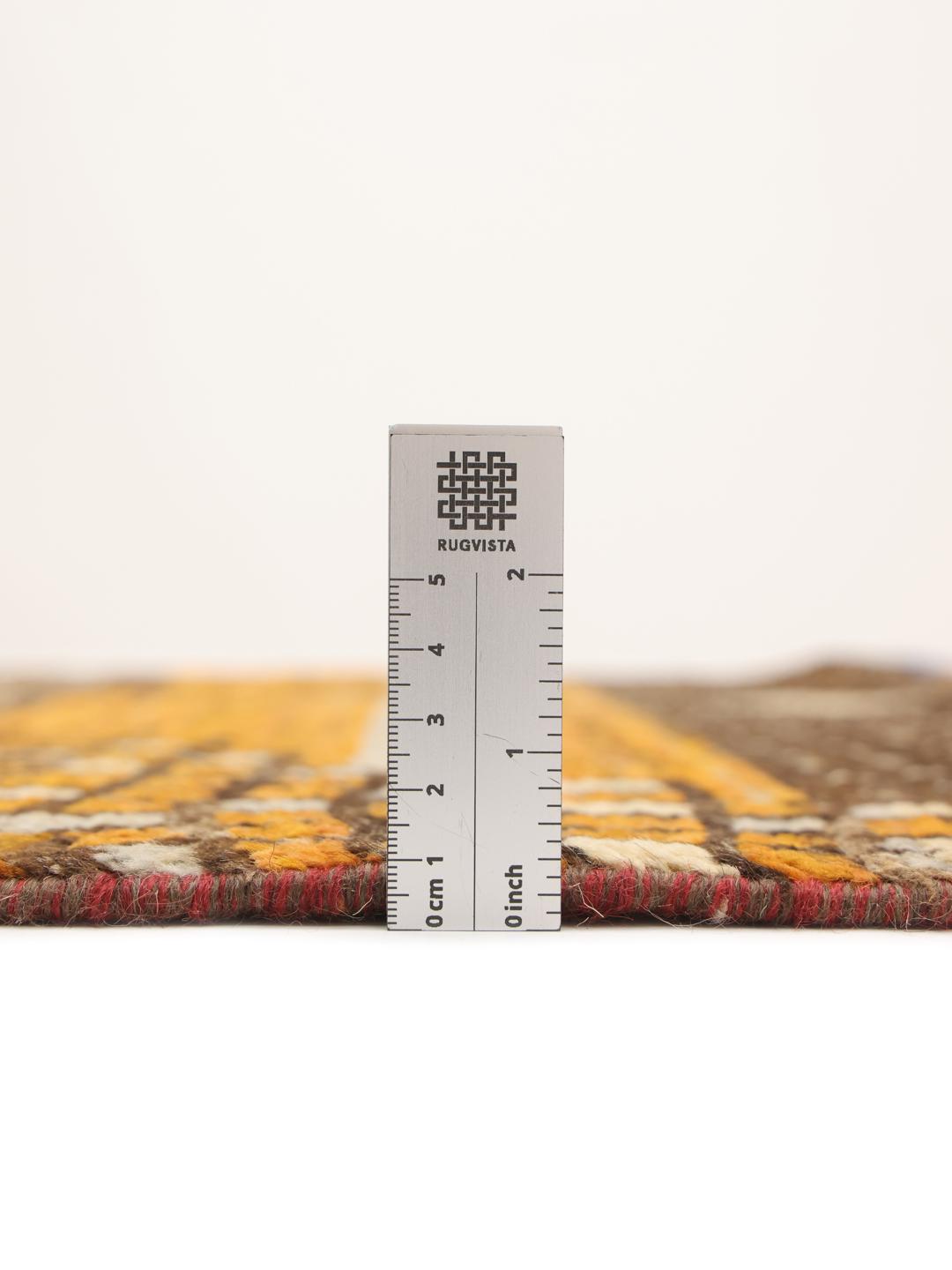
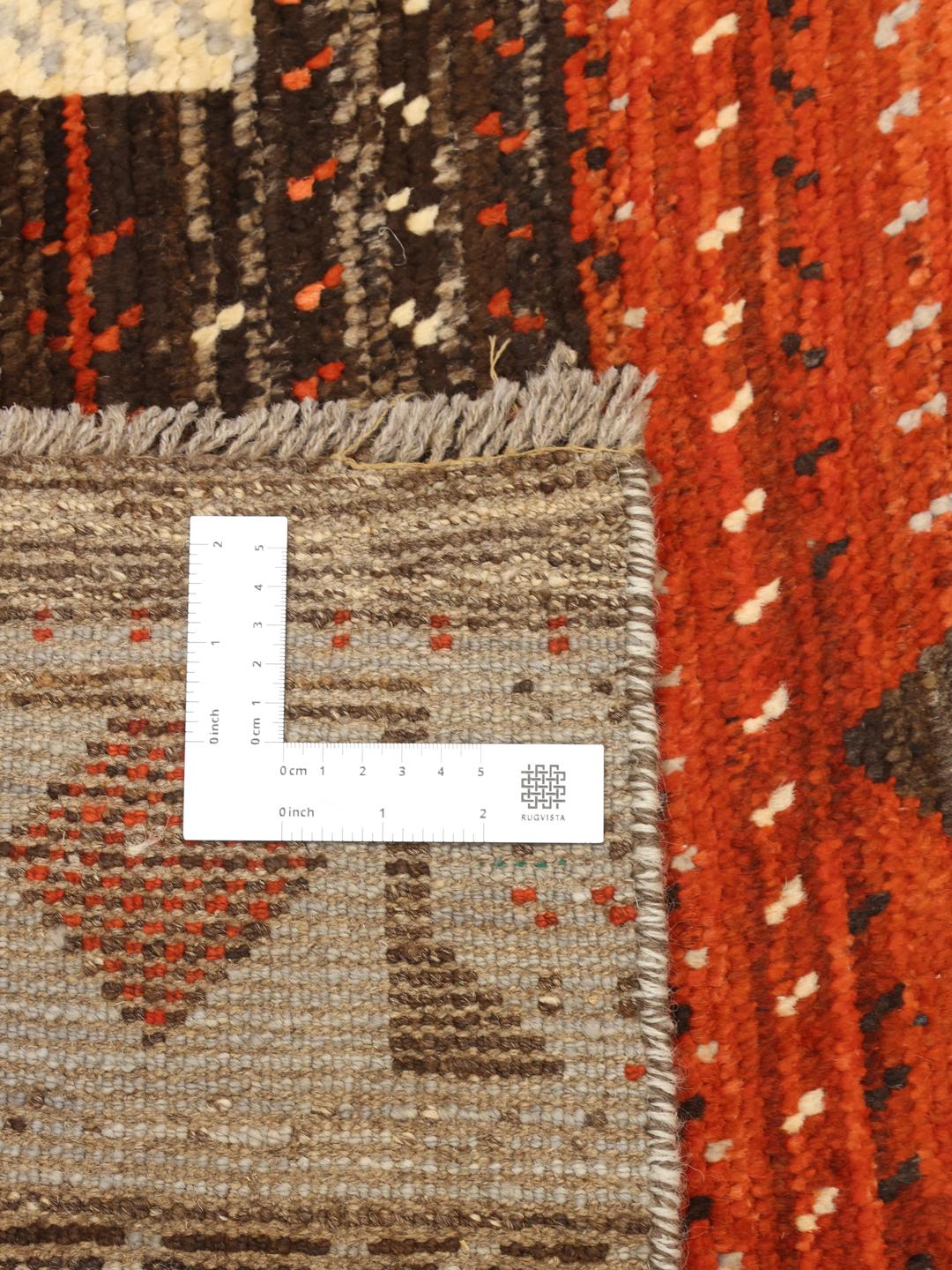
The craft of hand-knotting in this region is deeply rooted in local customs, where Wool is sourced and prepared with care. This process results in a dense, lustrous pile that is highly valued for its resilience. Understanding these technical foundations helps explain why these rugs are so enduring, as they are built to be part of a home for generations.
Visually, these rugs are celebrated for their geometric language. You will often find symbols representing protection, nature, or tribal history woven directly into the field. This particular rug captures that spirit through its use of repeating patterns and thoughtful borders, showcasing a design language that feels both ancient and contemporary in its simplicity.
Collecting a rug from this tradition is an investment in human skill and cultural continuity. Each piece serves as a physical record of the weaver's choices and the artistic heritage of their home. When you bring a rug like this into your space, you are not just acquiring a floor covering, but a piece of art that carries the weight of history and the dedication of its maker.