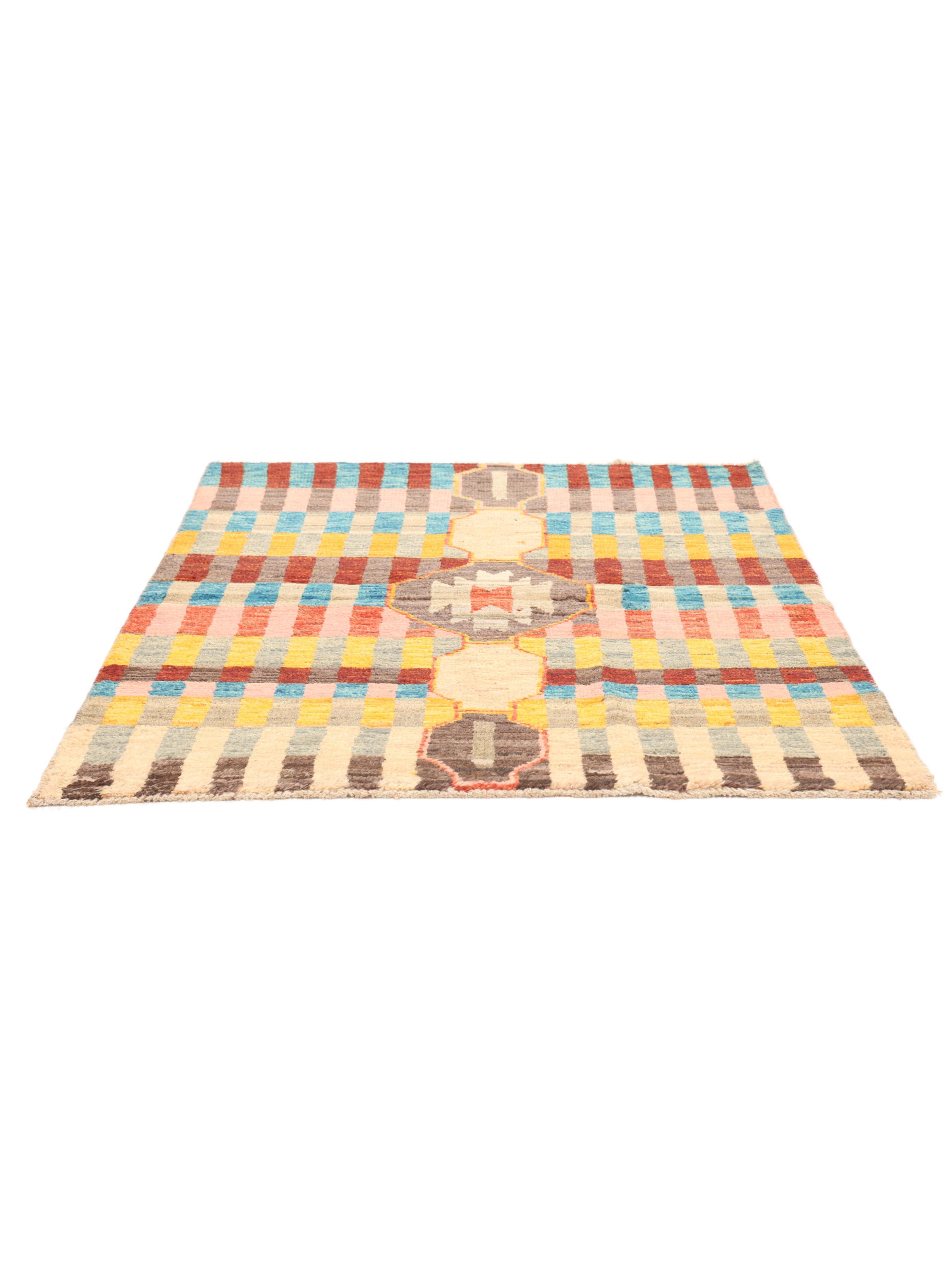
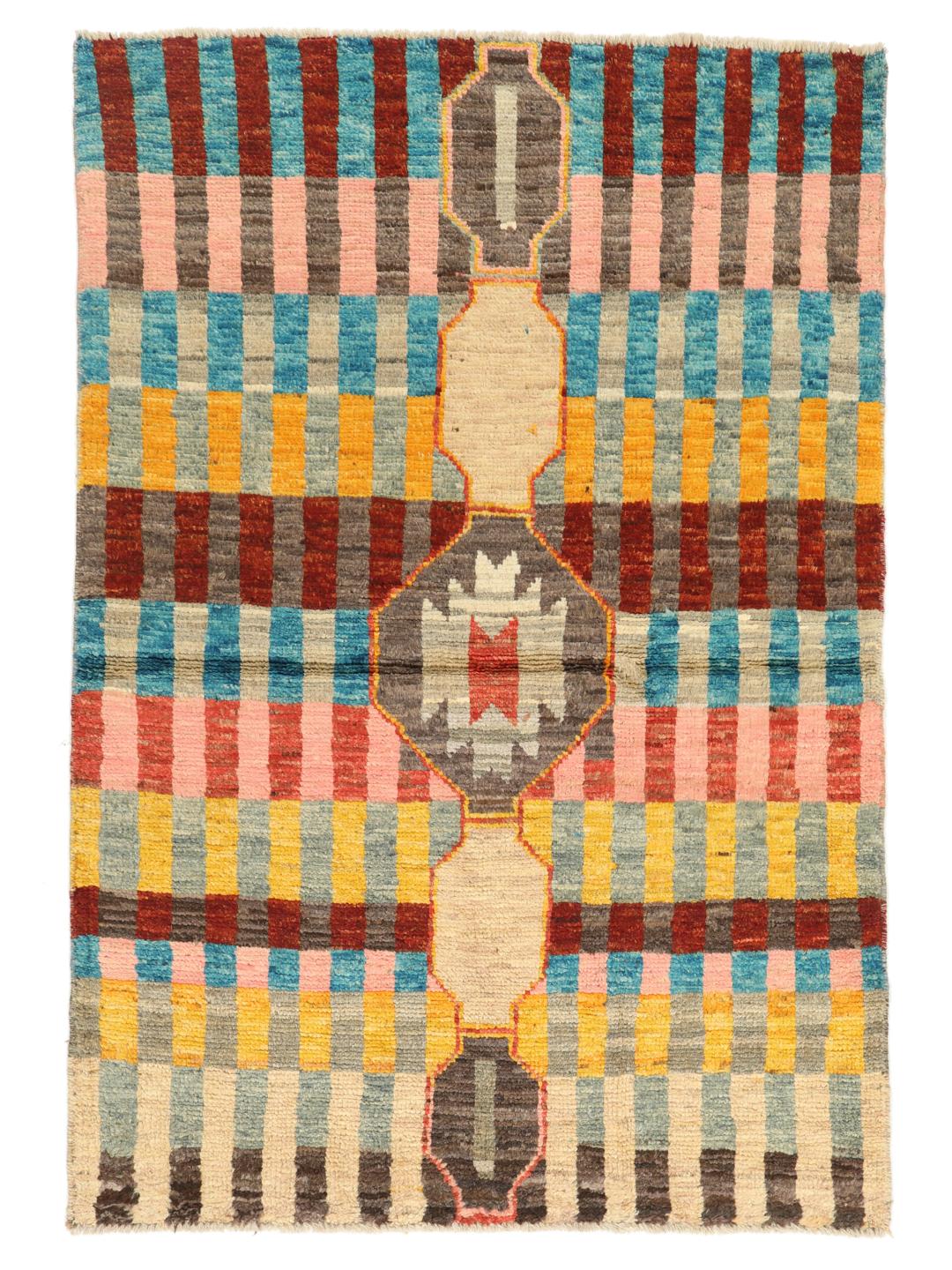
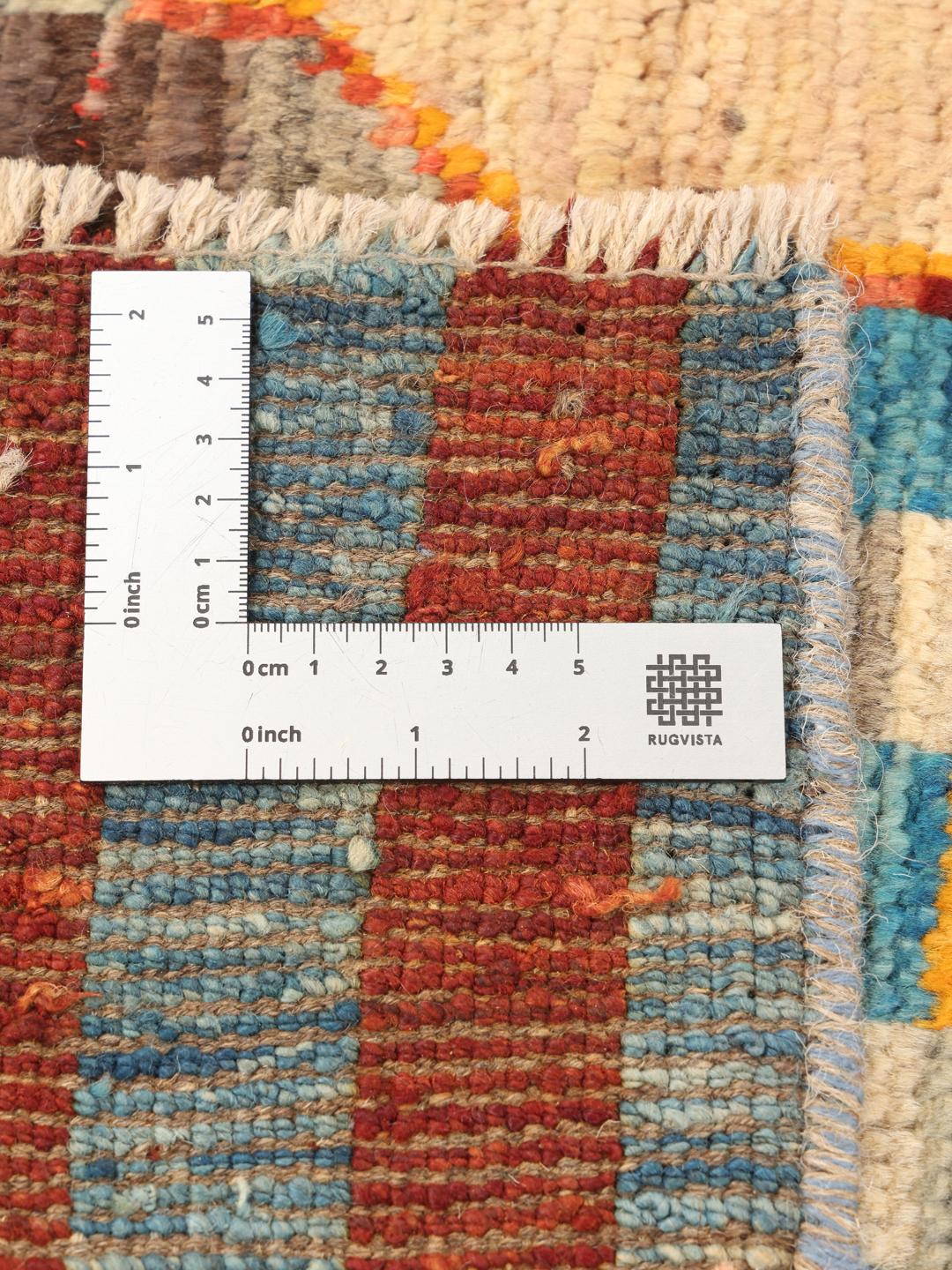
Berber rugs originate from the tribal traditions of the Middle East and North Africa, where they have been woven for centuries by nomadic and semi-nomadic peoples. These rugs were traditionally created for domestic use, serving as warm bedding, floor coverings, or wall hangings within the home, and were deeply tied to the daily life and environment of the weavers.
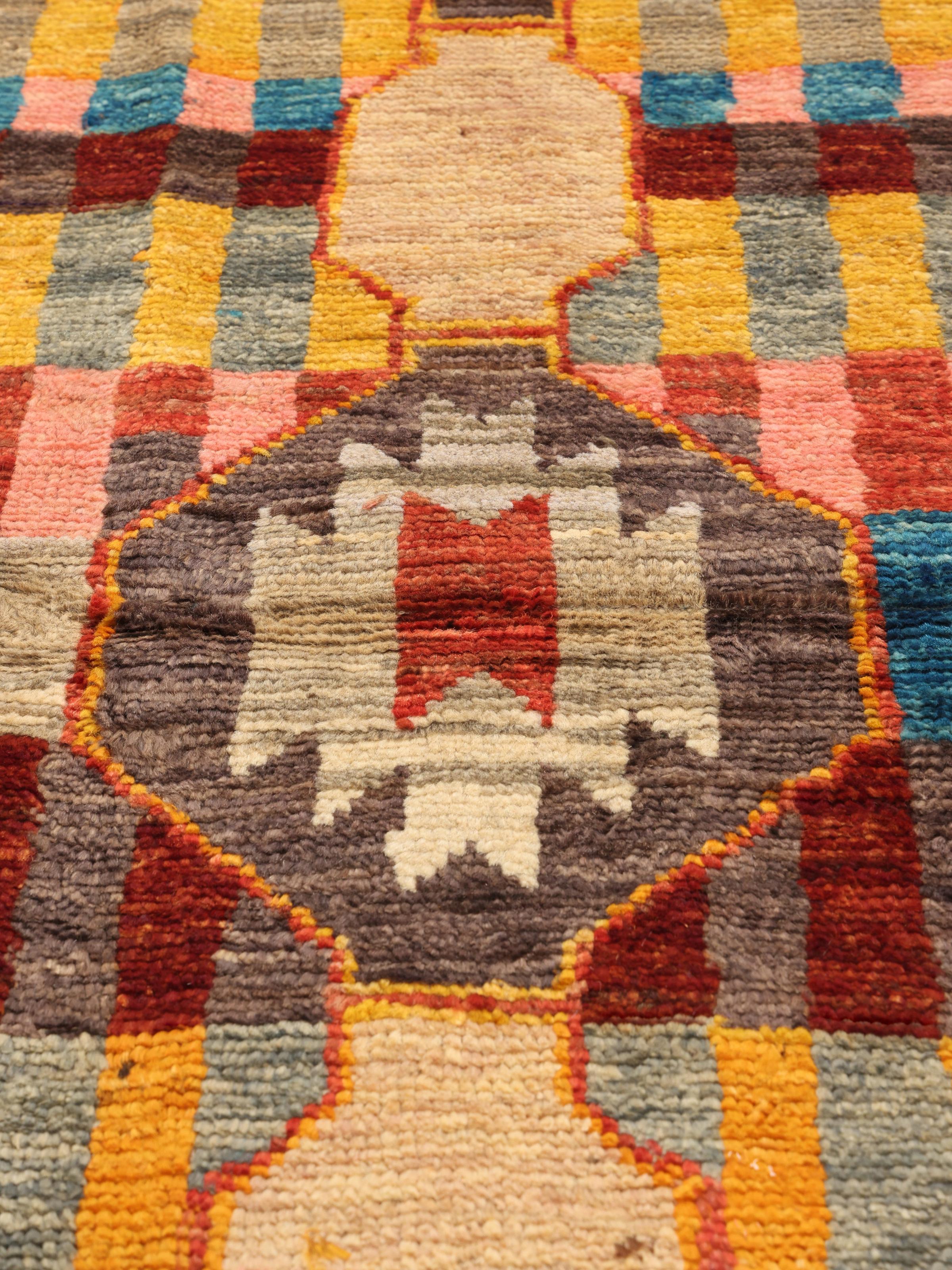
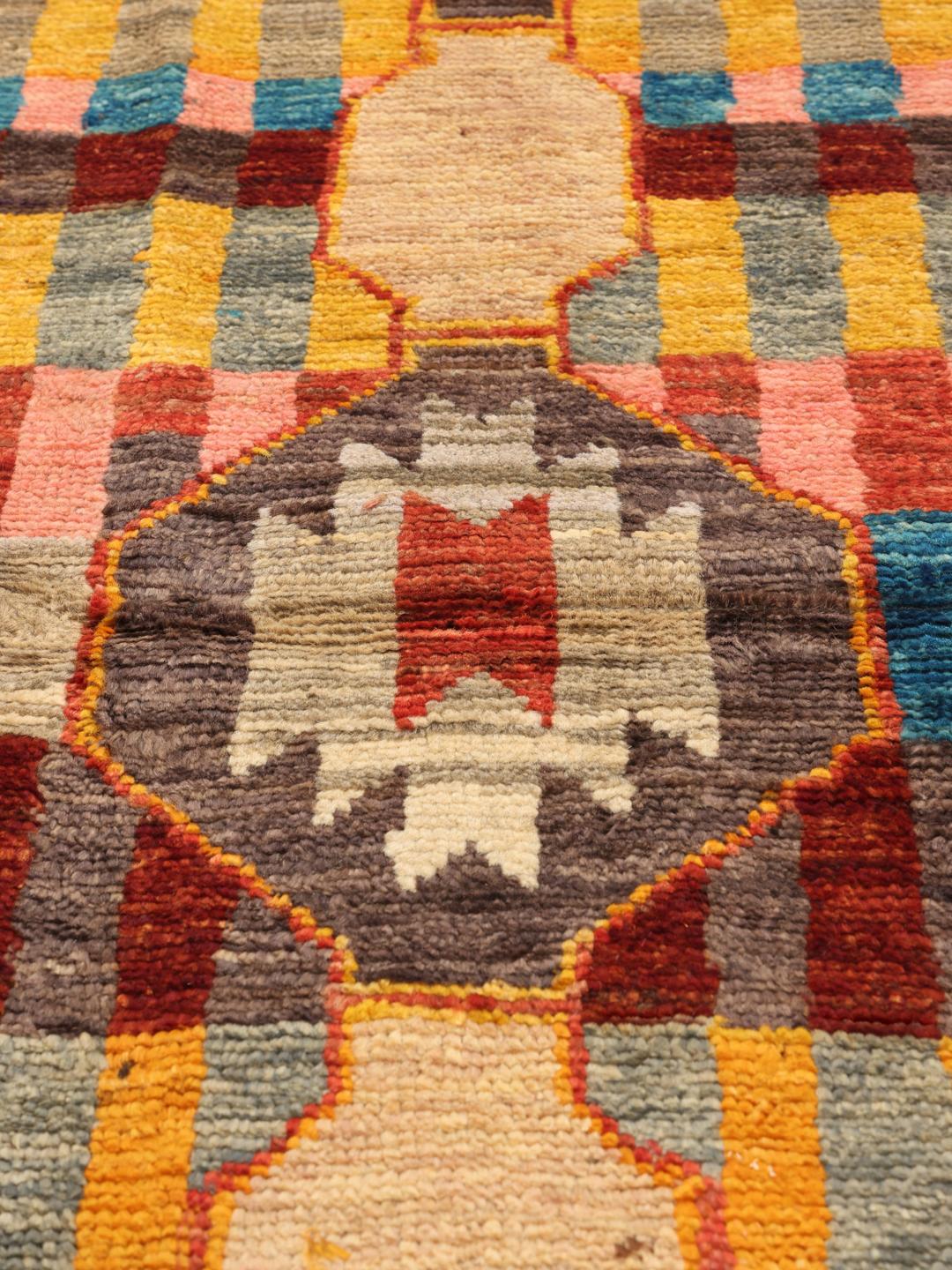
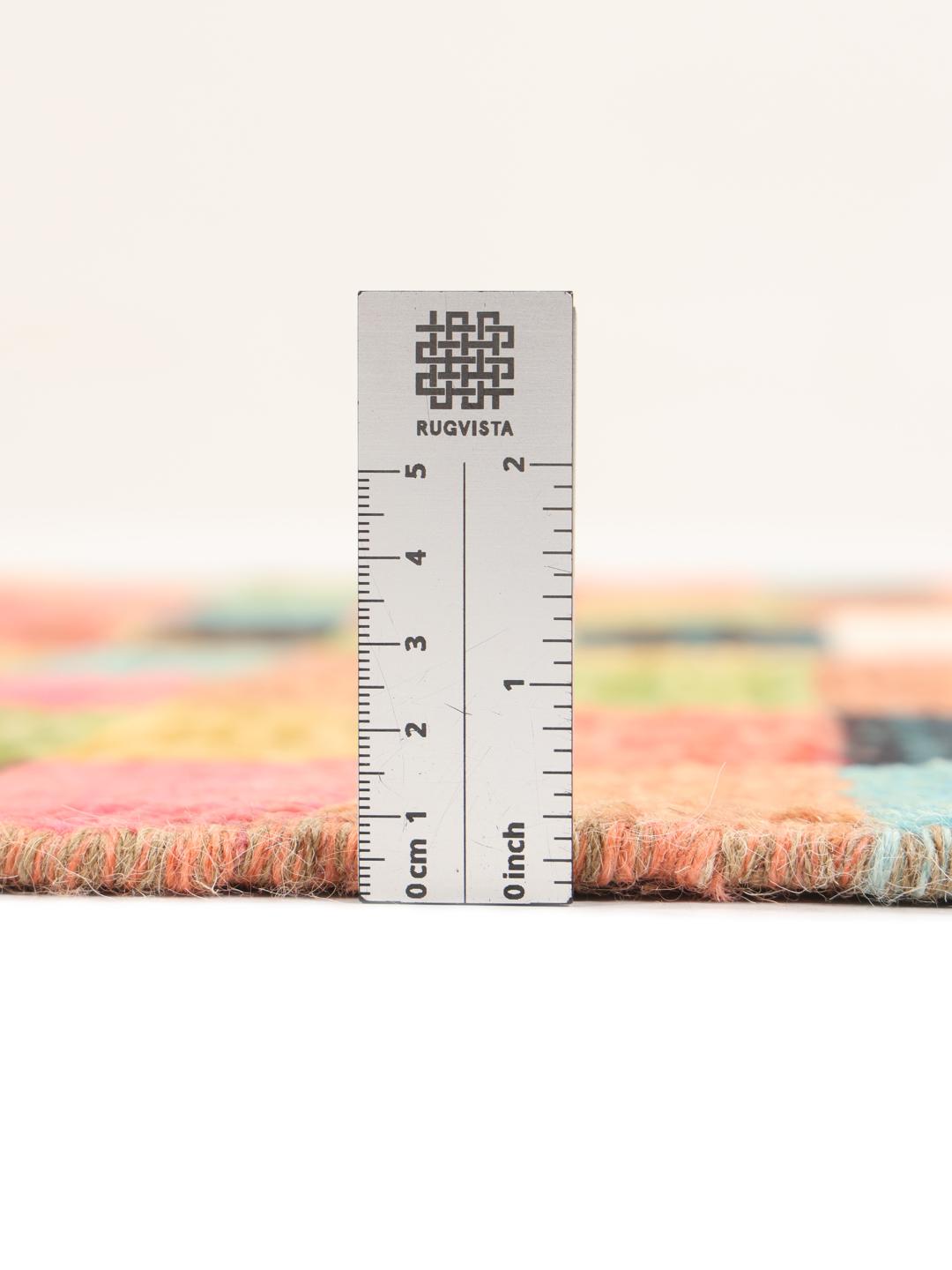
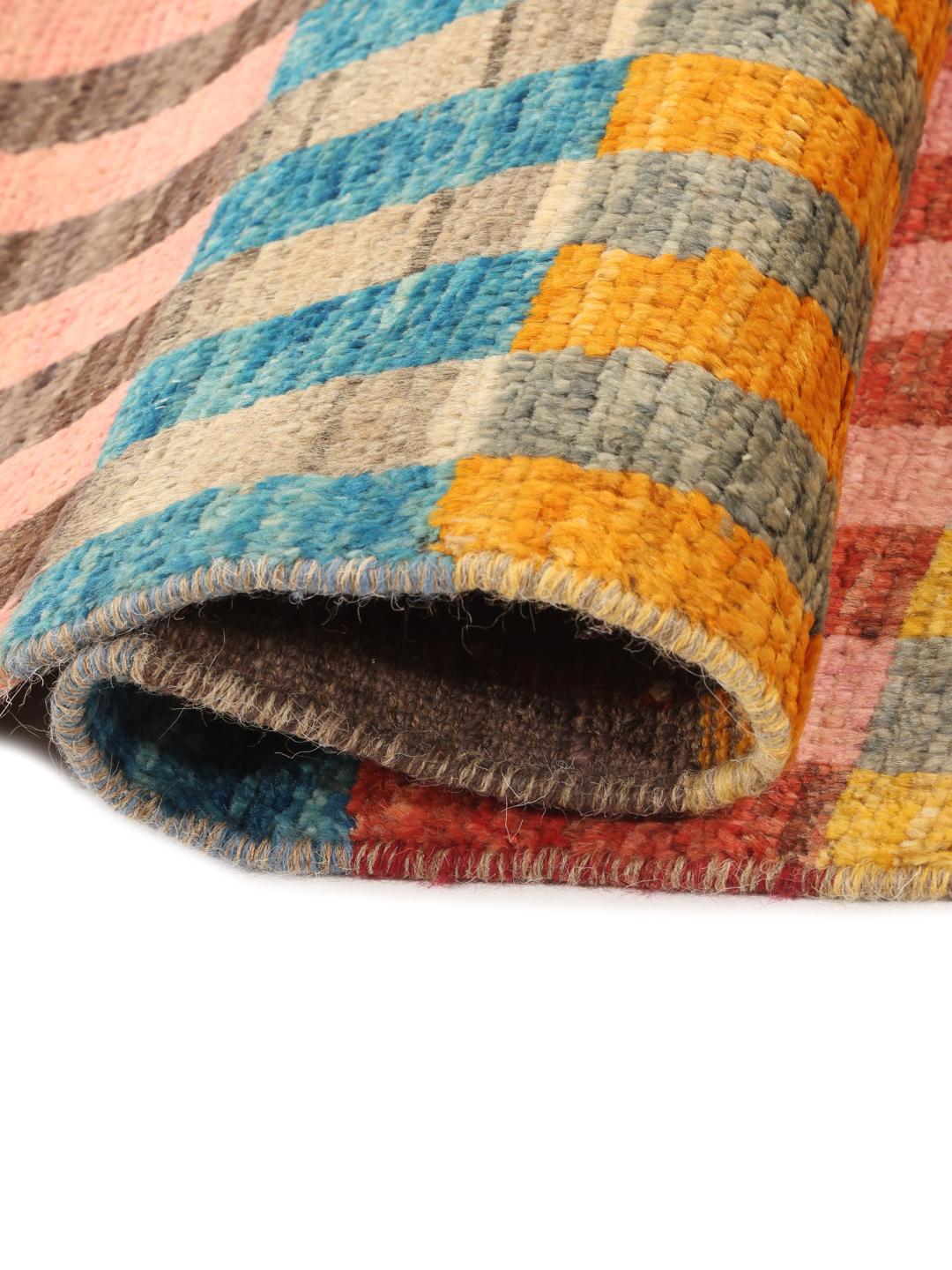
In the context of Afghan weaving, the term Berber refers to a style that emphasises bold, geometric motifs and a high-pile construction. This technique focuses on creating a thick, protective layer that provides insulation against the elements, a feature that remains one of the most valued aspects of this tradition today.
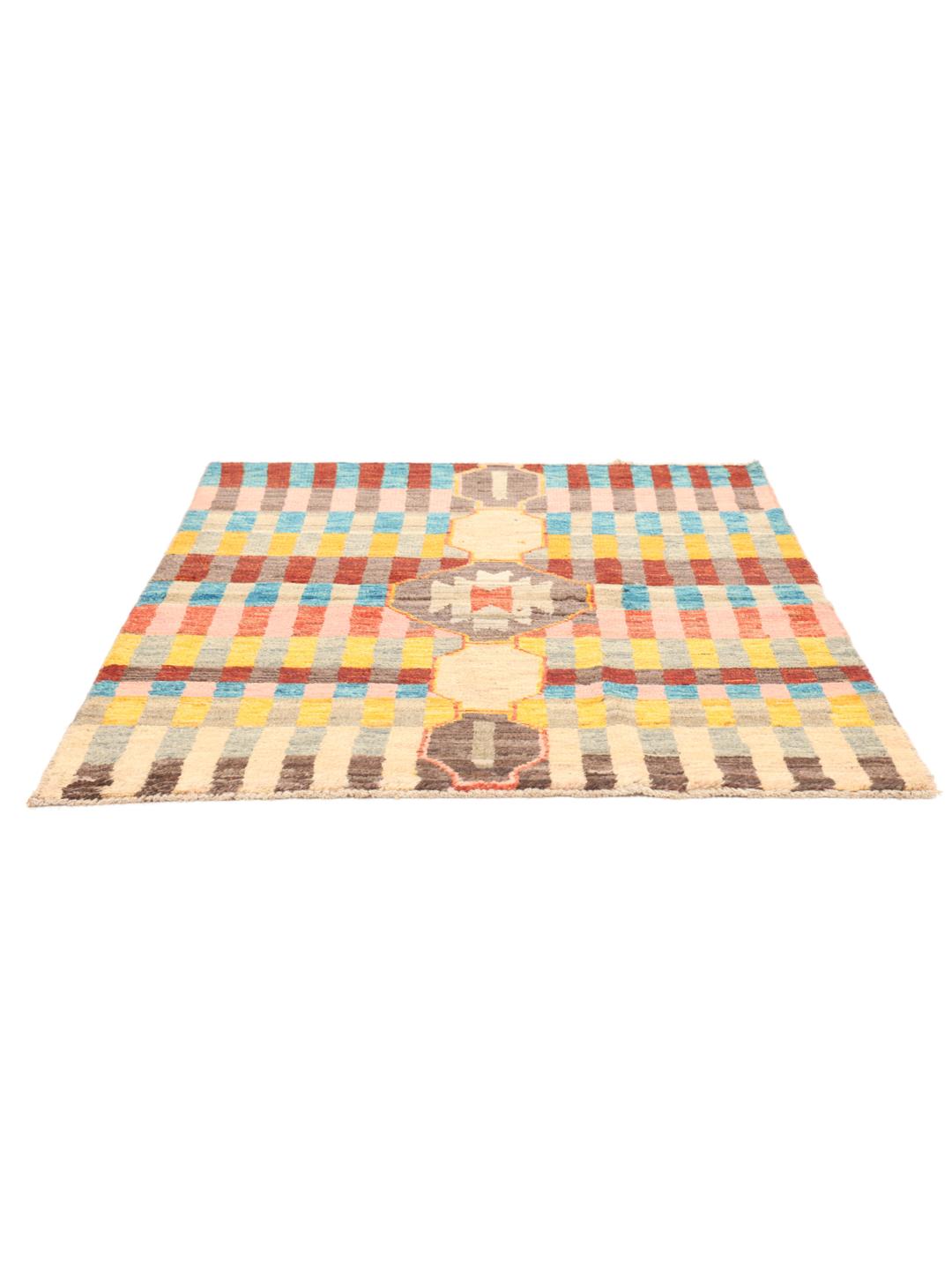
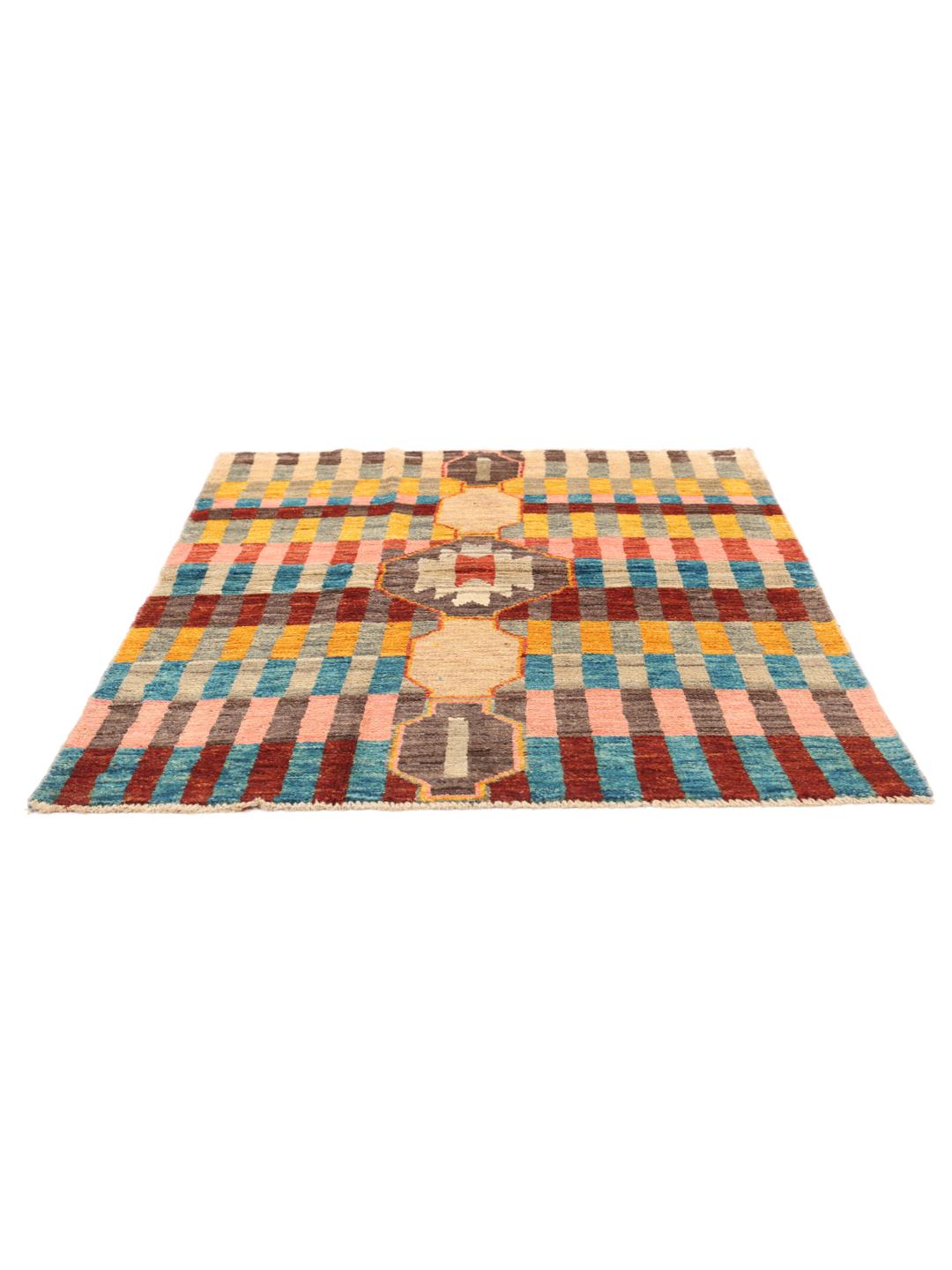
The design language of these rugs is characterised by an intuitive approach to pattern. Rather than following strict, pre-planned charts, weavers often incorporate symbols and motifs that reflect their personal stories or tribal heritage. The use of vibrant, contrasting colours is a hallmark of this tradition, turning simple geometric shapes into dynamic, rhythmic compositions.
Collecting these rugs is an investment in cultural history. Each piece represents a bridge between ancient techniques and contemporary interior needs, offering a connection to the human hands that shaped it. To own one is to preserve a legacy of skill and creativity that has been passed down through generations of families.