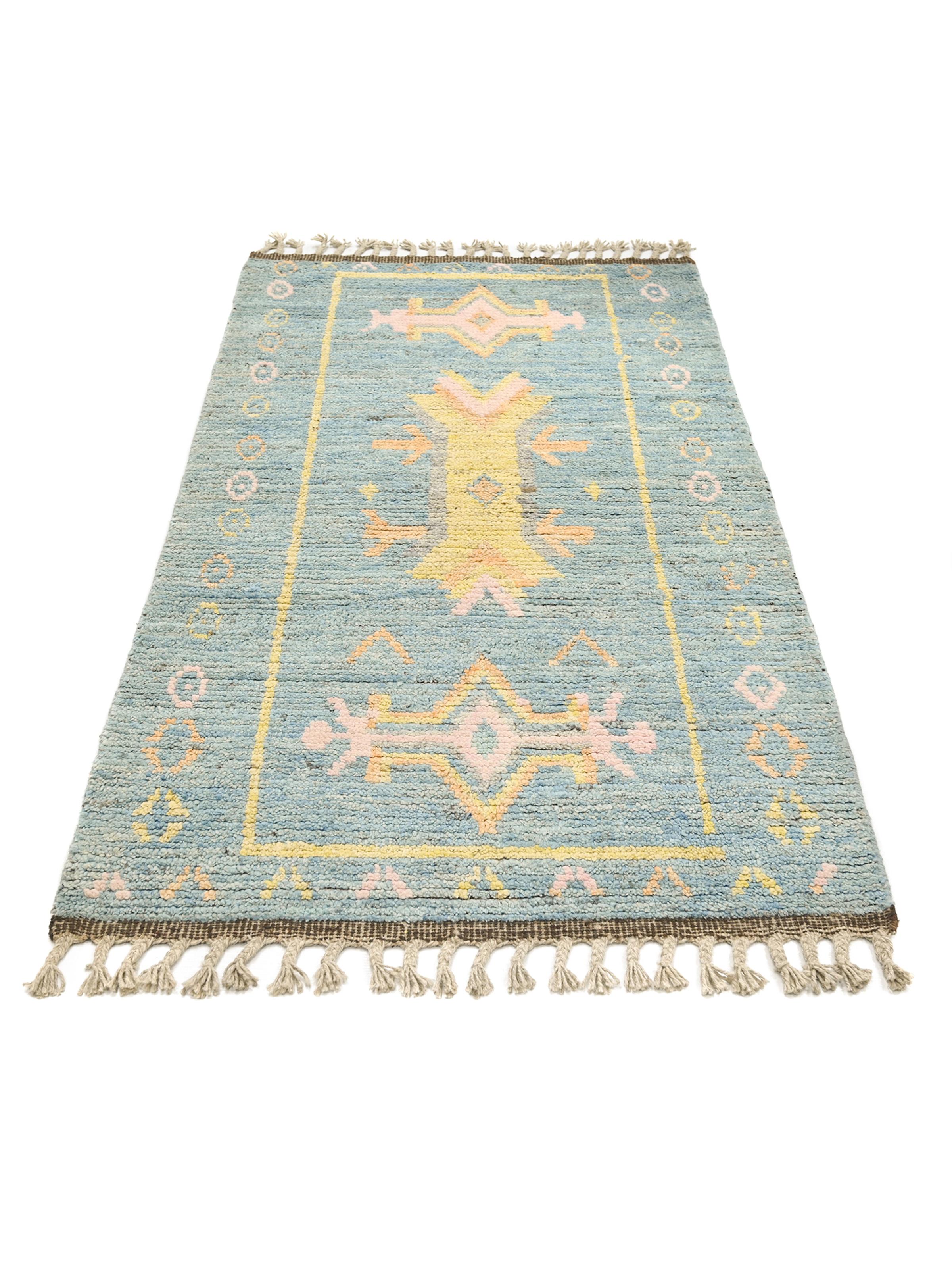
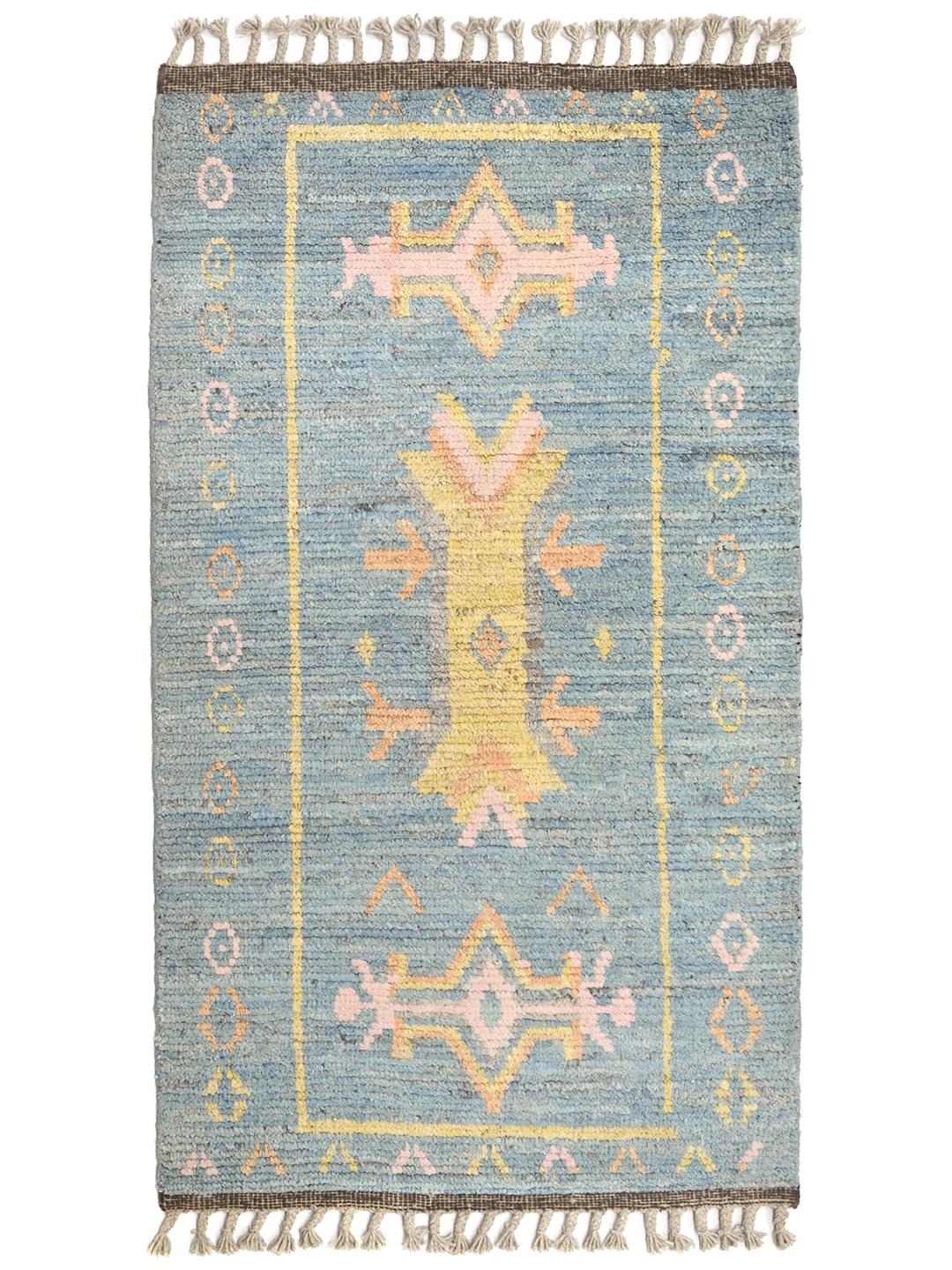
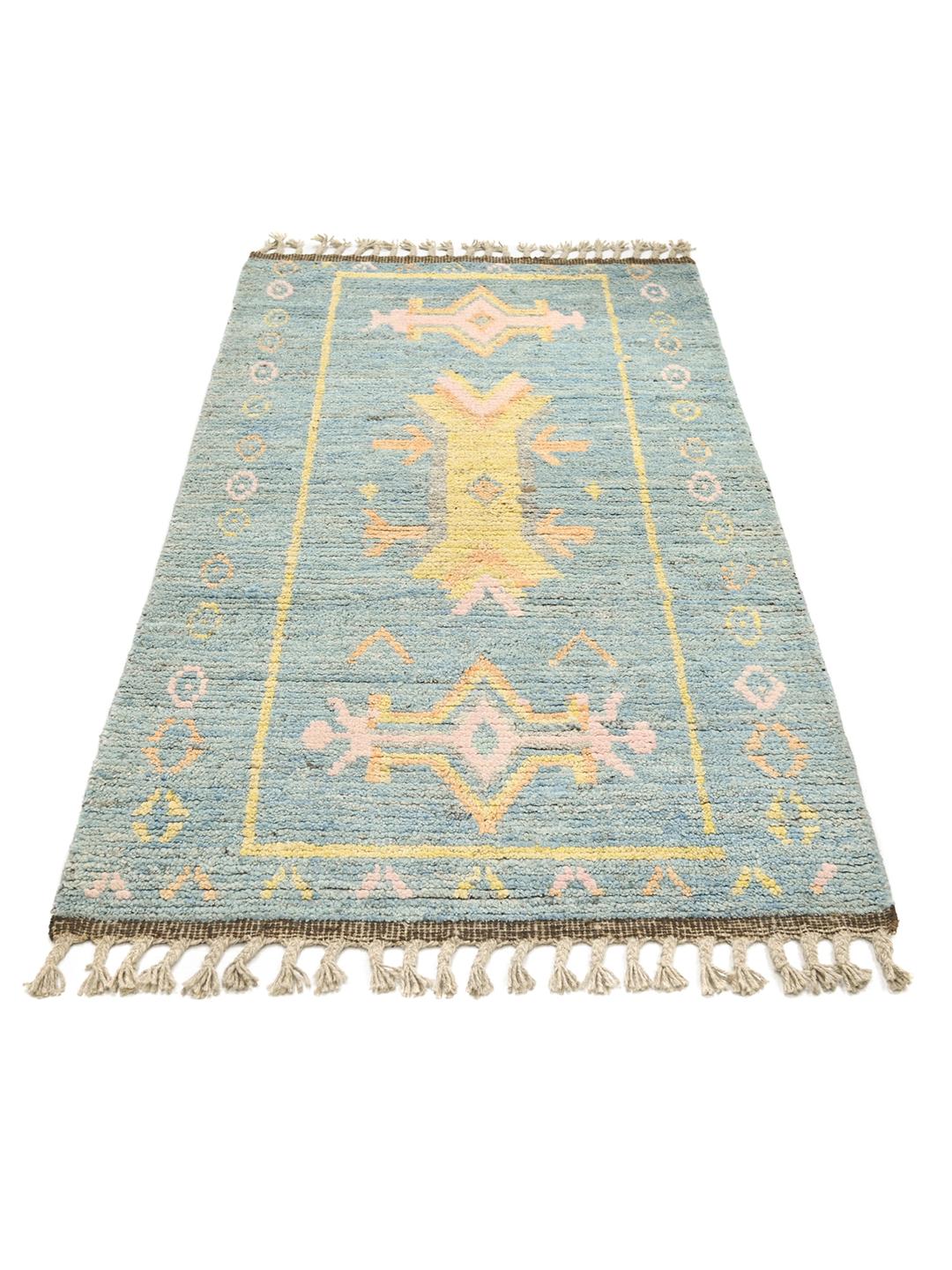
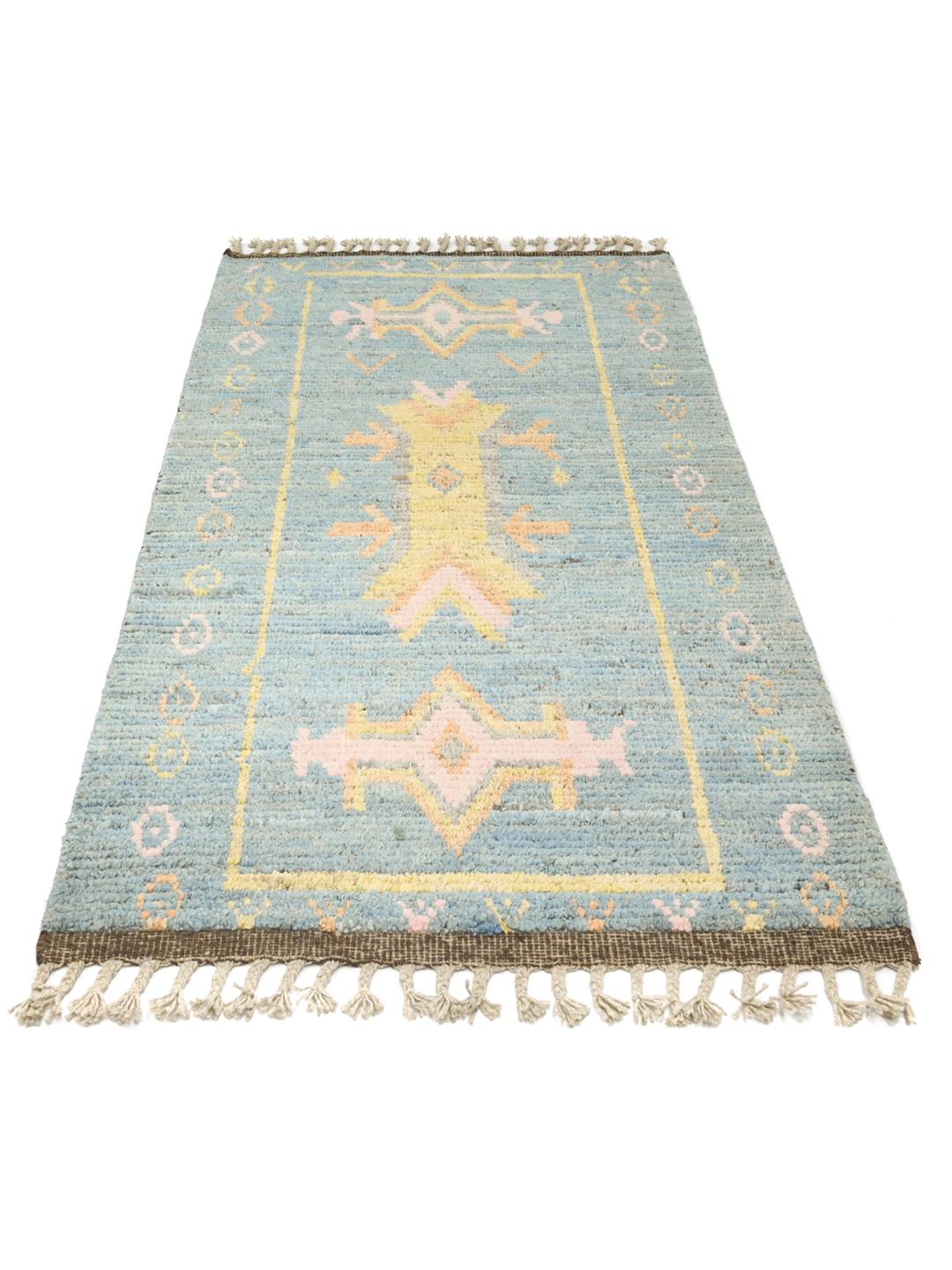
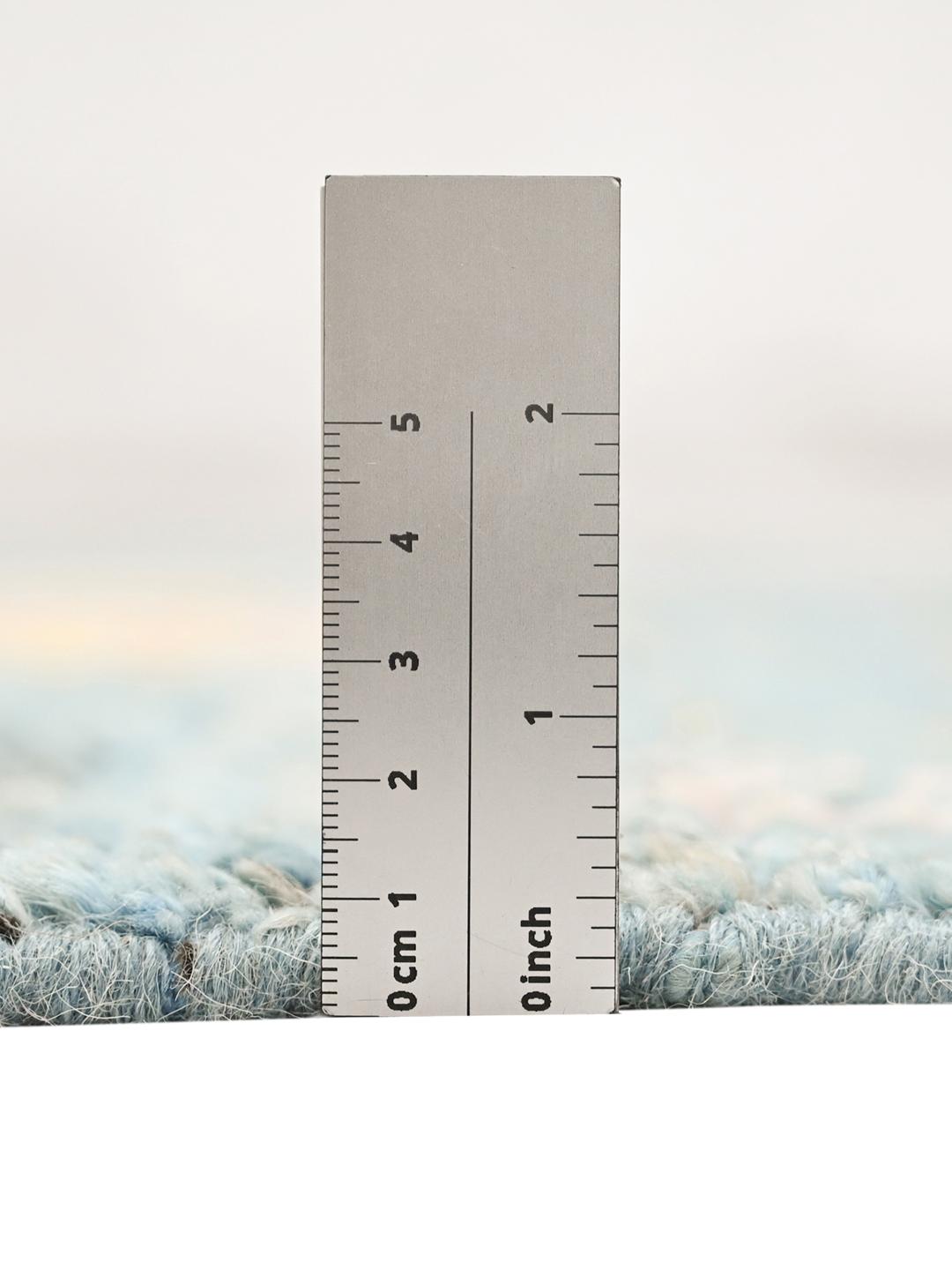
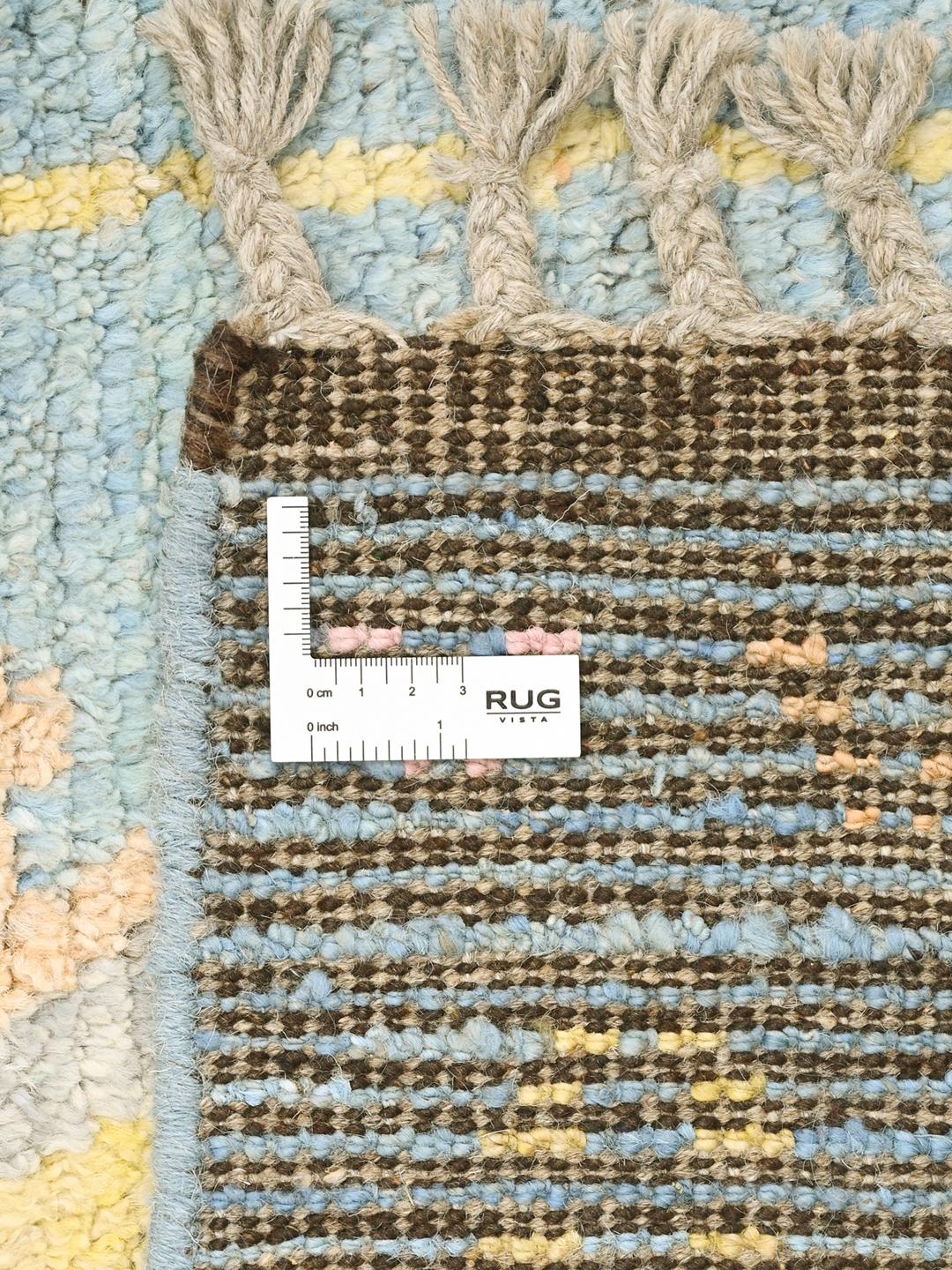
Berber rugs originate from the tribal communities of North Africa, where nomadic weavers traditionally created heavy pile textiles for warmth and practical bedding. Over time, the distinctive visual language of Berber rug weaving spread across rug-making regions worldwide, inspiring weavers in Afghanistan to integrate bold tribal geometry and vibrant colors into their own established knotting traditions.
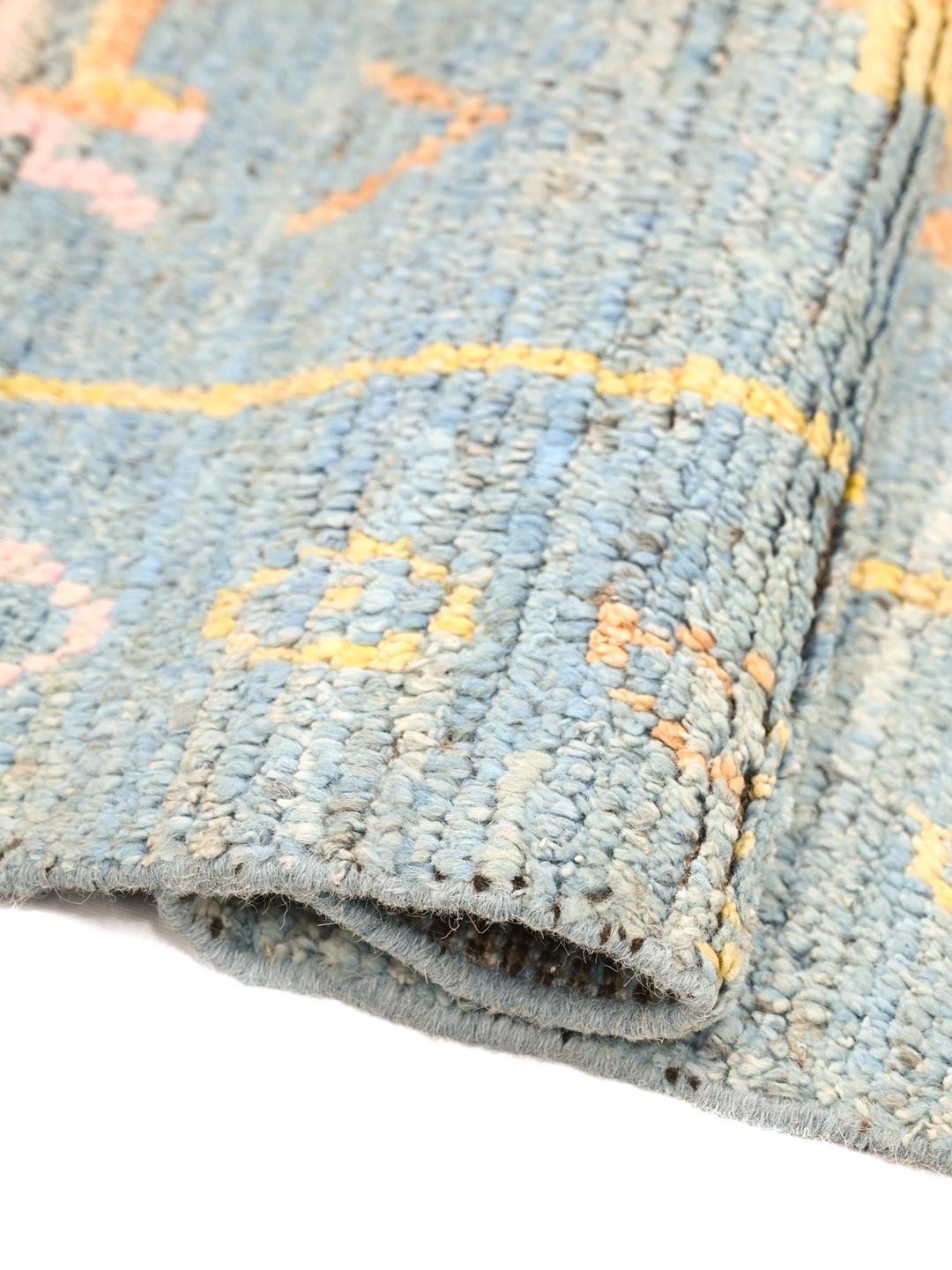
In Afghan weaving workshops, hand-knotting is a cornerstone of cultural heritage. Artisans adapt regional motifs to create rugs that merge age-old knotting discipline with creative graphic expression. The combination of dense wool pile and geometric patterns results in textiles that are both functional household items and expressive works of craft.
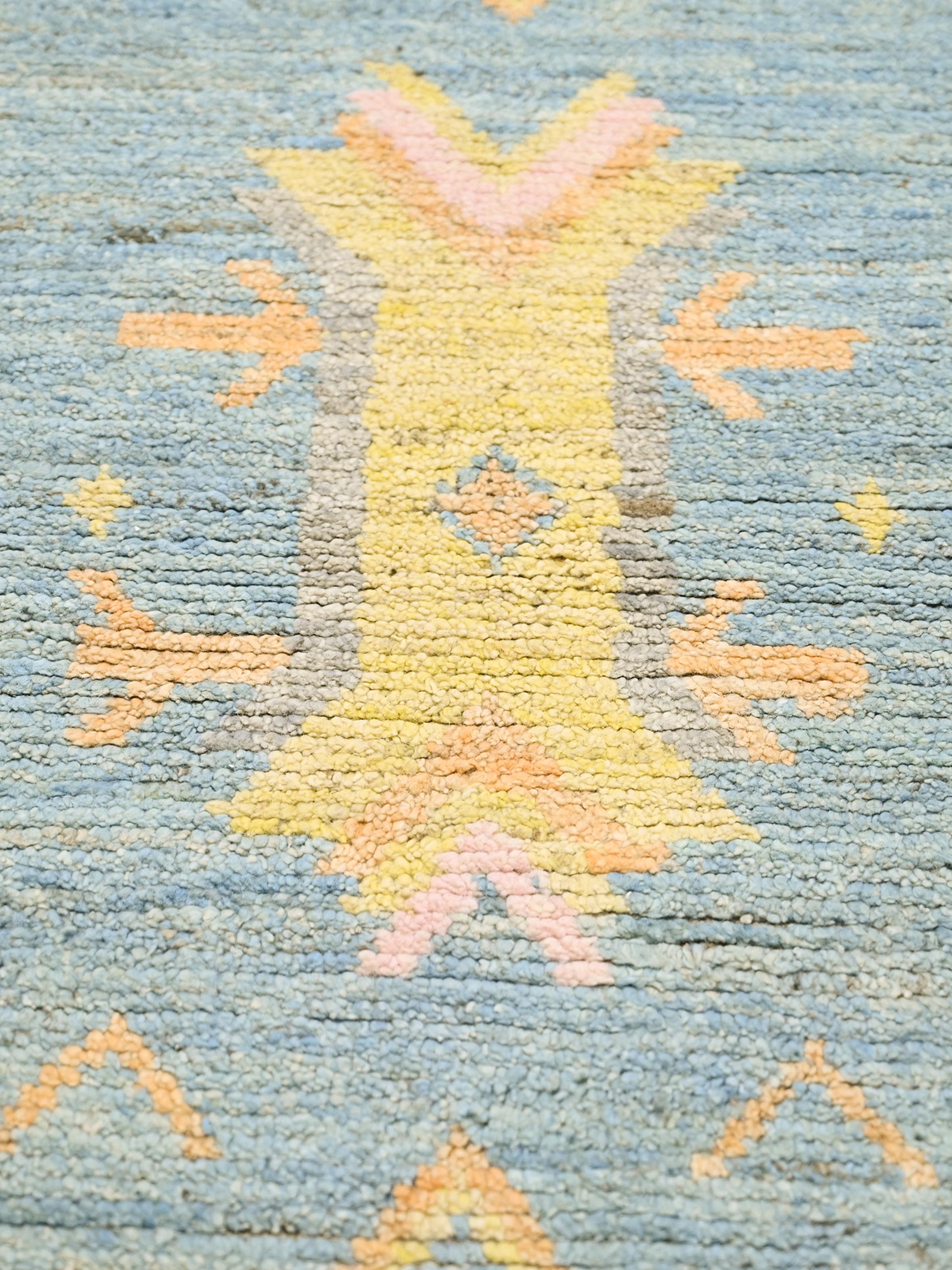
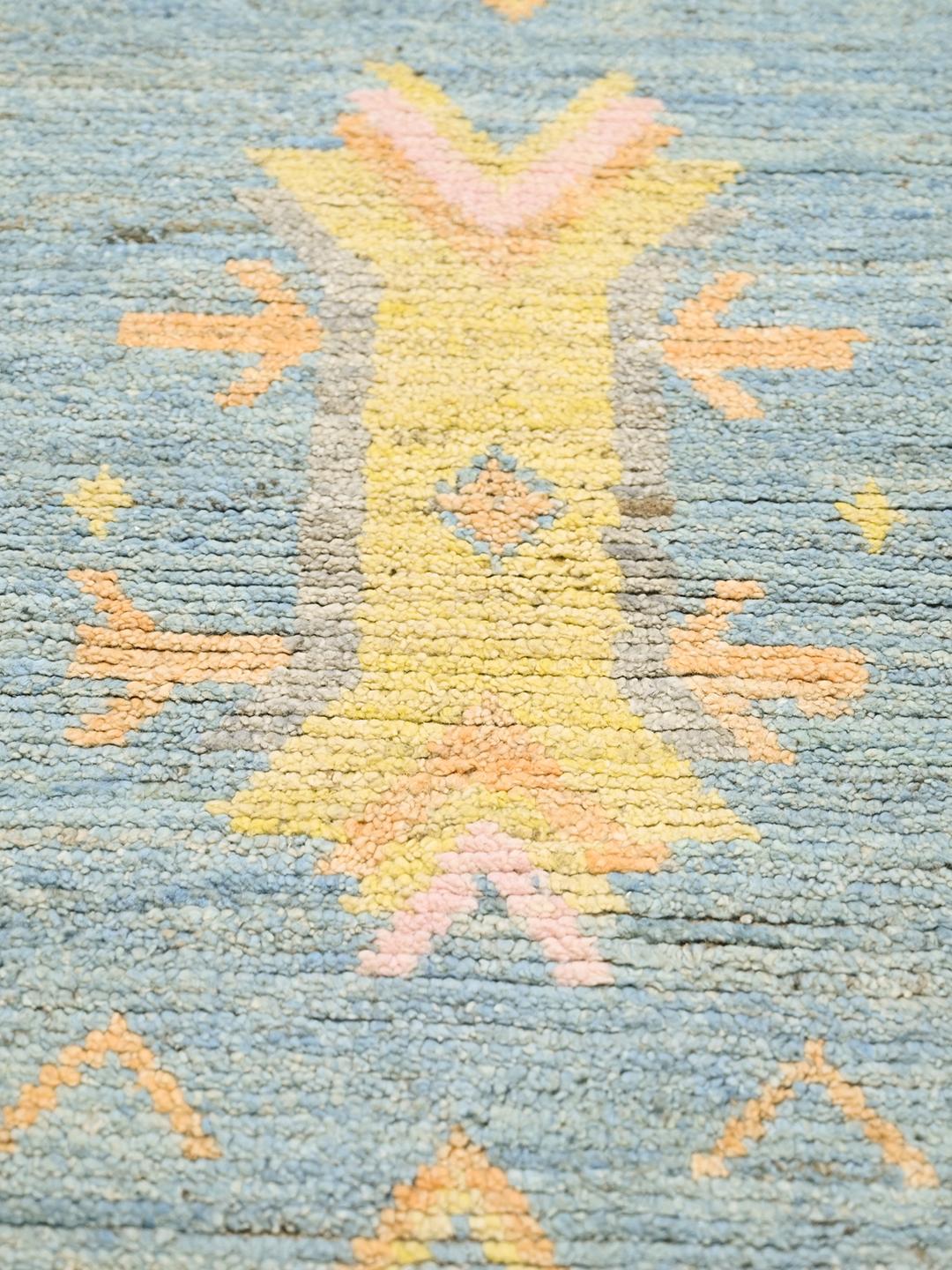
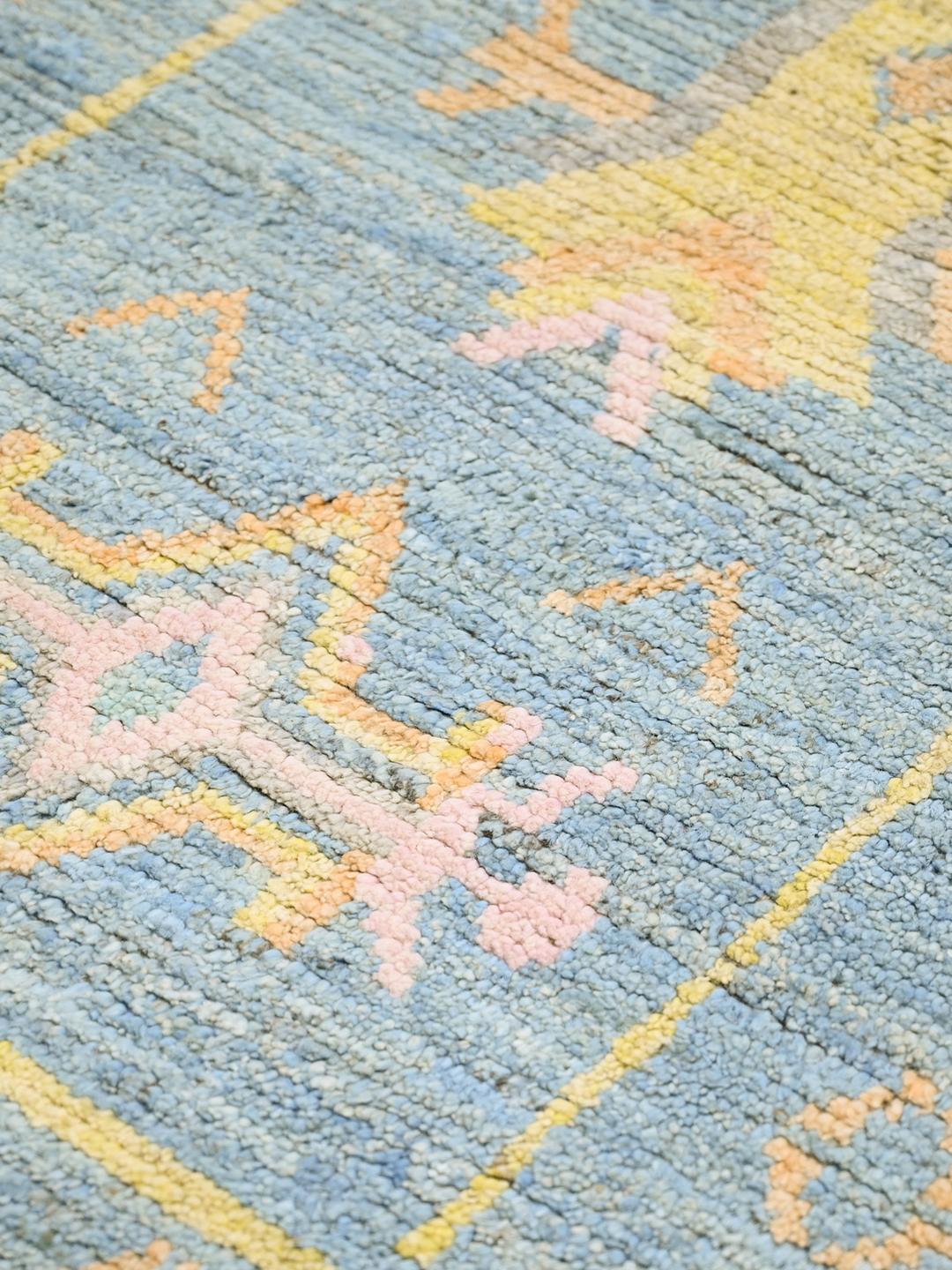
The visual identity of Berber-inspired rugs relies on symbolic geometry. Triangles, diamonds, and linear arrangements represent protection, nature, and community life. Rather than following rigid factory patterns, weavers interpret these tribal motifs freely, resulting in small variations across the field that highlight the human origin of the work.
Hand-knotted rugs from Afghanistan are prized worldwide for their durability, rich natural materials, and cultural storytelling. Owning a unique piece from this tradition means acquiring an authentic artifact of textile history that brings real personality and heritage into the contemporary home.