Berber rugs originate from the tribal traditions of North Africa, but the style has evolved significantly as it travelled along historical trade routes. Today, Afghanistan has become a hub for these expressive, hand-knotted pieces, where weavers adapt the classic aesthetic to incorporate their own regional influences and vibrant colour palettes.
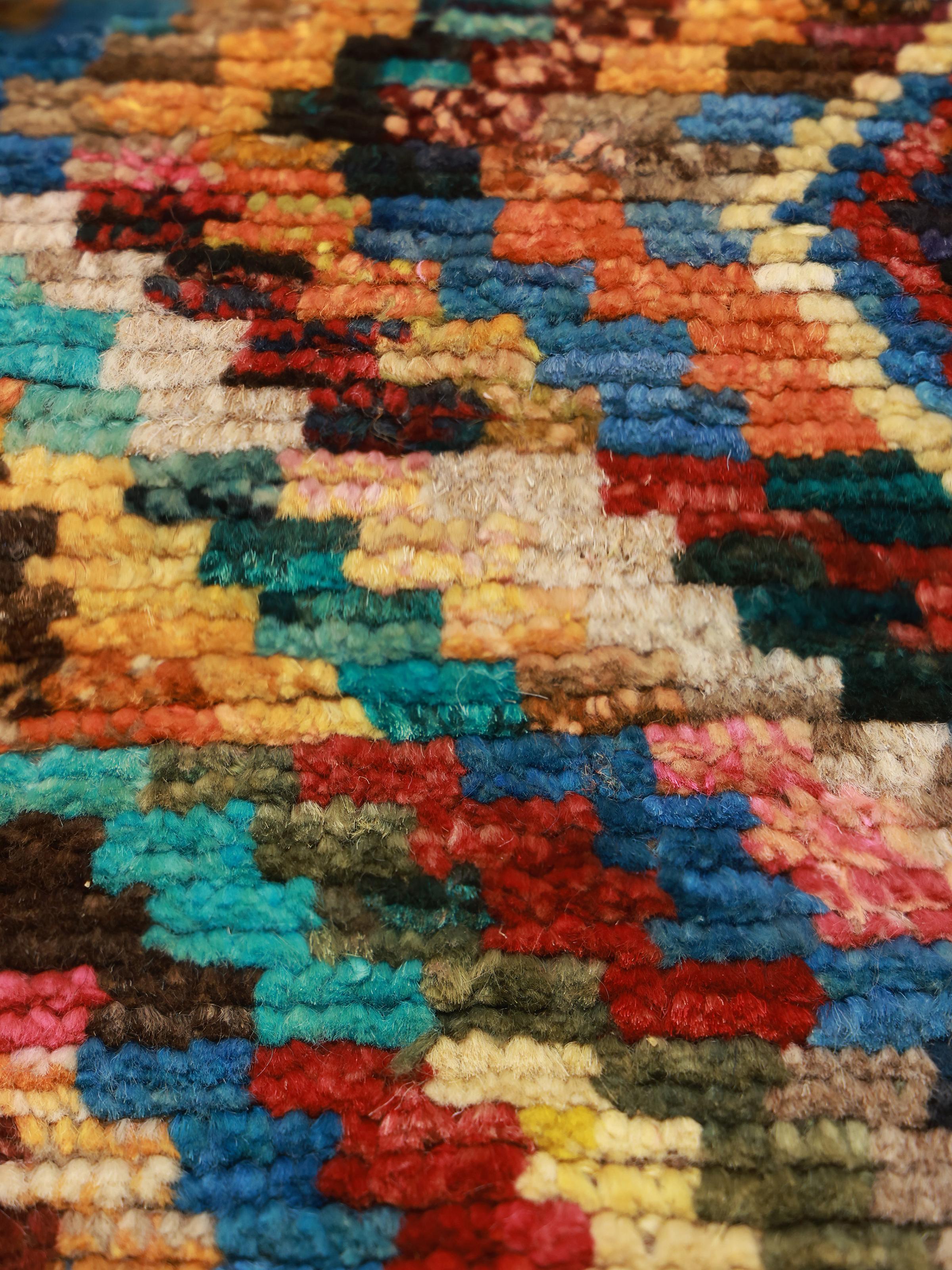
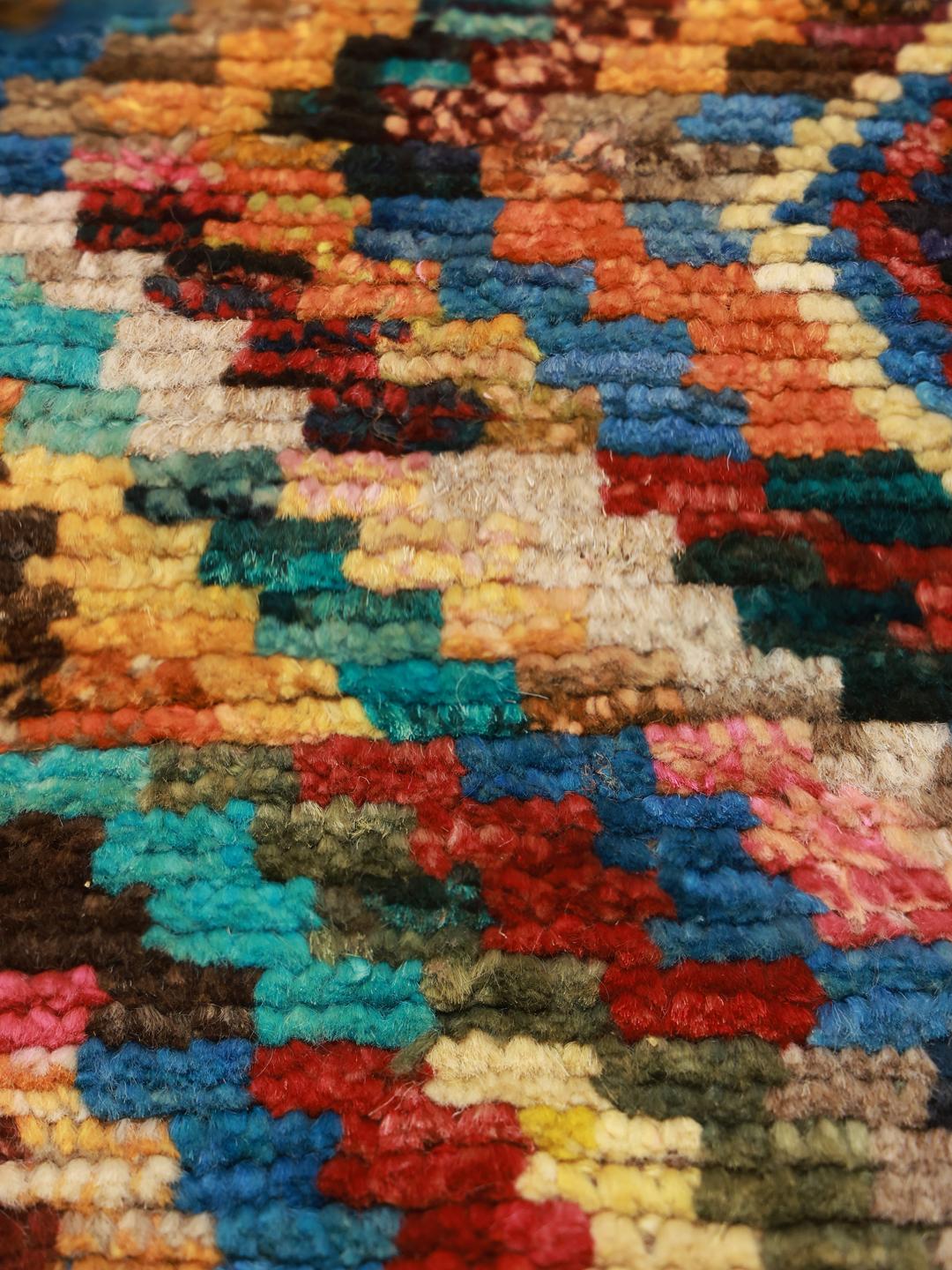
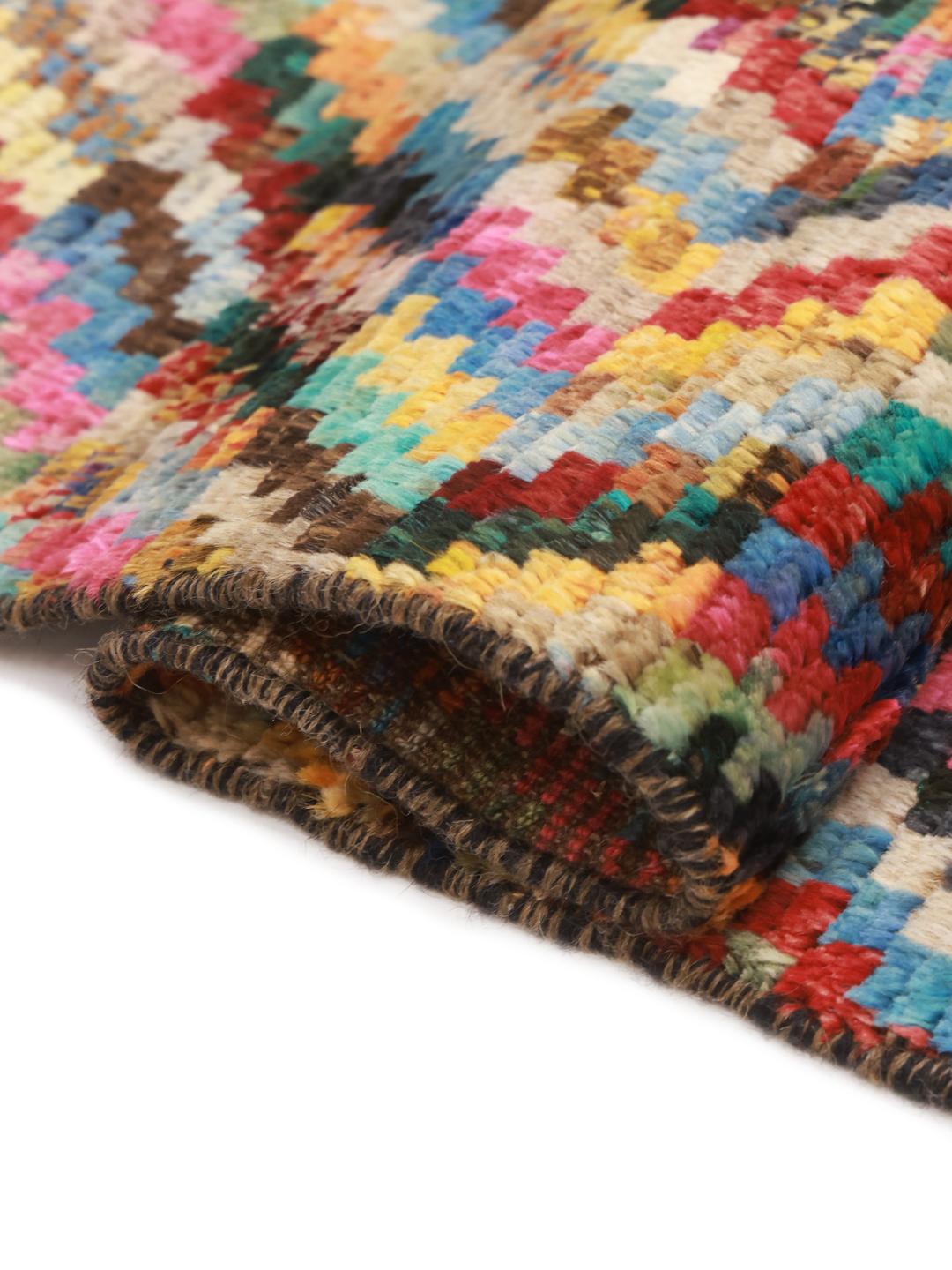
The term 'Berber' originally referred to the indigenous peoples of North Africa, known for their nomadic lifestyle and skill in weaving Wool. In the context of modern rug-making, this tradition is defined by a focus on functional, durable Wool construction that prioritises comfort and warmth in often harsh climates.
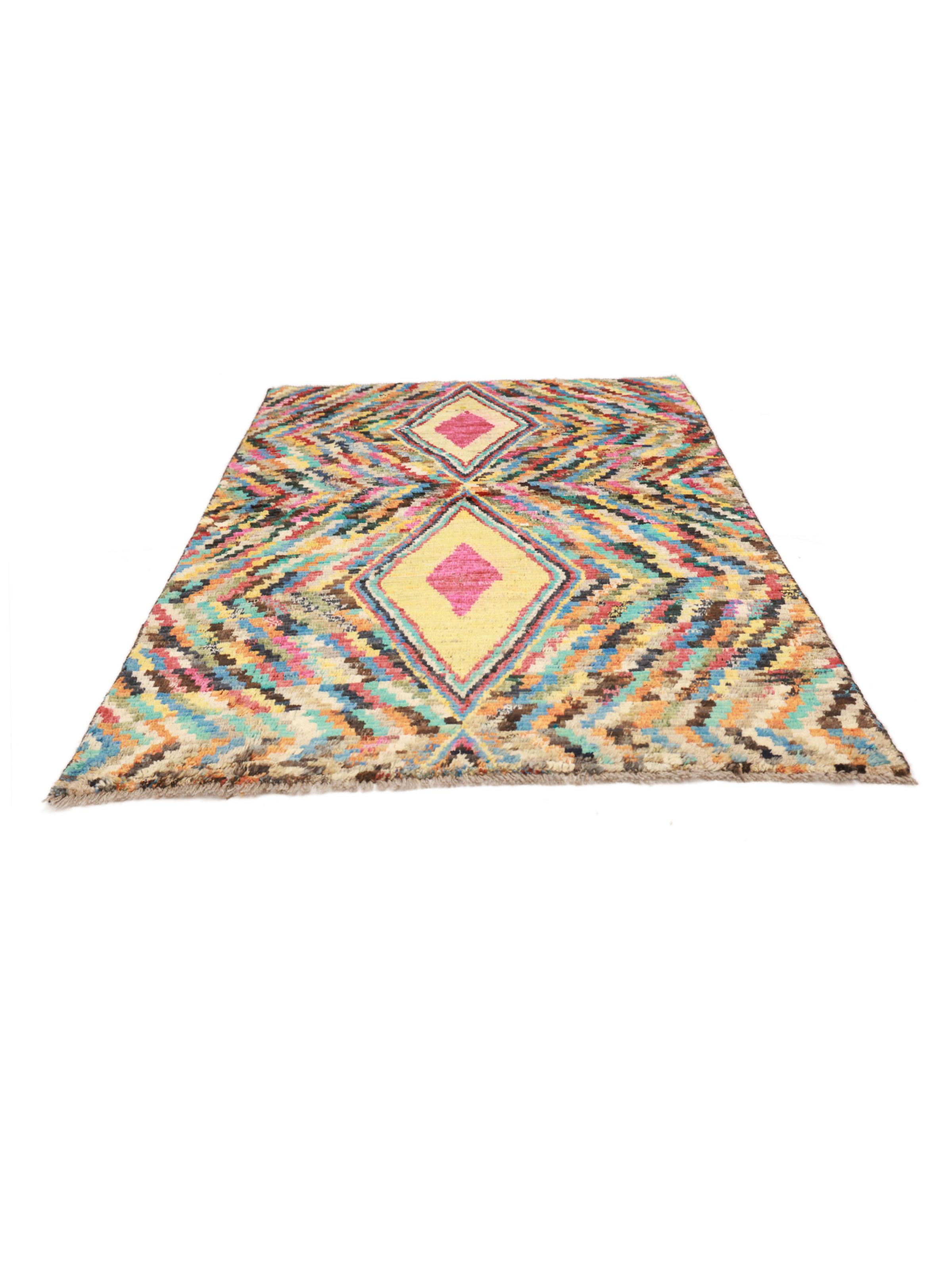
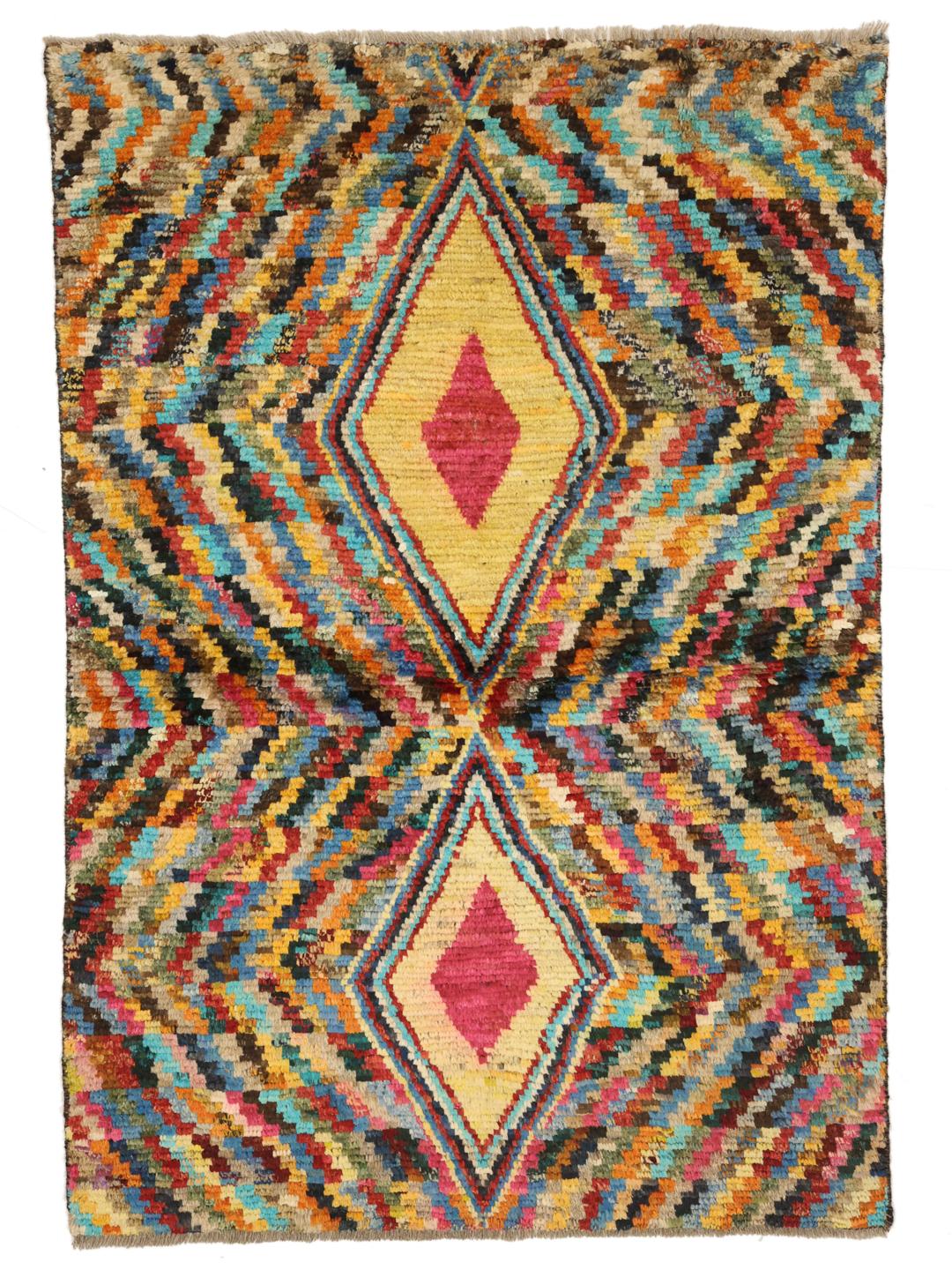
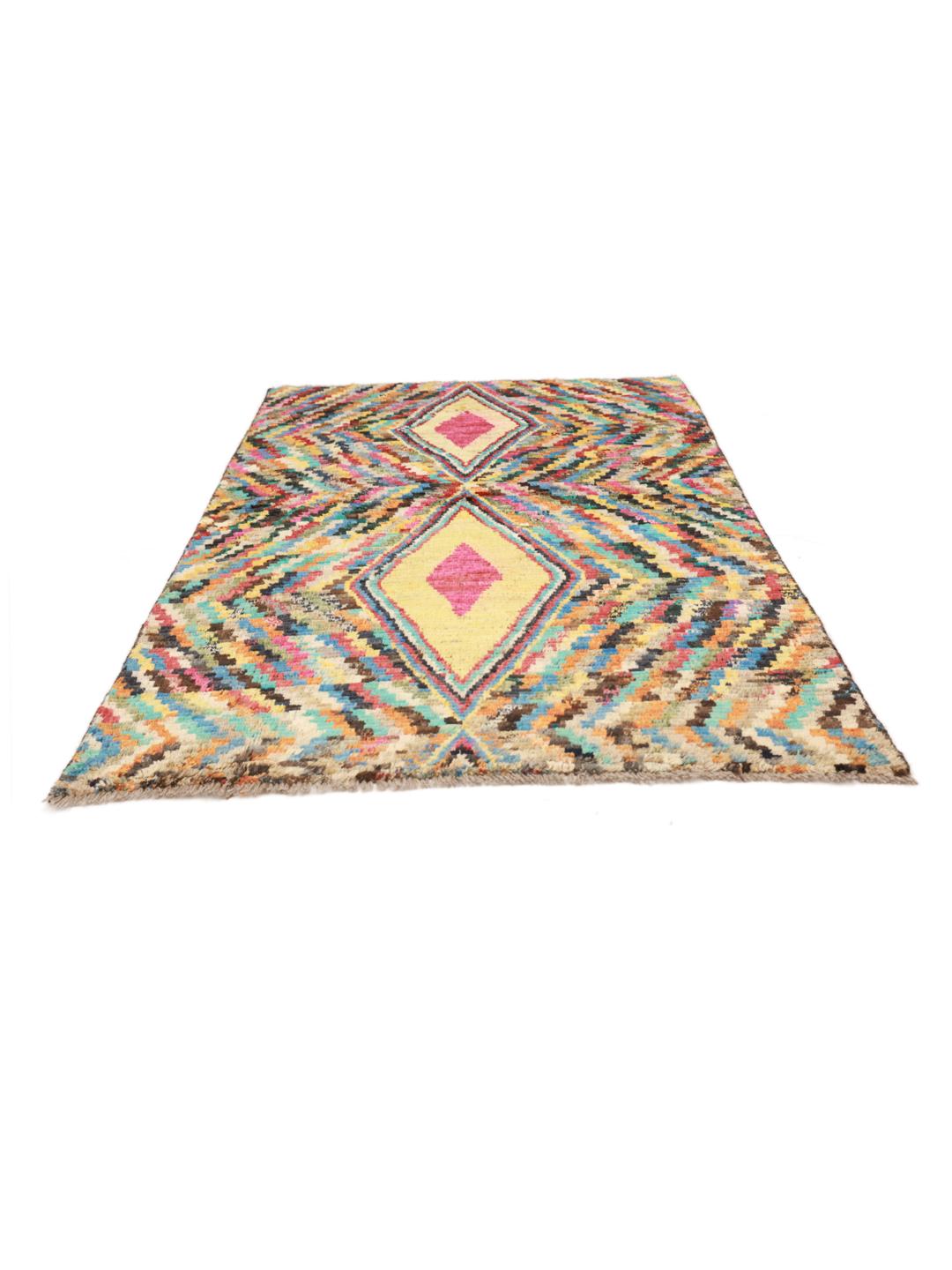
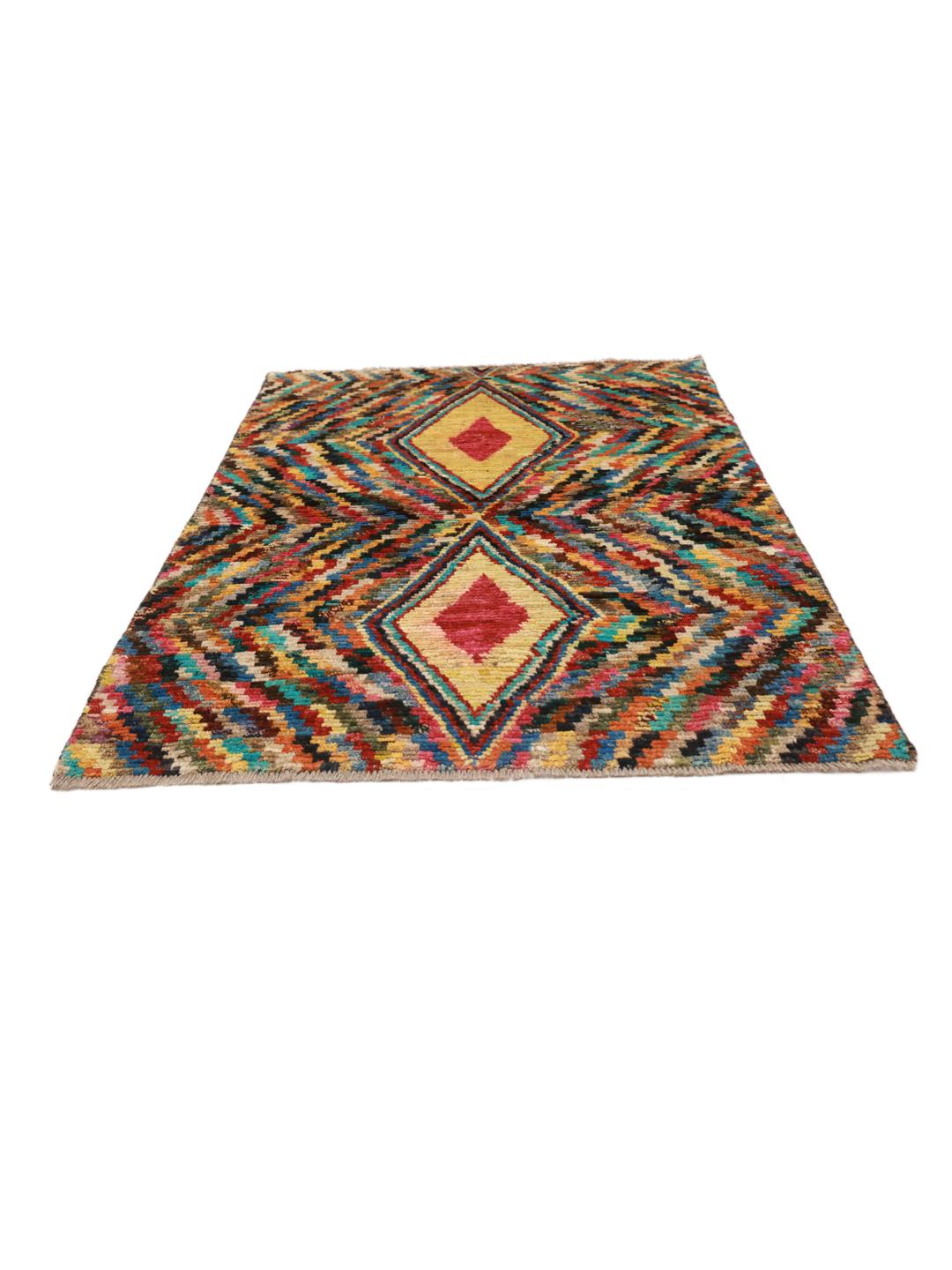
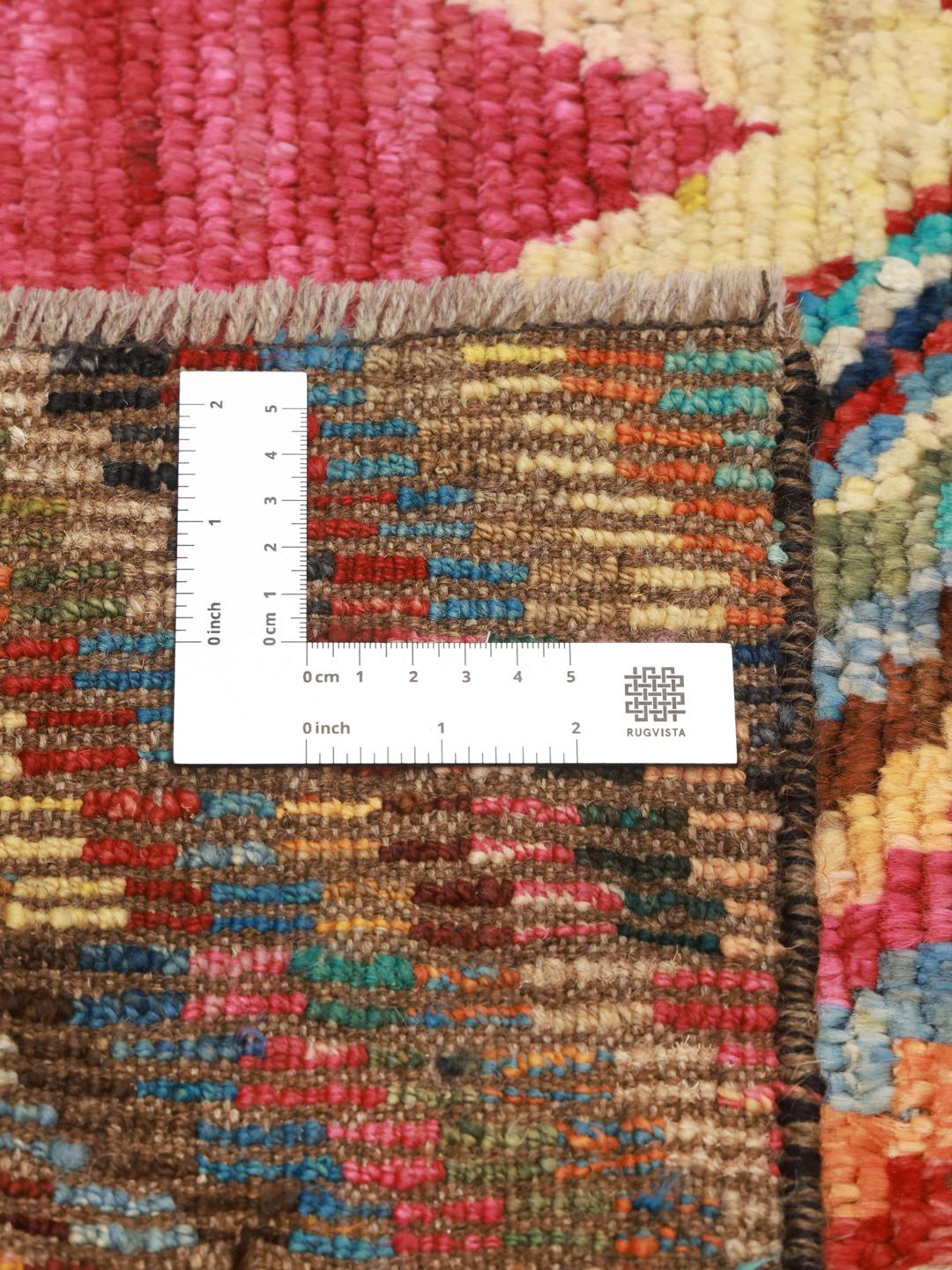
Visually, these rugs are celebrated for their geometric symbolism. The diamond motif seen here is a classic feature in many tribal weaving traditions, often representing protection or fertility. The bold, multi-coloured palette is a hallmark of the expressive, artistic freedom that weavers bring to their work, moving away from rigid, formal designs toward something more spontaneous and soulful.
Collecting a rug from this tradition is an investment in human skill and cultural continuity. These pieces are valued not only for their durability but for the way they preserve ancient weaving techniques in a contemporary context. Owning one allows you to bring a piece of this global heritage into your home, connecting your living space to a long history of craft and creativity.