Berber-style rugs from Afghanistan represent a fascinating evolution of nomadic weaving traditions. While the term Berber is most often associated with North Africa, Afghan weavers have mastered these techniques, blending their own local aesthetic sensibilities with the thick, plush pile construction that defines the genre.
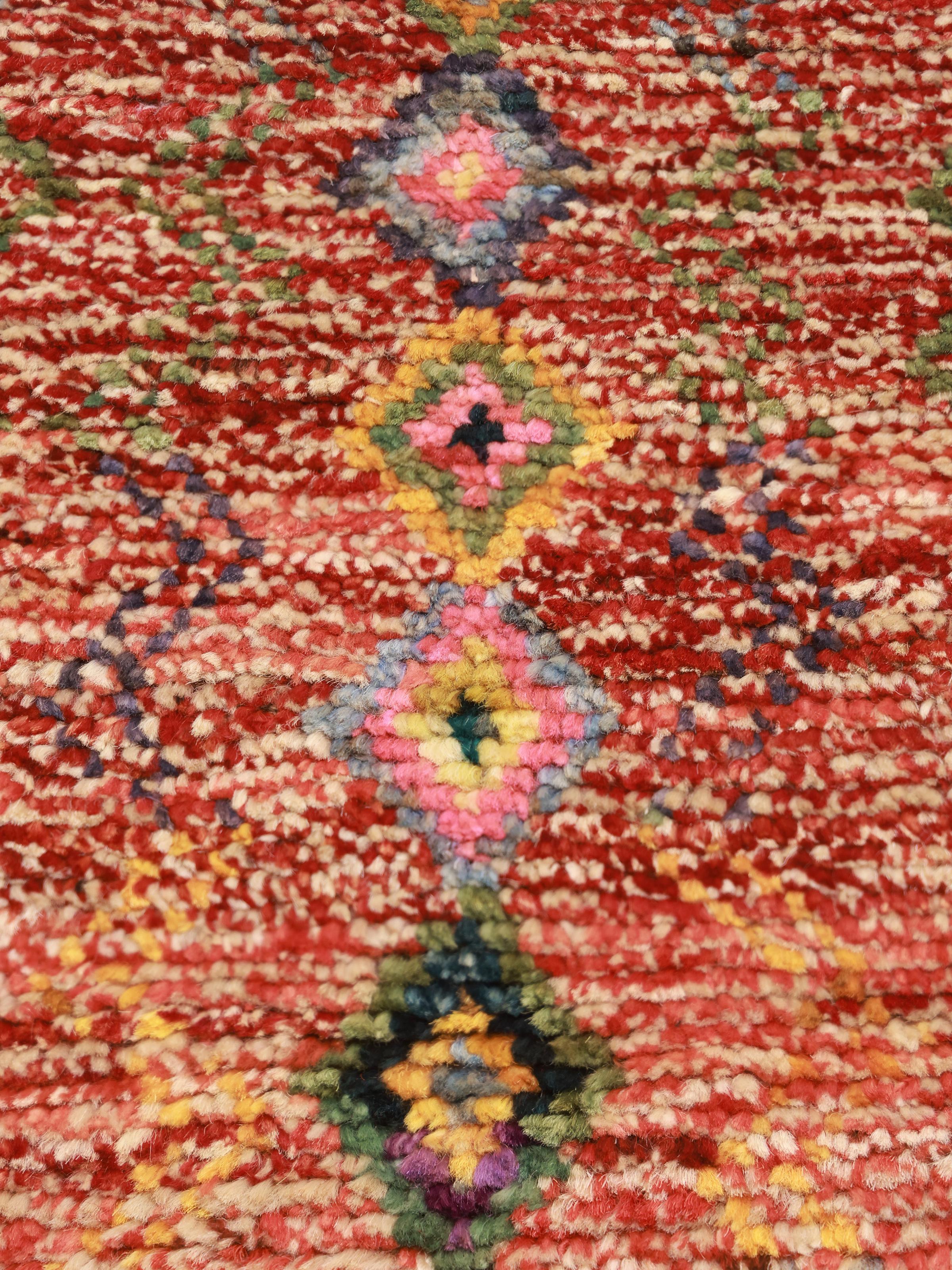
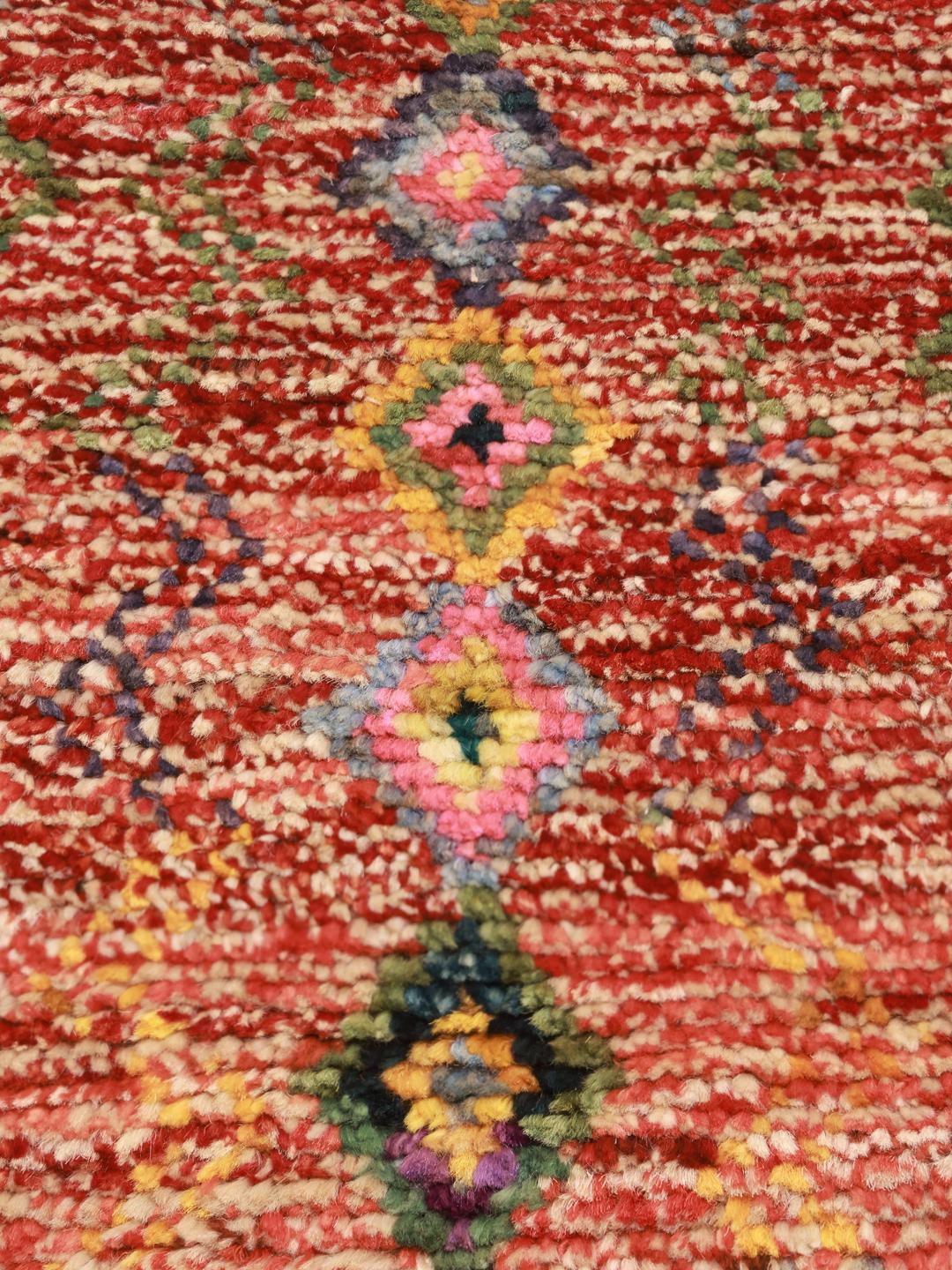
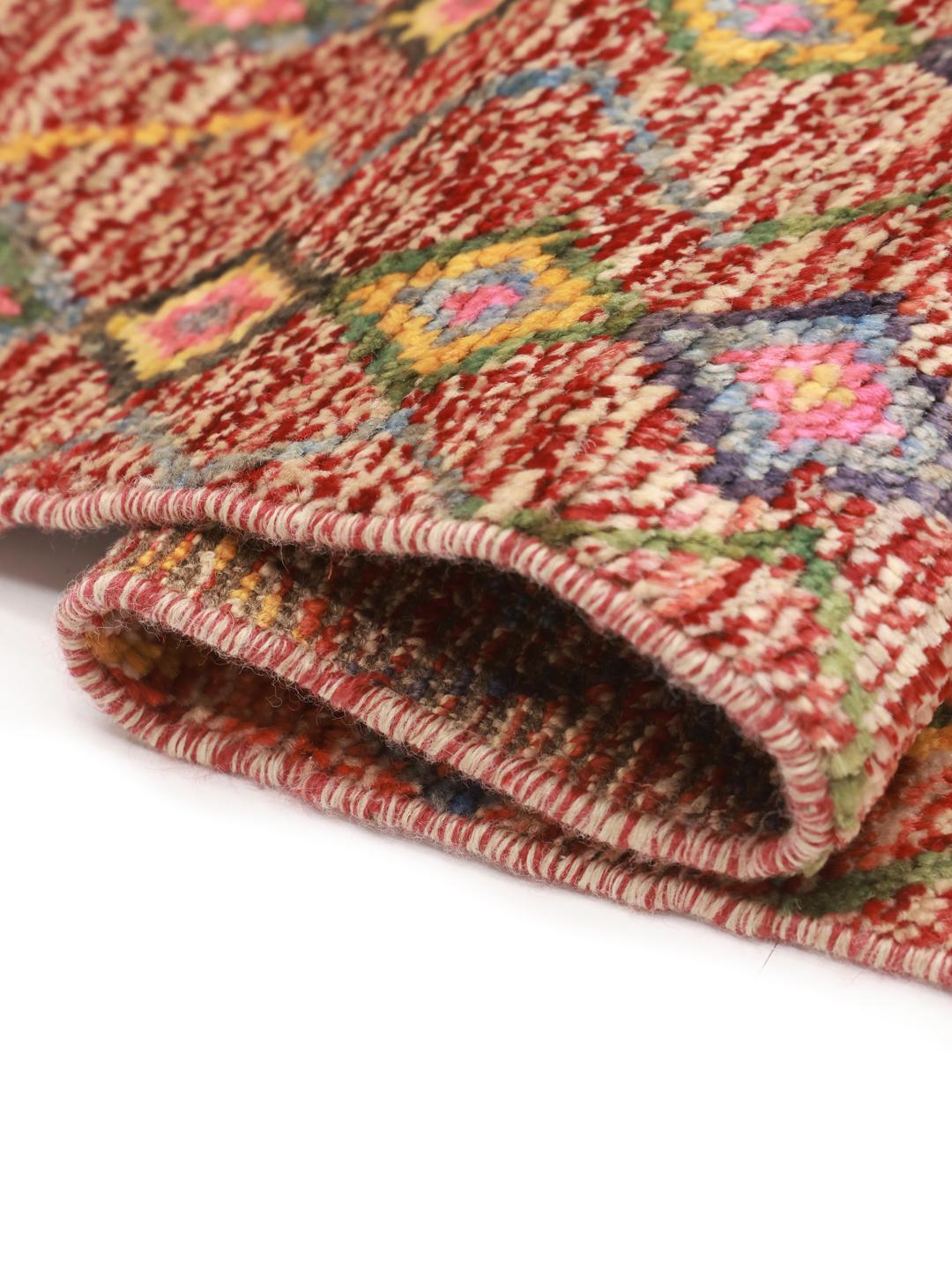
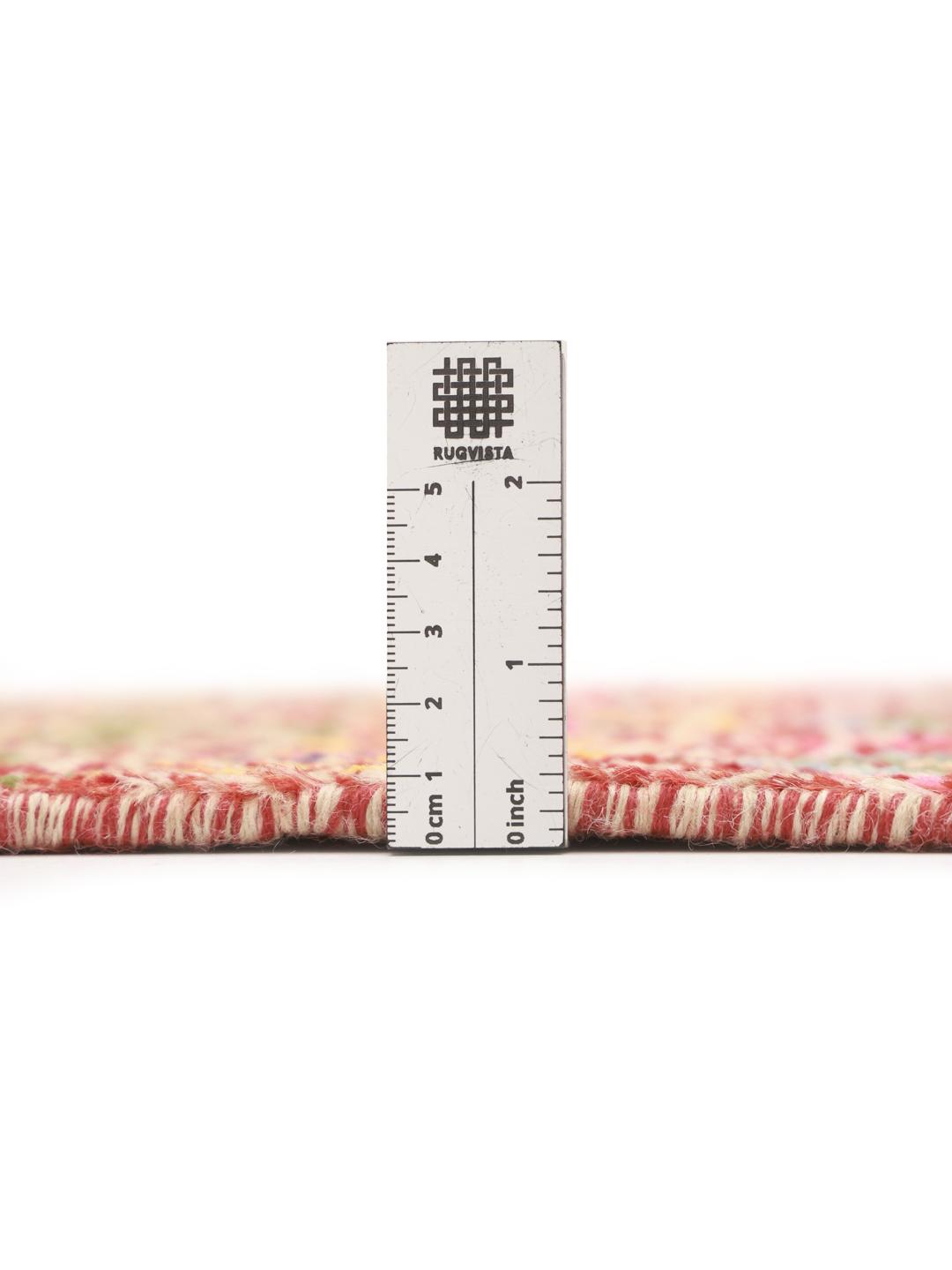
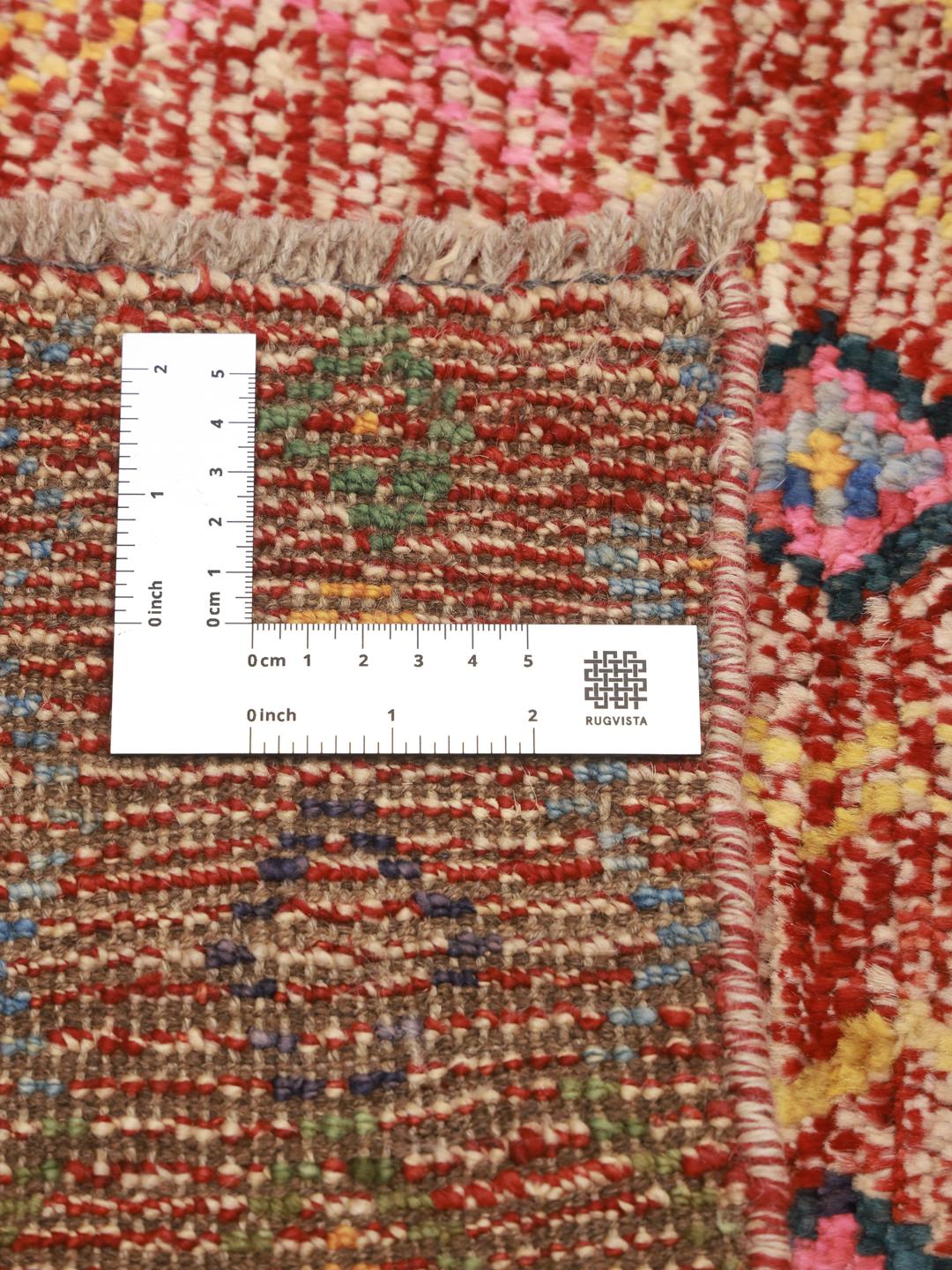
The craft relies on the use of high-quality wool, often sourced locally, which is prized for its resilience and natural lustre. The term hand-knotted refers to the technique of tying individual strands of wool onto a foundation, creating a rug that is both sturdy and flexible, designed to withstand the rigours of daily life while softening with age.
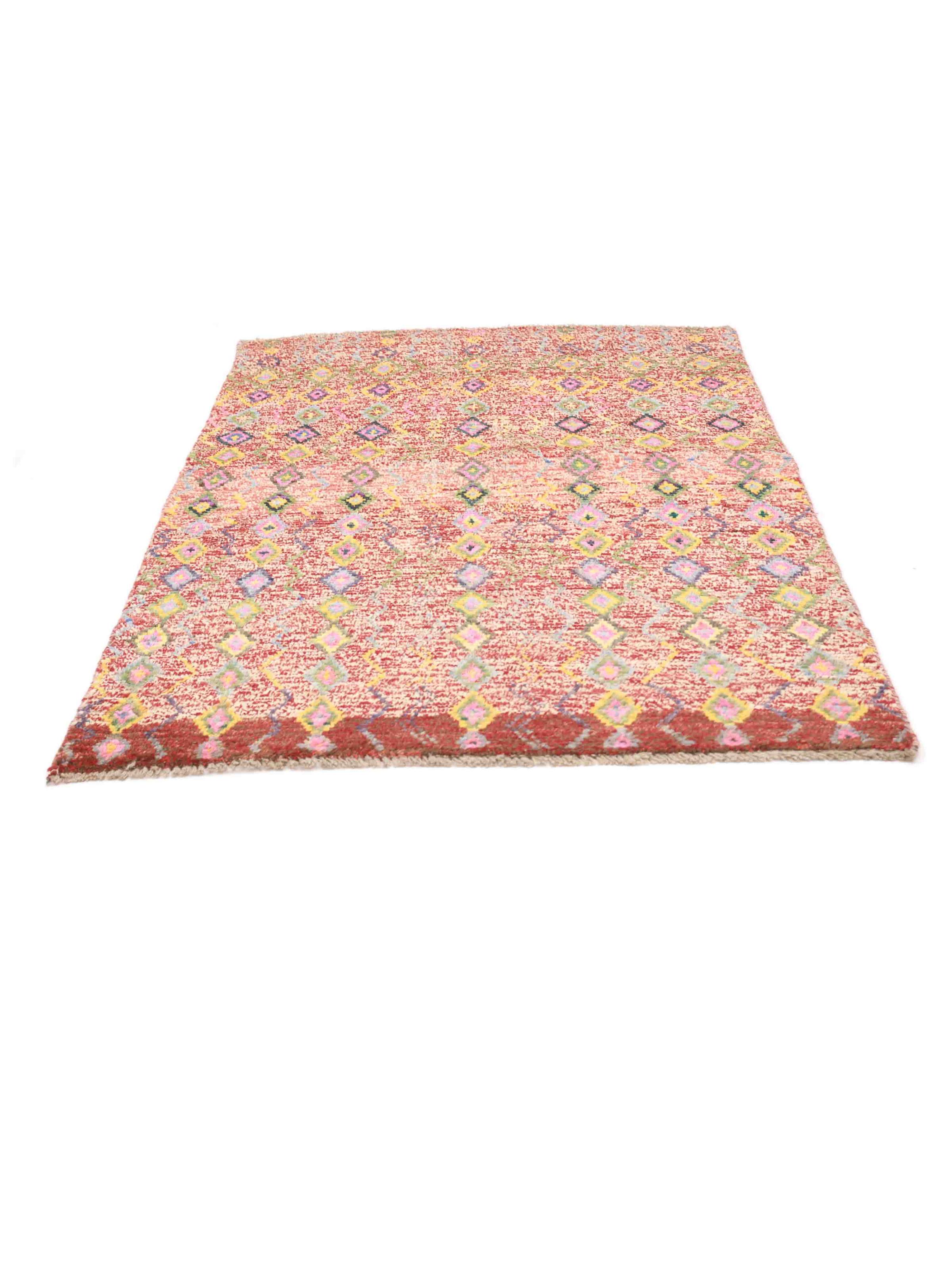
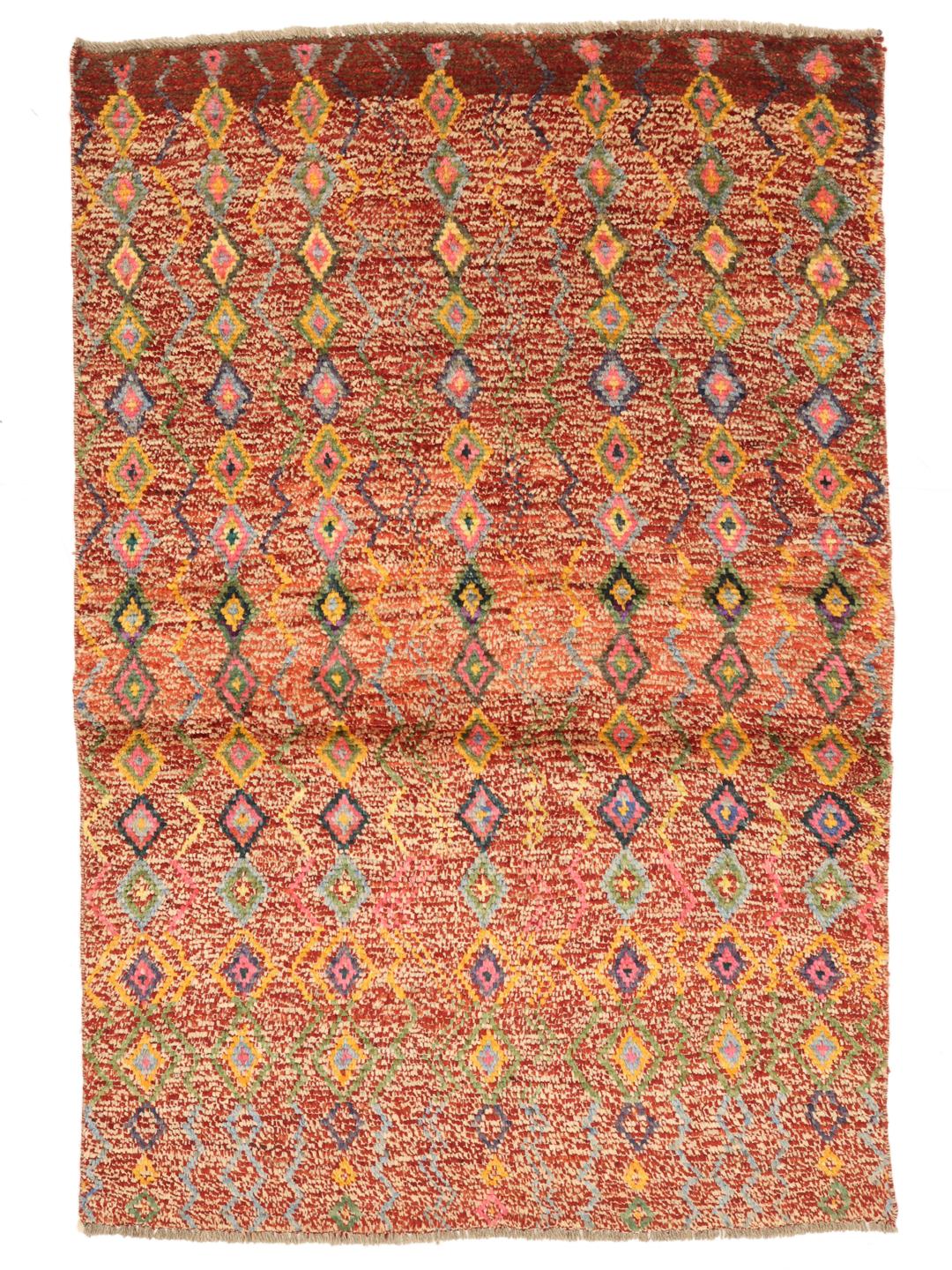
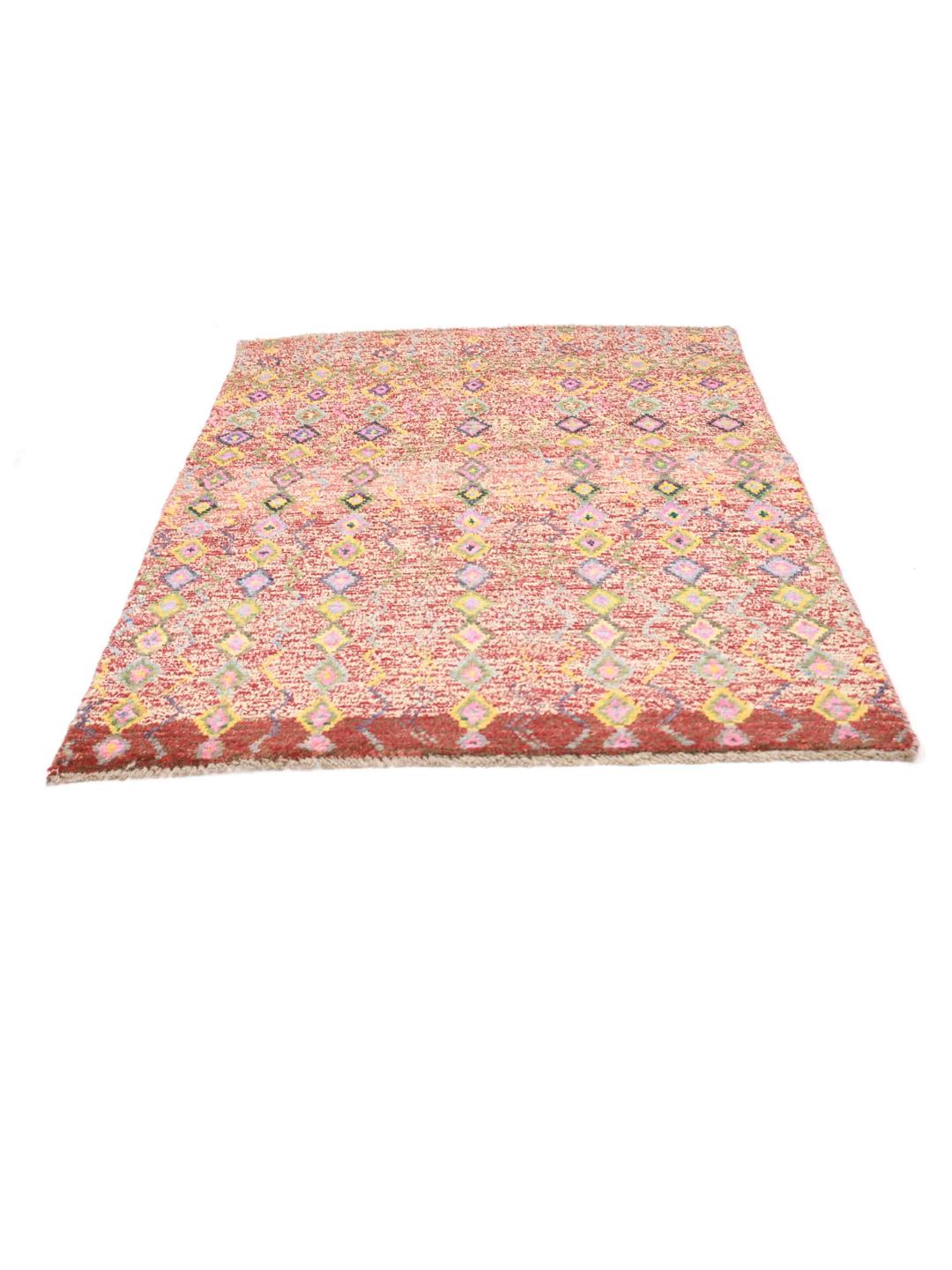
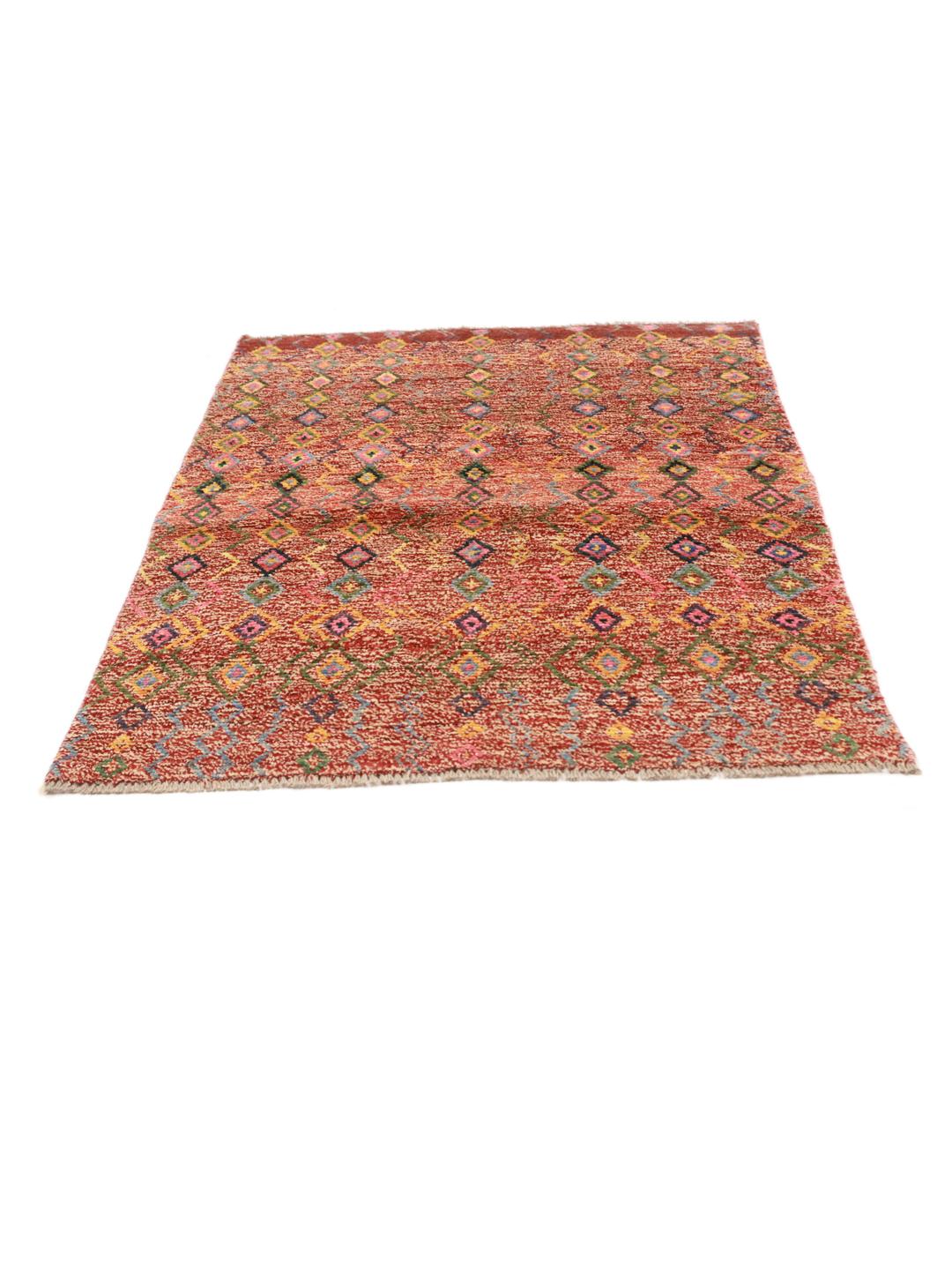
Visually, these rugs are defined by their geometric simplicity. The diamond motifs seen here are common in tribal weaving, often representing protection or fertility in the local culture. The use of vibrant, contrasting colours against a grounded, earthy field is a signature of this tradition, showcasing the weaver's ability to balance bold design with timeless composition.
Owning a hand-knotted rug from this tradition is about more than just floor coverage. It is an investment in a living heritage that values human skill over industrial speed. These pieces serve as a bridge between ancient techniques and modern interiors, offering a sense of authentic, soulful warmth that elevates any home.