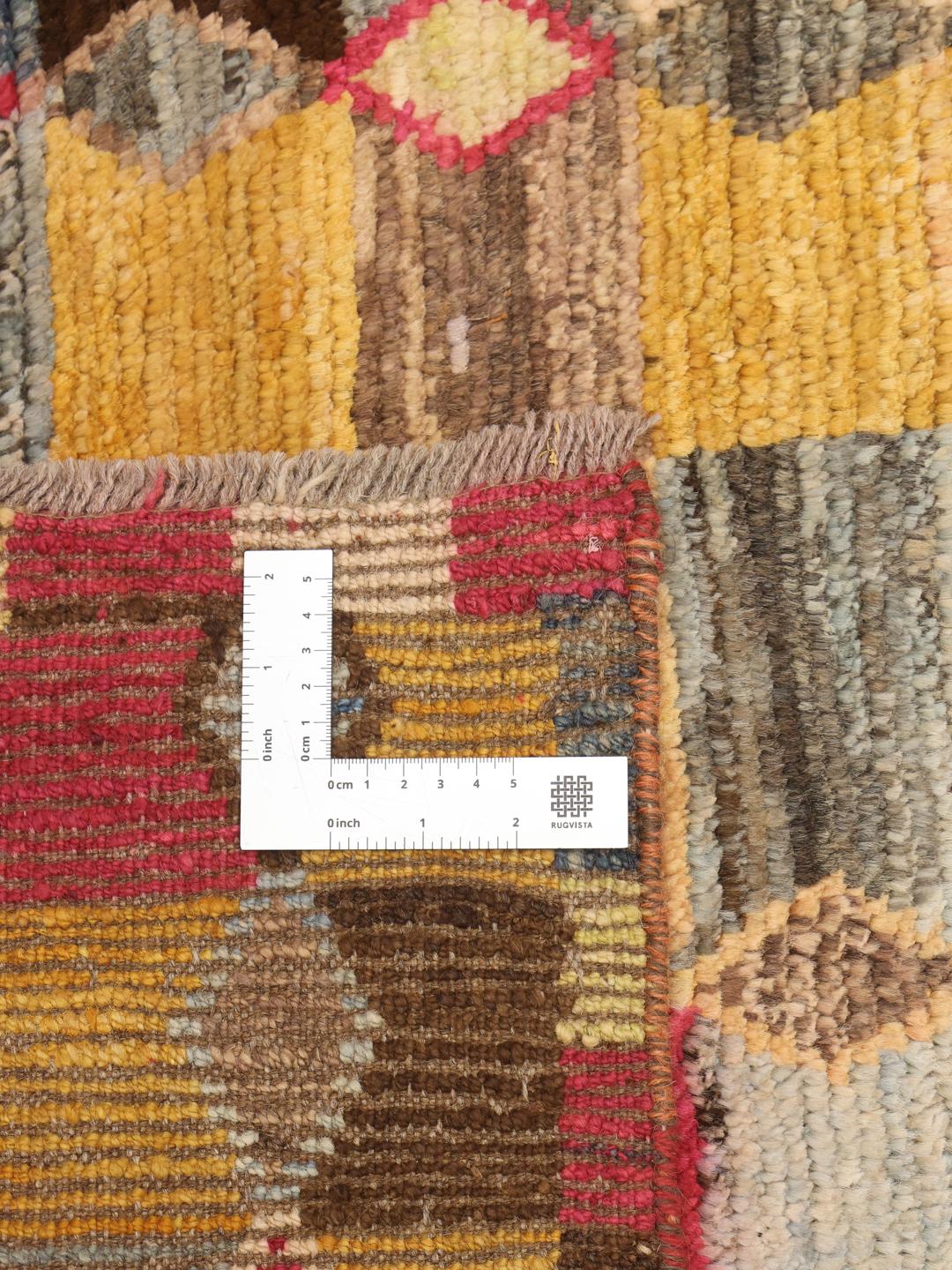
Berber-style rugs trace their origins back to the indigenous weaving traditions of nomadic and village communities, where practical floor coverings were created to provide warmth against cold stone and earth floors. Over generations, these weaving practices travelled along ancient trade routes and spread across different regions, including Afghanistan, where local makers adopted and reinterpreted traditional geometric motifs with their own distinctive regional palette.
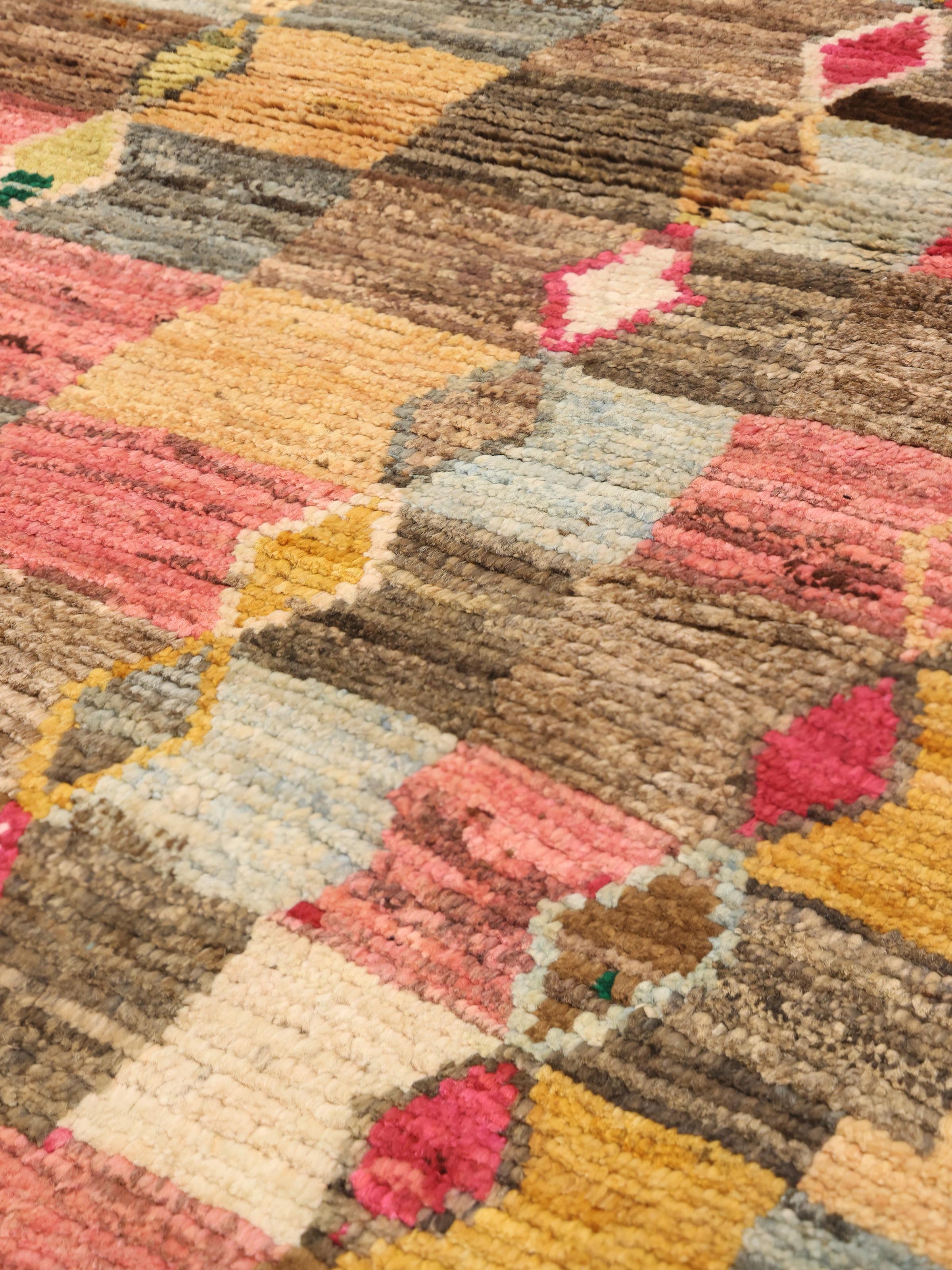
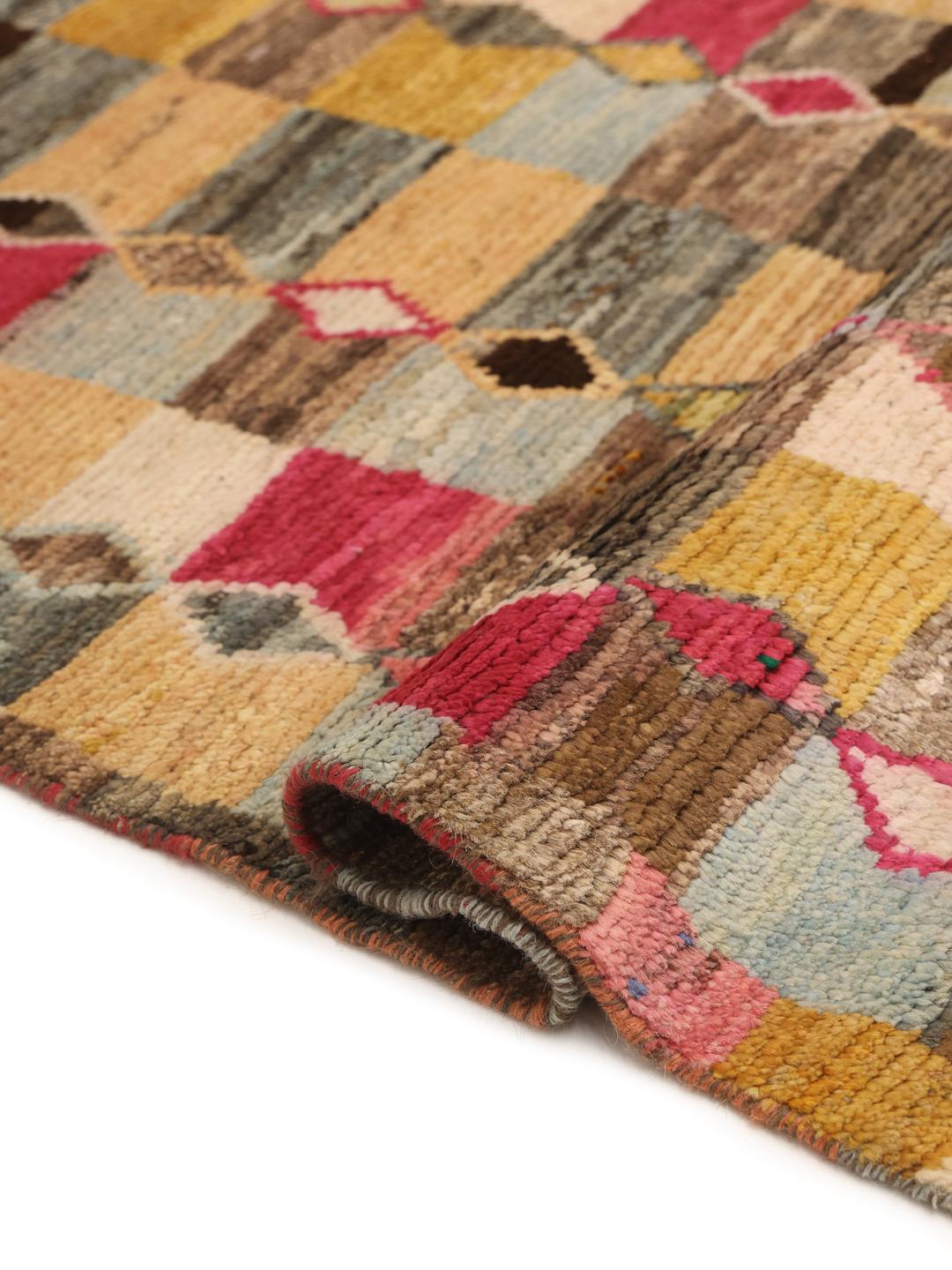
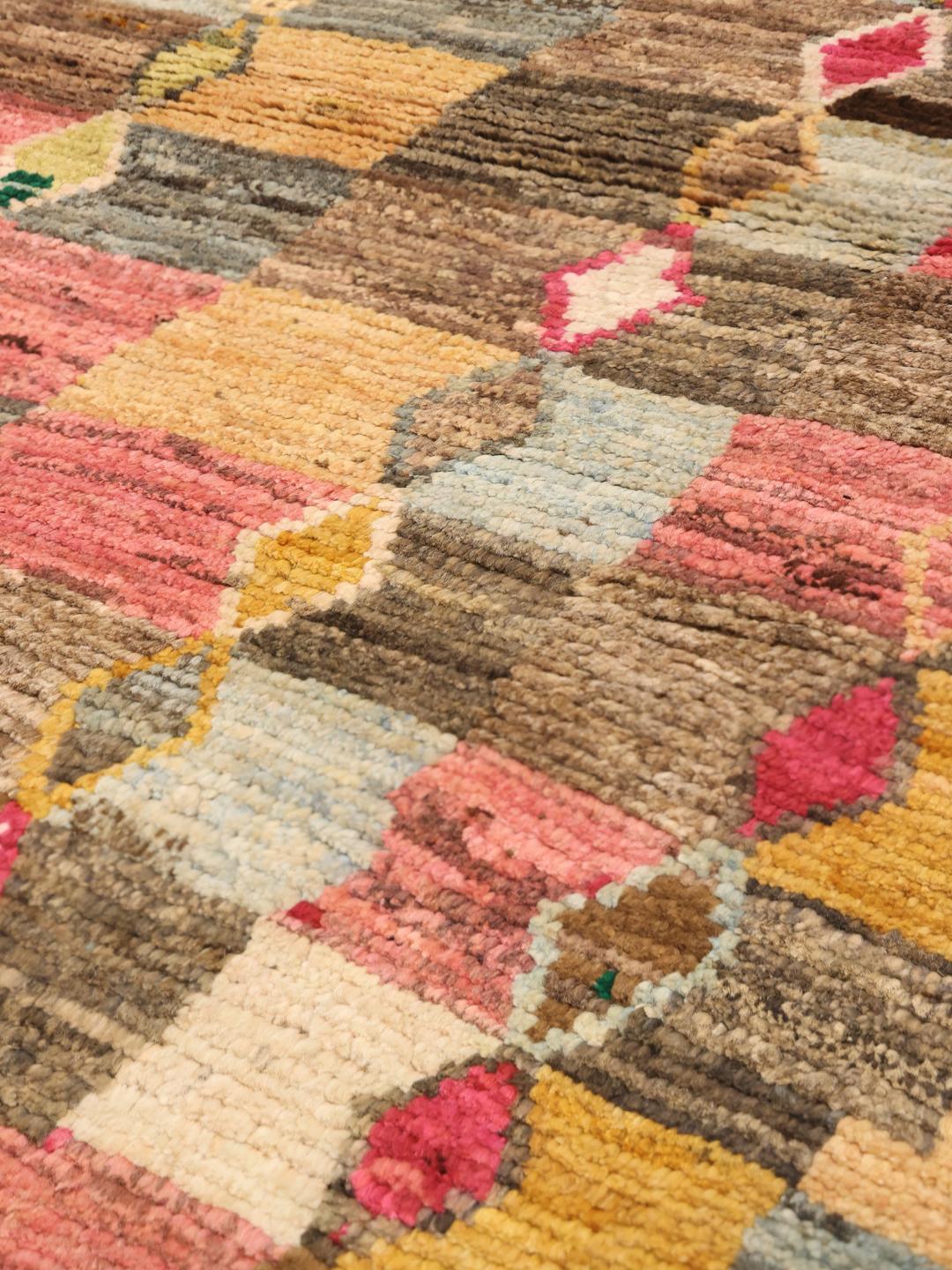
The craft relies on time-honoured hand-knotting techniques passed down through families. Artisans use two-ply and multi-strand yarn techniques where individual fibres are twisted together before knotting, resulting in a sturdier yarn that stands up to daily wear while retaining a rich, soft surface texture.
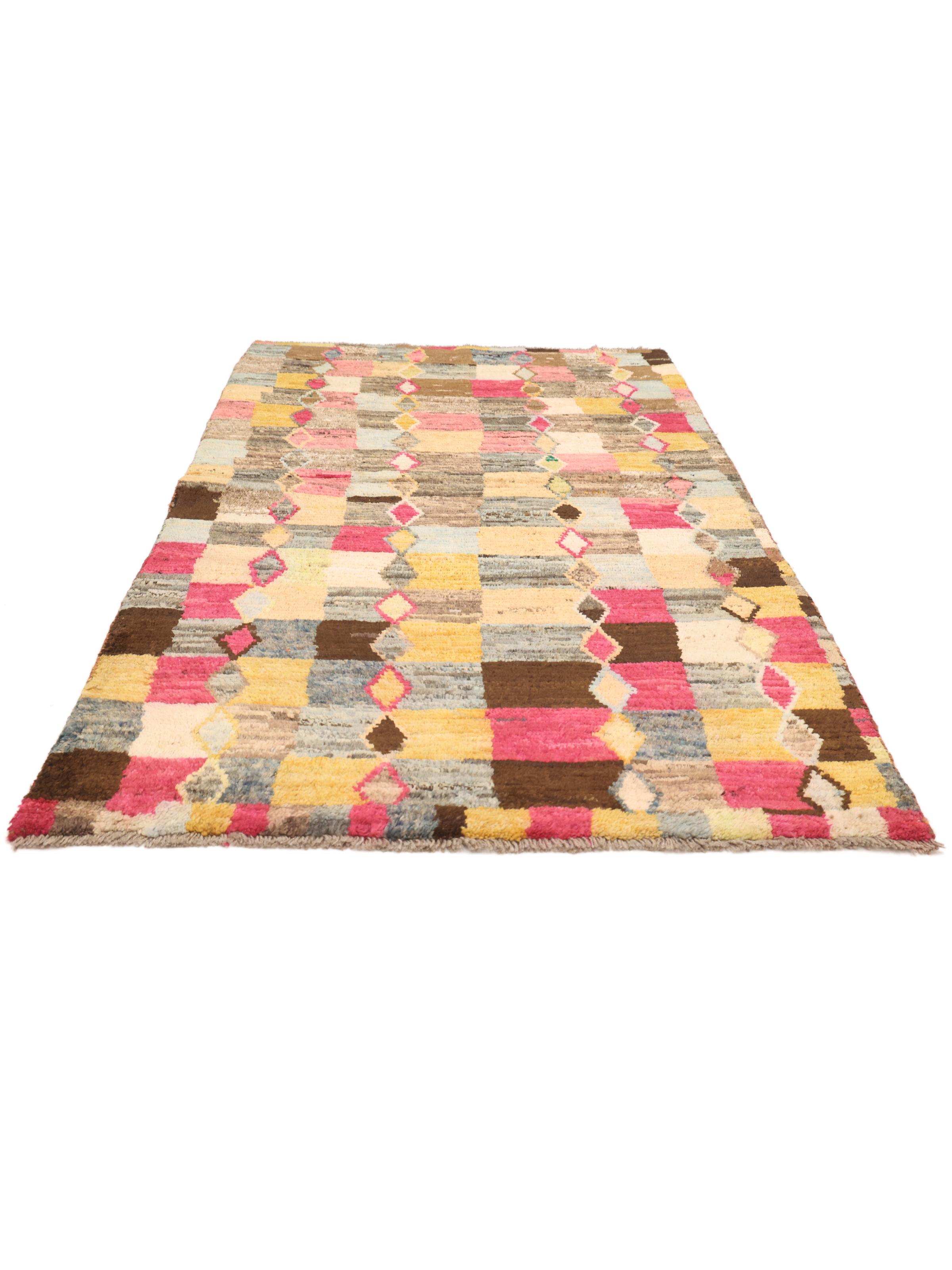
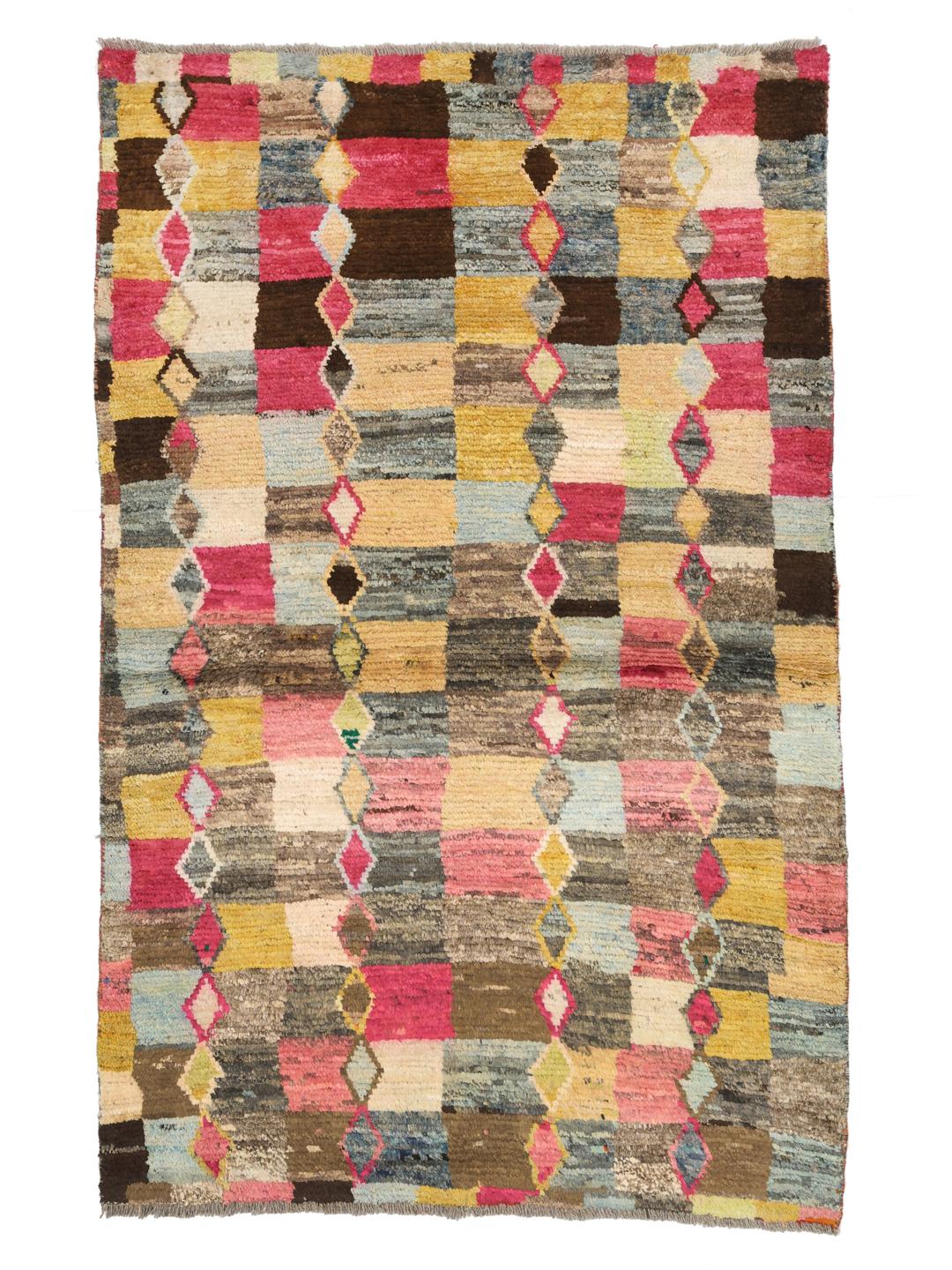
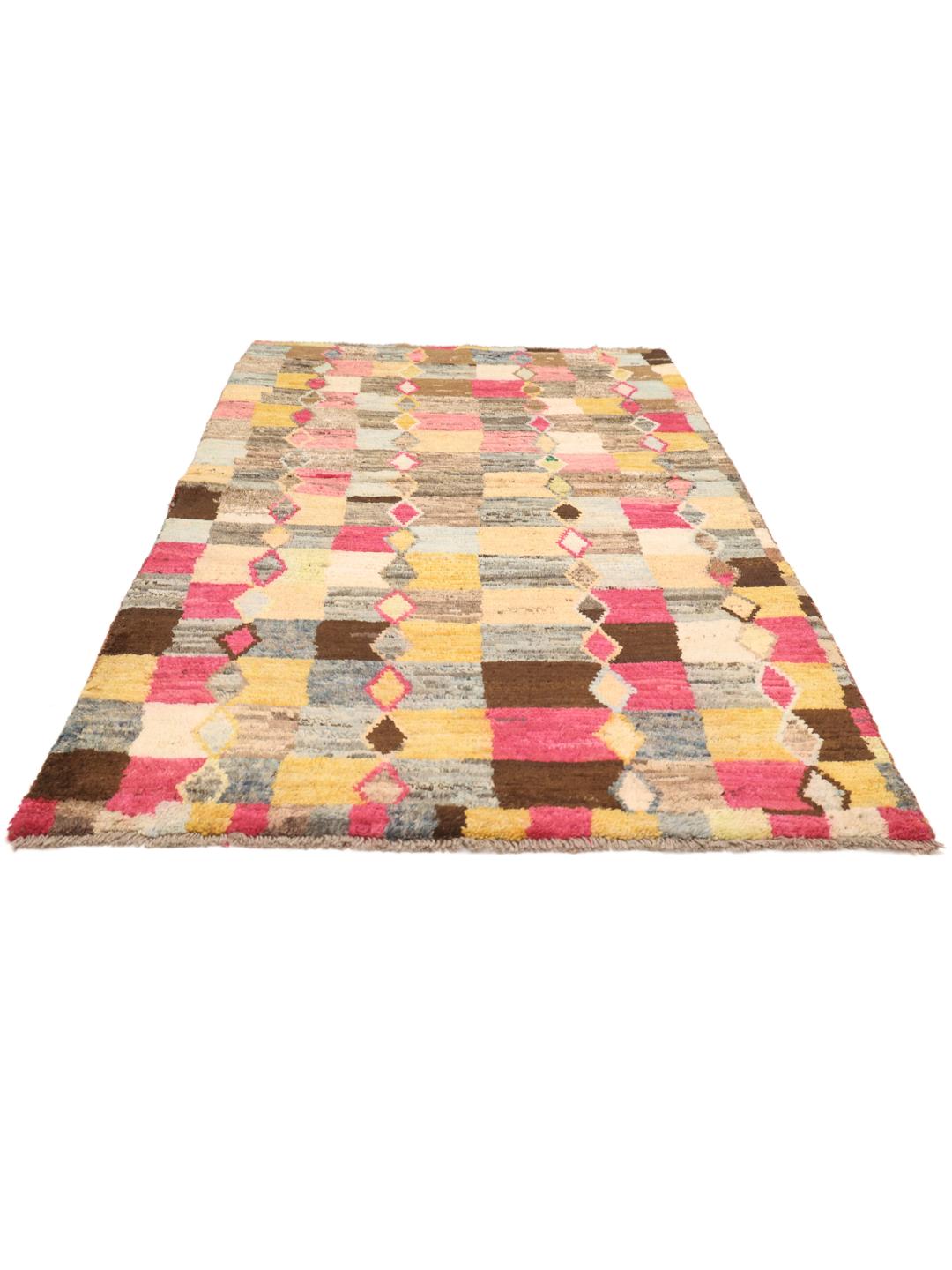
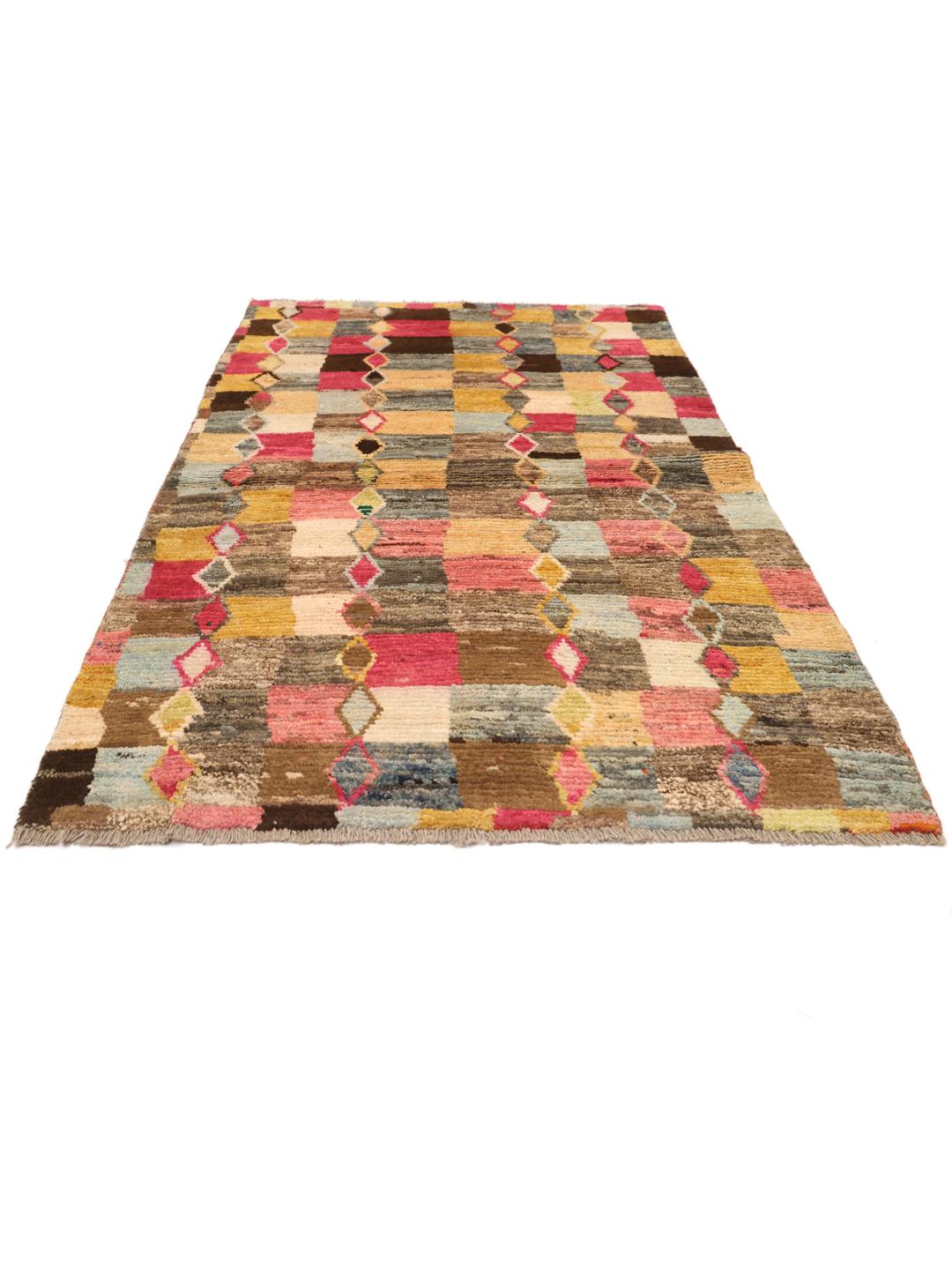
Visually, Berber traditions often favour geometric structures, diamond arrangements, and checkerboard layouts that allow the natural variation of hand-dyed wool to shine through. In this particular piece, the playful grid and diamond patterns are brought to life through a lively interplay of tones, creating a dynamic visual rhythm across the surface.
Collecting a rug from this tradition connects your home to a deep heritage of textile artistry. Each piece represents months of focused human labour and an enduring cultural knowledge, offering a meaningful way to bring genuine craftsmanship and warmth into modern interiors.