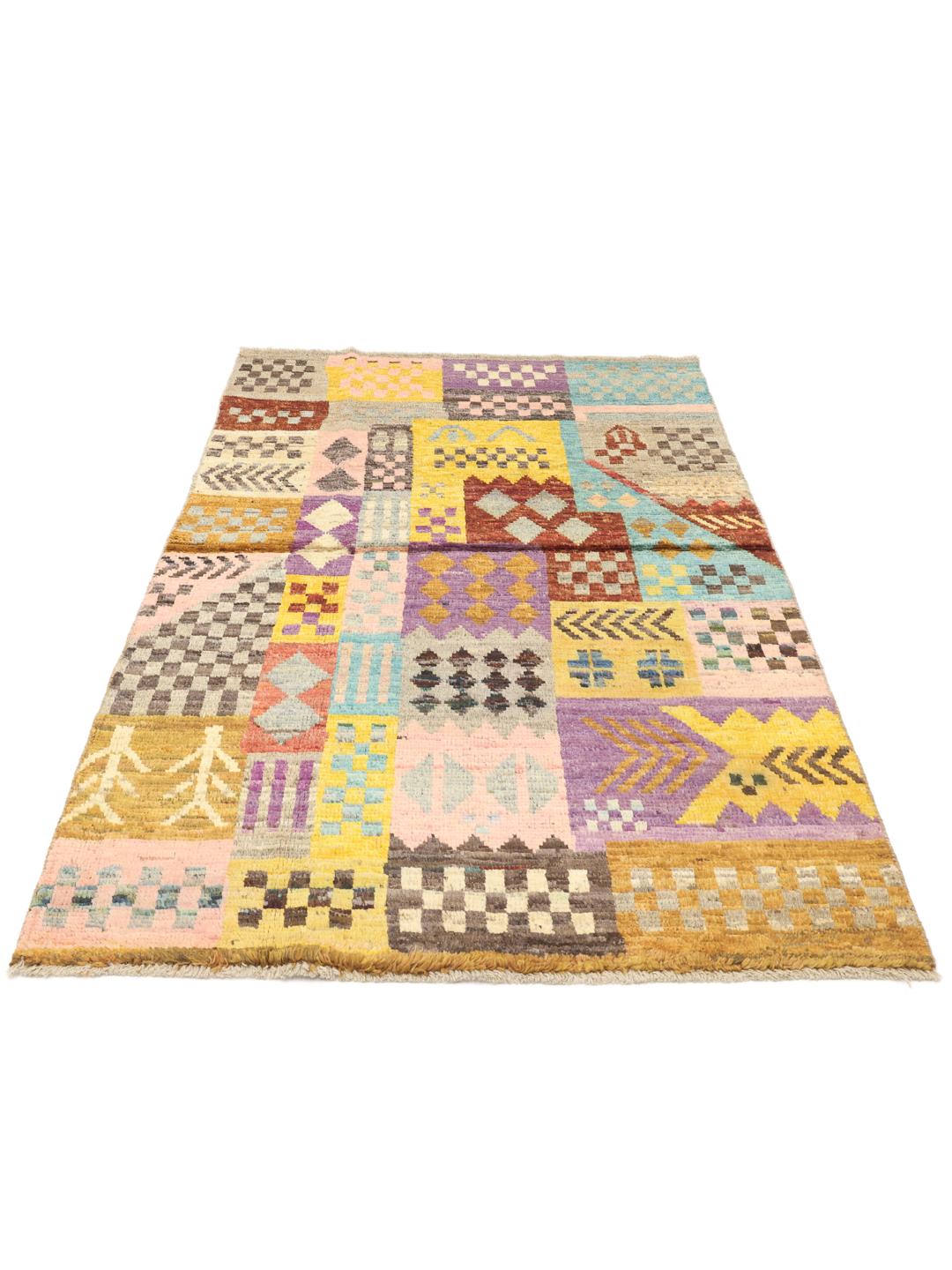
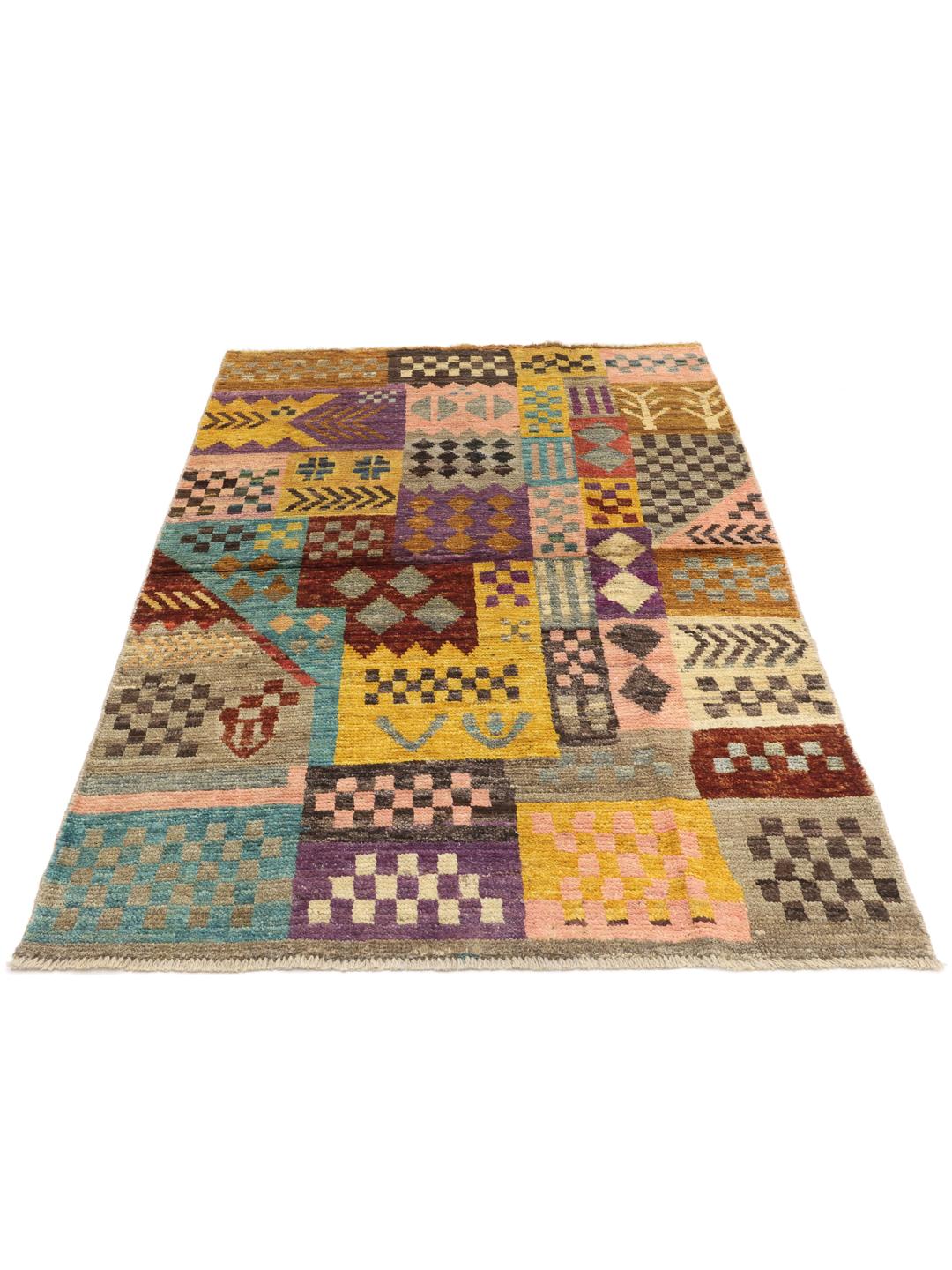
Berber rugs are deeply rooted in the traditions of North Africa, yet their influence has travelled far and wide, inspiring artisans in regions like Afghanistan to adapt these styles into their own unique expressions. This cross-cultural evolution highlights the adaptability of Berber design, which is celebrated for its focus on spontaneity and storytelling through geometric shapes.
The term 'Berber' originally refers to the indigenous peoples of North Africa, whose weaving traditions are defined by a connection to the landscape and the use of natural materials. Over time, these traditions have been interpreted by weavers across the Middle East, who bring their own regional expertise to the craft, often blending tribal motifs with a more contemporary colour sensibility.
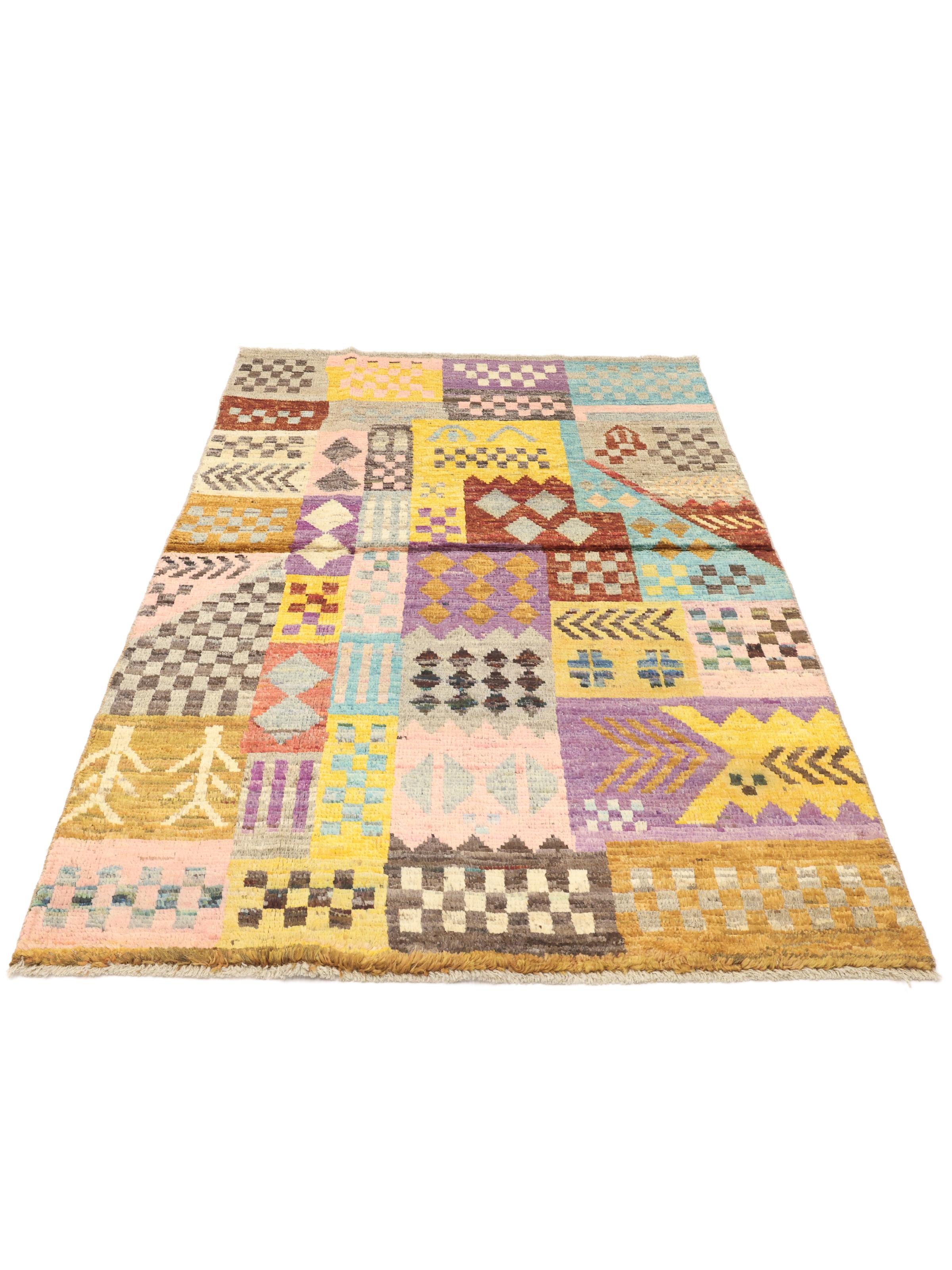
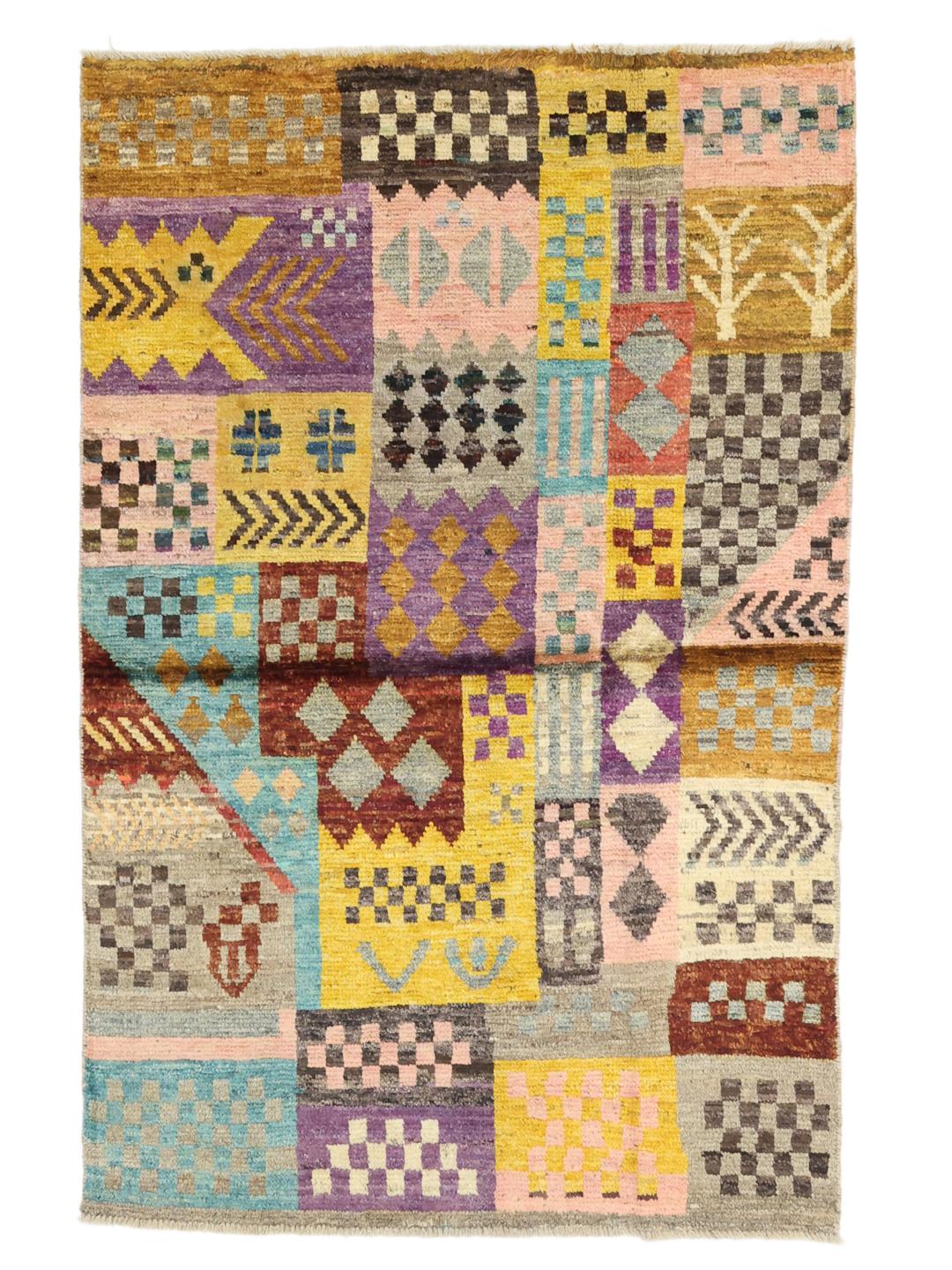
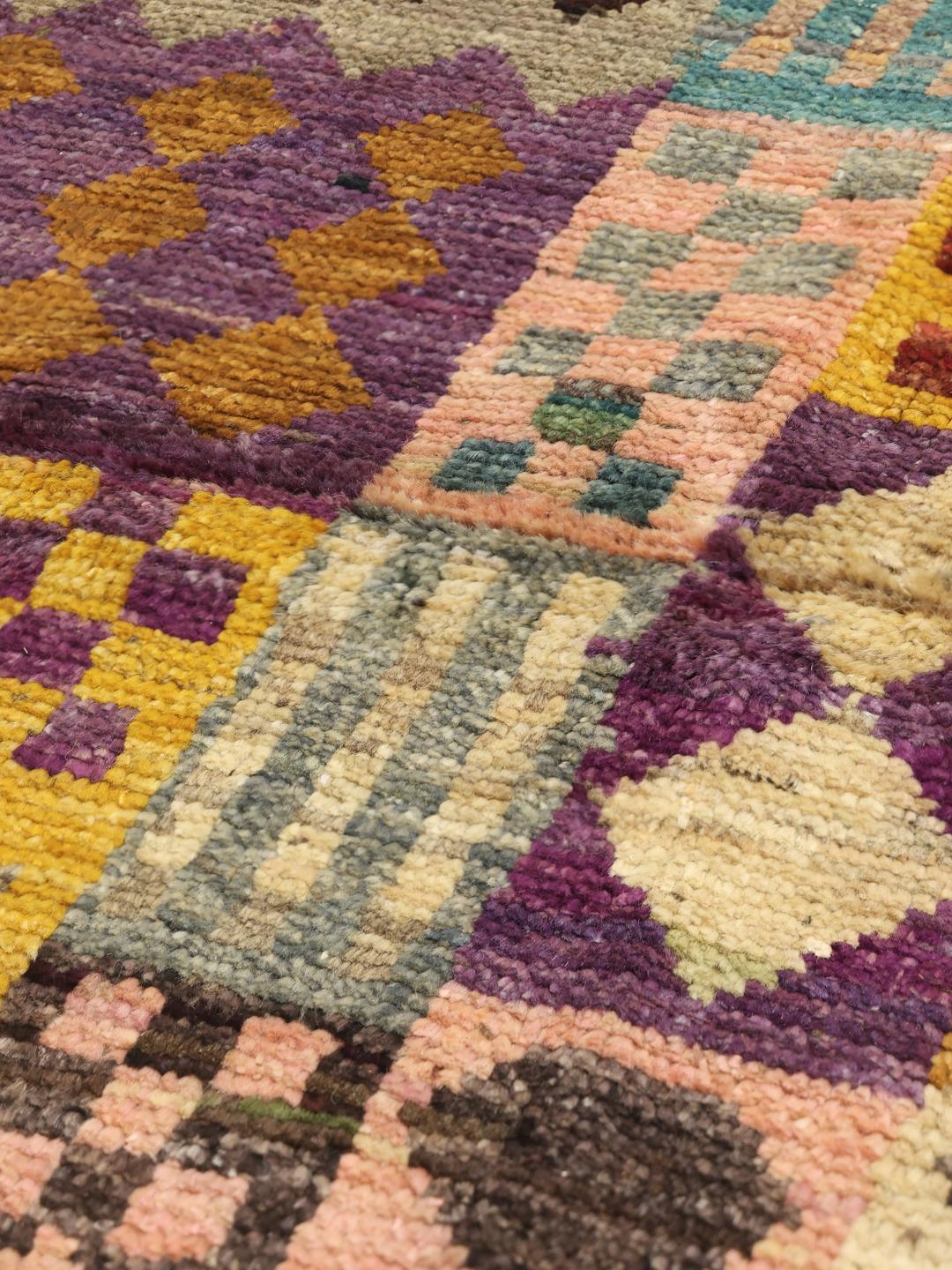
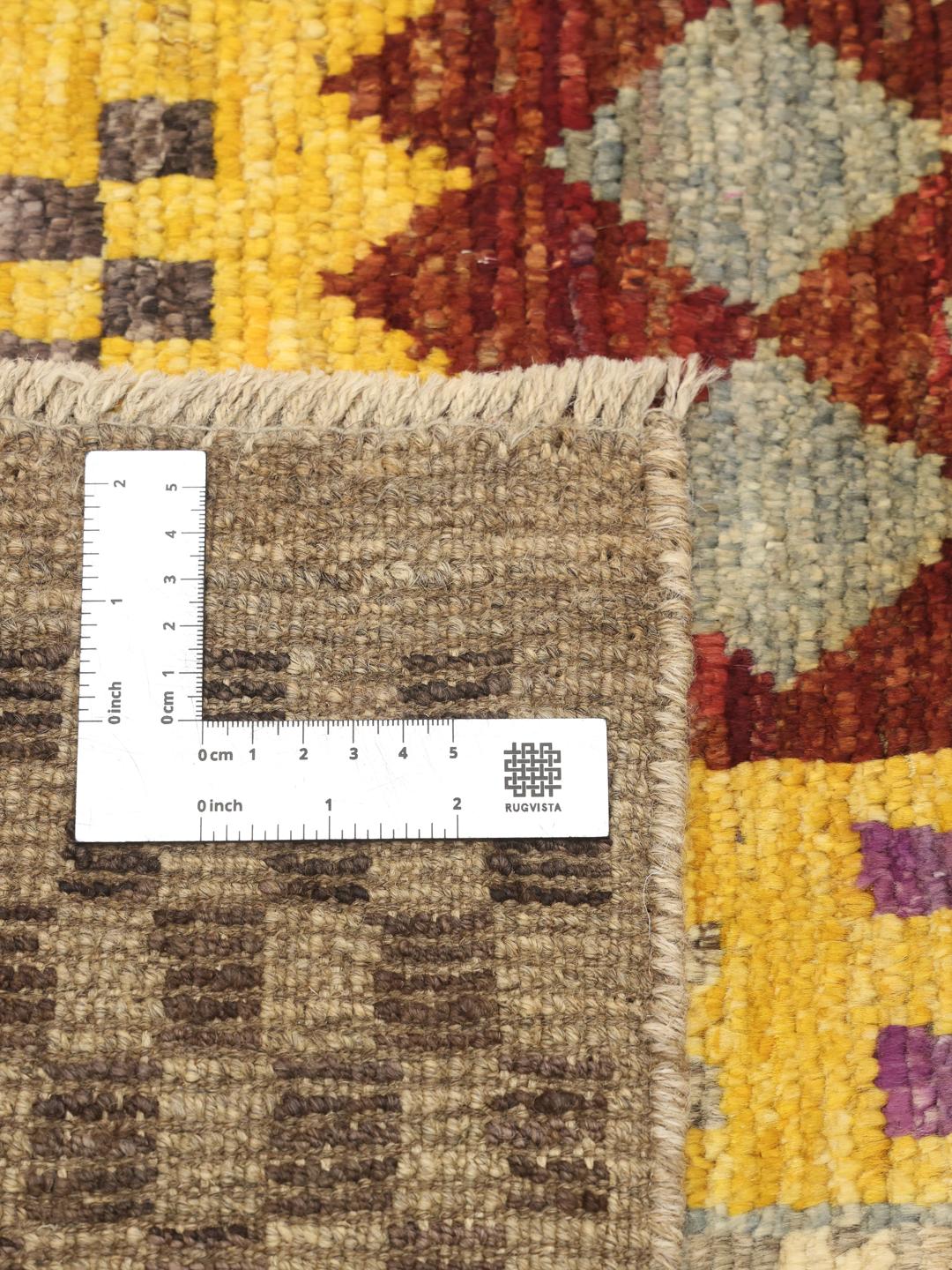
Visually, these rugs are defined by their symbolic language, where each geometric element or abstract shape can carry specific meanings, ranging from protection to fertility and prosperity. The patchwork-style composition seen here is a modern evolution of these traditional motifs, allowing for a diverse range of patterns to coexist within a single, cohesive piece.
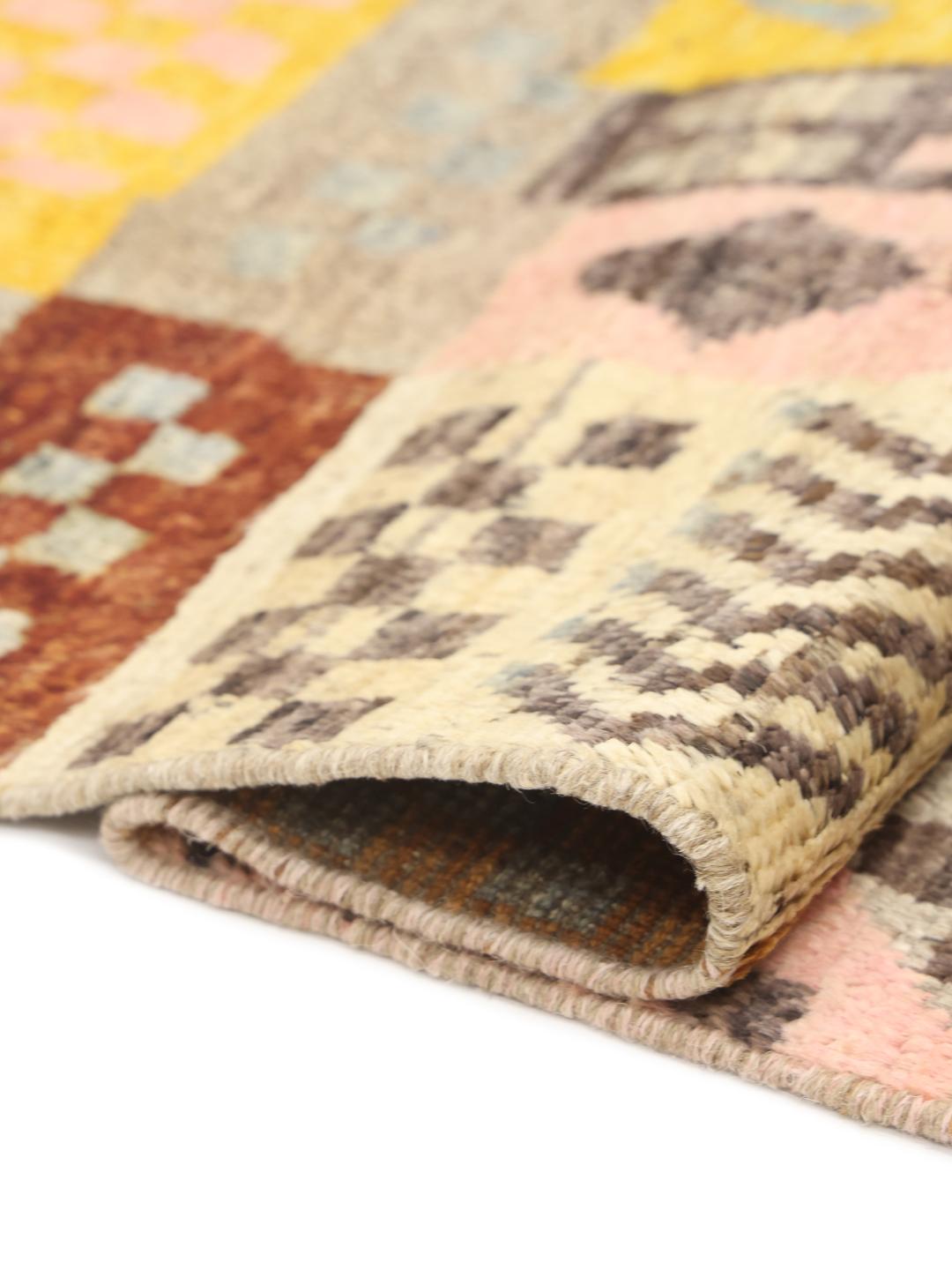
Owning a rug from this tradition is an act of preserving a rich cultural legacy. These pieces are highly valued by collectors not just for their aesthetic appeal, but for the skill and heritage they represent. By bringing this rug into your home, you are connecting with a long history of craftsmanship that values the human touch and the beauty of variation.