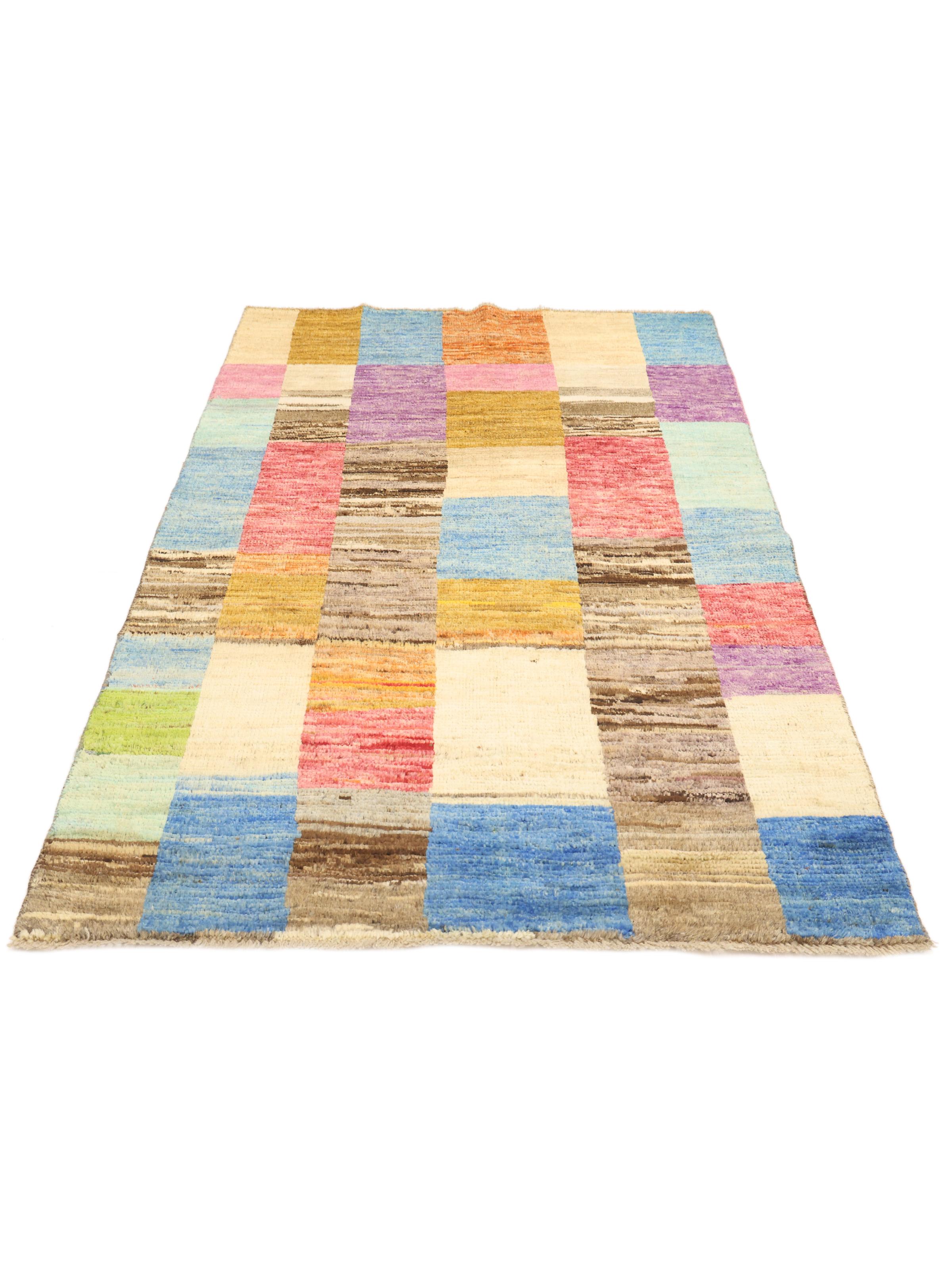
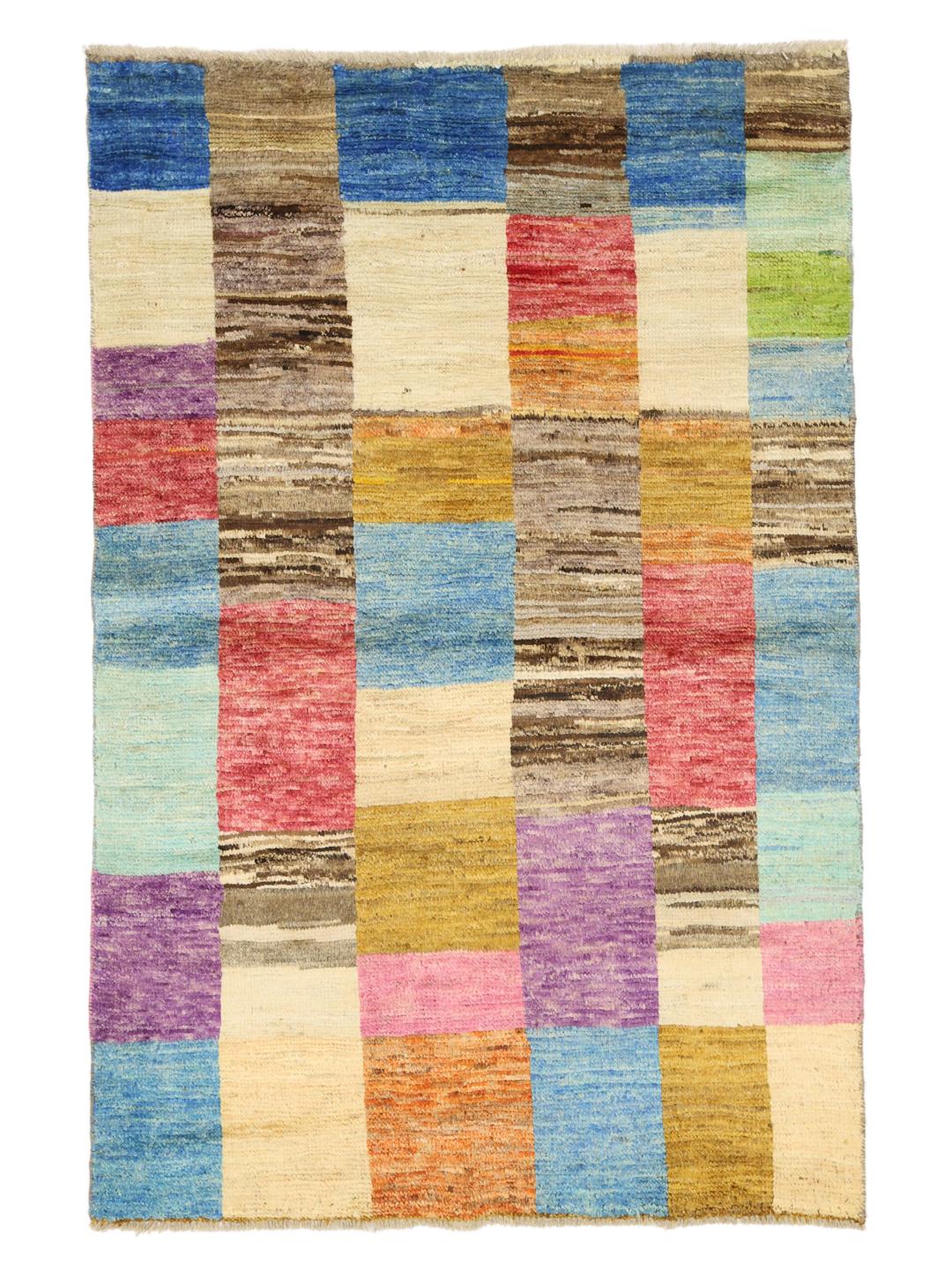
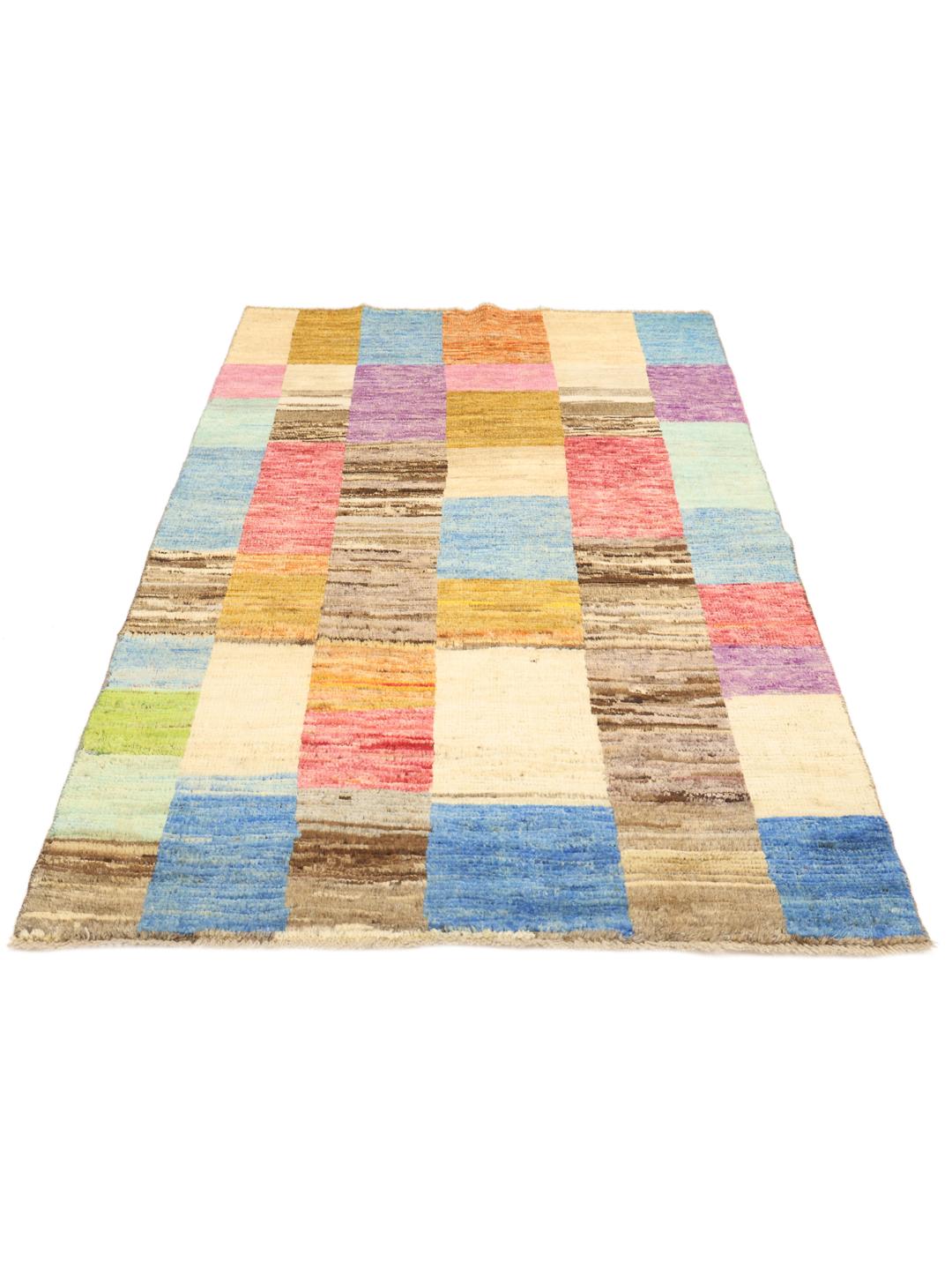
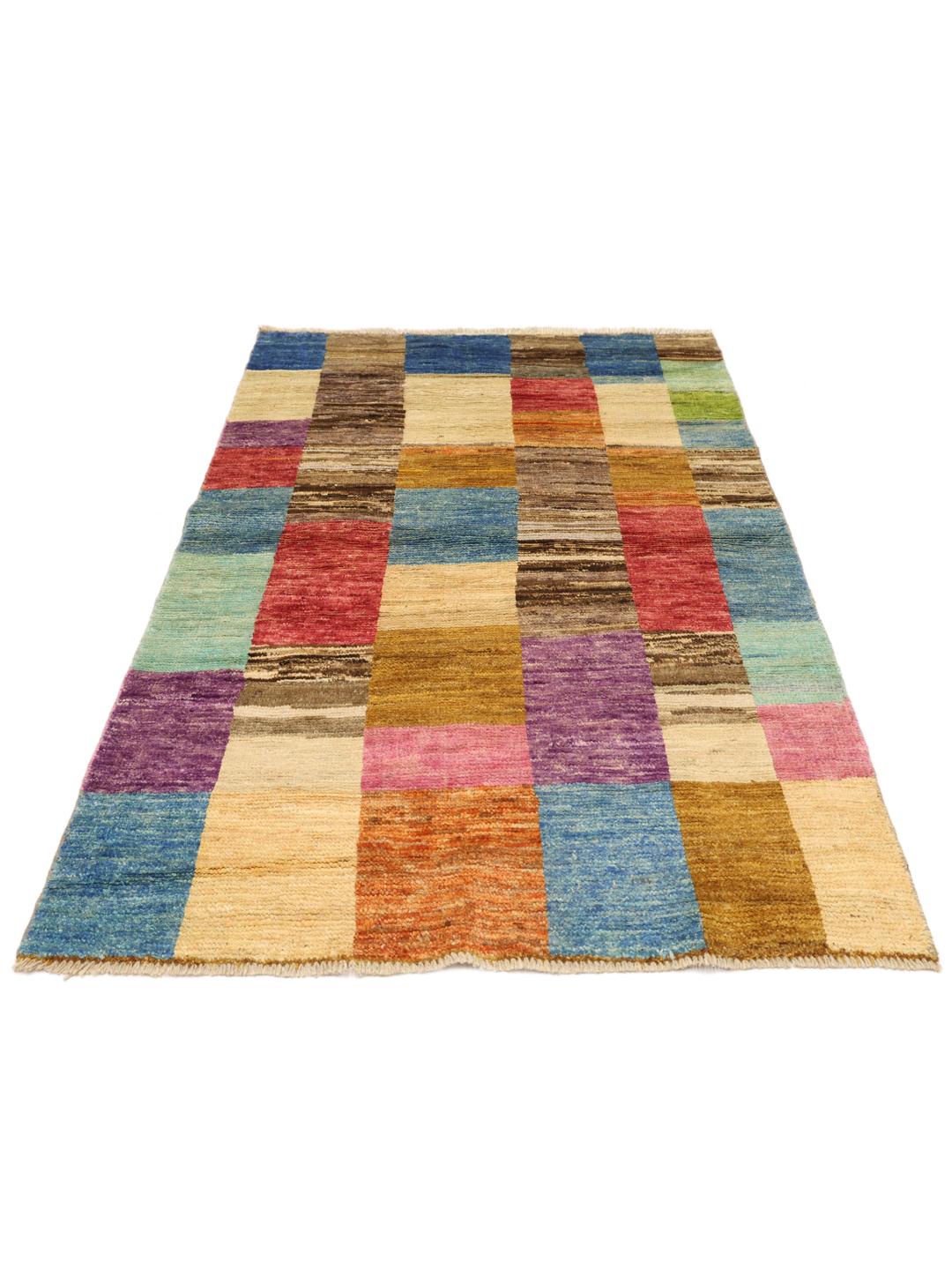
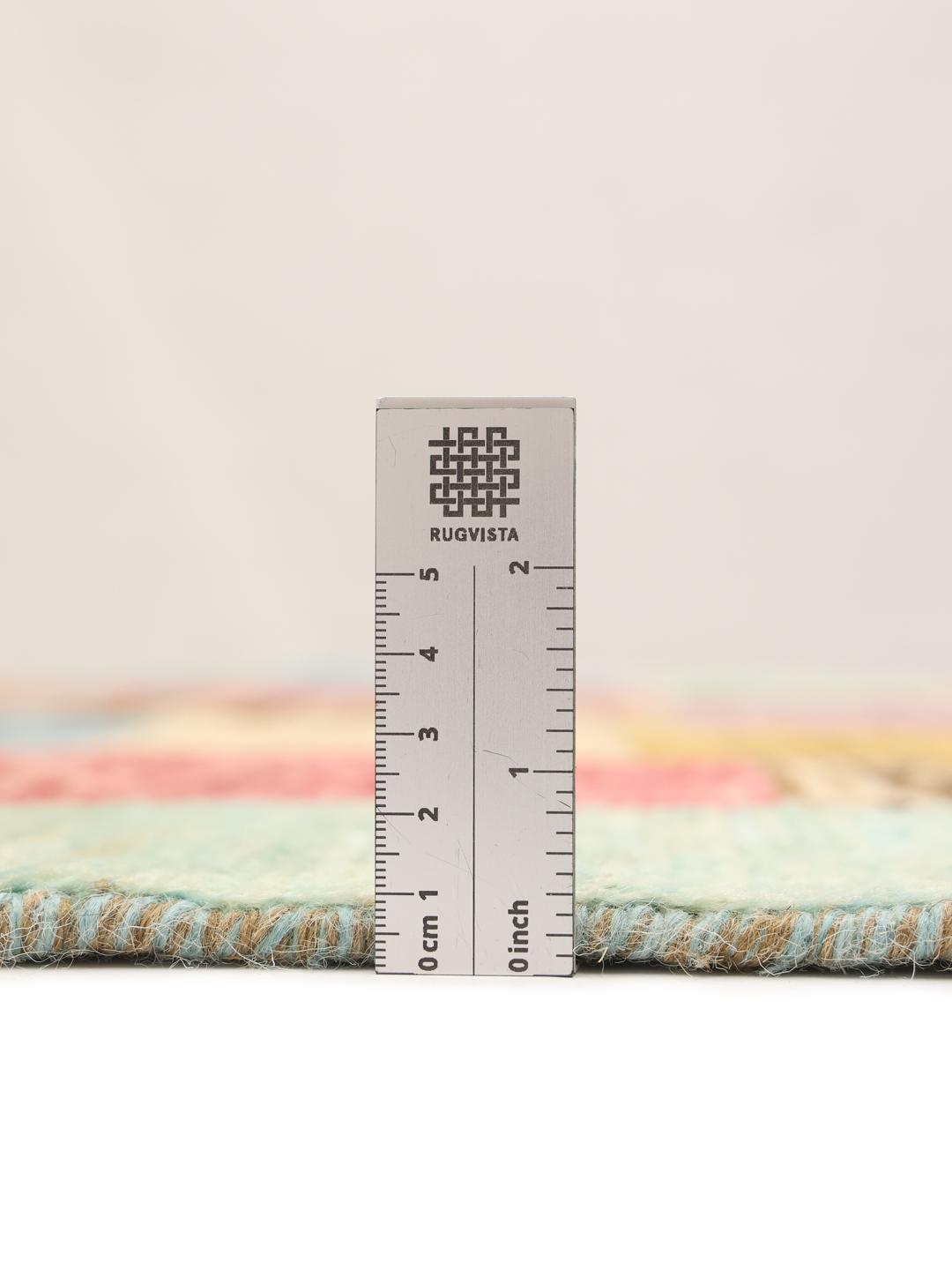
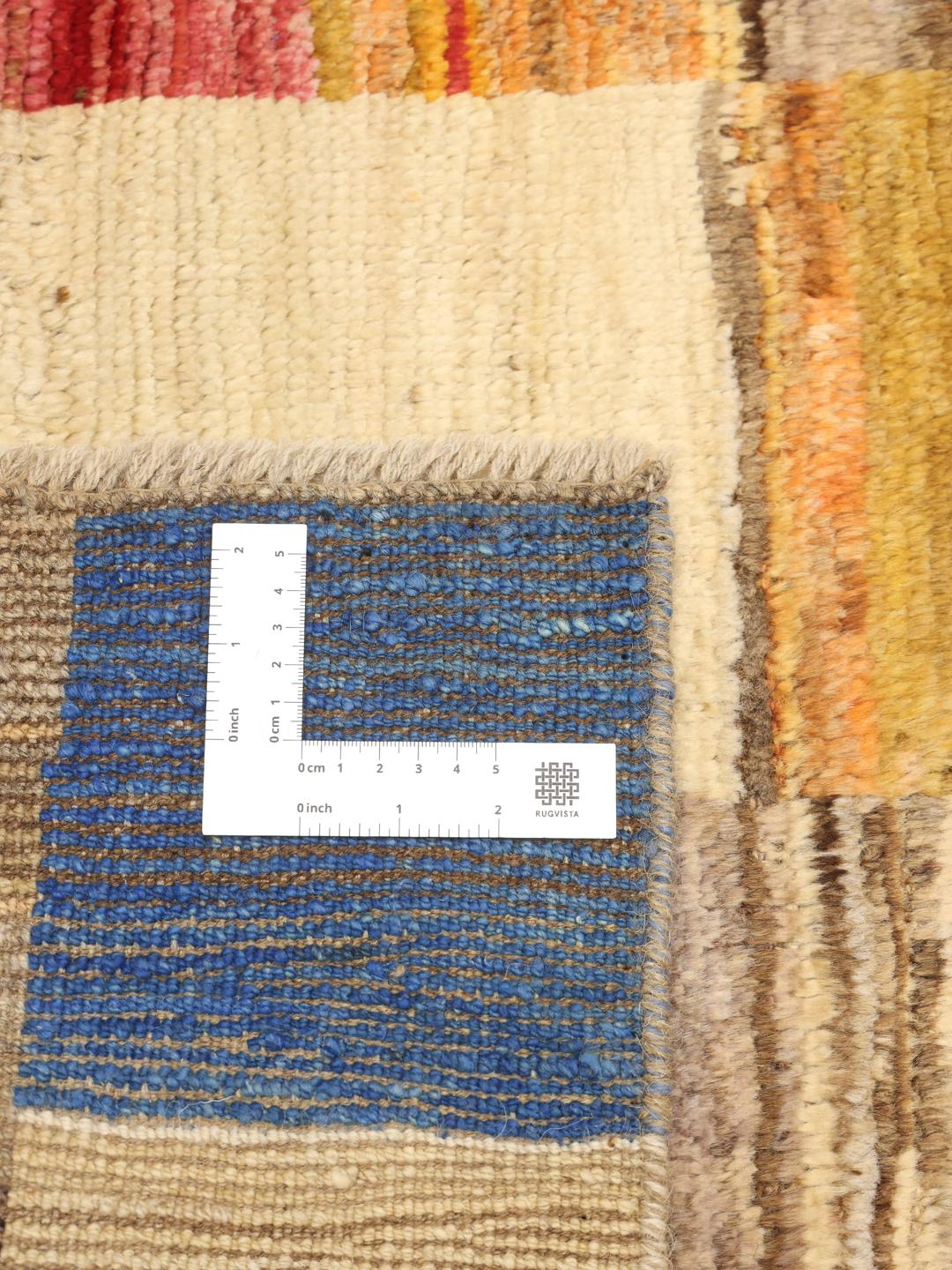
Berber rugs trace their cultural roots to the nomadic tribes of the Atlas Mountains, where they were originally created as functional, warm textiles for protection against the elements. While the tradition is synonymous with these mountainous regions, the style has evolved and travelled, with fine examples now being crafted by skilled artisans in Afghanistan.
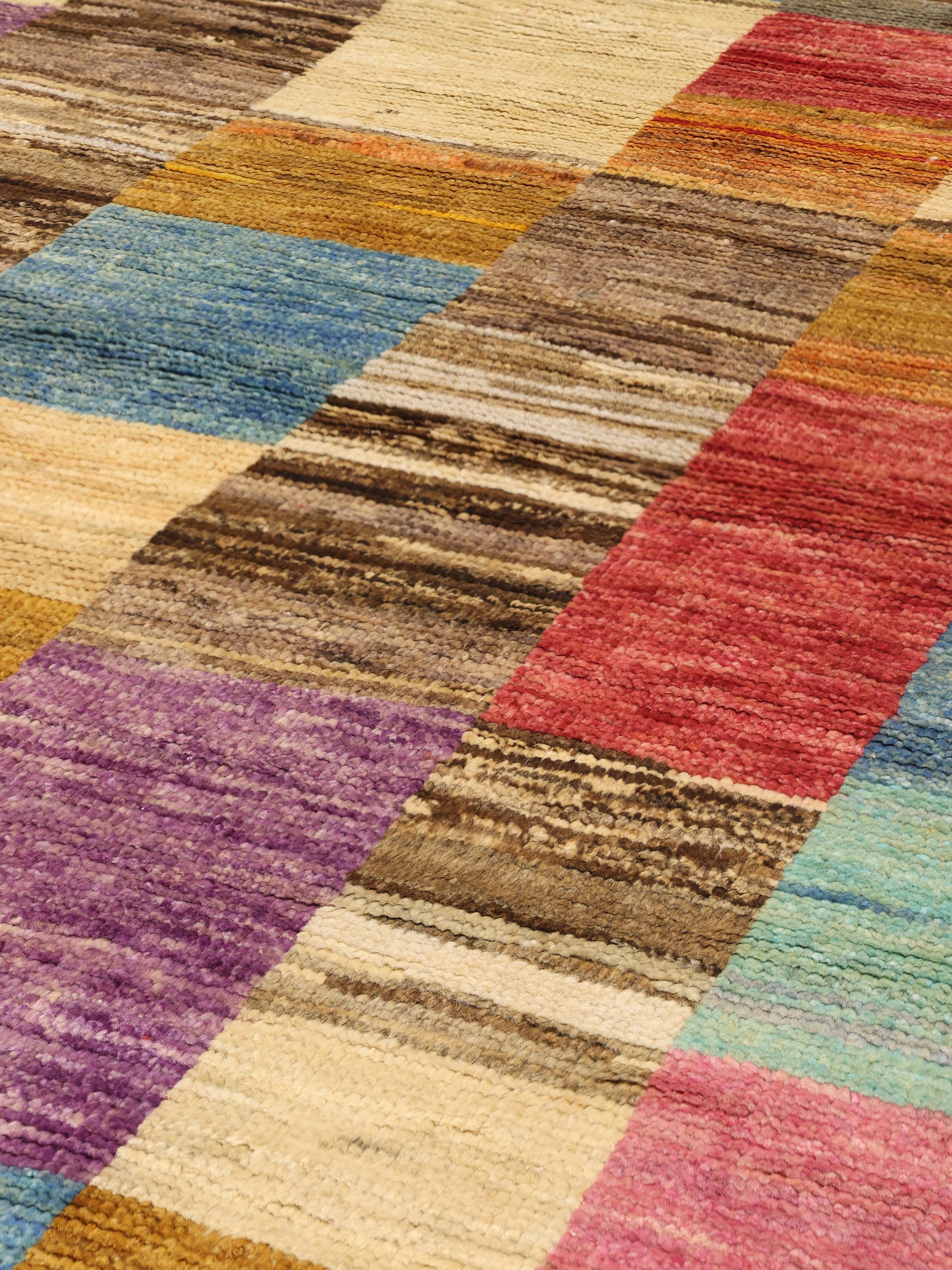
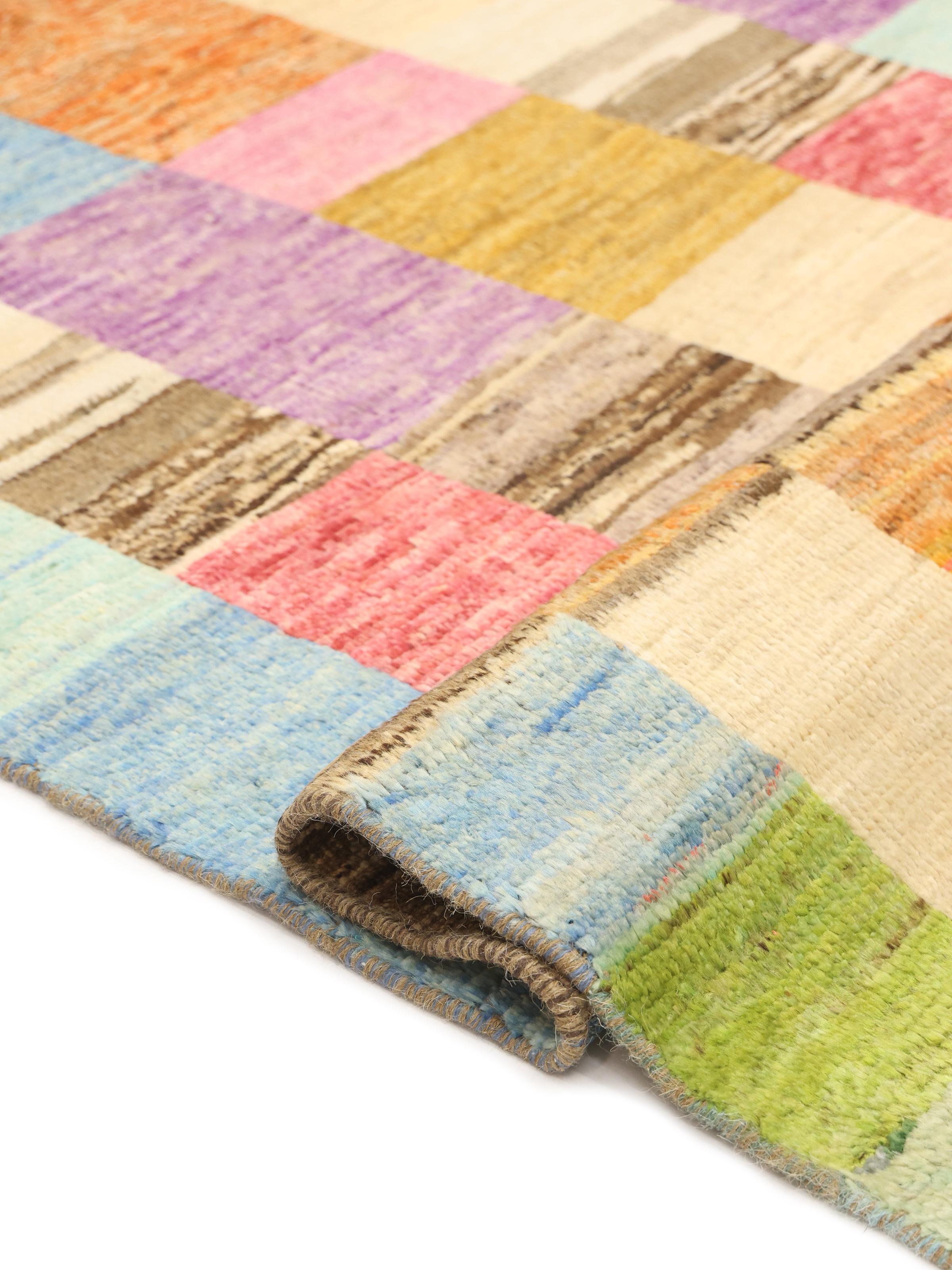
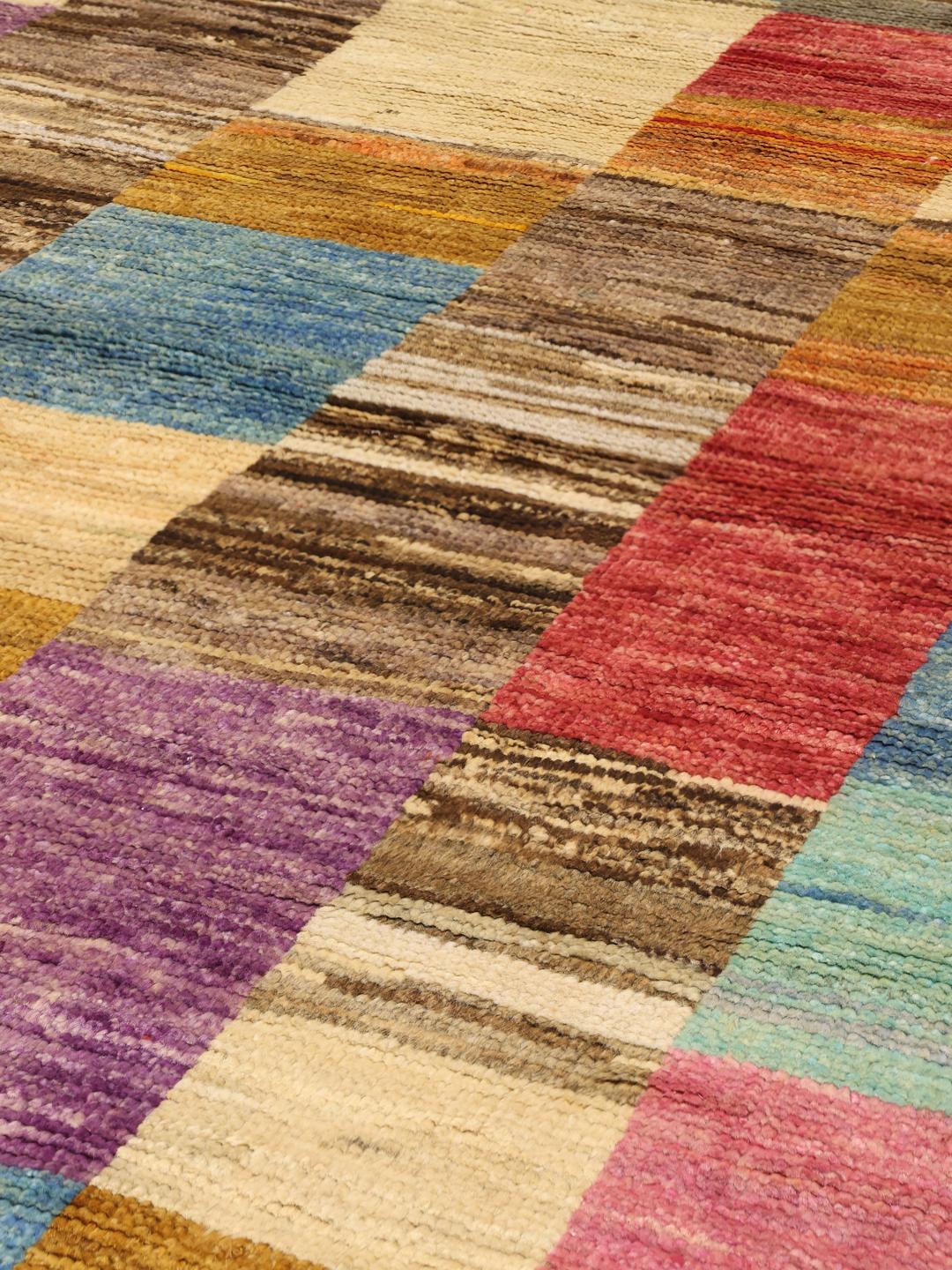
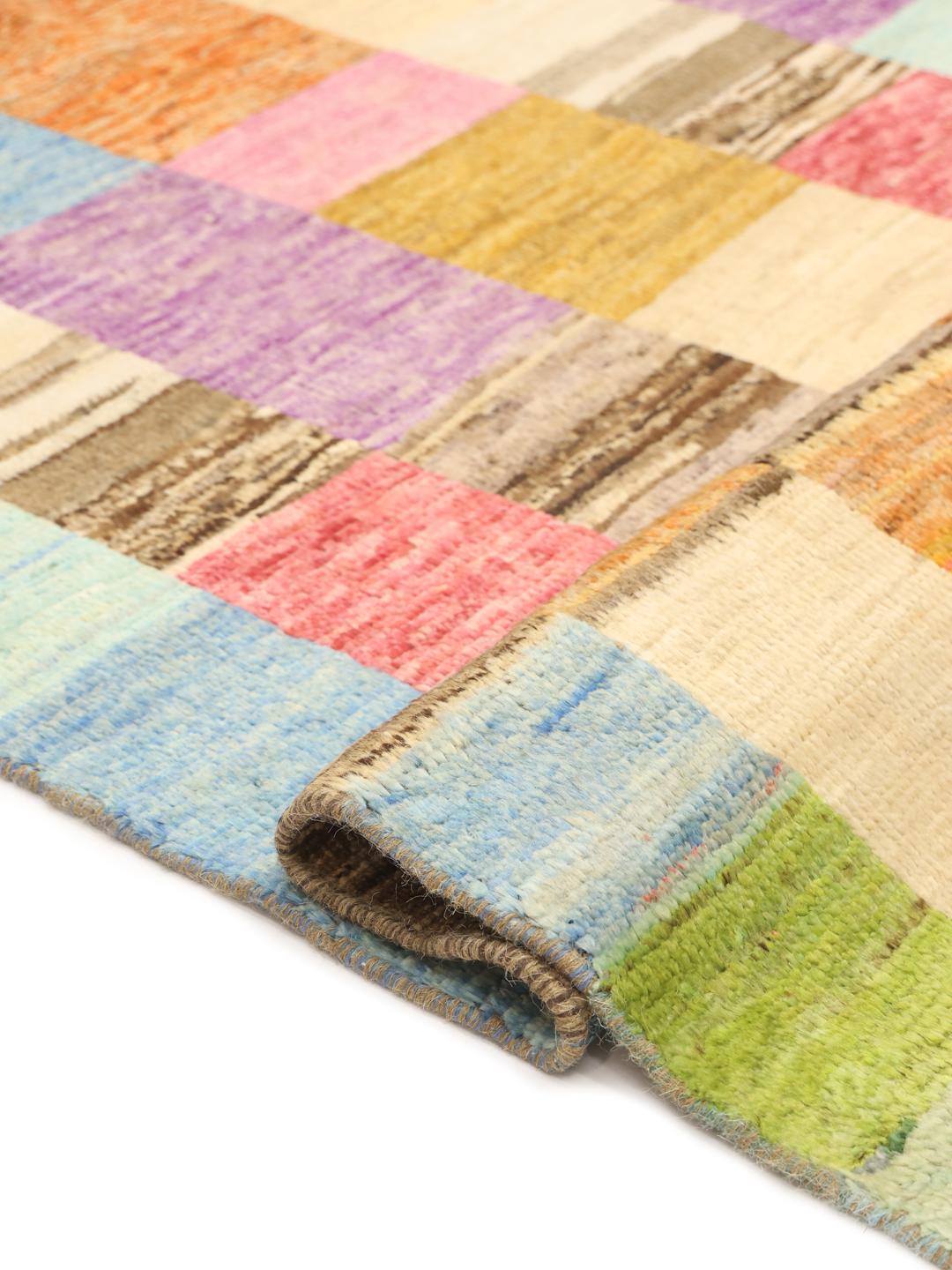
The term Berber refers to a specific aesthetic characterised by a thicker, softer pile and a more free-form approach to pattern. In these rugs, the construction is vital to the quality, as the use of high-quality Wool ensures a resilient and lustrous surface that ages gracefully over time.
Visually, these rugs are defined by their bold, geometric, or abstract compositions. Unlike more rigid, formal rug styles, the Berber tradition favours a more intuitive design language, often utilising a wide spectrum of colours to create patterns that feel organic and rhythmic rather than strictly calculated.
Collectors value these rugs for their departure from mass-market uniformity. Owning a piece from this tradition is an investment in a living history of craft, celebrating the skill of the artisan and the enduring appeal of handmade textiles that bring warmth and genuine human spirit into a modern home.