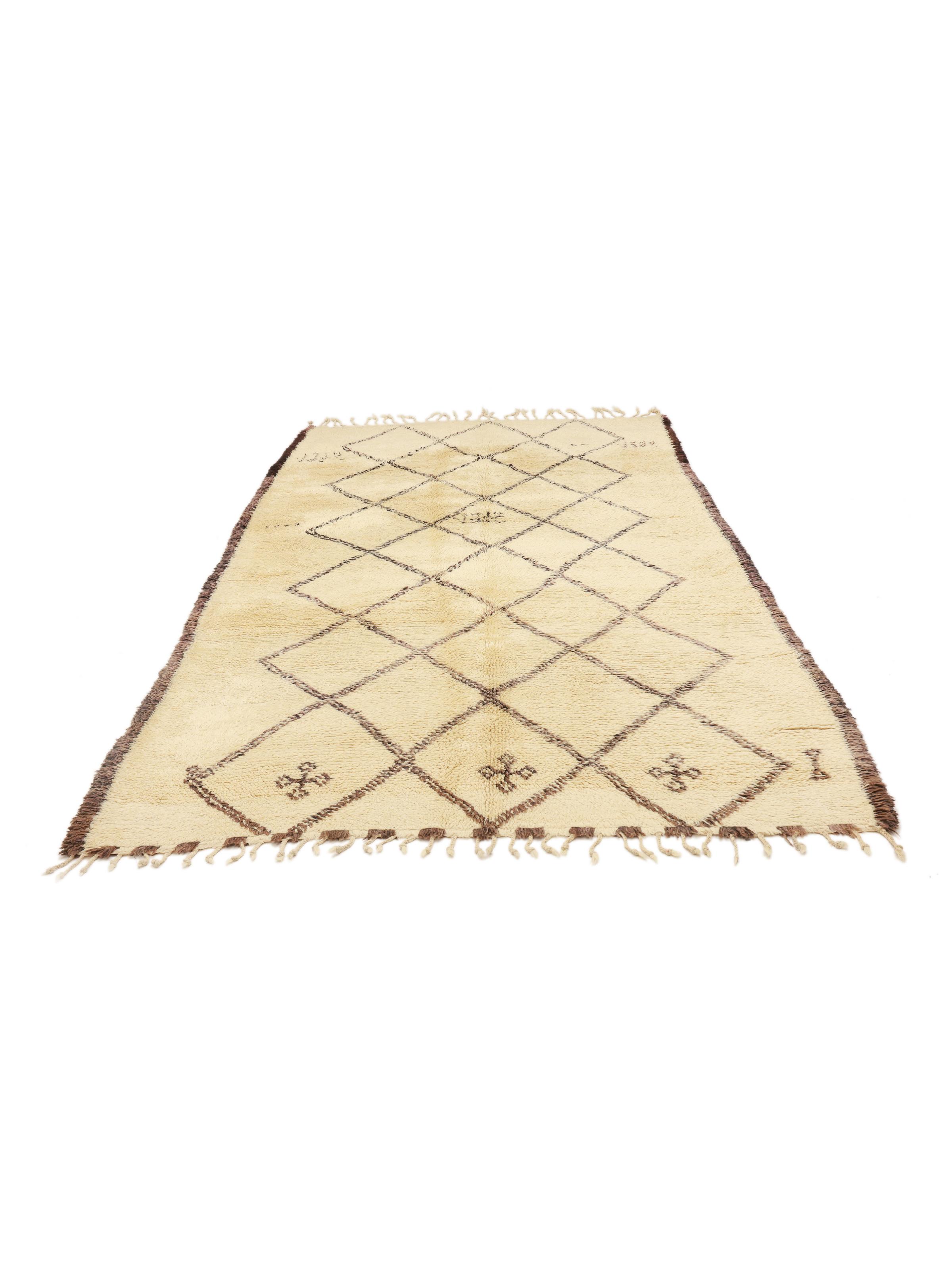
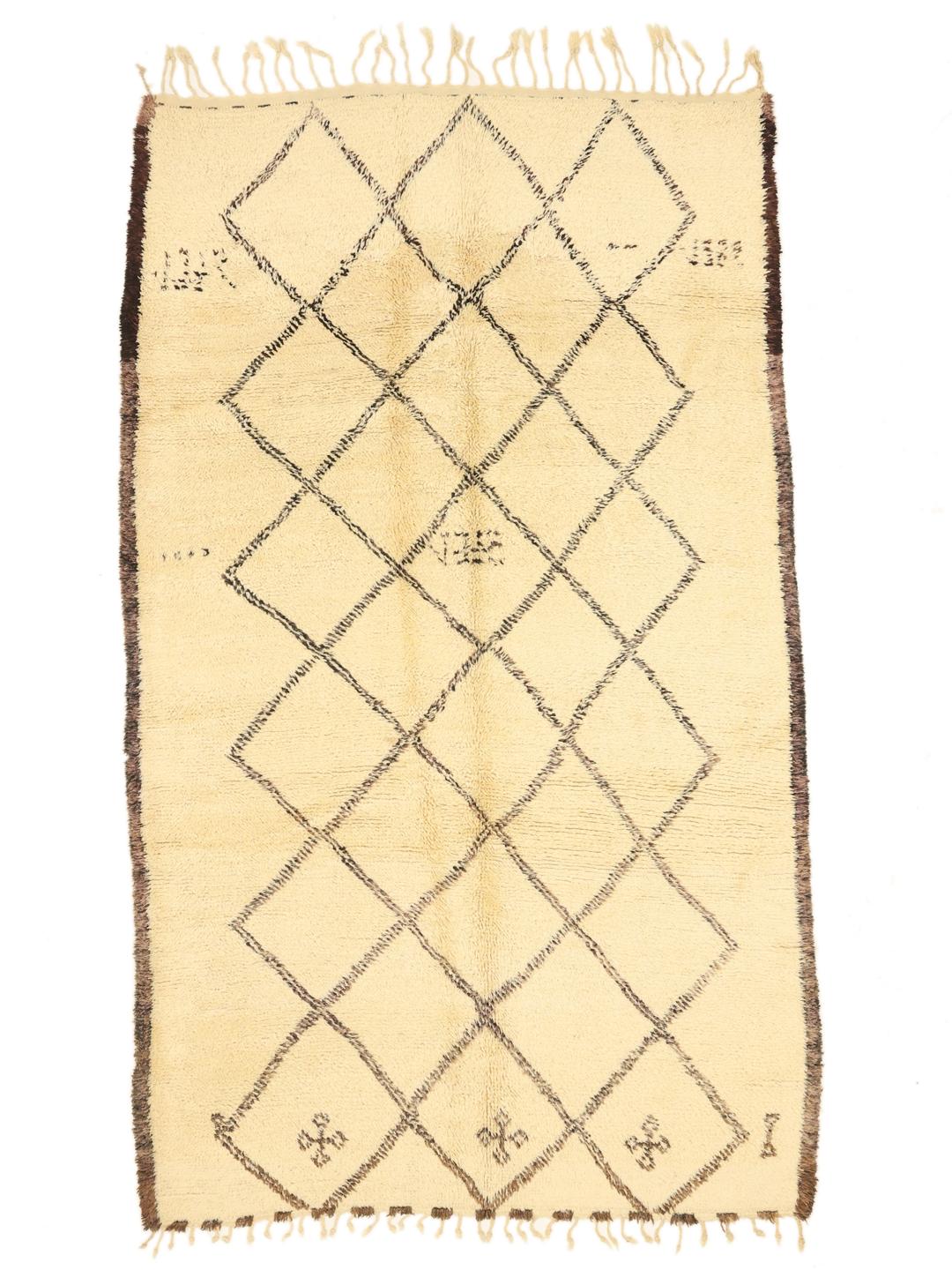
The Beni Ourain rugs are among the most celebrated textile traditions of the Middle East and North Africa, originating from the nomadic Berber tribes of the Moroccan Mid Atlas mountains. Historically, these rugs were not created for commercial sale, but as functional household items for the tribes, serving as blankets, sleeping mats, and floor coverings to protect against the harsh mountain climate.
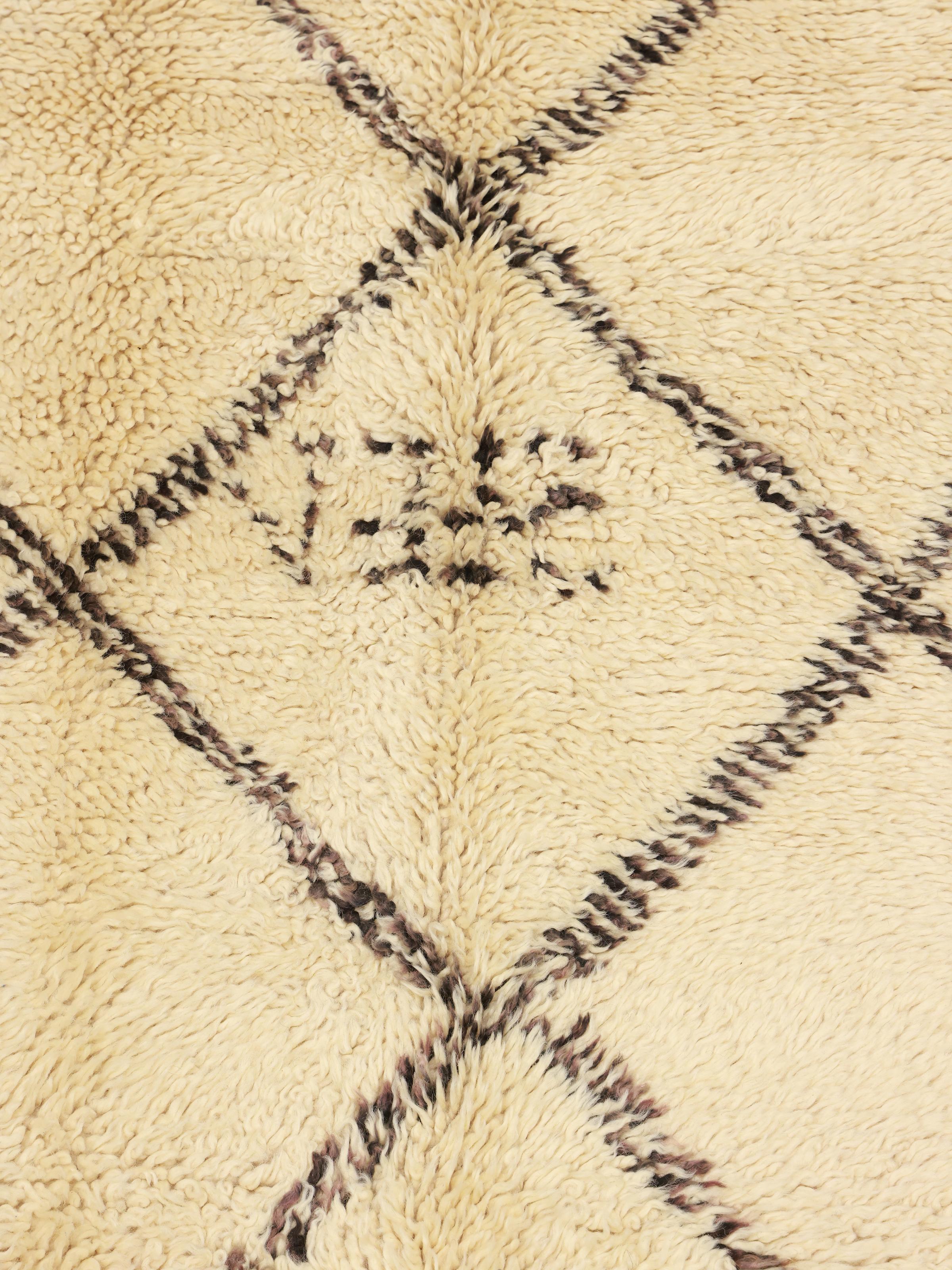
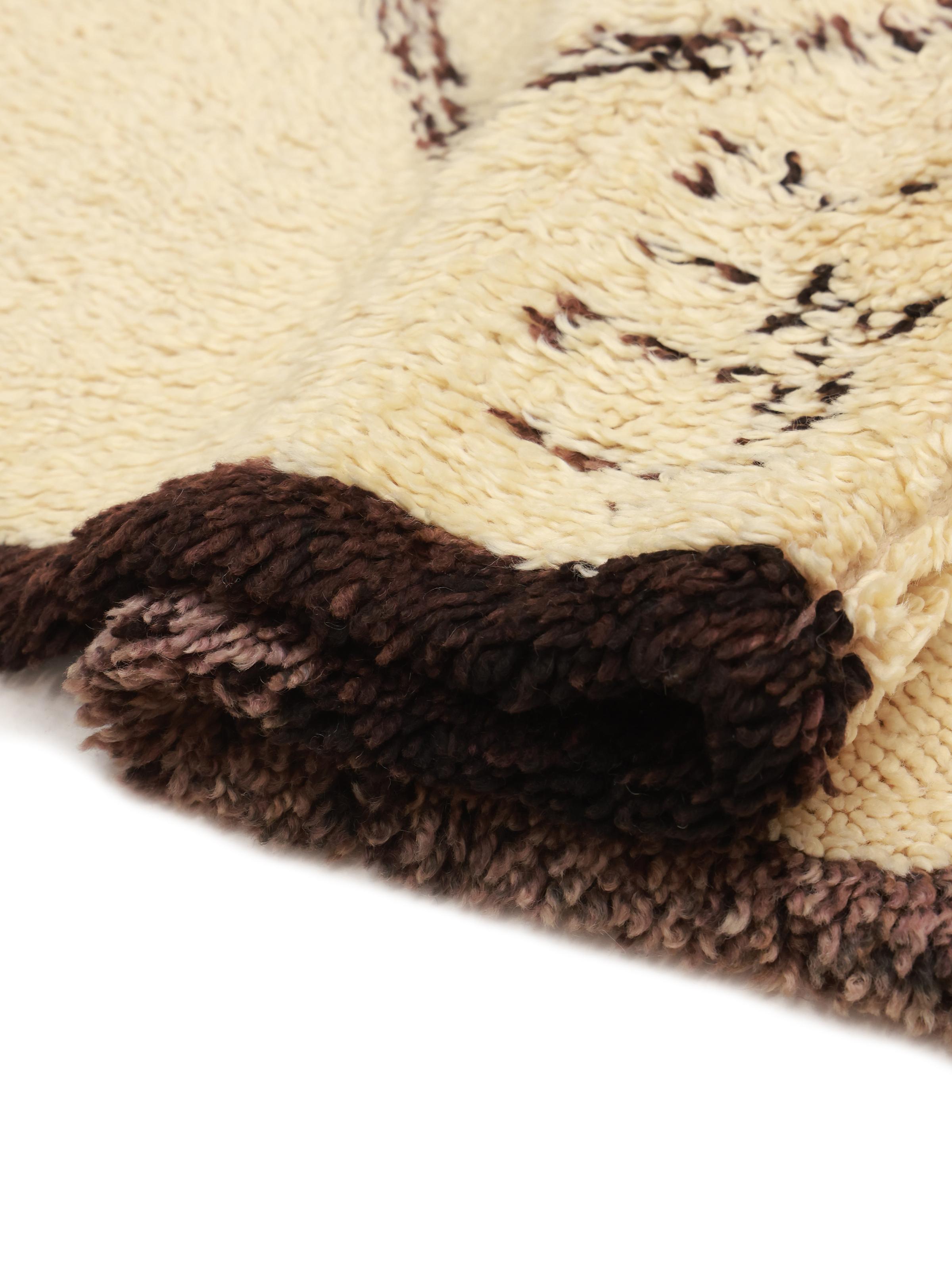
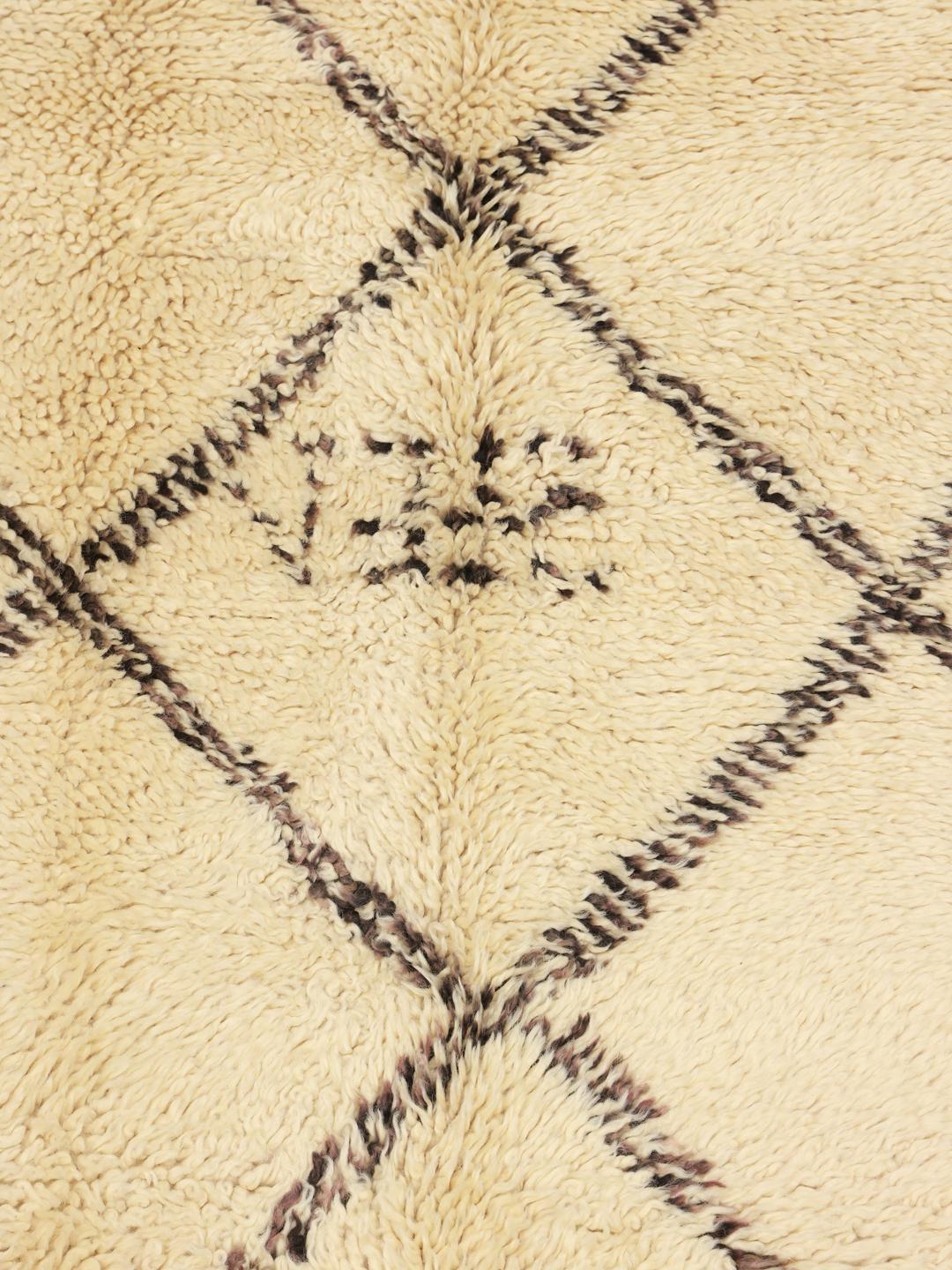
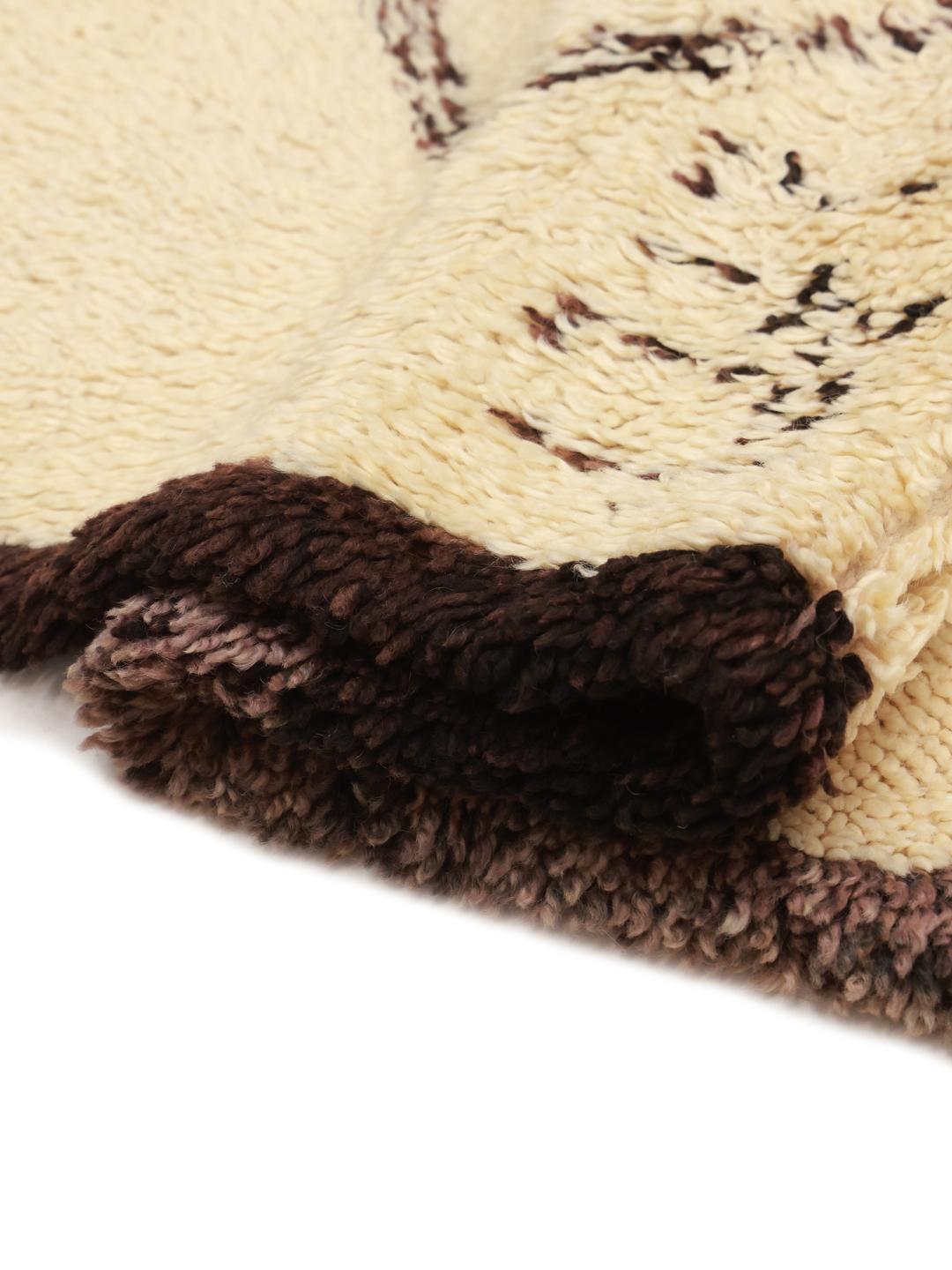
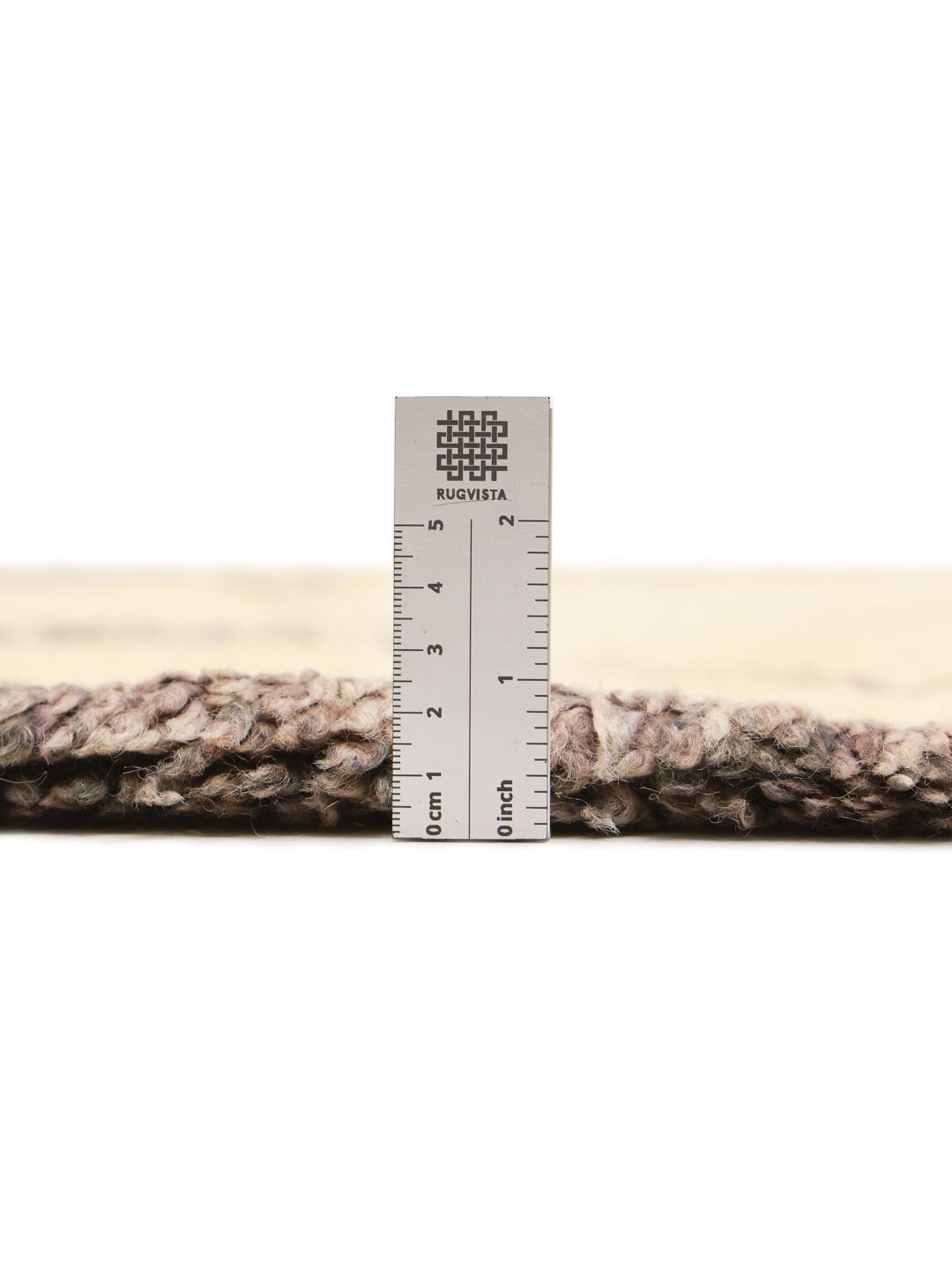
Technical quality in these rugs is defined by the quality of the wool, which is traditionally sourced from ancient, hardy breeds of sheep. The term hand-knotted refers to the laborious process where each individual knot is tied by hand onto the foundation. This method creates a pile that is not only denser and more luxurious but also significantly more durable than machine-made alternatives, allowing the rug to age gracefully over time.
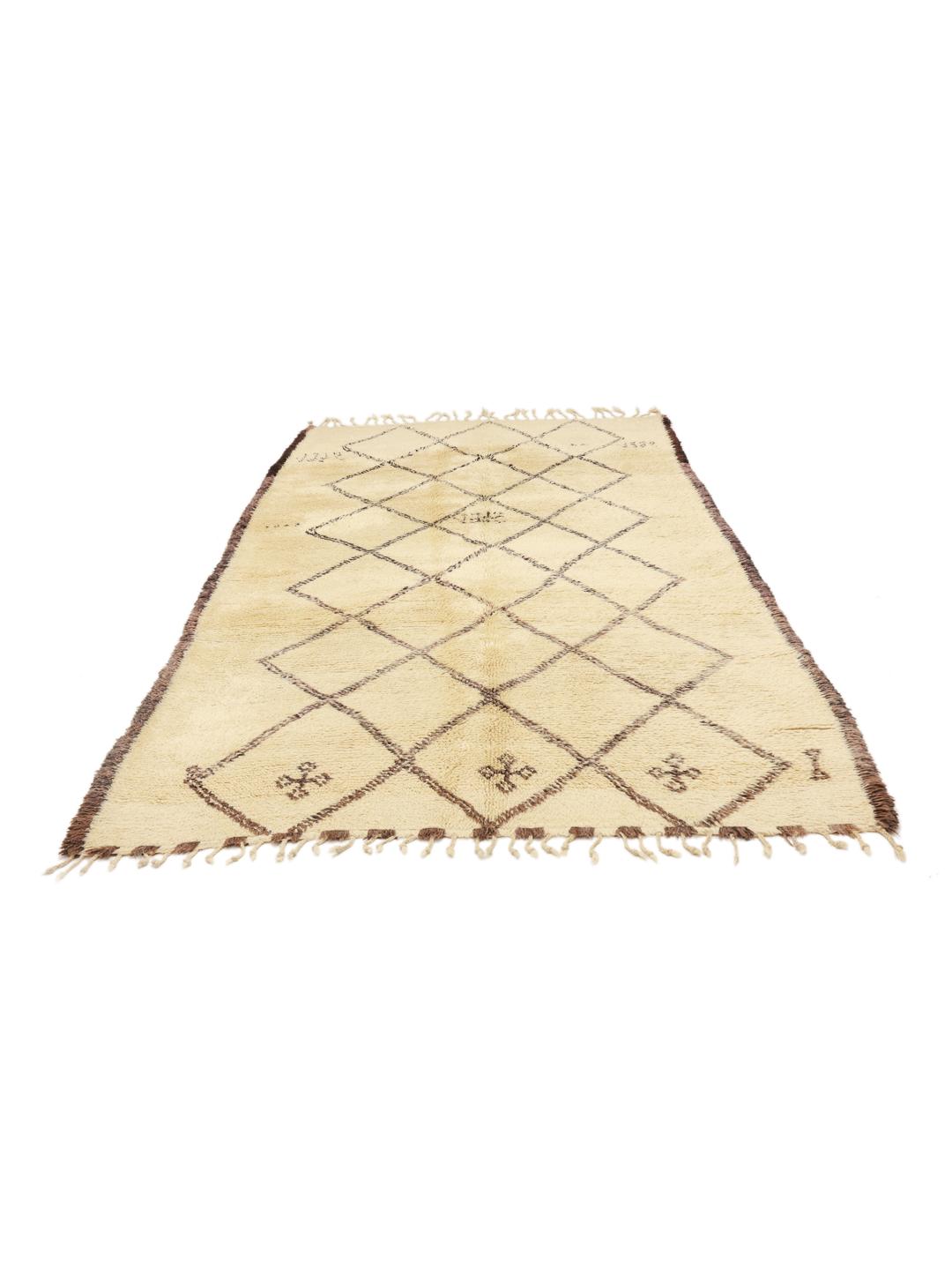
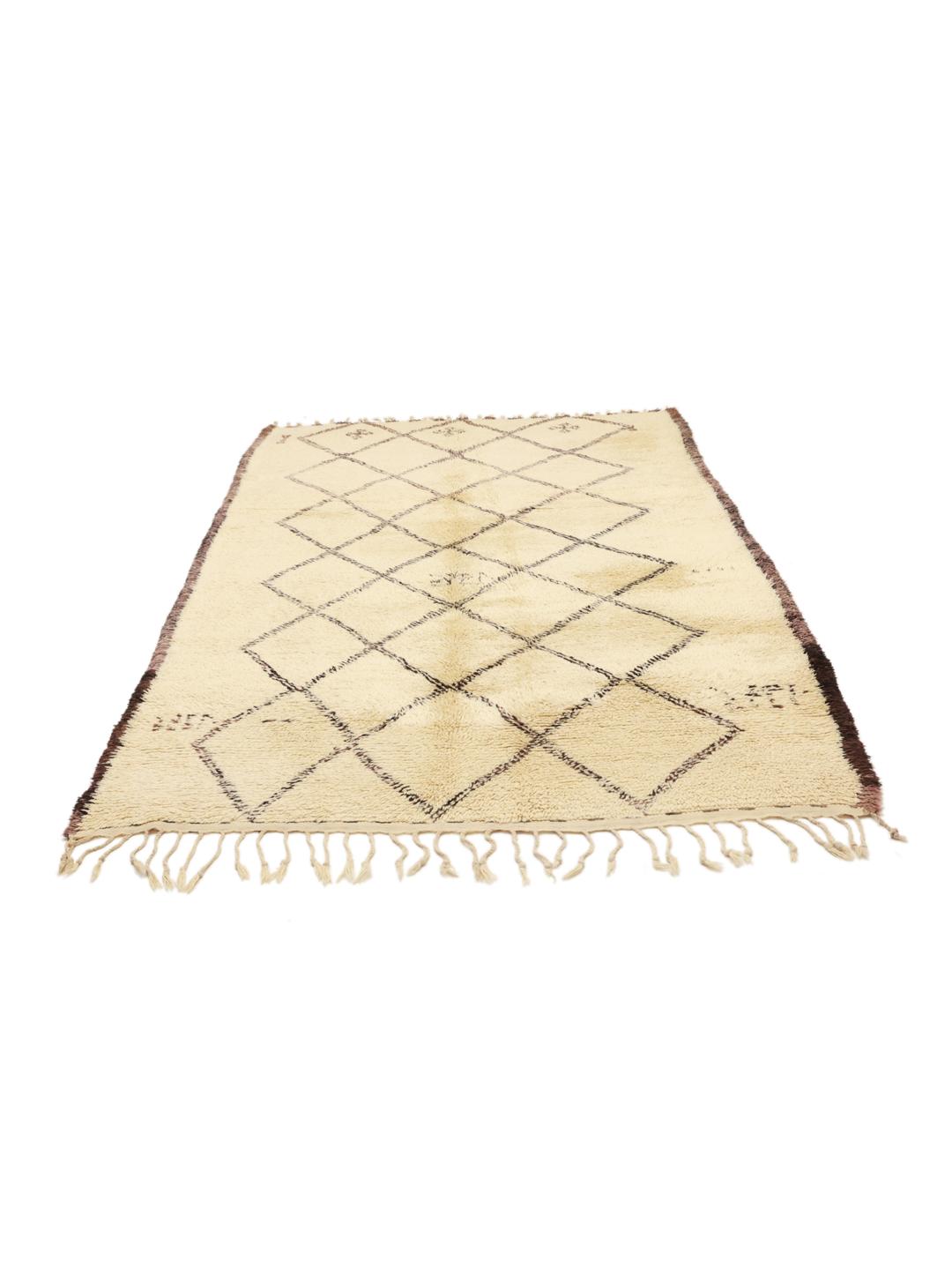
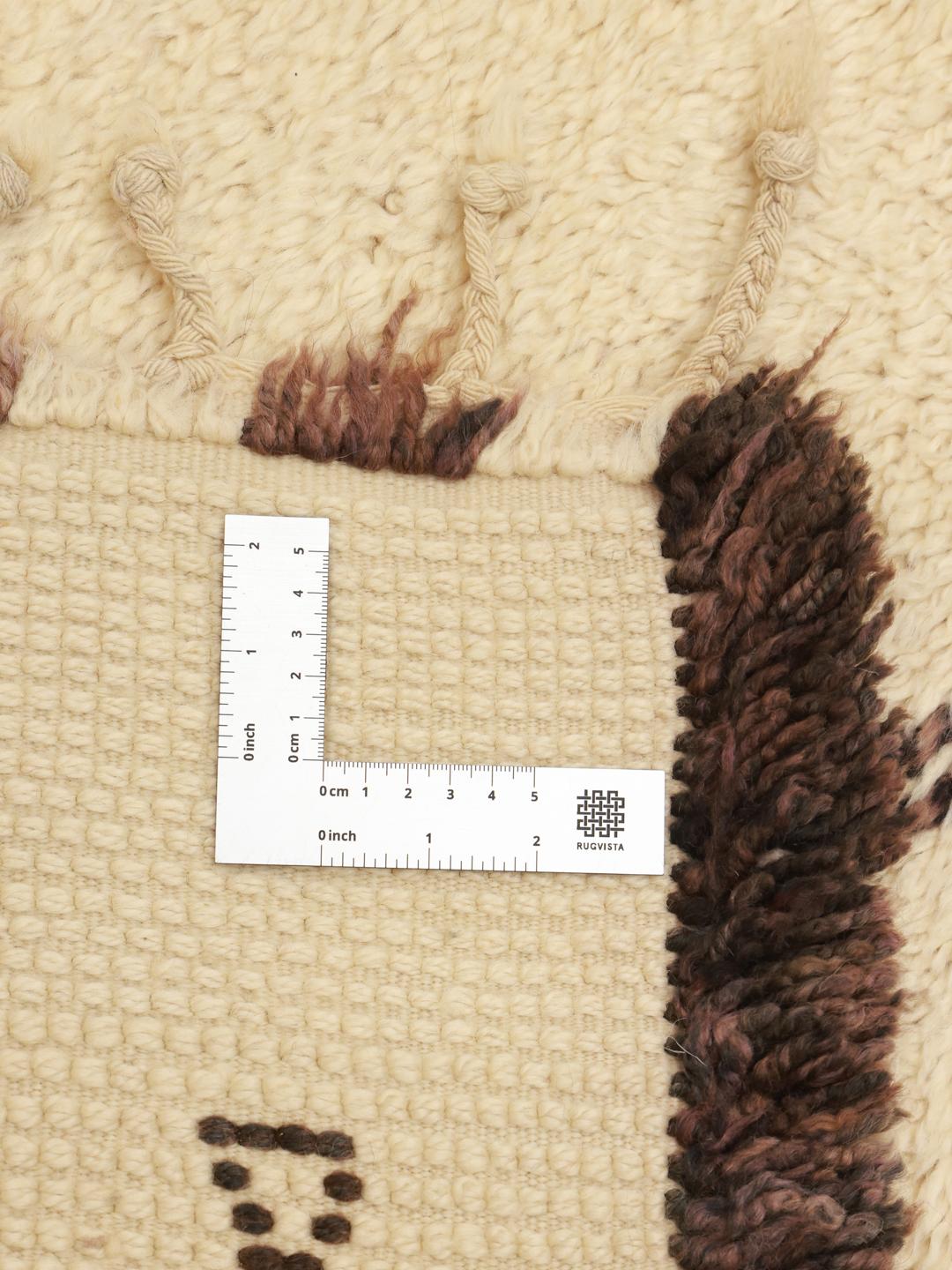
The visual language of the Beni Ourain is famous for its understated elegance. Typically, these rugs feature a cream or natural-coloured field decorated with a simple, dark brown or black geometric diamond lattice. While the pattern appears minimalist, it is often symbolic, representing aspects of the weaver's life, protection, or the surrounding mountain environment. The borders are often left simple or finished with traditional fringe, keeping the focus on the central motif.
Today, these rugs are highly sought after by collectors and interior enthusiasts for their raw, authentic beauty and cultural significance. Owning a genuine Beni Ourain is an opportunity to connect with a centuries-old tradition of craftsmanship. Each piece serves as a tactile record of the weaver's skill, representing a commitment to heritage that transcends modern trends and mass-produced furniture.