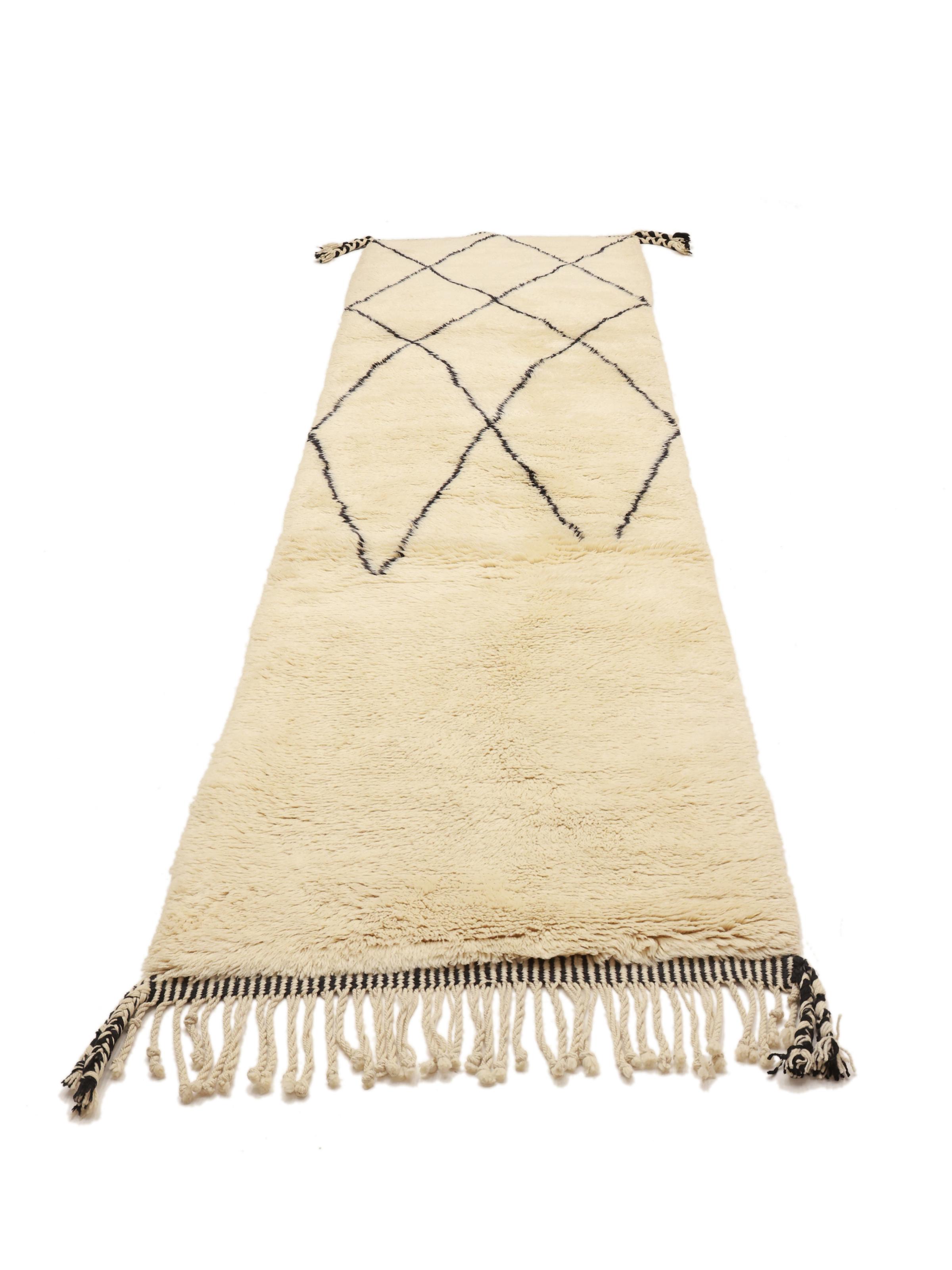
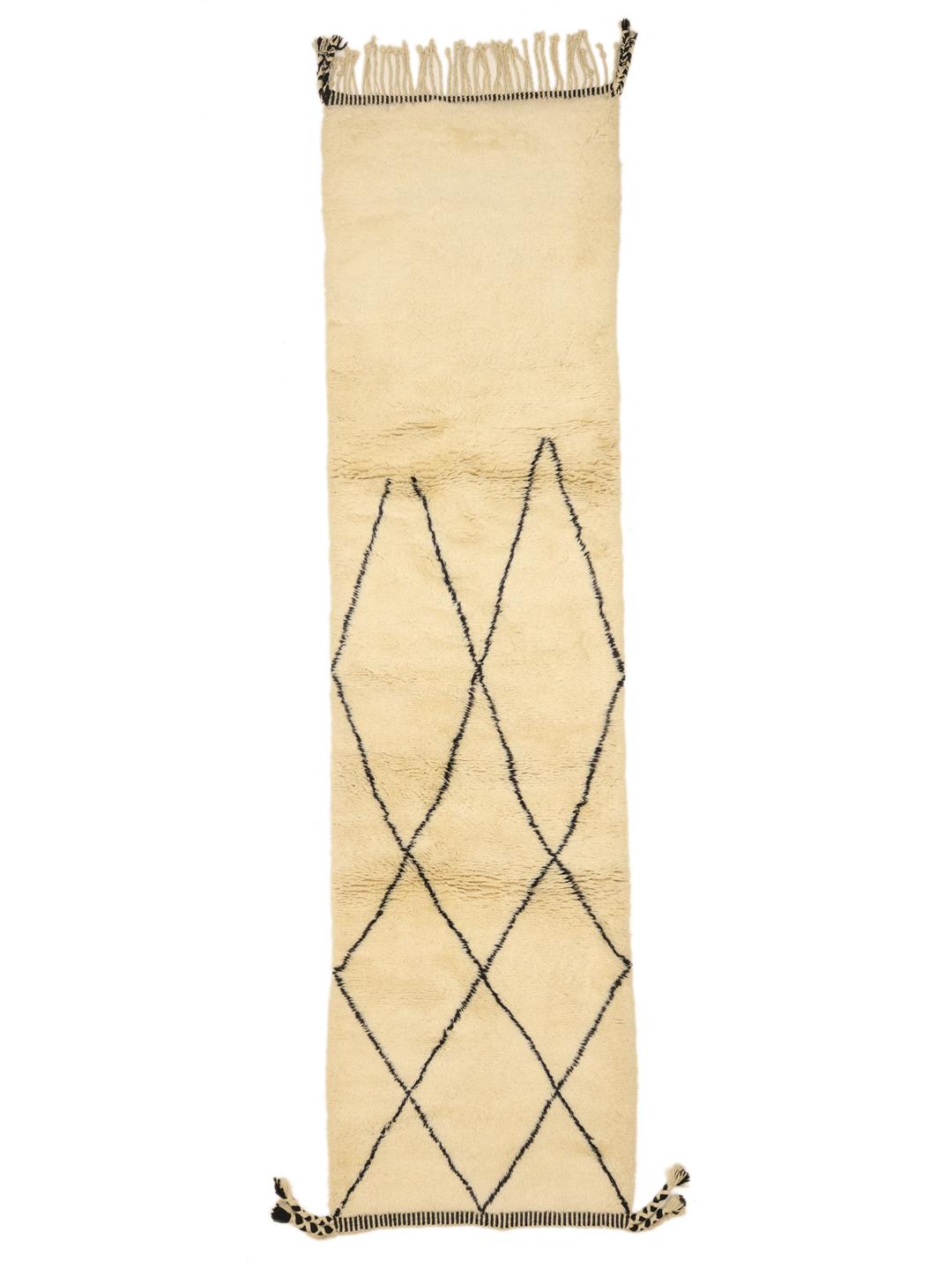
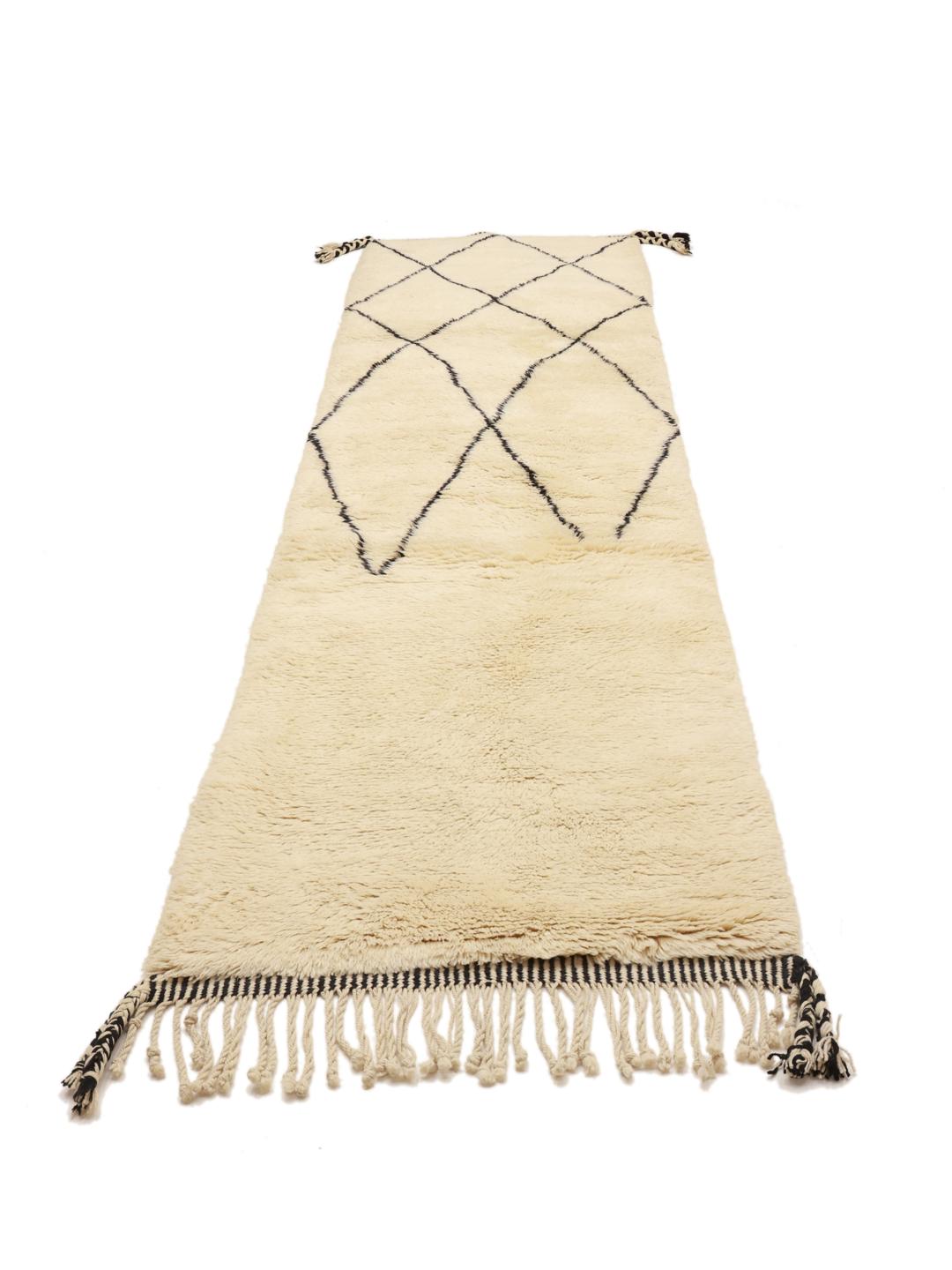
The Beni Ourain rugs originate from the Middle Atlas mountains of Morocco, where they have been woven for generations by the Berber tribes. These rugs were traditionally crafted as functional items for nomadic life, serving as warm bedding, blankets, and floor coverings in the harsh, cold mountain climate. The migration and evolution of these designs from strictly utilitarian tribal objects to globally recognised interior design icons is a testament to their enduring beauty and quality.
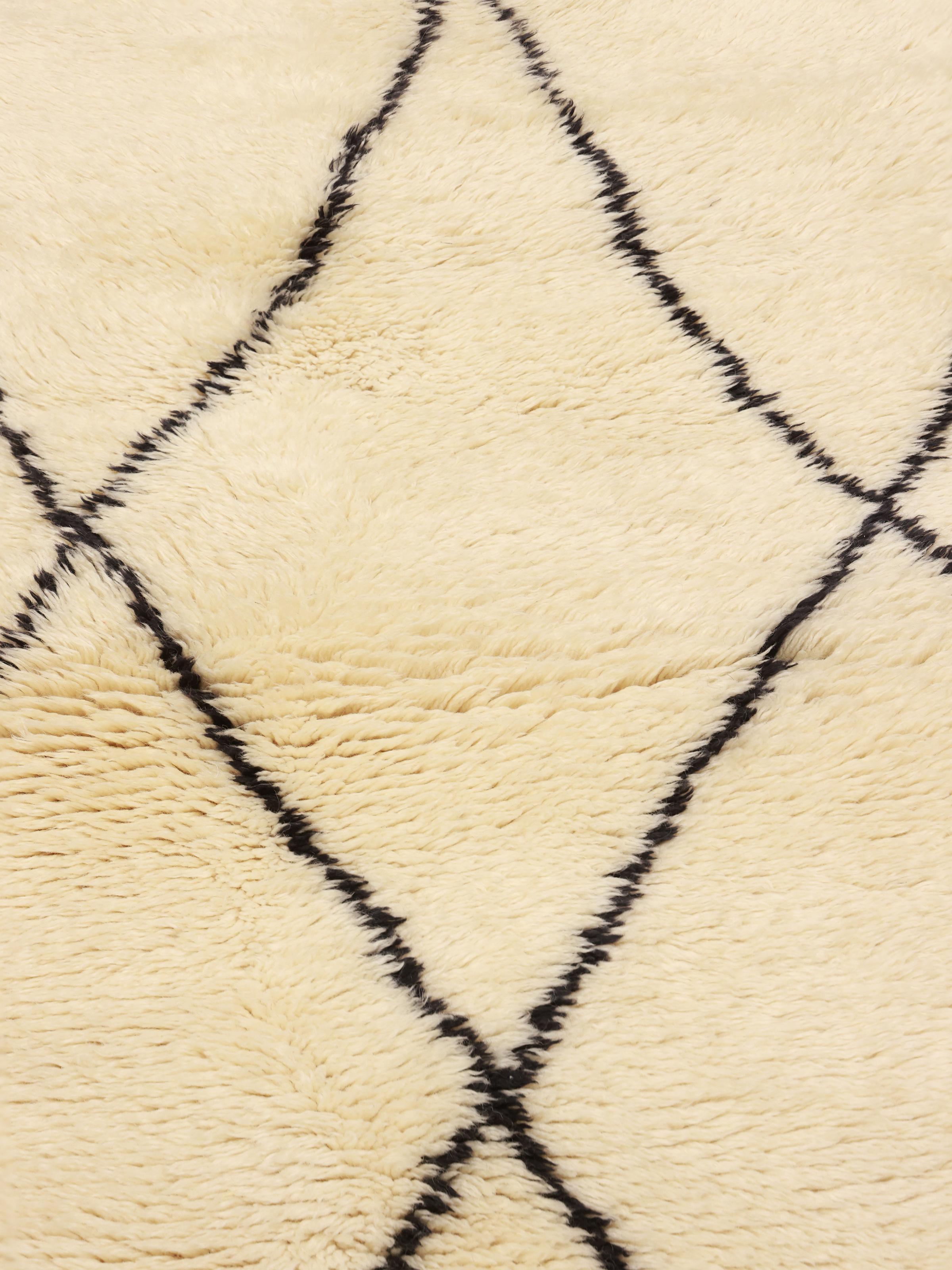
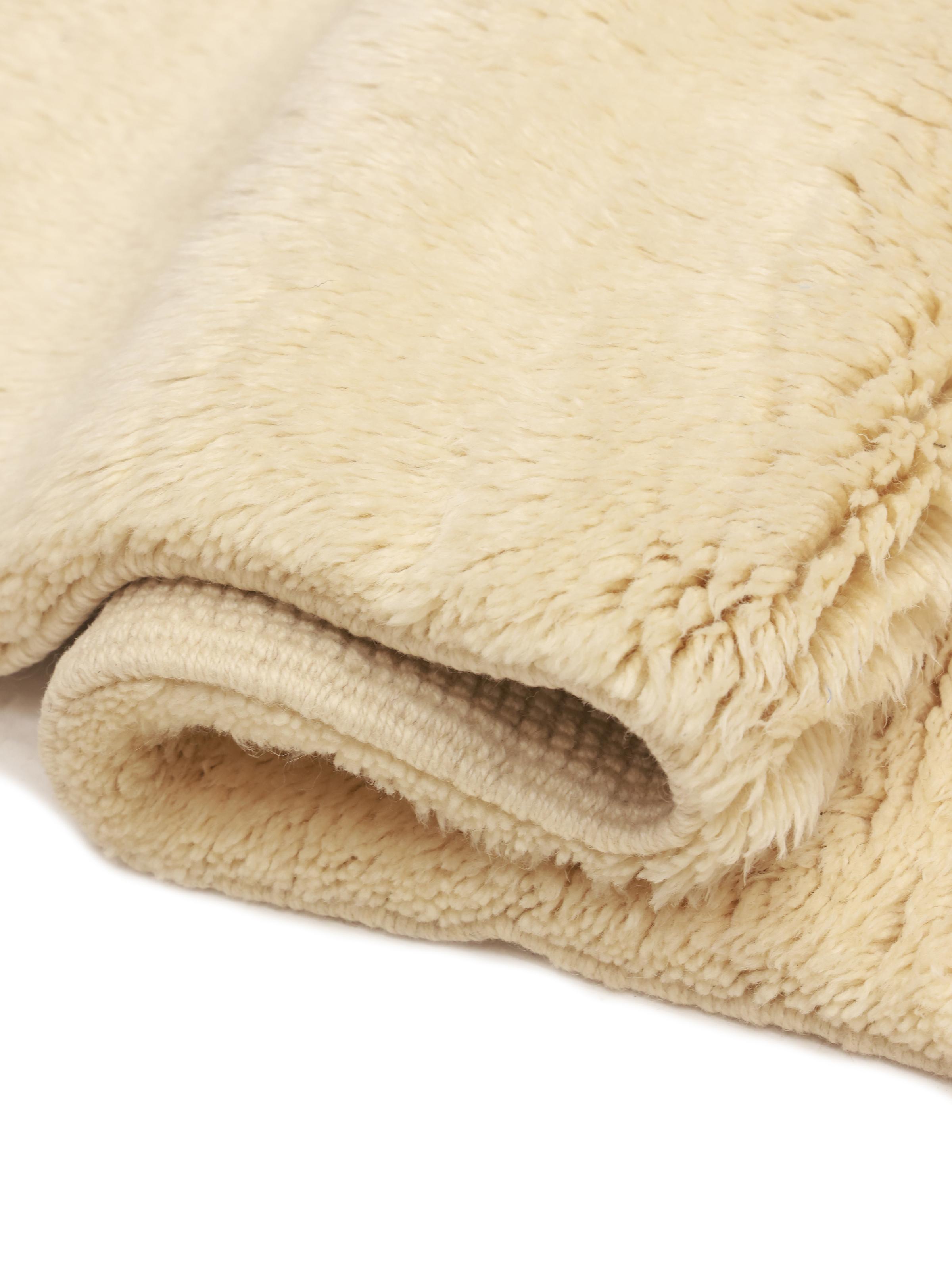
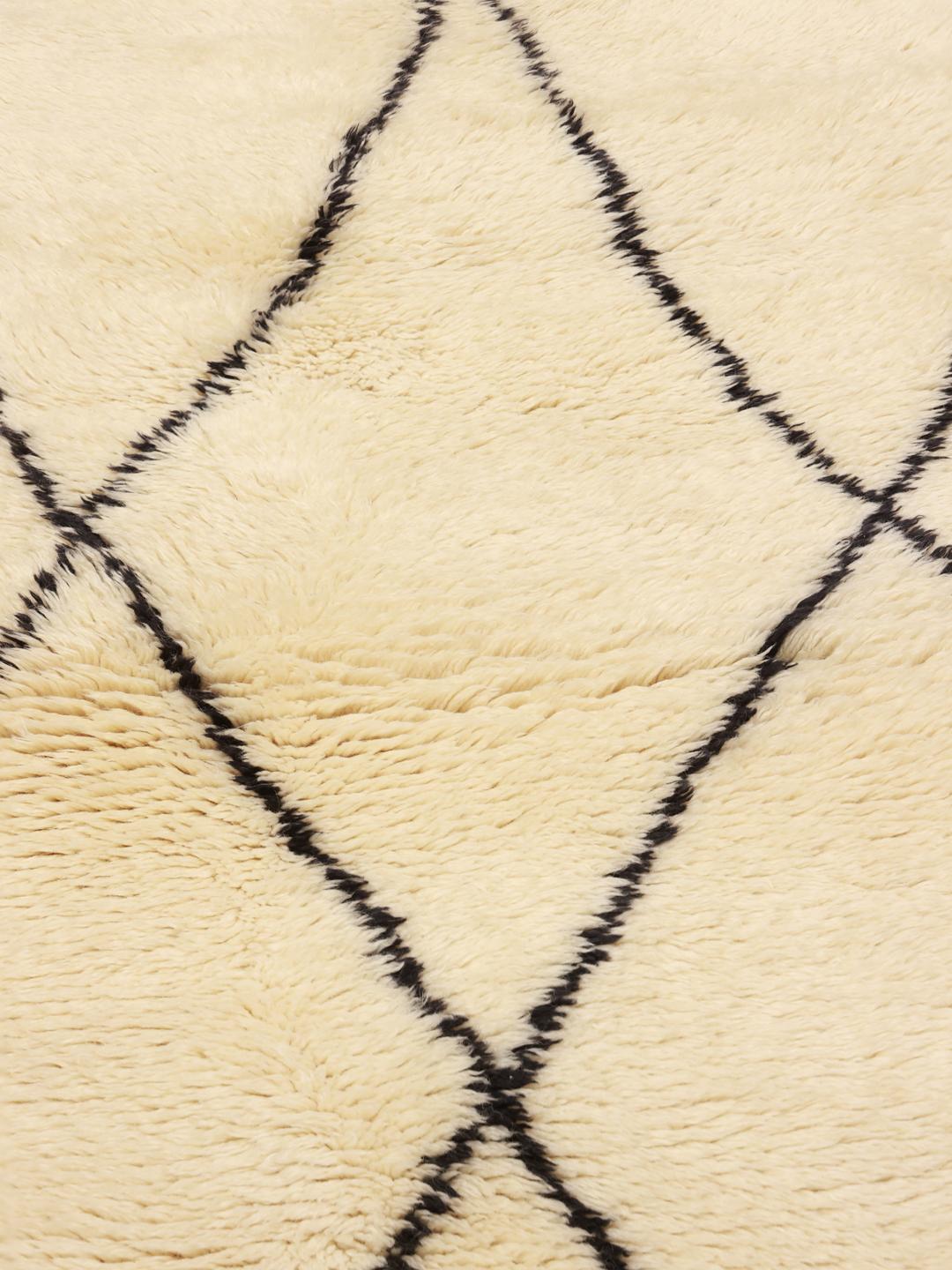
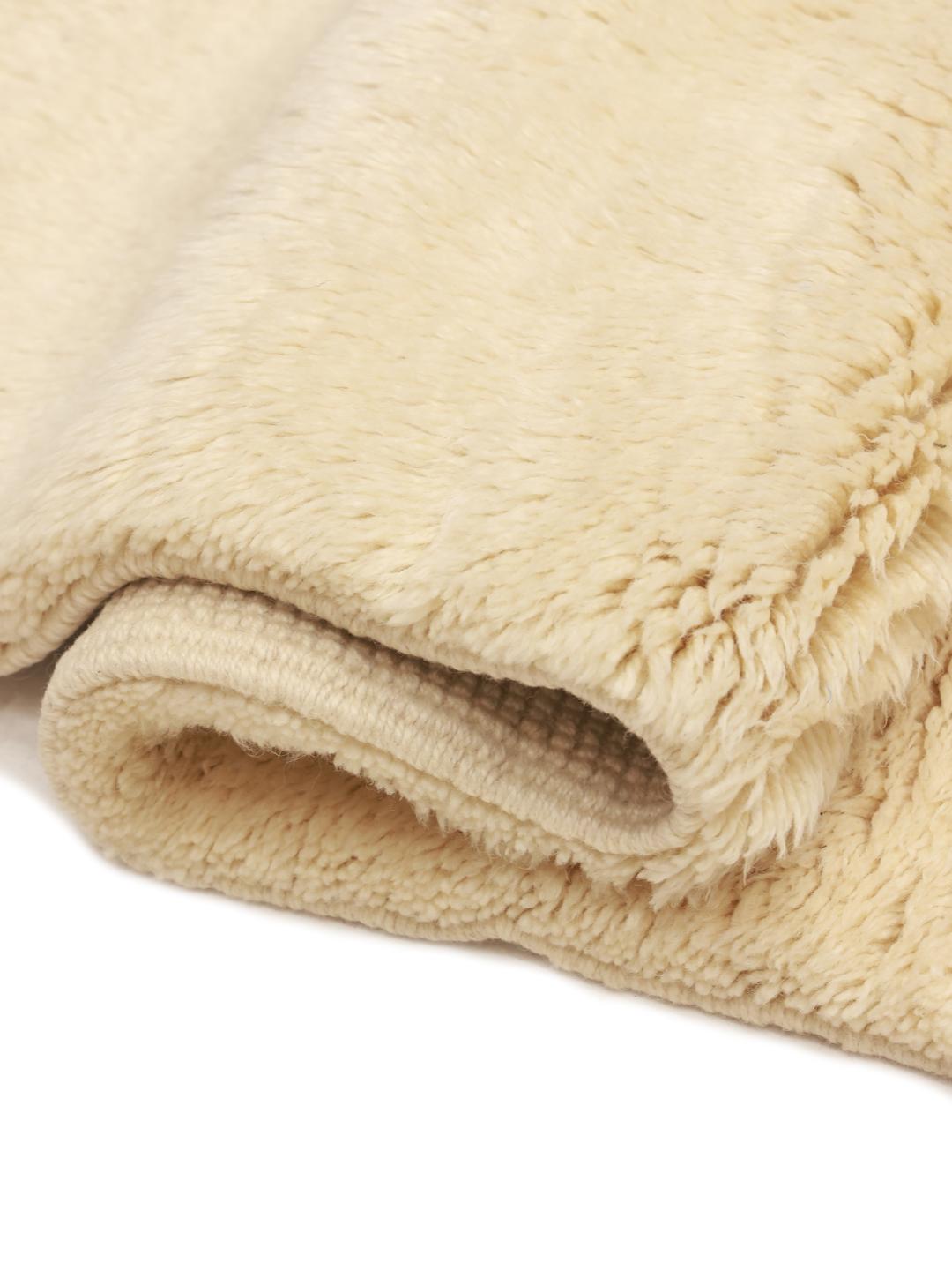
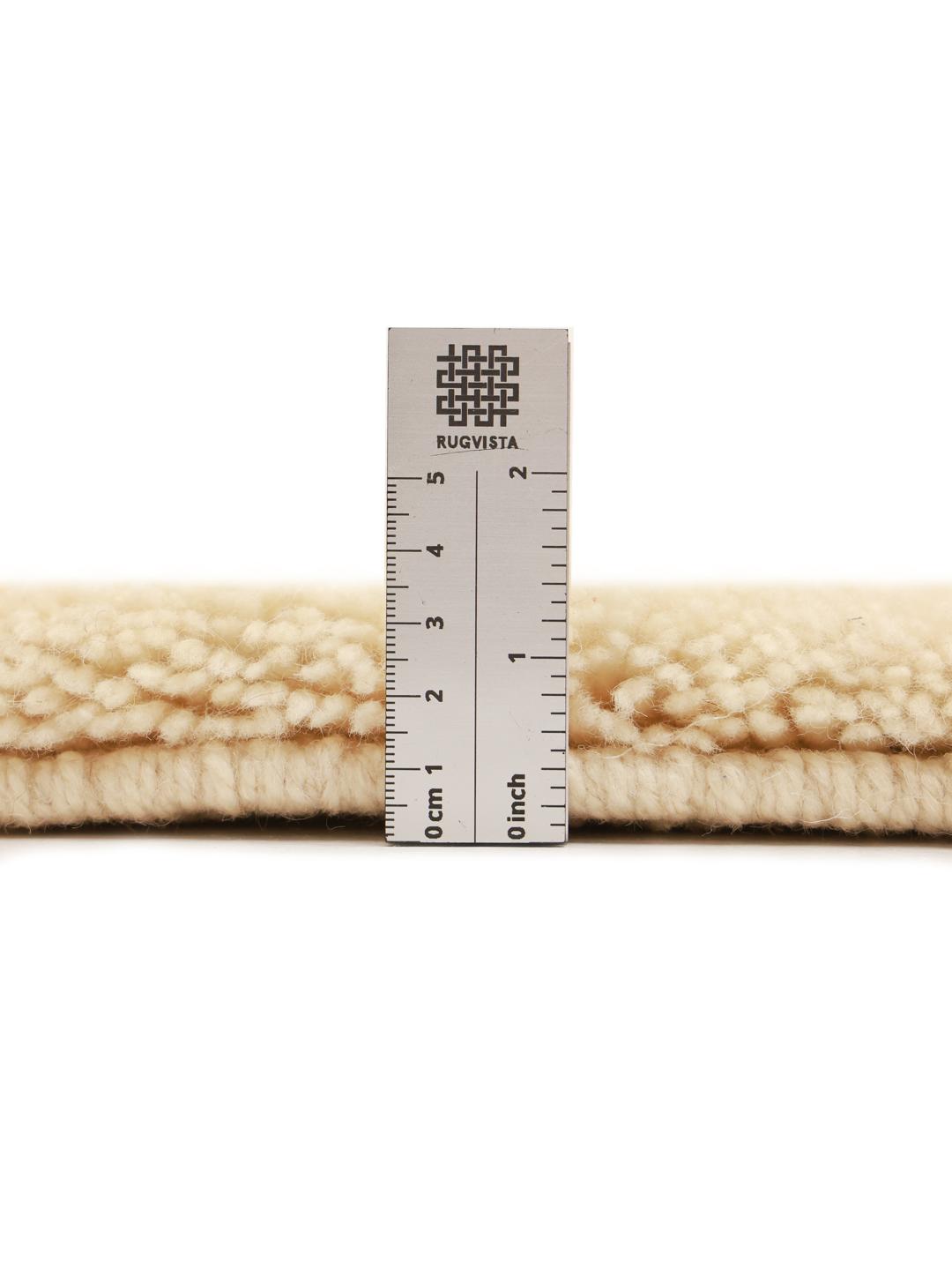
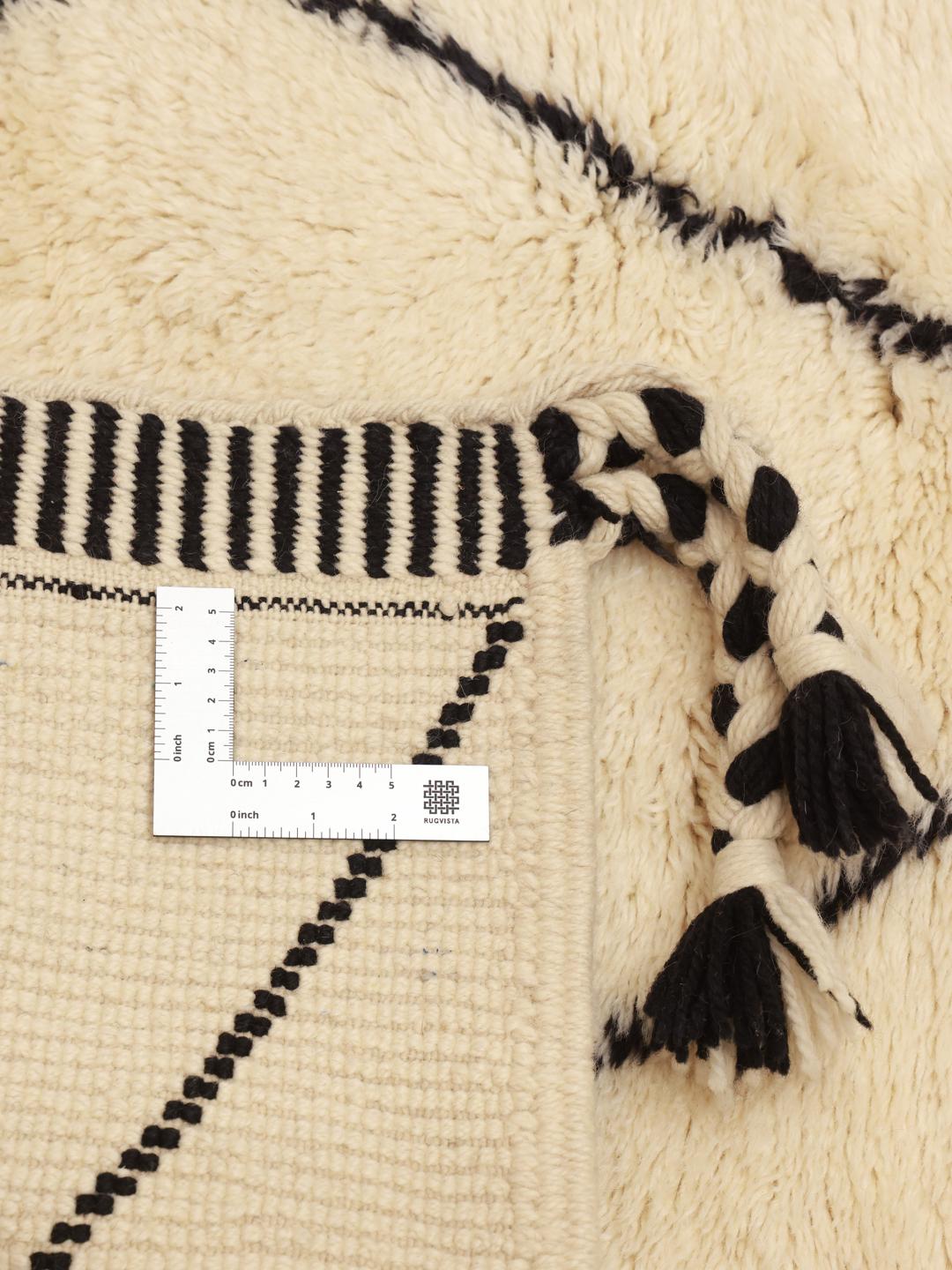
Technically, the Beni Ourain style is defined by its use of high-quality, long-staple wool. This wool is prized for its natural lustre and resilience, which is why these rugs feel so soft and hold their shape so well over time. The construction is typically characterised by a thick, deep pile that provides exceptional warmth and comfort, a feature that remains the signature of authentic pieces today.
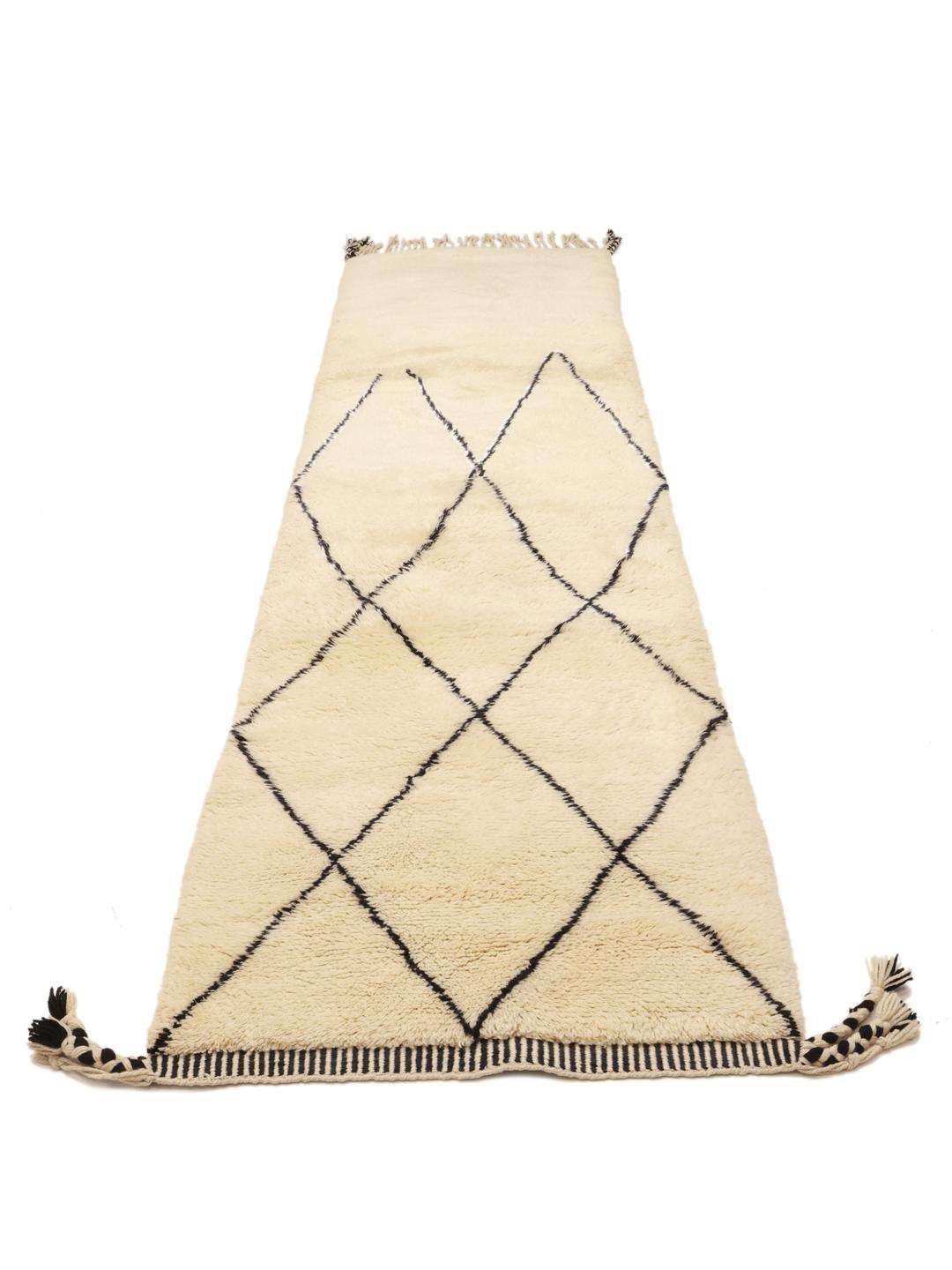
Visually, the Beni Ourain tradition is famous for its minimalist aesthetic. The field is most often a natural, undyed cream or beige, serving as a canvas for simple, bold geometric motifs like diamonds or lozenges, usually in dark brown or black. These patterns are not merely decorative but often hold symbolic meaning within the weaver's culture, representing elements of family, protection, and the natural world.
Collecting a Beni Ourain rug is an investment in cultural history. Each rug is a unique expression of the weaver's life and environment, making them highly valued by those who appreciate the intersection of artistry and utility. Owning one is more than just having a rug on your floor; it is a connection to a rich, ancestral craft tradition that has remained largely unchanged for centuries.