Berber rugs originate from the indigenous tribes of the Atlas Mountains in Morocco, where weaving is a tradition passed down through generations of women. These rugs were historically created for domestic use, serving as bedding, blankets, or floor coverings to protect against the harsh mountain climate. Each rug was deeply personal, reflecting the weaver's life, family, and environment.
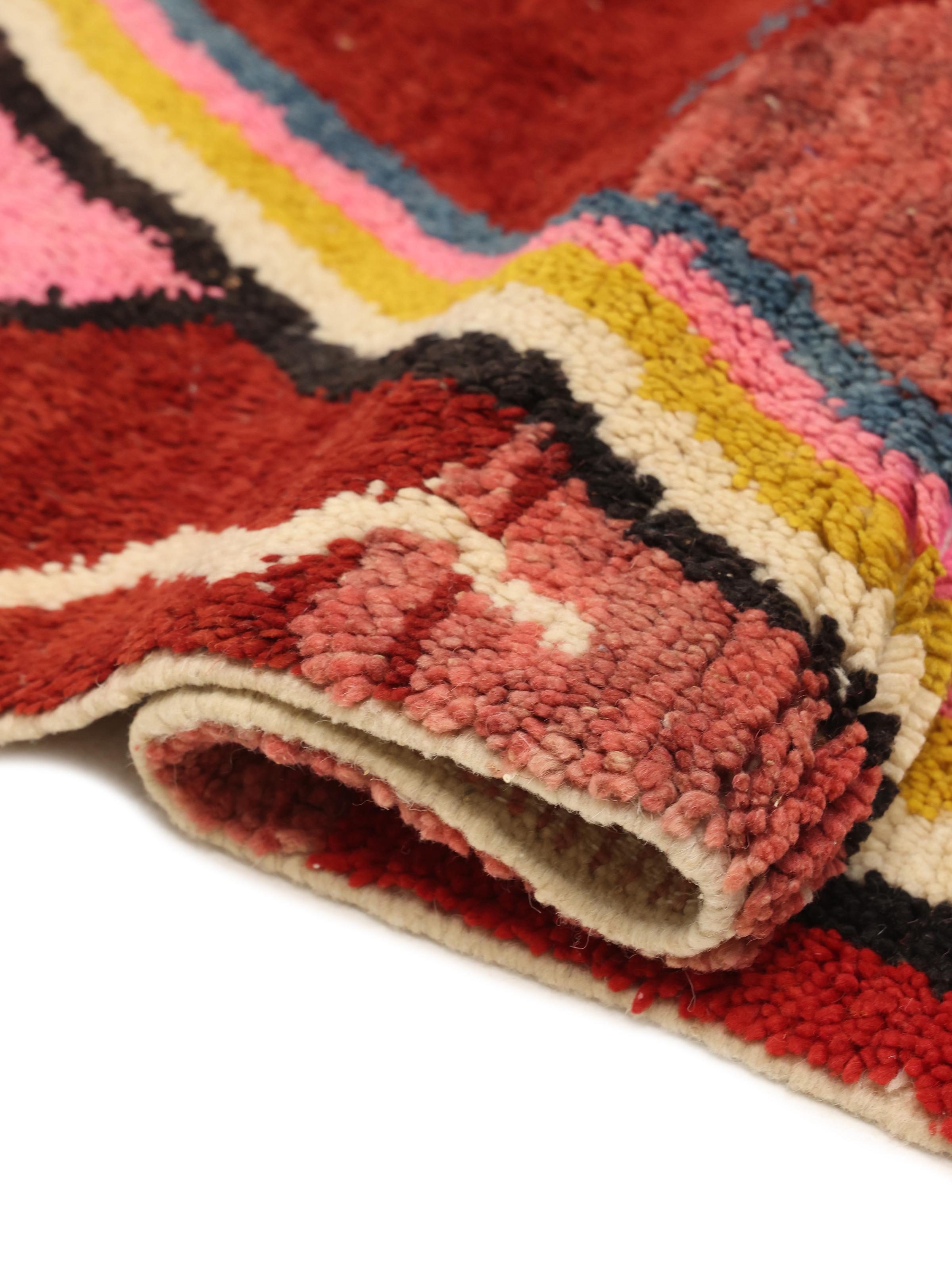
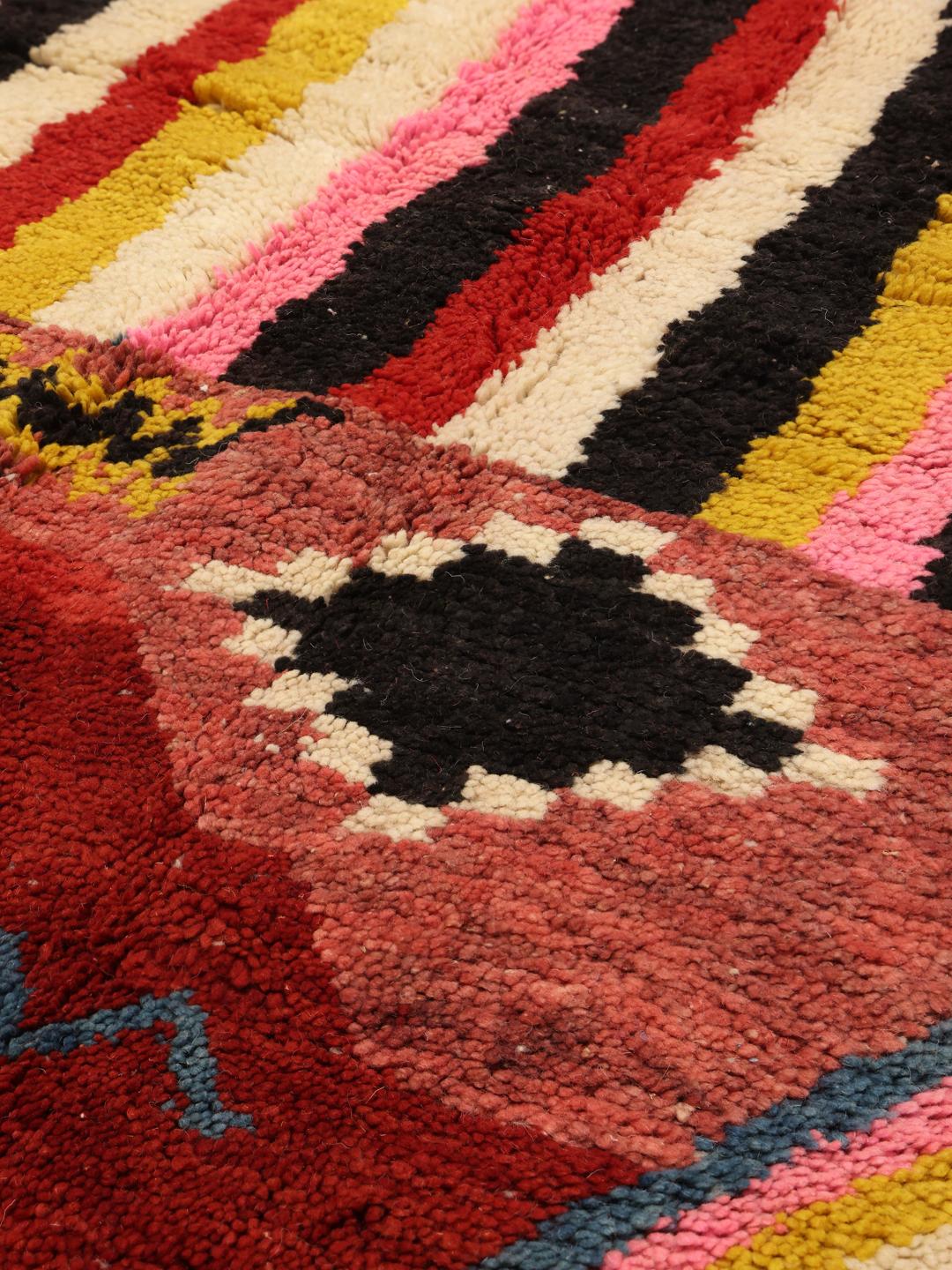
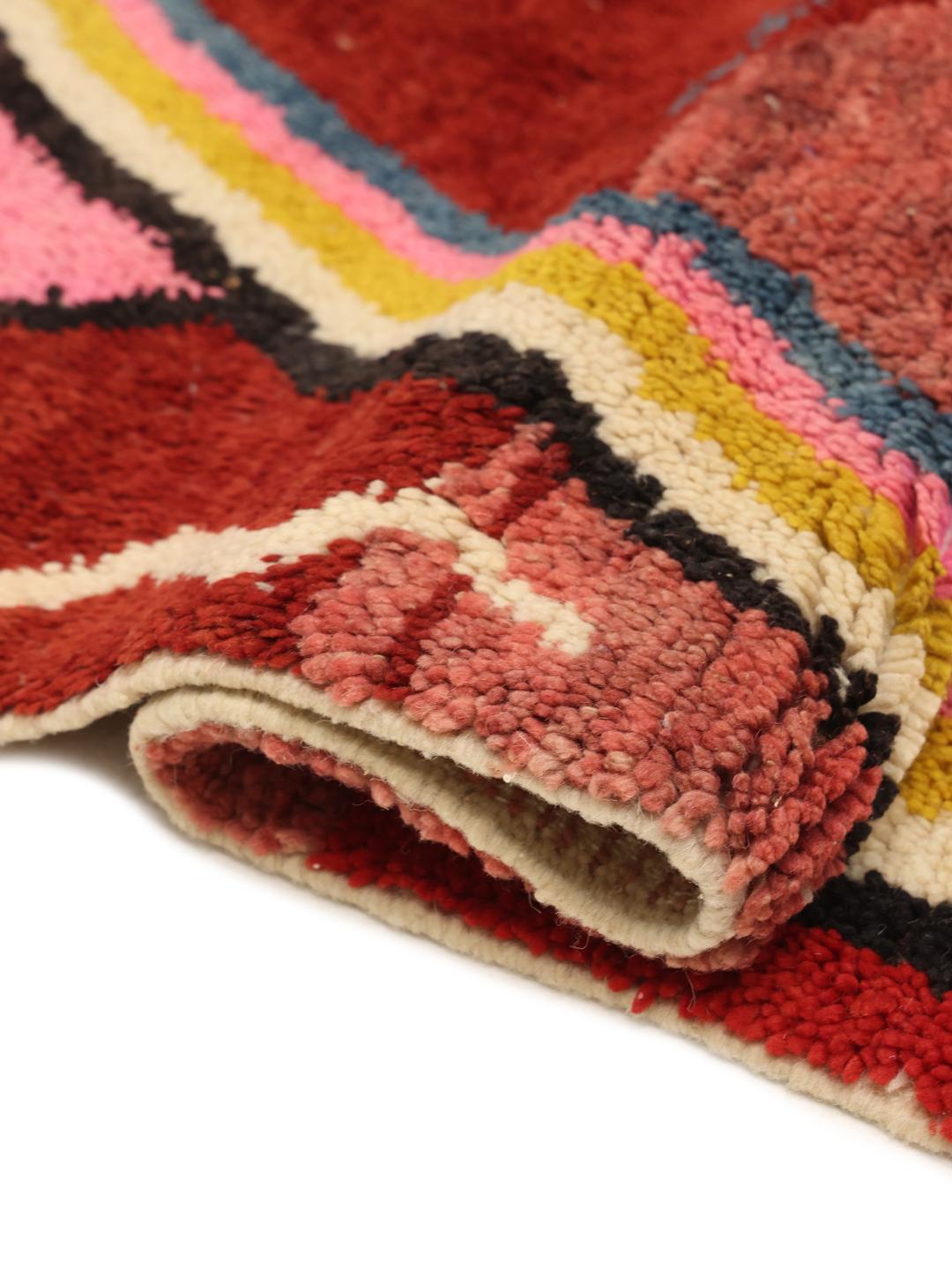
The terminology surrounding these rugs often refers to the specific tribal origins and the weaving techniques employed. While many think of Beni Ourain as a specific style, it actually represents a broader family of Moroccan weaving that emphasises pure, high-quality Wool and expressive, often minimalist or geometric designs. The term 'Mid Atlas' points to the specific geographical and cultural influence of the tribes in that region, known for their bold use of colour and complex symbolism.
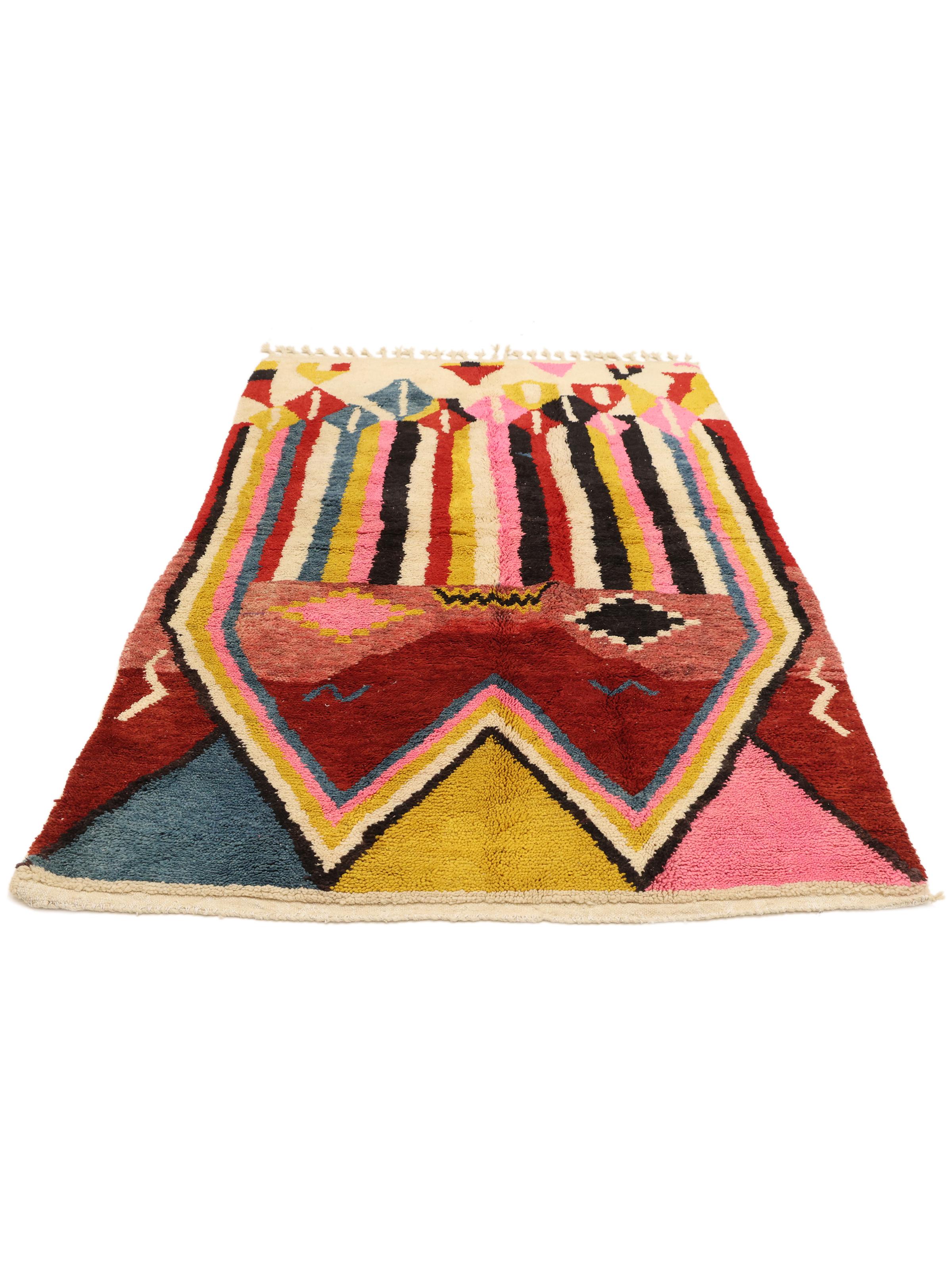
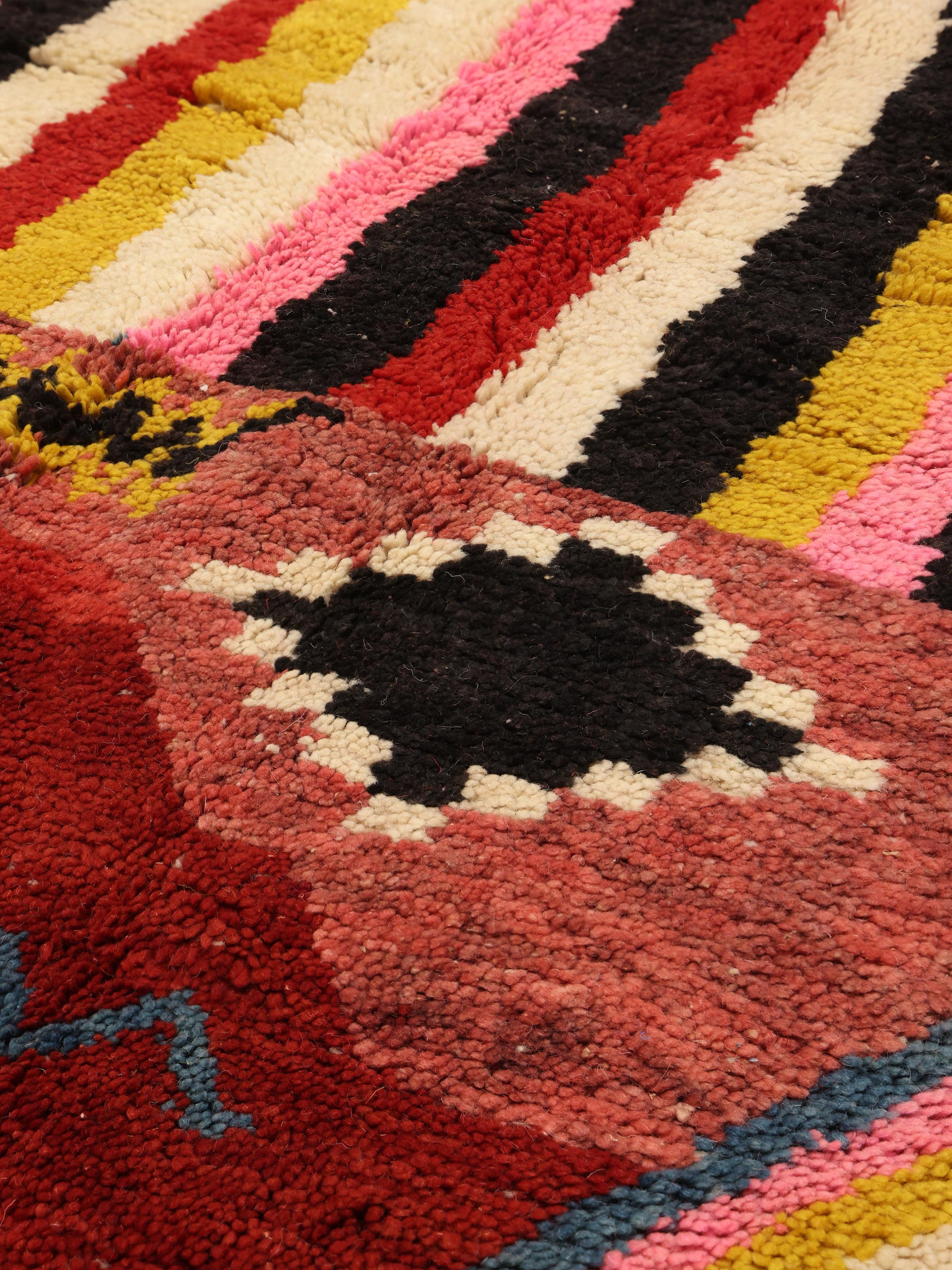
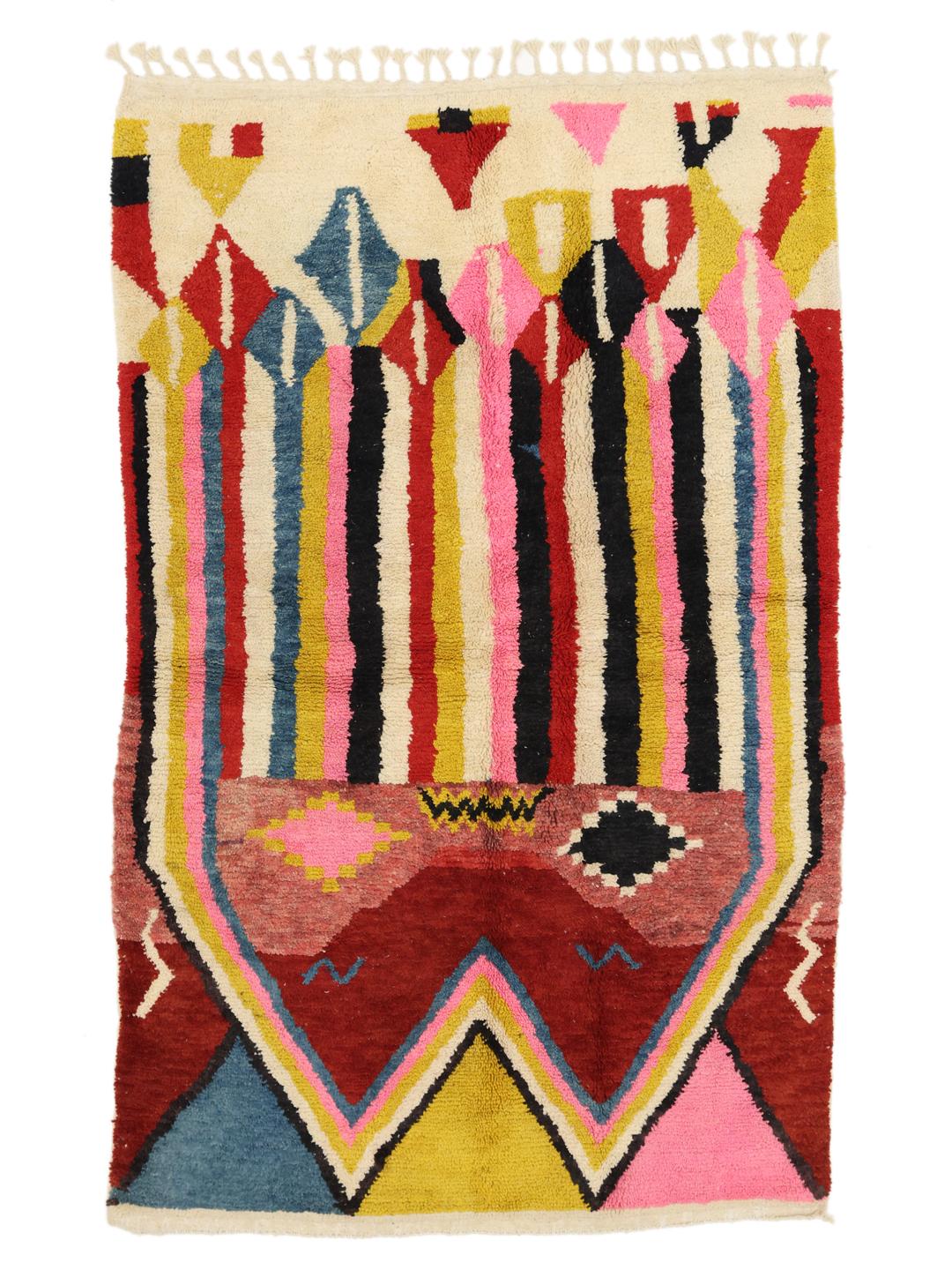
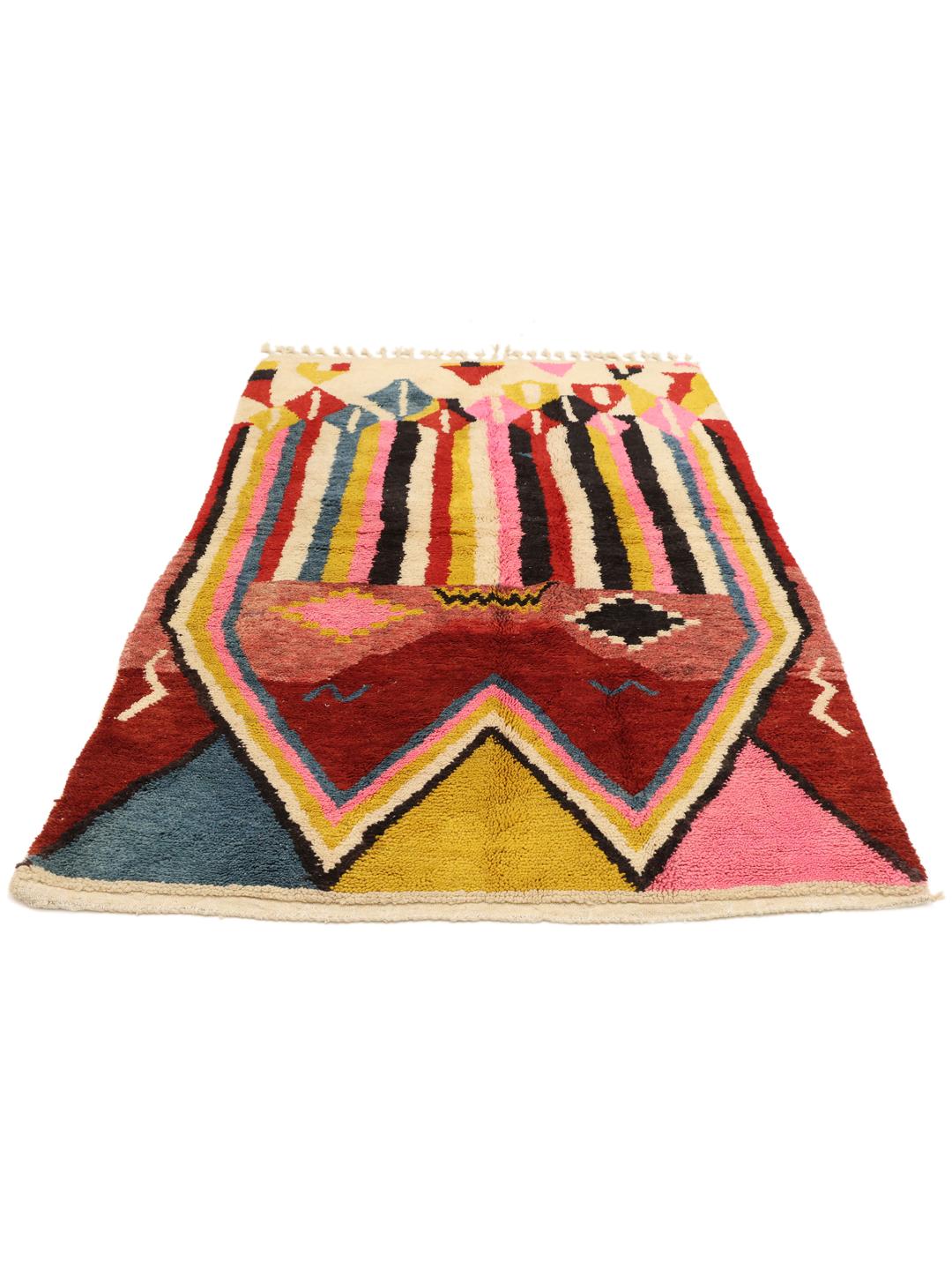
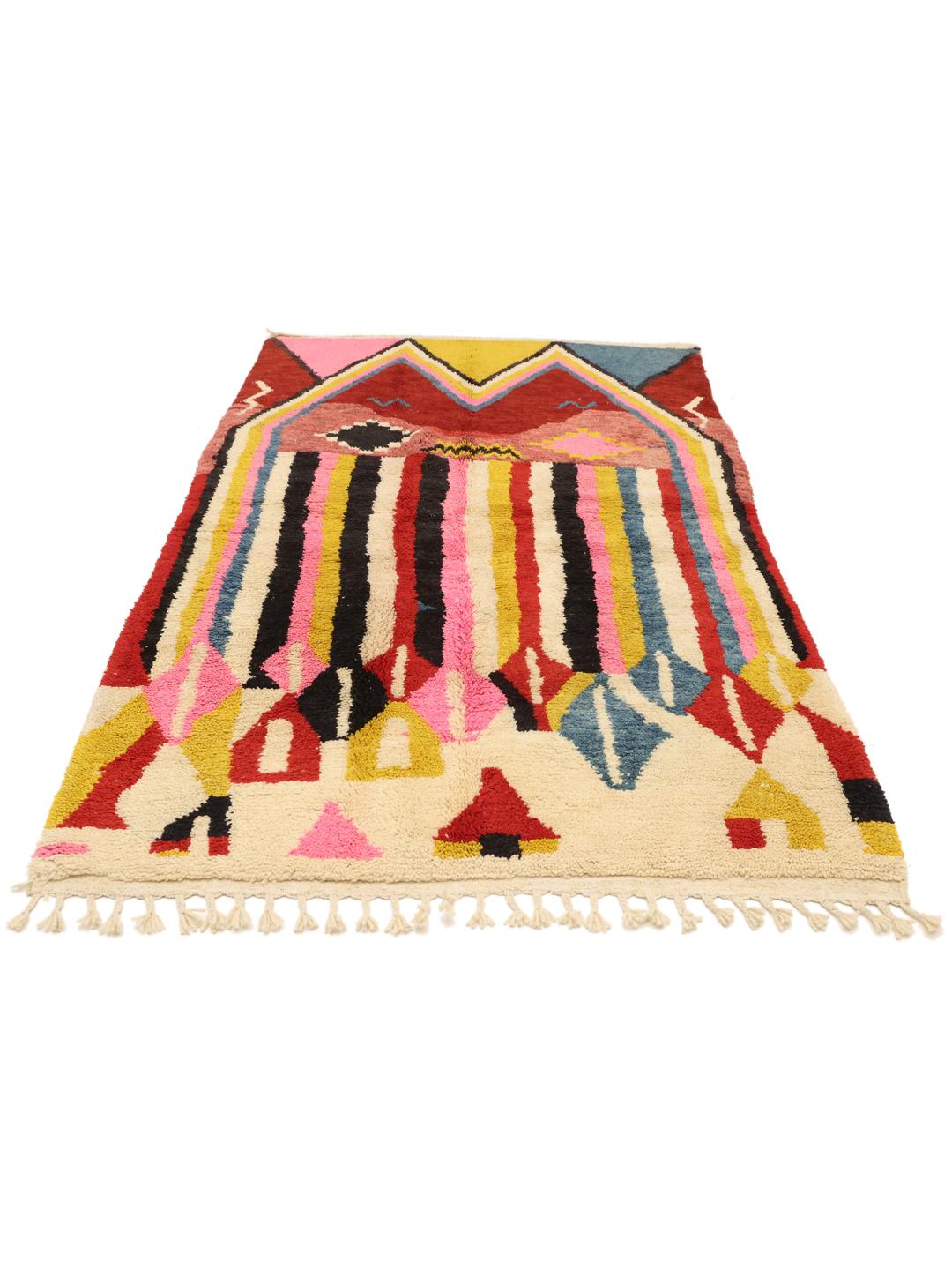
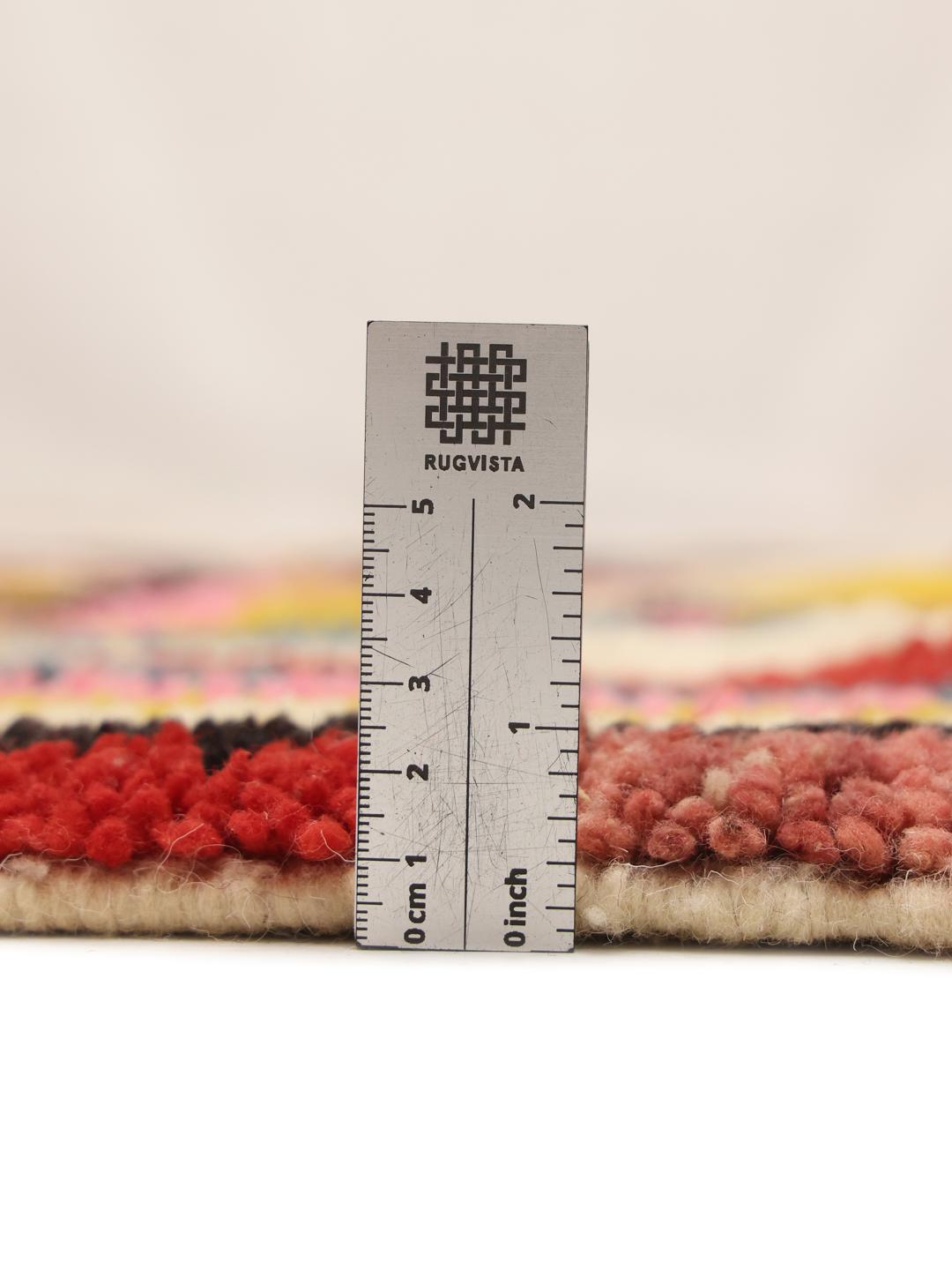
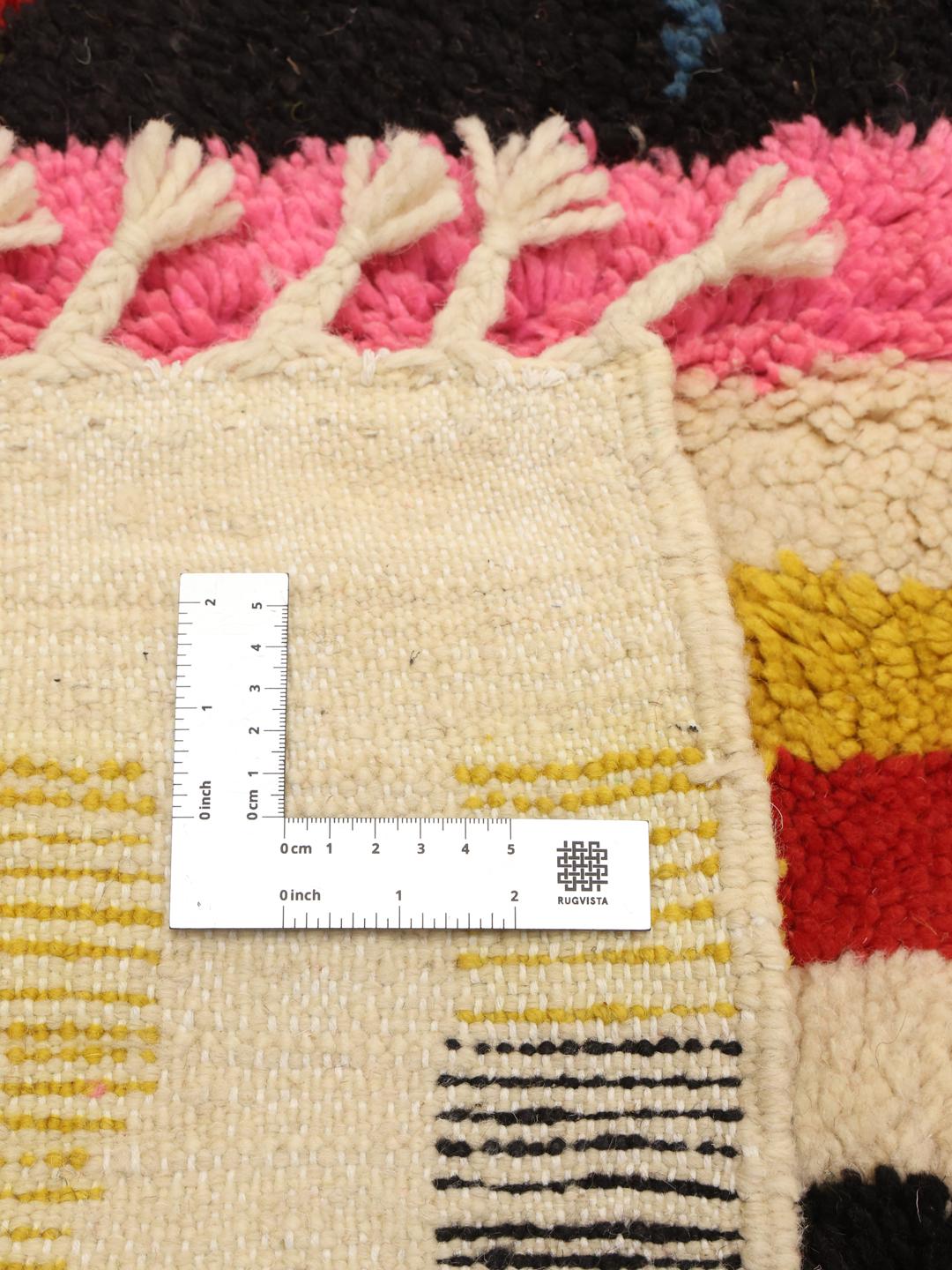
Signature design elements in these rugs often include symbolic motifs such as diamonds, zig-zags, and abstract forms that are believed to provide protection or tell a story. While traditional Beni Ourain rugs are often recognised by their cream-coloured backgrounds and dark brown or black lines, this particular piece is notable for its vibrant, multi-coloured palette. This departure from the monochromatic norm highlights the artistic freedom and individual expression found within the weaving traditions of the Mid Atlas tribes.
Collecting these rugs is an investment in cultural heritage and human skill. They are highly valued for their authenticity and the way they bridge the gap between ancient nomadic traditions and contemporary home interiors. Owning one is a way to preserve a dying art form, ensuring that the knowledge of the weavers continues to be celebrated and appreciated in homes around the world.