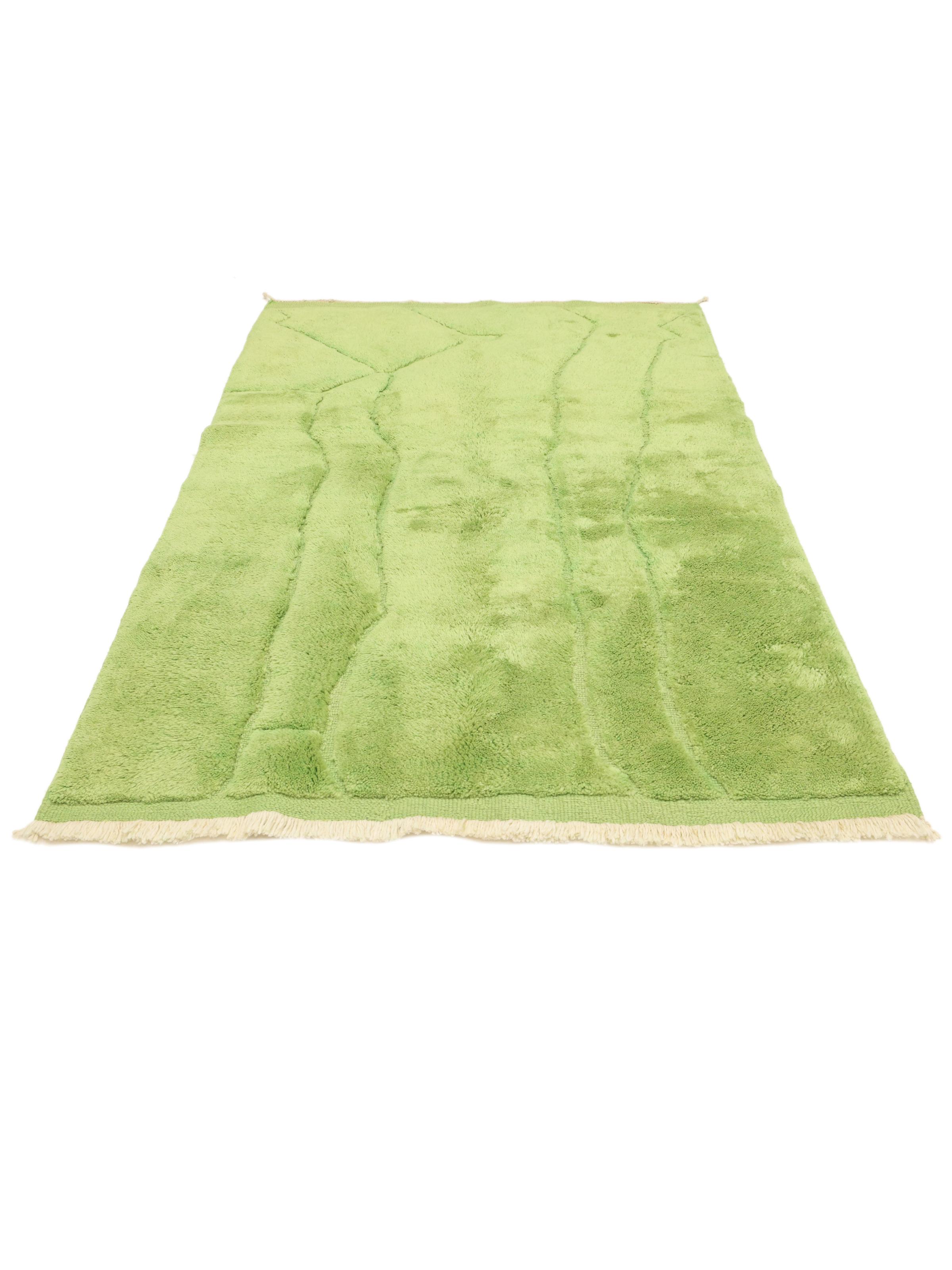
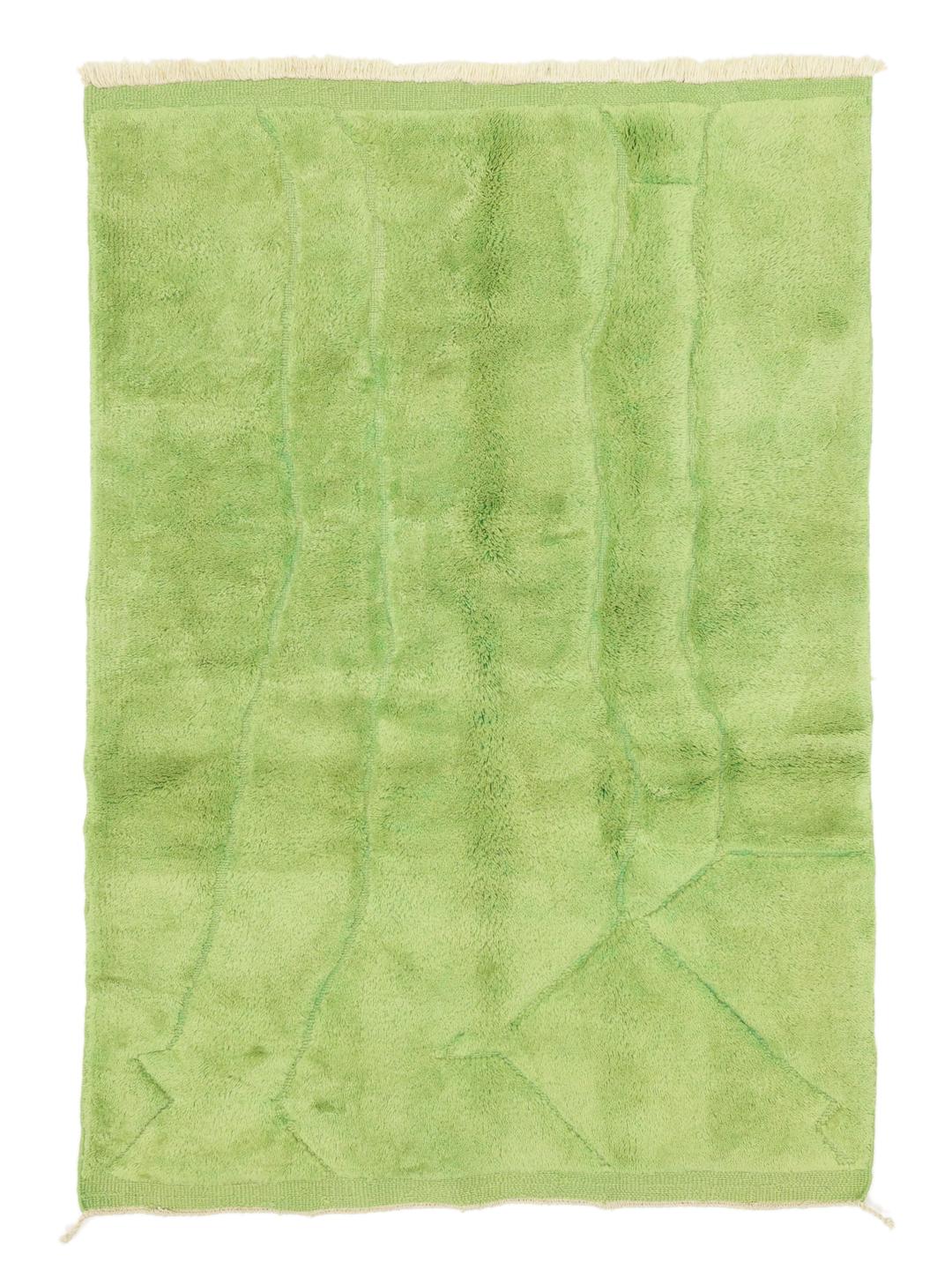
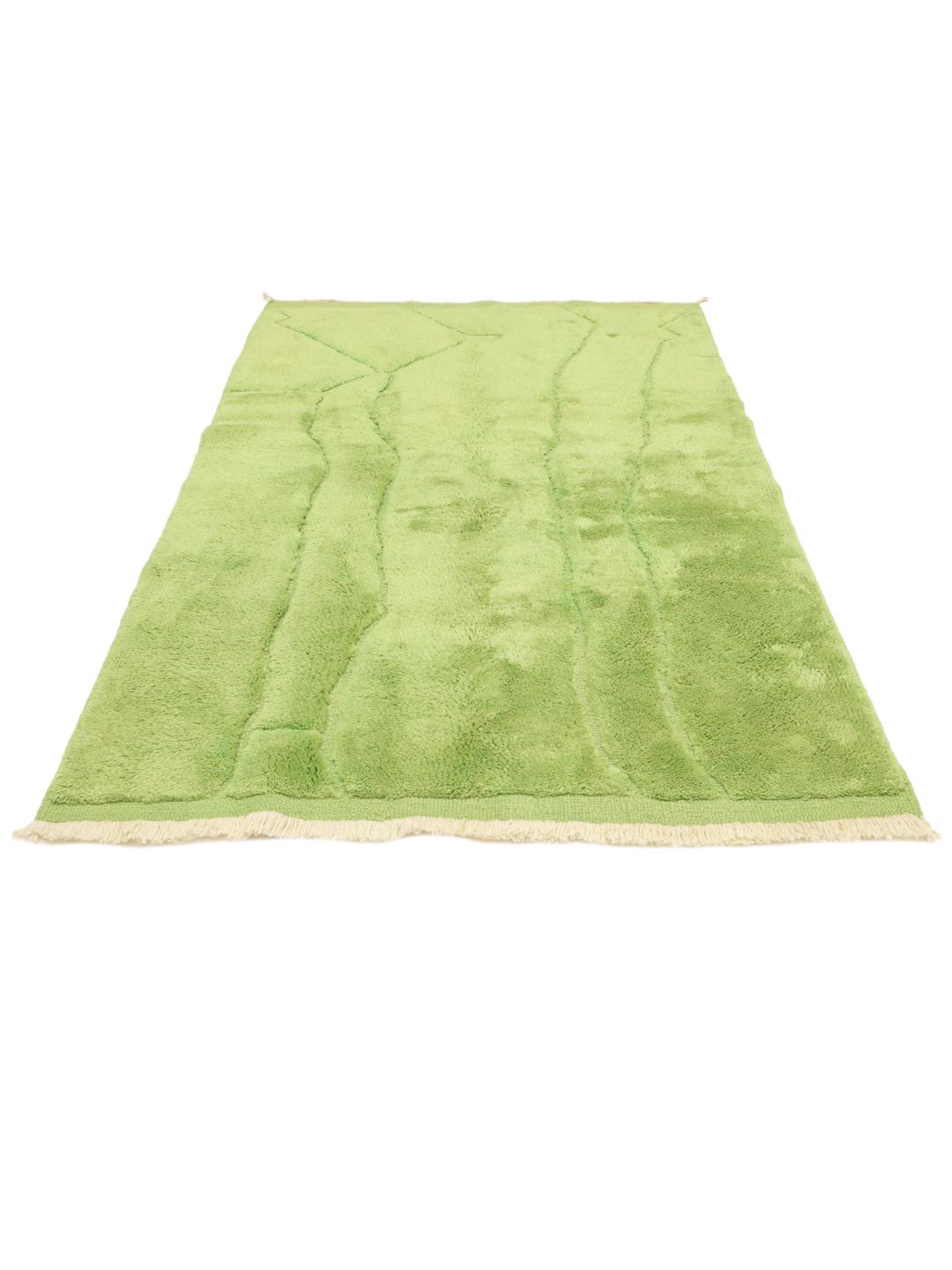
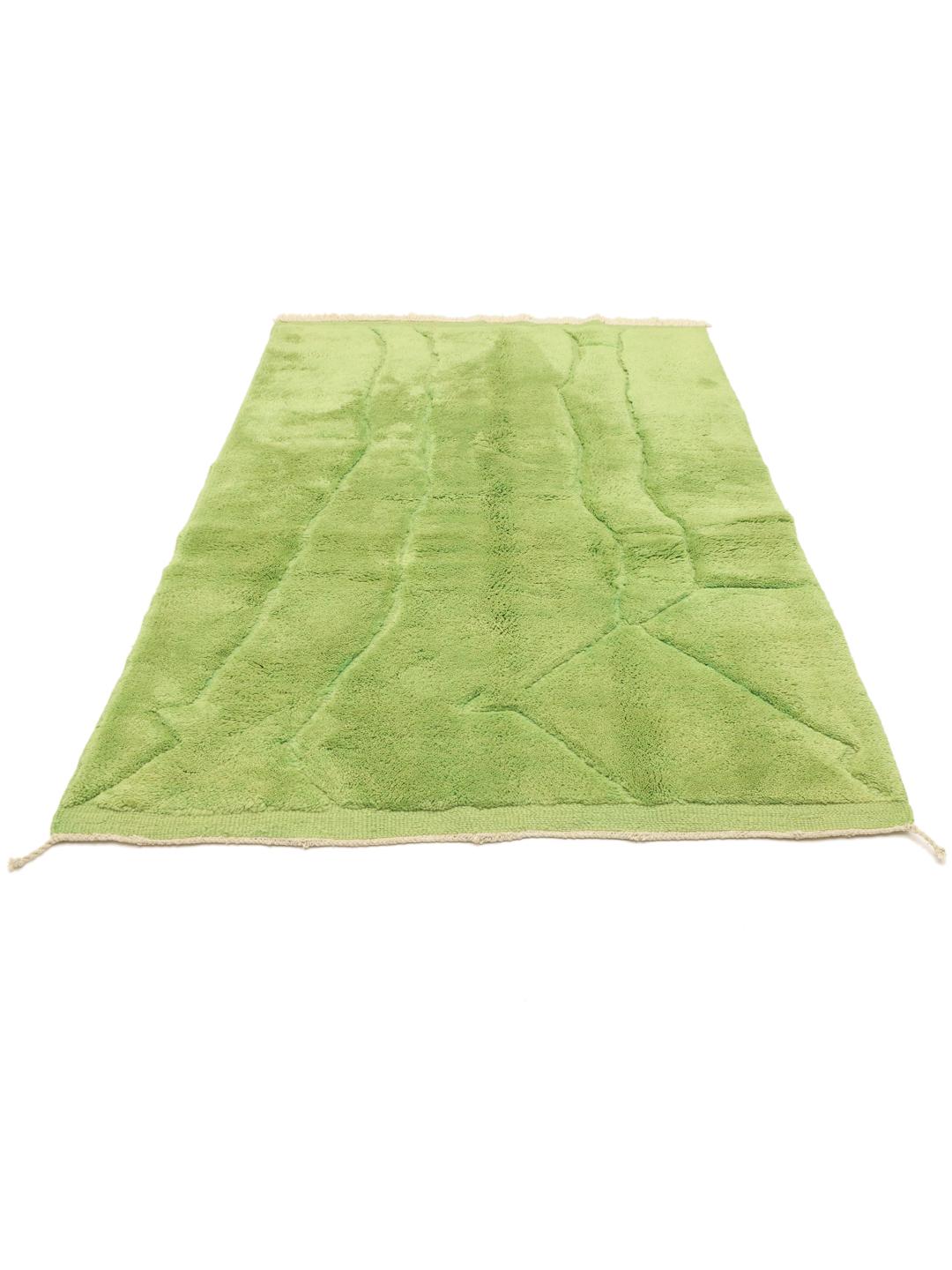
Berber rugs originate from the high altitudes of the Middle Atlas Mountains in Morocco, where the indigenous Berber tribes have been weaving textiles for centuries. These rugs were traditionally designed not just as decor, but as functional, insulating layers for nomadic life, providing warmth during the cold mountain winters. The traditions behind these pieces are deeply intertwined with the history and cultural identity of the tribes who create them.
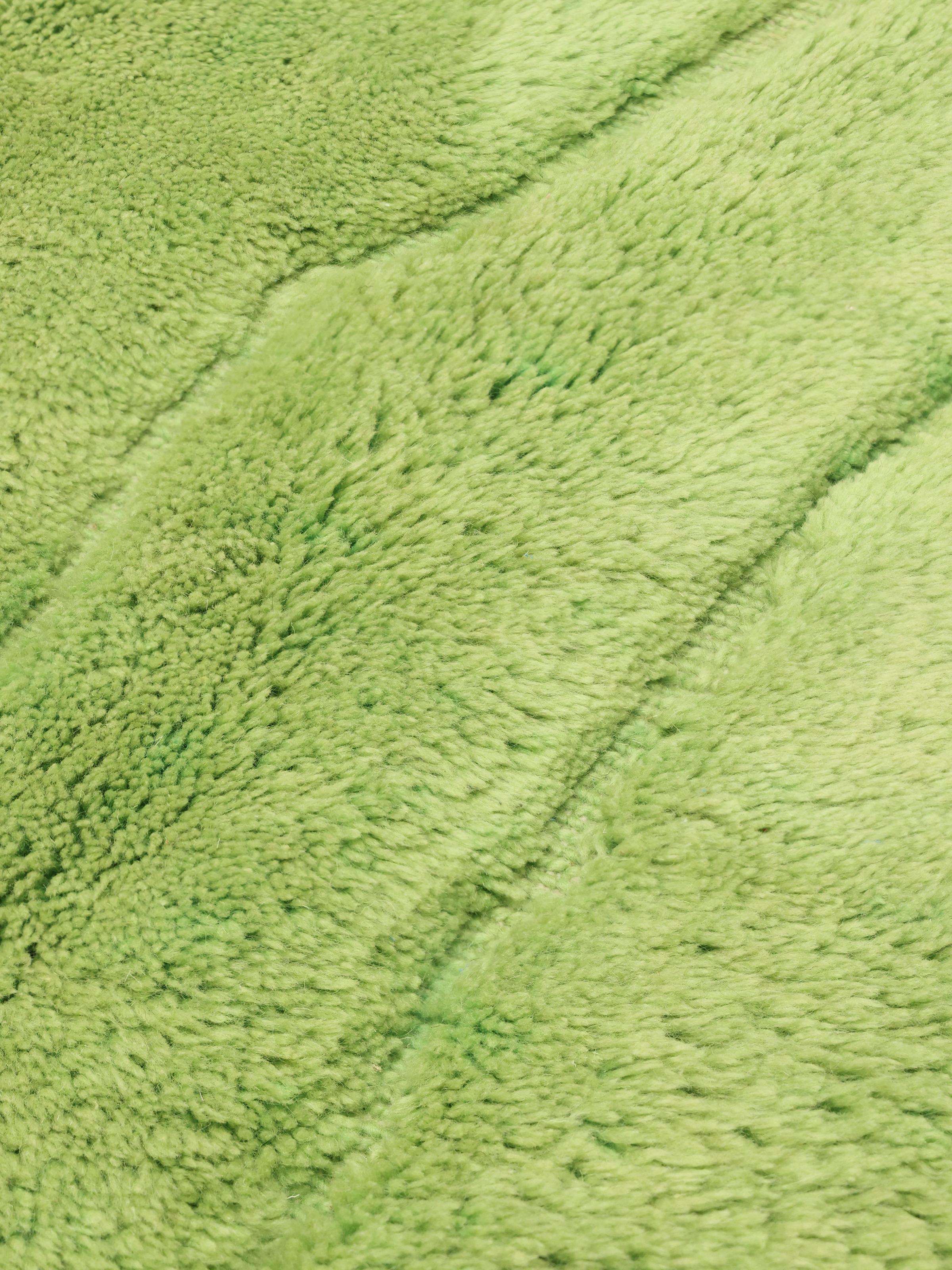
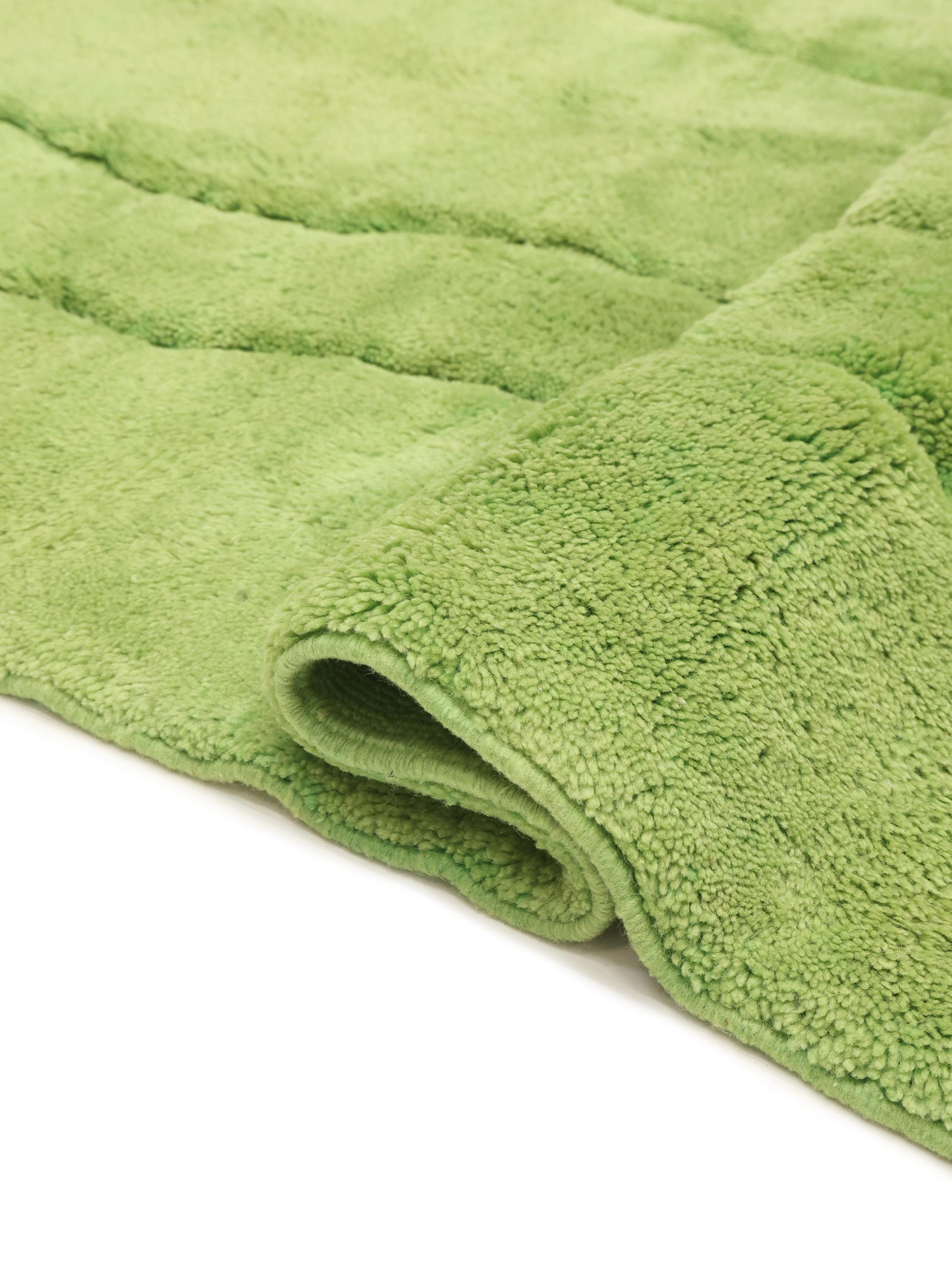
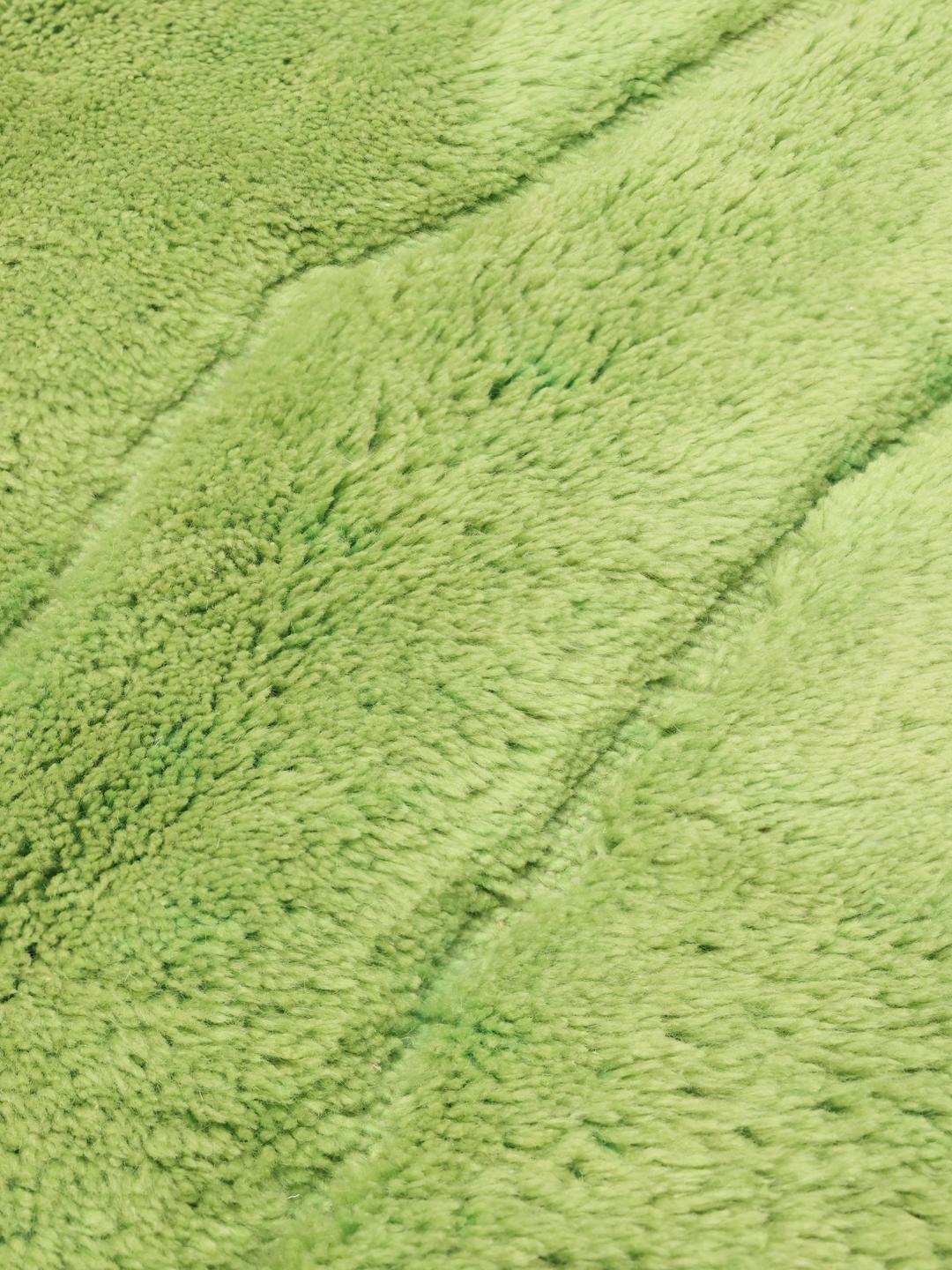
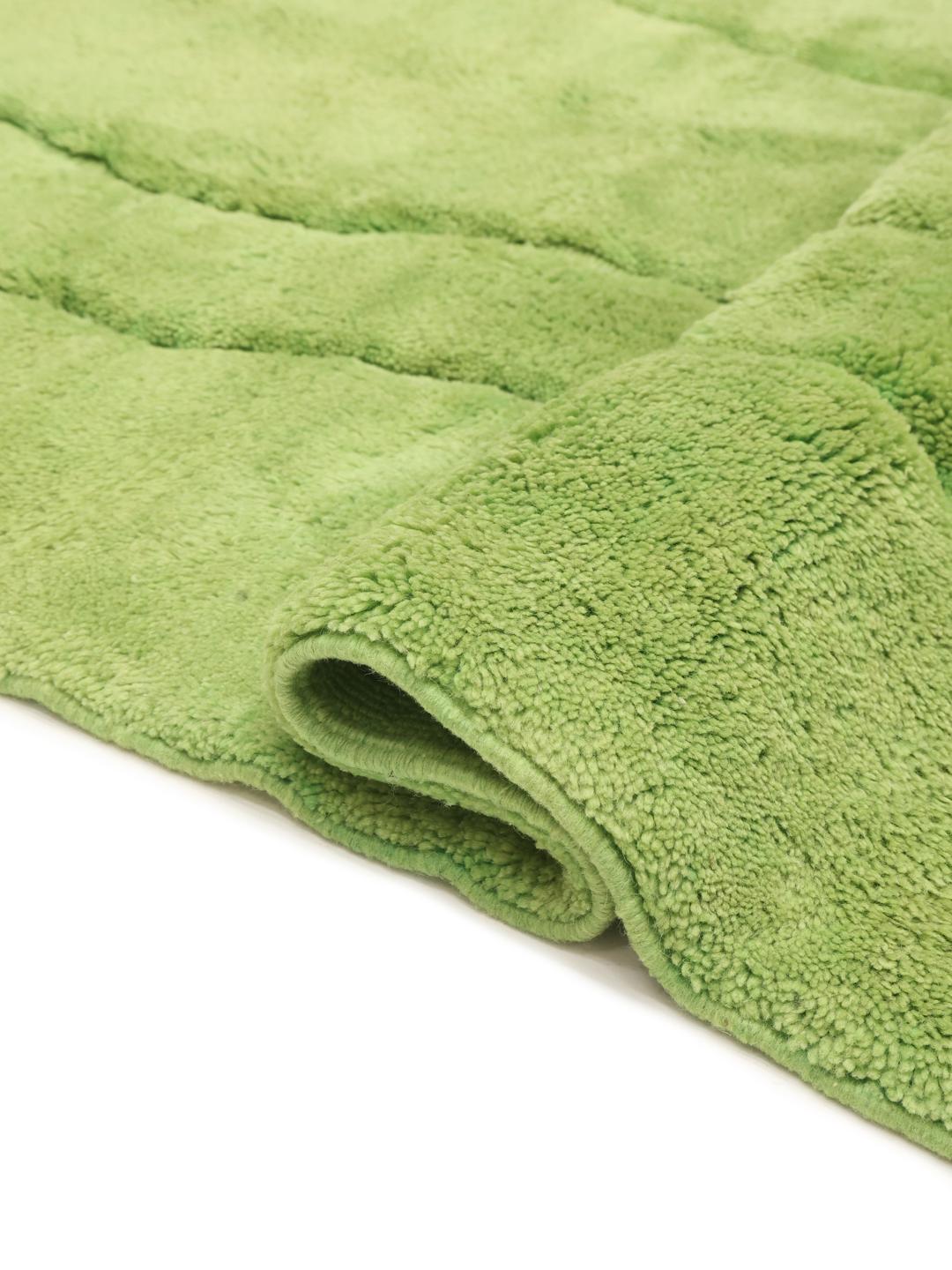
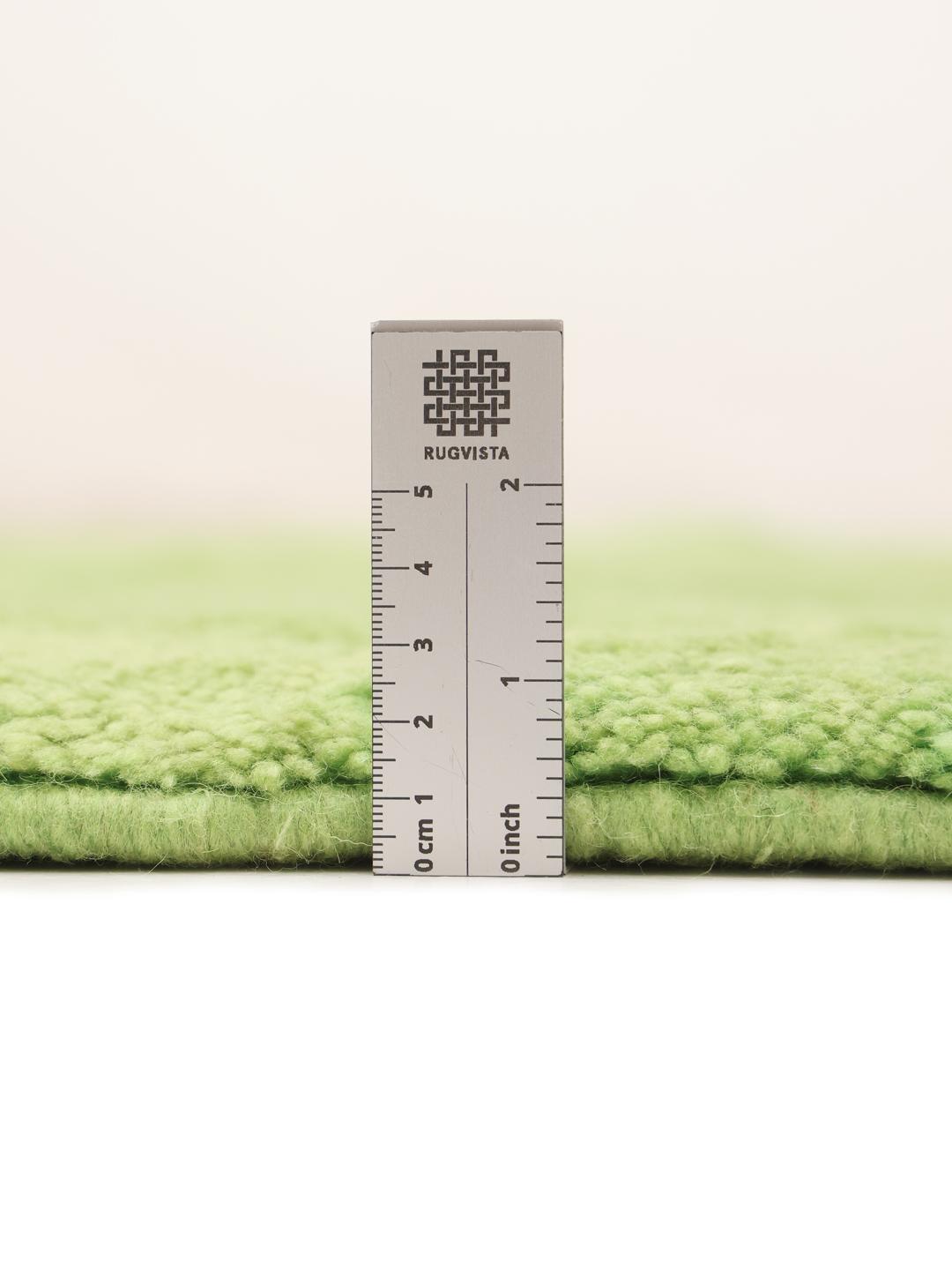
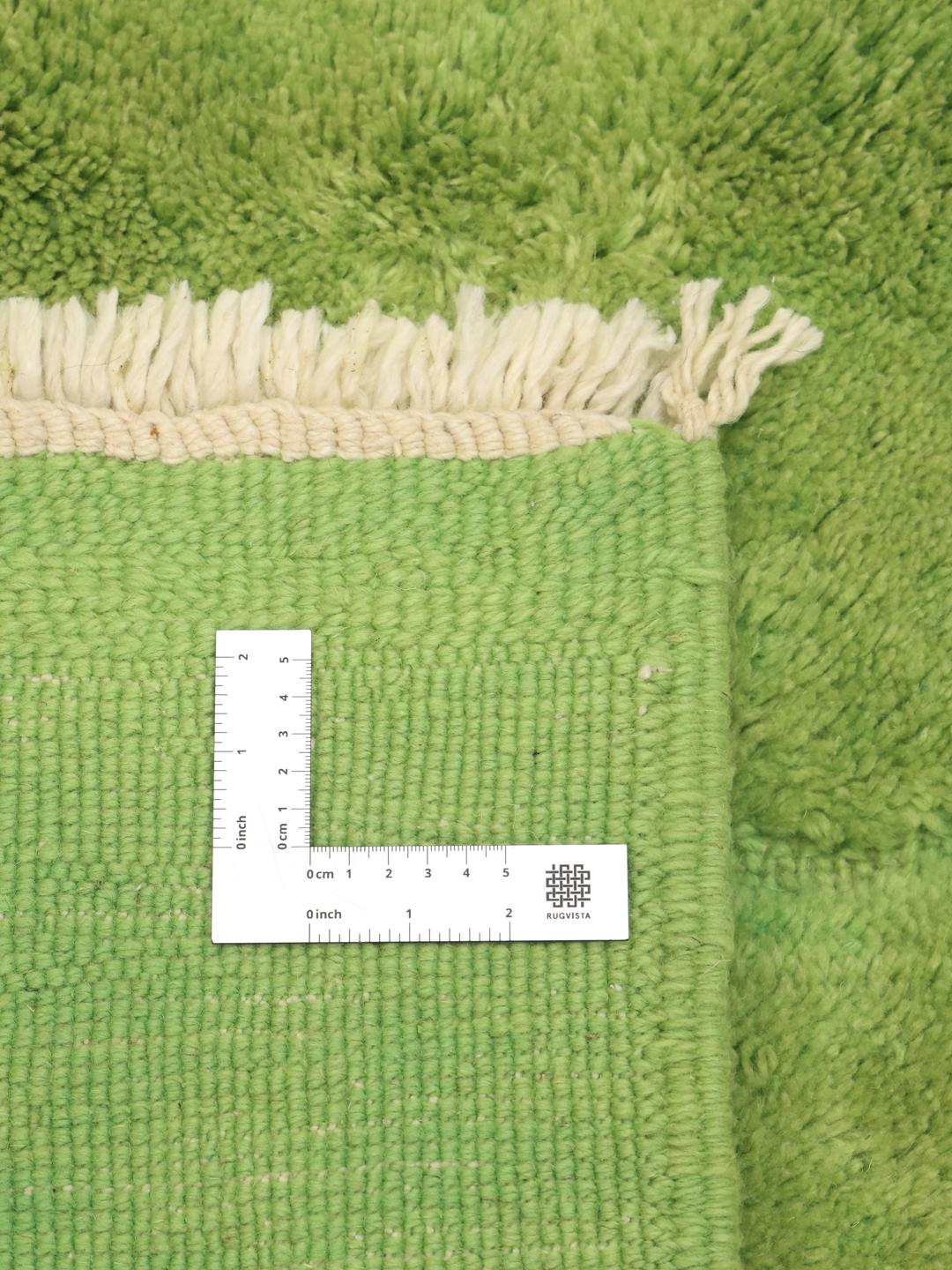
The term 'Beni Ourain' refers to the specific tribal groups known for their exceptional mastery of weaving. These rugs are recognised for their thick, plush piles and their reliance on natural materials. The term 'hand-knotted' signifies that the rug is built on a foundation of vertical strands, with each knot tied individually to create the finished surface. This creates a far more durable and luxurious result than any mass-produced alternative.
Historically, the designs found in these rugs are often abstract and deeply personal, reflecting the weaver's surroundings, beliefs, and life experiences. While some patterns are traditional, many weavers infuse their work with spontaneous, organic motifs that make every rug a unique narrative. The use of vibrant, natural colours is a nod to the surrounding environment and the artistic expression of the weaver.
Owning a piece from this tradition is about more than just floor coverage; it is about bringing a piece of cultural heritage into your home. Collectors value these rugs for their authenticity, the skill required to produce them, and the fact that they age with grace. By choosing this one-of-a-kind rug, you are supporting a lineage of craftsmanship that honours the human story behind every thread.