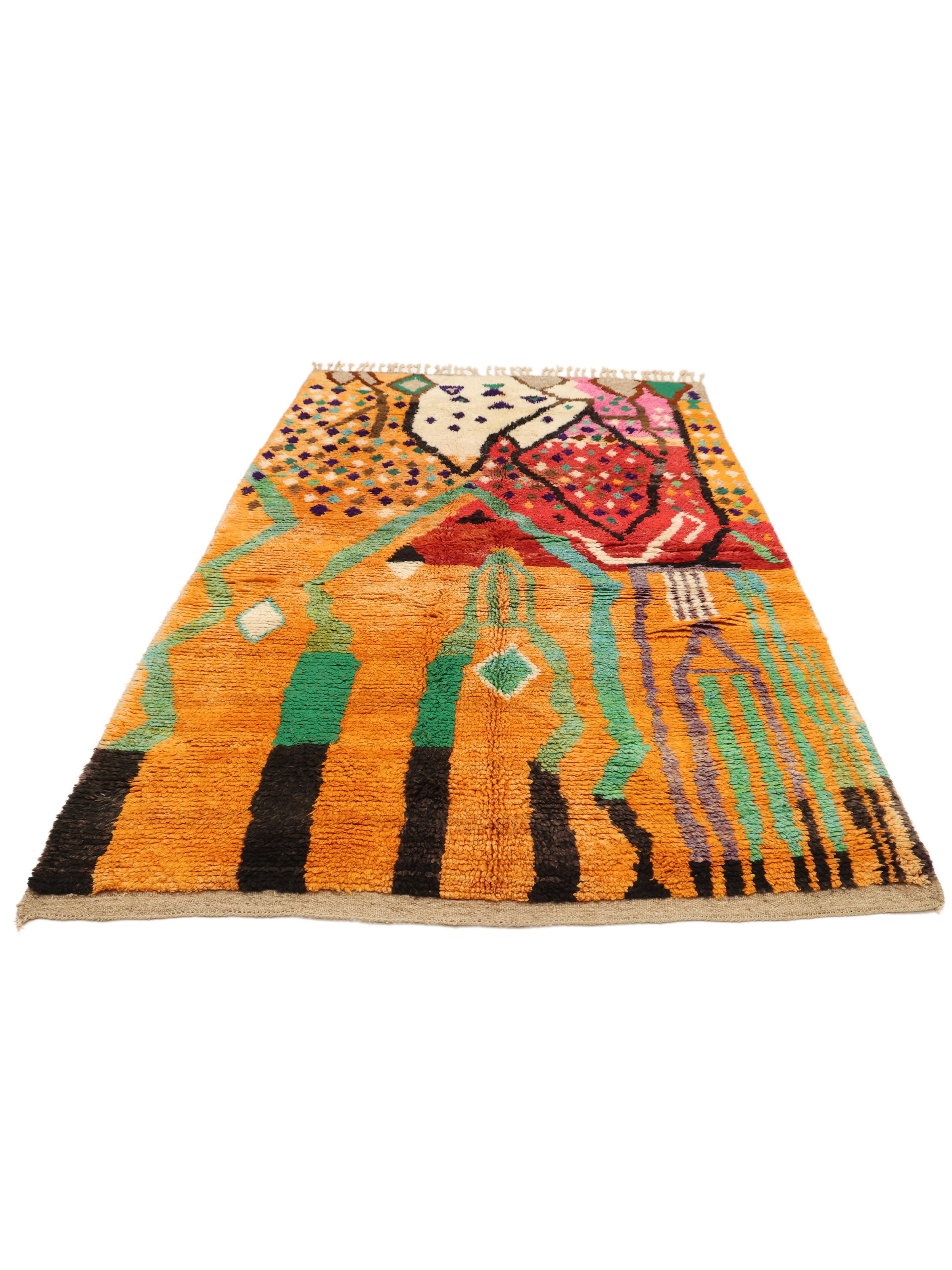
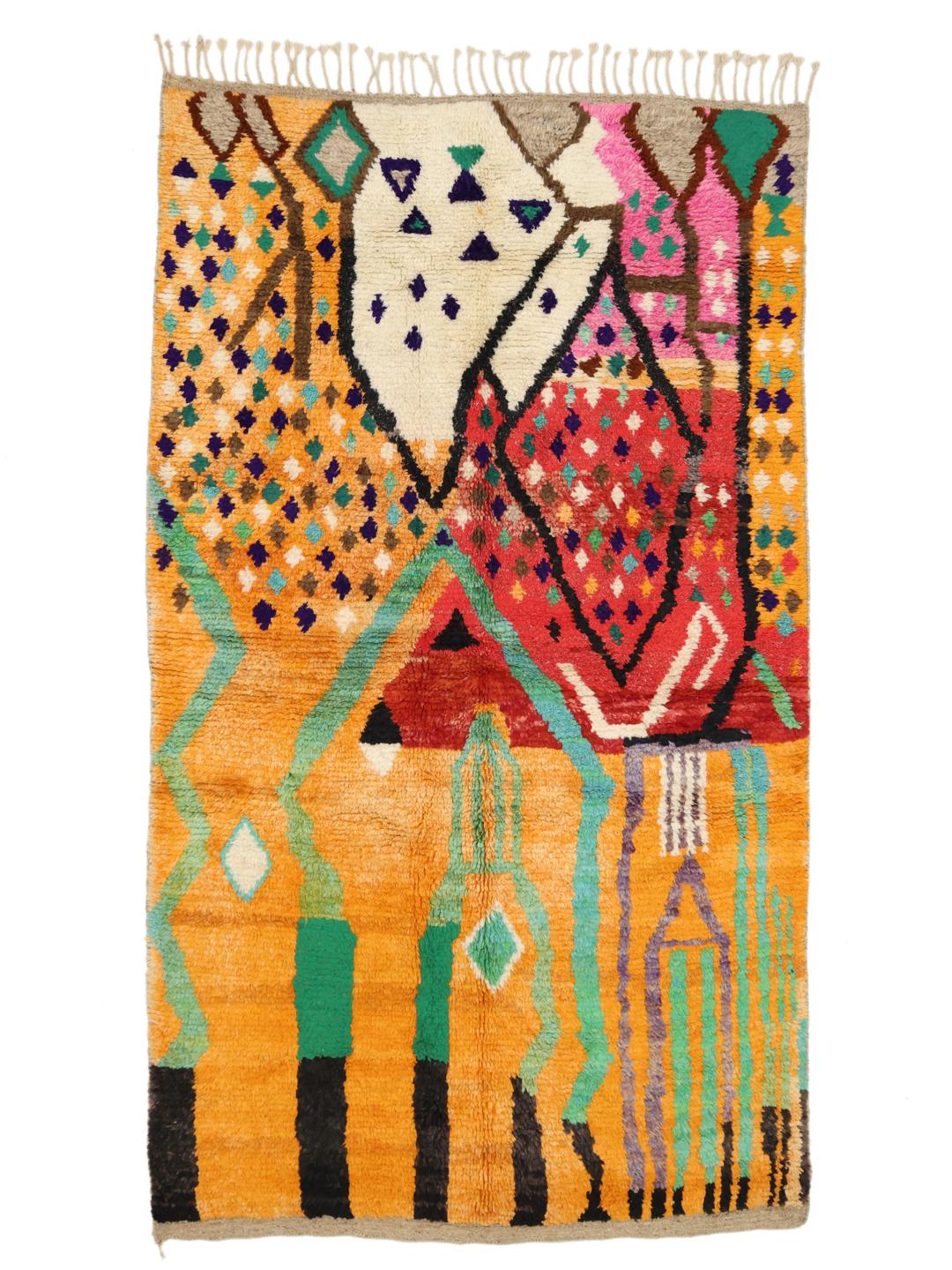
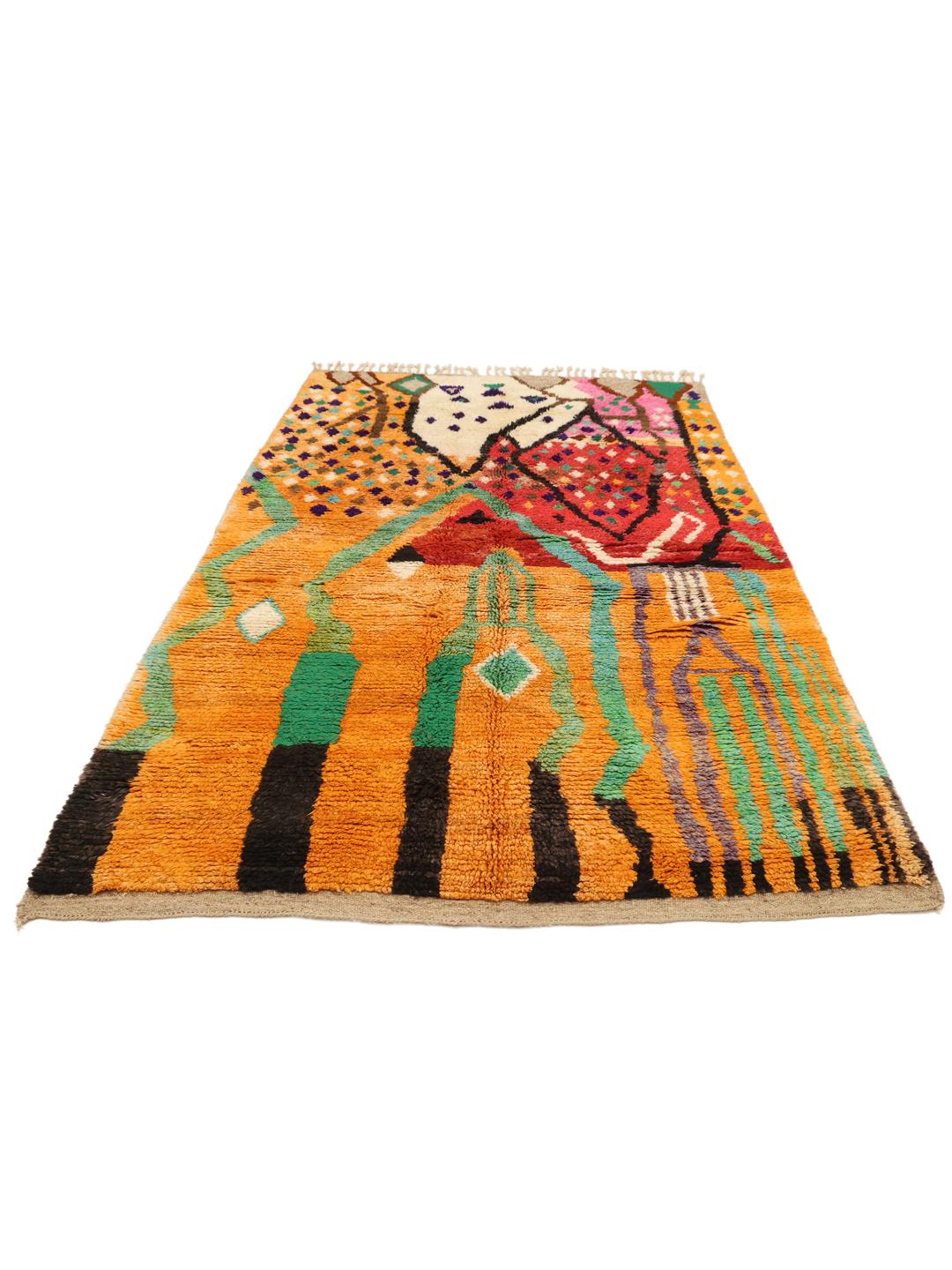
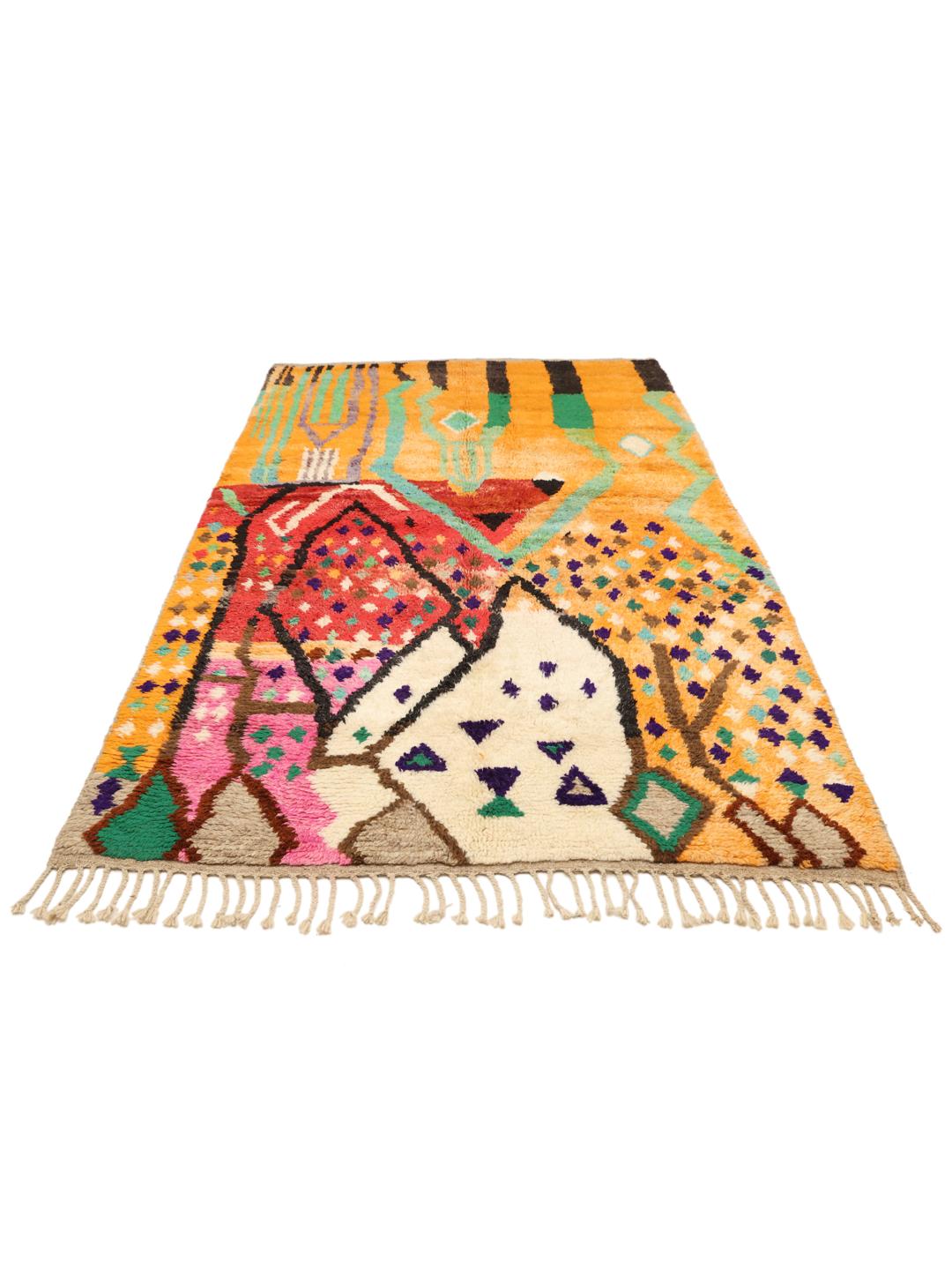
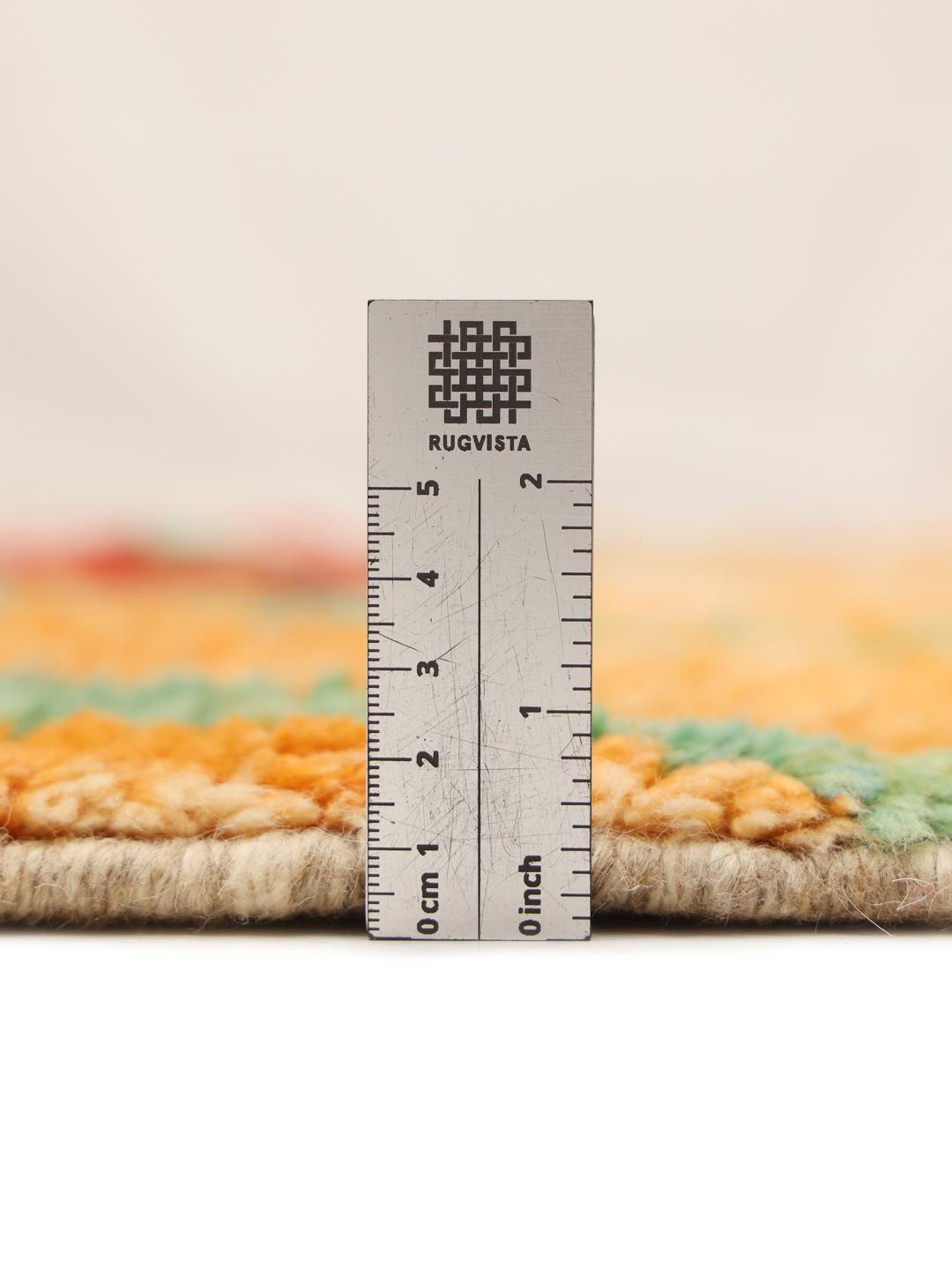
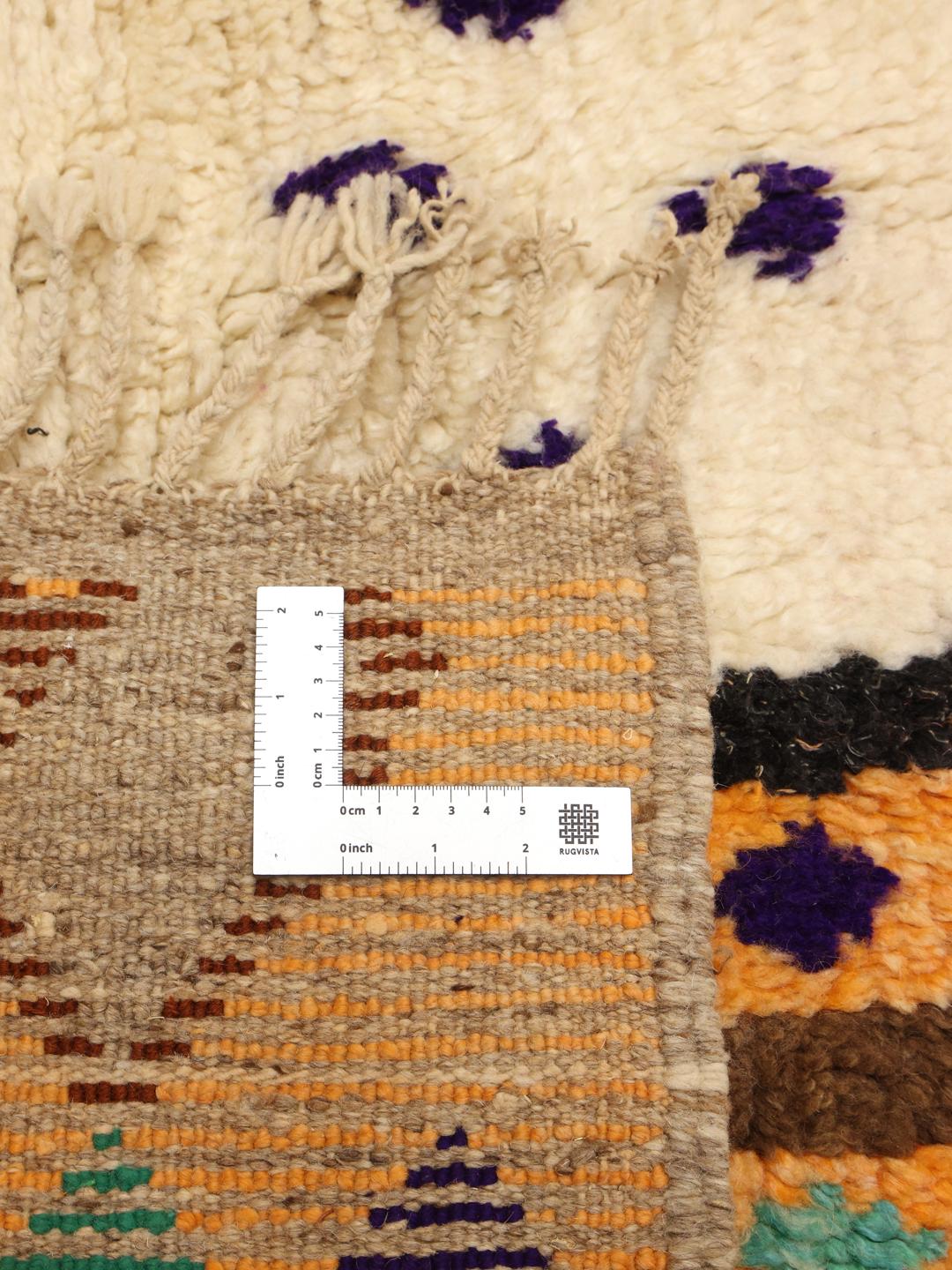
The Berber rugs of the Middle Atlas mountains in Morocco are born from a tradition that dates back centuries, deeply rooted in the nomadic and semi-nomadic lifestyles of the indigenous Berber people. These rugs were historically woven for domestic use, serving as warm bedding, blankets, and floor coverings to protect against the harsh mountain winters, rather than as purely decorative items.
The term 'Berber' refers to the diverse ethnic groups of North Africa, and their weaving techniques are a testament to a culture that values both utility and creative expression. The craft is traditionally passed down through generations, with motifs often reflecting the weaver's personal experiences, surroundings, and the natural world, rather than following rigid, pre-set designs.
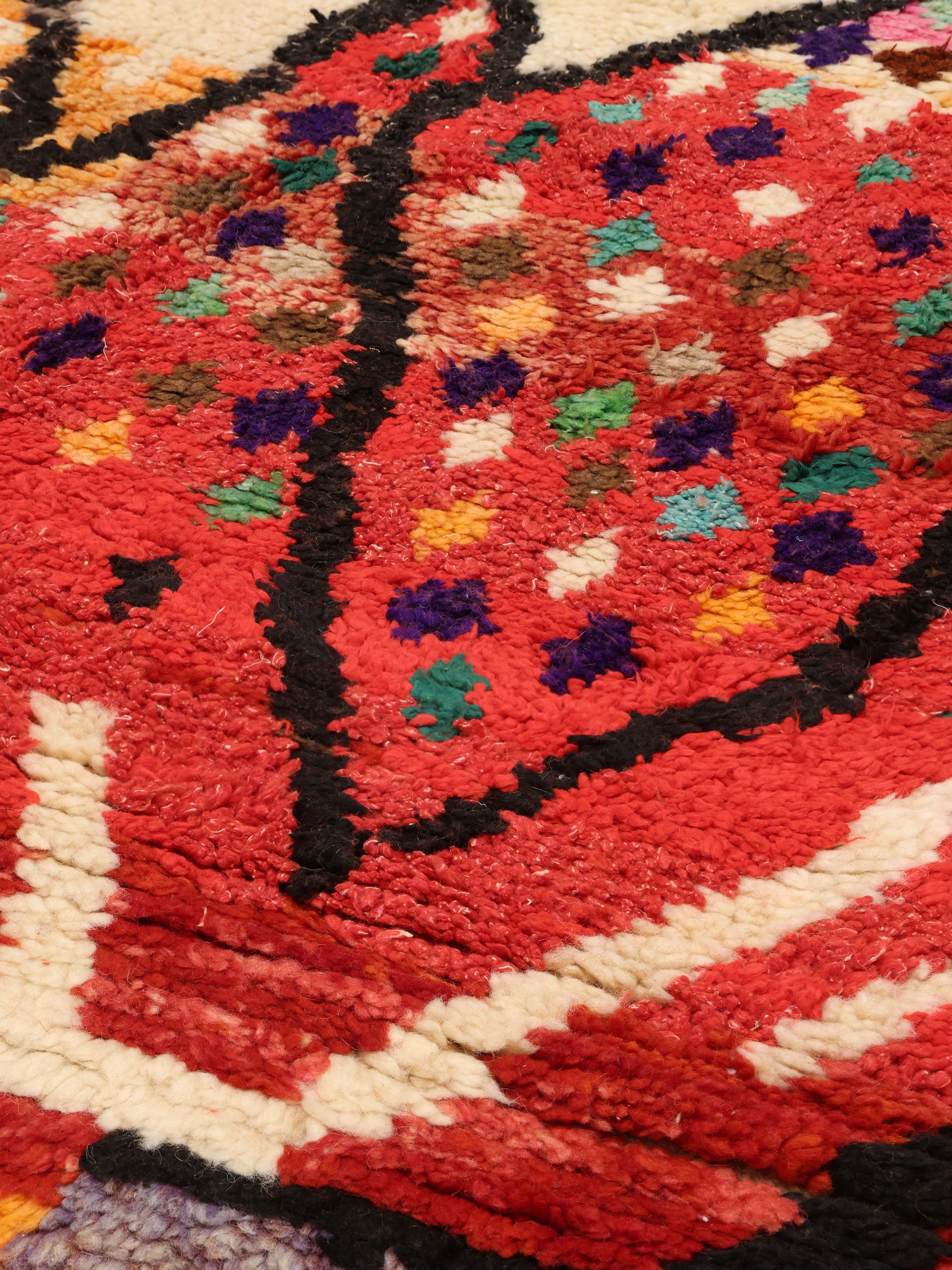
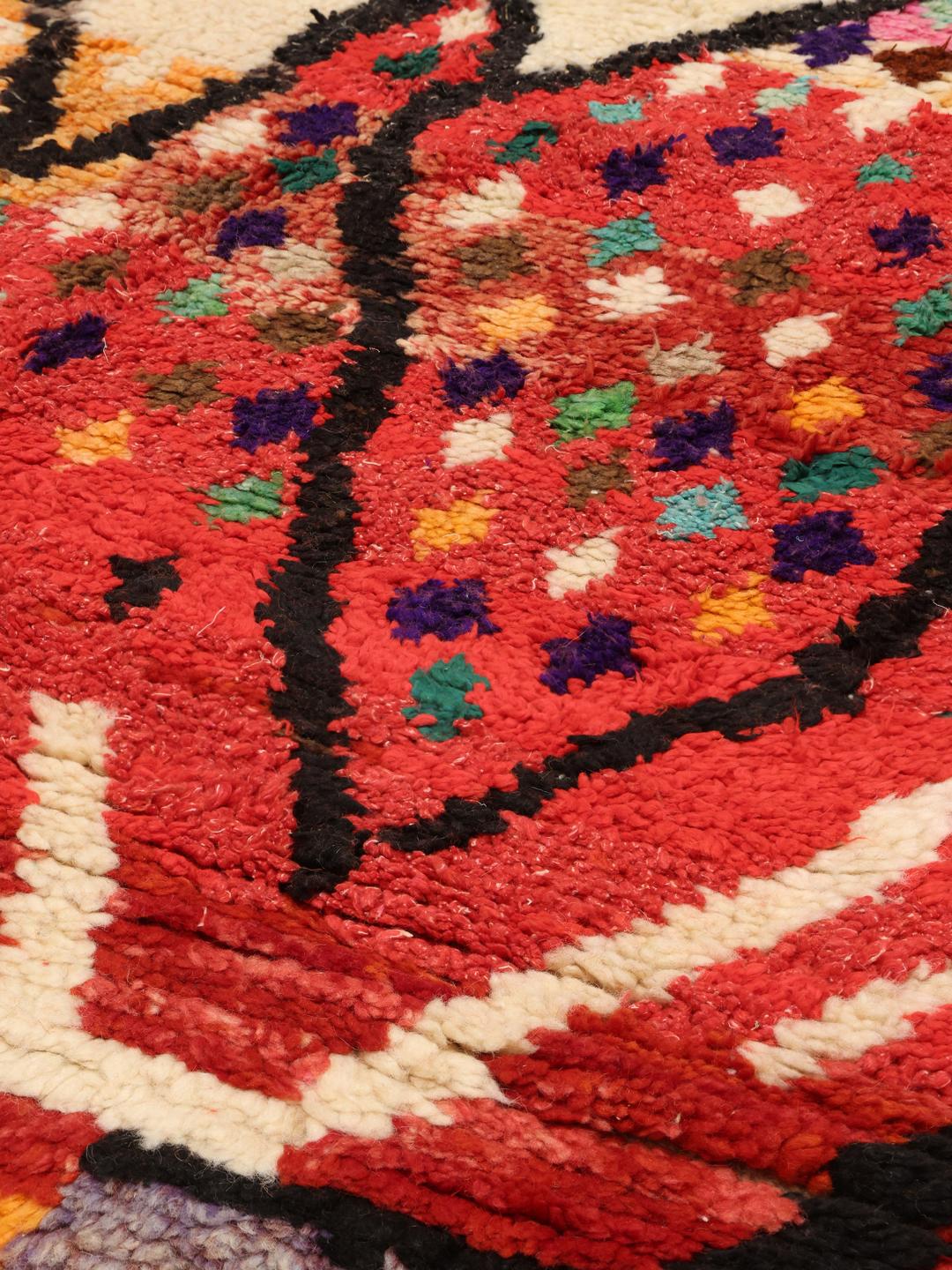
Design-wise, these rugs are celebrated for their bold, abstract, and geometric visual language. While some traditions favour monochromatic palettes, the rugs of the Middle Atlas are famous for their fearless use of vibrant colours and symbolic motifs, such as diamonds, zig-zags, and stylized representations of plants or animals, which are said to offer protection or tell the history of the weaving family.
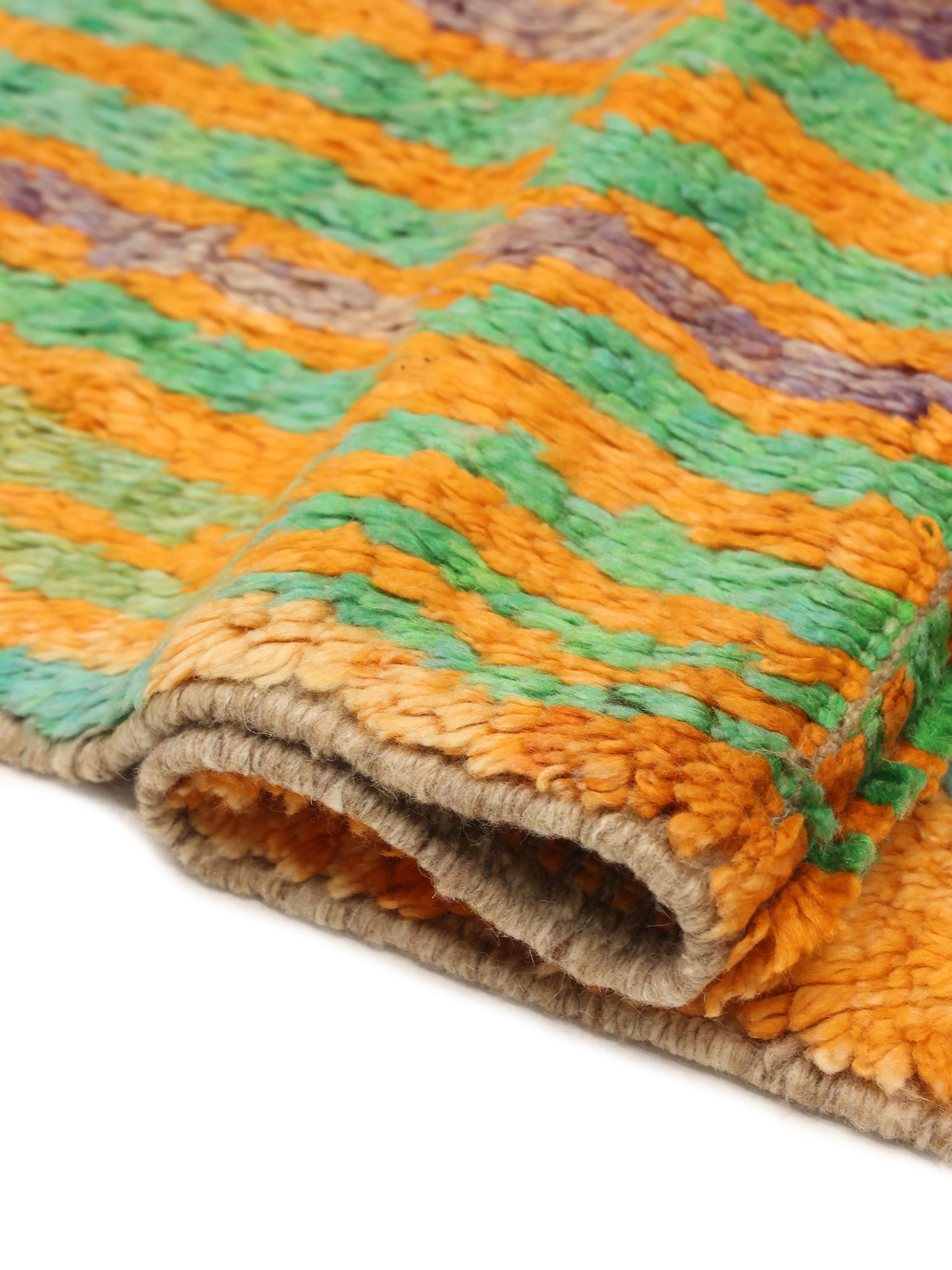
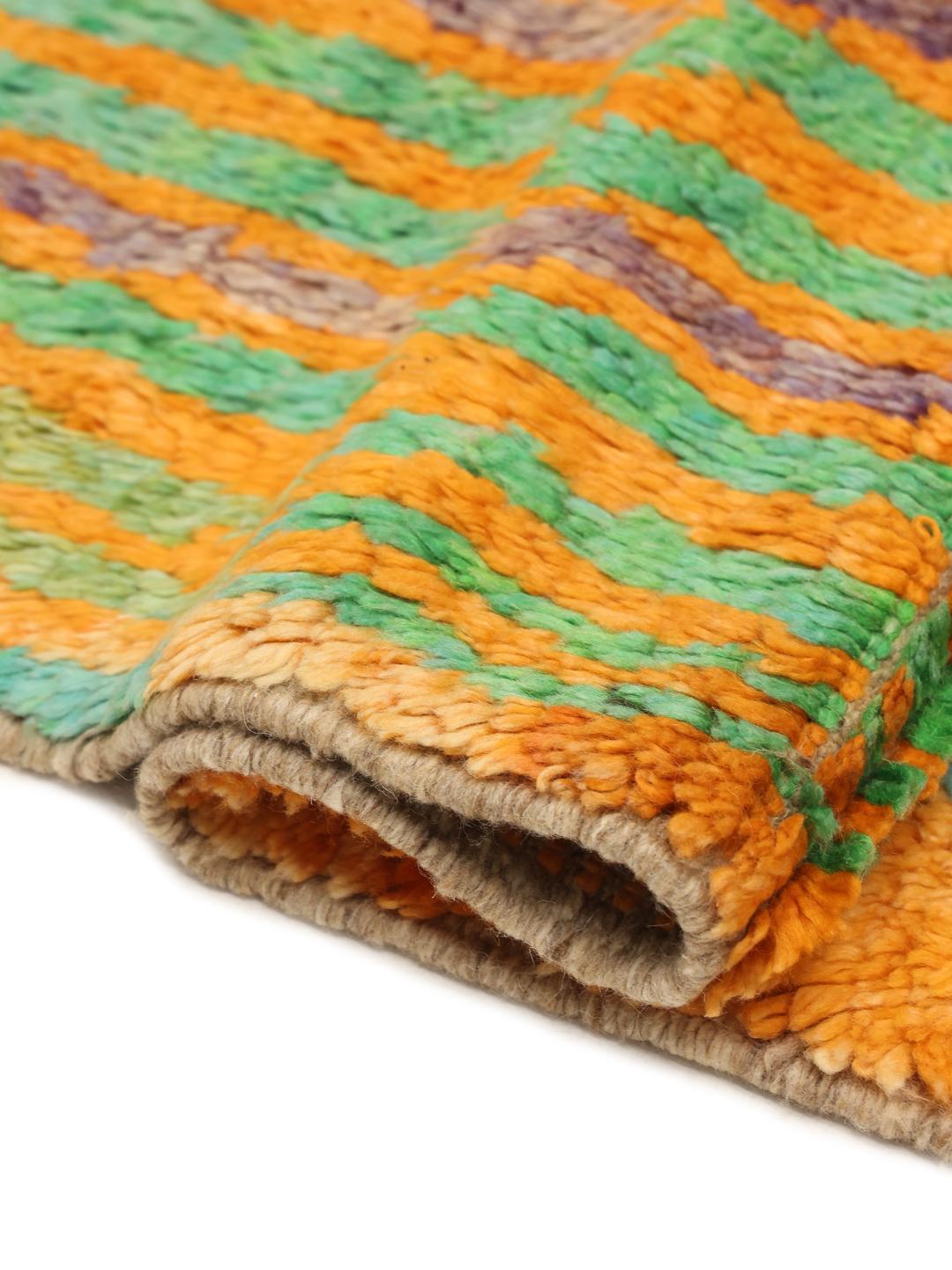
Owning a piece from this tradition is an invitation to bring a piece of living history into your home. Collectors value these rugs not only for their high-quality wool and durable construction but also for the cultural authenticity they represent. Each rug is a narrative woven in wool, connecting the modern owner to the ancient, enduring spirit of the Atlas mountains.