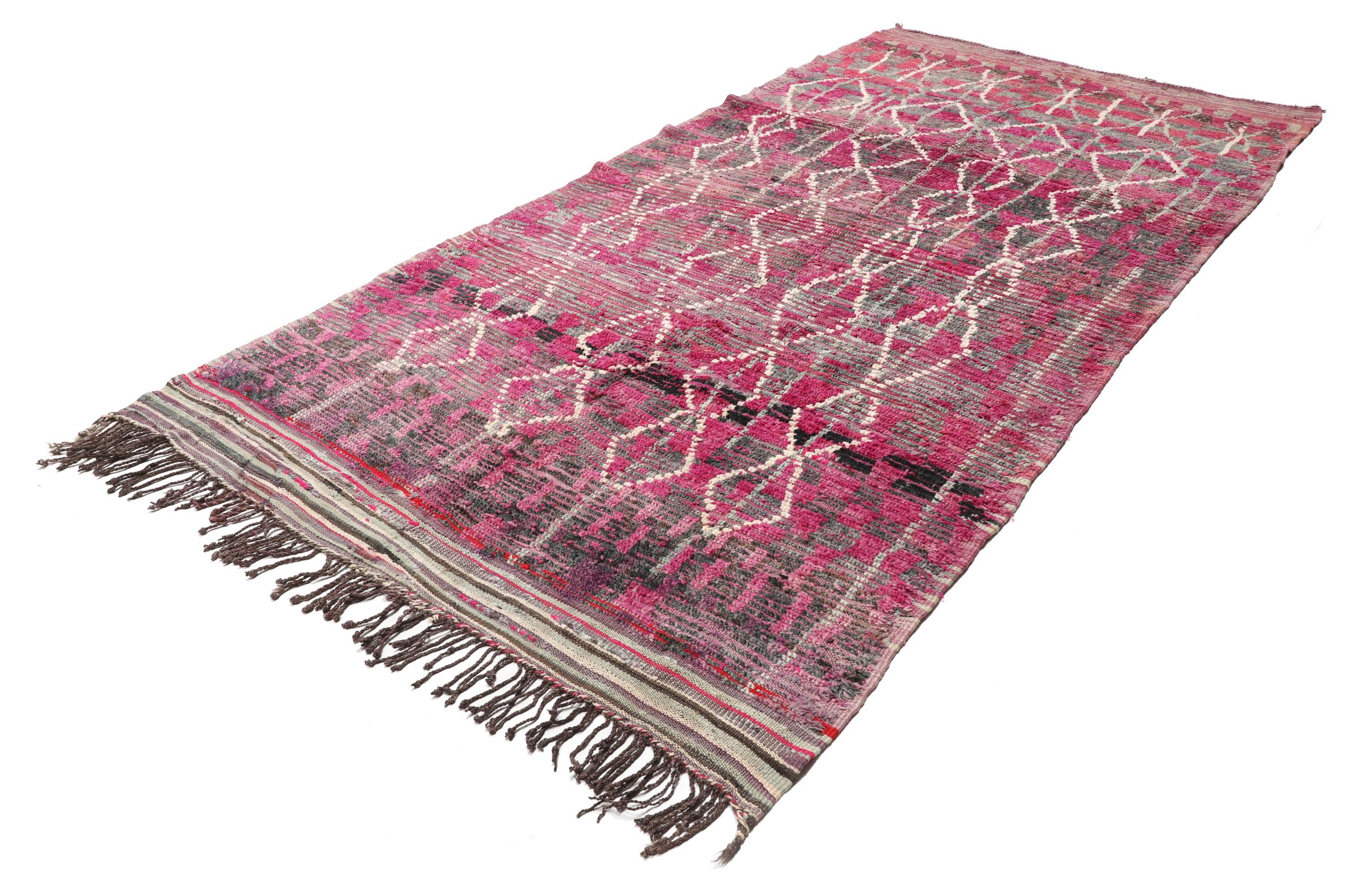
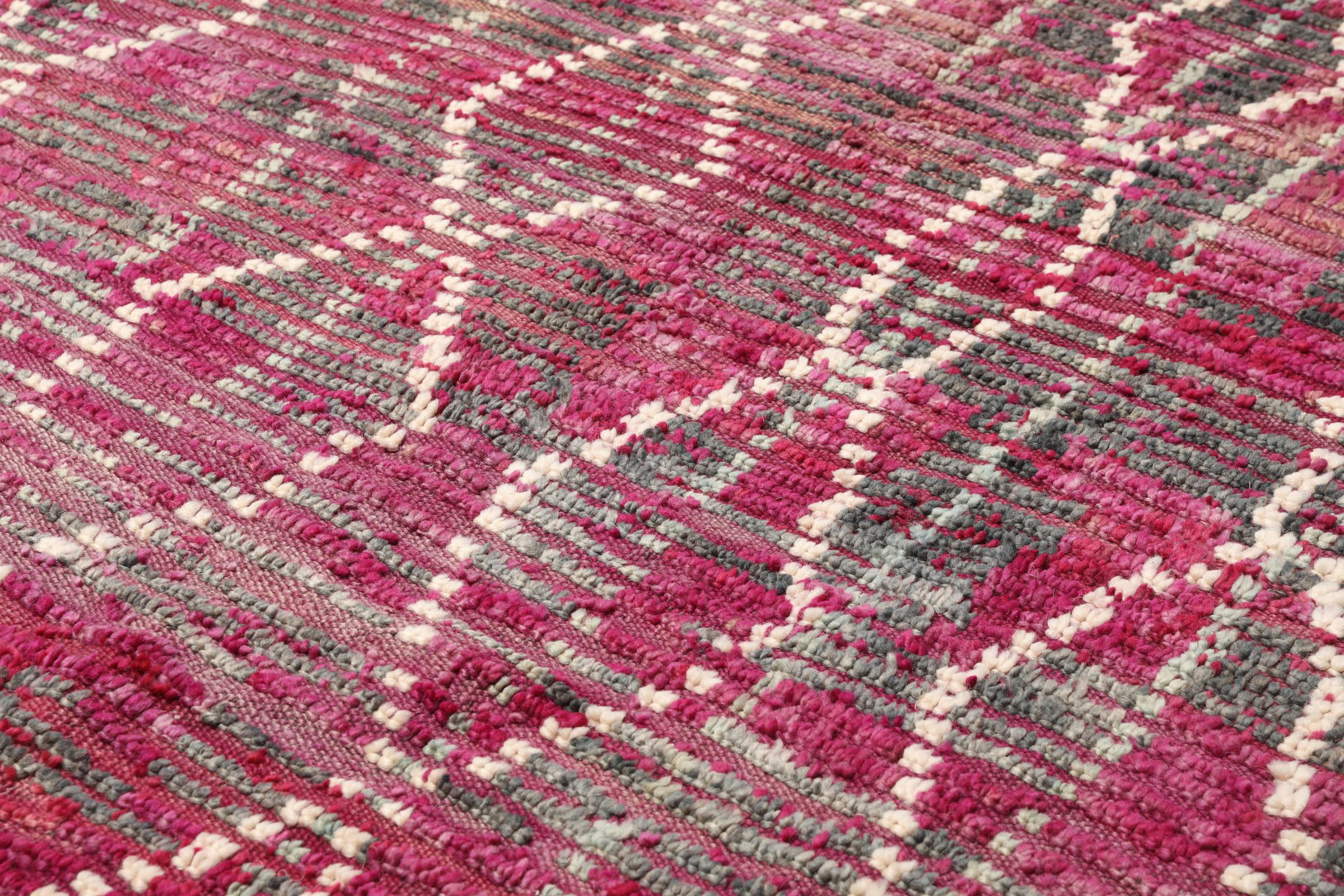
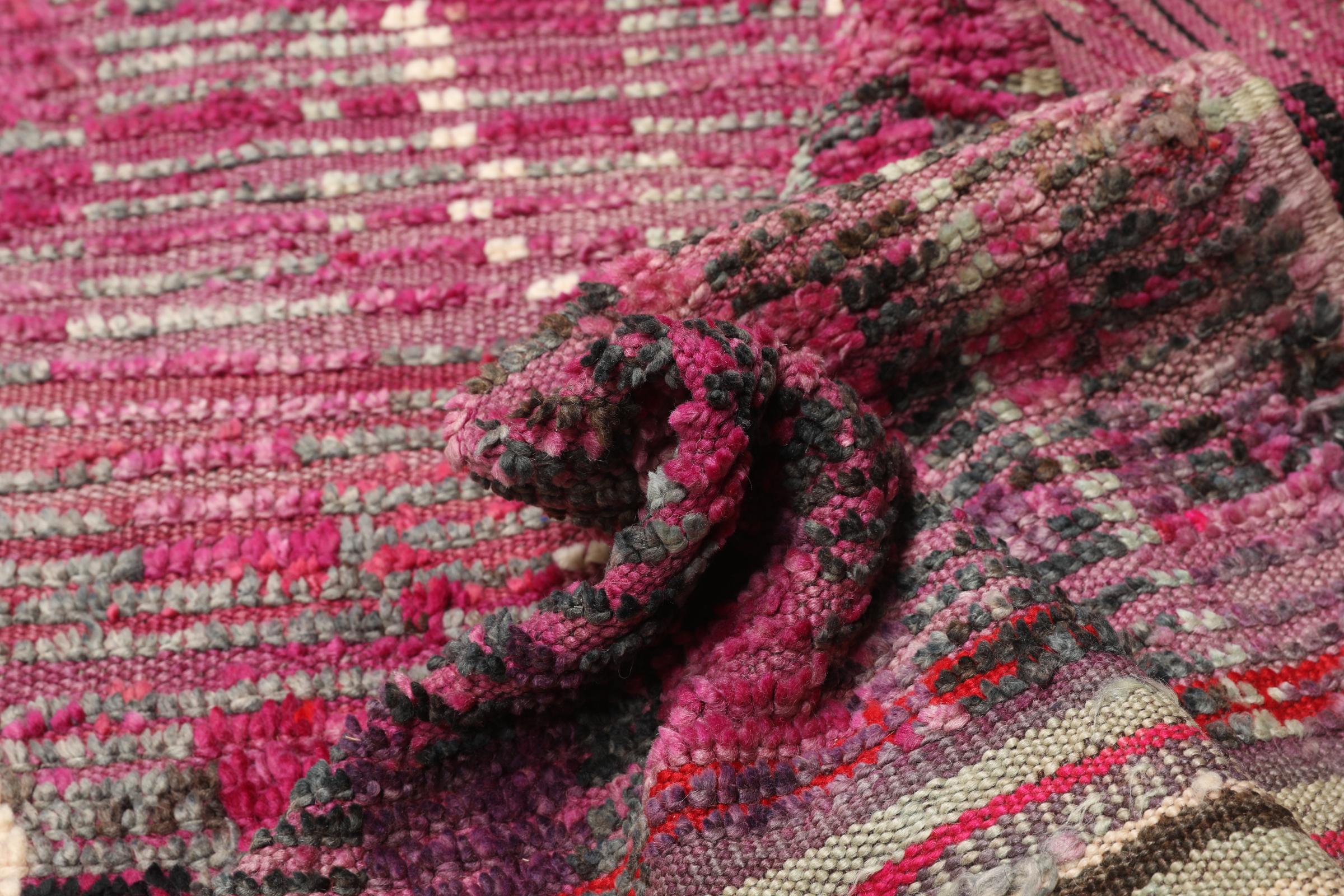
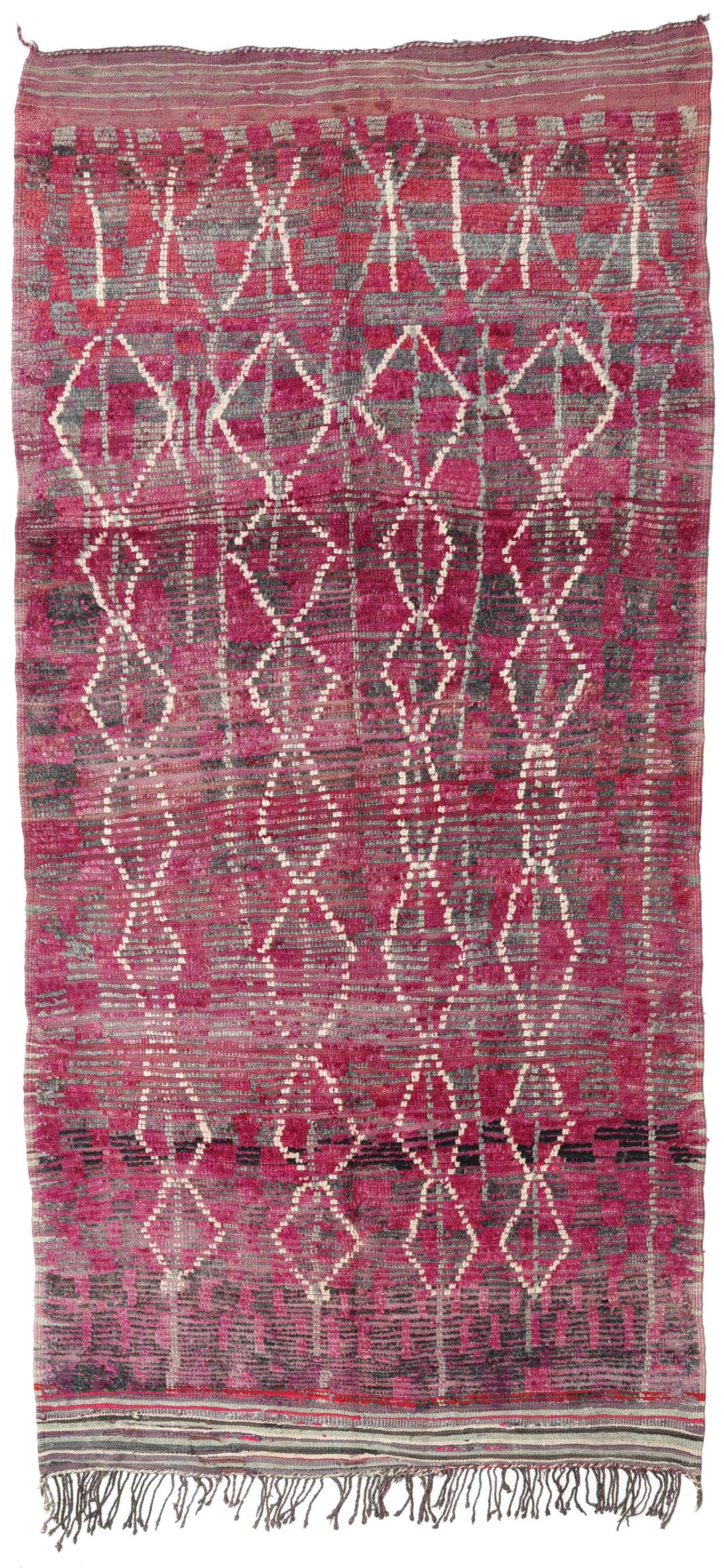
Originating from the rugged landscapes of the Middle Atlas Mountains in Morocco, these rugs are deeply rooted in the nomadic traditions of the Berber tribes. For centuries, these communities have woven rugs not merely as floor coverings, but as essential tools for survival and expression in a harsh climate. Each piece serves as a repository of tribal identity, with patterns often reflecting the weaver's personal history, environment, and beliefs.
The terminology surrounding these rugs often refers to the specific tribal provenance and the nature of the weave. In the Mid Atlas region, the focus is frequently on creating a balance between functional durability and aesthetic storytelling. The techniques used are passed down through generations, with the weaver's hands translating ancient symbols into the tangible geometry that we see today, ensuring that the knowledge of the craft remains alive and evolving.
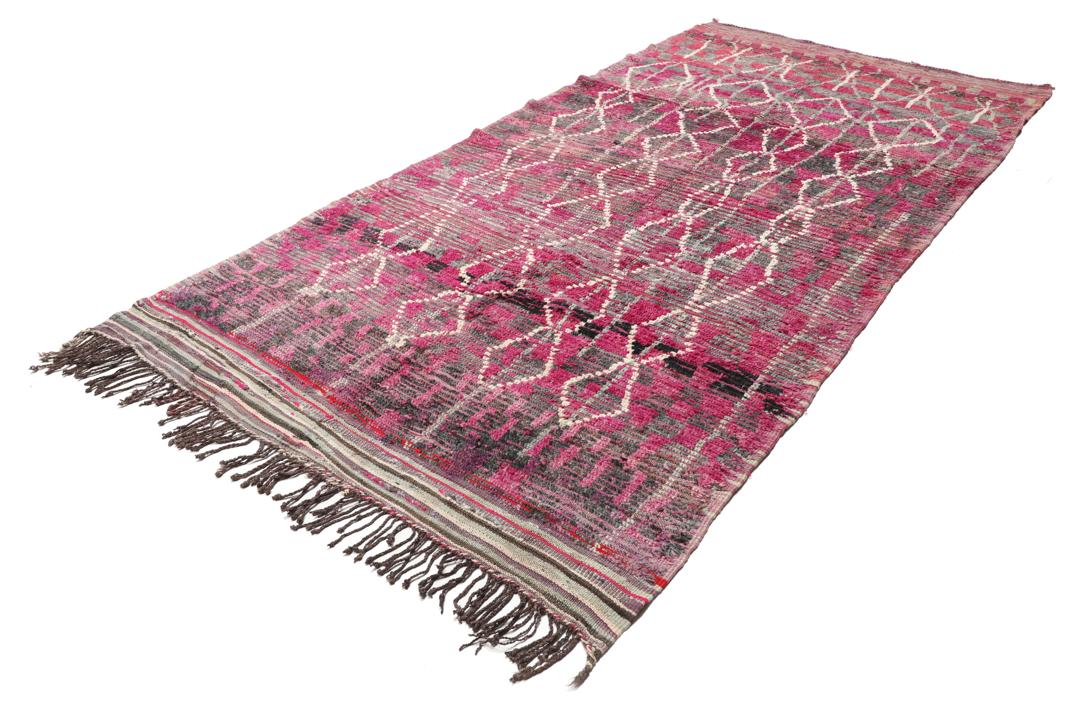
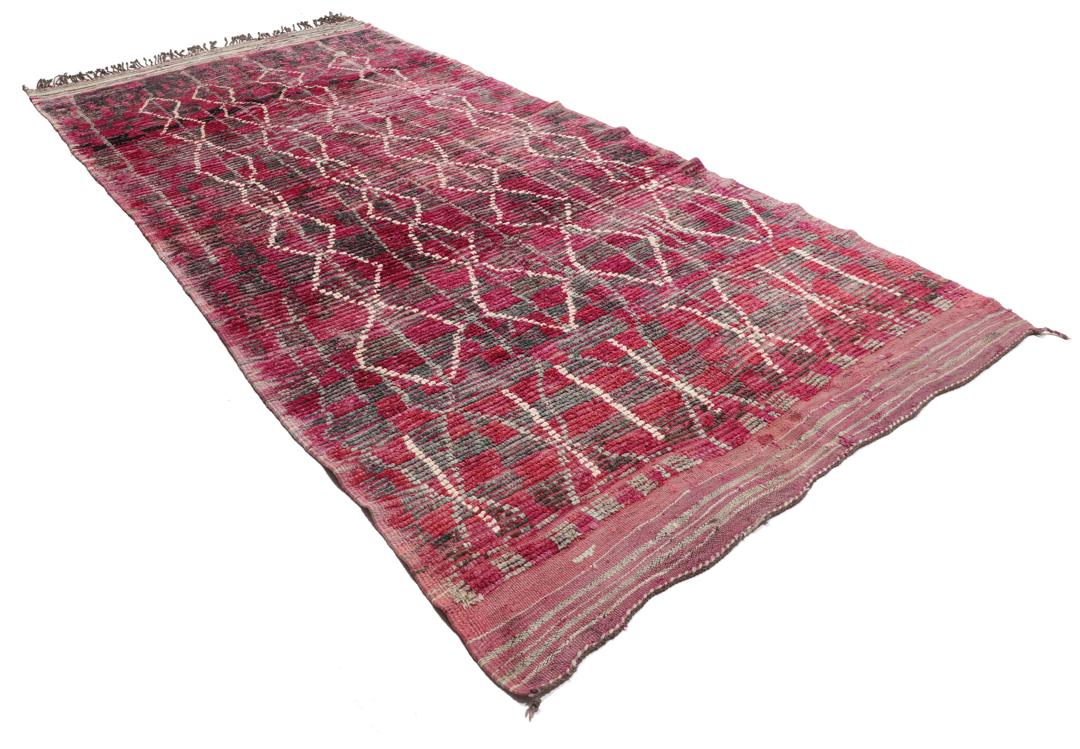
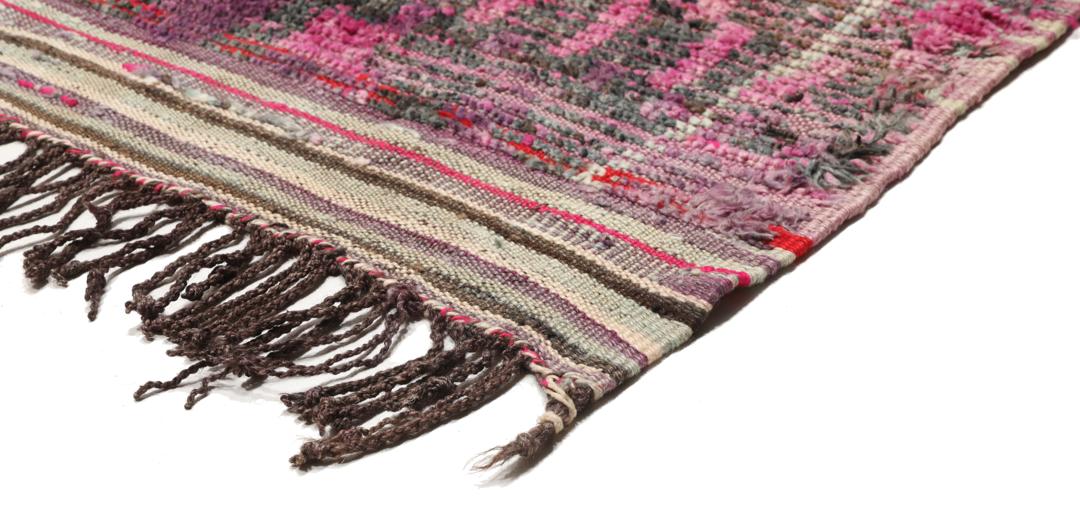
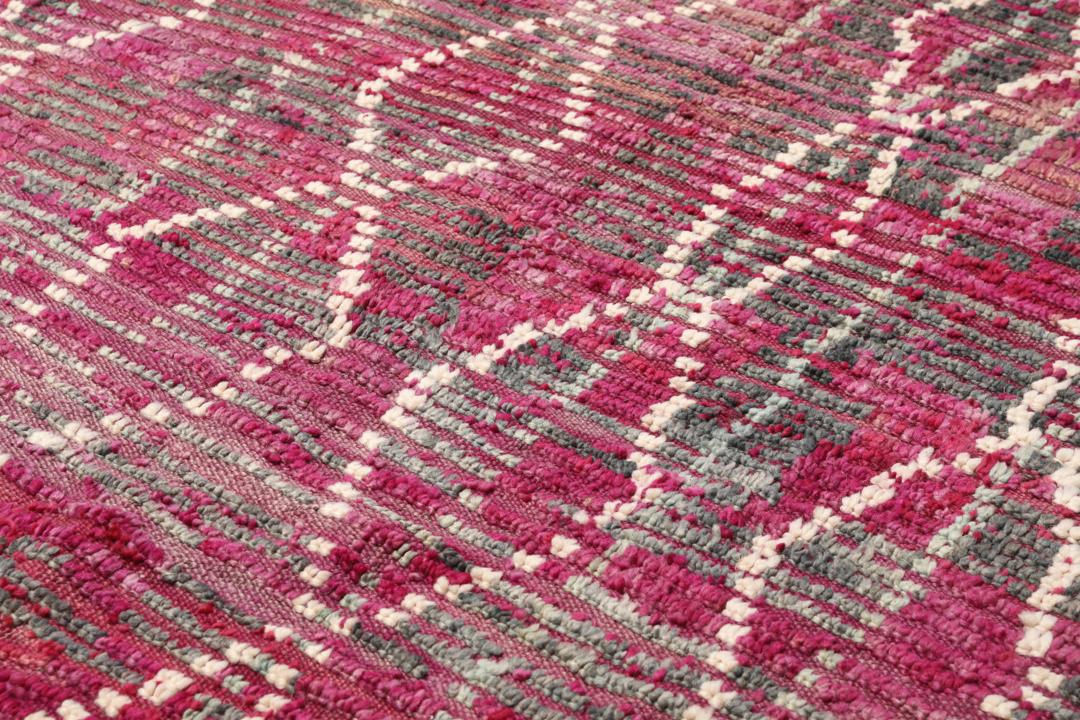
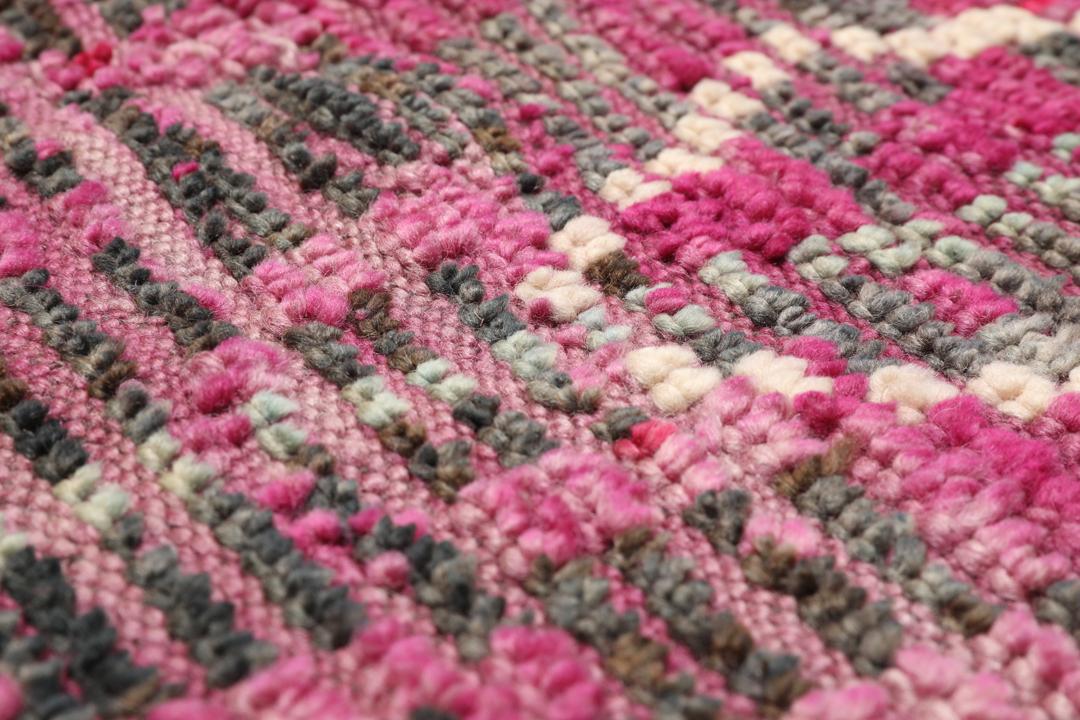
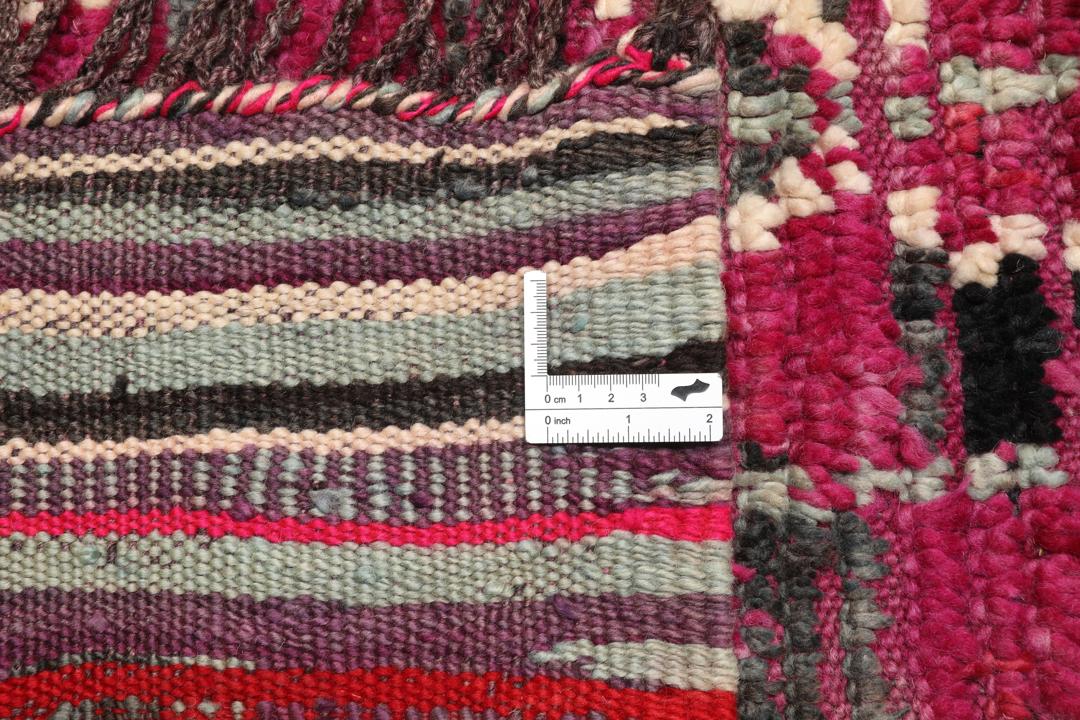
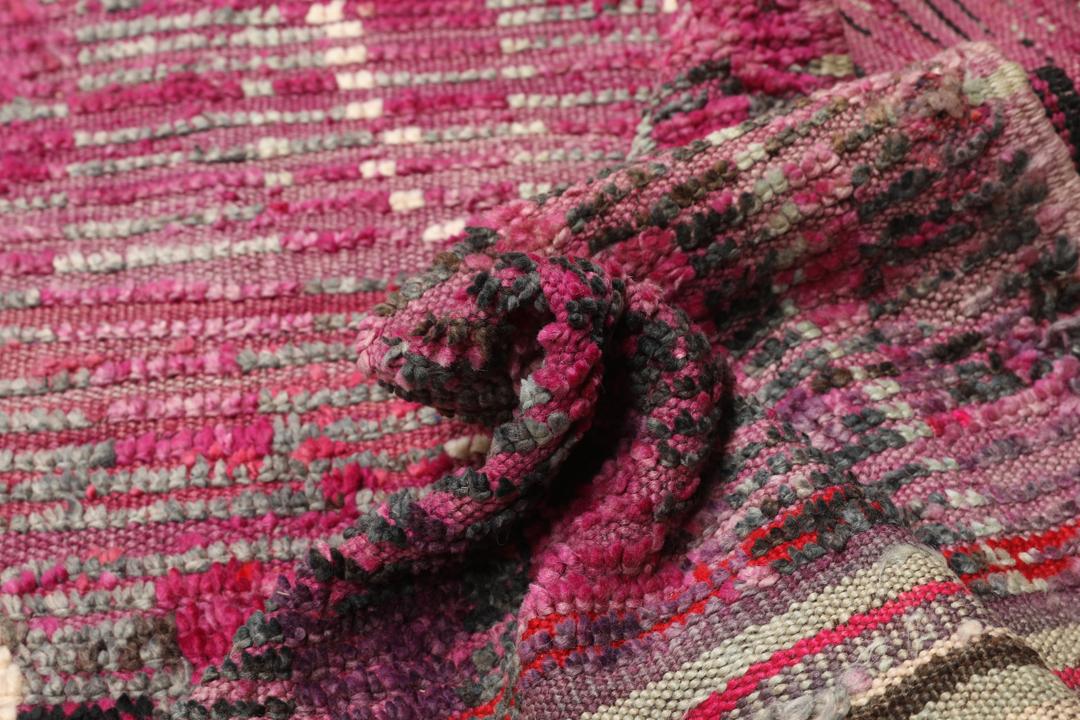
Signature design elements of this tradition often include the iconic diamond or lattice motifs, which are frequently interpreted as protective symbols or representations of the natural world. While traditionally known for neutral palettes, the use of vibrant, saturated colours like the magenta seen here highlights the creative freedom often found in these unique works. The borders and internal patterns are never strictly symmetrical, a deliberate choice that adds to the rug's organic, handmade appeal.
Collecting these rugs is an invitation to own a piece of cultural heritage that transcends modern trends. They are highly valued for their authenticity and the human story embedded in every strand of Wool. By acquiring such a rug, you are supporting the continuation of a craft that prioritises patience, skill, and cultural continuity over mass production, making it a meaningful addition to any thoughtful home.