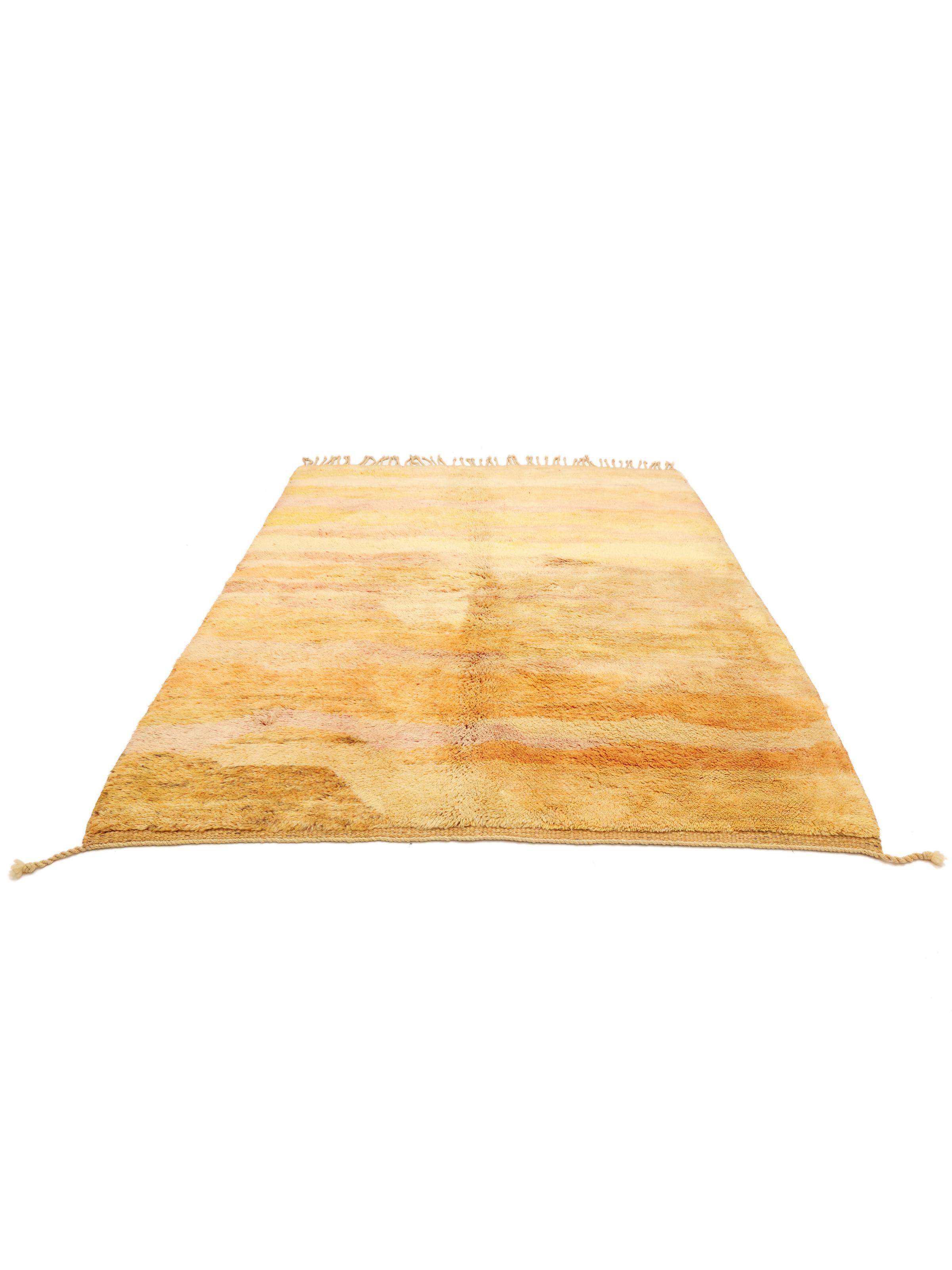
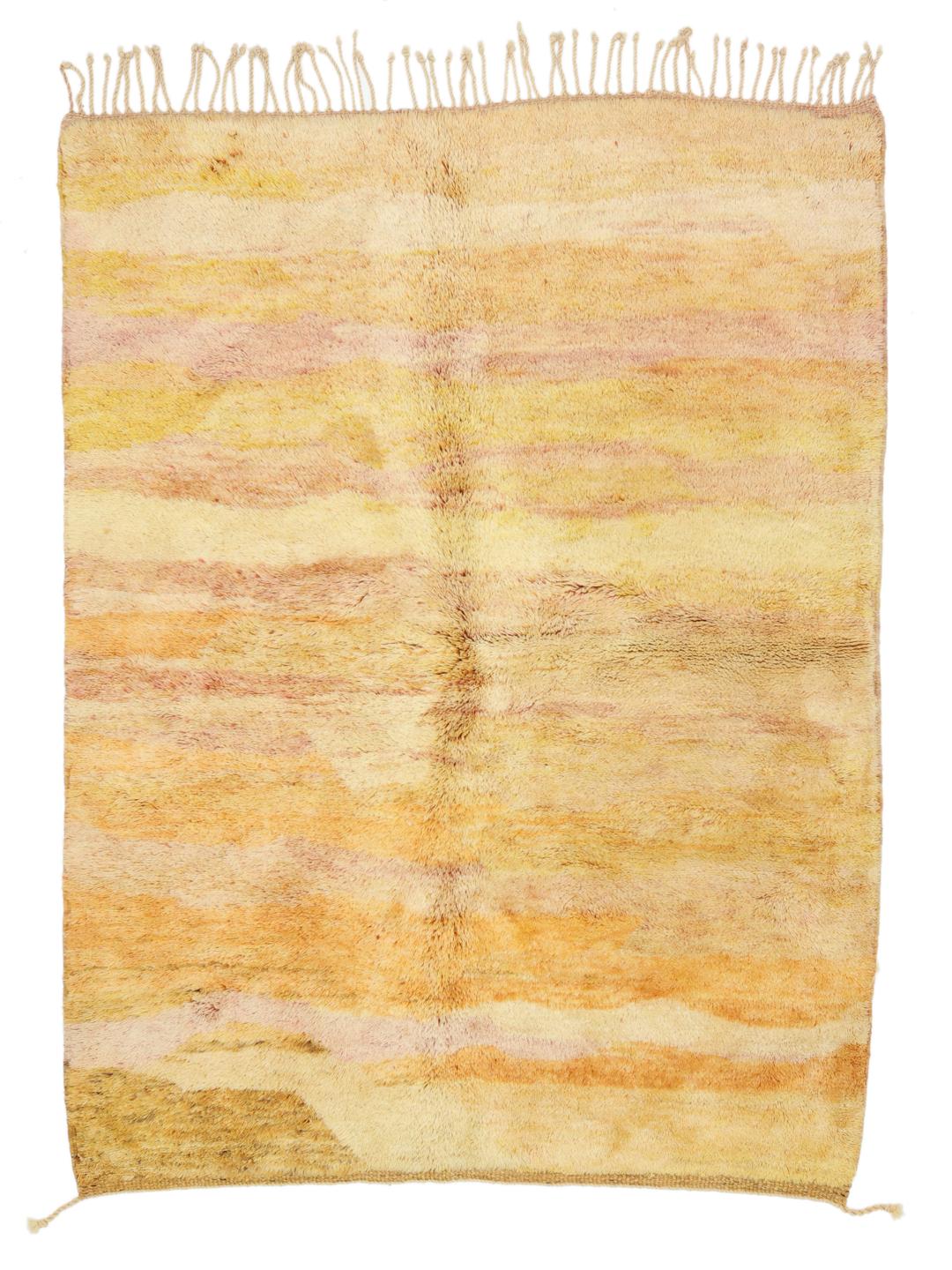
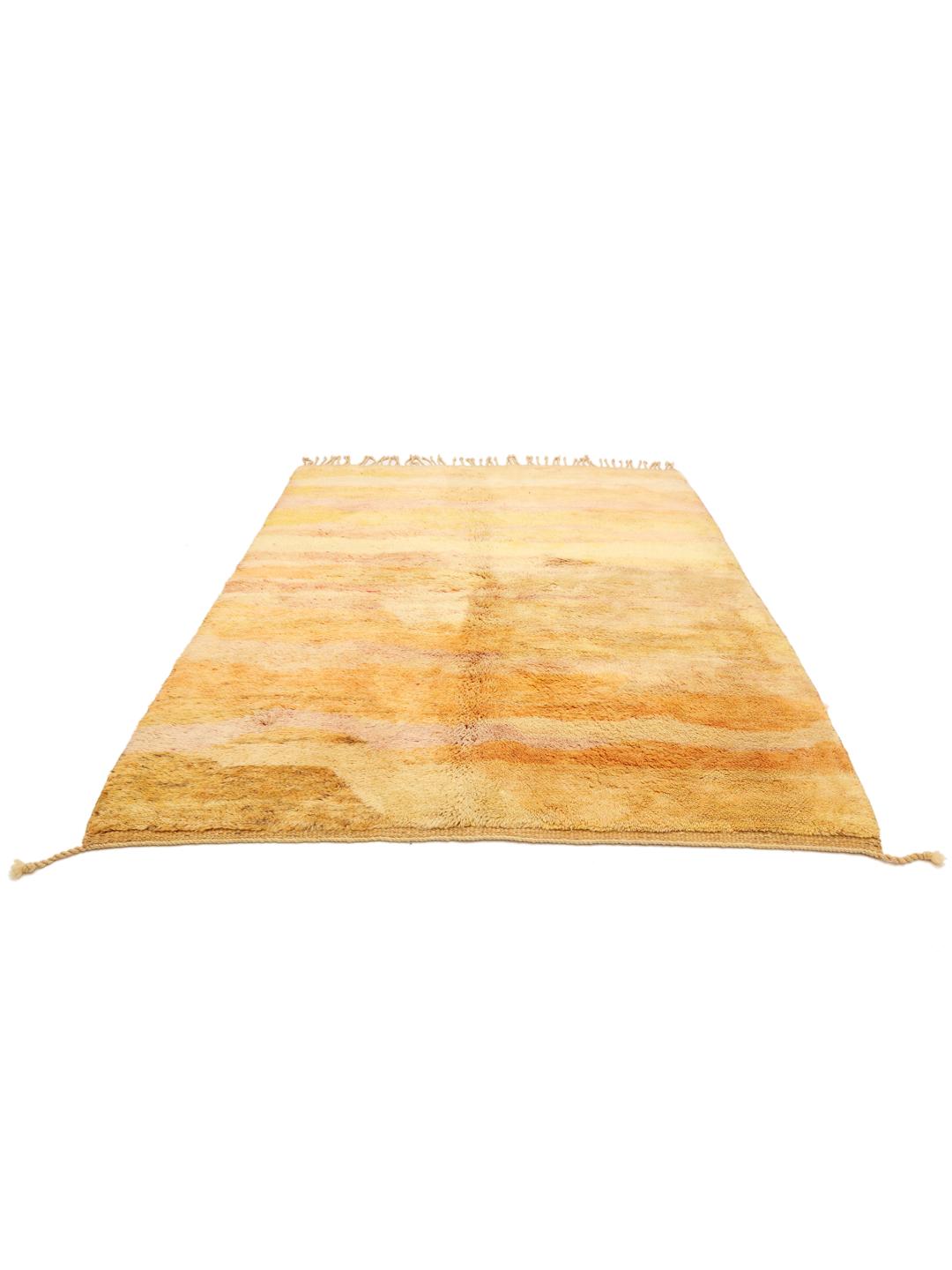
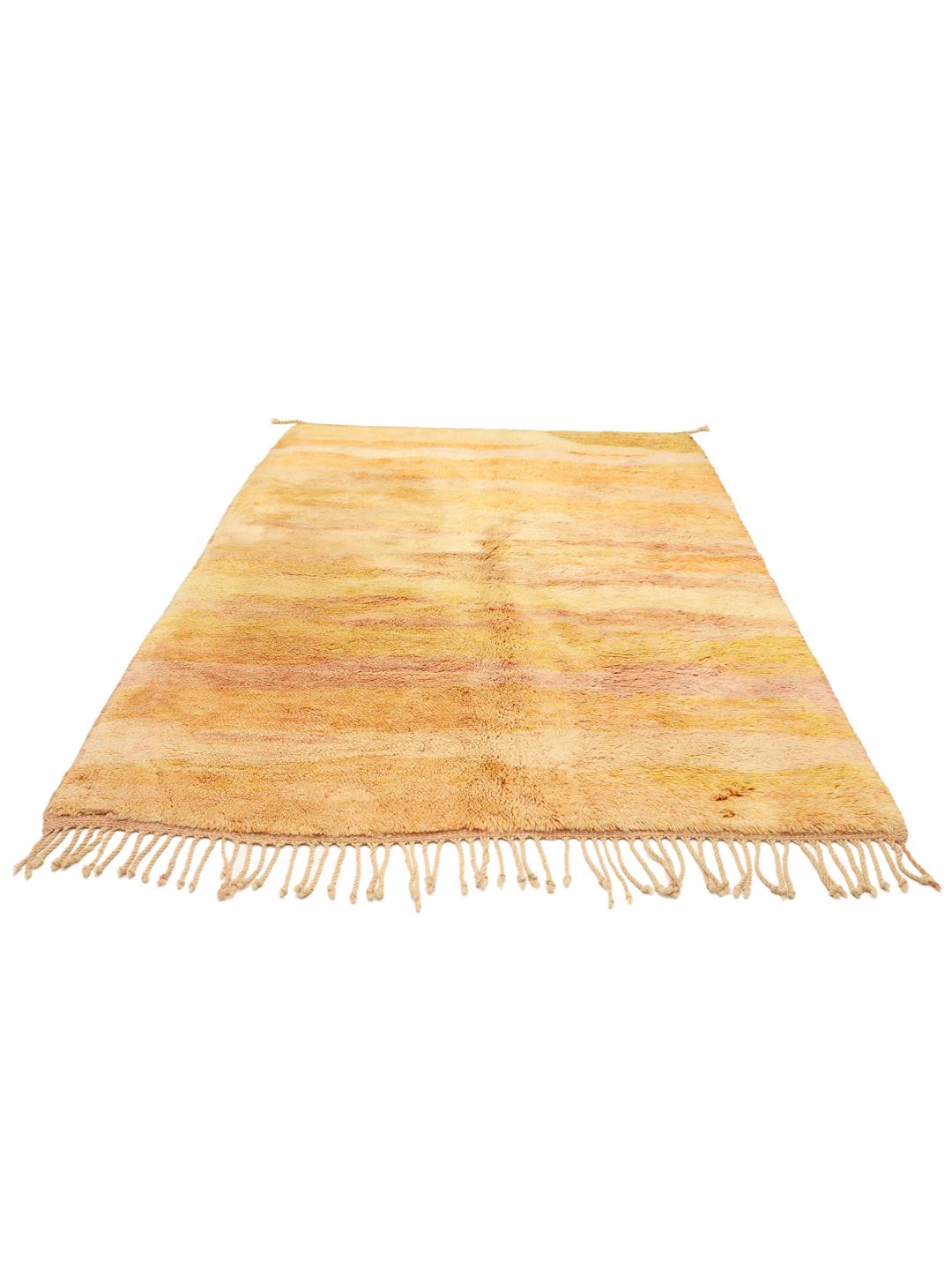
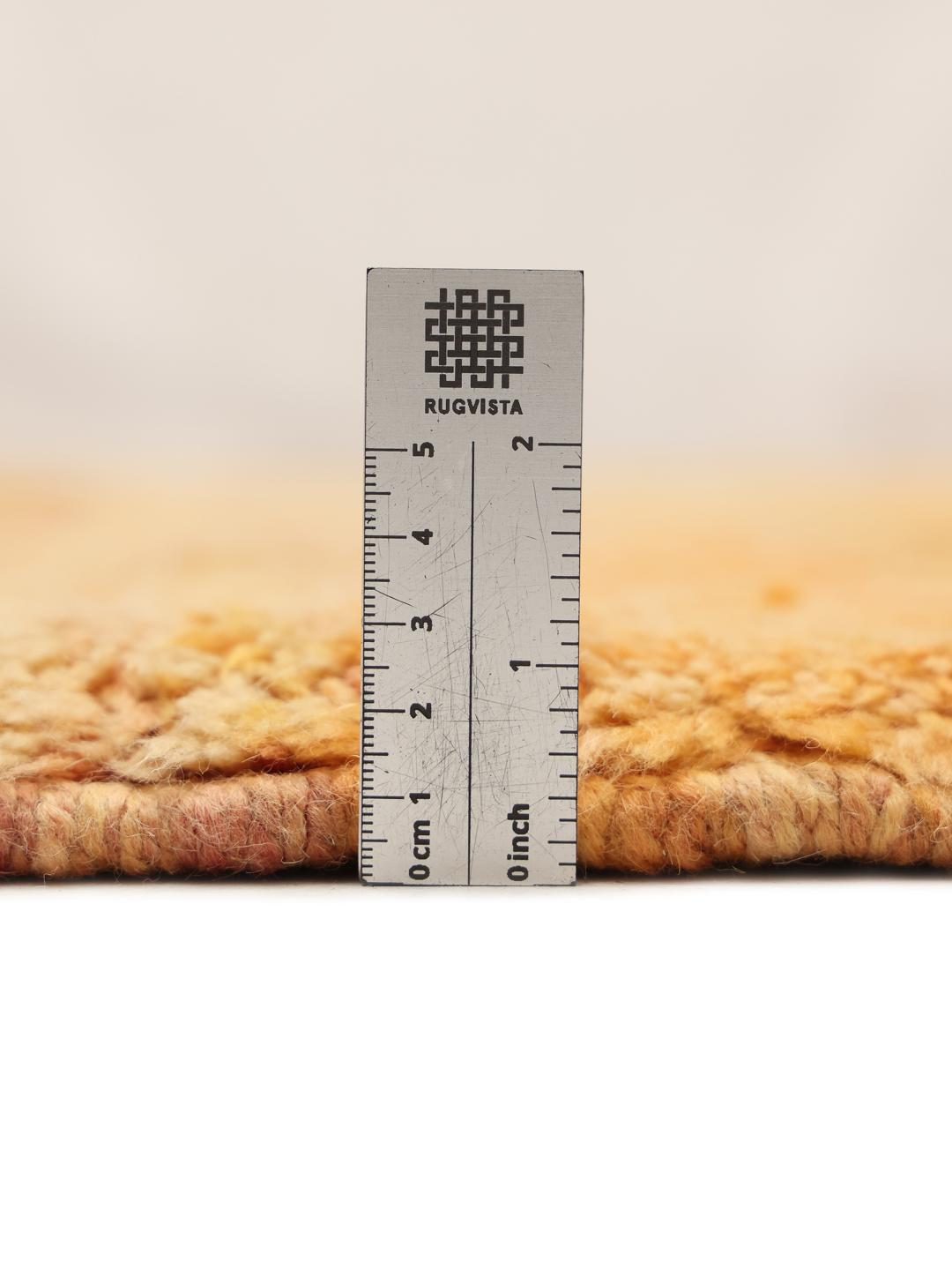
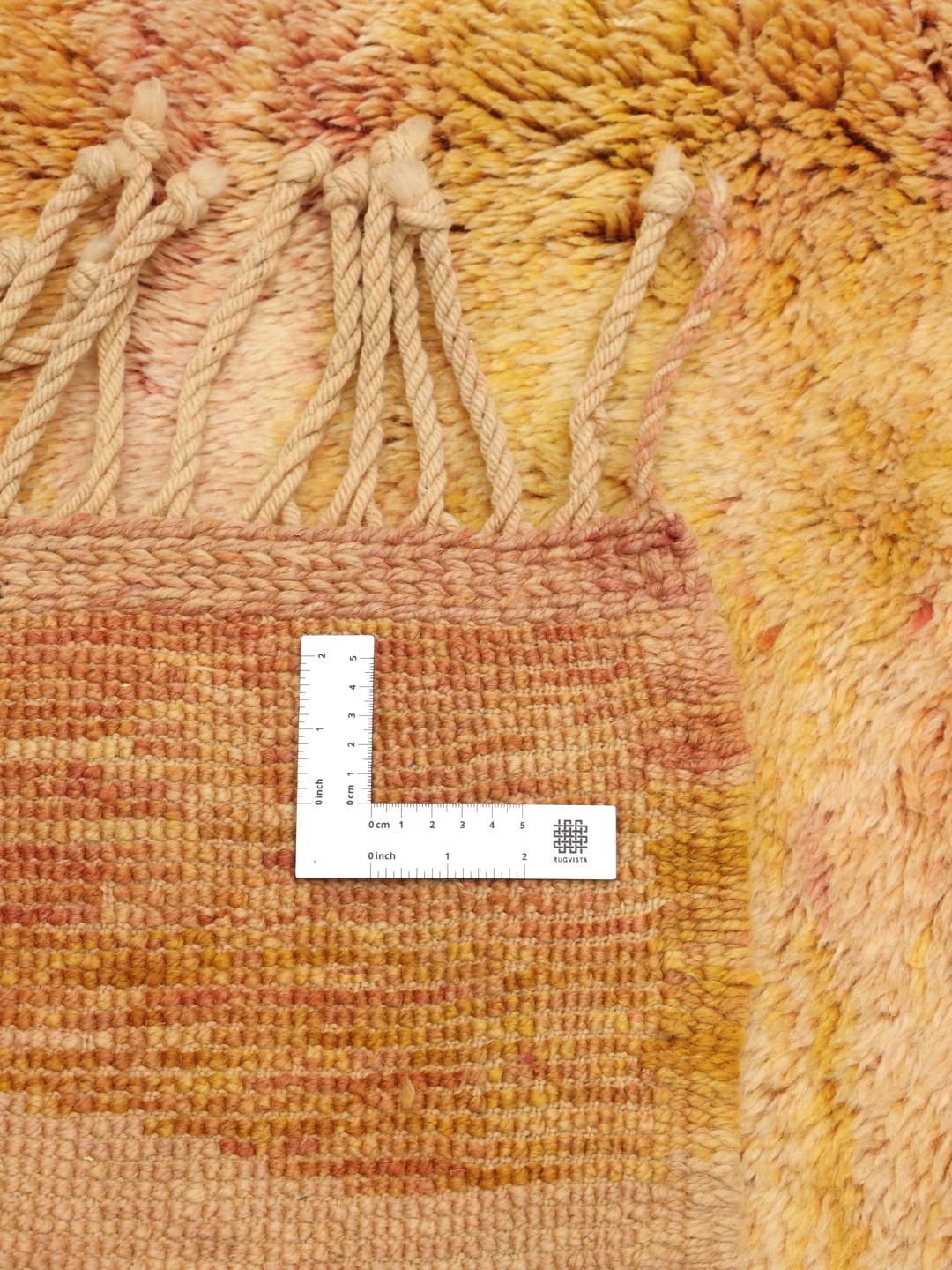
The Berber Beni Ourain tradition originates from the Middle Atlas Mountains of Morocco, where indigenous tribes have crafted these rugs for centuries. Historically, these pieces were not just floor coverings but essential items for survival, used as blankets or bedding to provide insulation against the cold mountain winters.
The term 'Berber' refers to the Amazigh people of North Africa, whose weaving techniques have been passed down through generations of women. Each rug is a reflection of the weaver's personal history, often incorporating symbols and patterns that tell stories of their daily lives, environment, and traditions.
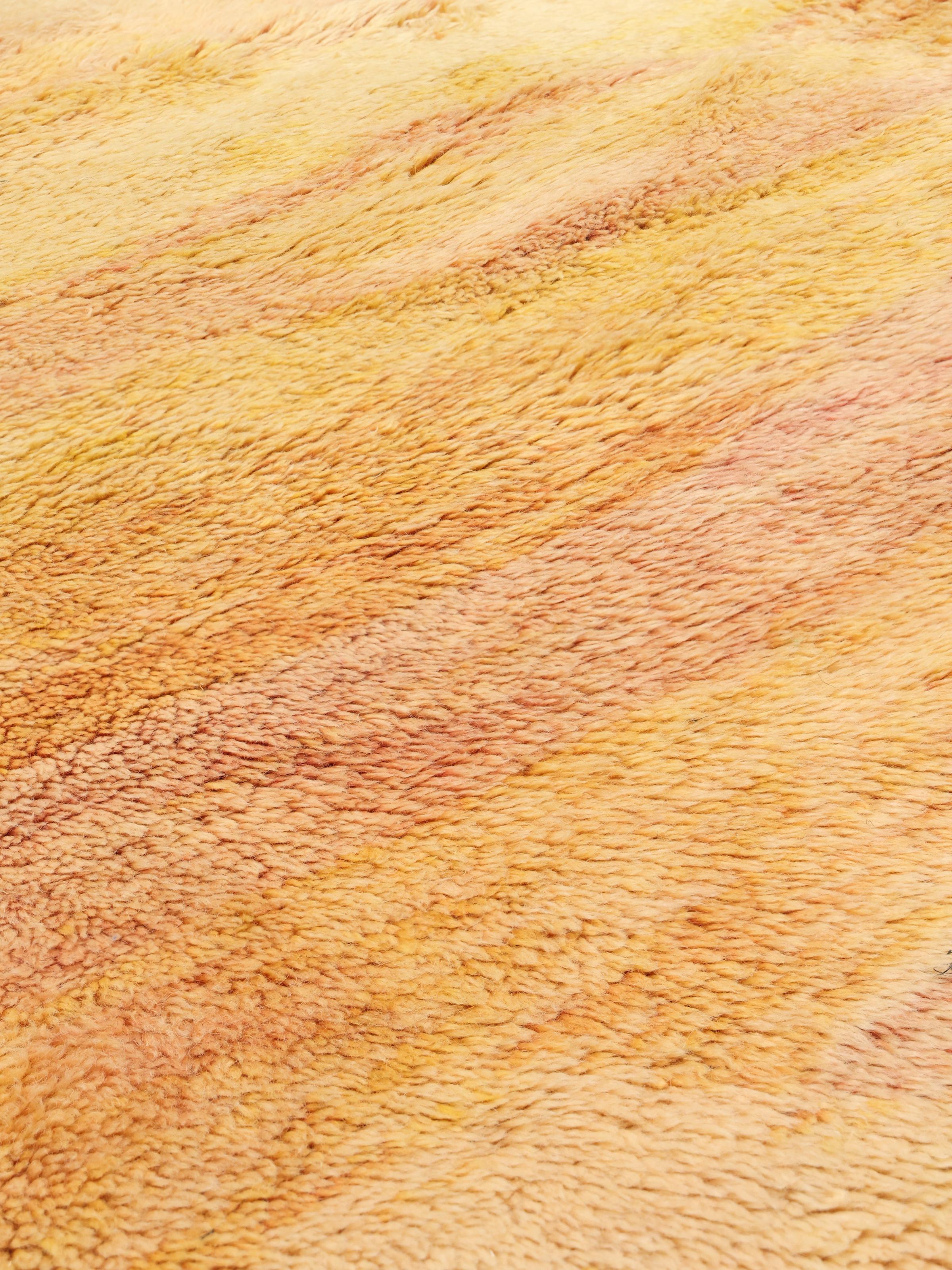
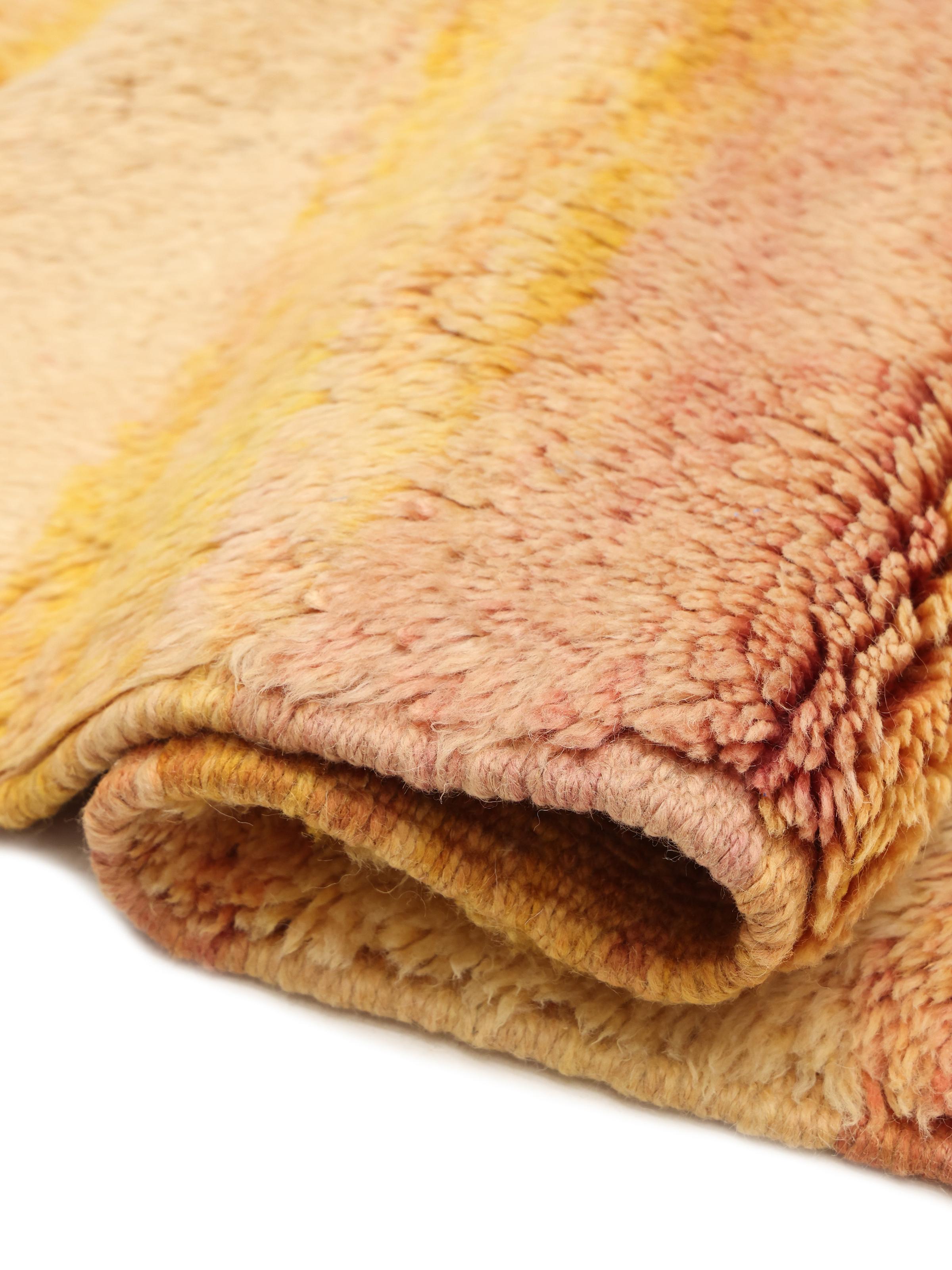
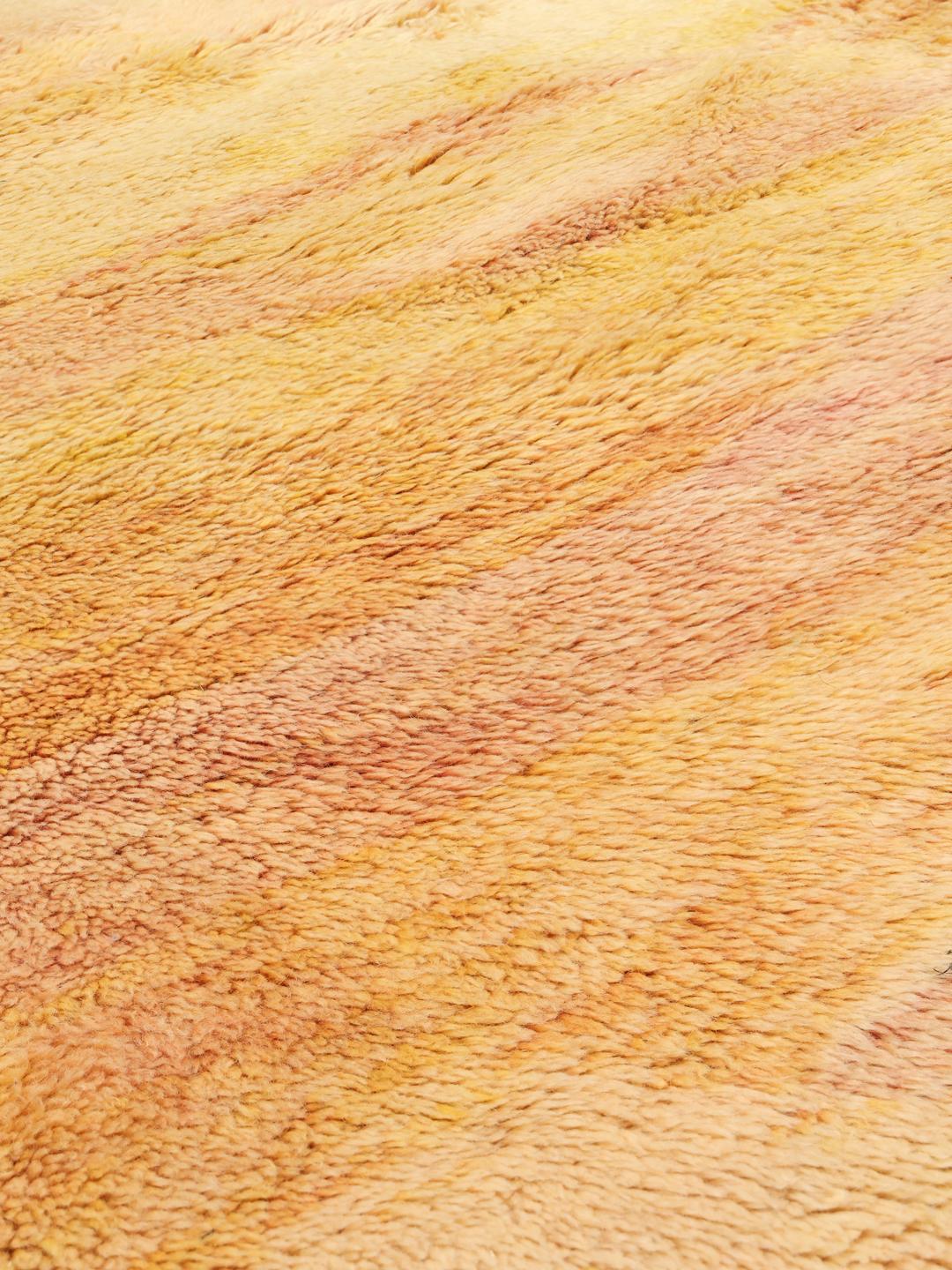
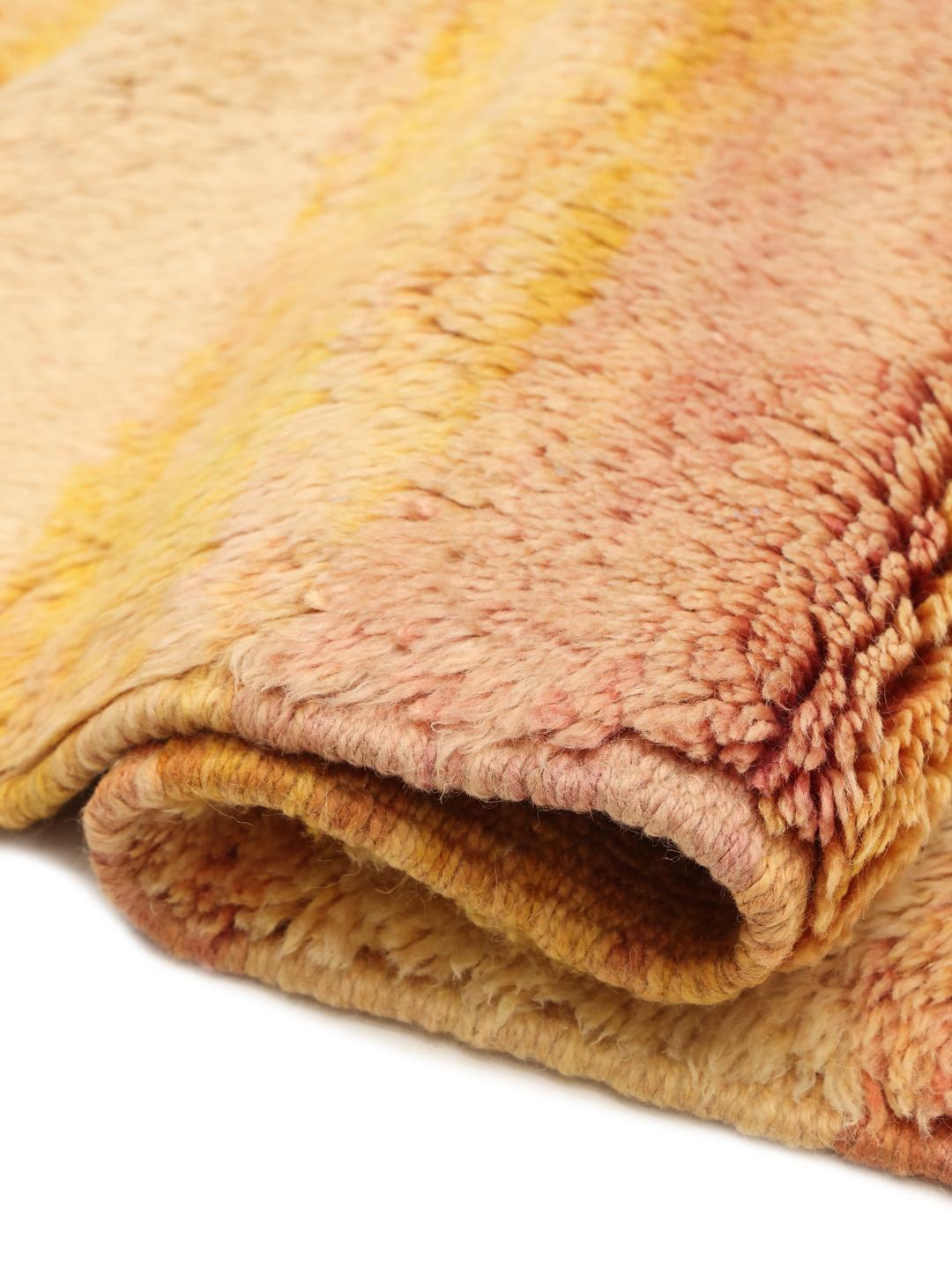
Design-wise, these rugs are celebrated for their thick, luxurious pile and their often minimalistic, geometric aesthetic. While many traditional examples feature simple diamond grids or abstract lines, the focus remains on the purity of the Wool and the natural, undyed colours that highlight the raw beauty of the materials used.
Today, owning a Beni Ourain rug is considered an investment in cultural heritage. Collectors value these pieces for their authenticity, the skill required to produce them, and the way they bridge the gap between ancient nomadic traditions and modern interior design.