Berber rugs are deeply rooted in the traditions of the indigenous people of the Atlas Mountains in Morocco. For centuries, these textiles have served not just as floor coverings, but as essential items for survival in the cold mountain climate, as well as meaningful expressions of tribal identity. The designs are often passed down through generations, with weavers incorporating symbols and motifs that reflect their personal lives and the world around them.
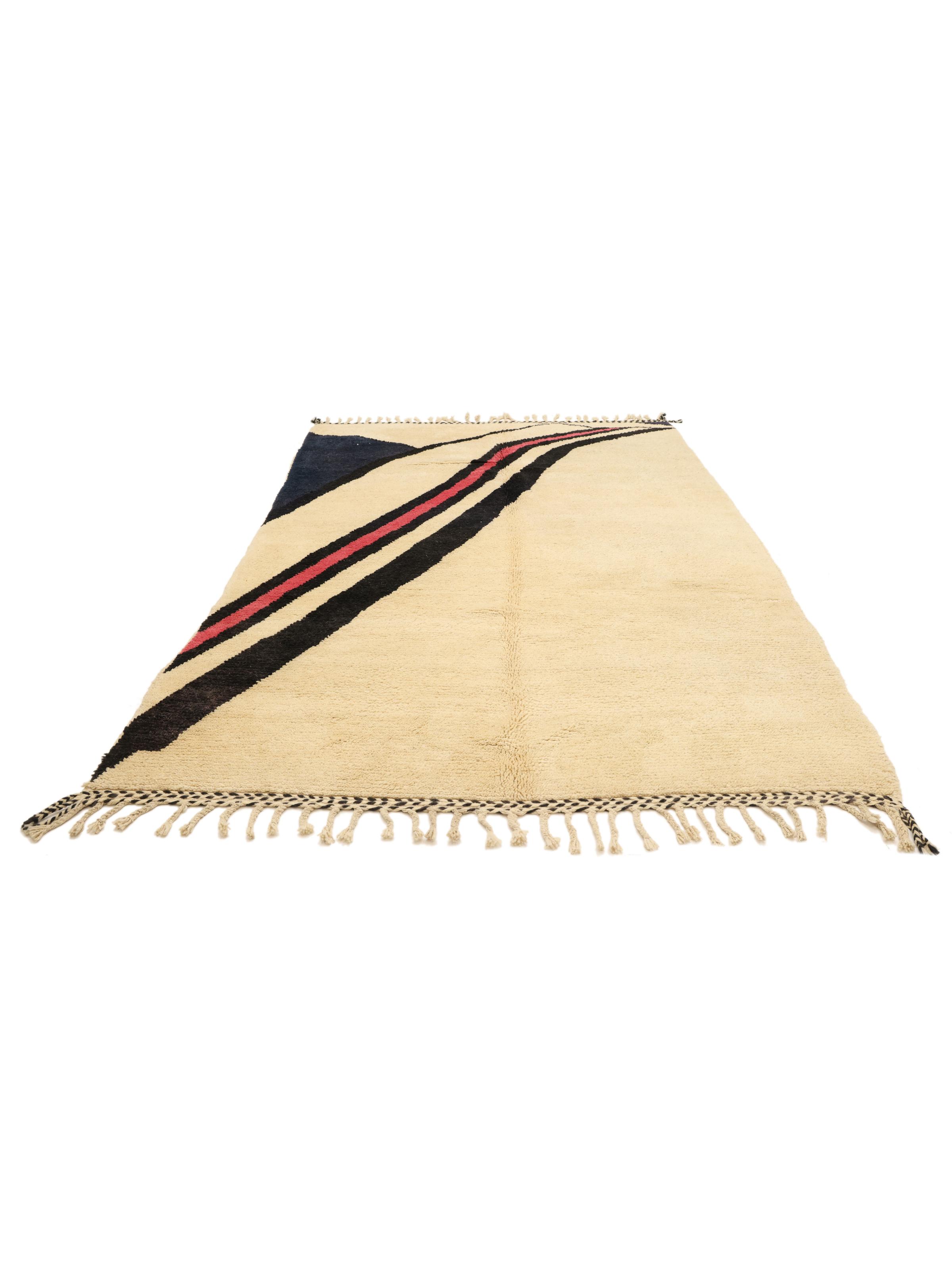
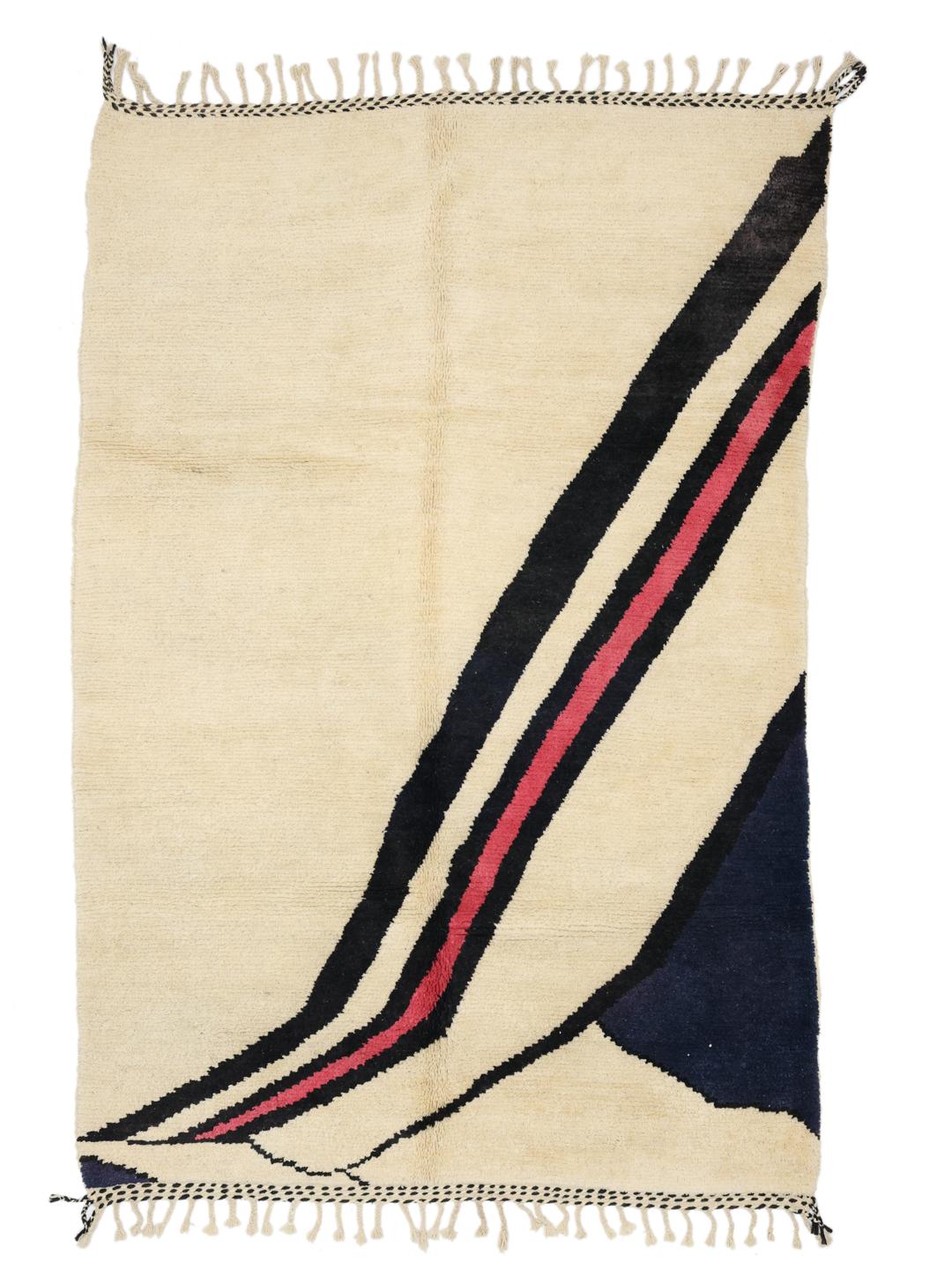
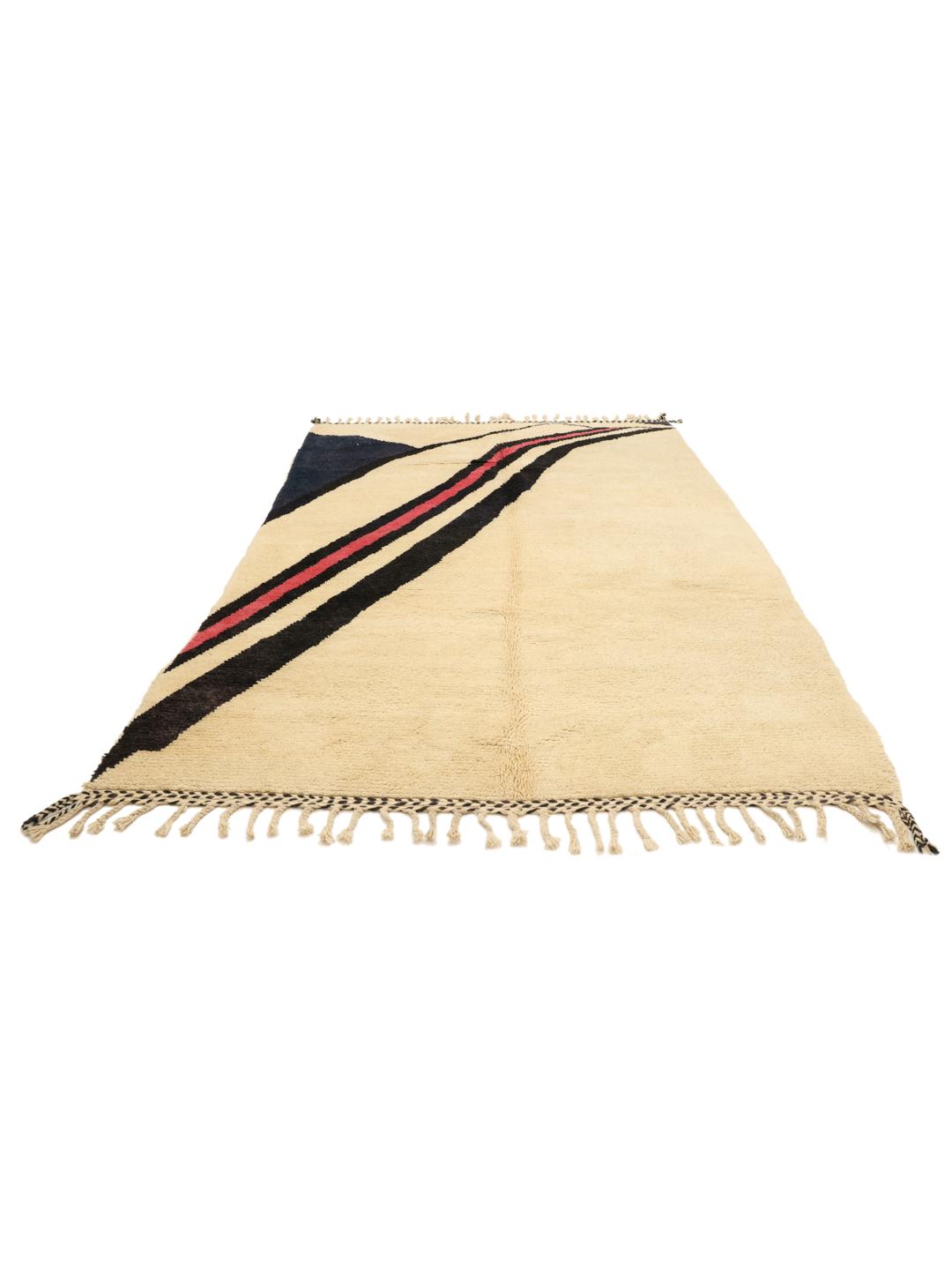
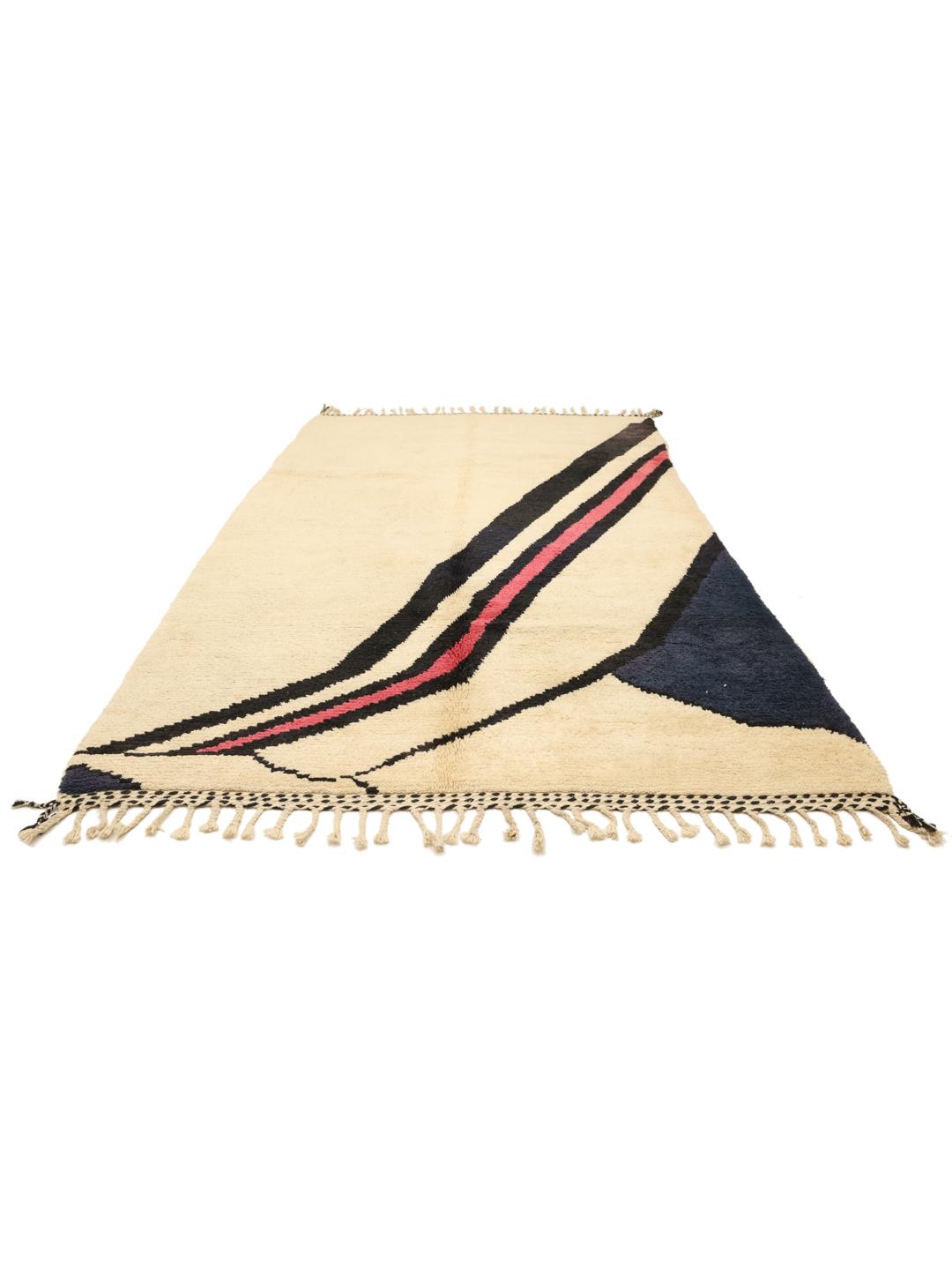
The term Beni Ourain refers to a specific group of tribes known for their high-quality Wool and distinctive, often minimalist, aesthetic. While many traditional rugs are known for complex, dense geometric patterns, the Beni Ourain style is celebrated for its focus on the raw, natural quality of the Wool and bold, artistic lines. This specific rug reflects that evolution, blending classic techniques with a modern, expressive design language.
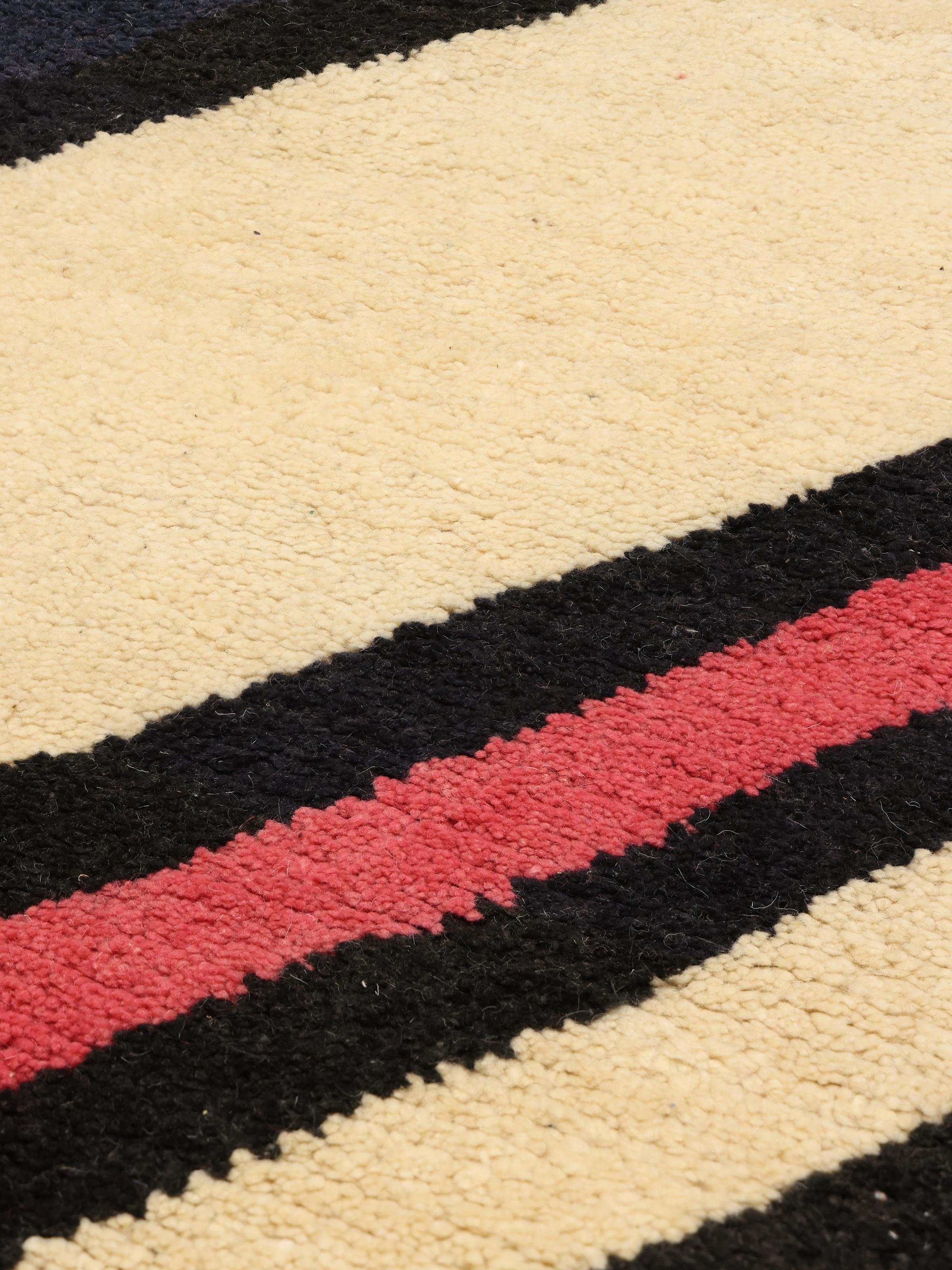
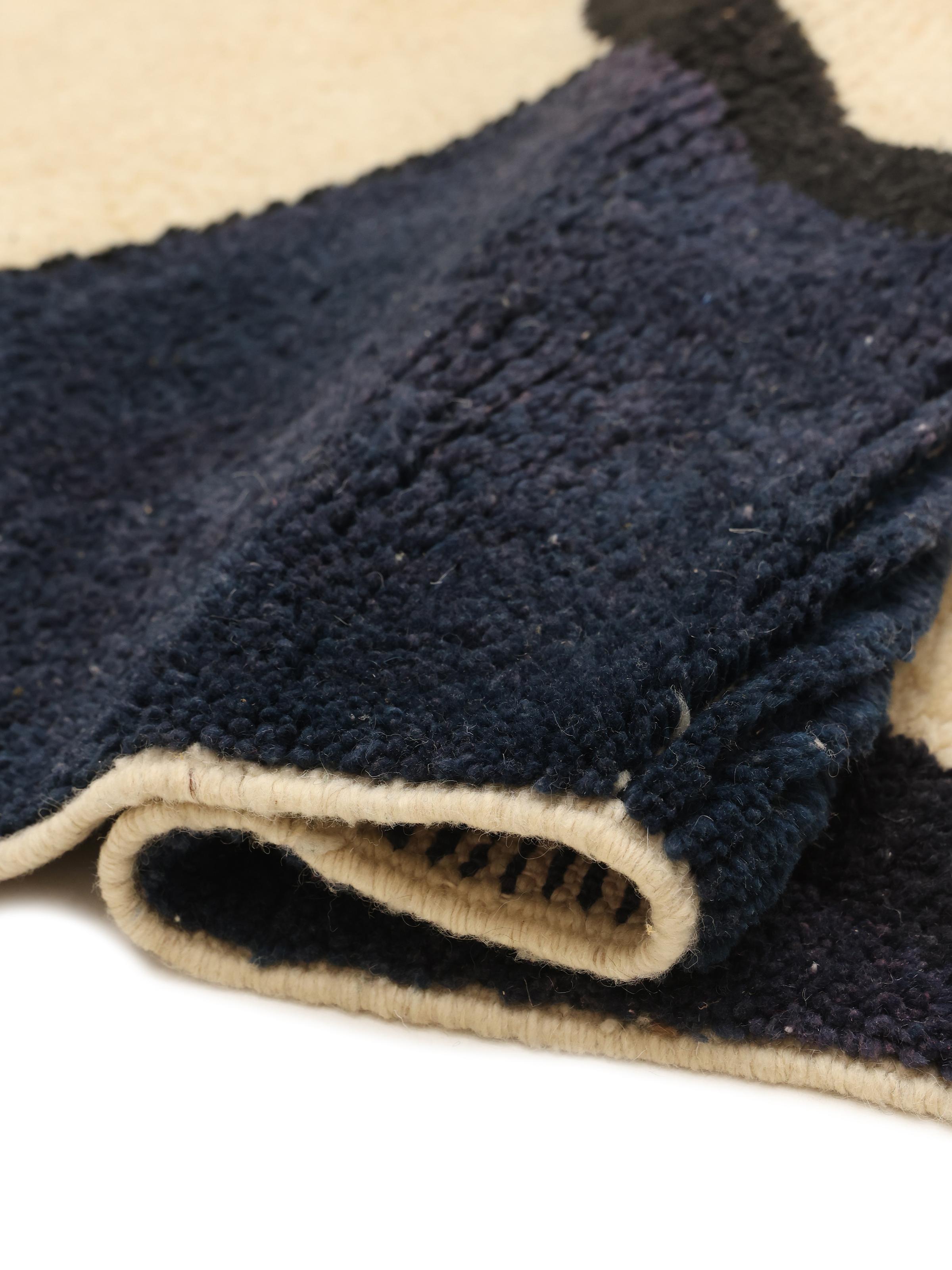
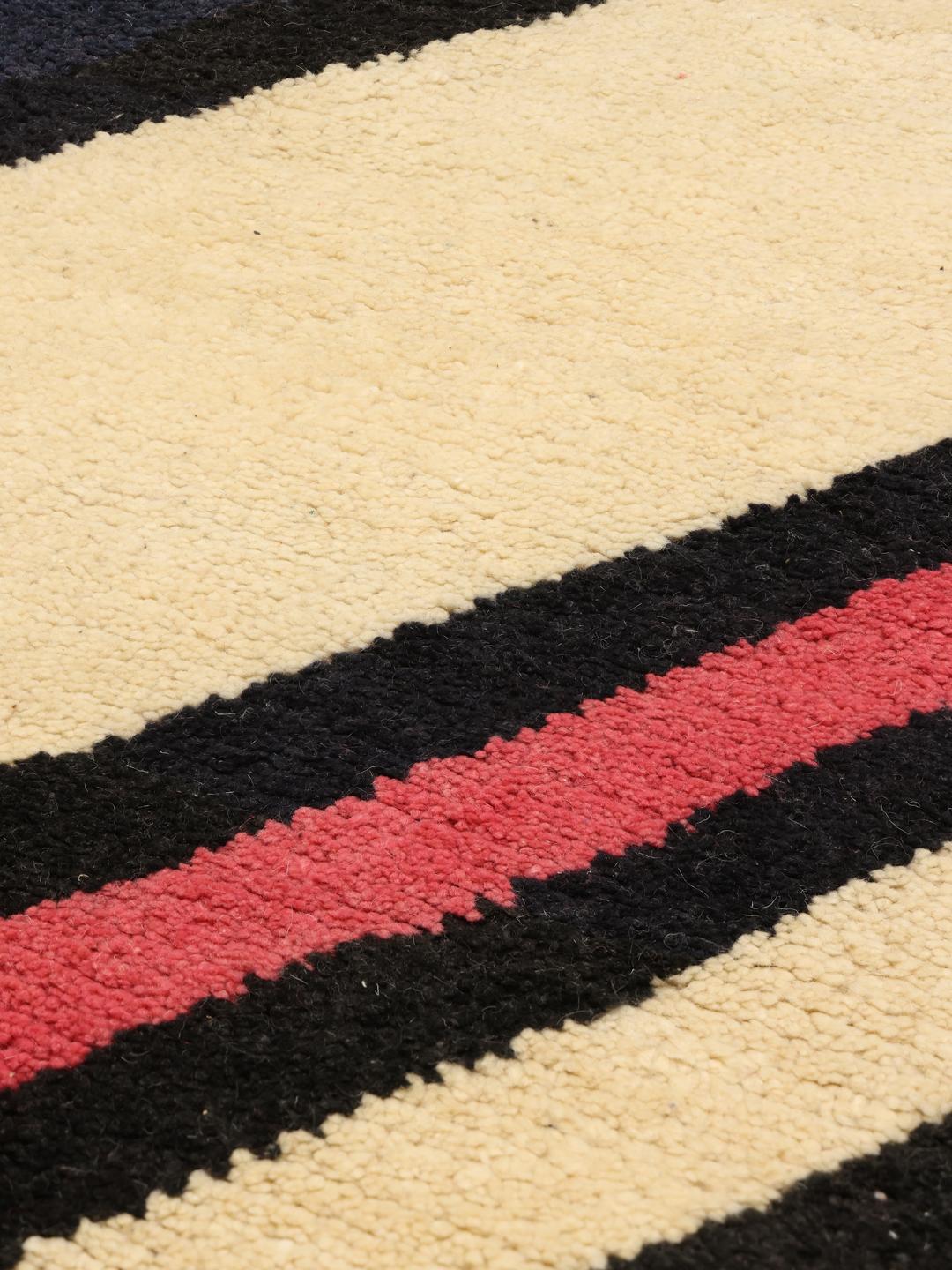
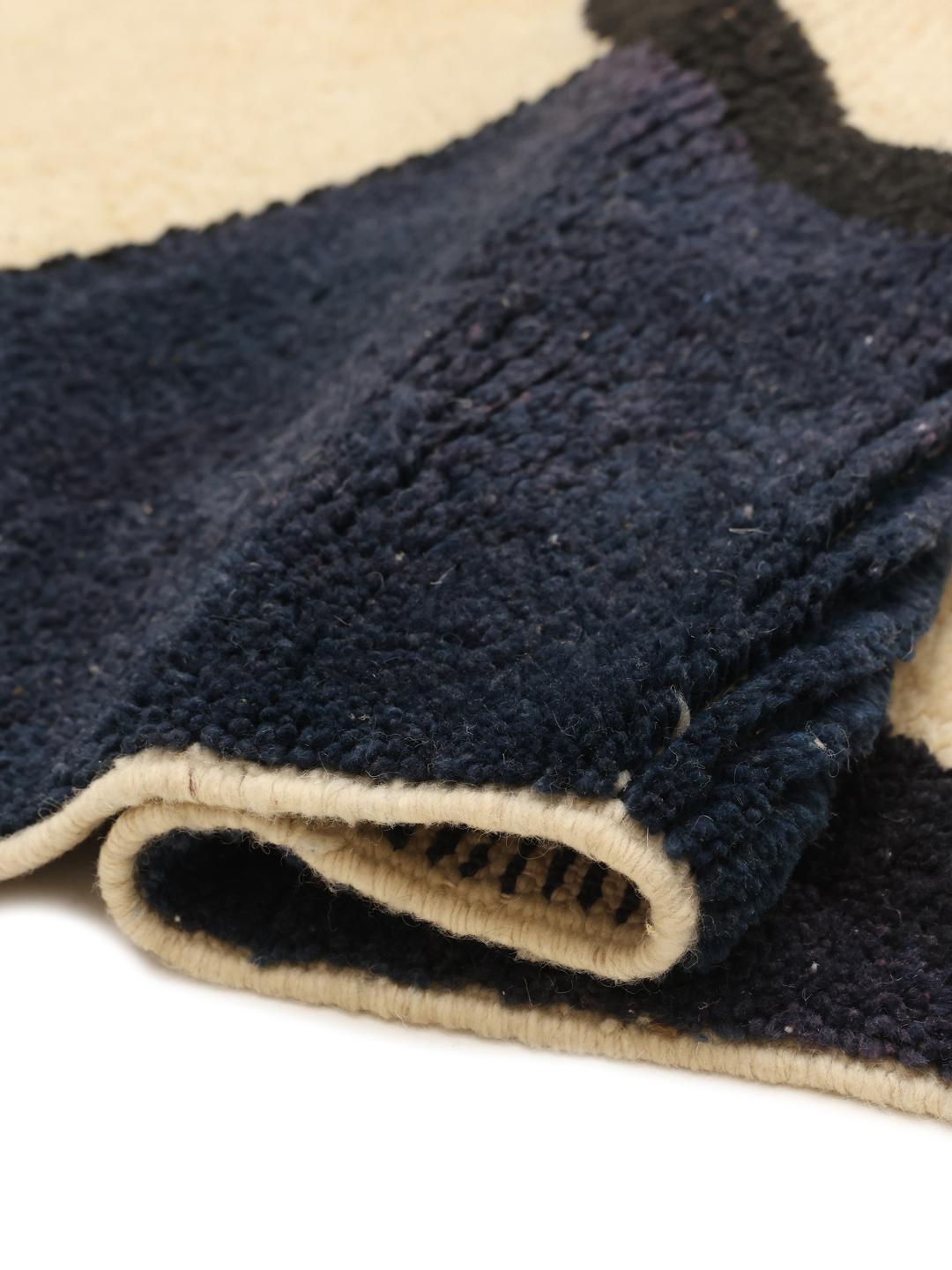
Signature elements of this tradition include the use of undyed, natural Wool, which gives the rugs their warm, earthy tones. The patterns, often characterised by dark, hand-drawn lines, are meant to be expressive rather than perfect, celebrating the human element in every stitch. When you see a rug with these features, you are looking at a style that has remained relatively unchanged for hundreds of years, preserved by the mountain communities.
Collectors value these rugs for their raw authenticity and the cultural weight they carry. Owning a piece from this tradition is an act of preserving a dying art form, as modern production methods often attempt to mimic the look without the soul of the hand-knotted process. Each rug is a testament to the skill, history, and resilience of the people who created it, offering a depth of character that mass-produced items cannot provide.