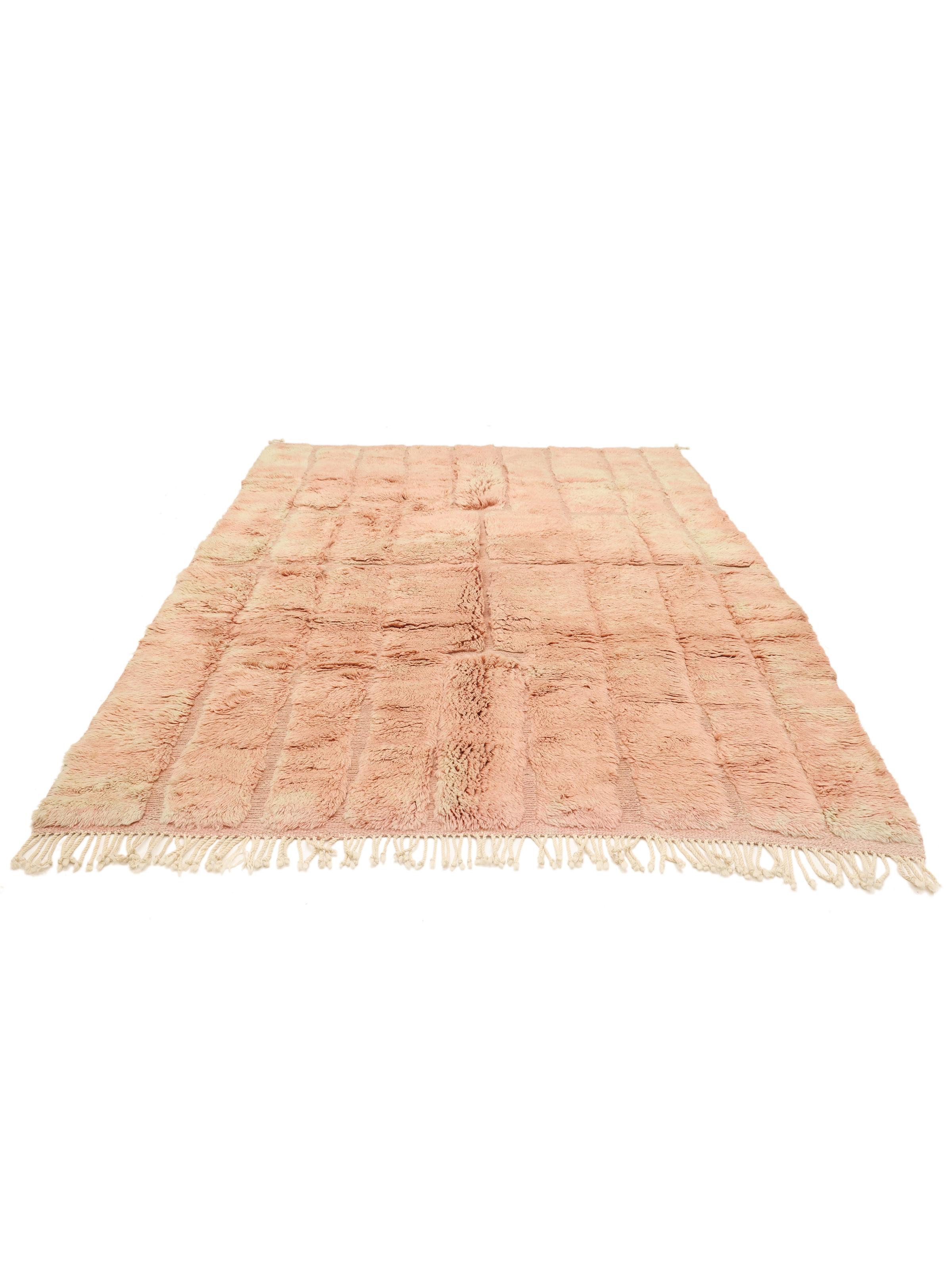
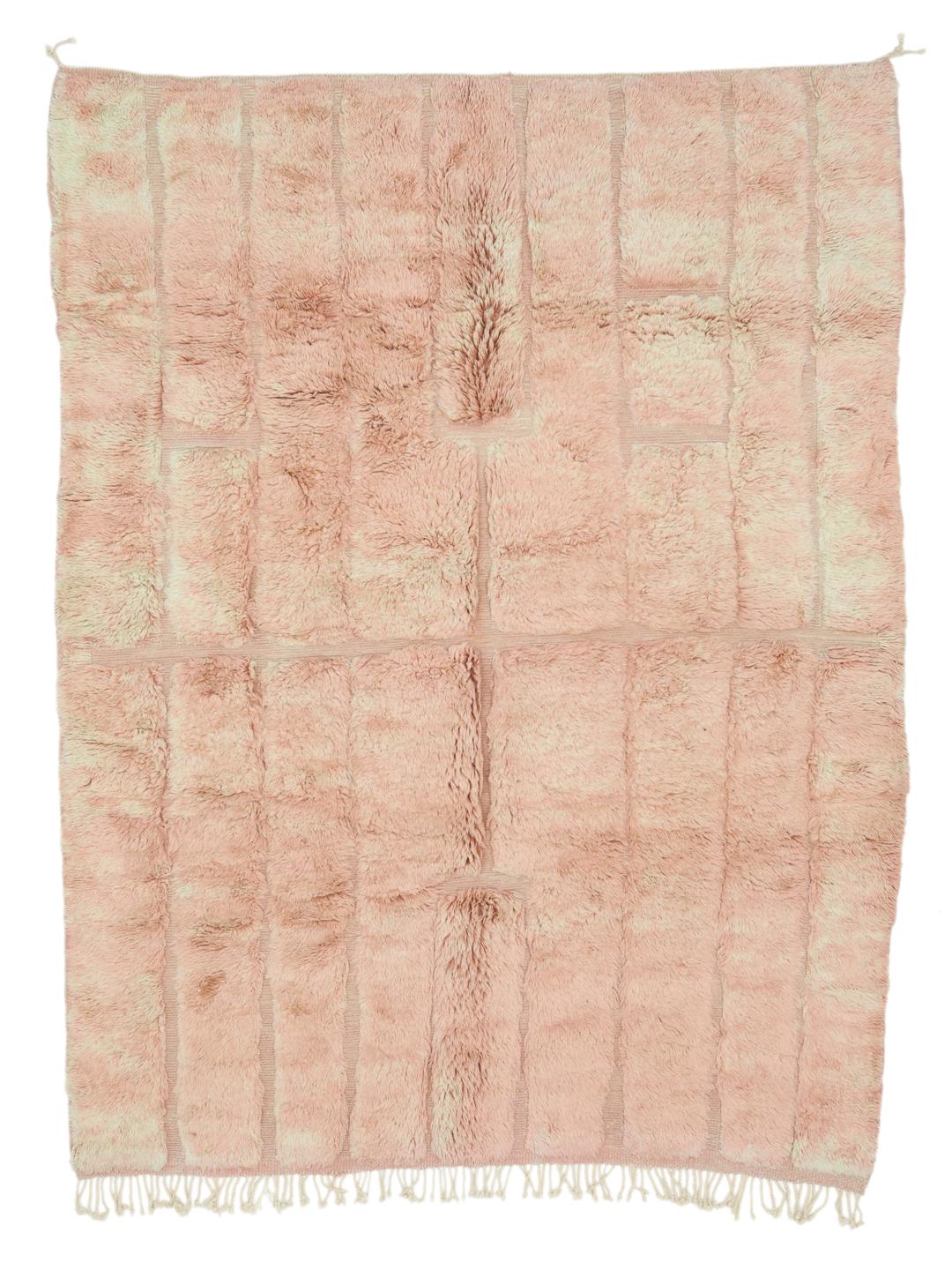
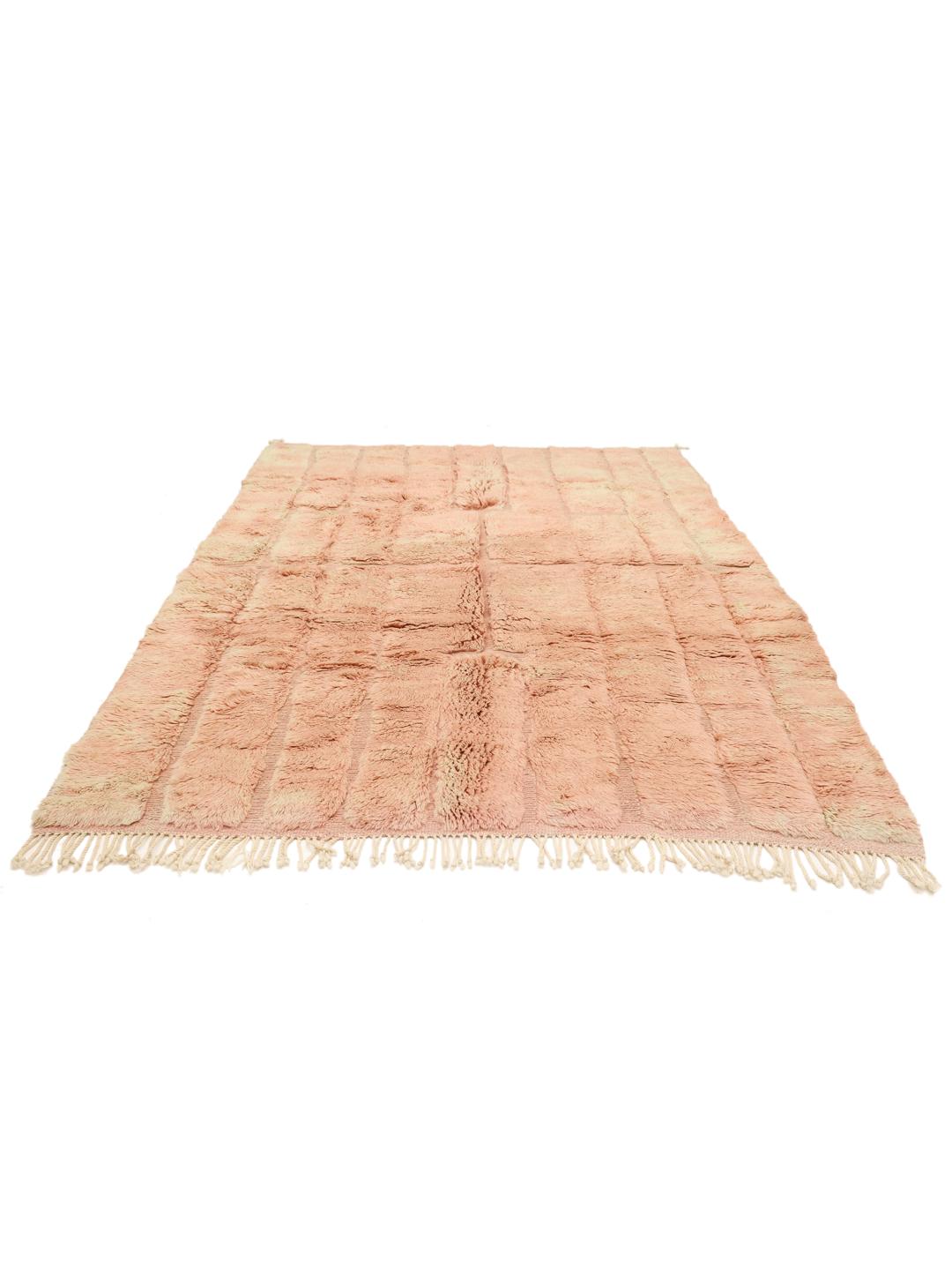
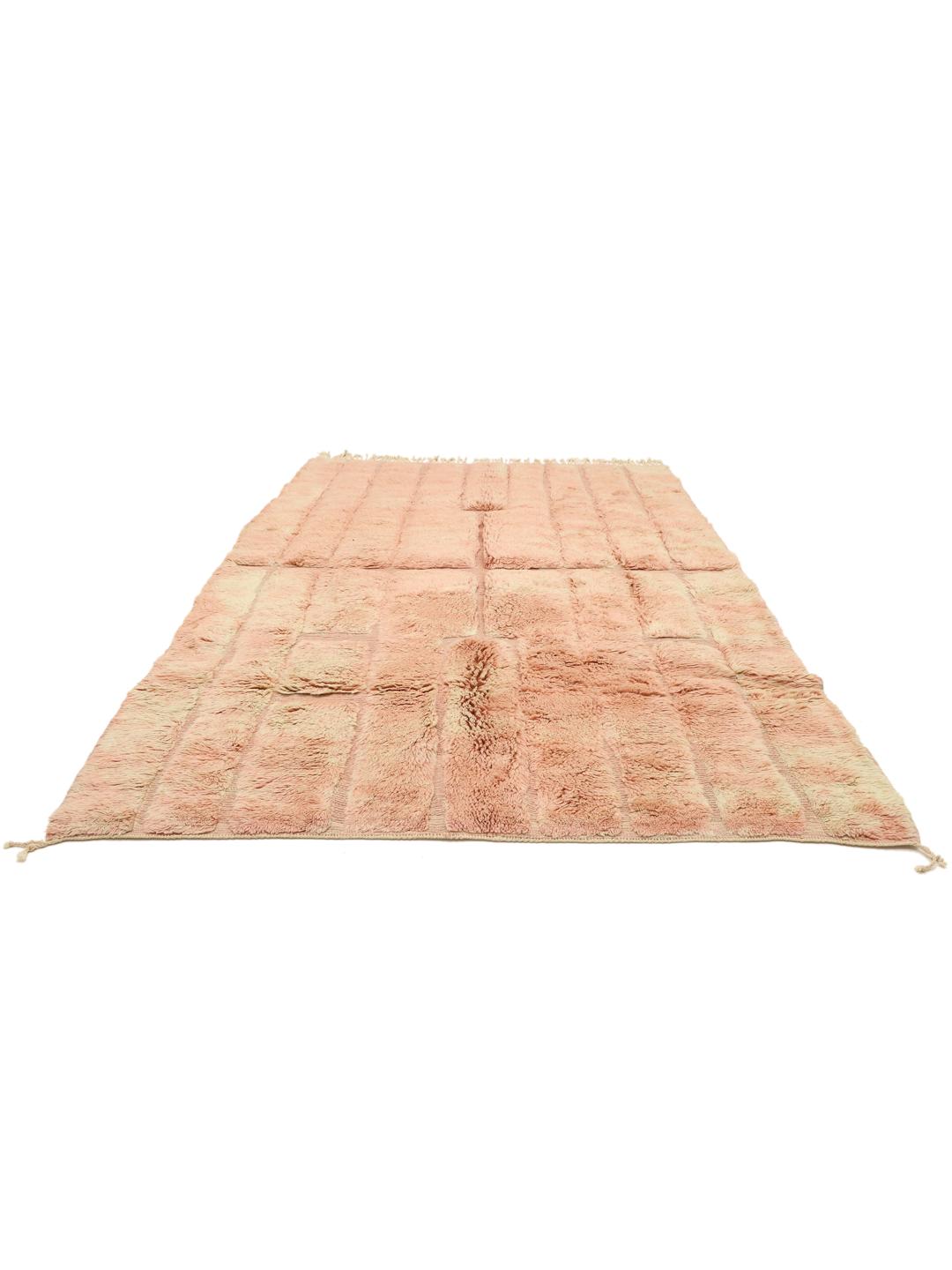
The Berber Beni Ourain rugs originate from the nomadic tribes of the Middle Atlas Mountains in Morocco. These rugs have a long history, traditionally woven by Berber women for domestic use rather than for trade, which is why their designs are often deeply personal and reflective of the weaver's own stories and surroundings.
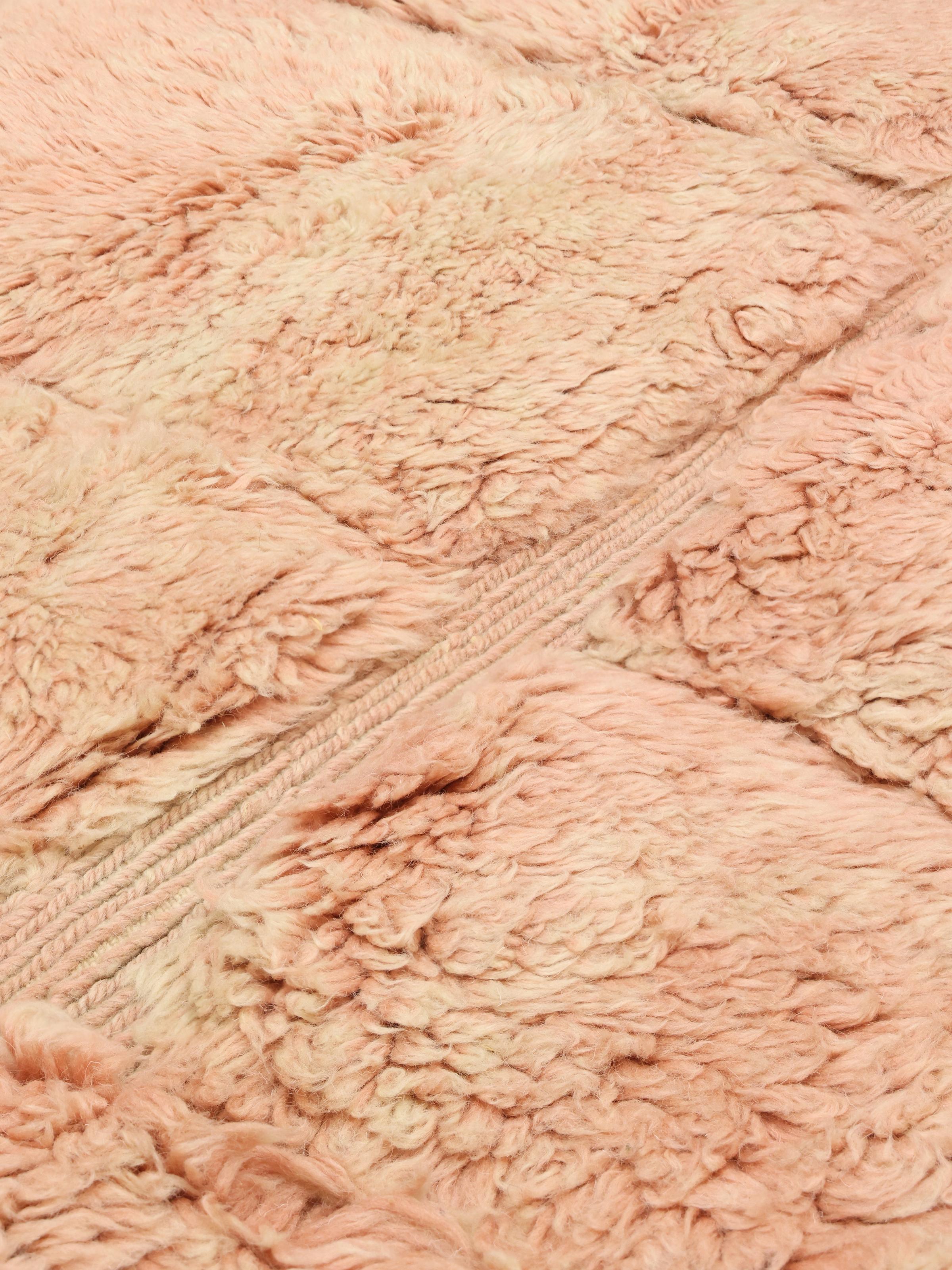
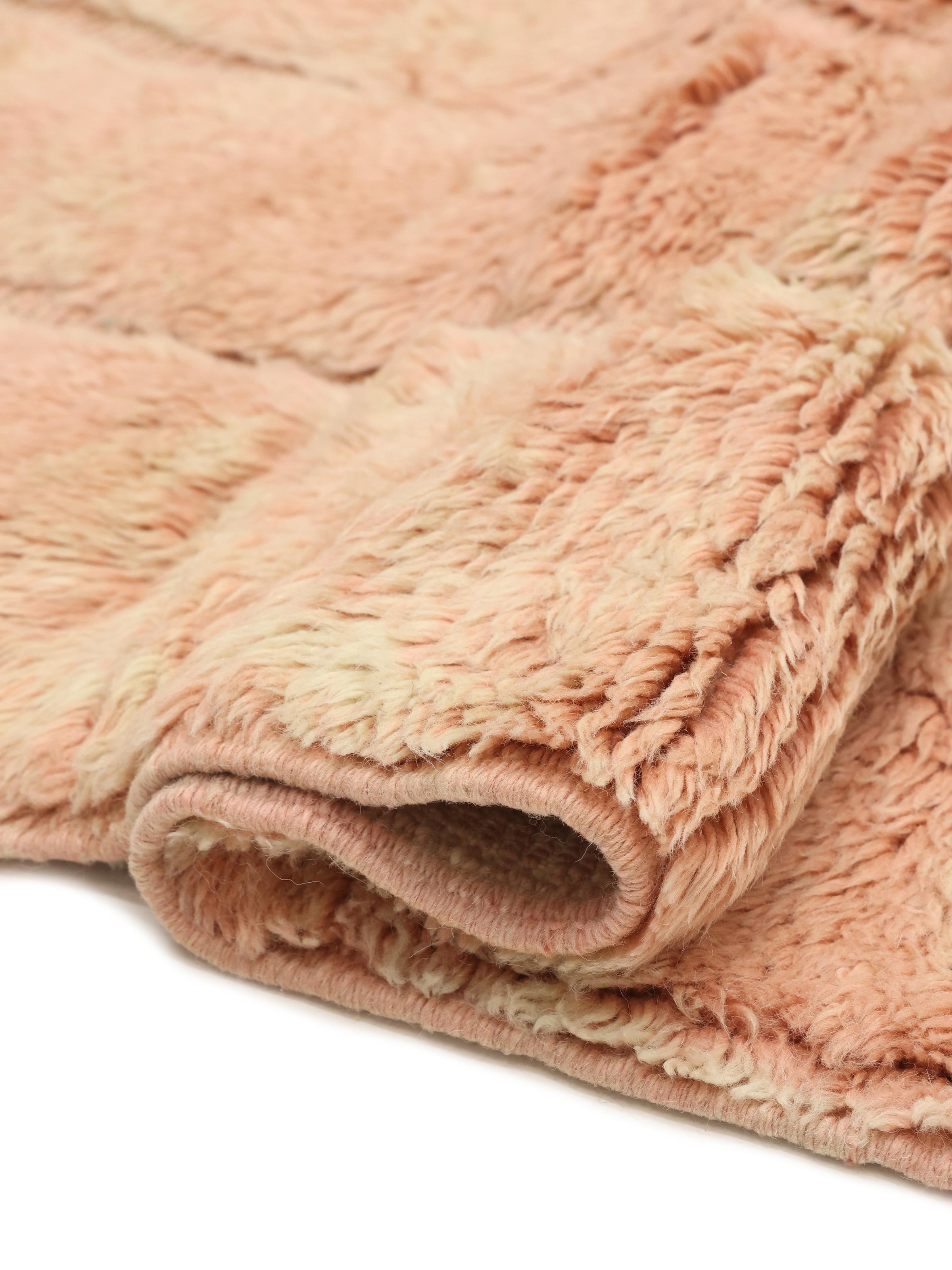
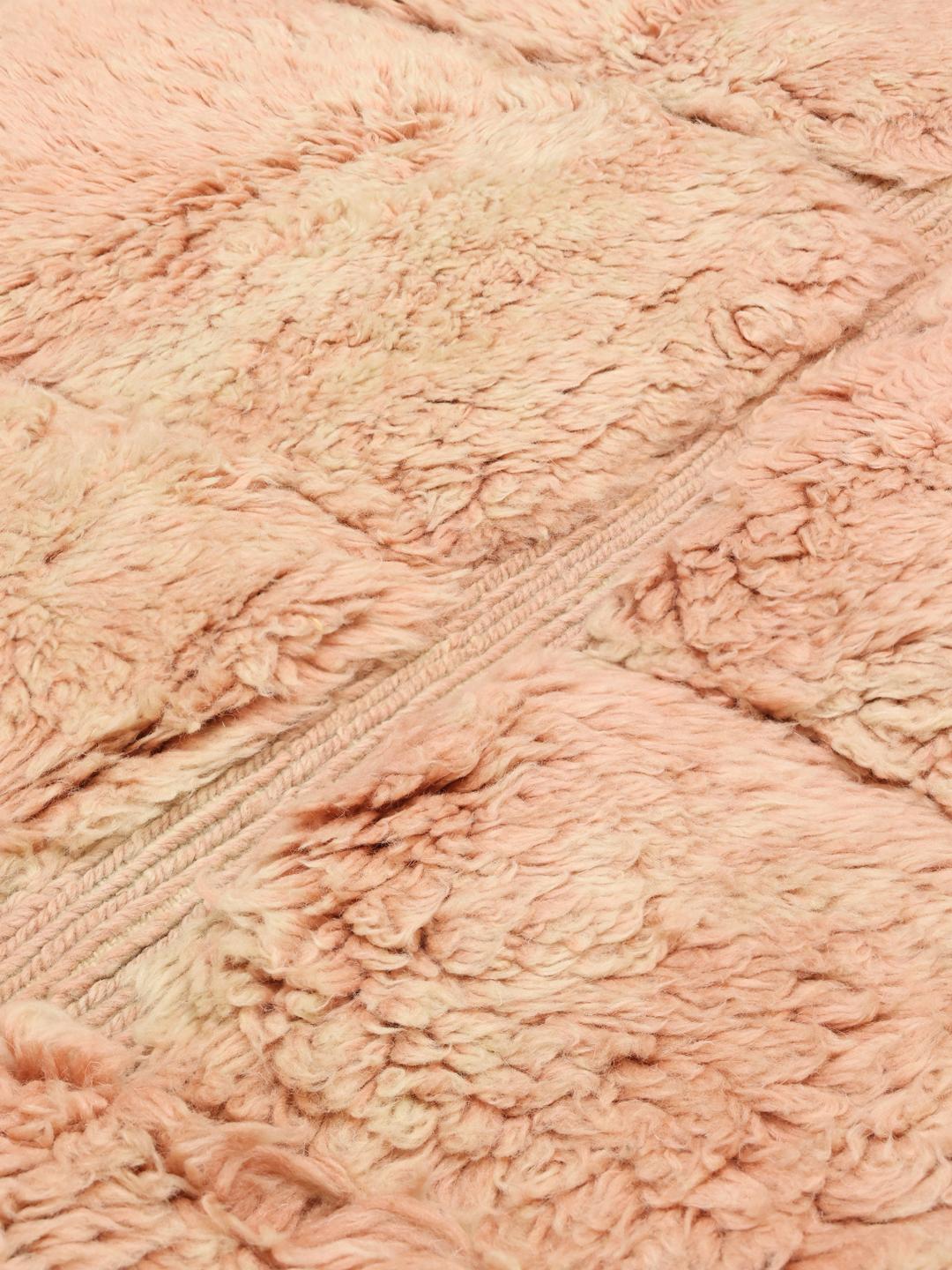
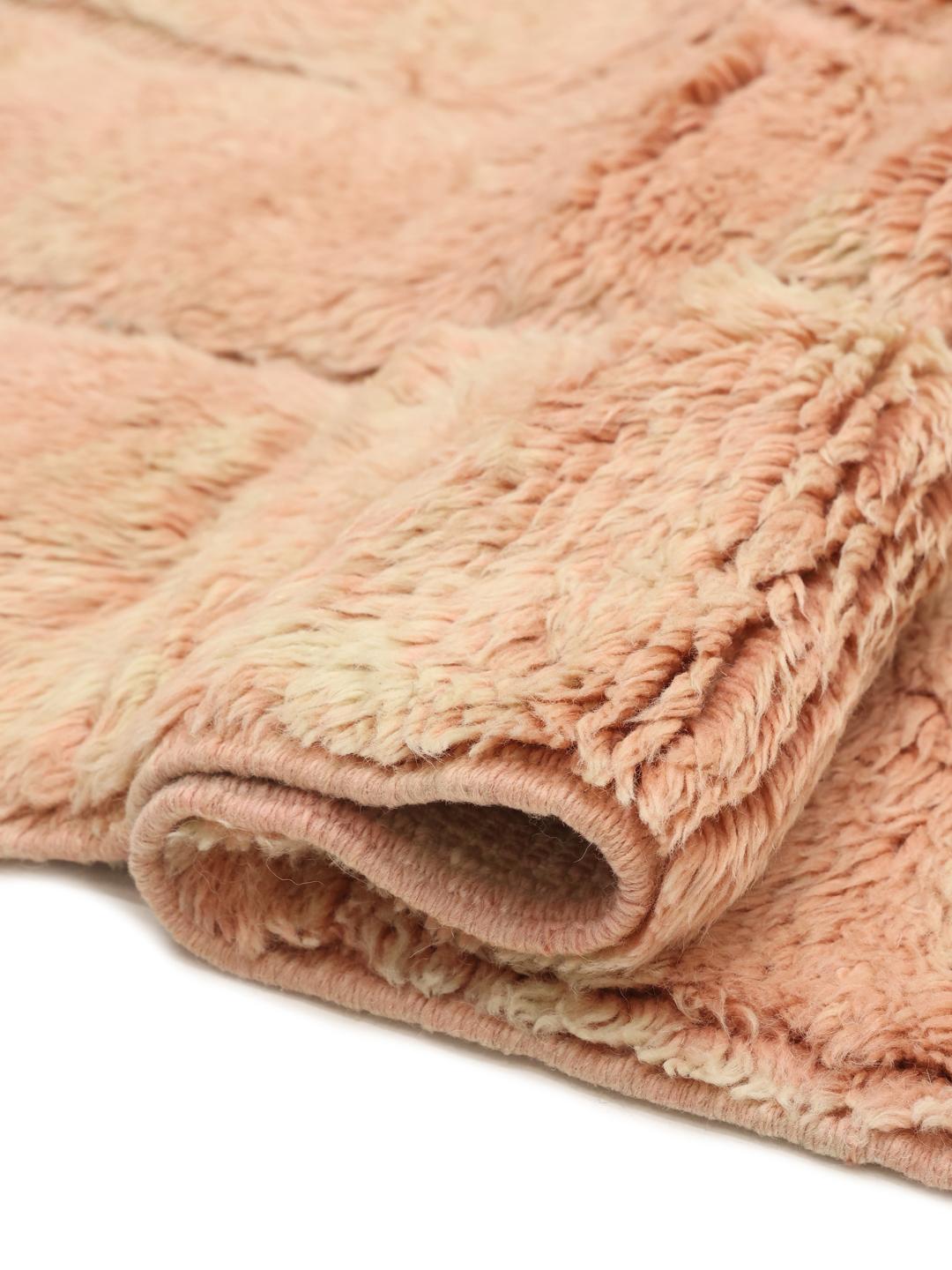
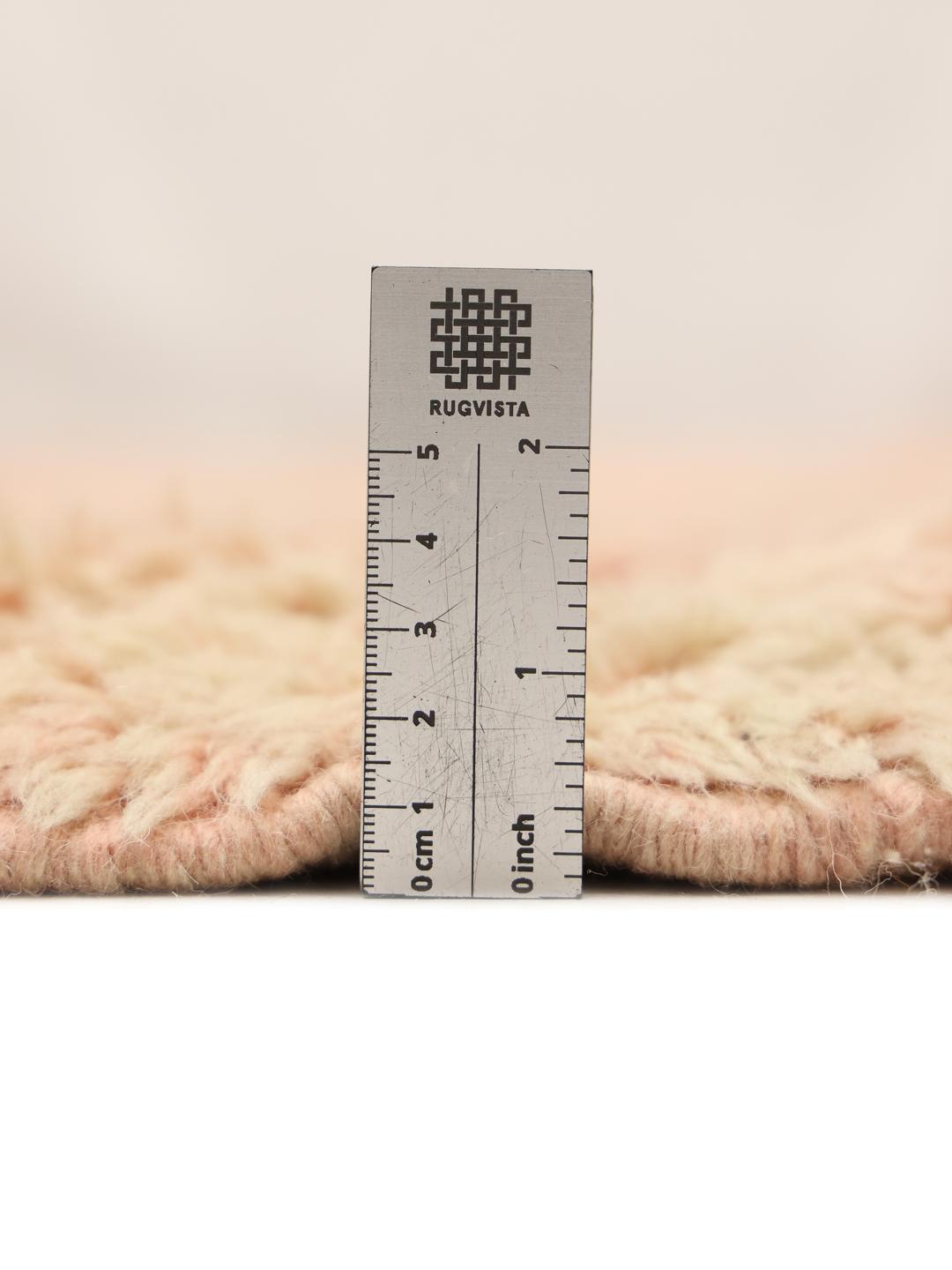
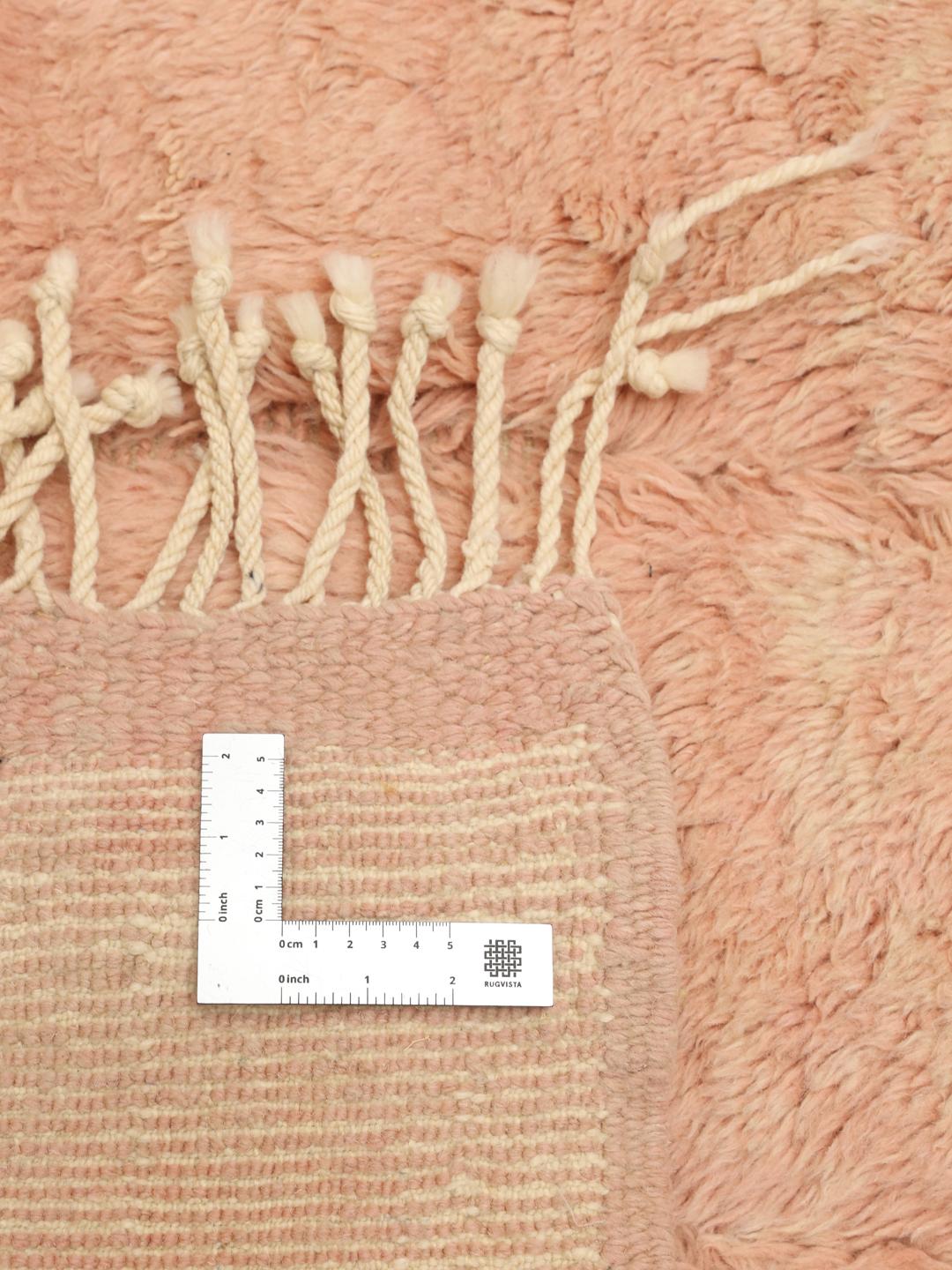
The craft relies on using long-staple, high-quality Wool, which is prized for its natural lanolin content, making the final piece soft, lustrous, and naturally water-resistant. The term Beni Ourain refers to the confederation of tribes who developed this specific style of weaving, characterised by a thicker, more plush pile compared to other regional styles.
Design-wise, these rugs are traditionally known for their artistic, geometric patterns, though many pieces showcase a more minimalistic, textured aesthetic. The use of natural, undyed Wool in shades of cream and soft light-pink is a hallmark of the tradition, focusing on the beauty of the material itself and the subtle variations achieved through hand-spinning.
Today, these rugs are highly sought after by collectors and interior designers worldwide for their cultural significance and their ability to bring a grounded, human touch to any home. Owning a piece like this is not just about the floor covering itself, but about preserving a legacy of skill and tradition that has remained largely unchanged for centuries.