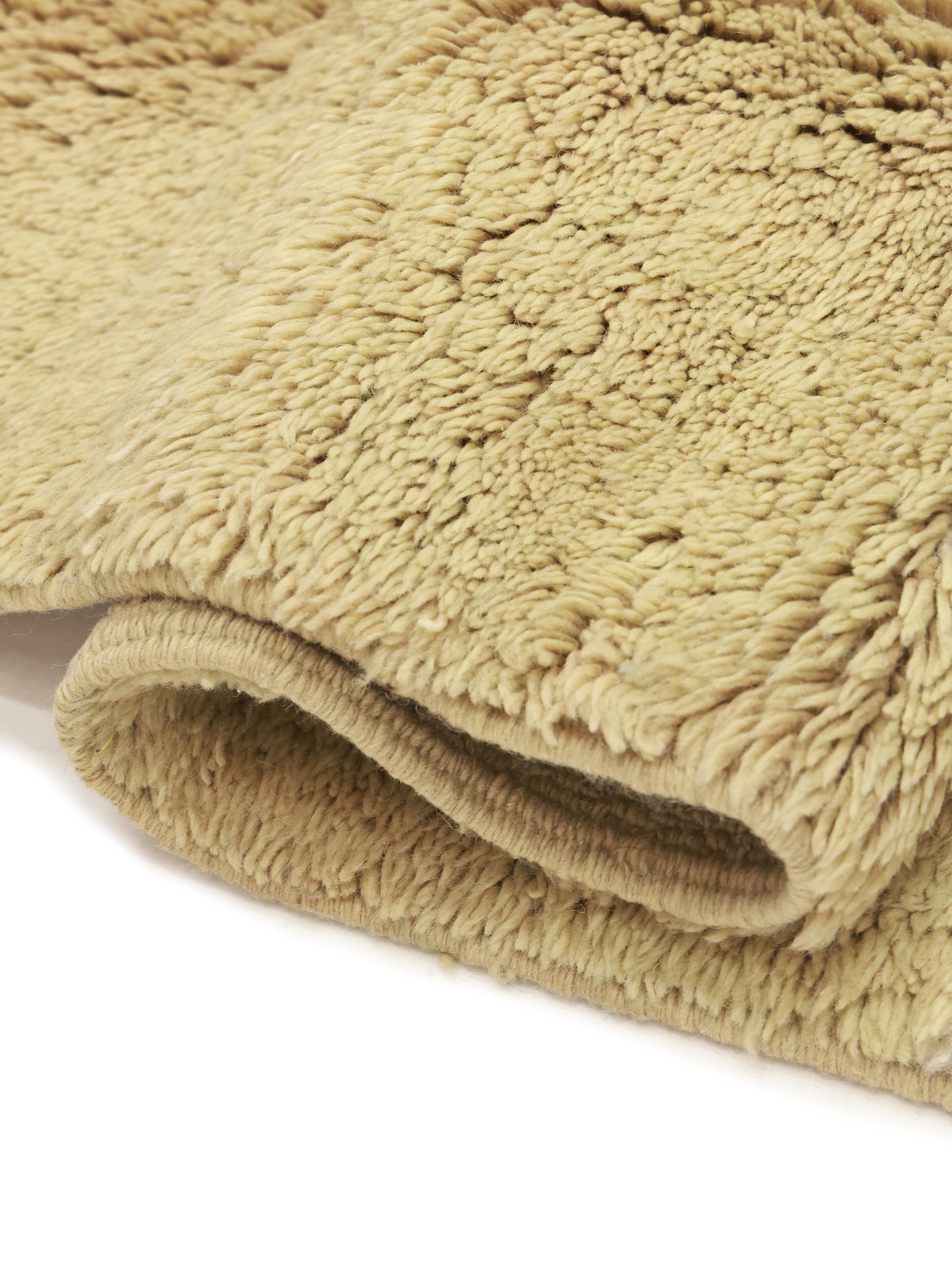
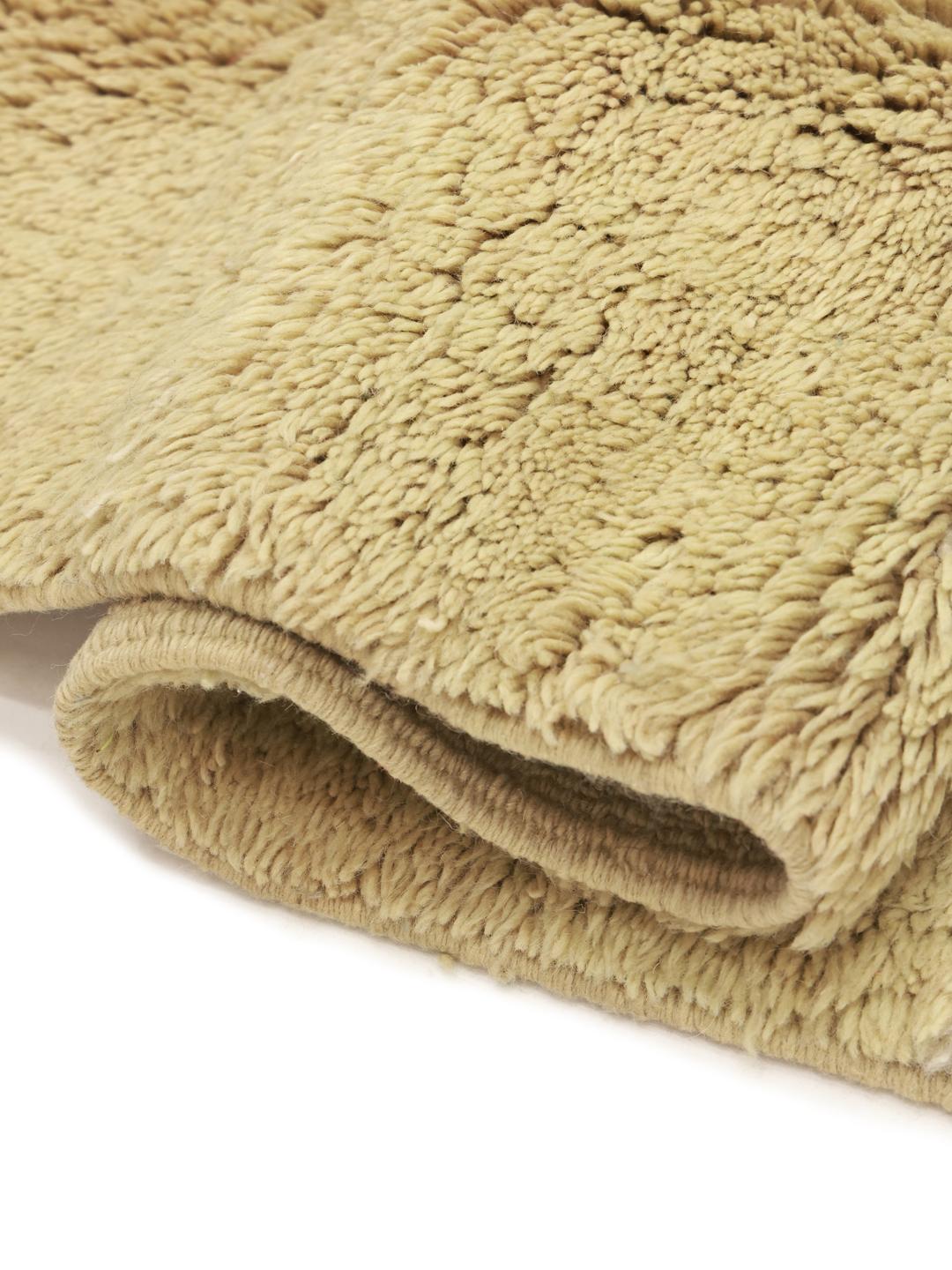
The Berber Beni Ourain rugs originate from the high, rugged peaks of the Middle Atlas mountains in Morocco, where they have been crafted by indigenous tribes for centuries. These rugs were traditionally woven by women using the wool of sheep that grazed on the mountain slopes, creating a vital source of warmth for the harsh, cold winters. Far from being simple floor coverings, they served as blankets, bedspreads, and bedding, deeply integrated into the daily life and nomadic traditions of the Berber people.
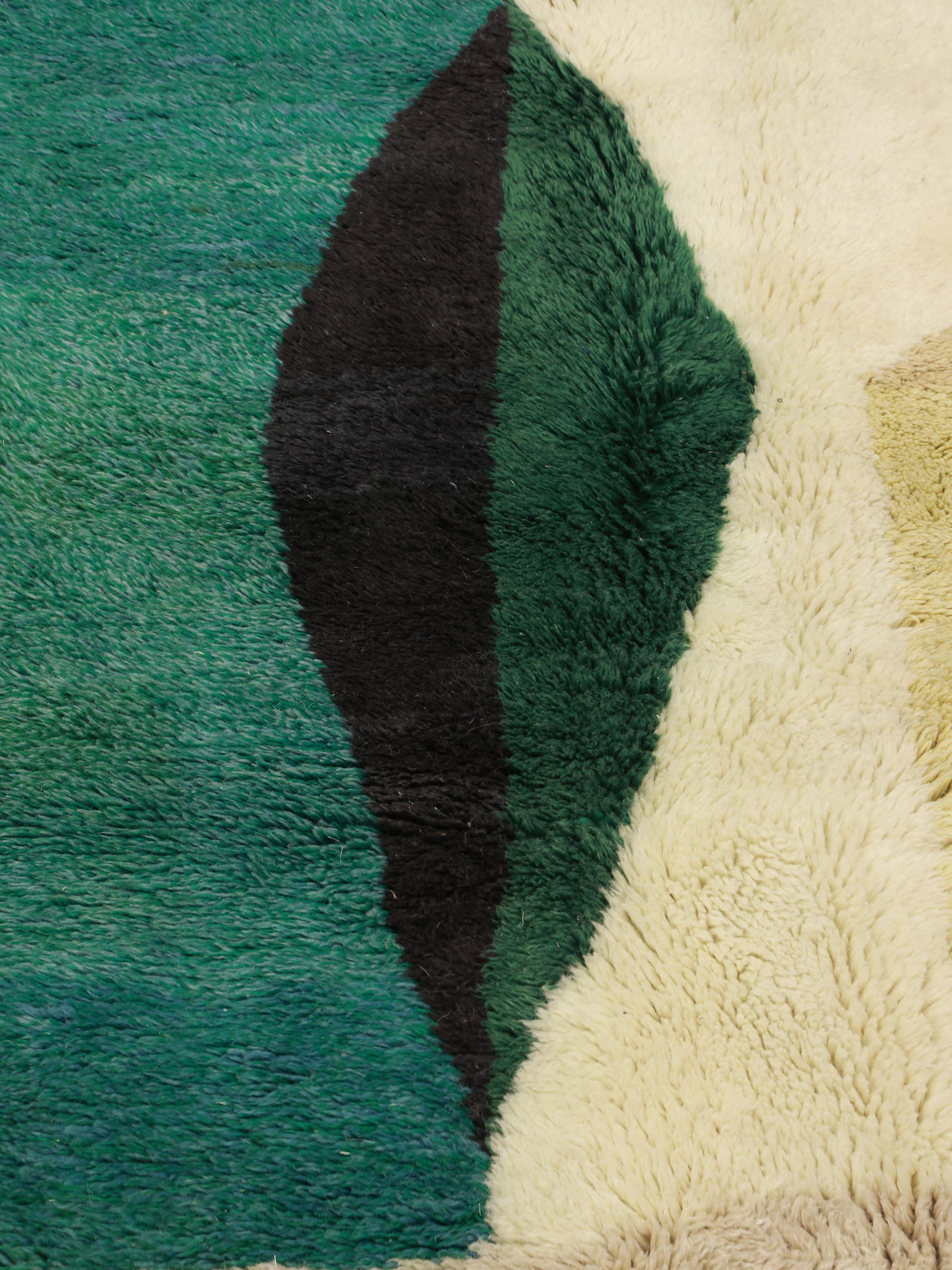
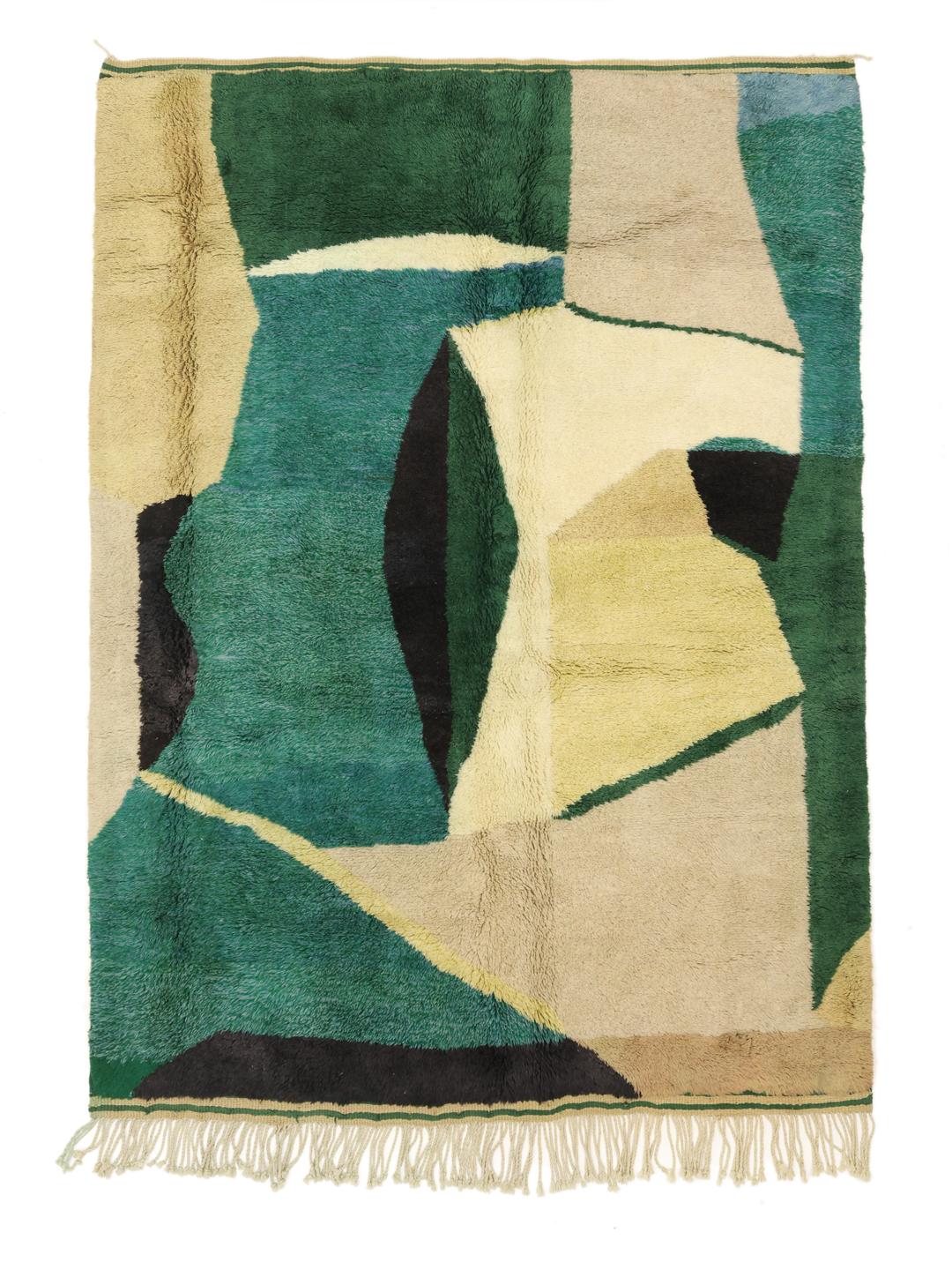
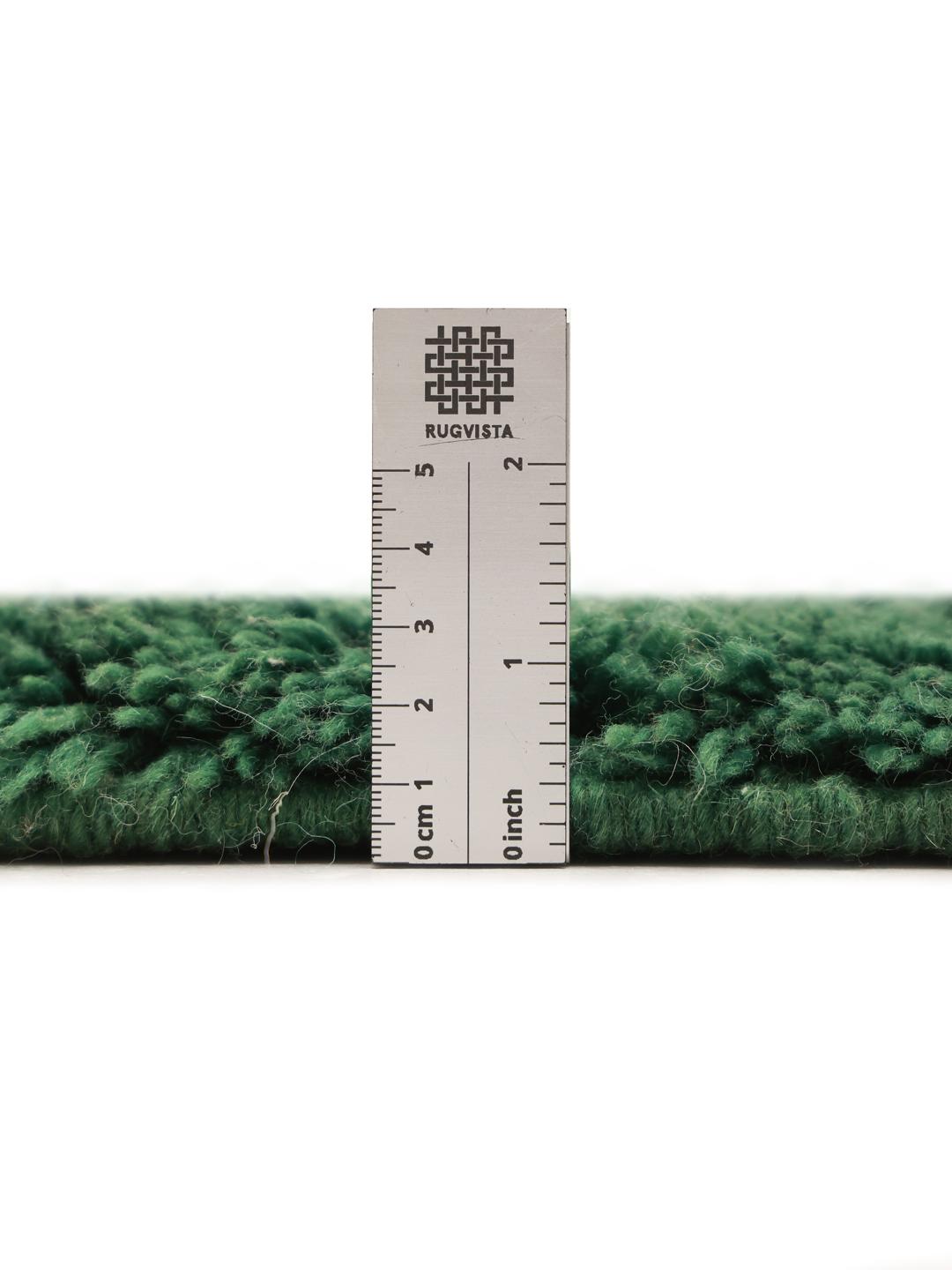
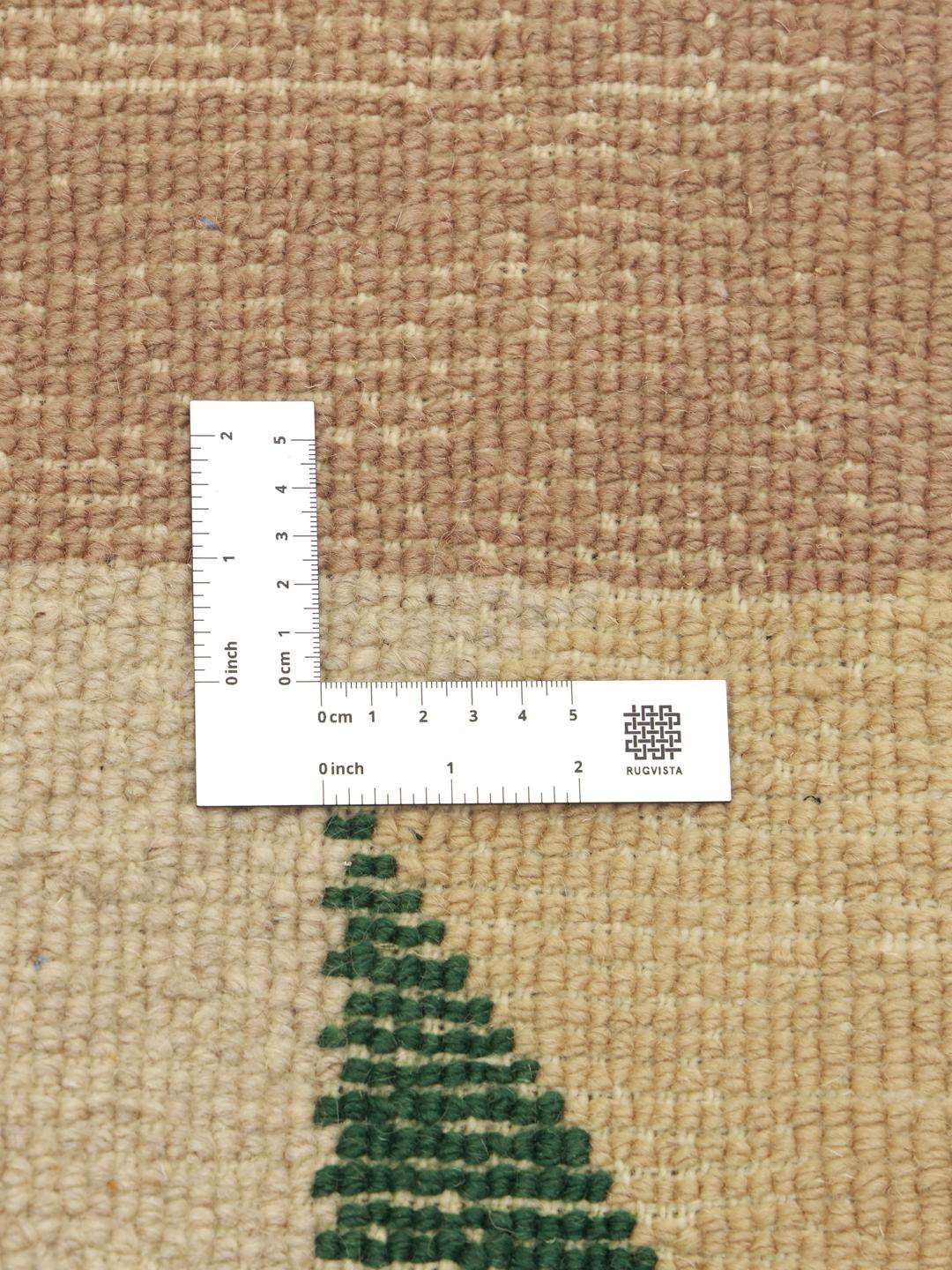
The term 'Beni Ourain' refers to a confederation of tribes known for their specific weaving techniques. Traditionally, these rugs were characterized by their minimalist and geometric designs, often using natural, undyed wool. However, as the tradition has evolved, so has the artistic expression, incorporating bold colours and modern, abstract motifs while staying true to the fundamental hand-knotted construction that makes these rugs so durable and lustrous.
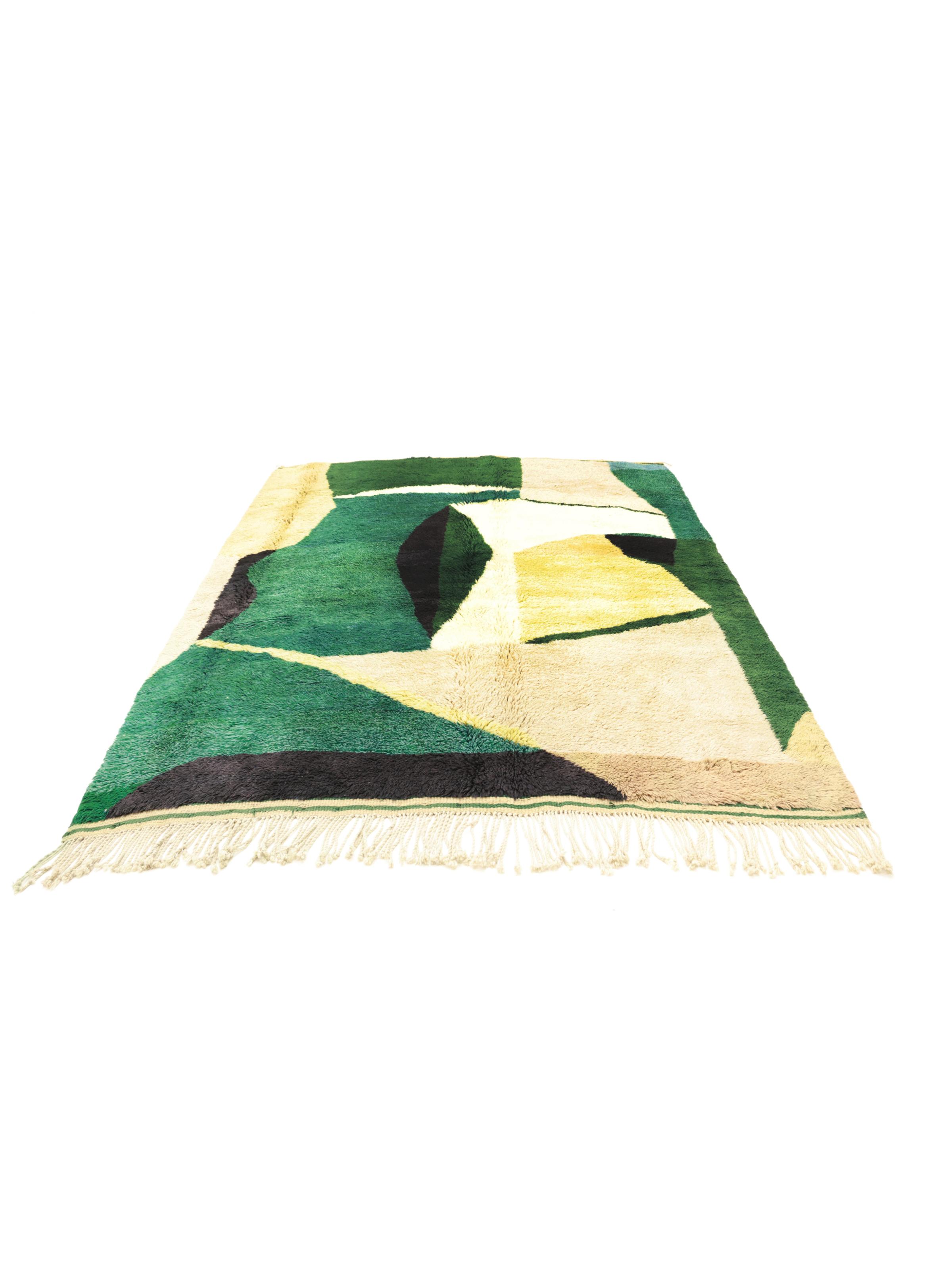
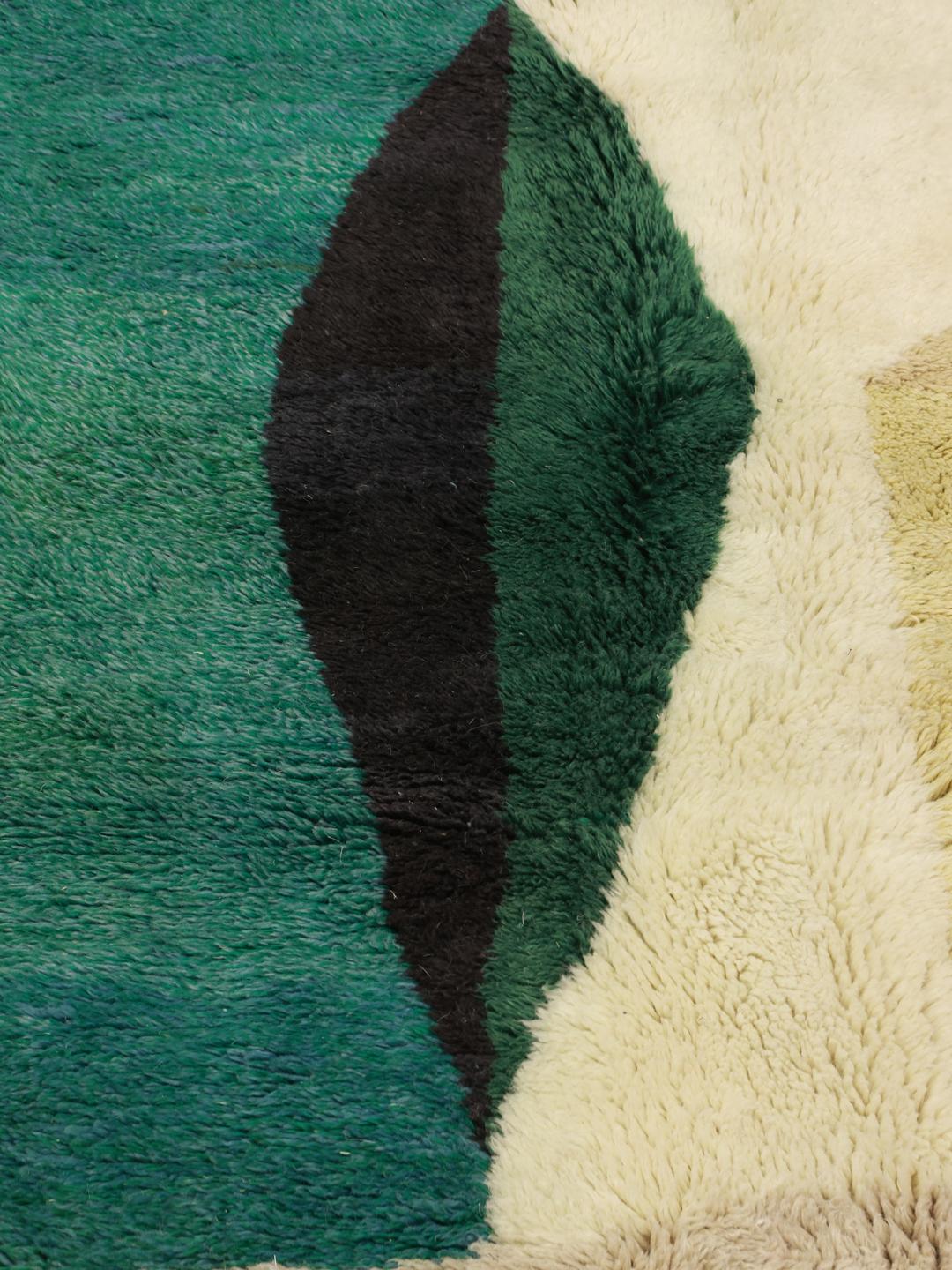
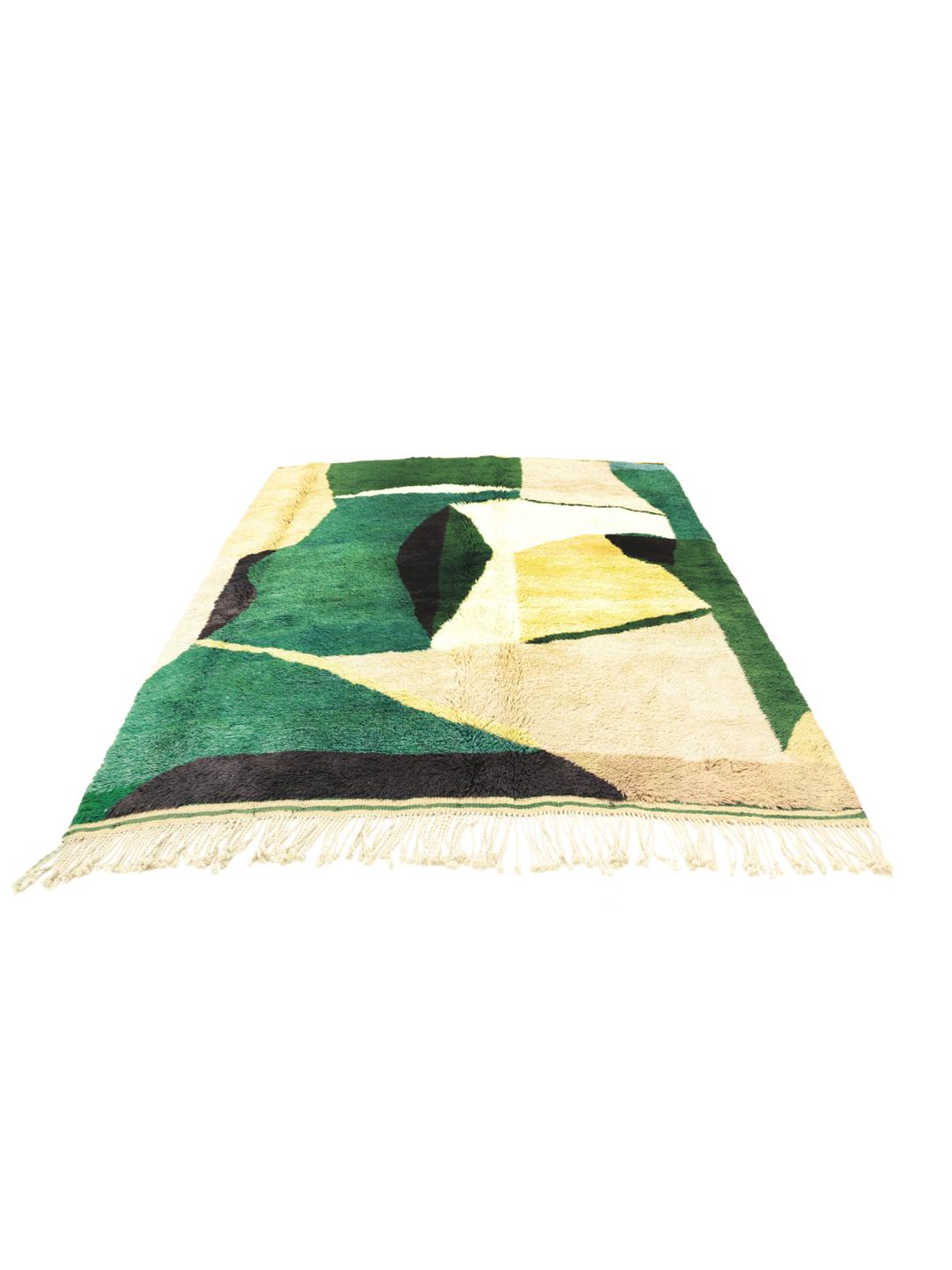
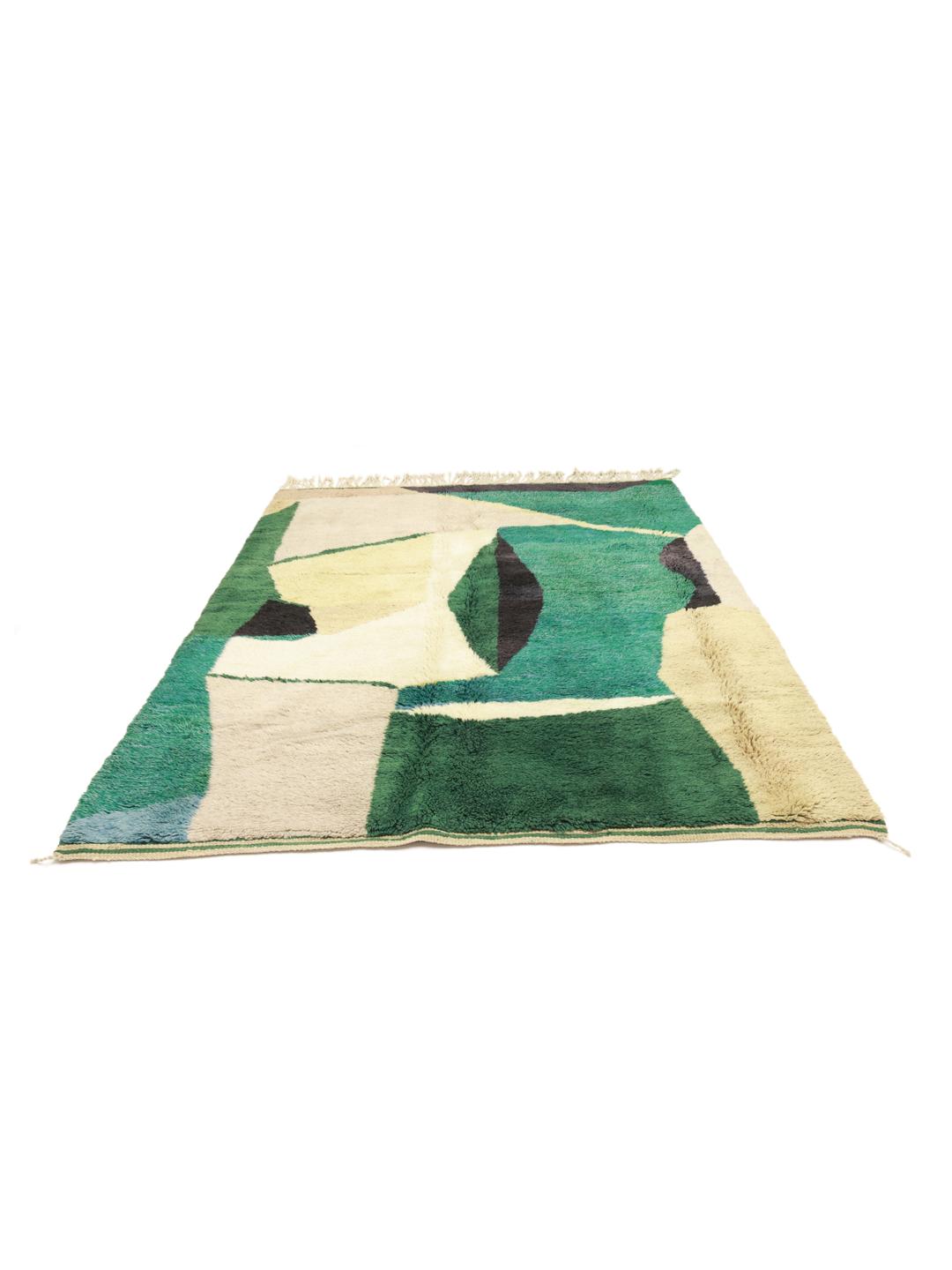
Visually, these rugs are defined by their ability to bridge the gap between ancient tribal symbolism and contemporary interior design. While traditional designs often focused on diamonds and lines representing aspects of life, fertility, and protection, modern versions like this one embrace a more artistic and free-flowing language. The use of vibrant, deep colours such as green against neutral backgrounds marks a departure from the strictly monochromatic heritage, showcasing the adaptability and evolving creativity of these talented weavers.
Collecting a Berber Beni Ourain rug is an investment in cultural heritage and human skill. They are highly valued for their authenticity and the fact that they are not mass-produced, meaning each piece carries the story and the unique aesthetic choices of its creator. Owning one is a way to celebrate a tradition that has survived for generations, bringing an enduring sense of history and genuine craft into the modern home.