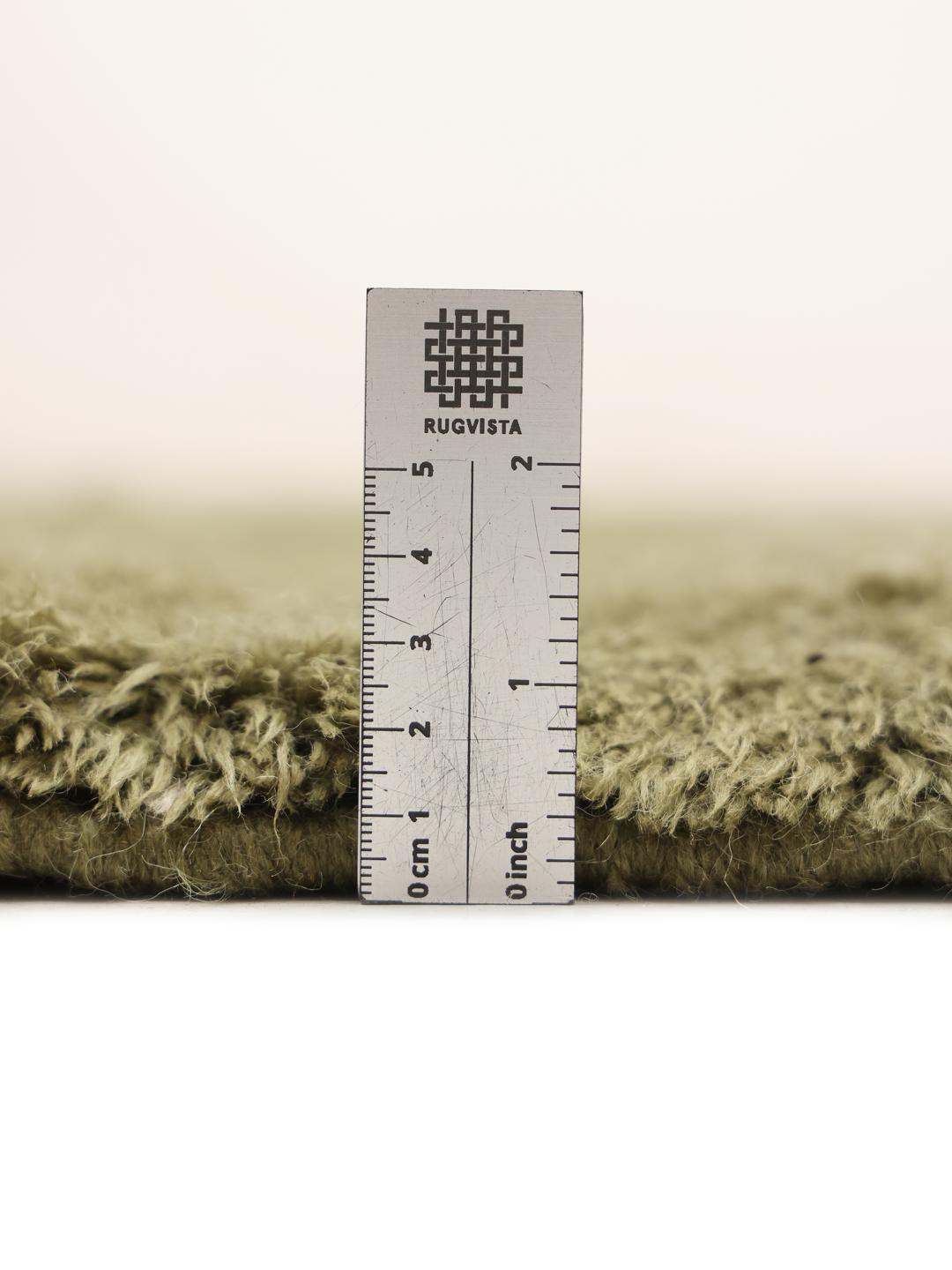
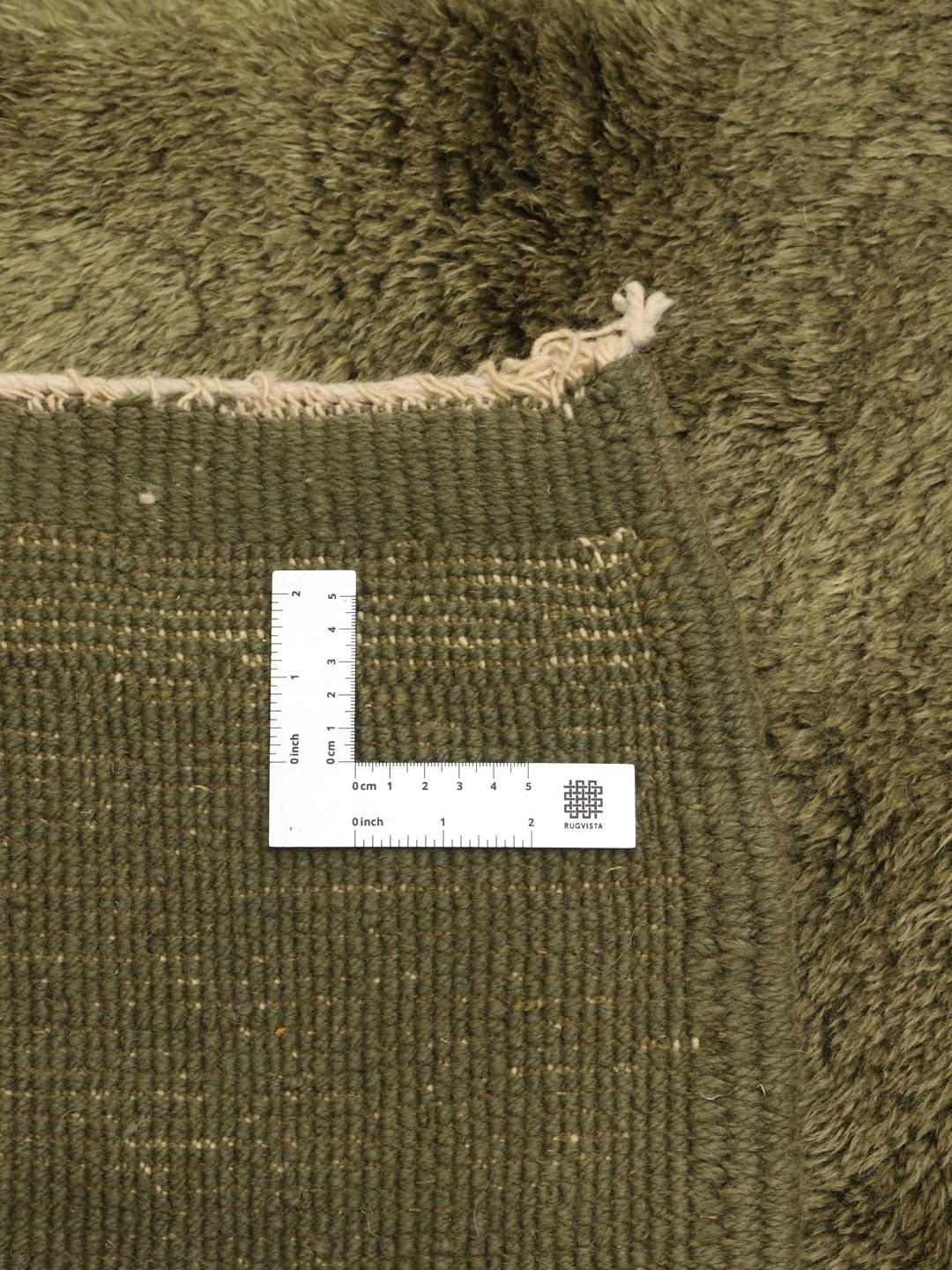
Berber Beni Ourain rugs are deeply rooted in the nomadic traditions of the Berber tribes who have lived in the Middle Atlas mountains of Morocco for centuries. Historically, these rugs were not merely floor coverings but essential items for survival, designed to provide insulation against the harsh, cold mountain winters. Each family would pass down weaving techniques, creating a living history through the wool they processed and the patterns they chose to decorate their homes.
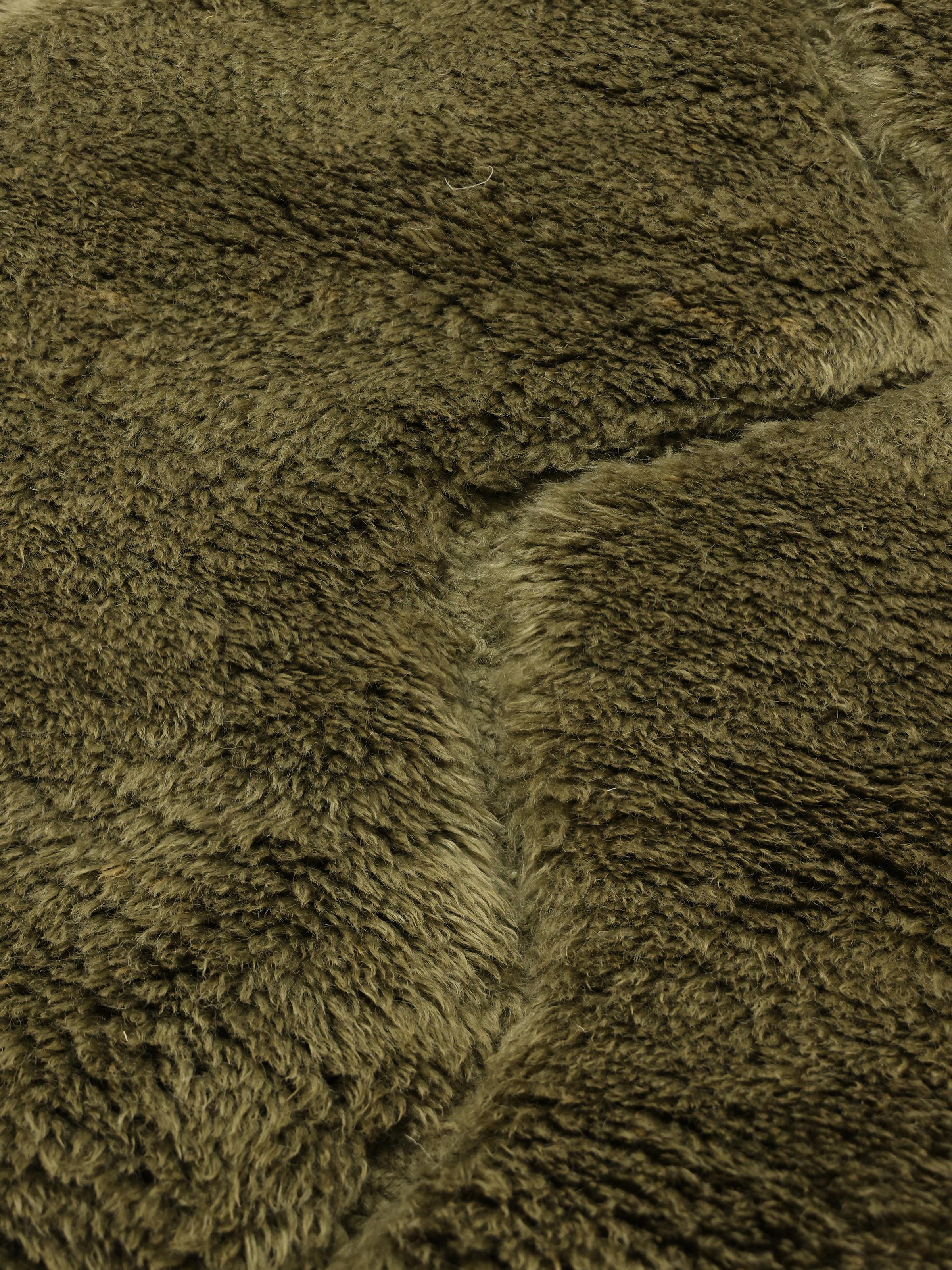
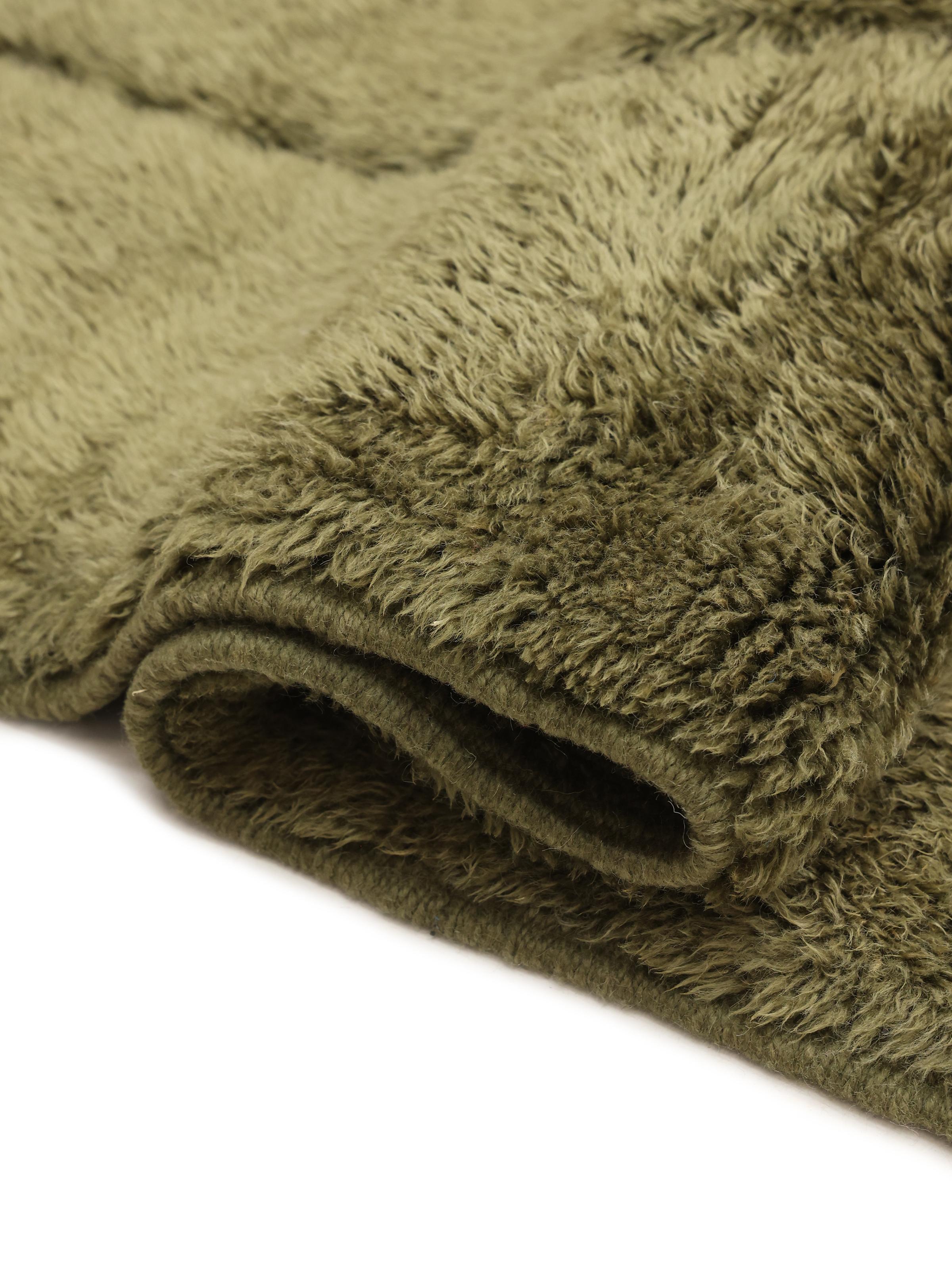
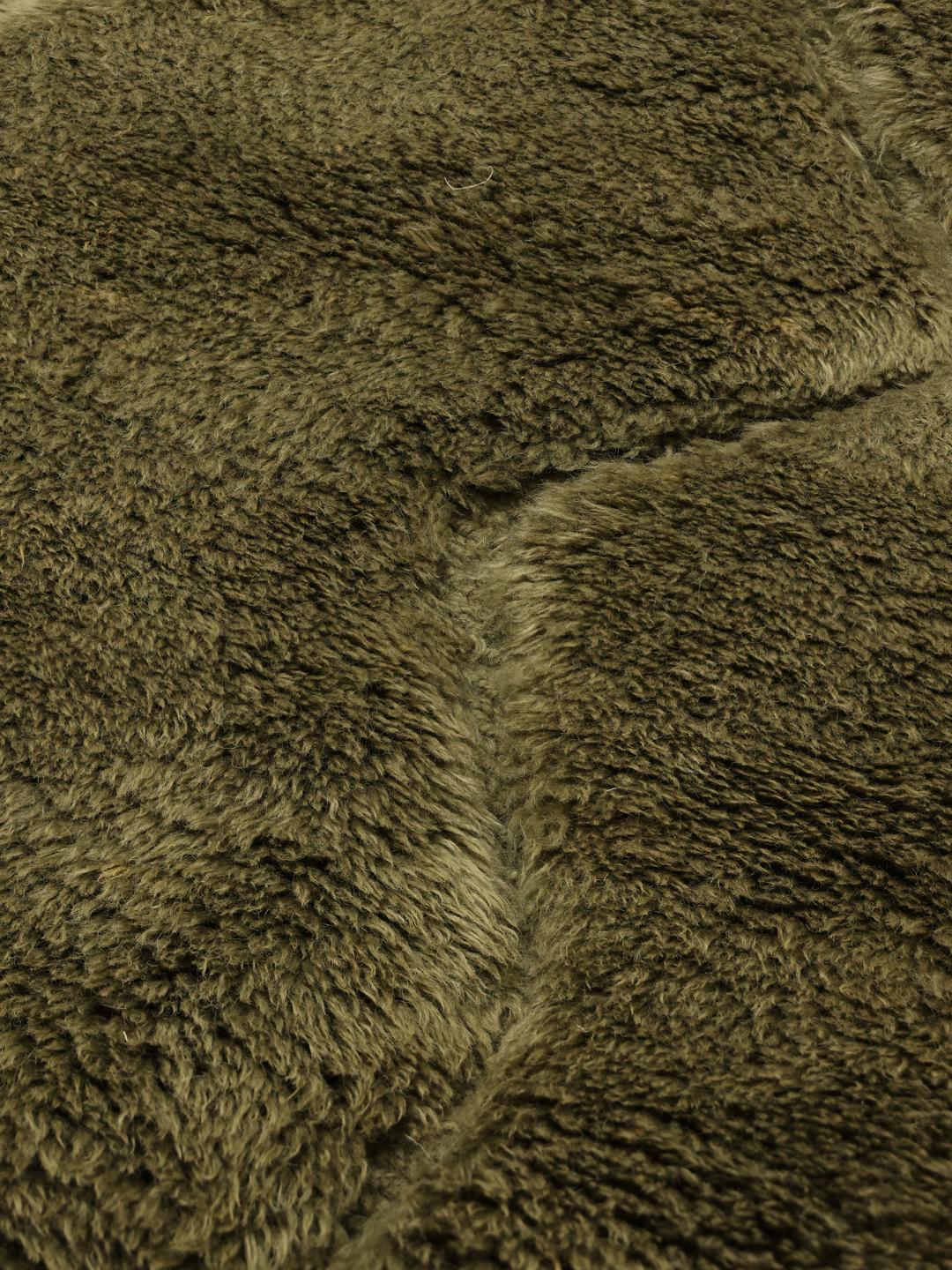
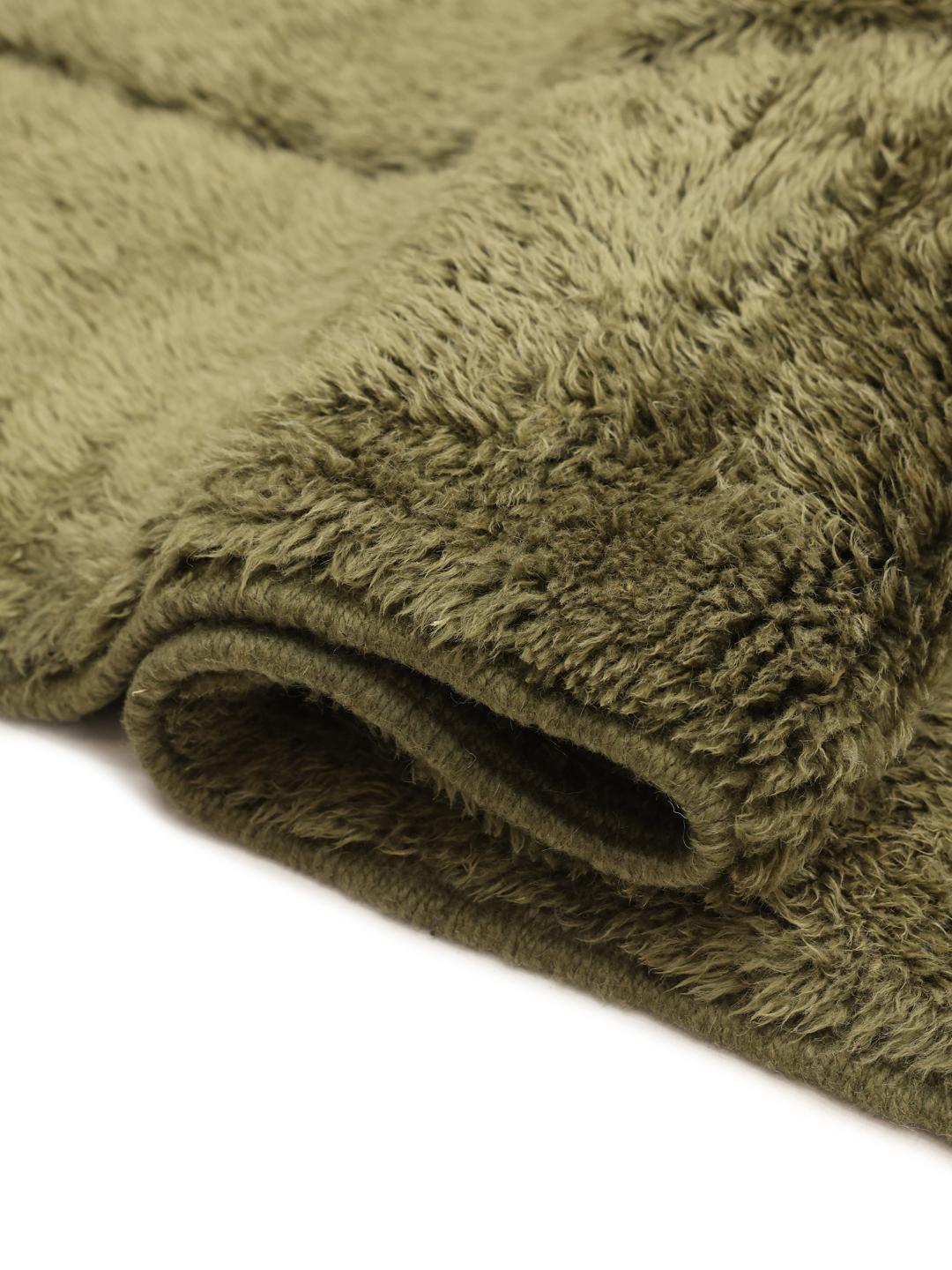
The terminology surrounding these rugs often refers to the specific tribal groups of the region. The term Beni Ourain refers to a confederation of tribes renowned for their exceptional wool quality and minimalist design aesthetic. These rugs are traditionally woven using a single, continuous strand of wool, which allows for a thicker, more durable finish that gains character and softness over time, making them highly prized by collectors.
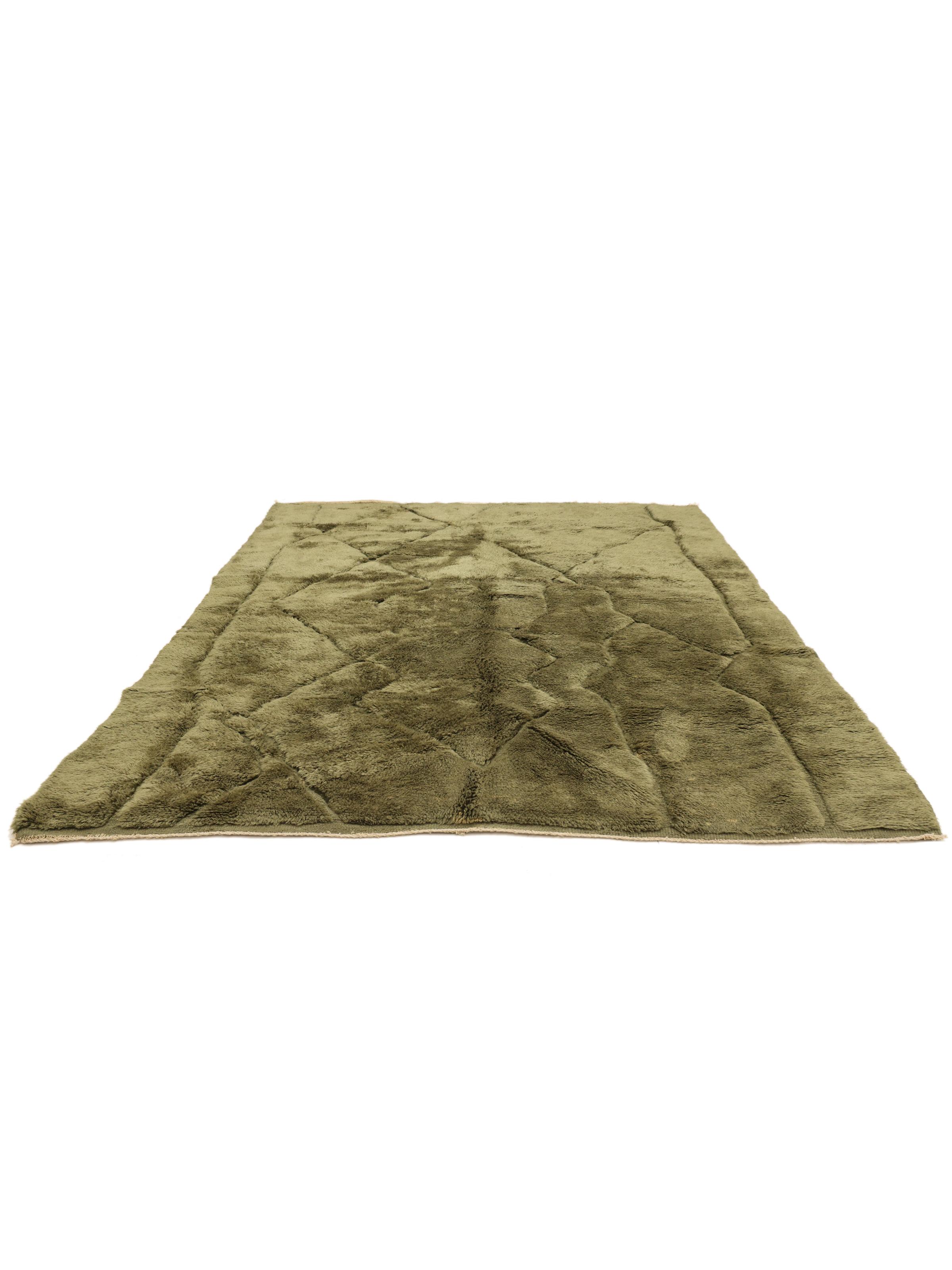
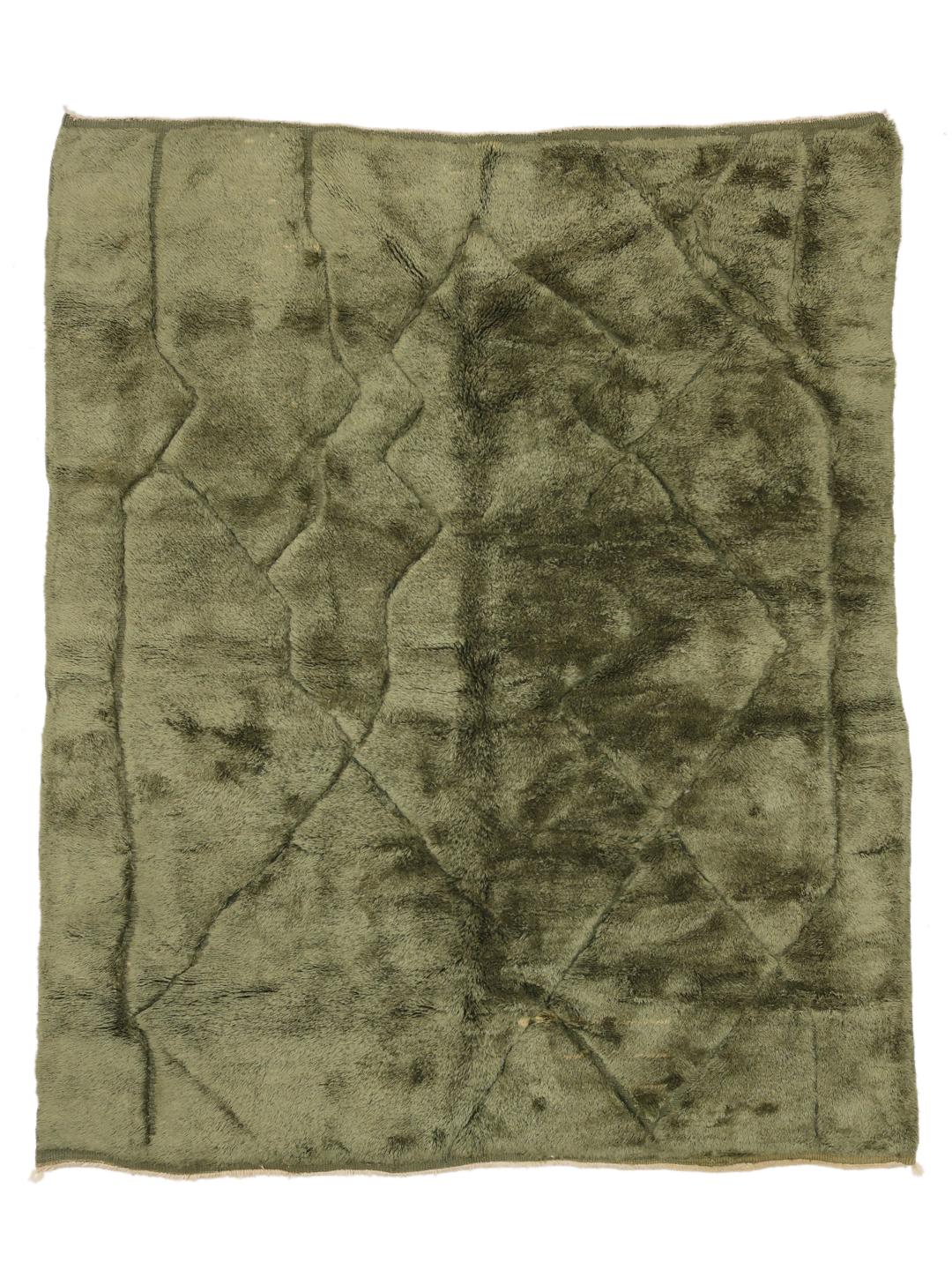
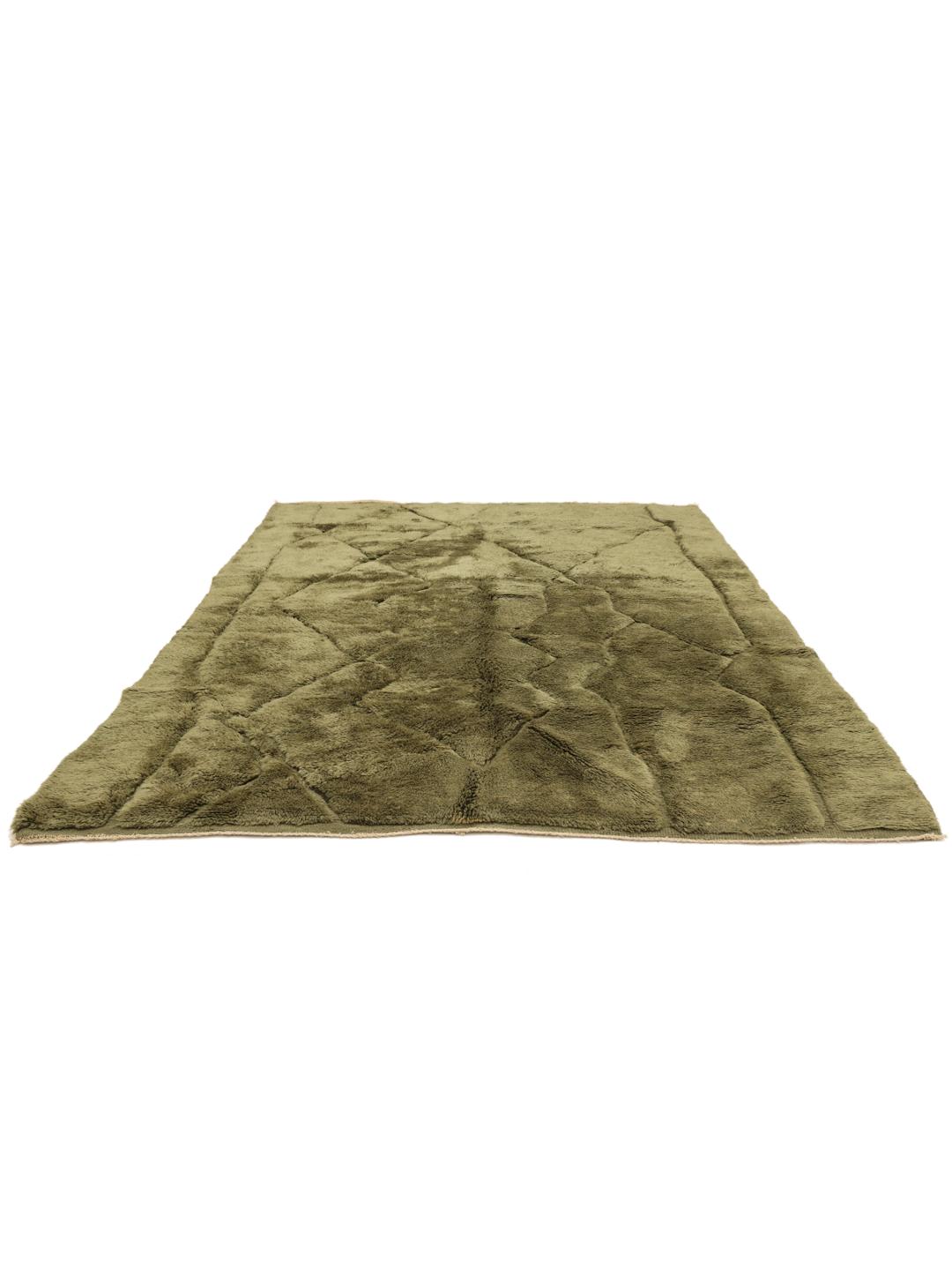
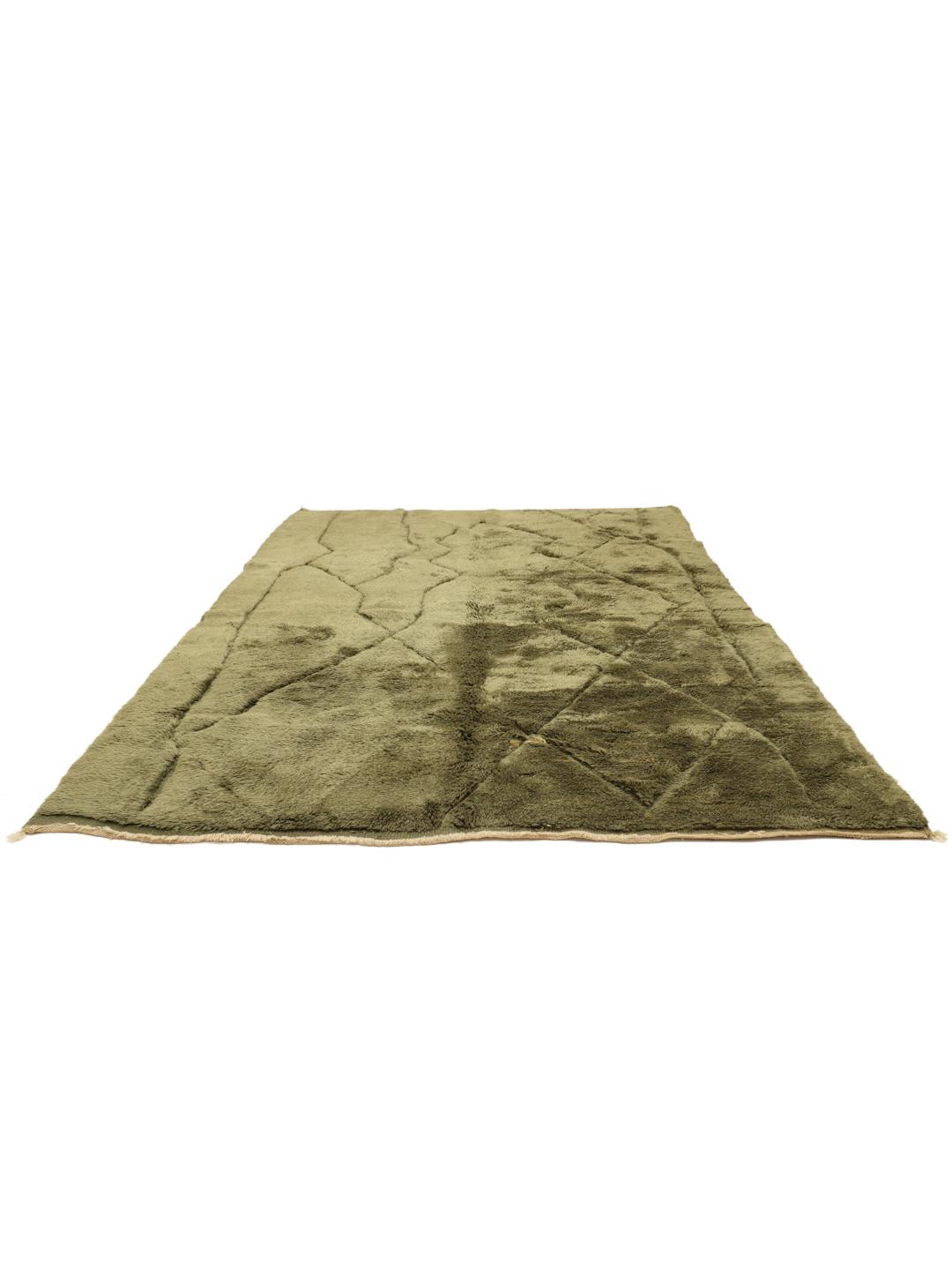
Visually, these rugs are defined by their use of undyed, natural wool and simple, often abstract, geometric motifs. While many traditional examples feature dark lines against a cream background, variations in colour and pattern are common, reflecting the individual weaver's creativity and the specific landscape of their mountain home. The lines are never perfectly straight, serving as a signature of the human hand and the weaver's personal expression.
Today, owning a Beni Ourain rug is recognised as an investment in cultural heritage and sustainable craftsmanship. These pieces are collected for their ability to bridge the gap between ancient tradition and modern living, offering a grounded, authentic presence that mass-produced items cannot replicate. They stand as a testament to the skill, patience, and cultural continuity of the Berber people.