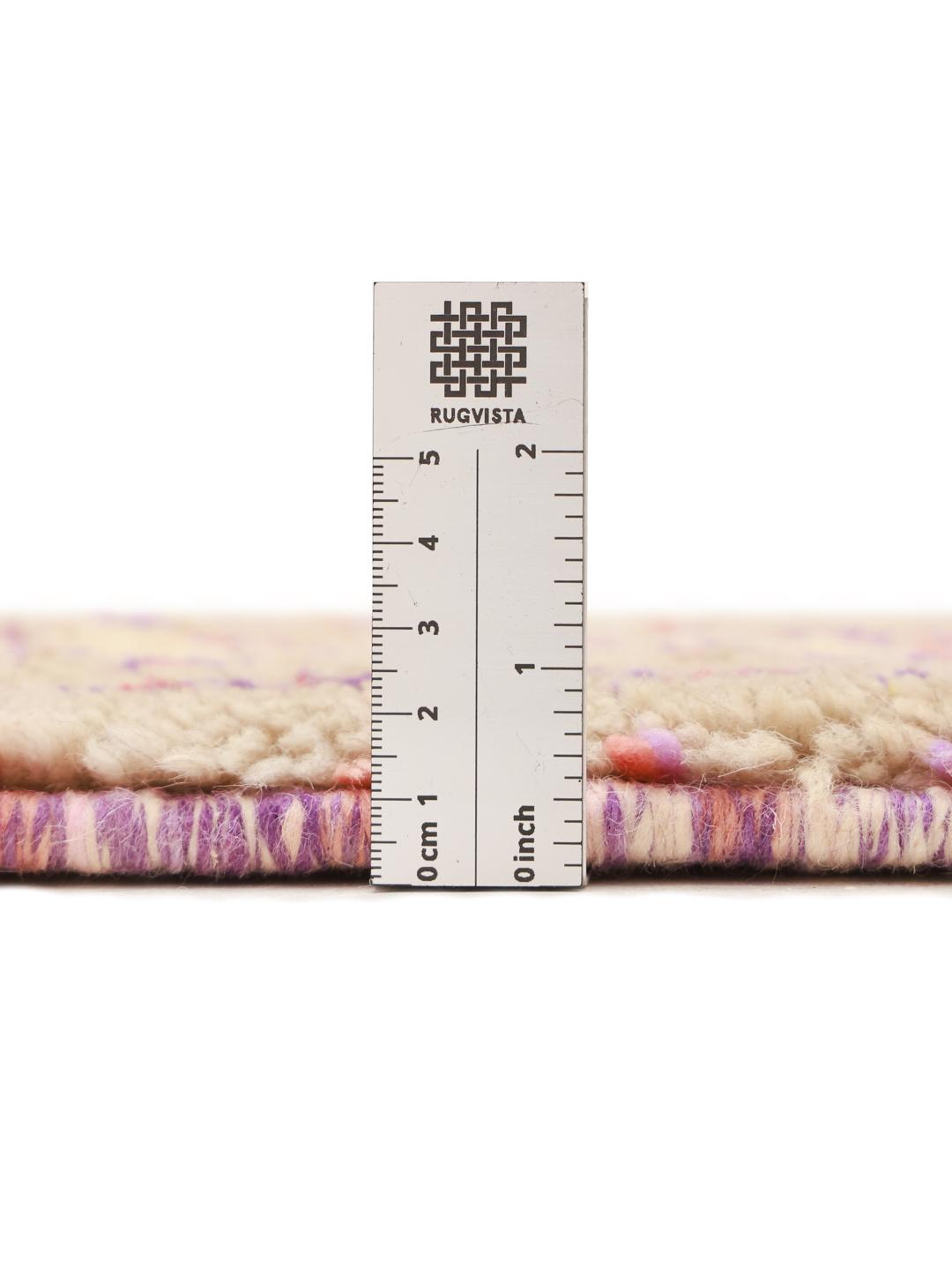
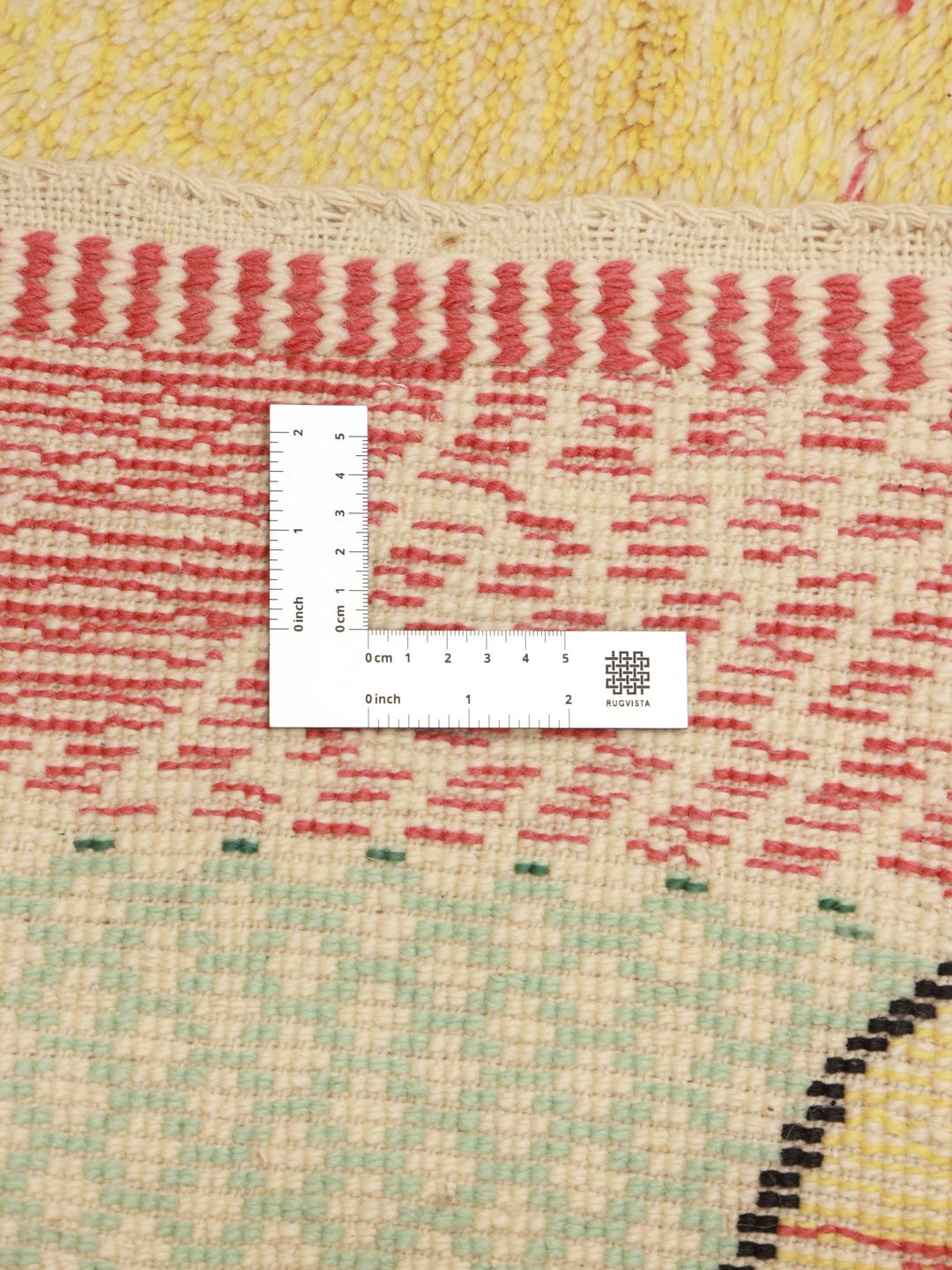
Berber rugs originate from the indigenous tribes of Morocco, particularly those residing in the rugged and isolated Atlas Mountains. These pieces were historically woven not just for comfort, but as essential functional items for mountain life, serving as blankets, sleeping mats, and floor coverings against the cold.
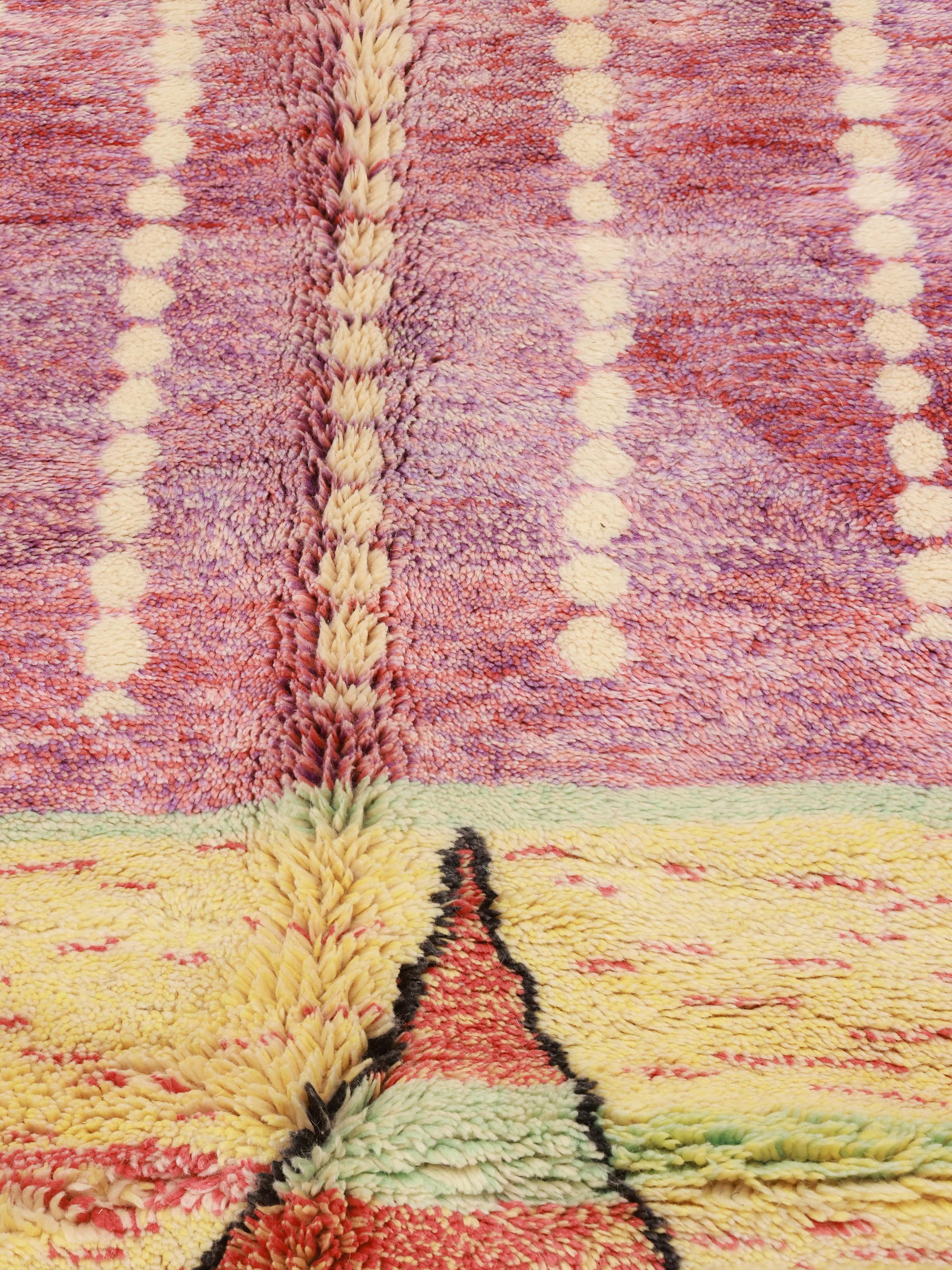
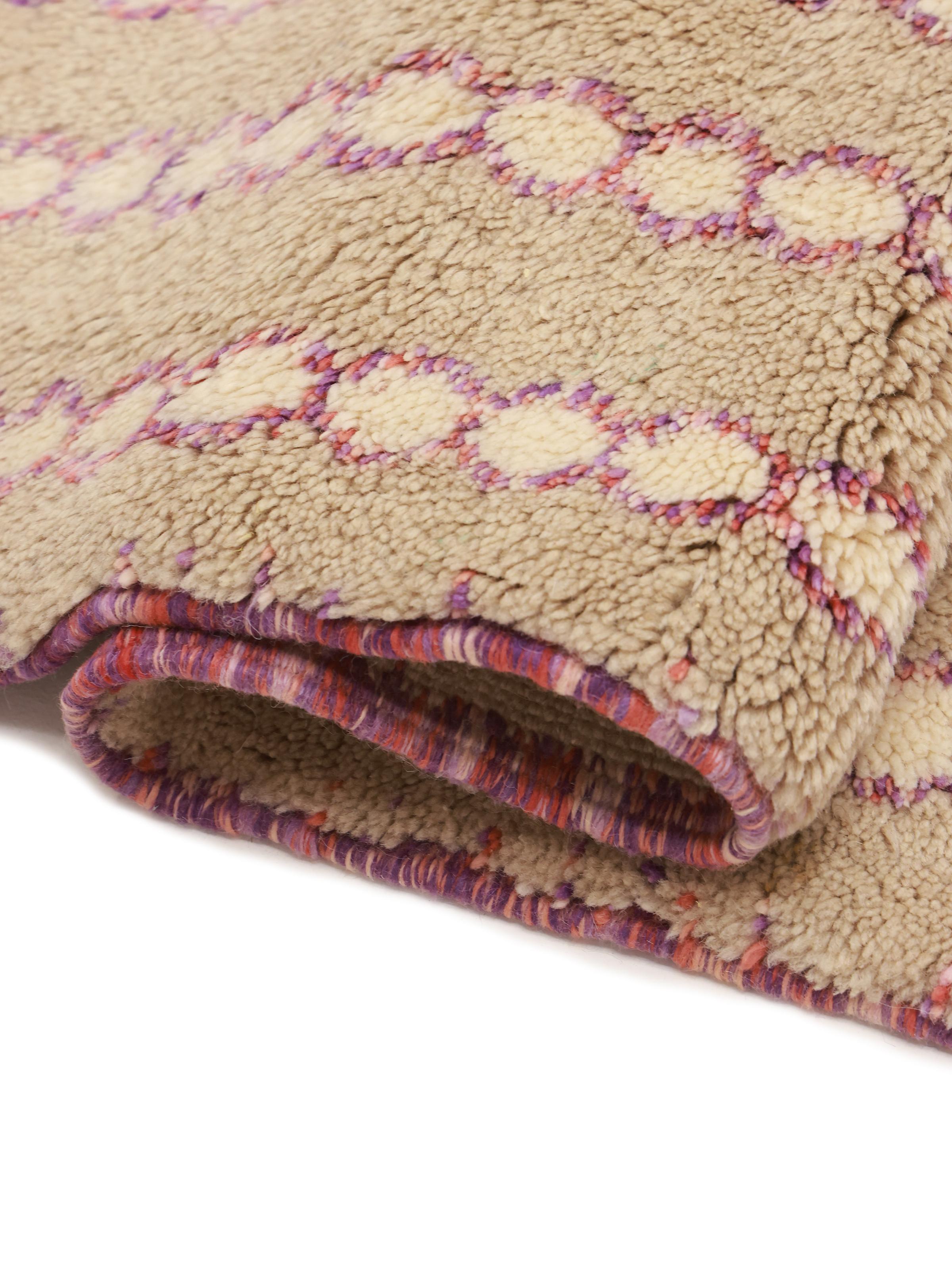
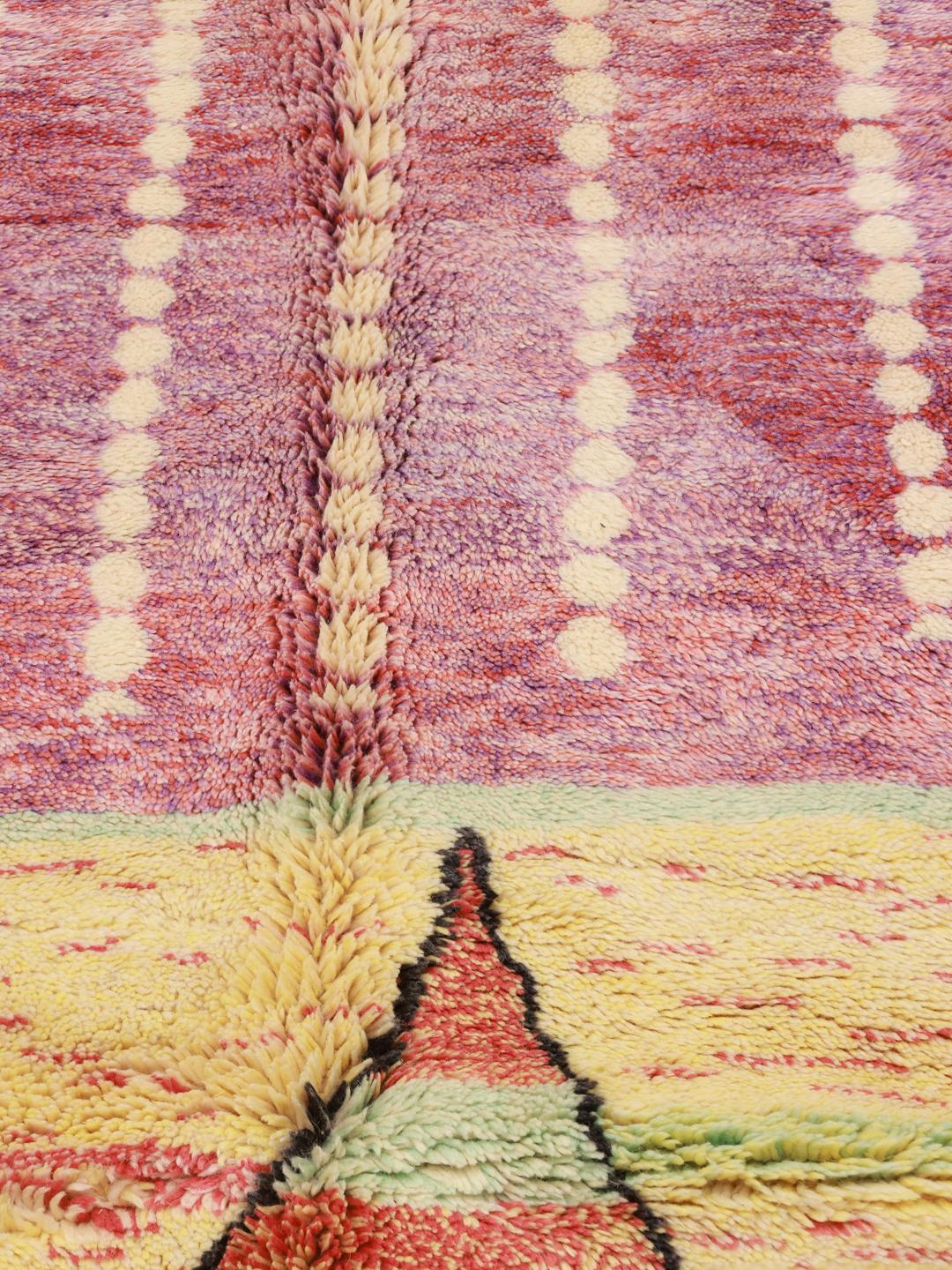
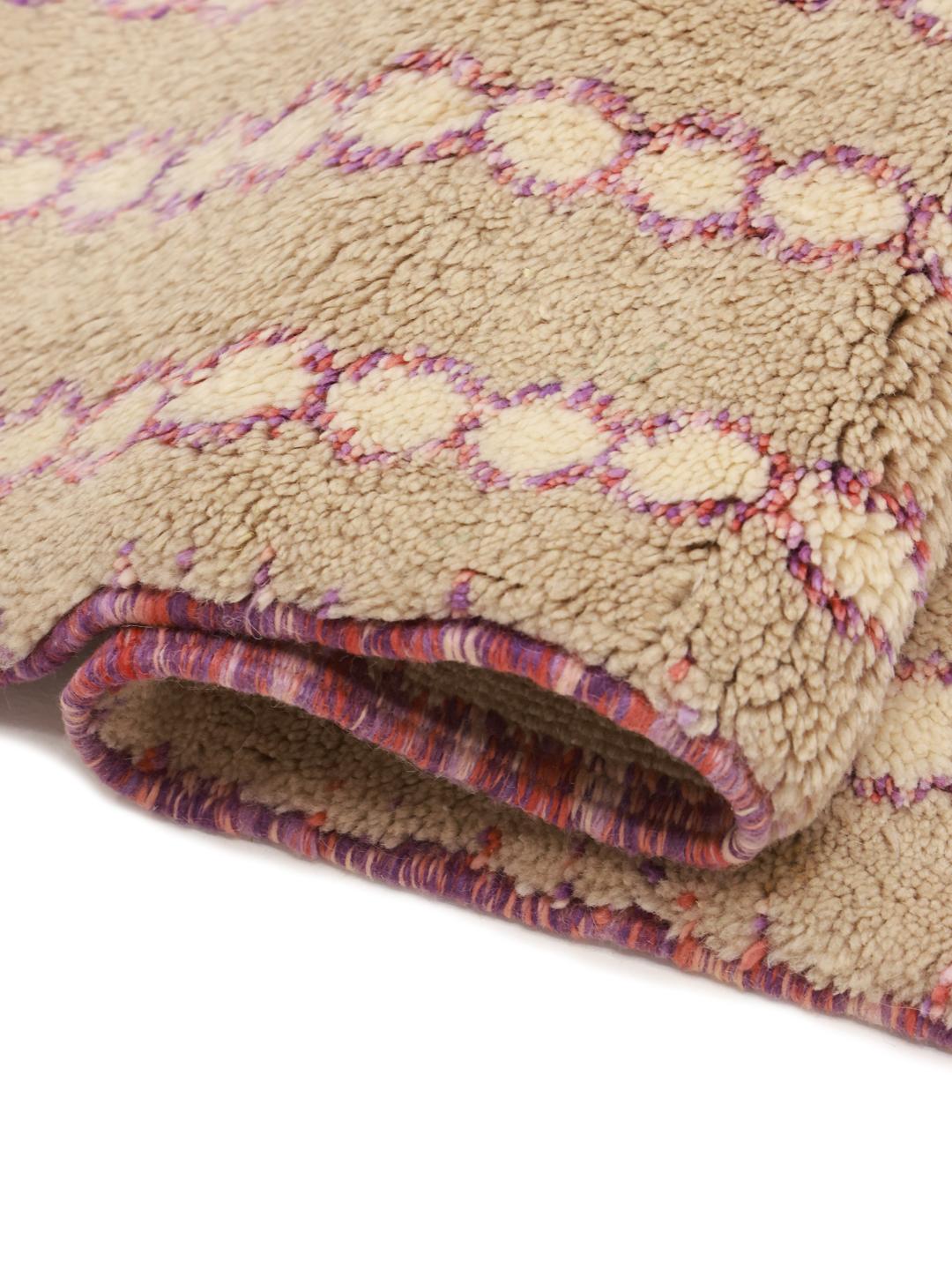
The terminology associated with these rugs, such as the Mid Atlas origin, refers to the specific aesthetic traditions and wool qualities found in that high-altitude region. These weavers are known for using high-quality, long-staple wool, which produces a naturally resilient and soft pile that has become highly sought after by collectors worldwide.
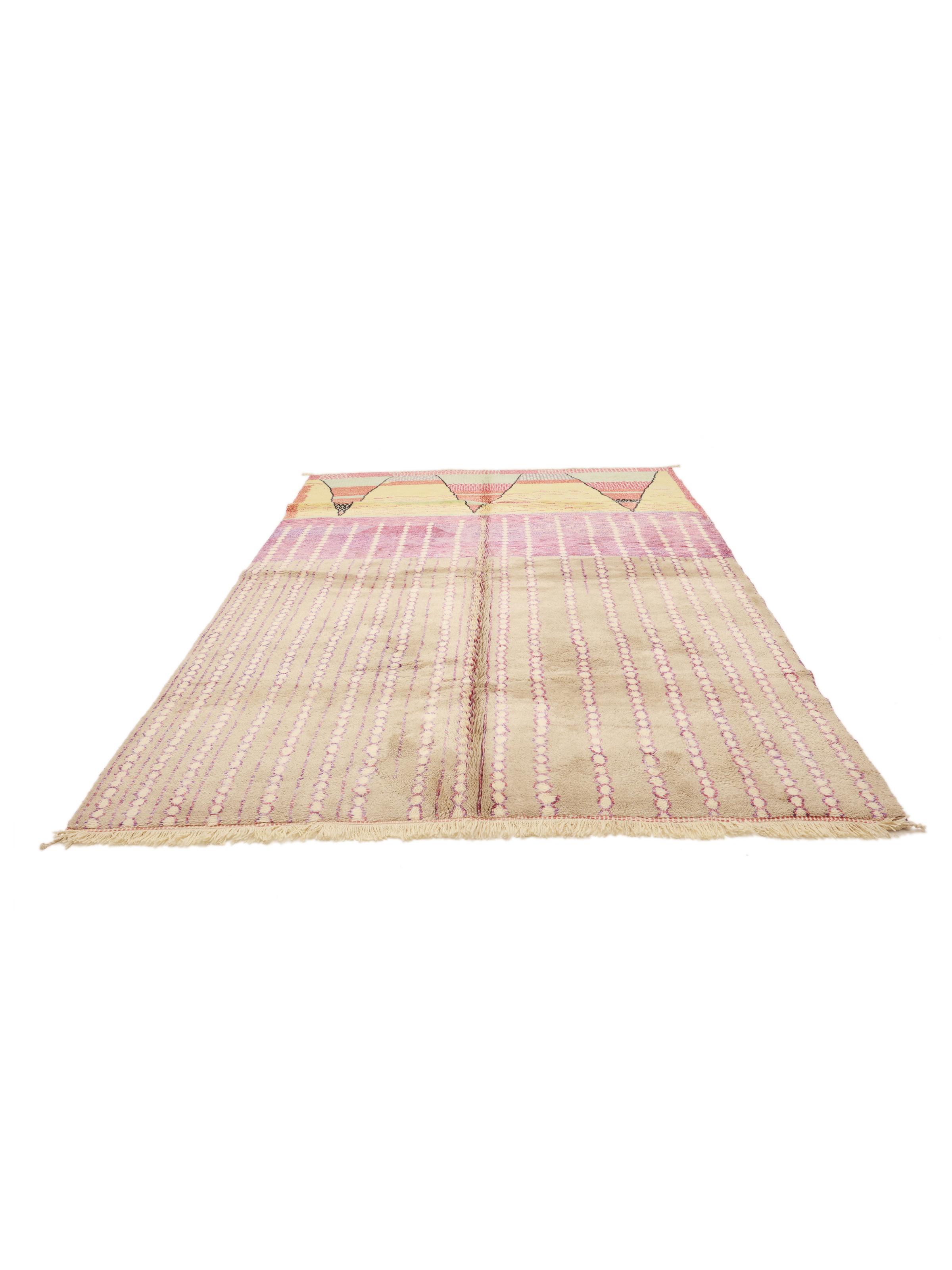
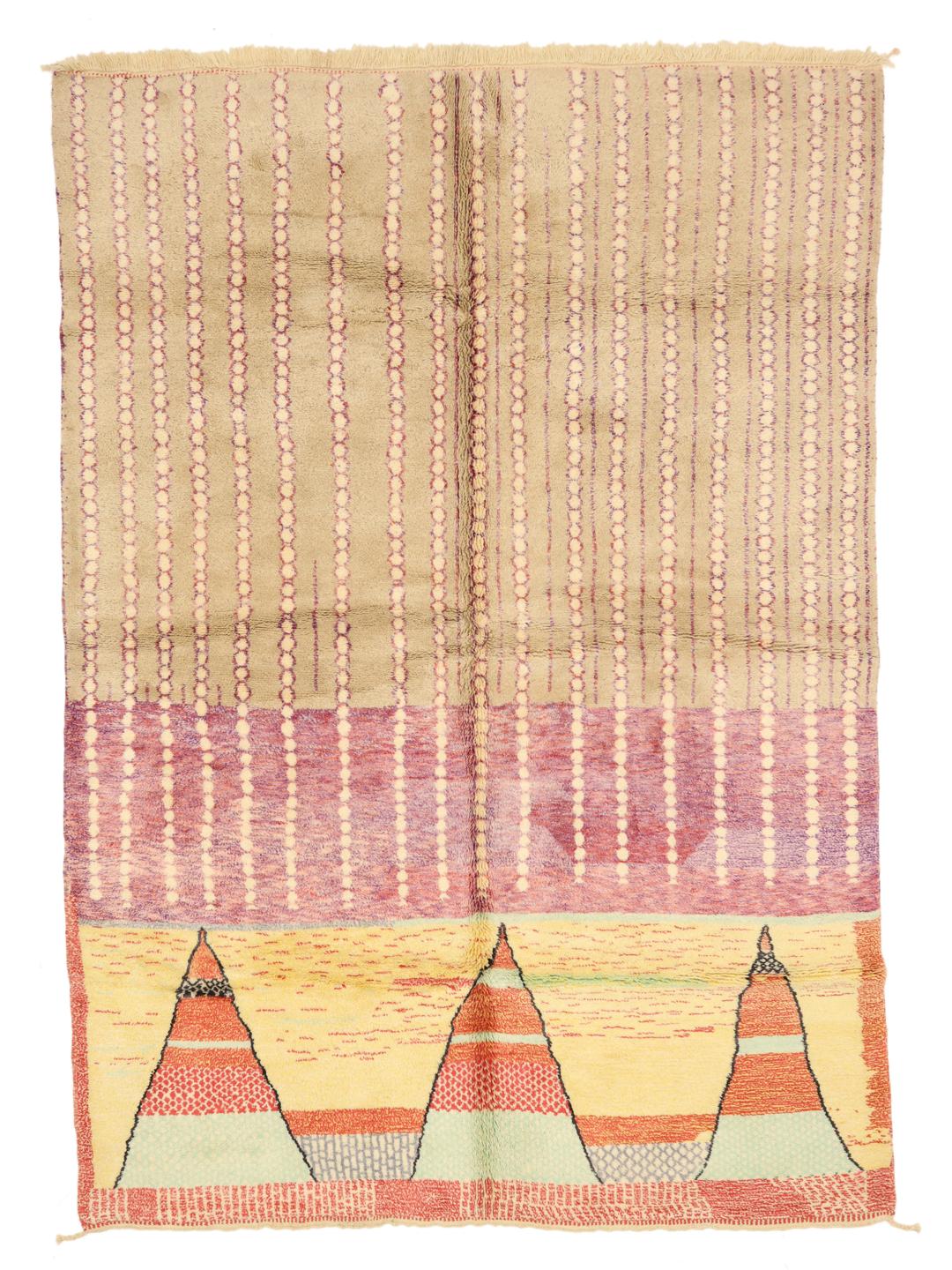
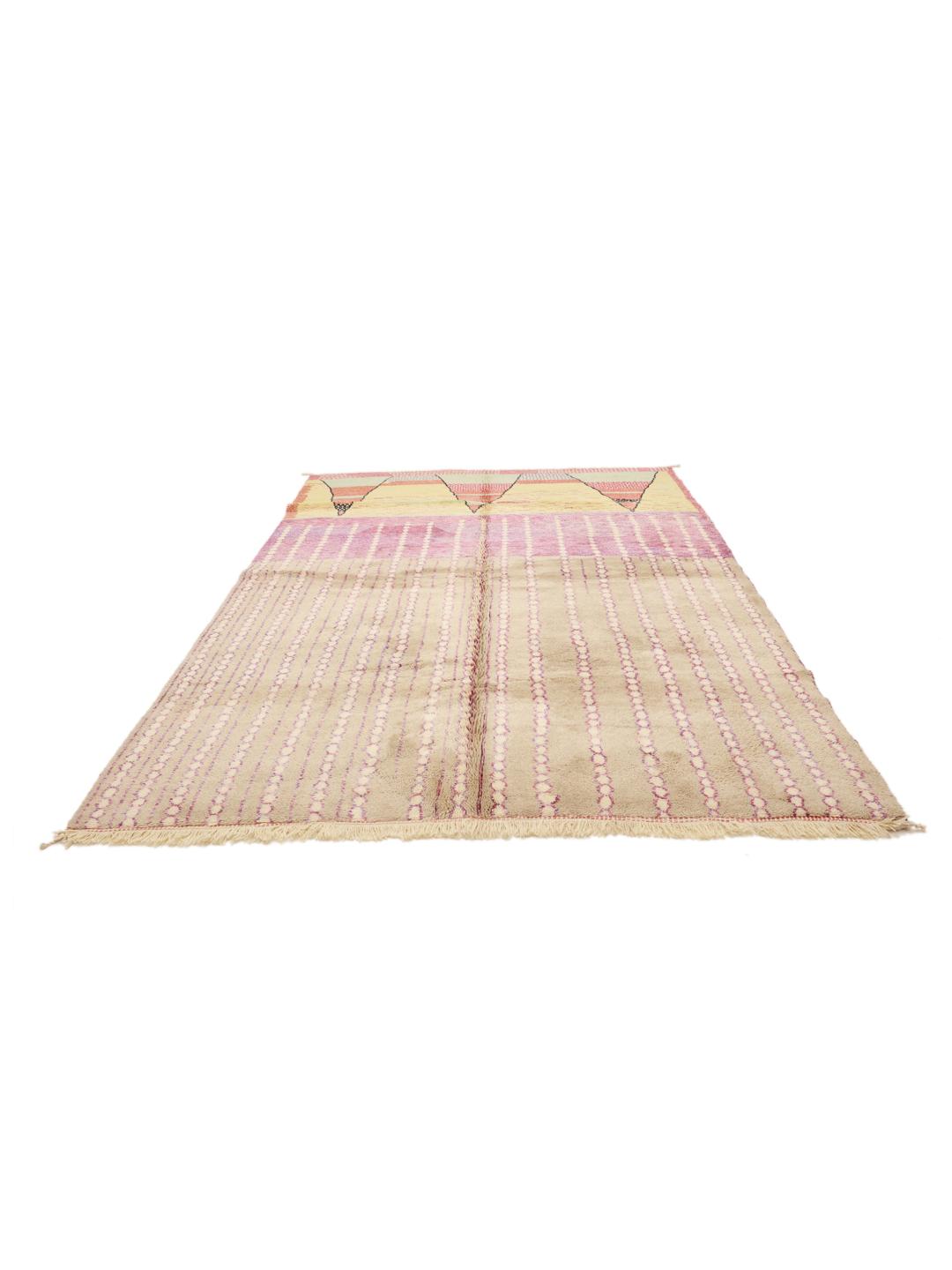
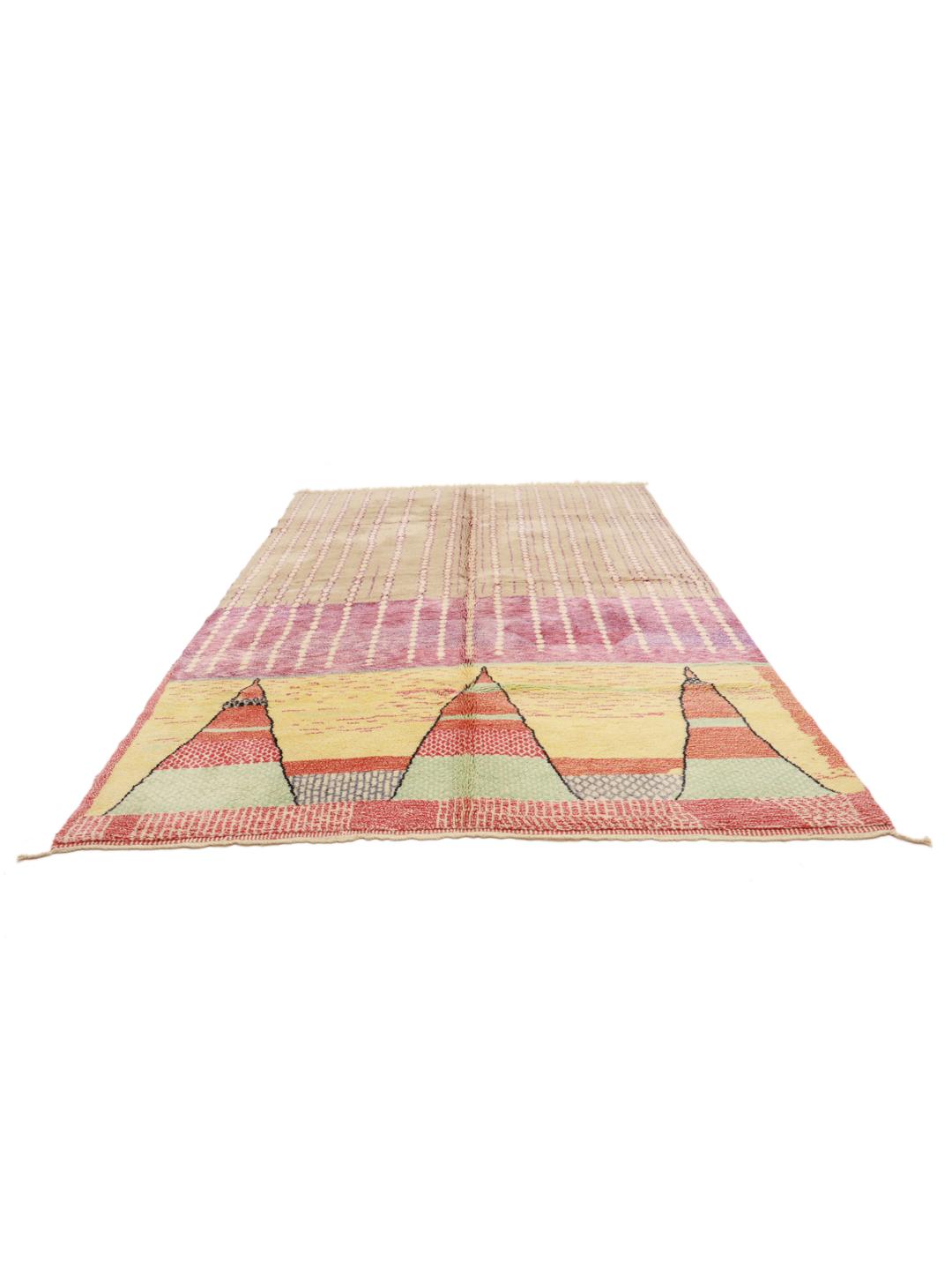
Design elements in these rugs often feature geometric motifs, lines, and symbolic shapes that serve as a visual language for the weaver. While some patterns are strictly decorative, others are deeply personal, often documenting aspects of tribal life, fertility, or the natural landscape. The presence of these specific shapes and the bold, earthy colour palette are hallmarks of the regional identity.
Today, these rugs are celebrated as symbols of cultural heritage and artistic skill. To own one is to possess a tangible connection to a nomadic, resilient history. They are valued for their ability to bring a sense of history and warmth into modern homes, bridging the gap between ancient craft and contemporary design.